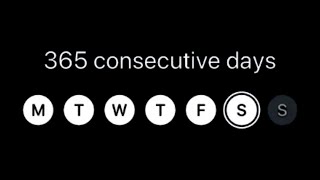
Greg Faxon shares the 3-part system he's used to meditate every morning for 10 years. Start with 2 to 10 minutes, understand that success means returning from thought, and anchor it first thing in the morning with a trigger like a post-it on the mirror.
Chapters
One day, I developed a system that allowed me to meditate consistently every single morning. And I've been using that same system for the last 10 years. So I've basically missed, I don't know, maybe five or six days in the last 10 years. I taught this system to my client Ryan recently, who wanted to meditate more consistently, and he's been meditating every single day since our conversation. So if we can do it, you can do it. And let's look at the system through the lens of the three most common excuses that people use for not meditating consistently. So excuse number one is I don't have the time. The first thing I'd say is, this isn't so much about time, it's about priorities. We prioritize the things that are important to us. If working out is important to you, you're going to make time for it. If it's not important to you or you don't see the value of it, you're not going to prioritize it. So there's this little saying in Zen, which is, if you don't have 20 minutes to meditate, you need two hours, right? Something like that. And the idea is, if you feel like you're too busy in life, that's probably the time when meditation is going to benef you the most. Because the cool thing about meditation is it doesn't really take up time. In a way, meditation creates more time. If you take a little bit of time in the morning to meditate, chances are you're going to be more productive with the time that you have left over for the rest of the day, versus if you're just unfocused, you're stressed, you're worried. The first thing we need to do in the first part of the system is to lower the bar. So I'd recommend you meditate for just 10 minutes a day. Now, if you want to do more than that, you're already sitting and you're feeling good, you're feel free to do more of that. But if you feel like you need to do 20 or 30 minutes a day for it to count, it's going to be very, very hard to be consistent. So even if you can only do two minutes, set the bar at two minutes. The point right now is to become consistent is to build the habit. It's not to perfect the habit or optimize the habit. So first part of the system, 10 minutes a day. Excuse number two is meditation doesn't work for me. You might have tried meditation. You could even make time for It. But there's this feeling like you're not good at it or you're not doing it well. This is a very common misconception, and it comes from the idea that there's a problem with thinking. You notice yourself thinking. You get lost in thought, and you say, shit, I must not be a good meditator. But actually noticing your thinking is the point. Noticing your thinking is a sign of progress in meditation. That's really all you're doing. That's the practice is noticing when you get distracted. And coming back to your anchor, whether that's the breath, sound, feelings in your hands, you coming back to that anchor is like you doing a bicep curl. That's you getting your reps in when it comes to meditation. Because think about this. You might not feel great after every workout. Some workouts you might feel good after, but some you might not. You might feel sore, you might feel tired. And the thing about meditation is that it can bring up emotions, it can bring up feelings that you've been numbing, but now that you're sitting and not doing anything, they're going to come up. So you won't always feel better after meditation. In the short term, the sign of success is simply, am I returning back? Am I noticing my thinking? And if you're doing that, you can give yourself a pat on the back because you're doing it right. So the second part of the system is we're just returning from thought. Coming back from thought. You can think of it as, like, shitty meditation. That's the bar, okay? So 10 minutes of shitty meditation, coming back from thought. The third excuse we often make is that we forget to meditate. We. We can say, I want to do it. I'm okay doing it for less time and lowering the bar. Or I'm okay thinking the whole time and then coming back from thought. I'm okay if that's the marker of success, but I forget to do it. So what's the solution here? I used to, for a long time, just convince myself and say, all right, I got to meditate tomorrow. I got to remember to do that. But the day would happen, things would come up, and then by the end of the day, it was, like, too late, right? I was exhausted. I just wanted to go to bed. So here's the fix for this. We got to do meditation right at the beginning of the day. We got to do meditation first thing in the morning as soon as we wake up. Because what I found is if you don't do it, then it's very Easy for it to get swept aside. And so that's our trigger, is first thing in the morning, like right after you brush your teeth. When I was coaching my client Ryan on this, what we had him do was actually put a post it note on the mirror so that when he was brushing his teeth, which is a habit he was already doing every morning after he got up, he, he would immediately be reminded, okay, I gotta go meditate. I've made this commitment. So if you need to put a post it note on the mirror or a post it note on your phone so you don't pick that up and go down a rabbit hole, then do that. We wanna remember, oh, it's time to meditate. If you don't do it first thing in the morning, for some reason, it gets pushed aside. But then later in the day you remember, oh, shoot, I forgot to meditate. I haven't meditated yet. Do it right, then that's your trigger. Stop what you're doing, take some breaths so you can check the box for that day. Okay, so let's summarize the system. We got 10 minutes of coming back from thought every single morning. First thing, if you do those three things, you're going to be more consistent than 99% of meditators. But here's the thing. You're still going to have some days where you're not going to feel like it, where you're going to wake up, you're going to be a little bit tired, or you're going to want to jump into work and you're going to need some discipline. So everything I just taught you won't work unless you're able to cultivate a, a little bit of discipline. And for that, check out the next video I have on lazy self discipline. Thanks for watching.