ChillaxOm Entrepreneurial Coaching Case Study
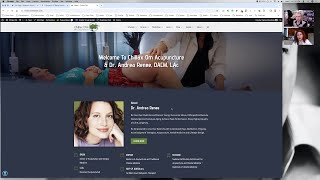
In this 90‑minute case‑study video, Dr. Andrea Renee, a clinician‑owner of an acupuncture practice, and business coach Harlow Reseburg III walk through a comprehensive audit of Andrea’s digital and operational infrastructure. They discuss the hidden costs of SaaS subscriptions, the benefits of open‑source tools (WordPress, MailChimp), and the under‑utilization of existing investments such as a $5,000 website and a brand‑story video. Harlow illustrates how small, high‑impact changes—like swapping a $20 thermostat for a programmable one—can quickly recoup consulting fees, and he frames these tweaks as a “mechanic” looking under the hood of a business. The conversation emphasizes the need for customized coaching that respects each practitioner’s personality (introvert vs. extrovert), the importance of positioning as a trusted advisor (Jay Abraham’s pre‑eminence principle), and the creation of passive‑income products and courses from clinical expertise. Both speakers stress streamlining intake, electronic health‑record workflows, and social‑media assets to free up clinician time, increase profit, and deliver higher‑quality service. The video concludes with a call to action: viewers can contact “Chip” for a personalized assessment, access the newly‑developed course, and apply the outlined strategies to build a sustainable, low‑overhead practice that balances profit, joy, and legacy.
Chapters
Let her navigate.
Okie dokie.
Okay, hello everyone. So I'm Dr. Andrea Renee, and this is my amazing business coach, business consultant, and also partner because we wanted to join forces to use my company here as a case study. Of the work that Chip has been helping me do to clean up some of the things that are tools of business that I am not properly using, so they can't benefit me. So we all must have a website and we have all of these social media properties. However, what we don't usually have, and I'll just speak to myself, what I haven't had Is, uh, a proper plan of use. So proper project management and making all of these pieces work together in a cohesive manner that's streamlined and efficient that actually create a pipeline here of serving people better. And then that would increase my profit. The more people that I can help by using these virtual online properties in a focused, purposeful manner, in a way that makes sense, that is actually productive. And so we've been working together to look at my website, all my properties, all of my programs and services, and overhaul things so that I'm actually using these tools in a way that would give me a return on my investment of creating them. Not only just the money I've spent, but also the time that I've spent to create these things that I haven't really created a cohesive, unified program of use, frankly, of all of these online properties. I'm not really having a return on my investment. I don't have any passive income that's coming from these. So I had many things that were unfinished. So Chip's been working really hard for many hours, especially over the last couple weeks, to look at my website. And so we thought we could record this for you guys so you can see my practical example of my private practice acupuncture clinic website and online properties and how, how I could use them differently in a way that actually beneficial for me and for my patients. And so We're going under the hood and we can do some screen shares and Chip can give some insights of what, what to do with all this stuff and also how to automate things so that time is saved for doing other things.
Yeah, so yes to all those points.
Yeah.
And yeah, so maybe to set a little bit so people understand When she says partner, we're life partners and business partners. So, this is not unlike what is now 90% of the businesses, small businesses that run, not just in America, but around the world, just a few employees or a few key sweat equity partners, we'll say. But what makes this a good case study and an introduction and The conversation here specific to thinking that it's a case study for representation would be for the continuing educational credits course that we're developing, and that is the specific use case for why we thought recording this would be good. But there's also a wider audience with regard to helping people understand how to do this and to give a little bit bit of a context, you know, I mean, you see the books around me are all disheveled and stuff. So this is a very much a real-life scenario. Um, Andrea and I both recently went through getting moved and are getting settled. Uh, we're actually speaking to you from the same house. Uh, she's downstairs, I'm upstairs. Uh, but I've been working on her stuff, as, as she said, her online presence stuff. For a couple weeks while she's been, uh, working in, in a couple of different, uh, other locations. And, and she's going through basically moving her clinical practice from California to Colorado. I'm re-establishing my practice. We've actually moved up to the mountains, so we're both more remote. Uh, it's a lifestyle choice, and, and that's a whole nother story, but yeah. I think one of the underlying lessons that I've learned that we've both kind of encountered, it's near the end of the year, and so the snow started just falling. I got to spend, you know, 9 hours of the day the other day doing snow mitigation issues for a blizzard that happened, which lends itself to a new hobby.
That's a new demanding hobby.
Yeah. A huge unintended expense, getting a piece of equipment to remove the snow. All of this kind of falls into maybe a really good lesson to be learned that things take longer than they are anticipated, more effort and time anticipated. We've both got an enormous amount of investment into creating the move And meanwhile, and this speaks to everybody, and you got to keep the ball, you got to keep the show on the road. You're constantly coming up with new promotions and ways to do your business. We're transitioning Andrea's business. And I also want to point out that there's two other things I think in the background to know is Nobody's really at fault for not having the whole system gel together. If there was anybody, I guess, at fault, you could say the owner of the business, I suppose, in some way. But it's an emergent behavior over time of a lot of different people involved in it because Andres had a couple of different digital agencies involved. I don't think that anybody who was doing those things and, and helping Andrea were incompetent, uh, so I'm not pointing the finger at anybody. What it is is it's over time and having, um, an understanding of the strategy versus the tactics. It's been a lot of the conversations that Andrea and I've been having here about knowing fundamental behaviors of yourself as a small business owner. What are you really doing online? And what we're really all confronted with if you just do a general search on like, how do I develop a small business? You're gonna get very generalized things and everybody's gonna say, oh, SEO is really important. You gotta have a lead magnet. You know, TikTok stores are now the thing, and you don't need a website anymore because all you need is a good sales funnel, and you need, you know, a social media group and all this other kind of stuff. And so, you get all these like competing generalized attitudes versus having an understanding that the internet is here, folks. For the rest of your life, the internet will be here. There's going to be some version of you that's represented online, unless you're a complete technophobe. And so if I know your first and last name and I do a search, and you can try this for yourself, uh, you'll see what comes up— all your social media profiles, all your things and stuff like that. So this idea that you can hack the system or get an advantage over everybody else, if everybody's doing these things We should just count on, on the, the search to be accurate and do its job, and you should just be a professional and really over the long term build up the presence. And so, but what actually happens is in between you end up with this big collage. And as a case study reference, Andrea can attest to this: multiple agencies, lots of time and effort, outsourcing thousands of dollars over years.
Yeah.
And, and yeah, you know, the, the thing is, is no residual income, no passive income, no financial freedom, no 6, 7, 8.
Now where is it all going? And to what end? To what purpose? Because I, I've been looking down because I have my, I have my notebook here and I have notes that I, that I made. And, you know, whether it's an acupuncture practice or any small business, we have the same needs. So we, we want to increase profit, but also as far as scaling a business, we also want passive income streams, right? So that could be like people can order herbal medicine products that are shipped to them directly through the website. They can order lab test kits or something. It's a course, for example, that trains the patients. These are things that people can buy that are prerecorded, that are prepackaged. It's not my one-on-one personal time, right? So this idea of what is a group leveraged education business model, because one of the points I wanted to make was that as a clinician, we're here to serve people. We wanna help people. We wanna help people learn how to be healthy. And we do a lot of education in order to help a patient make an informed decision about what the next best step is for them. And so we have thousands of repetitive conversations. We're doing a bunch of repetitive actions. And so one of the things that we've talked about is how can things become automated? Because I would have more time if all of my scheduling is automated and everyone is doing things like filling out intake forms on my website or the type of patient education that I provide on self-care. I've made over 100 videos. If they were organized in a way that I can refer people to my website instead of my YouTube channel links, if I can package the content of all of these treatment conversations that I have in a way that would serve the patient better because I can give them these resources they can come back to, to review, they can learn from, they can use practical tools and training I could provide that and it would be a better service to them, but it would be a better service to me too, because I'm not one-on-one doing all of that education for one patient at a time, for one treatment at a time either. And so we, we also are looking at besides that any business would want more profit, they would want more time, right? By becoming more efficient, right? With their systems and processes, maybe some automation with technology. I would be more happy because I wouldn't be also outside of my wheelhouse. So, as a, as a clinician, we, we have our continuing education. We have our training to have our chops to actually be able to treat patients. That's a responsibility. And we're delivering treatments. And so it can be outside of my wheelhouse. Like, we had a discussion, how do I make the, the PDF from the Xerox copy that I provide patients with the intake form to automate it, to make it something they fill out online. Now I could try to do that myself. I could look up some how-to videos on YouTube, or I could just ask someone that has a degree in information technology and has built, you know, over 30 different websites with these kinds of features. That is a business consultant and coach like Chip, can I delegate this to you? You probably can do that in 5 minutes where I'm going to spend an hour looking at a how-to video to use my Adobe.
And get frustrated and—
Yeah, I'm wasting my time. It's not my wheelhouse. Why am I wearing that hat?
Yeah.
Why?
Well, and I think that this is the struggle though because to the point of needing to get something like that done, which is like a really simple everyday thing. We're going to have to do that a lot. How many forms, how many tools, how many things could be created with either premium level software online or free level software online? So, it's not about affiliate commissions and I'll give you referral links and stuff like that. It's about keeping the weight low of the online presence. Um, and we'll get into some of that when we look at the design of and where I'm going, because it's a work in process, but we're going.
And he can help me with things I already own that I haven't taken enough time to learn how to use. Like, I have an electronic health record system that's HIPAA compliant, has all these features, and I haven't really integrated those features into my website and I haven't, because again, there's the time factor it would take for me to watch all of their tutorial videos of how that whole system works and then to figure out how to integrate it with my website. And that is not my wheelhouse, you know.
Well, here's the thing.
I did, you know, 10 patients yesterday. I did a 9-hour day of 10 patients, you know, like, where, where is that time going to come for me to watch all the tutorials of how to use my electronic health record software? That obviously, that's not happening. I've had it for, you know, a few years. I still only used like 20% of what it can do, right?
Well, and this speaks also to, you know, like, if you raise hands, if you'd really like to just be motivated by this conversation, How many affiliate or referral commissions have you lost during your 10,000 client sessions and all the conversations associated with that, that you really have been playing kick the can with getting the online development done because the, the small amount of time that you do have to work with the digital agency has been spent because you're trying to keep the costs low. They're dealing with outsourcing, which is typically more of an English as a second language issue and getting a button to work versus having this more global or overarching strategy of saying, if we don't continue to move in a direction of You know, you've referred this book 100 times to clients. Everyone who's actually bought it, that actually read it, said, oh, this is great. I mean, I've had that experience too. Why isn't that book on a page somewhere with an Amazon link associated with it? And yes, you only make 17 cents per, or whatever it is, but it's still what it is. Yeah, but the simple fact is, is over hundreds of use cases, which is truly the number we're talking about, a compounding interest type of thing on the website and in a business time and effort automation, uh, aspect to really what is your foundation to your intention of helping people is to create a bigger and bigger footprint in people's lives.. And so that's really connecting the motivators together and it creates the right outcome.
Yeah, because there's thousands of hours that I've spent sending emails and text messages with recommendations for herbal medicine supplements, for diet and lifestyle resources, for books that had appropriate programs for the patient's needs. And so if I just had that listed on a website page, I could I could have my patient pull up the page and I could point out the book that I'm recommending on there. Yeah. And that would save me the, the follow-up, you know, all of the follow-up after the patient leaves of all of the recommendations, you know, the, the service that I've been providing to provide those in a message that they can have as a reference would be again, more automated, more efficient. And then it would give me back time. I could spend 2 hours a day, you know, at least minimum, following up with patients with those types of recommendations, you know, in one-on-one messages.
Yeah. Yeah. And, and that to me is building true expertise in the field is not just that you can, you can make accurate and applicable recommendations. This is similar. I love to use the old-school metaphor of a band, right? Like, so, so you're a great guitarist, right? And so you're waiting to become discovered. And so, well, okay, so maybe you can play really well, or, or any other instrument, or you're a vocalist or whatever, but, uh, it doesn't really matter how capable you are. And, and this is, uh, it lends itself— I'll recommend the book, Michael Gerber's E-Myth, right? And the whole point is, is you're a good technician, not a good manager and leader of your business, right? So, so yeah, you're, you're, you're reclusive, artistic, really capable guitar player, but you can't sell a t-shirt to save your life. And your life is dependent upon eating, which is profit from selling t-shirts at a dive bar.
And this is the same thing with, with the, with the clinician lifestyle. So if I see 45 patients a week, that's 45 hours that I'm in treatment. If I spend 2 hours a day on administrative office management type, right, of work, right, that's at least 10 hours on top of that. So already I'm 55 hours in. Now there's other things that have to be done besides that, you know, too, because same idea, like with automated scheduling, if the scheduling isn't automated on my website, I'm also fielding messages for people to schedule their appointments too. That's additional time, right? And then, you know, this is the thing about— I want to say this too, because again, in the big picture, within the stages of life that we are all living, I'm, I'm 50 years old. So if I look at that work schedule right? I'm already 60 hours in my business a week. Yep. So if I take care of myself with my, you know, exercise, lifestyle, you know, all of my self-personal cultivation practices from traditional Chinese medicine, I mean, that's another— I spend 4 hours a day on self-care. So what does that leave, you know, for anything else? And then is that really sustainable long term?
Well, the question isn't if, is when, right? Yeah.
How long?
And how much do you want to really change your lifestyle? I mean, the key from a business standpoint aspect of that is what that model is, no matter how that shows up in life, and we're mostly all in that situation and aspire to move to that virtual thing with the more passive component to it is it's a whole bunch of hours of single pay hours. You get one, you get a paycheck for that hour, that session, whatever it is, that widget that you sold. And then also a big chunk of administrative, which we would call, say, no-return type of.
And so, I didn't even mention the financial management in that picture. So, what is that? What is that?
Well, the joke of being self-employed is you get to just work half days, only 12 hours a day. It's really great. And so, people look at like billables and hourly rates and stuff. And the first hardcore lesson that you have to embody being self-employed is your rates double, but that doesn't mean your profit doubles. It means that's how much time it takes to do this stuff. You're going to spend half of your time now administrating, administering in some way, shape, or form. The half that's actually billable. And so, that's the thing, that's the risk you're taking on by not being an employee. When you're an employee, you get to escape 80% of the work. You get to just be the technician. And no matter what you're doing, whether you're an accountant or—
But yeah, it's just financial management, office management, customer service, you know, like if I work In another clinic, I'm just treating patients and everything else is, you know, taken care of. Right.
Don't have to be liable for nothing.
As a small business owner. Yeah. That's the, this is a whole other ballgame. And then if you don't have the guidance, which is really what we've been working on together to have another set of eyes with the expertise. Well, how can I better organize this? What would be the technical types of tools that I could use? So that I can clean up some of these things, right? So I could actually package what I'm doing one-on-one in clinic into some type of passive income stream that helps more people. Because again, when I do things like community acupuncture with groups, when I do things like group workshop trainings, I can help more people within that same single hour. And if I do create an actually use, you know, all of the training videos that I have already made aren't even again like properly found, you know, all of the keywords on YouTube, they're not connected to my website. There's so, there's so many things that could be done with those. Yeah. That not only serve me to help more people, right? And then I could have more income come from those things too. So I wouldn't have to do the 45 hours of one-on-one patient care. Because again, if we can better leverage our time, and then the whole point of creating these continuing education courses for acupuncturists in this type of business acumen, because this isn't part of our education within our degree programs, we're not taught how to see the stages of business development or business management and, and all of these technical resources that we can use. That, that's not part of it either. And then how to use them in a, you know, productive and really effective way, that's, that's not covered either. So I, I'm having Chip help me be what I haven't had for you guys to benefit, because, you know, I'm, I'm an example of the person that's been really more focused on being a clinician and just kind of doing the MacGyver-type bubble gum and paper clip, you know, minimum management of all of these other things. And as far as a legacy is concerned, you know, where we're all going in stages of life, it's like that there, there has to be a transition here that makes sense, you know. I do have friends that are acupuncturists that are unable to retire, transition into a new stage of life, because they wouldn't be able to stay in their home and, and pay their bills. So, you know, if you've been practicing for over 40 years and you're in your 70s, you know, maybe seeing the 30 to 40 patients a week is starting to take a toll. And maybe there's other things that you want to include in your life that you've been giving up as a small business owner, because, you know, it's really 80 hours a week of commitment here between all of the financial and office administrative type management on top of actually seeing patients. And so we, we sacrifice personal time too with our family and friends.
And I know that you're not speaking on hypotheticals because we've had conversations about this.
The other thing that makes my life— these are my friends.
Another thing that makes this really good from a case study standpoint for the new people who are just getting into the game is Andrea has a huge amount of digital assets created. And if you do a general search on how to do these types of things, I think the going consensus would be just make a bunch of rich media and spray the internet with it. And then somehow like money's going to—
It'll be magical.
It'll spring out of the ether and turn into revenue. And actually what's the case is, and this is clearly a mechanical, uh, like, and this is the thing that is so hard to really embrace as true, is really just the way this is organized is what either pushes people away or has them coming to you. Yeah.
And yeah.
Hiring a digital agency to make sense of this big collage of media that's now so easy to create doesn't increase revenue. It increases overhead costs. Yeah.
And you might not get the service that you really need too, because again, we can be lost. I mean, I'll speak for myself. I, with my limited time, Because again, I can take responsibility for being naive and ignorant. So I haven't learned from the digital agency what to do. Maybe I didn't know the questions to ask, you know, whatever materials that they gave me, whatever conversations we had, something's missing. Or I would, I would be in a better position. So all of those thousands of hours of time that I spent interfacing with the two digital agencies I worked with and also the, the resources and materials and service and education they gave me. What, what's the disconnect? And I think, you know, one of the things too, like, for, for budgetary reasons too, you know, the, the type of consulting and coaching that I'm getting with you is, is much more personalized, you know, than being in like a group class and getting things, you know, sent to me, and then I'm not scheduling enough time in my schedule to do what the class said. And so, you know, things are being— balls are being dropped constantly over, you know, the last 5 years. So I've been making some progress, but it's not really in the most effective way or efficient way, and it hasn't yet garnered the results that I've been pursuing. And so that's one of the things that's going on too, is that we, we both have—
well, we've both participated ourselves, so it's not like we're pointing the fingers. But we also both have, uh, many friends who've fallen into the trap of buying course after course, live event, workshop, you name it, whatever, time and time again. And the unfortunate question that's hard-hitting and uncomfortable is I wouldn't even ask, how much money have you earned implementing all these things? Yeah, it's really, have you even implemented anything from all these things?
Yeah, that's, that's part of the problem, because again, if you never follow through completely on the training that was offered, of course you can't get the results that the Action requires. And then that's one of the, the balls that get dropped all the time too, is that again, from our business consulting relationship, there's, there's more support for that practical application that it, that it actually happens. So that's the, the other thing here too, that it's not just another course that was left unfinished. Right.
All we can do—
That's not really helping, yeah.
In the same way that in the real world, all we can do is live our life one day at a time, online, the dream that you can build your million-dollar platform with a MaintenanceNow splash page in front of it, and then someday you just open it up and then, like I say, money comes out of the ether, Magically, like a magic wand. It's just that happens 0% of the time. Yeah. And so the only thing we can do right now is fix that damn button that's not connecting right and, and clean up this web page and get these two things to hook together, to work together too. And with the understanding of the long-term strategy and cohesiveness and understanding. Okay, so I think, you know, I'm talking to a lot of people. I'm using Andrea's example here, talking to a lot of people about facial acupuncture. Okay, great. Yeah, well, we have a quote-unquote lead magnet because everybody knows what a lead magnet is and what you should— that you should have one because that's the thing that magically creates this infinitely big email list, which by the way costs a lot of money in order to send emails to all these people. And so, but that lead magnet just has one. I said the other day is there's no law saying you can only have one lead magnet. And actually you never send anybody to the homepage and just let them figure out how great you are because your website, because that's not steering the conversation in the right direction. You're already having a personal conversation with them.. So if it's a conversation about facial acupuncture per se, you would have a link to your, you know, where your page is on facial acupuncture, and you have something downloadable immediately for them in that context, which is like a niche of your whole site that's appropriate to the conversation. I mean, you know, you've had this conversation over and over again, so it's just a written form of that. Maybe there's some affiliate links or whatever. It doesn't really matter. But now you capture the relationship capital there and they feel like they've really been served. It was the difference between click on my button because it's a link to this affiliate shop or click this specific thing, watch the video where I talk about this specific product. And now you're becoming the hand-holding personal shopper for the person. And so from the casual onlooker, it can look the same on the website, but it's a very different user experience in how it's executed. And so it becomes a value-add versus a, here, go to my shop and figure it out for yourself kind of deal.
Well, that's the difference here too, because again, this is a white glove customer service experience. This is a relationship. Relationship. And if we're coming from a place of service, which I think is— it's very important to come from the place of service. As, as a clinician, we're positioned as an authority and an expert to help people cut through the noise so that they can get the information they need to make informed decisions. And so we can facilitate that with all of this digital asset media And software, and it better serves them. And it also saves us time because we, we have a, a really great resource place for them to go to get what they need to learn. So we don't have to have the same conversation, you know, literally thousands of times. I see over 1,000 patients per year for a number of years. How, how many times? Because again, I would invite everybody watching this. Thinking about your business, how many times have you had the same conversation, done the same training, done the same education to your patients? That's something to do here in, in this context, right? How do we create an automated version of that, right, for them and for you? Because I always— I made all of the 100+ videos I made on my YouTube channel came from that. So I keep having these conversations. I train somebody how to do breathing techniques or stretches, yoga, qigong in the treatment room, right? And I want them to be able to review it in a video because I want them to learn it and practice it because that's going to benefit them permanently for their health and well-being, their longevity. And so I wanted to make it available to them. Yeah, right. Have a place to send them so they have a reference so they can actually learn these tools and skills. Same idea, like how many nutraceutical supplement recommendations, like for healthy hair, skin, and nails, herbal medicine, dietary recommendations for weight loss, for anti-inflammatory pain relief, you know, these are the conversations we keep having over and over and over again. So can we put it into a package that can be organized, easily found, we can refer patients to. That's been a big part of our work together is how do we, how do we do that, you know? Yeah, but we have the technology to do that.
By the time you've had a conversation, let's just— I'm going to just use arbitrary numbers, but it's something like this. By the time you've had the conversation 10 times, you should maybe just write that up. Into a little checklist. And if you actually type it up, you can make it into a PDF. Now you got a lead magnet. By the time you've had it 100 times, you know, over all the hours, maybe we should do some videos and make a course out of that thing. And by the time you've had this 500 times, uh, and what Andre and I are working on is maybe it's time for a live weekend workshop. You know what I mean? Because you keep having the conversation, the evidence is clear there's some value to be had here. It's not that you're just sitting on a soapbox. And so this is very different because I'm talking about people who actually are working-class citizens who are providing a good value, who are competent at their job. This is not about Well, how about if I just have a bright idea and I make a landing page and I see how well it converts as a proof that there's some value there, right? Like sell it before it exists kind of thing. And again, this is the stuff that you see on the internet.
Yeah, this is totally different when it's coming out of the actual work with the customer, with the patients. This is what's been useful. This is what's getting results.
When I work with you one-on-one, It's as much Socratic interview and peeling out your life's journey, your hero's journey, and saying, uh, what valuable things have you learned and how has it applied to other people? You know, what have you been doing to make a living? That kind of thing. That's the clear indicator of, uh, value delivered to customers that want it. And so The question isn't how do you create something of value? The question is, is how do we automate the thing that you're already doing over and over for somebody?
And deliver it better in a way, because again, from a place of service, how can we make it more easily used by the customer, by the patient? How can we create a better delivery experience that's more fruitful, successful for them?
Some people are more introverted. They just want a DIY version of it. It. That's totally fine. Some people like— look, all of this stuff, I can give you a book list, you can read the books, read the books, figure it out. Yeah, but a lot of people don't want to read the book, they want to work interactively one-on-one with you. That's great too. And so what we're talking about is, is we can increase your, increase your conversion rate, the number of yeses per asks, by attuning the same material to multiple psychologies, behavioral psychologies, uh, and it's the same stuff, you know what I mean? Like, it's, it's still the, the value that's the— I mean, by the time you've become an acupuncturist, it's a ridiculous amount of hours and time. You really believe in your stuff, so there's no inability to tap into that motivation. There's, there's executing all the different delivery methods, let's say.
Correct. How do you package what it is that we know? We, we have all of this ancient wisdom and we have very effective tools of treatment and self-care. So how do we, how do we provide that? You know, that's the whole idea. We have this name as a physician, we're called providers. Yeah. And so that's, that's this, this is really where the real business acumen comes in. How do we provide our service in, in a, in a way that is the best experience for who we serve and for us? Because it's really both. It's, it's both because we can't treat everybody, you know, as one person. I can't, I can't see everybody. I have a limited amount of time, energy. Years that I'll be here available. So, you know, part of this going back to the stages of life and, and wanting to leave a legacy, you know, what is it that we can do with the time that we have that would be of the greatest benefit to who we serve and to, and to us is the ongoing question.
Yeah. Yeah. So I think what we'll do is we'll transition over to sharing, sharing the website. To set the stage a little bit, as Andrea said earlier, she's been busy working. I've been shoveling the snow and she's been going to work at the local clinic and that kind of thing. And then I've been putting a bunch of hours on her website, bringing things together and implementing some things. And so again, I just want to put the caveat out there that, well, two things. I'm not pointing the finger at anybody. Nobody's responsible for bad design here. It's an emergent behavior of time and fixes and Band-Aids and needed things and stuff like that. So, no bad on anybody. This is about really filtering through it, organizing it, making it better. And she had mentioned before, I've done this with, you know, I got a good 30 websites under my belt. And when I say that, I'm not talking about creating template websites. I'm talking about one-on-one work with a specific person to really help them do their thing. Early in my coaching career, that's more of what I was doing. I was actually sort of coming into the coaching as a front-end developer. And I actually had people assert to me, "Oh, you're a coach." and I was like, I know life coaches, I got friends that are like, I am not doing that. I'm like helping you actually build your business, you know. And, um, so the, the commoditized version of front-end development is a very red ocean to explore. I don't, I don't want to be that guy who like sells front-end development. And so I got into coaching and I reluctantly did it, and then I embraced it, and then I realized I'm doing a good job of it. And what we're seeing a little bit here is me coming full circle around to helping people implement the practical. And so over the last week or so, I've made a bunch of improvements. Uh, Andrea and I've had a couple of small conversations, um, directly related to her website. And what I'm realizing is, is I should have swiped all of the pages, uh, before I started screwing everything up.
Fixing everything, right? To have before and after, to show the before and after.
Yeah. And, and so we're in process. A whole bunch of stuff now works that wasn't working before. A bunch of stuff, uh, is cleaned up that was messy before. But we're also creating a real, um, organization. You know, the first thing And I'll, and I, I think I'll switch into sharing here.
Yeah, and while you switch into sharing too, because one of the conversations that's really key is to understand all of the social media online properties have the purpose of bringing people to your website. That's the point. And so the website is a house that is the place that is the destination for people to go to, to get your resources, to get your service, to get to know you to start to build a relationship. And so, you know, some of the primary things, like when we say lead magnet, well, is it a recorded course? Is it a checklist? I have, I have a course. It's a 45-minute video. It has a quiz worksheet and it has a handout and it teaches people how to see themselves through the 5-element diagnosis paradigm to understand their nature and what their cravings are, what their tastes are telling them about themselves and how to manage themselves better. And then they can live in a, in a way that actually promotes their wellness instead of getting in their own way. So that's an example of a lead magnet, but I was having trouble with the system to deliver it. You know, so again, if, if somebody's gonna sign up for your mailing list, if they find you on any of the social media channels or they find you in a search, you know, acupuncturist near me, you know, when they come to your website, what do you What do you offer them? Is there a newsletter? Can they sign your mailing list? Can they get like a free course so they can know, like, and trust you, get to know you, build a relationship? Does, does your lead magnet— again, it, this is from a place of service. Like everything I offer, I've used with patients. It gets results or I wouldn't waste their time or my time. It has to have value, you know, to really help somebody.
Yeah. But the trick is to get people to do it or to find it and be able to execute it. We're talking about like the online presence here. Yeah. And so there's a few things and this is what I've been clarifying, not just on the website, we're looking at our homepage here. But what was occurring beforehand, not only was the functionality somewhat sporadic, but there was a lot of kind of showing everything on every page. You know, so like if I look down here, I got this really nice testimonials thing. It is beautiful and it looks nice, but it breaks a fundamental rule of decision-making and ability to convert, if you will. Let's just assume you've gotten the person to the page, but then There's Schedule Now buttons all over the places. There's— it's indistinguishable, the calls for action versus the Read More testimonials over here. I came to this page for the lead magnet. There's testimonials, there's the brand story, your metaphor of the house, because I've actually used the metaphor of the house with Andrea. My background's in construction. So let's say you build a house and let's put an exterior door on every room that is on the ground floor? How well would that house function? How would you feel at home in that house?
Now, let's—
anybody show up?
No, there's too many choices.
Let's make it now like the, uh, like the TARDIS, uh, Doctor Who's TARDIS, and let's make a door into every room from every room, right? And that's what people are doing, and it's a it's a huge oversight, and it's actually a thing that makes the one-page website template actually not do as well as it could if that one page should actually just be, say, 3 to 5 pages or something like that. There are rules of psychology that apply to any human that when implemented improperly on a webpage, regardless of how pretty, regardless of how functional, regardless of how good your copy is, and most people's copy is crap, that reduces its ability to convert regardless. And so there's behavioral rules as a person. There's behavioral rules to professionalism online, and then there's rules to your website. Uh, you know, this entrepreneurial attitude of saying if you just build a Facebook group really well that you don't need a website— I, I would, I would contend with that in, in large regard because that whole thing is owned by a big corporate thing with an algorithm. We learned these lessons 20 years ago with Google searches. So keyword stuffing and SEO and all those types of things already disprove and create the law that you would never build your business on somebody else's platform. You build it on your own platform. But then within a given page, it keeps going down to the granules. Don't create decision fatigue. Don't create confusion. David Ogilvy and the primary documents of marketing, all modern marketing, people don't buy from clowns. You know, the pithy dance moves, that applies to TikTok, not to making revenue, right? And so once you understand these things, you realize that having an option for everything everywhere is just horrible etiquette regardless of how good it is. And yes, you gotta have it good, and yes, you gotta do all the rules. But once you understand, just make shit— I'm sorry, make stuff good copy-wise for SEO, then forget about SEO. You know what I mean? You're not gonna hack Google. You want Google to do its job really well. And you don't want to spend $1,000 or $10,000 a month with advertising, which is what's going to give you preferential treatment to Google, not better sequencing of words in a sentence.
And now it's also organic too, because again, it's coming from a brick-and-mortar real business that's in 3D reality, dealing with people, talking to real people. And then how can you better serve them with this technology? So what is the experience that you create? What are the resources that you provide? How do you use this technology to better serve your patients, your customers? You know, it just comes from a different place, you know. So a large— if it comes from there, it can be much more, I think, purposefully directed.
Do things that are true in the long term. Don't grab the latest and greatest flashy thing and think you can build a house of stone out of the latest, greatest flashy thing. Do things that are as close to timeless and universal as you can get and do it what we're talking about is in a virtual way, but go in it for the long haul and don't just do all of these. I was just looking at a website before we got on this meeting, and it's beautiful. The messaging is correct, doing all the things correct as far as the rules of the game go, But it's this shape-shifting, amorphic animations type of thing, and I literally have to figure out how to navigate it. I had to back up in order to get to the buttons I was— oh, there was a button I wanted to do, but the, but the whole thing was like a, like a, an Apple event, uh, page, you know, like And so I just wanted to look at the page and be able to, you know, and it becomes a very digital agency heavy expensive site to maintain when all, like, leave all of that crap out of the equation and just dial in and get a good site that people can navigate that also works on your phone. The rest of it, way too much. It's not a virtual reality 3D movie I want to navigate through. It's your website, right? So, hold context. So, Andrea hasn't seen a bunch of this stuff and it's probably 50/50. Half of what I've done so far is delete stuff. And half of it has been clean up stuff. But what I have done is I've unified the— I'm squeezing it up because you can see the header image. I've unified the header image and the titling of all the pages. So no matter what page I go to, you see this header image. So you get very predictable. This is a very short page, sorry. So, so here's a page on one of her services, right? And you scroll down through it and you see the page. This page used to have buttons all over it saying schedule now. That becomes very support intensive because the link changed for Andrea's scheduling calendar. And so somebody would have had to go through every page on the website and fix all those buttons.. And so this is one of the rules. One page, one message, one call to action. That's it. And so the other thing is, is there's only one kitchen in this house. There's only one bathroom in this house. There's one place where you go for that.
That's where you go for that thing. Yeah, this is the couch in the living room.
This is where you sit. Right. And so, I've been scrubbing the testimonials, that really pretty testimonials, that was on the bottom of every page, right? So, it's just more stuff for people to go through. If they want to see testimonials, we're going to go to the testimonials page. That's where the testimonials are. But you already, I'm programming a person to anticipate They see a unified header. We're going to address the fact that here's another logistical load issue. Every time somebody creates a review, I'm going to go have my digital agency copy and paste that review on here and update it. No, no, no, no, no. We don't do that anymore. The legitimacy is in just sending people to the Google Business Page. And so we have some nice video testimonials and those are live and that's rich media. And then the rest of it is see additional reviews on Google Business or 100 positive reviews on Google Business and a link out. No logistical load. We're dumping all the logistical load. Same thing with Yelp alignable. The other thing that you'll see, I redid the footer on all these pages. These now operate tree fashion-wise. The homepage is the homepage. The icon gives us a link here, right? But then this is now an organized— let's say this is the tree trunk, and then these are your main branches, right? And so everything else becomes subdivisions of those branches. The latest one I put in here is there was an appointment in clinic and then telemedicine sessions. Andrea is moving her business more and more into a virtual form. And so we want to make the distinction between that. And as soon as I had those up, I'm like, where's my client intake form? Where's my— because she's also doing coaching, not just, what would you call it, clinical client, clinical patients.
Well, this is the thing, because I specialize in custom lifestyle design. So living in a way that makes us well, that gives us longevity, is a lot of self-care education. And so the, the master's degree in health and human performance coaching that satisfies the International Coaching Federation certification requirements for a coach, we, we have a much deeper conversation because again, if we want to make changes to our habits and lifestyle, what's getting in the way? And what would be the changes that would be customized to us that are right for us? And so that's a deeper conversation where we really work together as a team for this very specific lifestyle design of how to live in a way that, that makes us well and what is in the way of that happening and to overcome and transcend those obstacles of us getting in our own way. So that's a different questionnaire, you know, different form for us to have a different conversation, you know, about how to become your own better self-manager.
So if you just had that conversation with a stranger versus with me, you could pull up your website or you grab your phone You open up your browser. You, of course, have a bookmark to your website, but you navigate to, depending on the conversation, and again, this is all really simple to implement. It just needed to get done and it didn't exist before. So, how about we just click, click, give me your phone number, let me take this link, Now we got the intake form. This is a consent and intake form for a medical patient. Super simple, one button. You'll notice that there's not 15 things, people who are watching this case study, there's not 15 rooms on this page. There shouldn't be, and there doesn't need to be. And quit talking about yourself. Think about the person. One button, right? Other than what I've also now attached to the footer is the primary lead magnet. How crazy is that? One location to fix the lead magnet, one link. Not— it used to be pasted all over a bunch of different pages. Now there's one place. If I log in as an administrator or editor to the This is a WordPress site. We're using WordPress. Yeah. MailChimp.
Super simple.
So this is a MailChimp thing. You'll see the MailChimp thing up here. But there's— if it ever fixes, breaks, needs to change, there's only one location for it to need to be fixed. And sorry, on every page, doesn't matter what page I click to, it's on the bottom. And so it's just an element of the footer. This is, and, and this is my own personal context, quit pasting this stuff on the top. If people are coming to your website, they're coming to your website for a reason. And so that's on the bottom. But back to this idea, super simple.
Oh, I'm sorry. Uh, yeah, that was the backend page editor to make these types of changes.
And so Yeah, I was going to speak to that a little bit. One of the problems is, and this is what you see on all these pages, and all these light gray things are things that are no longer active. And this becomes, if Andrea goes in and she can log into her own website, of course, this is what she sees instead of that page. Now here's two things. The outsourcing agency never labeled anything. There's huge collages of things that aren't being seen on the page that weren't even just deleted, which is all code that is then loaded on the page but then hidden, right? And nobody told Andrea this. I know this is the case because if she knew, that she could just turn this into this form. She would no longer have that wireframe form, and she could go here and click on something and fix it.
Yeah, I can see what was there because, again, like certain programs, maybe there's a date change, you know, maybe there's a new photograph, you know.
That's what I'm trying to do to empower her to be able to do this. But you'll see now changes that I'm making. I'm labeling these sections and whatnot. The, uh, the reason why you would do this versus the other way is that the page loads faster and things like that. But this is more techie stuff. But this is what she's confronted with when she initially logs in, and then she can switch that. And I do this too because I get so lost in this long stack of things that I can't find a thing, right? And so Sorry, that was a little bit of the background.
And this is what I think is one of the things to understand here, because this is what is unique and different. So from your business consulting and coaching service, I'm designing my own way that I'm going to interact with my website. So I'm not totally dependent on somebody else going in there to do things for me. If there's something quick and fast that I can do, I can do that. But also I get to have this kind of— it's a tutoring type of experience, right? So I think that's what's different too, because I get to decide how much I want to delegate, how much I interact, and I can get a sense of what's going on, you know, with this.
What's more practical if you realize there's a— this word is misspelled or there's a copy change here? What's more practical? Log into your site, edit this page, which means just click on this button up here. This is the— the shows that I'm logged in.
Yeah.
Click on that page, click edit, click on that text, and then make the copy change yourself. Or having a conversation via the digital agency with somebody who has English as a second language and explain to them how to do the correction.
What, what's the thing too? Because again, one, one of the things within scaling a business, so as a solopreneur wearing a lot of hats in the beginning and then growing to be able to delegate. So for example, if I got a marketing intern, this is a, this is a recorded video, so I could work with chip to create a tutorial video where I could have someone that would be delegated to, to make any of these updates and changes. One person I talk to that I interface with that has this role that they're playing at my company, they're in charge of marketing. It's an internship, so it's not increasing my overhead. It's also giving me more time to focus on my wheelhouse because I'm delegating to them. And that allows me to scale the business too. And so this is one of the things that we think is important to offer too, is what would be the customized tutorial? Is there some kind of training that could be created for, for me to know how to do something, for me to be able to delegate that task to a staff person? Ideally from having interns, I can have good people that are trained And then I can create more income that would allow me to hire them too. Yeah. There's a whole other way if we look at how we would scale. So if we want to, we can stay solopreneur and we can do all of our own tasks, or we have the capabilities to delegate. And so I think that's really valuable too, because I get to figure out with you, okay, what is the easiest way for me to be able to do this? Yes, because those updates are very normal, you know, especially if you're having courses, events, dates and timelines stuff change, you know.
Yeah, so, so yes, and I'll just tell people who are watching this recording, friends of ours included, uh, Andrea and I had a conversation, um, roughly a half hour, 45 minutes before we started recording because she had to do some stuff and I had I was also working on some things. But in that conversation, we led to the conclusion, look, we really— it's just prior to Christmas. We just entered in December here, and we really want to get a couple of things out and for sale. And based upon that conversation, I realized, look, the top priority is to get a Buy Now button. Up here so that there was a lot of resistance to at least being able to share it with people so that they can— we can get the initial sales started. And, and so I'm like, you know, I'm, I'm looking at what I've been spending my time on because I want this thing to look nice when people go to it and that kind of thing. But I'll show you how fast and easy this stuff is. Because during that half hour, and I can get a good, uh, we can do a reaction video right now, uh, moment of Andrea, because not only did she not see much of the website, um, and, and these fixes that have been implemented, you'll notice now that this is a basic newsletter signup because sometimes people just want to sign up for a newsletter. So we're overlooking the basics But then some of this, like, urgent things is we want to be able to pre-sell this course. And so here's a pre-sale deal, early bird things, then call it a Christmas schedule or something like that. But Andrea and I were talking about the wellness weekend, and what I really need to do next is to get this up so that Terry our featured coach at this workshop can spread it to her people. So, what I did during that time was, of course, just put presale options on that page. But not only did I do that in that half hour, I also have a separate feed, separate revenue feed for presales of our CEU course. And why not I created a separate form and feed for presales of our veterans retreat. So my lesson or my point to be making in saying this, it's not about how good I am as a front-end developer because I'm not that good. But I know how to make this stuff work. The point is, these things can be done quickly. And when it's established that this is the priority, when we really need to get money flowing into the system here, That's what needs to happen. And so we don't have yet— I have a whole checklist here of all the items that we need to get on this page. Yeah, but right now, any of the three of us, meaning Terry or these two lovely people down here, uh, can direct a person to this page. And because of our conversation, they, they know that we're legit people and we're, we're good for doing business together and they'd like to save a little money. So rather than the regular $1,000 price, they can sign up for the $750. And what you'll notice here is we don't have all of the other offerings on here. The nearest representation I can show is here. You'll see a bunch of— now this is not a fully working page. We got the initial presale options here. Yeah. Here's all the old stuff. And so here's all of these different upsells, the VIP package, the pre-workshop excursion and stuff like that. And this is for the veterans retreat. We're not going to the gun store for the weekend wellness thing with Terry.
Yeah, this is a different— yeah, we offered a different community experience for the veterans that all have adept experience firing guns. And so they could go to a shooting range together for Community connection.
Yeah.
So that stuff is lacking.
Customized experience. Yeah. It'll all get added. But guess what? If you buy now at the $750 for the Christmas special, and I got to verify, by the time you're seeing this video, these prices will have changed.
Yeah, this already happened.
But yeah. You can pick this, right? And if I'm an attendee, I got a purchase price, and I can fill this out, and I can create revenue. So, for the clinician to make these offers is really quick for the urgency of getting things on the road and going. Anybody that were to pay that, in the future they might be disappointed because the actual price might be less than that. That's not true because we're going to add in all kinds of incentives. And we'll say, look, if you pre-bought the ticket at this point, we're going to throw this and this and this, the other thing. This is about being astute at delivering value and creating compelling offers and being a good business person. We're not going to We're not going to have a soup line out the front door buying at $750 and lose revenue at that rate.
Well, too, we have a limited amount of time that it's available, and we have a limited amount of tickets too. We're capping it at 20 people so that it can be an intimate and deep connecting experience for the community of people participating. So again, these are parts of the things that can be flushed out, because if you're coming from a place of service, looking at what you offer and the different ways that you could package it, and then how do we put it somewhere that it can be communicated, you know, is what this conversation is about. And does the, does your website actually serve your clients, your patients? You know, can they, can they find the resources and materials that you provide? You know, to educate them and to provide the services. You know, this is what we've been talking about and working on. What are the resources that you provide your patients?
You know, here's a very underleveraged asset that Andrea had created. And she had just had this on other pages. And I'm like, no, no, no, this is a separate thing. And then there's this Four Pillars of Health training, which you'll now see goes to this, which is the downloadable self-assessment, right? And per Andrea's request, this was actually a preliminary training to go to the 6-week challenge. So this is how now the, the funnel is starting to really come out in what's on the website.
It's if you, if you want help once you do that assessment and you see what your gaps are, and then do you need help to be accountable to show up to make the lifestyle habit changes to accomplish the goal that you found from doing the assessment? Yeah. And again, it's like, how do we serve our, our patients? Because I can make all of these I can give all these lifestyle recommendations, but if I don't help my patients empower them to be able to live what they've decided to do, then, you know, I'm, I'm not really supporting them as much as I could. So again, this organically came out of working with patients to give them the support they needed to make the permanent lifestyle changes that can really impact their life.
Yeah, yeah, we absolutely know it already creates value. This wasn't like pulled out of our butt and notionally thought it was great. This is— yeah, the reps are there to illustrate that this is the case. So the other thing, the, the quote-unquote funnel, uh, this 5 Elements of Being, that's this, uh, this training. So It now has become— this I also fixed. Andre didn't know about this, but I fixed this. And so now this is the primary call to action, generalized lead magnet. And I can actually go over here. Let me, let me go on a different page here. I'm just doing this for the sake of the— so we have this page. Oops, sorry, that's before the clicking.
We have, yeah, the delivery. So when people put their name and contact information, they signed up to receive this free lead magnet, which is my 45-minute recorded course. My free class quiz and post-class handout.
Yeah, so here's the actual quote-unquote landing page, which is here for the learning. So anybody wants to learn, this is one of the, one of the main calls to action: learn Five Element Theory. Uh, this button and this button goes to the same Mailchimp thing. This just gives us a dedicated page because I want Andrea to be able to point people to a dedicated page. Yeah, it's also the call to action down here. So this is the, the landing page where you sign up. Of course, you sign up for the email list and then it redirects you to the course page. Oh, I'm sorry, it's just a matter of seeing it on the front end versus the back end. Yeah, so here's the page that's hidden. You don't see it here, but this is the page that you're redirected to after you sign up and get the download. Yeah, and so now you got the video here, and then here's your, uh, downloadable things. Another thing that got fixed is if you look at the URL in the lower left-hand corner, all of the naming, uh, nomenclature for all of the files now has Chillaxome prefixes on them. I also had to download them and fix links and then turn them back into PDFs and bring them up here and fix the languaging on all these things. But now we have a proper lead magnet funnel that functions and works. And again, when— it's not if, but when— any of that changes, it all gets fixed in one footer element and on one page. And you'll notice that there's nothing else on the page other than the top menu, the bottom footer. Here's a little redundancy because it's a short page, but we don't have doors for every other room in the house on this page. One page, no decision fatigue, one call to action, one message. Simple, simple, simple, simple.
I think we can say too, one of the things like, why are we using a website? What is the value for us? And so when we think about this concept of having videos, having educational materials, having a lead magnet, why do we, why do we bother doing that? It, it allows me to virtually have a meaningful, very deep conversation through those original content types that I've created. So people can get to know part of what I have to offer them as services, as education that they can use in a practical way. They can start to get value, they can get results immediately. I, I'm, I'm very committed every time that I do something and actually share something that gets results, or I wouldn't waste my time creating it. And so if people actually do what's in the checklist, what's in the worksheets, what's in the videos, they will get permanent health results that can last them a lifetime, improve quality of life, create longevity. So that's the point here too. We're always coming from service. And so the purpose of the website is to enhance service, you know. Yeah. And so how do we, how do we do that? How do we deliver that in a simple, easy, accessible way where people can find things, where it's easy for us to share things and, and have it be palatable, accessible, be to be utilized, you know, practically, is the whole point here. But I can have thousands of conversations through these videos, through these courses, through these materials that happen while I'm sleeping, you know, as far as building a legitimate relationship with a new person or an existing patient through these resources is really the key. I can serve them whenever they access these materials. They can come back as much as they want. They can use them as tutorials to learn what I am teaching them as their self-care tools, you know. This is the whole idea. If you haven't thought about your business within this context, how you can better serve with this online technology, this is part of the point of this video to get that conversation going. Maybe you are in a similar place as me. Maybe you're further along. Maybe you haven't made any of these digital assets, quote unquote, yet. But the whole point is We, we can, we can see and help more people than we ever could during waking business hours working one-on-one with somebody. And so how do we build those relationships virtually is the point, so we can reach and help more people.
Yeah, it allows you to replicate yourself. Yeah. And so for some people, they're going to want to go through those things before they choose to call Yeah, totally. And so it primes the relationship pump, so to speak. But then that's— as long as the internet's running and the lights are on, uh, that's happening while you're also in the session with a person. And when you're in a session with a person, of course they got going on what they got going on. And, uh, yes, we're all individuals and unique, but there's patterns. And so much of us have the same thing, say stress or weight loss or something like that.
And so at the end—
recommendations often, yeah. And so after the session, of course, you— it's a feedback loop. And you'll say, look, we've done this for you here, got a good Band-Aid on you today, but what you really need is— let me forward you this, let me forward— here's your homework. And so between now and next session, if there is a next session, or, uh, it was really great to work with you today. I don't know if we'll see each other again, but here's your homework. Whatever the whole point is, is it scales your ability to, to make that footprint. And in some form or another, that's the where the compounding, the scaling, the passive, quote-unquote passive revenue comes. And that's really the leverage of the internet. That's, that's the ability to do that.
But that's how we can use it if we'll just get organized. So is our social media actually inviting and driving people to our website to access these types of resources that we provide that have the purpose of building a quality long-term relationship with our patients, with our clients? Yeah. If that's not happening in an effective, right, direct, practical, manageable, organized way, then we know we're, we're wasting a lot of time having things that don't really have the effect of helping more people or creating more relationships and more clients, more patients, more money for us too. So this is a whole big cleanup, like Ask yourself, is, is that what your online social media properties do? And, and what, what is on your website that could better serve your existing patients and also help you build relationships with new ones? Yeah. If that has no, cuz we had talked earlier, you know, if Chip is the project manager and we're having these higher level conversations, well, what is the purpose of all this technology? And how have I been using it? And is that effective at all? And how can I use it differently, right, to be more productive? What does that look like? So if there's no set vision, there's no strategy. And you can have a vision and you can have a strategy, because I've had a vision and I've had a strategy, but I've had no project manager. And I haven't really freed up enough of my time using automated software, for example, and making— again, this is systems operations and processes haven't been streamlined either. So, you know, this is, this is part of the whole value to look under the hood. So what are the gaps, right? And what do you need that would help you fill in those gaps and make your, your time really actually used more wisely and more productive, you know, because it's for us and it's for who we serve too, you know, because again, if we go back to like, what's the point of this? What is the contribution that we're making to society with our work? And am I exhausting myself spinning my wheels, wasting time on things that isn't really helping me or helping the people that I could be helping if I actually was doing all this better? Yeah, imagine that, right? Yeah, you know, I mean, everybody wins or everybody loses if we don't have these types of right conversations about mission, vision, strategy, execution, and support, you know.
The, the thing here is there, there's no guru who knows some mystery incantation that makes revenue online. I'm just a capable guy. I happen to— I grew up in the trades. I became a computer technician because I was bored with construction, and so I learned the online stuff. So I have this nice, like, kind of foot on both sides of the fence with regard to technology and stuff. I'm capable. There's no secrets here. Nothing that I tell Andrea is overly mysterious, uh, hard to understand. There's no magical formulas that if you just connect the right words together and follow the pattern of the perfect webinar, that you suddenly burst into millions of dollars of revenue. None of this is like complicated. It's all really straightforward. But some of the cathartic realizations for Andrea that we've uncovered is All of these documents hide out in her laptop or on a filing cabinet and only come into play when she's got a one-on-one client. That's after the fact. So those are not helping develop clients. They're after the fact, and it becomes an administrative workload. She's gone through the trouble of making 100-odd videos that sit on a YouTube channel. And she recommends people away from herself and off onto YouTube.
Yeah, go to YouTube with the link, with the YouTube link to the video.
And we all know what happens on YouTube because as soon as I get 30 seconds into my video with Andrea and then this feed of all of these really great algorithm-driven, you should probably watch this next stuff comes on. And what that should be is you embed the YouTube video on a blog post on your website. And so now you can control all of the bells and whistles, distractions. Yeah, there's not a lot. What there is is, hey, sign up for my lead magnet. If you would like to buy some of the supplements I talk about in this course, click on this link and stuff like that. So none of this is unknowable. And Andrea, for years now, has been doing all of the right actions, but they haven't been glued together or gelled in a format that makes the most sense. Like, all of the vectors point inward, let's say, and none of that is mysterious or un-understandable by a competent person. But the old saying is, is 5 morons don't create a genius, right? You get this. You get emergent behaviors of too many people putting pasties and Band-Aids onto a system, and it never really starts to create a, uh, the momentum word, right? Like, it doesn't create the inertia and momentum and start rolling down the hill and really start making things. So really, that's kind of the point I wanted to make in this case study. And, and, you know, my acknowledgments to to Andrea for having worked so many hours on so many things. Like, as a person who's helping her do these things, I'm like, man, all of this stuff is created. We don't have to create anything new. We just got to get this stuff written up and just dump it onto this place in a sensible fashion, and it'll take hold and more of it, less of it is about the crafty, creative way to represent it online as it is to say, hey, Andrea, save the bookmark on your browser on your phone. And when you're having a conversation with somebody at the grocery store, just say, well, I'll tell you what, give me your cell phone. Let me just give this to you because I, it's a module I created in, in the course, but it really suits what you need. Now you're capturing relationship capital, you're building authority, you're granting people, you're servicing them well, you're actually helping them, and it's creating dividends for you and your business, right?
Yeah, it can be built on from there.
Yeah, it's much more about how Andrea uses her website as much as it is all these mysterious SEO leads come in out of the ether and somehow just start giving her money for the fact that she's made a nice website, right? Like, it's just as much about how we utilize these things that we've put so much time and effort in as it is the fact that because they're on the internet, they're going to make you money, because they're not.
And this is really the thing too, is understanding the purpose of these technological tools and then creating your own customized system like you just described of how you use them, you know, in a way that produces results that is effective. And, and this is still like something. Obviously, I'm, I'm refining, you know, right, right now. That's what we're working on. Yeah. What, what is the way in which I use these materials, you know, these online properties, and what, what do they need to be in order for me to be able to use them, you know, wisely and effectively?
This is the coaching side of the equation here. Yeah, exactly. Project manager, uh, what do you want to call it, like the, the Yeah, the execution of the strategy is one thing.
Yeah. But, you know, the development of the strategy is another. And then I'm being trained too as to how to use this new, you know, technology material that you're creating too. And then I have a good routine, a good system that ideally is more efficient, less time consuming. It gets better results. Again, it offers a a higher level of service that creates more results. And, you know, this is, this is the whole thing. And that's why it's so valuable too. We all want the same things. We, we want more profit, we want more time, we want more happiness, more joy from what we're doing, and we want to make some kind of lasting contribution. There's some kind of legacy. These are just the stages of life of growing a business, and we're going to need some business consulting and coaching Guidance in order to do that and to customize it too, because one of the things that we're committed to also is helping everyone be their unique contribution. And so again, you have your own story, your own journey, and also the way in which you can share things, right? That's right for you. Like you said earlier, maybe some people are more introverted. They want to do things on their own in a quieter manner. You don't have to do a whole bunch of videos if that's not your, your jam, you know. If you, if you want to use blogs more, if you want to write more, the whole point is for you to have these questions asked and answered for yourself about what you would do, right? Yeah. To share your service in a way that feels right for you, that's unique to you, you know. Well, and people get into— and that only comes from this customized type of work.
Honestly, people get intimidated all the time. They're like, oh, but it's going to cost me money every hour to work with you. That's going to be expensive. And I'll tell you, and, and for the sake of this recording, do you know how many times I've had conversations with people where I just say, okay, well, what, what's your tech stack look like? And the number of times that I've found a place where they're spending $200 a month on something And I say, okay, great, you're spending $200 a month on that. Let's take a look at it. And they're doing nothing with that. And I'm like, I look at what you got going on here. You shouldn't even be spending that at all. And a week later, they stop spending $200 a month. How much is that worth? That you spend a little bit of time and a little bit of money with me. How quickly do you recover that expenditure. Like, I'm not here to make millions at your expense. This is like going into— I use the house metaphor again, and I can do this with people all day long. I've done it hundreds of times, just like Andrea has done with clients. Oh, you got an old-school thermostat here. Go down to Walmart or whatever, Home Depot or whatever, There's literally a $20 thermostat you can put on there that will now cycle on a 7-day calendar, the time up and down. The average recovery time on the electric bill for that is about 6 months. And from that point on, it's saving you money. There is 20 things off the top of my head I can walk into any house that wasn't built yesterday. And do that, and all of those things immediately kick back value. This is the same thing. This is, people have gotten sold either on educational programs that they don't implement or workshops that they've gone to, and then now they can't figure out how to get that on top of the things or whatever. And they get sold on all of this SaaS software that creates this sophisticated tech stack Meanwhile, they're over spending all their time in a Facebook group and trying to get that.
Yeah, this is the thing too, because again, like from using something open source like WordPress, you can really reduce a lot of overhead because then things get into subscriptions for all types of technology and software. And so that's the question too. Do you really need to do it this way? Like MailChimp is free for up to 2,000 contacts. So you can, you can use a very robust free service to accomplish a lot as far as your, your CRM, as far as managing contacts, you know, and then same idea, like we're gonna look at my electronic health record system. Am I gonna keep it? Would I switch to another one? And am I really using all of the capabilities too? Because, you know, obviously I'm not. I know like 25% at best of what that thing does. That I actually know how to use. Because again, this is about what is the overhead you actually need to keep for the technology tools that you actually need. And we can actually cut out a lot of those, you know, and find something again that is affordable and streamlined, and then that lasts for a long time as far as the benefit too. So that's the difference too. Like, if I'm with the digital agencies, for example, the two that I've used, they have their technology, their tech stack that they use. And I was never offered any choices in that. And I just paid the fees that I paid to be a part of that. And so, you know, nothing is customized for me for my budget. Either I pay their subscription services or I don't to use that stuff that they use. Yeah. So this is a little bit different too. That's what's nice. This is really good for existing companies to evaluate what we're doing. And maybe make some changes that make more sense that we didn't know we had choices to make. But I'd like to, like, for a startup, for somebody just starting out, you can learn from all of my experience and the thousands of dollars that I spent, you know, and how many years, right?
The quote is, don't ask me how I know.
Yeah, exactly. You know, $5,000 for my first website, $150 a month subscription for updates. You know, the, the brand story video again is, you know, thousands of dollars of an investment, right? I haven't still really leveraged that as much as I could have to. I didn't completely follow the marketing plan that I was given for that either, you know. So if you make an investment, are you, are you following through on how to use that investment that you made? It's one of my gaps. You know, obviously we've been talking about for like 90 minutes, you know, I'm not, I invested in these things. I don't even really fully utilize to their potential to help me, you know, grow my business, but also manage my business too. Because again, with all this automated stuff, I could have more, more time, you know, to use productively in other ways besides just spending my wheels on inefficiency because I don't know how to use all of this technology too.
The, the technology typically, um, has, you know, 1,000 times more capability than you're using. Yeah, you know, but, but you're paying a good amount.
I mean, I was—
yeah, when I was in startup mode in my prior business, and I had said this to Andrea in other conversations, but I was between $800 and $1,200 a month in tech stack stuff, just front-end stuff, nothing. And, and all name brand stuff that you would recognize if I were to name them out. And the bottom line is, is, um, you know, if, if you just got a, a ridiculous discretionary budget or you are actually running a hobby business that's just getting capital injections, it doesn't need to pay for itself, doesn't need to make a profit, it's that, you know, then by all means support all the SaaS, the flashy SaaS software that you want. But if you're actually just a person who needs to make a profitable business, I'm not selling you on anything. I'm just telling you, you know, as a potential listener of this video, you better create as much downward pressure on that monthly overhead cost as possible. I get calls all the time, you know, they're in the— like you're talking about the medical records thing. In construction, I get calls all the time. They want to sell me a $300 a month thing, and it'll do invoicing for me. It'll do designs and quoting for me. And it's like, well, if my total overhead for software to administer my business should stay, and I'll just say within a construction business, it should stay at or below 5 to 8%. Reverse the math. Everybody's bad at math. What is 5%? What's the total business volume that 5% equates to? $300. And by the way, I have all the other stuff. Stuff. I got QuickBooks, I gotta do all of the other thing. Yeah, that's got to fit in that 5% too. I would have to make a ridiculous amount. I just simply don't qualify to spend that much money per month.
It's unnecessary too. And we, we could streamline that technology, use less things to do what you need to do that have less overhead and are less complicated.
Yeah, that's the whole flashy stuff.
Yeah, we both have. I mean, that's, that's the thing here, you know, get this kind of assessment and then see what your choices are. You know, because again, this isn't my wheelhouse, my area of expertise. So I learned about a lot of other resources I didn't know I could use that Chip knows that, you know, that's the point to have somebody look under the hood and help you do an assessment. And there are some things that could be improved, you know, and so what is the plan for that? So I really hope that this was educational for everybody to understand, you know, how we can use a website to better serve our patients, our clients, you know, and how to use our social media properties and how to get some customized help too. And so, you know, that the things that we work on together for my business that you just saw. Are becoming a course. And then you guys can also work with Chip individually on your business. He could look under your hood and be your mechanic too, to help you figure out where your gaps are and what things could change. Because, you know, we're looking at that too. There's some things that I don't need, you know, some technology, software, subscriptions, things I'm I'm streamlining too, and again, it pays for me to work with Chip in our sessions because I'm cutting out like $200 to $300 a month of subscriptions that I don't need to use, you know. So that's the idea here. Yeah, so I'm the living example. That's what he's helping me do. And, you know, we, we are creating a course to share more information like this so you can get clear and you can also get, you know, the customized help of this type of business consulting and coaching from Chip too, to clean, clean stuff up, you know, get clear on how to use this stuff and how to streamline the way that you interact with it, you know, so that you, you have a, a system. That works for you, you know, long term, and then you can get help to tweak it as you go.
Yeah, that's, that's the real goal. Uh, um, uh, Jay Abraham, uh, the, the business growth expert from, you know, the classic guy that's done billions of dollars of business, you know, help, help FedEx and is the Icy Hot guy and all this other kind of stuff, like, he talks about the positioning of preeminence, meaning the ultimate way to do business with people is not to sell them on buying up whatever it is you have to promote to them. It's about becoming their trusted advisor and doing at a very basic or a very foundational level, I should say, is my intentions are your intentions. I want to see you have a successful business through your life. And, and I, and I would never want you to waste money on stuff that gives you a, a one-off flash in the system. It's all about stabilizing it. The economy is already, uh, enough of a roller coaster that you don't, you don't need that for interest, right? This is like, you, everything you can do to stabilize for the long term what your business those are the right choices. That's what I want to see you make. That's what allows me to say that all of the people that I work with benefit by me working with them and continue to grow and stabilize and create things. It's not— you don't want a rocket ride. You want, you know, you want a nice, nice even, you know, the tortoise beats the hare kind of thing here.
Yeah, and I think too, one of the points too here is like looking under the hood with this case study of my business. We all need the cement foundation upon which to build the house of our business and our life. And so if I'm wasting a bunch of my waking hours doing things I don't need to be doing, that's, that's a huge benefit to get back, you know? Yeah. And if I can streamline the way that I'm doing things to be more effective and offer better service, that's the whole point of being in business too. We are in business to help people. People. Yeah, yeah. You know, and do it in a way that is sustainable for, for us too, you know, to work smarter, be more effective, be more wise about how we're doing things. It helps us and everybody else.
It is clicking on a button and getting a PDF intake form the best? Absolutely not. We both know it's not. But it wasn't even there yesterday, you know, last week.
And so until he helps me learn how my electronic health records system works, right, to do it through their portal, that's what can happen now, right?
Right now.
But, but it's a, it's a, it's a graceful step in the right direction, right?
Yeah, yeah, yeah.
Um, yeah, yeah. I have less Xeroxes, less time with the patient in the office filling out the papers, less translation of bad handwriting that's hard for me to read. Right, right, right.
All that stuff. Yeah. Easy fixes to all this stuff. And we just keep tuning the engine.
Yeah.
All right. We should wrap up this case study. We should wrap up this video. But I hope everybody who's watching it, you can go to her website and see how different things have been since we made this video. But Yeah, I hope it's provided a sound understanding of the fundamental attitude by which, you know, I would approach helping people kind of sort through the collage of things that they're building online and realizing that without somebody, you know, on the rudder of this, including you as the business owner, Yeah. The results that you get from this stuff are much hyped and much underwhelming until you get this stuff really functioning together in a cohesive whole.
Yeah, and then on my website where you access this, right, you can also, you can email, you can contact Chip, you can ask questions. Ideally, From this video, you have a big picture view of how to use your website to serve your clients, your patients better, and also streamline how you do business that's better for you as a business owner, as a business manager. And the gaps that you have hopefully became more clear too. Yeah. And so now you have a good, good starting point. Are you using your online media the way that you could that would benefit you and your patients and your clients? And you have resources to clean that up. And you can write down your questions. You can look at your gaps. You can contact Chip to look under your hood as a mechanic too and help you get really the practical strategy for you to implement to make the changes that you can make for your, for your own benefit and the benefit of everybody you serve. So you can, you can ask us questions. You can, um, you know, know that we're, we're here creating things to help you. Yeah, yeah, we'll use learning from my example. Yeah, to learn not to do what to do, hopefully both.
And to lead by example, we'll probably use this video in a number of different ways, but but yeah, there'll be links around it or whatever to contact us. So, you know, feel free to reach out. I'm always here to help people, and I enjoy having smart conversations about how to tweak the system as opposed to let's creatively disrupt the entire world and have global impact, you know, like all that.
Yeah, we actually want you to really be able to learn something and practically apply taking action that's going to be fruitful for you. Yeah. And so that's what we're committed to with everything that we, we do. We actually want it to be worth your time. So you learn something and now you know that there's something you can do and you have some support to do it. And so go do it because the world needs your unique contribution. All the people that you serve, they need you to show up. And then if you do it in a, in a more efficient, more wise way, you'll have more energy and you'll have more happiness and fulfillment and joy of how you're doing your business too. Because your life will be a little bit more, a little bit more balanced when we're not spinning our wheels with things that we don't need, spending extra money and extra time on stuff that's not even really giving any benefit to us. So hopefully you guys got that and you'll let us know.
That's very well said. And, uh, yeah. Yeah, I think this is, you know, the capstone here is this is using technology appropriately, right? Yeah, yeah. This is the benefit that it's a huge benefit, uh, if used wisely, you know.
Yeah, it's a win-win for you and for who you serve is the whole point here. Yeah, but we just need a little bit of help sometimes to figure out. See the, see the stuff. Yeah, already.
Okay, thank you. You're very welcome.
You're very welcome.