12 Months as a Recruitment Entrepreneur: The Power of Relationships with Max Learmonth
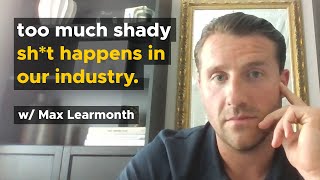
In this episode of the Recruitment Mentors Podcast, host Hishem Azzouz sits down with Max Learmonth, founder of Forge Talent, to dissect his first year of building a recruitment business focused on finance and accounting in the Northwest of England. Max walks through the origins of Forge Talent, the role of a silent partner who handled back‑office, legal and financial functions, and how that freed the founders to concentrate on client and candidate acquisition. They discuss cash‑flow forecasting practices, the importance of a bi‑weekly financial review, and hiring triggers for expanding the team. A major theme is the "relationships, not transactions" philosophy, which is operationalised through a north‑star metric of eight weekly meetings (split between candidates and clients) and a disciplined approach to meeting preparation, candidate insight gathering, and client pain‑point discovery. Max shares tactics for building a contract desk from scratch, the challenges of market shifts between permanent and interim demand, and how tracking competitor activity informs strategy. The conversation also covers how content creation (LinkedIn posts) generated £80k in permanent placement revenue and aided recruitment of new team members. Finally, Max outlines the Year 2 focus: relentless business development, increasing meeting volume, deeper team collaboration, and maximising technology to double gross margin. Key take‑aways include: the strategic value of a silent partner/back‑office, the necessity of regular cash‑flow forecasting, using meetings as a leading indicator of pipeline health, a structured client‑meeting framework to extract four‑point intelligence, the power of relationship‑centric recruiting, and the measurable impact of personal branding on revenue and hiring.
Chapters
Max, welcome to the podcast.
Thanks for having me, mate. Looking forward to it.
So we've got to know each other, uh, over the— I don't know, I feel like over the last, what, 6, 12 months we've been speaking at different periods. Yeah. Um, so I'm excited to really get into the nitty-gritty with you on how you've been managing this recruitment entrepreneurial journey that you've been on. You've recently hit the first year in business milestone, and we thought it'd be really cool to be able to take a bit of a step back and talk about what you've learned, the challenges, what's worked, what hasn't, and also be talking about what you're thinking about doubling down on, really, uh, being laser-focused on going into year 2 that you think should hopefully get you to where you want to be at the end of, of, uh, year 2.
Yeah, sounds, uh, sounds good to me, mate.
So to give everyone a bit of a highlight reel then in terms of the journey that you're on and have been on. Feel free to correct me, but you did 11 years employed across 2 different companies, Robert Half, um, and FJR.
Yep.
You went on the typical journeys there in terms of at Robert Half, climbed the ranks, got to sort of director level, and then FJR, you actually, um, became the CEO for a period there as well before you left. Um, uh, in May, so yeah, just over a year ago, you started Forge Talent. Um, and then this is the bit where if I get any of this wrong, just, just let me know. Um, but the bits that we wrote down here in terms of the key milestones, um, so you're now a team of 6, 7, team of 7 now. Yeah, uh, you've got, um, you've been doing contract and perm, so you've got 4 people on perm.
Yep.
And then rest on contract. Yeah. And then in terms of first year, you did $900K around that revenue, and end of the year around $300K GP.
Uh, $350K in gross margin.
$350K, sorry.
Yeah, in gross margin.
And your world is accountancy and finance, Northwest.
That is all we do.
That is your world.
All we do, mate. Yeah, that is all we do.
All right, cool. So a couple of things that we wanted to focus on when we prepared for this, just to give everyone a bit of an insight. We want to talk about building a contract arm of the business from scratch, what we've learned, challenges, what's worked, etc. We'll often hear— I'm sure you've had these conversations when you spoke to other recruitment business owners— but you often hear, I really want to grow a contract arm because it's recurring revenue, increases the enterprise value of my business. Easier said than done. Um, we then got, uh, you self-funded this business, but you have had a silent partner who's had a lot of value, so we're going to talk about what they've done. North Star metrics, yours being meetings. We're going to talk about why that is. And then a big part of why you wanted to start Forward, you're a big part of sort of what you're all about, is relationships, not transactions. Like, what does that mean? And then definitely want to go into the fact that you weren't quote unquote properly on the tool since 2017. You started your business, you're now having to bring on clients, do deals. What was that like? And we've got a few LinkedIn posts that we might bring up as well.
Yeah, they're like Marmite-ish, so go easy.
All right, cool. So why don't we start with the silent partner piece, if that's okay with you?
Yeah.
Why don't you want to just give us a bit of color there? And then like, there's a few bits that you feel like they've massively helped you with, which you want to go through, and why you think they've been impactful. But just give us a bit of context around the silent partner piece.
Yeah. So I'm not going to name names, but this is somebody who I've known for a long time and I've worked with previously. I trust implicitly. And when I was talking about setting up, that individual was a big, big advocate of it. And not only did help with some investment, also because they are a finance professional and have been in recruitment for 20 years, could take so much of financial element, legal element, terms of business, could take all of that away and look after that. So essentially, back office was completely taken care of from day one. It allowed me to focus on getting out there and winning new business, focus on the brand, and allow me, Riz, and Adam, who've been together from day one, to really focus on building the DNA of what Force Talent is. And it's also been an outlet for me that when there have been challenges, because there have been, I've been able to talk to somebody about it, and it's just been so invaluable to have that individual with me from the start. We wouldn't be where we are today from a financial standpoint in terms of our performance, in terms of our operational back office, if that individual hadn't taken care of the back office function. Um, I've speak to a lot of recruitment owners and founders, and a lot of stuff that they struggle with at the start is their time management on billing, winning new business, customer care, and then their back office side of things. Whereas I've been in a very fortunate position where all of that's been taken care of.
Um, what do you think— you may not be able to answer this, but What mistakes do you think you might have made if you didn't have that person on board on like the back office, commercials, legals, terms, whatever? Like, is there anything that you were like, oh God, yeah, that's like, I'm really glad that we did that? Or is there anything that you feel like you could have potentially fell into which people can learn from? Maybe.
I think the terms of business is absolutely massive. Just, just making sure that they're watertight. Clearly, that's key. And when you're a startup, and you just want to get the deal done. You know, you're building that relationship, which is absolutely key, but you want to make that placement, right? Because you want to get invoices out the door and you've got to make sure it's watertight. And so because things can come back to bite you, another huge thing was just cash flow forecasting, like constantly cash flow forecasting. So I do that. And with it, with the individual, and we do it together sort of every 2 weeks, and we're looking at cash flow. And had I not had that, could I have potentially overhired earlier on? Yeah, because my ambition sometimes gets the better of me. So that, that could have been another, could have been another pitfall that I could have fallen into. Um, but also we're going to touch on the contractor piece, but there's a lot of complexities around contractor payroll around providing an interim solution so that the individual has been invaluable with that, but also helping me understand that starting a contract desk from scratch, it is a cash burn. So it is. And I know we spoke about it previously, but just making me understand the importance of that. And having somebody that I can bounce off when potentially it's not going exactly the way you want it. And so that's, you know, definitely could have been some pitfalls that I'd fallen in that I could have fallen into and had I not had that.
And how many times have we heard recruitment founders over-hiring and then been like, oh shit, the job flow isn't where we thought it'd be, these sorts of things, right? A lot. So before Let's get on to the contract piece, but before we do, if you don't mind sharing, I think it'd be really cool because this is something that comes up a lot when I speak to founders, and even something that I'm trying to be way more disciplined around in terms of the, the cash flow piece. So would you mind sharing with us, if we was in that meeting, that, you know, bi-weekly meeting, what are like the key bits that we always look at? Because I think this is then something that people listening to this can do with themselves. Are you looking at right, how many invoices are out that should be paid over the next 2 weeks? Are we looking at the amount of cash we have in the bank? We're looking at how much money we've got set aside for the VAT bill that we know it's due, you know what I mean? Like, what, what's like the agenda and what's like the things that we always cover in those 2 weekly meetings that I'm assuming you're covering? Because that then gives you the, um, the financial foresight to then make, uh, the right decisions.
Yeah, of course. Um, I'll not bore you with all of it, but I think, um, because we do, we do talk a lot, but I think, um, first thing we're looking at is, is boarded deals. So what boarded deals have we had in those 2 weeks? What's being invoiced in the next 2, 4, 6, 8, 12 weeks? So we've got that foresight that we're constantly, constantly looking ahead from that point of view. And we're looking at contract runners out, um, so pay rate, bill rate, and what contractor payments are going out, and when we're expecting payment. Are we on 7 days, 14 days, 21 days? So when we're expecting that to come in And then the other thing you mentioned is, is cash in the bank. Um, we're, we're, we're constantly— I'm constantly hitting refresh on my NatWest app. Um, that's not a sponsor for NatWest, by the way, but I'm constantly, constantly hitting refresh on that, um, just to see where we're at. So there are other things, but they're the main things that we're looking at.
Nice. And then final thing on this, have you figured out, or maybe you had advice around what financial position do we need to be in? Or there might be some other elements that make us really comfortable bringing on Max, a recruiter. Like, what— like, do we have some hiring triggers? Or like, what does the— what does the things need to sort of look like for, you know, this person to be like, yeah, Max, I think we're in a really good position to, um, you know, confidently hire this person? Do you want a 6-month runway in place? I don't know, you, you tell us. Like, have we got any sort of triggers there in terms of what things need to sort of look like in an ideal world for us to be really confident bringing on another person?
Great question. Um, I think the, the financial metric, um, or the cash metric is do we have that 3 to 6 month runway, um, which more often than not, clearly the answer, the answer is, the answer is yes. Um, I think it's also around our, our interim runners, and you and I touched on that, and our interim bricks. So how many runners do we have, have out? Because that's cash going through the business. And I think more importantly, it depends on the person that we're potentially hiring. And I am a firm believer that for the right person, we can make a move earlier, but it has to be the right person. And we could have hired earlier on a couple of occasions, but it wouldn't be the right thing to do for that individual, for us as a business. And So they're the sort of things that we look at.
Love that. Appreciate you sharing that. Let's get into the contract piece then. Do you want to maybe paint a bit of a picture of us, to us, in terms of just give us the high-level bits on— obviously, so you had Adam and Riz, they— so they started with you from the start and they were contracts, right?
Yeah. So I've worked with Riz, I think it's 9, 10 years. Um, Adam, it's for 6 or 7 years. In my opinion, and I've worked with a lot of recruiters, they are two of the best finance and accounting interim operators in the Northwest, and they are phenomenal at what they do. So when I was thinking about setting up, um, you know, two of the first people that, from a recruitment point of view, that I wanted to talk to, um, about about coming and doing it with me. Not only are they fantastic interim operators, they're just great recruiters, like great collaborators, great at business development. So I knew when we came into it that, right, it was going to be an absolute slog. But with two individuals that have got a work ethic like that, if I could match them, And we, from a perm point of view, we'd be in a decent place. So yeah, the plan from day one was Riz and Adam on all things interim and contract, and it's predominantly sort of qualified finance and above on 3, 6, 9, 12-month interim contracts. And it was me on the perm side.
And I've got written down here, first contract deal in 3 weeks, and then you went 3 months with no contract deal. And then you've now got the weekly GP up to 5K.
Yeah, yeah, that's right. The guys won't mind me saying, I think when we did that first contract deal in 3 weeks and it was a big one, it was a big contract deal. We got very, very excited. We were like, frig, this interim market is going to cook. We're going to fly. A little bit of, I suppose, excitement, exuberance, enthusiasm, whatever you want to call it. But yeah, they then took 3 months for the next one. Clearly we were doing other deals, we were doing fixed-term contracts, we were doing perm deals. But yeah, the interim finance and accounting market, it's been a challenge really up until the last sort of 2 months. It had been tough. The guys were working exceptionally hard. Um, but it, yeah, it had been a challenge. Um, clients were wanting to hire perm, they wanted to go down the fixed-term contract route. Um, so there hadn't been an abundance of, of interim jobs.
So let's just break this down a little bit, if that's okay.
Yeah, of course.
So there, there would have been a lot in your guys' control in terms of what you could be doing, but at the end of the day, like, if there's— if way more of the companies that typically might have considered or taken on contractors, uh, right now saying we want permanent staff, there's obviously only so much that you can do, right? But from all the contractor recruitment conversations that I've had, that also plays into your long-term strategy because you know that they've hired contractors in the past and they're people that then you want to be building relationships with, being in front of, trying to, you know, deliver value. Because at some point, at least you now know that they have hired contractors in the past. Why was that? So you know sort of what maybe things need to look like in order for them to consider taking on a contractor again. But in those months, I'm sure there's been other months as well. I think I asked you this when we prepared for this, like, what were you and the guys really being laser focused on that gave you confidence that what you're doing should hopefully play out in the, in the long run? So like, as a manager You know, a lot of time I speak to people, they are building a contract book from scratch, or they've hired someone to build that for them. So as you said, it takes time, but what were some of the, the core elements that you're always keeping an eye on that gave you confidence that it should play out? You know, was it, was it meetings? Was it the number of, um, contractors that you're registering and putting on the database? I don't know, like, what were some of those elements that you kept a close eye on out of interest?
Yeah, look, I think the— I don't care about KPIs, by the way. Um, KPIs, they, they are important and they have their place, but I'm more output focused. Um, and, and as a business, we're output focused. The main thing that, that we look at as a business is how many meetings we are doing a week, um, both candidate and client. Um, and when I say meetings, I mean either face-to-face or on Teams So I know we're going to touch on that down the line, but what we were laser-focused on, the three of us, was how many actual meetings we were doing on a week-to-week basis. We have a goal, our number that we want to hit is we want 8 meetings a week. Now typically that should be split 4 candidate and 4 client. Some months it might be a client, some weeks, sorry, it might be more candidate, other weeks it might be more client. In the sort of first 6 months, we were doing like 15, 16 a week. And so we were just laser focused on building our potential, um, potential client base, building our potential candidate client base. And then we were tracking what our competitors were doing, um, specifically from an interim point of view. So if there were contractors getting placed where the client had previous relationships, we were tracking all of that. So there were still interim deals getting done in the market, but those clients had pre-existing relationships elsewhere. So we had to take the long-term view on that. It wasn't just about making that placement or getting a quick turnaround on a contract job. If we focused on building our candidate database, our potential customer sort of portfolio, and tracking what, you know, our competitors were doing, that gave us all the confidence that we needed. And then the sheer volume of perm jobs that we were picking up, we knew at some point, because we've all been in recruitment, you know, for a decade, that it was going to flip.
So do you think, is there anything that you would have maybe done differently if the goal was to do contract deals more often, more consistently? Is there anything that, like, putting the market aside, which obviously is a big factor, but is there anything that you think we could have maybe done differently? For anyone listening that is at the moment considering launching this part of their business, interviewing some great people to bring on, anything that we could have done differently that you think could have positively impacted the amount of deals and the consistency of those deals?
Because, because we were or we are accounting and finance focused in the Northwest, I don't actually think there was anything we could have done differently. I had the confidence that if we stuck to our game plan and we still stick to it, of the meetings, face-to-face and Teams per week, are tracking what our competitors were doing and constantly being in touch with those candidates and clients, that at some point it was going to start to turn. And the other thing we do is we piggyback on everything. So every time I'm on a client meeting from a permanent point of view, Riz or Adam are with me from an interim point of view and vice versa. So we knew that because we were building, you know, because we were building these relationships and it wasn't just, hello, have you got any jobs? We knew it was going to turn at some point. And as I say, in the last, in the last 2 months, It has.
Um, and then anything different that you're— with that being the case, anything you're now as a team really doubling down on that you think can really enable you to maximize the market maybe changing? Or is it just more of the same, just keep getting in front of people?
What, Luke? It's, it's— I think for, for me Recruitment is about getting in front of people, and it's about building relationships. I'm not going on to, I'm not attending any meeting expecting there's going to be a role there. If there is, fantastic. But it's having that medium and long-term, having that medium and long-term focus. Something that we have always done is that buddy up. So there's that collaboration, there's that crossover. There's a constant transfer of information. Um, we're a small team, so every lead we identify, we're all on it together. Like, who do we know within that business that we can potentially get in touch with? So it's been more of the same. Um, now that we've brought more people in, like Joe, Cassidy, and Mike, there's more structure to the levels that, that we're operating at, that, that's clearly now pushing our— pushing that growth further as we've sort of entered into year 2. Um, the only thing we could have done differently was, was hire a little bit earlier, um, but that wouldn't have been the right thing to do.
Whilst we take a short break, I wanted to take a moment to chat to you about one of our amazing partners, Sourcewell, the industry-leading recruitment engagement platform. I'm using myself and I don't know what I would do without it. From building personalized messaging cadences across a variety of channels to automating follow-ups and data tracking straight back into my CRM, it's really made an impact in streamlining my workflow and most importantly, accelerating my sales results. My favorite feature by far is the live feed. By being able to see in real time who's engaging with your campaigns, it enables me to prioritize my outreach with the most engaged prospects, which helps me get way more out of what I put in. So I'm going to be honest, if you haven't got Sourcewell and you're a recruiter, I really believe you're at a disadvantage. To find out more and see the platform in action, make sure you click the link in the show notes and mention the Recruitment Mentors Podcast. Because you listen to this podcast, you're going to be able to get access to an exclusive offer: free 50 phone credits, 50 email credits, which is at the value of circa £500 per user. So make sure you mention the Recruitment Mentors Podcast and click the link in the show notes. Let's just talk about meetings, because like clearly that's like something that you hang your hat on. And like, I was looking at your one-year LinkedIn post and you put in there, met with 609 candidates, sat down with 539 clients. That's quite a lot of people.
Yeah, yeah, that was done on three heads.
Yeah, so let's just break this down a bit, because I think it would be very easy to listen to this and like assume how a meeting goes, or like how to approach those, maybe, do you know what I mean? But like your whole thing that you're, um, that you're building your whole brand around, I feel like, and what you champion is the whole relationship's not transactions. And I feel like this is a core part of that. So why, like, why, why is this the real focal point? Like, maybe just give us sort of your take on that. Like, if I join your business and you're telling me, look, Hishem, as long as the outputs are there. And for me, all I want to be seeing is that you're getting in front of candidates in your niche, getting in front of hiring managers, you're having meetings, I'm going to be happy. Like, what— why is that? Why have you sort of boiled it down to, to that? Because as you know, there's plenty of different things that could make it into people's dashboards on like the performance of the— of their, their team. So like, why, why that firstly?
Yeah, and there is like loads of things that people can analyze, and I'm sure different metrics work for different people. I think for me, if I'm sat in front of somebody or anybody in the team is sat in front of somebody, I'm building a relationship with that person. I can get into detail around them as an individual, them as a business, what they look for when they're hiring, like what's the skill set within the team, what challenges have they had when they're hiring, What they like about recruiters, what they don't like about recruiters, what communication they want with recruiters. All of that helps me, one, build a picture of them, two, build a picture of the business, three, I suppose the type of hiring profile, and then four, what they fundamentally dislike about recruiters. So if I've got those four things, that's going to make me far better at my job that when I do then pick up the phone to them and discuss a potential candidate, I'm not just winging it. It's not just a finger in the air. I've listened to what's going on within their business. I've listened to what they actually want. I've listened to how they want to be, you know, how they'd like me to communicate. Because in my opinion, people aren't doing that in the industry anymore. I think we were sort of 7, 8 years ago, but now it's so email-based or put somebody in a 57-touchpoint plan on, on email. It's like, how many emails have you had today, mate, that you've clicked delete on? So, exactly. And I, and I have as well. I'm sure everybody listening has as well because we get, we get spammed, um, and a lot of it is AI-generated crap. So AI has its place, by the way, but, but, but, but a lot of it's garbage. So So for me, it's like I know that if we as a team are in front of people, we've got a better chance that when they do have potentially a role, they're going to give us a shout on it. And I think if that is our sort of key metric and key pillar and we continue on the performance that we've had in year 1 and certainly how we started in year 2, if it's not broke, don't fix it.
Love that. Do you want to— I feel like you sort of shared it with us, but I want to make sure everyone got it because I'm sure you helped the team with this. So what ideally are the sort of non-negotiable bits of information that you ideally want to walk away from, let's say, a client meeting? Because you broke some of that down, but I think that would be really helpful for people. What are the, the key bit? Let's say it's the first time that we're meeting, like, ideally what would you love to be able to walk away with from that meeting?
Yeah, first of all, them on a, on a, um, I suppose on a professional level, you know, how long have they been with the business, what they enjoy about working with the business, what's their next step with within the business. Then it's around the team, you know, how is it, how is it structured, any potential flight risks, um, any potential hires in the future. If they could hire, what would that skill set look like? What is their talent acquisition strategy? Do they have agencies that they work with? Do they have an internal talent team? I do ask the question, what do you dislike about recruiters? Like, fundamentally, what do you dislike? Because I'm then not going to behave that way. So again, there's lots of stuff that we go through. And when you and I did that live training session, I always asked them if I had, or if they had an unlimited budget, What would be the next strategic hire they would make? And clearly I then use that later down the line to strike up another conversation if I happen to have somebody that fits that profile. But all of it is, it's just information gathering. It's like you're a detective, you're trying to pick up as much information as possible so that you come across as credible, right? Because too many people in the industry aren't credible. So I want to showcase my credibility in the time that I have. Starts with the phone call, it's then a meeting, it's then how I follow up.
And then how— I don't know if you've had your team speak about this, or when you've interviewed people for your business, it might have come up when they're talking about how you approach things and stuff. But I'm— you may disagree with this, but I'm like just a big believer in we all think, what's in it for me? Right? So I understand all those key elements in terms of the bits that you get out of that, and I know there'll be a way that you're doing that which isn't just like an interview, being an interviewer, right? And just it being one way. But would you mind sharing— I don't know if you agree with that, but like, surely these people will need to feel like there's something in it for them to be spending that time with you sharing that information. So what are some of those bits, because I think sometimes it's very easy for people listening to this to understand what's in it for them. I understand, like, if they could hire someone, there wasn't a budget issue, like, I walk away with that. I understand what's great about that organization. That's all great for the recruiter, but what's in it for that hiring manager? Like, what, what do they get?
Yeah, look, a really, really good question. Um, like, it is, mate. Um, and I don't think there's a, there's a, there's a silver bullet response. And I think one of the key things they're going to get is I'm going to understand how not to interact with them. And so I'm not going to be picking up the phone like every week if that's not how they want me to communicate. The reason why I ask the questions at the start, um, is that I'm potentially thinking about them in the future for their own personal job search, because more often than not, everybody's kind of passively looking in this market for that next opportunity. So I ask them about their career, what they enjoy about the business, what's the next step for them within the business, would they ever consider a move? So, 'cause the first part of the conversation, it's like, it is all about them. So it's, that's what I'm trying to give back. And then I give them insight on what is actually going in the market, what is a newly qualified actually getting paid? And some of them sort of fall off their chair. So it's that little bit about, okay, yeah, I'm trying to display my credibility, I'm trying to get as much information as possible, I'm trying to talk to them in a very polite and passive way about their future potential job search, if they would ever consider it. And then market insight on what is going on out there in the current marketplace should they ever need to go and hire. So there's not a silver bullet to it, but there is certainly a way you can go about it where, excuse my language, you don't come across as a salesy dickhead.
Yeah, and I appreciate there isn't just going to be one main compelling reason, but I feel like we've got to factor that in, right? So those bits there, like you said, you're getting them to talk about themselves, what's important to them, where they're at, where they want to be. You're also then being able to leverage the insights that you have that you can share with them, right, in terms of what are people being paid, these types of things.
Um, it's massive because they, they've probably never been spoken to like that by a recruiter unless it's somebody they've known for a long time and they trust implicitly. So I'm trying to showcase that credibility so that they know it's the start of our relationship. But you can trust me. I do know what I'm talking about. But it's only that first interaction. That's just the start. It's then what you do after that. That's key.
And then help me out here, but am I correct in saying that a lot of the time you or your team will end up in that meeting because they've spoken to them about a potential person in the marketplace, or is that wrong?
No, that's right. So, um, it's, it's certainly the way I was sort of taught to do things is that, um, we are proactive in our approach. We don't sit around and wait for the phone to ring because the reality is that that wouldn't happen. And when we start the business, it was cold, so We, we, you know, part of the reason why we meet, you know, 4 candidates a week, if that's how the split is, is so that then we can be proactive on their behalf, map out who has hired their profile over the last 12, 18 months, um, and we can pick up the phone to those CFOs, FDs, um, financial controllers, and talk to them about something that's relevant. Because how annoying is it when you get a phone call from somebody that's just not relevant at all. So it's going on there with purpose and relevance, and then that's how we then do book a meeting.
And then, because the, the final bit I was just going to ask you was like, if this is so key, how have you helped your— some of the people that you brought in, Adam and Riz aside, how have you helped them become more effective at booking meetings? Is it that bit that you just mentioned, becoming better at that, more personal, relevant with the people that they're speaking to them about? Or like, how— yeah, mate, that— because like, that, that'll probably be helpful for people listening. Like, how can we be more effective actually getting meetings?
I think, Matt, I've listened to, to your pod a lot, and a lot of the experienced recruiters talk about this, but recruitment is about framework and process and practice and consistency. So how we've helped people coming into the business is Putting in a framework is having a process of this is how we do things. Not having a script or anything like that, but this is how we go about it. Here's some key points that you want to discuss in your messaging, but who are you really, really excited about? Like that you've just registered as a candidate, right? Let's take that person to market. Let's get excited about that individual. Because if you're enthusiastic and have got purpose on that call, it's then easier to go, well, look, that person might not be relevant right now, but look, why don't, why don't we start this relationship? Why don't I meet you for coffee next week? And more often than not, people are actually up for that. Um, okay, yeah, of course you get rejected, but it's a high percentage of people that actually say, yeah, look, we can meet for a coffee, or yeah, let's jump into Teams.
I know we're getting into the nitty-gritty here, but The reality is this is part of your story that you've had to be back on the tools, right? This is you sharing like what you're doing, what you're helping people with. But someone who's popped into my head, it might be a stupid question, but with that being such an important part of why you was able to achieve what you've achieved in the first year, like I was just thinking like how do you balance being out, having these meetings, and then so much of the stuff that happens is in the follow-up, right? So you need to make sure you're like doing that, have you striked a bit of a balance on like, I don't know, maybe Tuesdays and Thursdays you try and make sure that you're having all those meetings in and you're trying to like stack those, or I don't know, it just popped in my head because I'm sure managers think about that, like, because especially now it's like, well, Max, can you not just jump on them with it on a Teams call, do you know what I mean? Like, I don't know, I feel like that's— that wouldn't have been a thought back in the day, right?
Yeah, so it's, it's, um, look, we can, we can be reactive like that if a client wants to jump on a Teams at 4 o'clock today, I'll make it work. I'll jump on at 4 o'clock today so we can be reactive from that point of view. We're a hybrid business. And so Monday and Wednesday, we all work at home. And then Tuesday, Thursday, Friday, we're all in the office. So typically on Mondays and Wednesdays, it's quite heavy on like Teams meetings in the afternoons.
Right.
It's just that's just been a natural thing to do. And then when we're in the office together and like they're in town, as an example, that's when we can do quite a bit of face-to-face. So that's when we can get out and meet people in Manchester. That doesn't mean though, by the way, on a Monday and Wednesday you can't go meet a client face-to-face. Like we're all adults, you do whatever your business needs. But yeah, that's sort of been the balance is that our sort of teams meetings or Zoom meetings And they are heavier on a Monday and Wednesday, and then the other 3 days that we're in the office, there's more face-to-face interaction.
We'll get back to the episode in just 1 minute, but today I'm excited to talk to you about one of our partners, Firefish, the recruitment CRM that accelerates data-driven growth. The problem with most recruitment CRMs is that they are just a database of records, meaning they become just one of the many tools that recruiters use every day. Like with all systems, the records are only as good as the data being captured. Our sponsors Firefish know that for agencies to win faster, data needs to be at the heart of their business, making your CRM the single source of truth. With over 10,000 records created and updated every day and 85% of placements from existing candidates, Firefish enables recruiters to enrich and engage their data, equipping you with real-time insights needed to win faster. To learn more about Firefish and take advantage of an exclusive Recruitment Mentors Podcast offer, make sure you click the link in the show notes and mention the Recruitment Mentors Podcast when speaking to the Firefish team. And then just final bit on this then, again, it's quite particular, but I think it might be interesting to people. For that to be really one, one of the most effective ways in terms of working with people in the marketplace, then going, being proactive speaking to FDs, uh, heads of financial control, whatever, about these people. Surely you've had to become effective at convincing Max it's a good idea just to work with Hishem, the recruiter. How have we got better at that? Because like, if I'm— yeah, if I'm working with you and you're a newly qualified accountant, but you're also working with two other recruiters, we know how that goes, right? So How have we become more effective at having these people decide to work with you exclusively, or however you framed it to people?
Go back to what I was saying around that credibility piece, asking what they dislike about recruiters, asking about the experience that we have with recruiters. So something that we'll all sort of phrase and articulate is if they tell us that they then had a bad experience with the recruiter, I'll ask for an opportunity. Like, if there's a live vacancy there, isn't there? But it's like, I'll ask for an opportunity. Let me prove you wrong. Let me show you what an experience should look like. And then it's the same with the candidate. I think it's rare in our market that a candidate is ever going to turn around and say, I will be fully exclusive with you, because ultimately they want a new role if they're looking for a job. So it's more on the client side where it where we've had exclusivity, and it's been through that questioning of, you know, going through that process that I was discussing. But what is it that the experiences that you've had that you don't like and why? And if there is an opportunity, it's like, okay, well, look, give me a chance, let me prove you wrong and I'll deliver. And that's how we've had a lot of exclusive work. We're now starting to get that repeat business. Because of the approach that we've taken. And the repeat business is exclusive business because of the work that we've done. And when we first started, a lot of what we were doing was multi-agency because we were brand new on the market. And I'm going to say we were working harder than most people. Nothing for the customer. Like we were working harder for the customer. More listening.
Yeah, I think you'd be— particularly with when you take into like where you're at as a business into consideration. Interviewed someone last week who said a similar thing. He sort of said that for people that are building a desk from scratch, to sort of turn your nose up at contingent work, particularly when it's within companies that you feel like are a really good fit for the types of companies you want to be working with, is just, it's just a mistake because you said, yeah, it's like, let— like, give me an opportunity. And being smart with your questioning, like, if we do do a really good job here, Max, how would you feel about next time giving us an opportunity for one week before you speak to these other agencies if we deliver this? Like, and just asking these direct things. But like, like you just said, um, particularly when you're starting out, or even in any opportunity, if you think it's with a company that could— is like really in your wheelhouse, that you know, hires great people in your space. And like, yeah, yeah, obviously, you know how it is on LinkedIn. You can easily see people like shitting on working contingent and these types of things, but I just don't think it's a reality.
No, I think it is. I'd like to think it is at all. And we wouldn't be where we are currently if we'd taken any other approach. And as you say, because we were having success with some of the multi-agency stuff, it is now exclusive. Um, so yeah.
Is there anything else to share that you think is really important on what makes recruitment relationships, not transactions? Like, we're speaking a lot about your philosophy, how you approach things. Like, is there anything else there that you think sometimes maybe is missed? Or I don't know, just—
I think you've got to massively think about the customer experience, and the customer is your candidate. And your client. Like, think about the experience that that individual is going to have with you from start to finish. And if you do right by that individual, you're gonna start developing a relationship. That means good feedback and bad feedback. Just be honest with people. And if you get it wrong, just own it. Like, there's nothing wrong with getting things wrong or making a mistake. But if you're honest with people, again, it's just going to highlight your credibility and it's going to showcase that you're not a complete knob.
What was— curious, putting you on the spot here— what was the last— because we're big on that as well— what was the last bit of feedback that you got as a team that gave you an opportunity to learn and improve? That would— constructive feedback, anything?
Yeah, there was an individual that um, that we, that we placed on a, um, on a contract basis, um, in a new business, private equity-backed business, and she was right for them and vice versa. Um, she then came out, um, to us, um, about an interim vacancy that she was, she was going to recruit for. She went to another agency as well that she'd worked with for sort of 10, 15 years, um, I think we were a little bit miffed by that in that, look, we've just placed you. We were a little bit miffed by that, but look, that's fine. Ultimately, that other agency ended up placing that interim role instead of us. And when I asked, obviously, the client or contractor, like, why? And it was just, she actually said, the other agency just listened that little bit better and knew me that little bit better because they placed me in my last 4 roles. They knew the type of person rather than just the skill set. So that's a big learn for us. I appreciate you sharing that.
That's great.
No, not at all. That was literally only sort of 4 weeks ago. Like that big, big learn. But you take it on the chin. And you, and you, and you move on.
The key bit there is how many people have asked why?
Well, that's what I mean.
Yeah, that's like, if you, if you have the courage to do that, there's so much opportunity for you to improve how you do things or take that into the, the next job you're working or the next person you're speaking to.
Yeah, absolutely, mate. Um, it's, um, there's a nugget of information on every single call um, or every single interaction. It's then what you do with that nugget of information. And if that nugget is negative, it is human nature to just ignore it and move on. Um, but that's the stuff that makes you a better recruiter, in my opinion.
So to round this out then, because we've been getting into a lot of the granular on how you've been doing what you've been doing, I've spoken to a lot of founders that have been in recruitment for a long time, but Oftentimes, not all the time, but if you're doing a pretty good job in a recruitment business, you're going to be promoted. You might find yourself on that management journey, leadership journey, a bit like you did. But then when it comes to then actually starting your own recruitment business, you might be like, oh my God, I haven't actually quote unquote done recruitment for how many years. Like, this has come up a lot. Yeah, like, sounds like you've really just thrown yourself at it. There's no other option. But for, for those people listening that might be in that position that, yeah, maybe come to the realization that, wow, I haven't done a placement for 5 years, 6 years, I'm a bit worried about how that's going to go when I start my own recruitment business. Is there anything that you think is worth sharing or words of advice for those people, things that maybe they can do before they make the leap or in those first 90 days that you think would be a good idea?
Uh, yeah, yeah, definitely, mate. And I think, look, first of all, like it's hard. Like, it's hard to go from like when you've been in a non-billing role, and I had been for quite some time, to then think, shit, I've got two really, really experienced people with me and I've got to lead from the front. Like, I've got to bill and collectively we've got to do that together and we've got to get out the blocks really, really quickly. But there's no getting away from it. That first week, 2 weeks of being on the phone, like it's pretty daunting. Call it cold call anxiety, whatever you want. There is no getting away from that. The key for me is number 1 is planning. And it might sound so old school and basic and I just rolled my eyes, but, and people will be rolling their eyes when they hear me say that. If you know who you are calling and why, and you've got purpose and intent behind every single phone call, it gets rid of that fear. Like, it really, really does. Not entirely, 'cause you've still got that nagging bit in the back of your head of, oh crap, what happens if it goes wrong? But planning is massive. Purpose and intent, so knowing why you are calling is that you are taking a phenomenal candidate to market that you've just met. So that's huge. Always ask for the meeting. What is the worst that's going to happen? They're going to turn around and say no, right? So always ask for that meeting. And then the final bit is just remember that it's a human at the other end of the phone. You might catch them on a bad day. You might catch them at a really, really bad time. It is what it is. You've got to roll with it. And then you've just got to be consistent with it, thinking you can do 5, 10 calls in a day when you're starting out or thinking you can just send out a generic email or in mail isn't going to cut it. Um, you've got to be consistent, you've got to get the reps in, um, and you, and you've got to hit it hard.
No, I appreciate you sharing that. So I have to ask you then, how much money has your content made you? Has it generated in?
I didn't think you were going to ask me that.
How, like, in terms of has it impacted billings, hiring opportunities? Because outside looking in, and I feel like, uh, for anyone that's connected with you, I feel like it is very like recruitment focused. Yeah, I feel like I'm— my assumption would be, but this is where you can correct me, my assumption would be the way that you're doing things, it could really help you have a compelling reason to speak to recruiters or just help you stand out when it comes to like hiring potential great people for your business. Yeah, I'm very curious to find out if actually, because some of the things you talk about is the relationships approach, how you do what you do as well. So I'm assuming it's also gotten you noticed by FDs, hiring managers, but I might be wrong. You tell me, like, how much has it impacted?
So 80 grand. 80 grand in permanent placements. And that is either a candidate has seen what I'm talking about and they have approached me directly, a candidate that I might not have— well, I definitely wouldn't have known otherwise, or a client that has directly got in touch to say, I really— one of them in particular was I like the no dickhead rule and wanna work together. So yeah, 80 grand in perm billings, perm placements. It's come directly from content.
And what about— look, one of the big reasons why you won't achieve your goals of your business is you don't have the right people in the right seats or the best people in the right seats. So hiring for your own business is always a big challenge. So I'm assuming you— again, feel free to correct me, but I'm assuming that it's helped you on that front as well.
Yeah, massively has. I, I could have jumped the gun like quite a few times, like through, you know, through different avenues, through different rec to recs. Um, some great rec to recs out there, by the way, and some that I wouldn't recommend either. Um, but, um, one of the hires that we made, um, was direct, um, and, um, it's somebody that I'd known, um, of by reputation and actually got referred to them by, by a client. I approached that person, that person already followed me on LinkedIn and already seen my content. It sparked a conversation, um, and that individual joined the business, um, and that individual is absolutely awesome, um, I I don't think, um, that person would have potentially joined us had it not been for the volume of content that goes out, because it's not just me.
Or at least how the conversation would be. That's the big thing, like whenever I speak to recruitment companies is, you know, how often these people are getting peppered, especially if they have a good reputation, whether that be by internal recruiters, rec2recs, or whatever. Their inbox is going to be busy. So I think it's just more of, yeah, it enables you to at least you've built some trust, some credibility, or at least you've made an impression on them however you've done that with your content. But they might be more inclined to go, Max, happy to have a chat, like, I like the way that you're approaching things from what I can see, versus I'll delete that or I'll ignore that message.
Yeah, yeah, exactly. My content's not for everybody. Like, I, I appreciate that, and I do piss people off, and some people don't.
Well, let me ask you this then, because like, I can't I feel like you was doing a pretty good job of this when you was employed at FJR, 'cause that's when we started speaking a bit more. But why, you obviously put value on it, you've told us how it's impacted your business, but why are you so consistent with it? Why do you view it as an important activity out of interest? 'Cause you're relentless with it.
[Speaker] Yeah, I don't even see it as a, like as an activity metric or anything like that. I think I've been in the industry for 12 years, going on 13 years. I like to think I've got a little bit of insight and knowledge that, that I can talk about and share with candidates, clients, and other recruiters that adds value. Um, I do think the other huge part of it is, and one of the reasons that I wanted to set up Forge Talent, is like the recruitment industry is like, it's so transactional. There is so much shady shit that goes on in this industry and I just feel compelled to call it out. Like, I really do. And there are some fantastic people on LinkedIn and that I now have a connection with that do the same and they call out the crappy behavior. It's the people that obviously don't like it that feel DM and all that sort of stuff. But I just like to add value to candidates and clients, clearly to boost awareness of Forged Talent and what we're trying to do, but then to call out all the shady crap that goes on because there's so much of it. So for me, it's just around that. And I write my content every week on a Sunday. Dale, I'm not an advocate of working on a Sunday before anybody jumps in, but that's when I write my content. And then the stuff that I'm reactive to during the week, if there's a scenario that I think could have been avoided or shouldn't have happened or there's been something, there's something gone on, I'll just talk about it because I'm sure other people are as well, but they just don't feel confident enough to talk about it.
Yeah. Now I appreciate you sharing. I'm not going to, I'm not going to get into the like all the nitty-gritty of like the personal brand and stuff like that. I can't even believe it still comes conversation, if I'm honest. Like, in today, like, yeah, like, we just heard the impact that it's had on, on your business. I think it's one of the, the easiest ways that you can actually genuinely sort of showcase what you're about, how you're different. Uh, so yeah, um, what I wanted to sort of end with was, if I was sitting in your end of year meeting or year 2 meeting, whatever it was, the sort of annual meeting that you may have held I'd love to hear you talk a bit about what do you believe is going to be really important for you and the team to like be laser focused on in this year 2 that is going to result in bypassing the million revenue, whatever the goal is for you too. But what, what are you and the team being laser focused on? If I was in that meeting, I would have heard you say this is what we need. If we stay true to this if we keep doing this, we stay focused on this, then everything else should take care of itself when it comes to the goals and the incentives that we have in place. Like, share, share that with us if that's okay.
Yeah. So I'm going to use the term relentless, but twofold. So a relentless approach to business development and a relentless approach to it. So every single day there needs to be some form of business development. You're an adult, it's up to you how you go about that. A relentless approach to our customer, and our customer is our candidate and our client, starts with the first interaction, and we've got to see that through. We've got to up the level of face-to-face meetings. Like, okay, it's 8, but an 8 is the level that I know that you can then achieve sort of 180K in gross margin. But if you want to then push on further, we've got to then up that level. We've got to go up a level in terms of our collaboration and our collaboration as a team is fantastic, but we can do more. Like we can buddy up more. There's more information that we can share. There's more nuggets of information that we can talk about operationally. We've got to get slick and seriously slick with the utilisation of our system, utilisation of our tech stack. Let's not be old school in our approach, and we're not, so let's utilise absolutely everything at our disposal because we do invest in different things. Have fun with it, right? Because recruitment is really, really tough. So when we get an opportunity to enjoy ourselves, let's just let our hair down. And have fun building this business together. I genuinely believe we nail all of that, we'll double what we did in year one.
Love it. Max, thanks so much for joining me. I think it's really cool, the journey that you're going on. It's— I think one of the cool things about the way that you're approaching it as well, you're sharing a lot online so you can also see how things are going. You're very much yourself. Which, uh, no, I think, I think it's, it's really important. So yeah, thanks so much for joining me, and I'm really excited to see where you end up in, in another year and in the future.
Thanks for having me, mate. Like, really, really enjoyed it. We got there in the end, mate. We tried to do this for a while, so, uh, thanks for the patience, buddy.
More from Hishem




You don't need as many clients as you think to bill $1 Million A Year In Recruitment



From 30 Direct Reports to Back-to-Back $1M Years as a Solo Recruiter with Zach Creighton



