Alicia Teagle - Our mission has always been to create a community driven recruitment company!
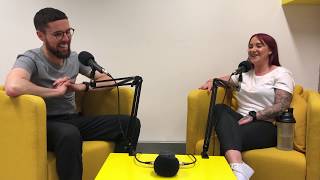
In this interview, co‑founder Alicia Teagle discusses the philosophy behind creating a community‑driven recruitment firm and shares the practical steps she’s taken to build SR2. She recounts her career path—from seasonal work in Ayia Napa to sales roles at LV and RAC, then into recruitment at Randstad—highlighting the importance of finding a niche and listening to market needs. Alicia explains how she and her team design meetups and events by researching gaps, speaking directly to candidate challenges, and delivering unique value. A large portion of the conversation focuses on personal branding: being authentic, using quirky outreach (e.g., white‑rhino emails, selfie‑based pitches), and leveraging a distinctive online presence. She reflects on mindset, resilience, and the shift from money‑driven motivations to purpose‑driven work, emphasizing diversity advocacy through initiatives like Women Rock. The discussion also covers operational hurdles of scaling a recruitment startup, early billing targets, and the emotional pressures of entrepreneurship. Finally, Alicia shares her personal goals—her “30‑before‑30” list, buying a house, travel plans, and excitement about expanding the Southwest Lit brand—while offering concise advice for recruiters: focus on a niche, be yourself, and aim to love your job most of the time.
Chapters
Welcome to the Recruitment Rollercoaster Podcast. My name is Hishem Azzouz, and today I am joined by Alicia Teagle, who is one of the co-founders of SR2 Recruitment and who is an all-round legend, apparently. But look, thank you so much for joining me today.
Thank you.
I know obviously you've been meeting clients and everything, but you're from Bristol.
I am indeed, Bristol born and bred.
To come in, very proud to do a podcast. So look, big thank you, and Look, where I, um, always love to start, let's go back to, uh, the story as to how Alicia Teagle got into recruitment. How did that happen? Let's start there.
Alan Sugar. Um, do you know what, my story is so similar to yours.
Really?
So I did 2 seasons in Iron Appa.
Oh God.
Yeah, was your shot girl? Yeah, I was shot girl.
You can make an absolute killing as a shot girl, can't you? Yeah, but literally an absolute killing.
Yeah. It was amazing. Best two summers. I actually got swine flu my last season.
Really?
So my dad had to come out and get me.
Oh, savage.
Yeah, really bad.
Why did you pick Ayia Napa? Did you like go there on holiday a year before?
No, it was just literally, I was actually supposed to be going to Cyprus with my ex-boyfriend.
Yeah, yeah.
And so that was all booked, got a suitcase for my birthday, the tickets were inside, then we split up a couple of months before, the girls were going out to Ayia Napa, so I was like, I could just change my flights, we're already going to Cyprus. And go to Ayia Napa.
And you stayed out there?
And I stayed out there.
Oh my God, so you went from going on a couple's holiday to doing a season in Ayia Napa.
Yeah, for 4 months each year. That's sick, that's class. So yeah, it was amazing. Then when I got back, I joined an insurance company.
Really?
Yeah, so I joined Liverpool Victoria Insurance, LV. Did sales for like 2 years, absolutely loved it. And then sort of got the phone phobia and just was like, I need to do this. It's your transaction, wasn't it?
Yeah, I just needed to do something more.
I moved into a sales trainer role with LV. I was with LV for about 4 and a half years.
Oh, really?
Yeah. And then from LV, I decided, you know, my time was up there, moved over to RAC as one of their sales trainers, senior sales trainers. And sorry, RAC, I just didn't like your culture. And baffled me some of the ways of working, but hopefully it's changed. And I was there for 8 months. And during that 8 months, I had seen some recruitment things things going on and I was like, shall I give this a go?
Did you have any exposure with agencies at that point? We used to do a lot with LV.
No, nothing. I did, went everything direct. So I never, I don't think I'd ever been through an agency.
Fair enough, okay.
And then anyway, yeah, A-MAM to RIC, saw some recruitment things and you know, you get sucked in by the money. Oh, you can make 100 grand a year, woo. And then I thought, yeah, let's give it a go. I was making really good money at LV on the phone as a trainer, then going from, I think I was maybe on about £35,000 a year base as a sales trainer. Just seeing something that's £17,000, I was like, oh my God, what am I thinking? But you know what, like, let's give it a go. And when I thought, oh, I'm gonna do recruitment, I found Oliver George, who are a Rec2Rec in Bristol, got contacted by Max. Max was like, right, we're gonna send you to all of these companies. And I was just like, oh my God, what am I doing? I can't interview all these places. Anyway, went in, I think I interviewed 8 places, I got, not been beheaded, I got offered all 8.
Really?
And I chose a very small company of 4 people to join, biggest mistake I've ever made. Actually, that's a complete lie, it's not the biggest mistake. It was, it led me to a lot of things, so it was a blessing in disguise.
Yeah, yeah, sure.
So, joined a really small company called Stream. I thought, yeah, 4 people, they can teach me everything I know, I'll get fully supported, the owner's next to me. It was awful, awful, awful, awful. And then, as soon as I joined, I obviously learned about LinkedIn, on LinkedIn that I was here, Chris, who's my business partner and MD of SR2, messaged me and said, "Why have you joined there? You need to come and speak to me. I know your friends.
I know that you'll be amazing." I didn't know Chris at that point then.
Not really, through friends of friends.
Okay, so he just saw that you went there on LinkedIn and he was already in recruitment.
Yes.
And obviously knew the market.
Yeah, so he had already done Opus. He was then at Randstad as sales director for Bristol. And he messaged me, he was 3 weeks into the role. And yeah, I went and met him on, on. It's a funny story actually. Went and met him after work and yeah, he told me all about Ransad and I was like, oh my God, I've made a really bad decision. I'm not gonna do recruitment. He's like, you are. This is how I'm gonna make you amazing. Sold me the dream and I was like, okay. And he's like, you need to come back, meet Mike, who's the MD of Ransad Tech tomorrow at lunch. I'll meet you here. And I was like, okay. So went for lunch and I'm sat in the restaurant and the owner of your current company just walks past like this. Did you have red hair at that point?
Point as well.
Oh God, no, I'm naturally blonde. I'm only red because I'm like pushing 30 and I think I'm having a midlife crisis. Um, but yeah, so anyway, I walked back into the office after getting the offer and I was like, I'm gonna join you. And I just said, I'm leaving. He was like, yeah, I guessed that, but I'm not paying you. I said, well, you do need to pay me because I've been there like 3 weeks. Um, anyway, got the money, joined Brandstad. I was Chris's first hire and we had an absolute ball for the time, 3 years.
That's quite similar, isn't it?
Yeah.
Wow, that's crazy.
That was it. And then Yeah, yeah, okay. The rest is history, should we say.
Very quickly, because I was about to ask, um, so before you— so did you like research recruitment then, basically? Like, what did you have a perception of recruitment before you started looking into it, or not really?
Um, not really. I didn't know it. No one that I knew was in recruitment.
Yeah.
Um, so what made you think I wanted to get into recruitment then? Job adverts. Just the money. Yeah, just the money and thinking, oh yeah, let's just give this a go. I had no idea what it entailed. Nothing.
No, literally no.
But I knew it was sales. I was good at sales from what I'd done in the past, but Nothing. I just thought— I'm one of those people that will just try something. If it works, it works. If it doesn't, it doesn't.
Don't mind me asking, how old was you at that point when you had to take a pay cut?
23. Really?
Yeah. She's living at home?
I think so. Yeah, I was living with Dad.
Yeah. So that— because like, what, did you have to take like 10K more pay cut?
Yeah, I went from 35 grand to 17 grand.
Really?
Yeah.
That's awesome.
Yeah. And then I was like like, shit, what have I done? But like, and they tell you that this is the pay cut that you're gonna do. However, do this, do this, do this, do this. So I knew that straight away that I was gonna be skint and I needed to make some serious money, so I needed to work hard. And I'm not afraid of hard work, so I just got on with it.
So very quickly, like, just, just before we dive into the Randstad— so how long was you at Randstad?
Uh, 3 and a half years.
Okay, cool. So, um, look, you don't have to be super personal, but like, why, why was that first place not great? Because I think people can learn from that, right? What did you learn? Because a lot of people might be listening to this who are considering recruitment or may end up in a company that are like, oh fuck, what have I done? Like, what were some of the things that you recognized after you'd met them in interview and stuff like that, do you know what I mean?
Yeah.
What things did you realize from the small company?
Yeah, for the first place. And I completely agree. Like, I've said this to the girls that I've hired who said, I don't want to do recruitment again, I've joined this place, it's not right for me, I never want to do it again. I'm like, no, come on.
Yeah.
Um, I joined a small company thinking that they were going to be able to give me all their time and invest everything into me, um, and sitting to the owner of the business.
Yeah, that's why I joined the company I did.
Yeah, so it would be a great thing. Um, and to be honest, the owner used to sit in the coffee shop outside and look up at us and wave. And on our first— my first hour, he said, call this person. And I said, okay, but what do I say? And he was like, just go with it. And I was like, yeah, but I have no idea about this company. I don't know what I'm saying. I don't even know what Java is. Yeah, like, how am I— like, I can't wing it that much. Yeah, I can wing something, but not being an hour into a brand new industry, a brand new role, all surrounded by all blokes, being the only female, and just going, oh shit, I can't do this. So straight away I was on the back foot thinking, I'm not doing this, I feel so uncomfortable. Yeah.
Um, so Okay, so but in the interview process then, like looking back, was there any key things that people could look out for? Do you know what I mean?
Um, he said they sold me the dream.
Really?
Yeah, they sold me the dream of small company. This is what you're gonna get. This is, yeah, this is the support which you can always— people can do in doing interviews.
How many people did you meet? Everyone?
Two people. So the, the two, two— well, the main, main, main cheese.
Yeah.
And, uh, and yeah, and second guy.
It's difficult, that, isn't it?
Yeah. And it was, it was me probably being gullible and also the rec direct. And sorry, Max, if you do listen to this. But don't work with companies that aren't gonna be right for someone as well. Like, get to know your candidate, whether now as a recruiter or a direct-to-rec, and understand what their motivations are or their type of personality and put them in places where they're gonna thrive rather than just hoping that you're gonna get paid and then it's rebate.
I mean, look, that happens so much, which is why, as you said, you've now hired people that ended up going into a recruitment company that was so far aligned with who they are that then their perception of recruitment is is just shite, like, you know what I mean? I think it is a mixture of that, isn't it? It's a mixture of people have really bad experiences in recruitment, so then they get spat out of the industry and then they don't like using recruiters.
Yeah.
And then you have businesses that then deal with shit recruiters as well, do you know what I mean? Um, okay, so, um, at Randstad for over 3 years, obviously that's a totally different ball game, isn't it? Yeah, they're a huge company. Um, so how big was your team when you joined? Was it just you and Chris?
No, there was about— so Chris was brought in because 'cause it wasn't doing well, the technology brand. So Randstad obviously the huge beast it is, their technology brand was one in London and one in Bristol and it was, it just wasn't doing well. So Chris was brought in to revamp it and smash it out. Everyone had been there for like 6-ish years and there was 2 guys who'd been there for experience but only a couple of months. So there was about 7, 8 of us in Bristol and there was about 20 in London.
[Speaker] Okay, so you was part of this big beast but it didn't feel like it probably. [Speaker] Yeah, exactly.
But I trusted Chris, he's changed my life.
Really?
Love that. And he taught me everything that I knew. But with Randstad, yes, it is a smaller company, but the training, you go away for a week in Luton, Luton's not the best place, but the training, you learn the ins and outs.
Yeah, who are you usually looking for?
A trainer is sat next to you. My first sales call, she was sat next to me going, right, this is what—
Must be different to the guy over at the coffee shop.
Exactly. So I think it's all the support, and it's the same as the es— S3s, it's the Hayes, it's the rounds. Like, you can't fault how they produce learning development.
Yeah, that's fair enough.
That comes from that.
And then the industry that you went in was tech from day one?
Yep, tech from day one. Software development.
Software development.
Yeah.
Okay, cool. So, um, let's talk a bit— how were your first 12 months then? I always like to dive into that.
Um, like, I did really well.
Really?
Um, yeah, I did my first deal within 3 weeks, which was really random because I printed off Back in the day, I used to print off CVs. I don't know whether everyone used to do that, and I just used to have folders and I used to write on CVs. I'm such a tree killer.
Really?
Yeah.
What are they? Why?
I just used to print off CVs, every CV, write notes on them, and then put them in folders. I don't know, it was my way of working. It worked. It's weird. Everyone told me— not told me off, it said stop fucking printing off CVs.
To do that now?
No, no, no, no. I don't even know where CVs are. I just find them somewhere. They're normally like like in a folder or somewhere in the cloud. But yeah, in terms of, I printed off a CV and then Chris was sat next to me, he said, "This guy's perfect for that. Where have you found him?" And I said, "Oh, I just got his CV on a piece of paper with all my notes in it." He said, "Send him to him here." Did, and did my first deal within 3 weeks. And then I was like, "Amazing. I'm great at recruitment." Yeah, this is so good. But then I didn't do a deal for, for 4 months.
For 4 months?
Yeah, after that first deal. I had 3 offers accepted and then turned around.
Fucking cool.
And I can remember the third one, at Branstad we had like a fire exit and then somewhere that you looked over and there was a nightclub underneath and that was the smoking area. And I said, I'm going, I'm jumping off. I can remember Chris coming to get me and just being like, 'Oh my God, something's such drama queen, get inside.' And I was like, okay, okay, calm down. And then I smashed out 140 grand in the first year. In the first year, yeah.
So, so yeah, so you did, so you did 140K over really what, um, 8, 8 months?
Really? Yeah, 8-ish months. Yeah. And won loads of stuff. I mean, one like Newcomer of the Year, one to watch, um, and then yeah, and it just sort of went on.
Then let's break that down and I think we can get a lot of value out of that. So I think it's one of those, isn't it? Like, when you do get it, when you get the deal so quickly, it's also a bit of like— it can also damage you a bit because you're like, this is easy, but yeah, do you know what I mean? So, but let's talk about those, because a lot of people would probably quit in those 4 months, do you know what I mean, that you had. Because like, again, there's not like— the fact that you still remember the exact— you probably remember exactly how you felt as well, you know what I mean? That's obviously so difficult to ride those waves blanking and having those fallouts and those things. So I guess, what did you learn through those 4 months? If you think about it, like what kept you through, kept picking yourself back up and those things, like how did you get through that?
I think, and I'm gonna go back to him again, but Chris has been my support.
Okay, cool.
And also the team, I was the only female in Randstad for 9 months and I was surrounded by men who literally lifted me up and supported me.
Really?
And made me feel— and they were all different ages, from my age to Johnny was what, probably— I don't want to say because I'm probably getting around like in his 40s.
And she had a lot of support, right?
Yeah, loads of support. And they were all willing to give up their time, and it didn't matter. Like, if they were gonna see me succeed, I was first in the office, last leaving.
Yeah.
And I knew I was doing something right because I was getting offers, but they just weren't going in for some reason. So it's a training thing that I wasn't maybe qualifying them enough and things like that. But I always say the biggest thing in recruitment, no matter what, is resilience.
Oh yeah, massively.
That is the biggest thing. And I say that to absolutely everyone. And when I've been asked about it a number of times, you've got to be resilient and you've just got to go, tomorrow's a new day because otherwise you will quit because this job can be the shittest job in the whole world or it can be the best job in the whole wide world.
So I think what you're talking, so I think where, if you are experiencing couple of bad months, right? It's like, okay, well, who, who can I speak to around it? Who's experienced that can help me understand why this is happening? Yeah. Is it part of the process? Those things. Because I think I definitely experienced the same thing. It took me 3 or so months, and I had a couple of offers, these things. And my boss, I always remember, he kept saying like, Hishem, keep doing what you're doing. It's like, it's the right— it is going to pay off, do you know what I mean?
Yeah.
Obviously I only ended up building 24K my first year, but still, like, he kept saying like, Hishem, keep doing what you're doing, blah blah blah. So I think what you're talking about there is when you are having those really difficult months, it's like, especially when you're early on in your career, it's like, actually, this is, this is the long— this is a long-term play.
Yeah.
So I think it's just about trying to very quickly cultivate some perspective, isn't it? And go, okay, well, what can I learn from this? Like, my recruitment career is long— going to be longer than 4 months, so what can I learn from this and then do better next time?
Yeah.
Um, okay, that's really cool. So I guess, what did you, what did you end up doing differently then to, to build that much, um, by the end of year 1? Do you know what I mean? What, what what ended up— what changed?
My— the first deal that I did was like a really random role, maybe like an Android dev, for example. And I think that happens a lot in recruitment when someone new comes in. And we always say with the newbies that we've got and newbies that came into our side, we sometimes— the experienced person, just give them a job that's exclusive, work on that and fill it. It's not going to be in your market, but yeah, you're on your way then.
Gives them confidence.
Yeah, exactly. Um, and it was a really random role, and then I literally learned the ins and outs of Java, like, really everything I could from the candidates, all the companies, like, just did the basics really well. Um, and I was just relentless, and I just kept going and kept doing the same thing. I had a day planner every single day, and I was the only one who had a day planner in the whole office. Um, and I just went and I just did, I did that. I did the basics really well, and I broke it down and just went for it. But understanding your market is so easy to get sidetracked. Say, for example, if you win a big client and there's so many different roles and you're like, "Oh, money!" But as soon as you're working a network engineer, first line support, third line support, Java developer, C#, an iOS dev, like, that's where it all goes wrong. Stick to one thing that you're really good at and find out everything about it, know the ins and outs, and that's when things hit off.
Good advice. So, people early on then, so you said you were relentless, but how did you go about doing that? For obviously a lot of people say through the candidates, right? So literally shut up and listen and speak to your candidates and find out about the market, right, through them.
Yeah.
And then did you in your own time as well actually really research the industry, the people, the businesses as well?
Yeah. And as I said, super lucky to be surrounded by people who were like 10 years into recruitment who knew what they were talking about. Like, I wasn't around people who didn't know, who were just trying to, trying to blag it. Like, they knew what they were on about. And I'm quite interested in technology as well myself.
Oh really?
Yeah, so I'm not a developer. I've tried to code, I'm awful at it.
Really?
And I'm never doing it again. But it does excite me and I do get it. Yeah, I can tell. So yeah.
I encourage you.
Yeah, speak to Candice, ask questions, be open and just be like a human being and like they wanna tell you about themselves.
Exactly, who doesn't enjoy doing that?
So let them tell you. We're doing it now.
Yeah, totally.
Yeah, let them tell you about it. Ask open questions, don't shut it down. And just, yeah, and just be friends with them. Make friends, be chilled, be cool.
Yeah.
And, and get to know them, and they'll respect you enough to open up. Yeah, sooner rather than later.
So very quickly then, before we talk about the things that went on after, like, I get a lot of questions that people want advice or help with, like BD, because obviously that, that I found out really hard initially. And, um, so did you just crack on with that? You're probably someone that just cracked on and just did it. Like, have you got any advice for people early on?
My first client call, and I can remember, and Laura was sat next to me, who is the trainer for Randstad. Yeah. And I picked up the call to Kevin Ling Ying, who is the CTO at Future Publishing. And ring ring, he answered. Hello, Kevin. Hi, Kevin, it's Alicia. Hi, Alicia. And I put the phone down and I was like— and I literally can remember it. And I turned around and looked I looked at Laura and she just went, "What are you doing?" And I was like, "I don't know, I don't really know." She was like, "Call him back." I was like, "I can't." She was like, "Call him back." I was like, "Okay." And I was like, "Hi Kevin." I didn't really mean to, I was like, "I tripped over the phone." That's class. And the phone pulled out anyway. And just like, it was just a blur then. It was just a blur. But yeah, like again.
What do you tell people now then when they start yours? Like how do you help them get through that? 'Cause it's hard.
Just get like, everyone is here, and I've heard it on your podcast, I've heard it on a few people, these are all human beings, you're here to solve a problem, find their pain, solve their problem, and by solving their problem, don't be an asshole, don't be a dick, don't be in their face, and find a really good candidate that they need, and they'll speak to you, and then build on that relationship. But BD, people are, and I completely get with recruitment, you're either a candidate-driven person, a client-driven person, 360, 180, whatever, just go for it. Like, what is the— I always say, Dr Pepper, what's the worst that can happen? That's what I always say to people. Like, really, what is the worst thing? No, they're not going to come around and stab you.
No, it's simple, but like, it's good to ask yourself that when you are feeling a bit anxious and things like that, because it's like, literally, what is the worst that can happen? That phone— that person put the phone down. Yeah, that literally is it. And you're like a Muppet for a couple of seconds, but that is literally it, isn't it? Nice, okay. So what then went on for the next couple of years then? So did the thing just kept on getting better and better?
Yeah, like Vanstag grew massively, like Chris did an amazing job. We had like training academy, we got up to like 70 people, like— Really? Yeah, yeah, London like shut down and things were just going amazingly. Really? Yeah, I was doing really well. I was getting bought mulberries and— Louboutins and all things like, yeah, literally living the dream. We had the best time. Like, I was like mid-20s, I was going out, we were in Clifton, and it like working with my best friends who I absolutely loved. Like, it couldn't, couldn't have got better. Then management changed, senior up. Um, technology recruitment is, I believe, and again, I don't know about like engineering, I think it's very similar, maybe financial services as well, but tech is completely different beast in terms of recruitment, say, to like a business support recruitment or education, etc. Um, and we had a new MD who came in who was Randstad for years, years, years, but was from business support. But different markets. And it was a completely different way of working. And like the KPIs that were put in place and just a lot of things changed. And we had an amazing couple of years, which kind of, when we were left to our own devices, Chris was running it. He was running the show and he was doing amazing. And honestly, we were making serious money for the business. But, and we're all making great money ourselves. So I was a consistent like 180, 220 biller. And, um, yeah, that— and things just changed. Things just changed.
When things are, when things are really great, that— I guess, look, that's the downside of big companies, right? It's like you can be doing great in your own little bubble, which in your— from your perspective, you're like, I'm making all this cash for this company. And then when things thing is like things change when you're like, hang on a minute, why does it need to change this way and those things? That makes complete sense, isn't it? And that is a challenge when you work for a big company, isn't it?
Yeah, and you can't like, you don't have, we were only in our own bubble. No one knew who we were. If we said Ransad Technology, people were like, huh? And we're like, we're this massive business, but no one knew Ransad Tech. We weren't on LinkedIn. We were just doing really well, just keeping ourselves to ourselves. And it was madness. And we were like, we're not sharing about a thing. We're not doing anything extra. We're literally just coming in and doing the job really, really well. Not being dicks, not being assholes, just doing what we do.
Just doing the right thing.
And it's working, but we're not screaming or shouting about it because we can't, because we've got a big beast of France looking down on us. We don't have any autonomy. There's KPIs that were ridiculous in place and time had come.
So is that when you, and then did you leave to set up SLT then?
So Chris set up SLT. I had already, so, the business was, was sort of in plan again. I didn't know much about it. I'd already left, um, and then was, was contacted by Chris to say, do you want to come and, come and start SRT, basically?
Yeah. Okay.
Um, all right.
And then, so then how long you've been running SRT now?
19 months.
19 months?
Yeah.
Still, still quite early.
Still, still very early. It's— I have no brain, but it's good.
Well, before we dive into all that, like Right, what, so billings-wise?
Yes.
What's been your best year then?
Probably gonna be this year.
Really?
Yeah, which is insane because I do a million other things and I just think, how do I still continue to bill? Um, but probably I'm probably on, I think I'll do about 260, 280 this year.
Okay.
Um, yeah, I do perm. I've got a contract book of about, I don't even know what my con— I don't contract, but maybe 3 grand a week.
Okay.
Yeah, so I do dual desk.
Yeah.
Um, but I don't go out to contracts, don't go after contract stuff. It's normally from my perm clients that need a contractor rather than specializing in contract, because I've always done perm, is what I know, is what I'm good at, and my candidates, my network is perm.
So, okay, so let's, let's talk about more recent times then. So I guess let's talk about initially. I think there's a lot— there'll be a lot of people listening that are thinking about setting up on their own and have those thoughts, and may even be in a big company, like literally probably the identical background, right? So what things have you learned early on that, like, obviously it's totally different to being employed, right? So I guess what things have you learned early on by being obviously a shareholder in SR2 and it being your own business that you can talk about that'd be useful?
That when you walk in on day one and you turn on the computer and you look at a database, which maybe if you had an old database at a big company, there's like, I mean, back in the day, your sell was, "Our database got half a million people on it." To go in, we have no people on the database. The only person that was on the database that Chris put on was Jordan Warren. Jordan Warren was actually, we employed him at Randstad. Had, but he was internal recruiter at UCAS in Cheltenham, and we just knew, so we just let him know. We're like, yeah, one person, our database is awful, like, I don't even know, like, we just don't have a database, our database is up here and LinkedIn and our networks. But starting a business, I mean, it's just, do you know what? The hardest thing I've ever, ever done. But the hardest thing that it's challenged my, my brain so differently, but also challenged myself as a person. Like, I've had the most up and down in terms of like, not mental health, but anxiety and expectation. Like, I've got a— I come from a very successful family.
Really?
Yeah, who work really hard. I've got that. I wasn't good at school. I got, yeah, I got some GCSEs but then I was like, nah, I'm out. Went into beauty and hairdressing, as you do when you're a 17-year-old girl and don't know what to do.
When you say you had a really successful family, what do you mean?
So my family just are great business owners. They own a very successful bus and coach company, which is very well known.
So what did they say when you were going on up and then?
Go for it, just don't expect me to pay for your phone bill, which I did up, yeah.
Yeah, fair enough.
But they may— like, I went to work when I was 15. Yeah, and they still do. I got bought my car, but that was it.
Yeah, yeah, fair enough.
Everything else, they didn't give it—
give everything to you.
Yeah, nothing.
Fair enough.
Um, and so the expectation, but not only from my family, but for the expectation that I've put on myself and that I think, um, that I've given out to the market being a female business owner and co-founder and everything that I do, I've set an expectation and I drive myself mad sometimes 'cause I can't deliver that expectation that I worked myself to the ground.
You're very critical of yourself.
Yeah, massively. Oh my God, I overthink absolutely everything and it drives myself mad. Really? Yeah. But yeah, so be prepared to go on a rollercoaster of complete emotions that you would never imagine because you care so much about a business and because there is so much on the line. There's a house, like Chris's house on the line, and I know he won't mind me saying that, but to make the business work within our first month of starting SR2, We sat in Piccolino's, we all went, "We're never gonna do this, Chris, you're just gonna have to move in with me." Really? But we were only joking, it was only because, of course we're not gonna do it in our first month, but we wanted to smash it. And to be fair, after we look back and in our 4 months, we were like, "Oh, we've done our target for the 6 months in 3." Yeah. So that, and just expect a crazy amount of emotion, but passion, like emotional passion.
One thing, obviously, look, if you're going from being employed, like, you're not going to start your own business unless it's something that— I mean, the buck stops with you ultimately, doesn't it? So exactly, that obviously ties into like the standards that you have for yourself, and you feel— you'll feel every deal, you'll feel like everything.
Yeah, be prepared to be skint as well, because really, 35 to 17, imagine 6 figures down to a very small salary that you do take for your own business. We're not gonna say, yeah, we're all gonna take the same salary as what we had. So even that.
So how, so how have you, um, has it, has there been, has it— obviously I know you, you've, you've done really well, but was there any times where you're looking around at Chris, each other, and like, fuck, like, we're in a really bad place? Or like, was it all— has it always been pretty positive, to be fair?
Yeah, it's like, it has. Yeah, like, we haven't— of course there's some months that are better than others, and we lost money for one month, but then we're like, well, look at what our pipeline is for the next month. So we haven't had that. Are we going to have it? Yes, probably, um, but not like our first year is when you go, right, we've got a loan to pay off 'cause we're self-funded, we're not anyone else. So we have to pay that off and that was a big focus. But yeah, we haven't had that.
Yeah, touch wood, nice luck.
Yeah, touch wood. But of course we've had times where we've hated each other and almost wanted to—
Emotions, isn't it?
Yeah, exactly.
So how have you managed those? 'Cause you know what I mean? Through that process, have you ended up doing the things that have really helped those times where you're like, oh my God, like, my anxiety is through the roof?
Yeah.
Do you know what I mean? Have you— have you— is there anything now that you do every day or that you've learned that's helped? Because even when you're employed, and if you're listening and you have your own business, that's the hardest thing, isn't it? It's, it's ultimately, it's understanding that you are going to have to ride these waves. It's okay to feel the things that you are feeling. but you need to get better at, um, managing those, those emotions, right?
So, oh yeah, and hide them from other people.
Yeah, especially, yeah, when you're employing new people and these things. So like, what have you ended up doing? Anything that, that has really helped?
Yeah, um, like, as throughout definitely the last 2 years, my friendships have changed quite a lot from starting business because they don't understand.
Not as an outside of work.
Yeah, outside of work. I've got the most amazing group friends, but sometimes they don't get it. They don't understand when they're like meeting up after work and I'm still at work or that I'm away all the time or that I'm talking at events. They're just like, they don't necessarily get it. So I haven't really had them. Yeah, I can speak to them, but all they do is go, "You're amazing, you can keep doing this." So it's all positive stuff just to up me, but I don't really need that.
You need a bit more than that.
Yeah, exactly. I am very good. I've got a dog called Boris.
Okay.
Who's a black lab. He's 10 and a half. Bought him when I was 18.
Oh wow. And he's amazing. He's my best friend.
He comes everywhere. With me.
So he's helped you out?
This is really weird that I speak to him, but I actually do tell him.
Really?
Like, how are you feeling? Boys, I've had a shit day. That's class. And he's just like— and I'm like, oh, come on, love me.
Okay.
Um, but what is that though?
Is that you getting things off your chest?
Yeah, things off your chest. But— and that's like— and I'm gonna bring him up again, but with Chris, I tell him everything. He knows that as soon as I'm in a bad mood, as soon as there's something wrong, like he's just got me, he's just got my brain, or— and he's like just an amazing person that I will run to him and I will go mad. You're someone that just needs to lock ourselves in a room out of the way of everyone else.
You just need to release. Yeah, you're someone that just needs to— some people just want to write shit down, you like to talk to dogs. Yeah, talk to Chris.
And then I'm— but I'm literally fine then.
But once you get off your chair, yeah, you feel much better. So Anyone that's listening, if you haven't got a dog, get one. Get a dog. Speech your walls. I don't know, speech is something.
Yeah, speaking is the best thing.
I guess ultimately it's just get— it's actually getting what you're thinking in your head and like out. And there is something in that in terms of feeling an actual relief of writing something down or share, um, just shouting it about it or whatever, right?
And like, I've been, I've been to— I've been approached by a mentor. I've been approached by two now actually.
Um, Well, they've approached you, what, as in they want to mentor you?
Okay, um, that's interesting. Yeah, and like, I was like, okay, I'm like, these are—
what was that like? As in, like, what they— how did that go? Did they approach you and was like, what are you doing?
One of them was through someone.
Okay. Um, and did you want a mentor?
I hadn't ever thought about it.
Oh really? Okay.
Yeah, that's interesting. Um, yeah, and then I went to one event and it was amazing. It was such a good event. Um, and thinking about maybe doing that, but I think it's also got a lot of people and I'd rather have one. But I went to an event last week, I don't know if he'll mind me saying, I'm sure he won't. But I was at an event the other day and we were all sat on different tables.
And what event is this?
Um, this is the Tech Talent Transfer in Cheltenham, um, which is diversity and inclusion. I've been to two in the last week.
Yeah.
Um, but this one, and I sat on the table and we had an activity halfway through and my whole table, and we were all split up, so I only took— sure, I took one of the girls with me, but she was on a different table. It was all walks of life, all different people, and sat down and we did an activity and they said, okay, what do you all do for diversity inclusion? And the whole table was silent and just like, yeah. And I thought, oh God, I'm gonna have to speak, aren't I? And I just went, okay, so this is all that I do. Yeah. And then halfway through I thought, Alicia, shut up because all of these people are going to want to speak to you after, which is not a bad thing, which is not a bad thing, but I'm just like crazy busy at the moment.
So I think, oh my God, yeah.
People, please. But this is a good thing. But anyway, he is the head of HR business partner for Elsevier. So huge business. And he messaged me after and was like, I need to speak to you. And he got on the phone to me and I had him on last, I don't know why I had him on last week, only for like a couple of minutes, I was doing something. And he, I've never had someone speak so like amazingly about me. And I was literally like, like, oh my God, he was literally like, you're the most inspirational, amazingest person I've ever met. Like, you are amazing. And I was just like, all right, like, bloody hell.
Yeah. I was like, when he feels like he can help you.
Yeah.
And it was amazing.
And I just, I was just shocked. I was like, what, you really want to help me? He's like, yeah, I want to mentor you through your life. Really? Like, okay, that's awesome. Maybe let's talk about it. But then, yeah, and French.
That's really cool.
Yeah, that was only last week, so there's obviously nothing.
Yeah, no, but still, I think, um, well, look, I think if from what the way you're describing Chris and these things, Chris is a mentor to you.
Yeah. Yes.
Do you know what I mean? Like, totally. That—
so I think, I think we're all mentors to each other in different ways because we're all so different. Like, Chris has brought us together, and his specialty is people, really knowing the little special things about different people. Yeah. And he's brought all four of us together as co-founders. Because he sees something different in all of us, and we work so well together.
Really? Yeah, that's what makes him a good recruiter, right? Okay, cool. So speaking to your dog has helped. Yes, getting things off your chest. Obviously, I think from day one it seems like you've been surrounded by some amazing, amazing people. So if you're— look, 80% of the recruitment industry only employ up to 9 people. So I think if, if you are listening and you do feel lonely right now, because a lot of people do, right, when they go set up on their own these things, I think thing that I'm sure you're super grateful for, Chris, and everyone around you. I think your story there is that actually share your story or reach out to people that can help, um, and that is going to be really beneficial. So I think, I think it seems like through that process, having those people around you, those things have, have really helped.
Yeah, so I guess 100%, like, if, like, I'm— I haven't got loads of time, but if anyone, yeah, like, wants—
well, I think, I think it's interesting. So I think what you're trying to say is that you, you need you need to say no to— you need to say you've had to learn to say no to people, do you know what I mean? I don't, I don't think there's anything wrong with that. I think, I think you mentioned your friends, and I can probably relate to this. I've got really good friends, but I think there'll be a lot of people listening to this who are setting up their own business or recruit at the moment, and when they are saying, I'm working till 8 PM or whatever, as soon as you say the word work to someone that doesn't quite get it, they instantly just, um, associate just like, oh, why have you got— like, why are working, you know what I mean? As soon as you say that word work, I know it's like, oh, why have you—
why?
Yeah, you know what I mean? And it's the thing, at the end of the day, it's like you've— it's down— you've got a— you've got to build a network of people, friends, etc., that get what— do you know what I mean? Get what you— what you're doing.
And that's why recruitment, like, you do— you create amazing friendships through people that you work with because you're with them for 70 hours a week, like, and you do in all different recruitment companies have just got this group, this click, haven't they? Because you're all in it together.
Yeah, yeah, yeah. So tell me a bit more about the business then, 'cause what I find really interesting about you is obviously, so is it 5% that you give to charity?
Yes, yeah.
Why'd you do that?
So SR2 stands for Socially Responsible Recruitment, and like I said earlier, we've been really good at, like, I've been successful in terms of recruiters individually and as a group of people. Doing what we do best but not shouting about it.
And why haven't you shouted about it?
Oh, Brandstad. No, not letting us. But recruitment has got a bad name. Yes, it has.
Of course it has.
But me personally, I've never been a dick, and I've never been— when I hear stories, I'm like, oh my God, like, how can you be like that as a human being? Like, how can you do it?
Yeah.
And that's all of us as well. Like me, Steve and Chris, we've never been—
We've just done the right thing.
Yeah, just done it right and loved our industry and loved what we do. So, but we wanted to put people over profit. I've always been a massive charity person. So has Chris, we all have. And the book came from "People Over Profit" by Dale Partridge and it's an amazing book and everyone should read it. But that's where the business idea came from that we wanted to give 5% of our profits back to underrepresented charities in Bristol and support our community. I've mainly always recruited in Bristol. I do quite a lot in London now. but in terms of Bristol, I love Bristol.
I love Bristol.
It's my city. I'm born and bred Bristol. You could probably tell by the accent.
Have you got a Bristol tag?
No. Yeah, I've just got Bristol City. That's the back. Up the gas. Oh no, that's Bristol Rovers. No, oh yeah, I don't do football. Well, I do do a bit of football, but only because blokes speak about it all the time. But yeah, so we wanted to give back to our community and not only with 5% of our profits, but we wanted to create a community-driven recruitment company, and that was our mission and always has been. So it's nice to give back. Like, yeah, like, we make a lot of money as a business. Recruitment is really lucrative. Why not give back? Like, yeah, like CSR.
So it's just aligned with you guys. It's just aligned with you guys.
It just makes us feel good and makes us work harder that we know that we're giving that money to someone. They really need it.
Yeah, that's awesome.
So yeah, and we've given, well, In September we'd have gained £17,000.
Really? Yeah, just in September alone? Or as in up today?
Oh no, up to September. Yeah, so hopefully it'll be 17.
Yeah, that's amazing. Okay, so, so how many people you at now?
So we are going to be 12 on Wednesday.
12 on Wednesday?
Yes.
Okay, cool. So I guess, so how do you now, how do you sell recruitment now to, uh, new people that join? How do you sell recruitment?
Um, to be fair, we've— we haven't got anyone junior straight out of—
have you always got experienced people?
So they've come to us, which is amazing. Yeah, apart from Shah, and Shah took a little bit of work. She was someone who had joined another company, didn't go all well, and now she's absolutely— yeah, and just say, look, every recruiting comes not saying that type of story. Took her for a wine, we had a chat, and then—
so why do you think people come because we're completely different.
Like, we are—
yeah, but everyone's different.
Every recruitment company— yeah, but just like, we are like—
why are you different?
We are— we host and sponsor 6 different meetups, market-leading events. Yeah, Bristol JavaScript, PHP Southwest, Bristol Golang, Ladies of UX, Bristol DevOps and Cloud Native. I run Bristol Tech Volunteers, which is a completely different setup but within Asso too. Run Women Rock, we've got a really good name in the industry now that we've built up. And we're different in the way that, like, even our culture, like, everything is so chill. You don't have one target, you've got your annual target, you go and do whatever you need to do to go and hit that.
Really?
We don't care. We've got a scrum board every Monday and every Wednesday. We stand up and we go, these are our candidates, and then we move them across to interview, and then we plan edge, and that's all we've got. There's no targets against it. We have unlimited holiday. We've got a financial advisor. We've got, um, we do boot camp every Monday lunchtime, 4 o'clock finish, one 10:30 finish a week, flexible working, one 2-hour lunch a week, um, loads of benefits. Like, we've created a culture which is just chill. Like, you do whatever, and everyone does things differently in our office. You don't have to stick to one thing. We will support you whenever do it however you want to do it, but just go and do it the way that you want to. And if you're underachieving, we'll help you. If you're overachieving, then of course just keep going, but just do what you need to do to be successful and hit your annual target.
Yeah, yeah. So, so, and the thing is, the thing is about that, there'll probably be a lot of people— look, you hear work-life balance so much now, right? Yeah, flexible working and all that. And traditionally in recruitment, that hasn't, that hasn't really been the case, has it? So it's like, how— so there'll be a lot of people listening that do want a bit more autonomy and those things, you know what I mean? But it can be challenging to get that within the businesses they're in. So how— how obviously they could go join your company, but like, how can people— they have to build trust, right? This is what I think. They have to build trust and then they have to say why they want to work from home one day or whatever, do you know what I mean? Like, how can— how can people— what's your view on like, how can people get those types of benefits, do you know what I mean? Because how can— how can they have more autonomy in their role?
It's challenging, I think. Honestly, in recruitment you can't necessarily have the best work-life balance. Like, it's true because you need to— like, I'm, I'm a person that, and it's always been bred into me, like, I get in at half 7, I do the job boards, I do a 24-hour search, half 7 every single morning. Like, that's just what I've always done and I will always do it, okay? And that's how I've seen success. Yeah, not necessarily just from that, there's obviously loads of other things, but so that's my religion, that's what I do. Um, and I think with recruitment, the more you put in, the more you get out. Yeah, absolutely. So work-life balance comes with experience. Like, we wouldn't let someone junior work from home.
Exactly.
Um, to be fair, we don't actually do work from home. I mean, we say if you need to work, go for work from home, but we don't like—
I guess you give them autonomy in a way. Yeah, but you give more autonomy in the way like, this is the— this is what your target is, you approach it how you want to approach it.
They're all in the office today with not one, one of the founders. Yeah, like they're just chilling. Yeah, yeah. Because they've proved themselves, they know what they're doing, and because they respect us.
Yeah.
And respect the business and love what they do. Like, all of them, we all love coming to work every day.
Um, well, they tell you that.
Yeah, literally they do. Like, the girls, let's get— like, the girls. And it's because I— the girls do come to me, they speak to me a lot if they're having a bad day, having a bad month, whatever, they'll speak to me. Like, I go and I'll just buy them, like, go to H&M on the way home, buy them a t-shirt says you're a badass or something, and then just leave it on their desk the next day. It's just little things, isn't it? But they all do love, and they tell me, like, they'll message me after work just saying, I love you. I love you too.
That's awesome.
And that's like what we do is, if we— if I could put it in a jar and sell it and say this is how we've done it, then I would.
But I I think it's like, I think that you said it from the very beginning of this, is like, you, Chris, everyone else has been involved, like, you just do the right thing.
Yeah.
And look, I've, I've sat down with a lot of people now, and you'll be surprised how many times it does actually come down to that, is like, look, if you're in recruitment for the long game, yeah, like, it's like, be a, be a good human, like, do the right thing, and it will pay dividends long term.
We're not going to be taken over by a computer. We're never going to be taken over by— and good recruiters will always be there, and recruiters will always be needed. Whether people shout about us or whatever they say, we will always be needed.
So sure, let's talk a bit about like some, um, tactical stuff then. So you seem someone that's quite organized.
Oh God, do I? Yeah, no, I am.
Yeah, yeah. So no, a lot of people, a lot of people ask me, they, they really like listening. So look, you've been a very consistent biller, right? And that, that's difficult to do that, especially now that you're running your own business as well. So I guess, how do you structure your day? Let's talk a bit about that. Um, so you're getting up at 6:30?
Yeah, I get up at 6:30. Um, that's early. Yeah, I drop off the dog, I start my day, I start my day at half 5, I listen to 5 podcasts. Yeah, no, but if I'm like out and about, then I'll take him to my nan's. So, um, so half 7 Half 7, get in, 24-hour searches, bish bash bosh. Oh, um, what do you say?
24 what?
24-hour searches.
What do you mean by that?
So updates in the last 24 hours.
All right, okay, okay, okay.
Yeah, yeah, yeah.
So yeah, also, how long is that for?
Probably takes me about 15 minutes. Okay, 20 minutes. Um, go get coffee.
Yeah.
Um, have a shake.
Okay.
I'm not, I'm not a gym freak, by the way. That's just—
I, I used to do that first thing, so So you're— what you're looking out for is if there's like a brand new candidate. Yeah, on there. And then if you get hold of them, are you telling them to get off the job board? Yeah, yeah, that's the approach, right?
Yeah, yeah, that's exactly what I do.
All right, cool, cool, cool.
Um, it's rare nowadays to find a candidate on the job board, but if you don't do it, then you feel like you're still—
yeah, if you're listening and you get someone on the job board, that you have to get them off the job board.
Get them off the job board. Say you will get a million ones and you will hate your life.
You should work with Yes, exactly. So you do that?
Yeah, do that, then grab coffee, and then usually go on— I don't scroll through LinkedIn like homepage because I just get distracted. So just go on LinkedIn Recruiter, see if I've got any messages. Um, my email is usually up to date because we're recruiters, we're on our emails 24/7.
Yeah, yeah.
Um, and then I just, I don't know, I just get on, I just do what I need to do.
What do you do? There's more in there. Do you not block out different—
everything, every day is different.
Did you not block out time for BD sourcing? No, really?
Um, I honestly— and I don't do BD.
Really?
Yeah, I don't do it. No, because I've got so— I've like one of a couple of big, big accounts now that do take up— like, I don't need to do it anymore. I've got amazing clients I love, like, that are my best friends now. I just love working with them, and they're exclusive clients. Candidates— when you're in tech, it's a candidate-driven market. There's not going to be millions of candidates visits. And so, yeah, no, I don't do BD. None of us, we don't have a structured day. You just do what you need to do. Like, we don't have 2 to 4 is sales time. Like, we just do what we're doing.
I know, but you've got to prioritize activities that are gonna get you—
Yeah, like, I'm doing, if I'm not organizing events, I'm at a meeting. If I'm doing a blog, if I'm speaking, and then there's all different things. My day is different. I could never, I organize my day every single day depending on what my diary really says.
Really?
Um, yeah, every single one. Yeah. So, um, one of my ambassadors for Women Rock is Georgie Hopkinson, and she is the Agile coach at OVO Energy, and she agile'd my life a couple of weeks ago. So agile is a way of working.
Okay.
Um, and it's all about prioritizing and putting this week, this day. So I do a day plan every single day, and I put little boxes next to everything, and once I've done it, I tick it off.
Really?
And then I can— oh God, I love it. And by the end, the end there, I'm only allowed to take one thing over until the next day.
What?
Say that again. So say on my day plan, so I'm only allowed to take one thing over.
So if you didn't do 3 things, you can only take one?
I can only take one thing over because that means that they're not really important and they don't really need to do. But I still keep hold of them because just in case that then someone calls me, I was like, you were supposed to send me that. Yeah, because it could be anything. When you, when you're co-founding, yes, I do still bill but there's so many other things that I'm doing.
Yeah, of course.
There's not— I'm not just candida, candida, candida. And you don't— you're not smashing the phone anymore. I probably make about 10 calls a week. I do my recruitment over WhatsApp.
Really?
Yeah.
Well, as in just texting? Yeah, that's interesting.
Clients, candidates, mad on WhatsApp. I change my picture depending on who I'm speaking to.
Shut up. Yeah, really.
It's either the dog, my boobs out— no, I'm joking. Um, yeah, I know, it's—
yeah, how long has it been like that though?
Because like, since SRJ? Well, probably like a year actually. Not— well, yeah, probably since SR2.
Just like, when you say WhatsApp and like, you just giving them updates, are you like trying to give people offers on WhatsApp or like what? Really?
Updates I have done. And if this is not what you— I do meet every single one of my clients. I don't meet every single one of my candidates. Yeah, because some of them are in London, I'm in Bristol. But I'll sometimes won't even speak to them and I'll just do the whole thing over text. That was with Jack And he only works upstairs. And then when he came down, I was like, "Pleased to you." And he's like, "Hi." I said, "Hi." And then we just get on really well now. We just have beers.
Fucking hell.
Yeah.
That's mad.
I know. It is. It's like, but tech's different. Tech is so different to any other industry. That's how they wanna, they don't wanna speak to people.
They don't even wanna phone.
They're busy. They're working themselves. Like, I would much rather, I would respond to someone over text than I would over the phone.
Yeah, no, I think, no, I think you are right. You've gotta know what works for your market.
Yeah, exactly.
I think, look, I think if you're— anyone could look at their phone and if they have a WhatsApp notification, they're gonna fucking go on it and they're gonna answer it. Like, you know what I mean? There's nothing more annoying than seeing that red notification.
Don't leave me on blue.
No, no, I like that. I think, look, I think you've got to respect your industry, you've got to respect your market. But ultimately, I think, um, look, WhatsApp is huge, like, and you need to be using it, like. And I think there is something about— if I'm texting Alicia and she's my recruiter on WhatsApp, there's there's a— I don't know, the way that I'm perceiving that is like, not, not that I trust you straight away, but like, I'm not that we're mates, but like, it's a bit different.
Yeah, it's like, just, you know what I mean, more relaxed, not so corporate professional. I speak to my client at 10 o'clock like last night. Yeah, just on WhatsApp.
Just— yeah, but you need to stop working. You'll work all day.
No, I'm not, I'm not awake. I do actually, I'm really good at switching off. Yeah, yeah, I'm a really good sleeper, really good at switching off.
Really? Okay, so a few other things before we wrap up. So you do all these meetups and stuff, and I think recruiters love, recruitment businesses love to do meetups and they are really effective, right? So how can people, like how did you go about starting those? You know what I mean? Any advice around that? 'Cause a lot of people will want to do meetups and it's a great way to generate leads and become a bit of a thought leader and a go-to person in your market. So how did you go about setting these meetups up?
I think it came from Naif. So Naif always did infrastructure at Randstad, did really, really well, but when he moved to, when he started S2, he's like, I want to do a new market, what am I going to do? And he's like, I'm going to do PHP. And then he started going on to the PHP meetups, and then he just said to them one day, oh, do you want us to sponsor a meetup? And they were like, yeah, that would be, yeah, that'd be cool, why not? We don't want you to sell. And it was the first time, like I said, I'd never been to a meetup like that. Um, and it went from there. And then because we all then sort of decided what markets I was doing, like I do a lot of Golang, Ruby, Python, and data, even though I should specialize in one thing. I've left Java, I've given Java away, I've given it to Steph very reluctantly, but she's got my baby now. But yeah, I do loads of Python, loads of data, loving Golang at the moment. So then you just, because we're in Runway East as well, which is all for tech startups and scale-ups, it's like new Bristol.
Do you meet upstairs?
Yes, we do it in all that. So we've got our own space. We do obviously Bristol Tech Volunteers meetups and all It just sort of came about from our markets and just doing it. It came from Steve as well doing it.
Talk a bit about the process though. So before you decide, right, okay, I wanna run a meetup or sponsor a meetup, like, I guess what main thing is, I view it the same. You shouldn't be thinking from just your perspective as to, okay, how can we get candidates and clients from this?
No, you get that.
You gotta view it from thinking about the people attending and giving value, right?
Yeah, exactly. And I think you have to find something that the industry is lacking. I mean, with Bristol DevOps on Meetup, if you signed up to it, it died to death basically, and there was no one running it. So, Steve just picked it up and was like, "Oh my God, no one's running this. I need to put this up." Steve's the best DevOps crew ever. He's amazing.
Really?
And he just picked it up because no one had looked after it for the last 12 months and had picked it up. You've got to find something that is really needed. You can't just run something, "Oh, I'm just going to pick something out of thin air and just run with it." to think really hard. And I've had this question a couple of times from friends who have started up their recruitment company going, should we do this as a meetup? I was like, I don't think people are going to come. So you need to look at other meetups which are out there. Why is yours going to be different? Why are people going to come to yours? People are busy, it's after work, they're tired, they've got kids, families, etc. Why is your meetup going to be different? And literally start with a really good idea. Like, we launch our next meetup on Wednesday, which is South slit. Um, and we thought about and planned it for ages, um, and sort of got people excited about it. Is this gonna be— are people— are they hungry for this? Will it work? And when we started speaking to people about it, they're like, yeah, this sounds amazing.
Yeah.
So when we got enough interest, we were like, right, we're going to launch Meetup.
Yeah. I, I think, I think just adding that, I would be— I would add like speech and market.
Yeah.
Do you know what I mean? Like, just, I think again, it's And I'll ask you this after this, but I think it is about— it's just about thinking differently when you're having these conversations and not just having your recruitment head on and thinking— because really what you're talking about, that's marketing, really, do you know what I mean? So what you've done is you've— when you're having these conversations, and that's probably helped you think of these ideas, is that I had like these conversations over the last couple of weeks and they're all talking about there isn't enough diversity in our market. Yeah, why don't we try and put something around that? So it's actually proactively and consciously speak to your market and go, okay, well, what challenges are these people always talking to me about? And those things. And then actually use that information because they're the people that are going to be attending anyway. Yeah, do you know what I mean?
So that's where Southwest Letters come from. It's exactly that way.
Exactly. So it's, it's, it's there. It's be smart, do your research, but speak to your market. And then again, have the audience in mind. Don't think about it from your perspective and what you want. Think about, okay, if people do attend, what are they, what are they going to get out of it? Why would they attend? And those things. Things.
Yeah.
Um, okay, two, two other things that I always like to talk about, and I think you do this quite well, um, is personal branding. You obviously— I talk about this a lot. If I look at your website, I mean, look, there's a pug on there holding a glass of Prosecco.
Yeah.
I don't know how many recruitment companies would be happy to do that. Yeah. So like, what, what's your view on it? I know you do a lot, like, obviously doing all these events, that's your— you've got your own personal brand and you've invested in it. Like, what's your view on that? And like, when did you start taking that seriously?
I think I'm a really weird person.
Really?
Yeah.
Well, you've got red hair for starters.
Well, yeah, but my weirdness came out, and I think everyone said they used to have a book that says Alicia Says from all the comments that came out.
Like, Alicia Says?
Yeah, Alicia Says. Like, is there— is Christmas Day the 25th of December in Australia?
And all right, just like weird, random—
is McDonald's Scottish? Fish.
Okay.
Um, just really random, like just stupid things.
Yeah.
Um, and then I was like, I'm gonna start like doing mail shots or sending, sending clients really weird messages that get me noticed. So like one kind of, one client that I've always wanted to get in with, and I still haven't now, I've tried, I've tried for 5 years and he still messaged me saying no, Alicia. Sorry, but, and I sent him a picture of a white rhino rhino. And he's— and he— that's it, really? Yeah. And I just put in subject rhino, and he went and he emailed me back and he said, why are you sending me a picture of a rhino? I said, have you ever seen one of these before? And he was like, no. And I sent him a candida and I went, but you haven't seen one?
Oh my God, that's so cheesy. I love it.
But, and like the other day, and I said— and I always say to the guys, I say, be unique, be different. Like, don't worry about what other people think. I was like, they're gonna, if they worry about what they think, then they're gonna be thinking about you. So there's a company in London called Yoti and they do, like, you know, when Monzo, when you set up a bank and you have to do a picture of your face and speak about it, well, they do that. So they do scan your picture for identity. So I was like, they had loads of clients and I was like, oh, I wanna get this client on. Like, they seem really cool, just randomly came across them. And so their pitch, their opening of their website says, take a selfie here. So I screenshotted, I snap snipped their thing and just took a picture of myself like this.
Yeah.
And then sent, put it on top of their logo and said insert selfie here and just sent a picture like that. And I was like, so I know you're looking for a Golang developer, I've got this guy, what do you think, blah blah blah, and just sent it, sent it to them. And they were like, interesting. Um, so some of the, even the way that I speak, and this is my My brand, what I always say is, I speak to people, I speak when I'm putting things on social media to anyone, like I would speak to you.
Yeah, you're being authentic, you're being yourself.
Or anywhere else. And even like Nafe, Nafe speaks, he's very literate, literate, literate?
Yeah.
Literate, really good with English. I'm awful with English.
Yeah, yeah, yeah.
It's awful. My spelling's bad, everything. But I know what I'm talking about, people know what I mean. So what if they're there or whoever, whatever. Um, and I just say, like, I put peace on the end of my LinkedIn messages. I know it's a professional network, but so what? And I put— I put a picture of a giraffe the other day, just randomly. Like, I think just— I make myself laugh. I don't care if I don't make anyone else laugh. But your uniqueness is just being yourself. Do not get stuck in what other people want you to be.
No.
Like, have something different. If you're in the tech industry, people want you to be different because tech is different. It's cool, is unique. Don't wear a suit. Well, you can wear suits. I shouldn't say don't wear suits, but no, just be you, be yourself. Like, don't worry about what other people think so much, because if you do, you will literally be the same person that says— even Maz coming in from— Maz has come in from another company. He's worked in the Lloyd's London financial services market. He's with London to Austin. He said to me last night, should I wear a suit tomorrow? I said, don't you dare wear a suit.
Really?
And like, even his emails are so be like formal, and mine are like, hey, want this candidate, really good, £65 grand, available immediately, let me know, cheers, bye.
Yeah, yeah.
And he said, good afternoon, my name is—
that's him being him though.
Yeah, of course, but that's him being him because that's how he's been told to be, not how— who he wants to be.
Yeah, okay, fair enough.
So just, just add a little something something about you and it will work, and people— you'll build relationships like you wouldn't believe.
Yeah, no, I've— yeah, I love that. I don't know if that means everyone listening should start sending pictures of white rhinos. No, no, I totally get where you're coming from.
Just do something a bit different.
Yeah, but I think, I think this is also— I think a big part of this is that you now own your own business, right?
Yeah.
So you call the shots, do you know what I mean? And then you, you're building the business, um, that you want. And I think that's the amazing thing about personal branding is that it's— no one can take that away from you. It's Alicia Teagle. This is who you are. And I think that is the great thing about it, is that that is everyone's biggest asset. It's their network, it's a reputation, it's what people say behind, behind closed doors. And I think great advice. And I think it is from day one, as quickly as you can, although it is difficult at the beginning, be yourself. Because trying to manufacture someone else, or try and be certain things because you think that's what people want, isn't sustainable. And it's, it's not going to work long term, do you know what I mean? Um, cool. Look, before I let you go then, what, um, what's your view on, um, mindset in recruitment? Oh, I know, because I think you have it quite naturally, do you know what I mean? Like, you're clearly someone that cracks on, ride the fucking difficult times. Yeah, you're clearly doing well. You're saying you don't worry, don't worry about other people's opinions, whereas that's a real problem in today's world, right? There's so many people paralyzed by people's opinions, and that really helps in recruitment. But it seems like you sort of naturally, you're just smashing it. But like, what, is there anything that, I don't know, that's helped you go through those things that's worth talking about quickly?
I think I'm sometimes really good at hiding it as well.
Oh really?
Yeah, like—
Like bulling up?
Yeah, don't get me wrong, there's like, it's so easy to put on a front.
Yeah, of course it is.
I can really easily put on a front, and there are times where I just go home like, ah.
Yeah, yeah, yeah.
Um, to the dog. Um, like, I wish I— and honestly, like, so many people say to me, how do you do what you do? Or how to do this? Like, women rock, you juggle. Women rock, you juggle this, this, this, this. I love what I do.
Like, and so all— that's what I mean, really. That's what you're saying is like, you love what you do.
Yeah.
So in your head, it's not work?
Yeah. No, it's not. I, I love coming to work every day. Yeah. With success comes money. Yeah, I'm not money-driven anymore. That has completely gone out the window. Like, when I was asking that 4 years ago, I was like, when's my next? I need money, I need more money, I need to face more people. That is so gone. I'm not money-driven anymore, um, because I care about other things. Yeah, like, it— that's just completely gone. And when I was speaking to Chris the other day, he's like, you've just had your best ever month. Like, and I had— I did like a crazy, crazy, like, month. I don't like speaking about it, etc. And I was like, yeah, yeah, it's weird you say that.
I was speaking to, um, Anila previously about this, is like, when I had my biggest paycheck in recruitment, I remember just looking at my phone and was like, I don't, I don't feel anything. Yeah, do you know what I mean? It's mad.
I know, it's so weird. And, and because my buzz comes from other things now, my buzz comes from helping people. Like, Women Rock is like my biggest thing ever. Like, I absolutely love it. Like, if I I mean, it baffles me how companies are still having diversity problems. Like, you can hire the most diverse company if you really wanted to.
Yeah, yeah.
Get someone who knows it. There is amazing diversity and inclusion consultants. There's amazing recruiters out there. Yeah, yeah. Me. No. They can help. And like, I love doing Women Rock, and I'm changing Women Rock to something which is going to be announced very soon. Cool, cool. But, and find something that you love about that, whether it be like, if you love AI or if you love machine learning, something like that.
What's helped you throughout is you've ended up— and what I like to say to that is like, not— you're not gonna like— I think it's fair to say, correct me if I'm wrong, but you don't love every single part of your job, right? No, of course there's parts that you don't enjoy doing, but you know you have to do. But I think that's what I always just say to candidates when I was helping them through the whole career change and stuff, is like, for me, it's about aiming for a job that you love 90% of the time, and you are going to have to do things that you don't like. But it's about if you're doing a job where, um, only like 30, 25, 10% of the time you actually enjoy doing this, like, you need to fucking see, like, this is real shit. Yeah, you spend a lot of time in work, in your career. You need to change that. There's always— because it's the classic now, it's like, follow your passion. But it's like, that isn't quite practical. It's like, actually, you are going to do stuff that you don't like, but you need to make sure the majority of the time you're doing things that actually you enjoy and you love and those things, right?
Yeah.
Yeah, so I think, look, I think all you're saying there is that, and it's very clear and apparent the way you're talking about stuff, which is great to see. But it's like, um, when you do, when you do generally really enjoy a lot of the things that you do, you're not, you're not going to be stressed and those things. It's, you're willing to give it your all because it's something you really enjoy, right? Yeah, love it. Amen, amen, love it. So look, um, what are you excited about? So you've mentioned quite a few things, but before I let you go, what are you excited about in your the world?
Sleeping. Um, what am I excited about? I, like, I am 30 in February next year, so I've got a list of 30 things to do before I'm 30. Um, one of them is buy a house that I bought on the 22nd of December, um, which is amazing. But I also had like weddings, buying a house, like the end of last year was mental. It was so much.
What, you're 30 now?
No, I'm 30 in February.
Okay, okay.
So I've got 30 things to do before I'm 30. I want to go to Australia Australia. Um, I want to do a skydive over the Palm in Dubai. Um, yeah, I've made a 30 for 30 list. And other things I'm excited about are just seeing what we can do with the business. Like, I sometimes sit back, and we all do, all 4 founders, and we just go, what the— like, how the fuck are we doing it? Like, and so, and I've said it a couple of times, people do go, how are you doing it? And I don't really know. Like, we just, we just do it. And And I'm excited to grow. I'm so excited to see my little babies, my little girls, not baby, like the girls in work and the boys, of course, just flourish and just do so well. And I just can't wait to see what they do. Hopefully get another work trip in. We were in Amsterdam a couple of weeks ago and it was mental. And yeah, what I'm about to launch, Southwest Lit, hopefully go into different areas. Obviously we've got a huge account at the moment. So can't wait to see where that leads. And what we can do of it and really change the culture of a huge corporate company and take hopefully some control over it. Um, and yeah, just enjoy being 30 and find a husband.
Love it, love it, love it.
But yeah, I know, life.
Awesome, awesome. So look, um, what I always obviously would like to ask before you leave, if you could, um, communicate to every recruiter, they'd listen to Alicia they take on your advice, they'd implement your advice tomorrow— could be a phrase, sentence— okay, what would you say?
Should I say my favorite quote?
Go on.
It's not gonna resonate. No.
Okay, go on. Just say it now.
I've got two though.
All right, well, say the one that you was gonna say first.
Okay, first one is is the secret to being a kick-ass woman in a male-dominated industry is just to be really fucking good at it.
Okay.
And the second one is, well-behaved women rarely make history.
Amazing.
But in terms of that, like, ending words would just be, just fucking go and smash it.
Yeah, nice and simple.
There you go.
Awesome. Look, thank you so much. It's been an absolute pleasure.
Thank you.
Thanks for your time.
More from Hishem




You don't need as many clients as you think to bill $1 Million A Year In Recruitment



From 30 Direct Reports to Back-to-Back $1M Years as a Solo Recruiter with Zach Creighton



