Amber Penrose: No more cold calling, great BD, and Copywriting instead!
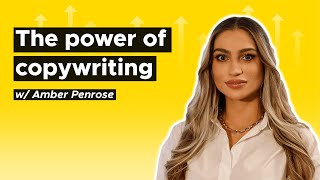
In this episode of the Recruitment Mentors Podcast, host Hishem Azzouz interviews Amber Penrose, a five‑year recruiter who has become a director of life sciences at Irving Knight Group and achieved £780k in permanent billings. The conversation covers Amber’s early struggles, the role of luck versus hard work, and the traits of high‑performing recruiters (passion, resilience, continuous self‑development). Amber shares her business‑development methodology: relationship‑focused outreach, targeting a shortlist of dream accounts, using LinkedIn branding, structured pitch decks, and a shift from self‑centric scripts to client‑centric questioning. She discusses confidence building, overcoming imposter syndrome, and the importance of recording and reviewing calls. The episode also delves into challenges faced by women in recruitment, the need for supportive communities, and Amber’s personal experience managing type‑1 diabetes while leading a team. Practical advice is given on time‑management frameworks (morning “frog” BD, batching, night‑before planning), crafting compelling LinkedIn posts and intro emails, and recommended reading (Never Split the Difference, The Art and Business of Online Writing, How Women Rise). The interview ends with actionable take‑aways for recruiters seeking to boost performance, build a personal brand, and maintain wellbeing.
Chapters
Welcome back to another episode of the Recruitment Mentors Podcast. On this week's episode, I was joined by Amber Penrose. I absolutely loved uncovering how Amber has become a top performer in her business, doing circa £800 grand in the permanent market, and we discussed it all. Unlocking inner confidence, her day plan, how she wins clients, how she's built her brand online— you name it, you're going to learn everything that you need to become a top performer in this episode. Amber, welcome to the podcast.
Thank you for having me.
Really looking forward to unpacking your journey. I've been someone that's enjoyed your content from afar. I've got some posts ready that I want to dissect with you.
Oh God.
All good things. But as, as you know, where we like to start with this podcast is with the million-pound question that I'd love to get your take on. But before we do that, and before we talk about, uh, this journey that you're currently on and the things that you've learned, the challenges along the way, I just want to give everyone a bit of context in terms of where you're at on your recruitment journey. So anything that I miss that you deem really important, let me know.
Just butt in.
Okay, so yeah, so, so you've been in, uh, so you are in your 5th year of recruitment.
Yeah, in a month's time is my 5th anniversary. Feels like 50 years, but here we go.
So, so 5, 5 years in recruitment.
Uh-huh.
I think you were quite honest with me in terms of the first, yeah, 18 months, first year, you, you did found, uh, really difficult. And I think over the last 3 years you've really progressed. You're now a director of life sciences.
Perfect.
I'm at the Irving Knight Group. So, uh, this is what I want to make sure I've got correctly, but right now you manage a team of 7?
Yeah, that's right. 8, 8 including me. One's remote and then the remaining 6, they're in Leeds with me.
And you are also someone that is, uh, striving for— or I'm not sure if you currently hold the, the top biller, um, status within your business, but I know that's been a big goal of yours. But as well as managing, you've also been focusing on leveling up your billings year on year. And I think you shared with me that your best year in billing so far— you're a perm consultant— uh, was just under 800 grand at 780k, um, in a year. And I think as well, just to add a bit more context to that for people, is I think you shared with me that around 40%, um, of the business and partnerships that you work on tend to be retained, and then 60% tend to be, uh, considering it exclusive, and you do a lot of business with repeat customers. But over the last 2 years, as well as hitting those sorts of numbers and having those sorts of performances, you have been in this leadership role over the last 2 years, and that's been a whole journey for you as well.
Yep, that's absolutely right. I need you on my BD course as my master.
There we go. So why, why don't we start with the million-pound question? And I'd love to get your take on this. So what, what's Amber's perspective on what you believe are the common characteristics and traits that make up a high-performing recruiter in today's market?
And I love this question, and I think everyone that you have on the podcast has a slightly different answer. And I think, so for me, when I'm interviewing particularly graduates, the thing I am looking for is passion. I don't care what you're passionate about, you do not need to be passionate about recruitment, right? I don't think many of us come out of the womb thinking, oh my God, I want to be a recruiter, this is my dream. You can be passionate about Trainspotting for all I care. I just want you to have that fire in your belly because in this job, right, that pertains to when you speak to candidates, you need to be passionate about the role that you're hiring for. It pertains to when you speak to clients, you need to be passionate about the work that you do. It pertains to your personal brand, you need to be passionate about yourself and your abilities, and I think passion is one trait that is inherent. It's somewhat uncoachable, and it's not something you can kind of gain over the years. So, I think particularly with grads, that's really something that's a priority for me when I'm hiring. Resilience, that always bloody comes up on your podcast, but I think it is so important, and in particular, you know, mental resilience. And again, when you're a graduate, right, you're thrown into this world of recruitment where You may have been struggling to afford ready meals for the past 3 years, and all of a sudden you wake up on a Friday, on payday, and you've got £10,000 in your account. And it can be hard, you know, when you've got these fees and you're focusing on them so much. So, I think the ability to be resilient and just disconnect yourself from the outcome, focus on the relationships, focus on building your network, and focus on the job at hand, and do not focus on the end goal. Because I've had so many people on my team that are, you know, in their second week, they've just spoken to a client, they haven't even started headhunting, and they're sat there calculating, you know, what their fee is going to be and what commission they're going to get. And I just think, oh my God, stop that. Expectations lead to disappointment. So I think just being able to shut off, get on with the job, and forget about the outcome is just imperative to get through because it can be tough at times. So yeah, passion and resilience and also Again, I think when you listen to any CEO and anyone that comes on your podcast that's been successful in recruitment, they're obsessed with bettering themselves. They're obsessed with reading books. They're obsessed with listening to podcasts. They're obsessed with self-development. And I think that's imperative. You need to, you know, think beyond the four walls of your agency because there's only so much you can learn within that scope. I'm just someone that's passionate about reading and being a bit of a geek. That's also a big check in my book.
Love it. So why don't we just start then by talking about the early years of Amber's career? Because I've got a couple of notes here when we prepared for this. Yeah, um, because I found it quite interesting learning about your, uh, initial, uh, yeah, the early part of your journey. So I think you was, you was quite fair with me that, yeah, you found it difficult. But what, um, I thought was absolutely crazy, which you can share with me if you think ended up being a positive or actually a real challenge was.
I think I've got it here that in your first 9 months you did the £190 grand, which was a blessing and a curse for sure, because again, 22-year-old Amber who was incredibly passionate didn't have many self-limiting beliefs, to be honest. I landed a CCO role as my first hire, and it was just the biggest hindrance looking back. I thought, oh my God, this is easy, what's everyone complaining about? Like, why isn't everyone a recruiter? I bloody love this job. And looking back, I don't know why I said that. I'm pretty sure my boss sold the retainer for me, to be honest, as well. But we move, we don't need to know that. But yeah, first 18 months were great, but again, I think I just became complacent. I got lucky, and I think in your first year, and I always say this to my team, do not compare yourself to anyone else within your first year, because yes, of course, a lot of it comes down to skill, but really 50% of it in that first year is a lot of luck. You know, being in the right place at the right time. And I think that's exactly what happened to me. So that's why after those 18 months when I'd had such a successful time and, you know, one top newcomer, I really, really struggled because I hadn't really mastered all of the processes. I'd just fallen into the right place at the right time, as I mentioned. Um, and then I really had to look at myself and think, Amber, you're not actually that good at recruitment. You've just got really lucky. Um, so whilst it was amazing for my bank account as a poor graduate that had just come out of working at Subway for 2 years, it was terrible for my progress.
Yeah, I hear this a lot. I guess what I'd love to get your thoughts on, because I did jot that down around the luck piece— so I'm a big believer that you can absolutely create your own luck. So why don't you share your thoughts on if you have that mantra internally of, look, uh, if— yeah, 50%, like, don't compare yourself in the first year, don't focus on outcomes. 50% of the first year can actually be down to luck. So how can people listen to this create more luck in their first year, do you think? What are some of the things that they need to be focusing on doing rather than focusing on, uh, the outcomes?
Yeah, and, and don't get me wrong, I don't want people to take that in the wrong way because saying it's based on luck is not particularly motivating. And whilst I was very lucky, I was also working 12 hours a day. I was, you know, missing out on plans with my friends, and I was on my emails at 11 PM at night, and my friends are like, Amber, what are you doing? Like, get off your phone, you're obsessed. Um, so whilst a lot of it is like, you create your luck, right? If I'm just sitting there and not posting anything on LinkedIn, not getting my visibility out there, of course these opportunities aren't going to come my way. So I think it's kind of a damaging mindset to have, slightly. But again, I was in a really, really difficult market, which was really difficult to understand. So I'm mainly in biotech right now, and I have no kind of biotechnology background besides the fact that I'm diabetic and I use the technology myself every day, but I do not understand the intricacies of it whatsoever. So yeah, I think, I think you create the luck, right, for yourself. And I think ultimately this job comes down to hard work and putting that hard work into the right places. I was building my brand from day one, and that's always been something that's been imperative to me. So I think that's probably created a lot of the luck as well, because the visibility has been there since day one.
Let's break that down a bit then. What does that actually look like? How was Amber building her brand and investing in your visibility early on? What does that actually look like? Was you sharing content on LinkedIn? Would you— you just actively growing your network? What, what, what does that actually look like?
So I look at recruitment in a different way. I just build relationships. So I think in my business, like, that's all I can speak about, but we focus a lot on outbound messaging, outbound emailing, you know. Speculative candidates, whereas I wanted to look at this job differently and think, okay, if I can genuinely build friendships within this market, that's gonna serve me well. Good things happen to good people, right? And it has. I now have coffee dates with clients, and I have clients that set me up with their friends that have, you know, tips about diabetes or tips about mental health and just focusing on relationships besides, you know, outbound messaging, I think has been imperative for me. And it's a long game, right? I do not want to look at recruitment as a short-term game because, yes, sending out an unsolicited candidate is great and it might amount in a quick fee, but I'm never going to work with that client again. If anything, I'm going to piss them off because I've been flooding their inbox with candidates that they didn't even ask for. So, I think focusing on relationships rather than outcomes and fees has been imperative, and you've got to do that from day one. You absolutely have to, and I think building a brand as well has been instrumental for me on LinkedIn for inbound leads, and that's something that I've been passionate about since day one, posting 3 times a week without fail, Tuesday, Wednesday, Thursday, 8 AM, I'm there, I'm visible, people know I'm the Omix recruiter, and they come to me and they suggest me because I'm everywhere on LinkedIn.
Um, so yeah, I'd love to get your take on what are Amber's beliefs around the principles to building a great relationship.
Honesty, passion, right? If you get on a business development call with a recruiter and they're bored, you can see it in their face, they do not want to be there. All they're going to tell you about is their CRM that every single other recruiter in Leeds uses as well. You know, I just think show a bit of excitement, show that you want to be there, ask some genuine questions that get them thinking. Whenever I have a BD call, my aim is for the client to say, "Hmm, great question," or, "Hmm, I've never been asked that question before. I love that." Yeah, you want to look for their feedback. You want to be memorable. Do not be a corporate robot. And I think that's the mistake that I made at the start, particularly. you know, because I work in exec search in a biotech realm, I thought, oh my God, there's these CEOs that have PhDs in molecular biology. I'm a 22-year-old graduate who's just came out of Subway for 2 years. I don't know what I'm talking about. But if I show passion and show that I care and show that I'm excited about their business, that's going to get me way further than just coming on and being like, hi, I'm an executive recruiter working in executive search, like everyone else does.
Um, so yeah, that's, that's really great. And I guess you sort of spoke a bit about it there, but I definitely wanted to ask you, so if there's anything else you want to add, or there's anything practically that really helps you. But like you said, you went from Subway asking people what, what type of bread they wanted to speaking to C-suite people in biotech companies, a lot of people would massively put these people on a pedestal. And sort of the sort of self-dialogue might sound like, wow, what, what value can I give this person? Or like, why would they give me time? Or like, there's some of the things that you might say to yourself. So I know a lot of people really struggle with this when they go on to this sort of business development journey, or they maybe started as a sort of delivery consultant and then they transition to a 360 recruiters. So is there anything else that you can add there that practically might help people listening to this that are just maybe finding themselves, yeah, putting people up, putting clients and the people they speak to on a bit of a pedestal, and almost maybe having a bit of an imposter syndrome, uh, show up and not really having conviction or understanding the value that they can bring? Is there anything else that helped you?
Yeah. I think imposter syndrome has been a huge attribute throughout my life, and it definitely was when I started with business development calls. And like you said, it's terrifying. You're often a new graduate and you're shoved onto a CEO business development call on your first day of the job. And it is tough, it's daunting, but I think you just have to remember that they're just people. They are just people. and the sooner that you realise that, and that everyone gets nervous, okay, that they might even be nervous to have this call with you. They might be nervous about finding the right recruiter, and this is a really big priority for them. So, again, just remembering that they're people with interests and dislikes and stories, and uncovering those stories as well, and just remembering to use your ears 80% and use your mouth 20%, I think was imperative for me as well, because I think what I thought would make me appear knowledgeable in reality isn't. I thought that I needed to blurt out all of this biological information and prove to them that I understood the technology, when in reality all I needed to understand was their pain points and how to solve that. And once you really simplify the process, the BD process, I think it becomes so much less daunting and more enjoyable. And now I genuinely, hand on heart, love business development. It's my absolute favourite part of the job, but I think it's all mind over matter. It's a mindset switch, and it definitely comes with time. Don't get me wrong, I was not confident until quite recently, honestly. So, give yourself time. You don't need to be everything all at once, and if you need your manager to, you know, come on and help you with those business development calls at the start, so be it. And a big thing for me that's really, really helped is since day one, I record every single one of my BDs. I've had to get a new phone to get more storage on it recently. And I look back at the ones that I did in year one, and I cringe like hell. But it's been imperative for me to learn, you know, I write notes on what I could have done better, what I missed out, and then for the next call, I can add that and learn and grow from each mistake that I make.
So if you do that, I've got— definitely I've got a question on that.
Oh God.
So I firstly, I think that's amazing. Uh, it does absolutely baffle me the amount of recruitment companies that don't enable their consultants to have some sort of phone system to have those learning opportunities. Like, the amount of recruitment companies that still have their recruiters like just using mobile phone, and I— that was, that was definitely me when I was in recruitment. It's just a huge missed opportunity. To learn, improve, develop. So the question I have for you, which I think people would love me to ask right now, is what would be the main differences that we would hear on Amber's BD calls early on to more recently and more now? What would be some of the fundamental differences that we feel are helping you get more out of the business development, or yeah, getting more out of it? What would be some of the main differences, do you think, if we were to listen to Amber's in the first year to Amber more recently?
Okay, thousands of things. Um, the main—
just give me like the top things at the top of mind. Sorry, sorry to buy it, but yeah, just— I know that— I'm sure there's loads, but yeah, things at the top of mind when I ask that.
So 2018 Amber, business development calls were all about me. It was I, I, I, Irving Knight this, Irving Knight that, I'm a recruiter in this, I'm a recruiter in that. Whereas now I want to eradicate I from my vocabulary. It's all about them. It's about their pain points. It's about their journey. It's about why did you take the call with me today? What are you looking for? It's about them. It's not about me. And again, that comes down to 80% ears, 20% mouth. And again, I think that's a huge mistake that I made at the start. I was just talking and blurting out all of these ideas again to prove to them that I knew what I was talking about, when in reality that proof came from my questions rather than the things that I'd rehearsed and blurted out to them, and the rehearsed script that I had about Irving Knight and why we were amazing. When in reality, they don't really care about our new shiny CRM. They don't care about the fact that I've got 30,000 candidates in our database in San Diego. They don't care. They care about if I can solve their problem and if I've done it before, more importantly. So again, I think I've been now weaving previous placements and the solution that I provided to that company into my questioning. So throughout the business development call, I'm throwing in, oh, typically VPs at whatever company you're experiencing that as well. We did this project for them and it equated to X solution. So, just kind of involving old placements to increase the familiarity and therefore the buying power when you finish that business development call. Having a more structured process as well has been hugely imperative for me. So, I now have kind of a pitch deck as well that I've been using on business development calls, and I don't know why, but a lot of recruiters don't use supportive visual material. And if you look at a lot of, you know, SaaS salespeople and tech salespeople who are so much more developed in terms of their sales process, I think personally, than recruitment, they all use material, they all use structure, and that's what I've copied a lot of my learnings from. So, I think looking beyond recruitment as well for tips has been absolutely fundamental in my growth. So, I would highly recommend that you stalk you know, VPs of sales in different markets besides recruitment, because we can be quite old school. Um, last thing as well, I used to, you know, jump straight into the vacancy. I'd be like, hi, this is Amber from Irving Knight, seen that you're hiring on LinkedIn, what are you looking for? They're not going to remember me, they're not going to remember that I'm called Amber, they're not going to know anything about me other than a voice that they've heard on the phone. They don't understand anything about my knowledge or my business, you know. Um, so, you know, leaving the vacancy part of the call till the very end, that should occupy such a minimal amount of that call. And the calls should not be lasting for 10 minutes and you come off and start headhunting for them. How the heck are you going to know enough about someone's business and their pain and how to solve that in 10 minutes? You're just not. I typically like to aim for at least an hour to 2 hours. Um, so yeah, they're the main kind of changes that I've made in, in recent years that have equated in a lot more success.
So much value there, right? We're gonna get a bit more grounded here, if that's okay. I just know people are gonna absolutely love this, Amber. This is— so thank you for sharing this. And look, I, I can actually really resonate with a lot that you're saying. Um, I remember commenting on one of your posts around like the the 30 Minutes to President's Club podcast. And like, I love it, I take a lot from that, the sort of SaaS sales industry. And one of the things that I did over Christmas was actually take a bit of a step back and look at how I was positioning the product that we sell at Recruitment Mentor, was our learning platform. And since putting it into some sort of like presentation and actually really mapping out all the problems that we helped solve Uh, it's just been way better. Like, so the whole, the whole deck thing that you just mentioned, that's been a real recent game changer for me. Um, right now the close rate has been 100%, and it just, it's all about making people feel, feel stupid saying no to like what you're, um, offering and these things. But actually really taking a step back and understanding the different pains you actually solve. You're not just putting a person into a job Um, and being really clear on that. So just to get granular a bit here, then there's just two things that I'd love to just, just to sort of focus in on. So the first thing there, you kind of gave us a bit of an example of probably what most recruiters do. Hey Amber, notice you're hiring a— they're probably not gonna be, uh, advertising a CTO on LinkedIn, but hey Amber, notice that you're hiring for this person. Uh, look that's what we specialize in. How are you getting on with it? Is it something that we can help with? Let's just say, right? So you gave that as a bit of an example. Would you mind just sharing what that might sound like now? I know we're going into a bit of roleplay vibes here, but I think this would be really helpful for people. And you said that becomes a real minimal part of it, which I absolutely love, by the way. And this is sort of how I approach things. So what, what would that initial sort of, um, yeah, initial part of the conversation actually now sound like with what you've tried and tested and found works better for you?
Yeah, so side note, quite controversially, I hate cold calling. I absolutely despise it. I never cold call. All of my business calls I set up are either inbound via LinkedIn, or I'm reaching out directly and then we set up a call. So just a premise that I have no cold call tips because I hate it. I hate being cold called, so why would I do it myself? Um, I'm gonna get a lot of hate for that because I know there's a lot of cold call preachers out there. So, okay, so let's start from the beginning. For example, I see a VP of Sales role posted on LinkedIn, okay? So, I would reach out to the CEO and say, hi, Tom, I noticed that you're hiring for a VP of Sales. We've just hired a VP of Sales for X company, ideally their competitor, because I work in such a niche area that typically I have hired for all of their competitors. They needed this, this was the result, open to learning more. So a low-friction CTA is always really important. I think a lot of people will often say, can we chat next Thursday at 2 PM, when they haven't even said that they want to chat to you yet. So don't shove yourself down people's throats when they haven't even committed to interest yet. People hate that. People hate to be sold to, so don't make it too obvious. Then when we jump onto the call, I guess the first thing I want to uncover is, you know, firstly, why is this a priority right now? What's the trigger? Secondly, what have you done so far to fill this role? How has that gone? What avenues have you used? Have you used recruiters in the past? What's that experience been like? Have they ever let you down at any point? Why? How many CVs do they typically produce in a week? Like, really get into detail about their past experiences with recruiters, because that will often tell you how open they are to a sell, or to a retainer, or to a contingent search. And a lot of what they say in that part will enable you to solution sell further down the line. So for example, if Tom said, oh, we worked retained with the recruiter, you know, 3 weeks ago on this role, and they've not given us any CVs, and we're so frustrated, and we never want to work retained again, you should not think, oh my God, I'm not going to pitch retained then. That's an absolute opportunity to pitch retained, because you can explain why you won't do that, or you can give them, you know, a different option. For example, a shortlist retainer, which is when you receive the retainer once you've sent them the candidates, so they've got the knowledge that you actually have those candidates in your market, so they've got the security with that. And then I think what else is really important, and this is something that I completely neglected in the past, is how important the close is. Because for my team, for example, often a lot of the new graduates, they'll have business development calls, they'll come off, they'll tell me about how it went, and they're so excited, they're so passionate, they, you know, revved up after that business development call that went perfectly. Then they don't hear from them ever, ever again. They never get back to their emails, they never respond. And I just sat back and I thought, why is that happening? Like, I feel— and not to sound big-headed, but all of the business development calls that I've had in recent years, they typically equate to business. And I thought, okay, what am I doing that the team aren't? And they just weren't closing effectively enough. They weren't ending the call by saying, look, is there anything at all that is preventing you from wanting to move forwards with this? Are there any niggles that you have about us working together? Is there anything that I've said that you thought, not sure if that aligns with our vision or our mission for this role? And also setting up a second call whilst you're on that discussion is absolutely imperative, especially if you're doing exec search, for example, where CEOs, they're getting 300, 400 emails a day. They're not going to be searching for Amber's email. So I think closing that and scheduling another call whilst you've got their attention is really important to keep the process flowing.
Yeah, no, I think that's, that's super helpful, and I think what What I want to underline there, and that I've— this is sort of— this, like, is really what, um, has been working for me. May not work for everyone, but what you're leading with there at the end is a no question. Um, and you're either gonna get no, yeah, there is this that I've been thinking about, or no, there is this niggle, and then you're going to learn more and listen. Or you're going to get no, Amber, actually, um, everything sounds great, what are next steps? Right, but you're empowering them, you're empowering them to set, to basically be honest with you and say, hey, actually no, yeah, this is, these are the niggles, or no, all sounds great.
And I think they're in control. Absolutely. And even at the start, so when I first started implementing more of a structure, I was getting frustrated because I'd get to the end of my call and I'd close it and I'd say, look, are there any reservations that you have at this time in regards to working with me on this project? And they'd say no. And then again, I wouldn't hear from them for 2 weeks. So, I really had to look inwards and think, are they just saying no to shut me up? I think they are. And the issue was my questioning. I wasn't making them confident enough that I had the knowledge and the skills to fill this role. So, them saying no to reservations is not always a good thing. And often when someone gives me a reservation, to me, I quite like that. It's almost a buying signal because they're really thinking, 'Is there something that she said that I don't quite agree with?' And I like the fact that they're challenging me. To me, an objection is a positive because it's them thinking about actually partnering with me on this. So don't always take the nos as a negative. Sometimes it's a buying signal.
Hey everyone, a real quick one from me. This podcast would not be possible without our amazing podcast partners, Vincere and Sourcebreaker. Because you listen to this podcast, you're able to get your hands on exclusive savings on both of these award-winning products. If you're a growing recruitment business, you have to check out Vincere, who are an all-in-one operating system for your growing recruitment business. With Sourcebreaker, if you want to make sure that all of your recruiters have the best tools on the market to stand out and beat their competition, then you have to check out Sourcebreaker. Use the link in the show notes, in the comments below, and you'll be able to get yourself exclusive savings on these amazing products. Okay, and then I think you just spoke about there the final thing I just wanted to zoom on, and I think you just touched on it there, was like this process that you mentioned a few times and how that's made it more enjoyable for you, or I don't know, enabled you to be more successful. Could you talk us a bit through that? So when you say process, what we're talking about here, we're talking about Amber's engagement strategy to take one of Amber's dream customers, or a company that you know that you're going to be able to help the right moments that you want to be working with in terms of how I turn Amber from, yeah, not working with her to then working with her and providing her the solutions that you have? Like, what, what does that actually look like when you say the process?
Yeah, so in terms of the actual BD calls, so I've now conjured up a script over the years that I like to follow. However, I never stick to that script. You know what calls are like, they never ever go in the way that you'd like to plan, but at least for building a team, and particularly a team of graduates, that's been so helpful because at least they've got some, you know, guidelines to go off. But in terms of the process for finding new clients, I'm not sure if that's what you meant. Um, so I'm more of a cadence type business developer. So again, I think a lot of recruiters are stuck in the 1960s way of recruitment where you just send out candidates and hope for the best. And yes, that absolutely works, it does. But that's not the way that I, you know, wanted to approach my business development. So, in my market, in biotechnology, at least, there are different areas within biotech that I can focus on. So, for each area, I've got 20 dream companies that I want to get in with, and I'd rather focus on getting into those companies rather than just spraying and praying for a result. And I let them know that, like, they are a company that I dream of working with. Don't be scared to, you know, show that passion. Over email, just be like, look, I dream of working for you guys. I know so much about you. Your reputation is insane, and all of the candidates in my market want to work for you, as do I. So really focusing on 20, targeting those accounts, you know, reaching out to directors, VPs, C-suite. If that doesn't work, HR, talent, more junior, just really focusing on specific companies rather than spraying and praying and hoping for the best. And whilst I think that technique used to work back in the day, there are now so many recruiters, there are so many technologies, there are personal brands everywhere, and people who are going to outcompete you. So you really need to think more strategically, I think, in 2023, you know, than ever before.
Yeah, absolutely love it. So we've spoken a lot about business development, which I know people love, find hard to get good at. So I know that would be very, very helpful for people. I think what else I'd love to sort of get your thoughts on, Amber, is you achieving this, uh, amazing, uh, billings performance of 780 grand. What, what else did you really have to work on that you think enabled you to, to hit those sorts of numbers? We've spoken a lot about BD. That clearly would have had an impact. But what else did Amber really have to, yeah, spend time on evolving, improving? Uh, what limiting beliefs did you have to smash, get rid of? What, what else did you really have to work through to achieve that?
My confidence, honestly, that it's all boiled down to that. And I, I'll kind of backtrack and give you a brief life story as to, you know, why I might not have been the most confident. So, you know, didn't grow up with a lot, you know, single mum living in council flats my whole childhood. I think we were in, you know, B&Bs at different times as well. And we've always really, really struggled, you know, with money. And I've never had kind of people around me to look up to in terms of ambition and a career. And I've always been really, really money motivated. And I think that's as a result of you know, struggling as a child. And, um, my mum said to me that I came home one day after school, this little 12-year-old tiny thing, 5-foot-nothing, um, and was like, Mum, I want to try and do an exam to get into a private school. And my mum was like, how the heck are we going to afford that? Um, but I figured out that they, they did bursaries, so got into that and, you know, was propelled into this world of wealth and ambition and motivation and power. And I was just like, oh my God, is this how people live? They don't worry about if they're going to be able to afford their shopping bill, their food bill every month. And I just wanted that comfortability. And, you know, that's my driver. And I think getting past that lack of confidence and always feeling like an imposter— at school I felt like an imposter, I felt like I didn't deserve to be there because we had nothing, when in reality if anything, I deserve to be there, you know, more than anyone. I was there based on merit, not on the fact that my dad owned multiple properties. And again, limiting beliefs at university— I unfortunately picked a degree that quite honestly I was just shit at. Um, chose accounting and finance because again I thought, right, what's going to get me money? Being a doctor, being a lawyer, being an accountant. I was somewhat good at maths, I thought, right, we'll give that a stab. So I had limiting beliefs there because I was just crap. Came out of university, worked in Subway, I was lost again. Imposter syndrome, just felt like I didn't belong to be there for a completely different reason. But so overcoming, you know, those limiting beliefs and just thinking this isn't down to luck. And even when I was telling you about my first year, why am I describing that as, as luck? I'm doing it now even still, so I think just realizing that gets to a point where, Amber, where it can't be luck. Maybe you are just, you know, quite passionate and all right at what you do. So yeah, I think just overcoming that and being able to get past that has been imperative really for my growth and getting through those barriers that I'd created for myself more than anyone.
So for someone, for someone listening to this then, that, that that, that will really resonate with. And there'll be a lot of people that resonate with that and that story. And, um, some of the— yeah, that they know that they have limiting beliefs or challenges, confidence issues. I'm always curious to hear what people say about this, like how clearly it's an ongoing process, as you just said, because you're still describing parts of a journey as, as luck. But what, what would you share that might help someone find that inner confidence more, or become more confident? Yeah, I don't know, is there anything there that, yeah, you think about or could share that could be really helpful for someone?
It's such a difficult, long process, and I think that's what you need to, you know, remind yourself. These things do not happen overnight. It's taken me, you know, I'm 28 now, and I think I'm slowly starting to get there. But it, yeah, it's not an overnight shift, and I think once you realize that these are only things that you're telling yourself, these are thoughts, these are things that, you know, you can control, you can lock up in a box and just forget about them and try and get on with it. I think the sooner that you realize that, the better. And again, I've really tried to change my mindset surrounding limiting beliefs and imposter syndrome in particular. I was watching, um, a TED Talk actually. I think it was Michelle Obama talking about, you know, imposter syndrome as a female in incredibly male-dominated world that she was in. And she sort of said, now whenever I experience imposter syndrome, I love it. I thrive in it. Why the heck would I always want to be in an environment that I felt like I belonged in? I'm never going to grow if I constantly feel like I'm the best, most intelligent, most well-spoken, most passionate woman in the room. I need to feel like an imposter at times. And for example, today I even felt like an imposter coming on this podcast. I thought, why the heck does anyone care about, you know, what I've done? But then I thought, no, I need to be challenged, I need to be scared, I need to do this because it's going to enable me to grow and better myself. So it's all internal and it takes time, but you know, there's things that you can do to work towards, sorry, being more confident.
Yeah, no, I think just, yes, it's perspective is powerful, right? So I think you, yeah, you describing, yeah, I really like that. Like, why would I, instead of thinking, oh, this is really bad, should I be here, should I not, it's like, well, no, why, why would I want to be in a room where, yeah, I'm the smartest or I'm not pushed? Like, it's a positive. Yeah, I really like that, that sort of perspective change.
Um, love Michelle Obama, what a woman.
So So I definitely want to ask you your— if there's anything to share. Like, I was honest with you, right? Despite how hard I tried, I do find it difficult to consistently get a good mix of women and men on this podcast. So I guess one, I just asked you to ask you this, uh, now instead of me going straight into another granular thing, because I wanted to ask you around time management and day plans when you're hitting these sorts of numbers, because I know people absolutely love that shit.
Yeah.
So I will ask you, but really quickly, as we're talking about Michelle Obama and you referencing that What, what comes to mind in terms of people listening to this that may not have any internal role models? Uh, they're female, uh, they have no internal role models in their recruitment environment. However, they're high performing, they've climbed the ranks, but every single, I don't know, quarterly board meeting or leadership meeting, they are the only woman in the room.
Yeah.
Well, I don't know, anything to share that helps you navigate that navigate the challenges maybe that Amber's faced in being a high-performing female in a recruitment business? Like, anything to share on there that you've maybe had to learn the hard way, or things that you, um, that might be helpful for people listening to this that are going through that, or yeah, may not have, um, women to lean on internally?
Yeah, I think it— and I guess the issue is, is stemming from the fact that Unfortunately, there's still a lot of white-collar recruitment agencies out there with 1950s thinking, no female equal leadership team, disparities in pay, no flexible working environment for women that want to move on and have kids. That's where the issue is stemming from, right? And I think we're all trying to move away from that. And you and me, Hishem, I think a lot of us care about changing that reputation. And for example, this morning I had a girl reach out to me on LinkedIn, and she sent me just the most gorgeous paragraph. And this is hugely why I do what I do on LinkedIn and waste 30 minutes of my day writing tips for new recruiters on my LinkedIn page. And she messaged me, and she just said, you know, hey Amber, please keep doing what you're doing on LinkedIn, because for me at the moment, we have no female inspiration. We have no one to look up to. I have no one to relate to. I have no role models. 'And, you know, imagine how it would feel for you, Hishem, as someone in this industry that was incredibly female-dominated and you had no males to look up to. I think you just automatically think, okay, well, it must be unachievable for me then. They don't have the setup for me to get to that point.' Um, so yeah, that was a lovely message to receive, and I've received them way more frequently than I would like to. And whilst it's lovely for my heart, I hate the fact that this is a recurring issue. And yeah, I think even in, you know, my own company, we're really trying to move towards a more female-led leadership team. And stereotypically, I think women have naturally occurring attributes that pertain quite well to recruitment. So, you know, typically we're slightly more compassionate, we're better listeners, and these are all things that attribute to an amazing recruiter. So, why are we not utilising that? Why are we not trying to get more women into this business? But, again, I think that stems from the management team and creating an environment that feels non-isolating to women because I think that's the main issue, it's the isolation and sense of community. But, there's so many communities out there that you can reach out to, like, they have the Women in Recruitment community that I'm part of, and just being able to expand your network and speak to like-minded women within the business, I think you have to somewhat put that on yourself create a community if you don't have that for yourself in your agency. Creating that is, is really important.
Yeah, so I guess the insight there then is, yeah, go beyond the four walls, as you said. If you can't find that community internally, then there's amazing people like you that they can connect with, or like go beyond your four walls to, yeah, hopefully try and— obviously that shouldn't only be the case, right? Obviously we're working towards having more internal role models and people that you can see yourself in and make you feel like things are achievable and all of that. But I guess, yeah, don't feel like because you don't have it internally that you can't get that externally.
Yeah, like my diary is always open. For example, like I say to, you know, these, these women, I'm more than happy 30 minutes a week if you just want to chat and rant about the things that are frustrating you that they're not implementing to make this a more comfortable environment for women to work in. Like, I'm always free. and it's not just me. There are so many women out there who I know are willing to do the same. So, just make yourself visible and get out there, and by sharing these stories that we have as well, it means that it's not a secret, and we can all talk about the experience— experiences, sorry, that we've had, and more importantly, move on from those and make sure it doesn't happen again.
So, before we go really granular on recruitment again, I think also, I think this is the right moment to sort of ask you to share your story because we're talking about more about, yeah, personally your own journey and, and, uh, yeah, like those types of messages. Just, just because obviously we, we had our own experience with this, right? Talk to me about Amber's journey because I think this could really resonate with people and might be really helpful, um, to hear. Like, talk to me about Amber's journey being a type 1 diabetic and managing, I guess, life, work-life with that. Like, would you mind just sharing some of those things? I think there will be people listening to this that, yeah, maybe on the same journey as you, but again, don't have role models or don't know anyone who has to juggle, juggle that with work and everything else. So I think, yeah, this is definitely the right moment to sort of, yeah, have you share anything around that that you think would help people. But would you mind just talking to us a bit about juggling, uh, yeah, this condition that you, yeah, live with, that you have to juggle with, with life?
Yeah, absolutely. And so recruitment, we all know it's hard work, right? And whilst thinking smart is important, so is bloody working hard. Um, and working hard and autoimmune diseases unfortunately often don't coexist, and they hate each other. Um, so yeah, I've been, uh, type Type 1 diabetic for 22 years now. So, you know, doing about 8 injections a day, trying to deal with maintaining my blood sugar levels, having a life, working in recruitment, managing a team, being a cat mum, doing it all. And so you and I, right, we were supposed to meet to record this podcast, and I, I just physically could not make it. I'd been up for 2 hours— no, I'd slept for 2 hours before the podcast episode. There was absolutely no way I could string a coherent sentence presence together. And it's been hard because the guilt, it's, it's really there. And I, I think whilst people, you know, they say that they accept these differences, but I know that there's been clients in the past that I've last minute had to cancel on, and they're pissed off at me. And I just think, guys, it's hard enough, you know, going through all of this and feeling this poorly and feeling this incapable, and then you've got people, you know, on the other end that aren't being understanding. And it's really self-deprecating. And I've had a lot of low moments where I've just felt like, oh my God, can I physically do this? Like, am I, you know, is my body built to be able to manage this? And more importantly, to be able to not let others down. And for example, with the podcast, I just felt awful. And whilst you were so lovely and of course accepting about it, it's still that sense of I'm letting myself down, and more importantly, I'm, you know, ruining someone else's time and, and their schedule. And Yeah, it could be really debilitating. And I think again, that's why I share a lot of what I go through on LinkedIn, because I, I don't want people to feel alone, and people that can't always put in 100% and, you know, wake up and feel normal like normal people do. And it's really draining. And some days I just want to rip my hair out and think, oh, I just wish I could be like a normal human with a functioning pancreas, because it would make my life a lot easier. But again, it's the same with, um, you know, imposter syndrome. Sharing these stories is where it begins, and if I can make it seem more normal and more spoken about, then that's a great place to start.
And if I get— just to round up, thank you for sharing that. And I guess just to round up, I know I'm sure there's loads of things, but I don't know, is there anything that you found— have you found yourself giving sort of consistent advice for anyone that, uh, yeah, might be finding it hard to juggle being a type 1 diabetic and sort of, uh, achieve their, um, work goals or manage work. I know life isn't just work, but I don't know, is there anything in there for people listening to this? They're probably working hard, they probably have a good work ethic. Is there anything that you find yourself, yeah, constantly giving to people that has helped you around better managing? I'm sure you're always going to have off days, as you said, but is there anything that's really helped you that maybe you could pass on to people listening to this that's enabled you to I don't know, I know we could go— what, I don't know where you could go, wherever with this, but I just thought if there's anything actually practical that's helped you, you know.
Yeah, so there's one moment actually that stands out, um, and my mum, just FYI, is my inspiration for everything, and like, she is just the most incredible woman and feminist and independent. She's been a business owner in more recent years and completely transformed her life and I remember there was one meeting actually, and one good thing I guess about working in biotech is that people are generally quite understanding, and I've not had a lot of shit besides that CEO that had a go at me, but we won't talk about him. And my mum once, I remember I was crying to her one day about the fact that I couldn't make it into work, and I was just so stressed, and I wanted to be there for my team. And she just said to me, she was like, Amber, 'You don't have to be everything all at once.' And I just remember thinking, like, I love that. Like, that really resonates with me. And it's a big enough stress to have an autoimmune disease in itself whilst trying to be top biller, whilst trying to manage a team of 7, whilst trying to be director and, you know, have a strategic vision on the business. You don't have to do it all. No one expects that from you. You're the only one that's putting this pressure on yourself. Um, so just focusing on your health, your mental health, getting through the day, that's all that matters. And sometimes if brushing your teeth is the only thing that you achieve, that's more than enough, okay? You don't have to be everything all at once. And I think when I'm having those moments, I just remind myself of that in my mum's voice, and everything is better.
Yeah, no, I think that's, that's a great quote. So Let's, let's round off this conversation then on, uh, recruitment. Let's, let's, let's get granular on a few things.
Okay, so first thing today, right?
Absolutely. No, no, but these things are important. At the end of the day, we're all people, so we can talk about the granular stuff, but we've got to juggle being people and the different challenges that we have in these things. So they're just as important. But so I want to know, and people will want to know, time management What does Amber's day look like when you're hitting those sorts of numbers that we've discussed? Like, break it down for us. What time are we starting? What are we doing in the first hour, 2 hours? You do 2-hour sprints. Do you always do 2 hours of BD? Do you always do 1 hour of headhunting? I don't know. What, what does Amber's day look like? And maybe let's look at it from the perspective of Amber only having to worry about her own performance. And not have management one-on-ones and these types of things in there. Let's just go Amber's day plan being the top biller. Yeah, what does it look like?
Sure. So I wish that this reality that we're making up existed because obviously there are random meetings shoved in everywhere and, you know, Amber, can I quickly borrow you for this? Um, and quite honestly, time management is naturally not a strong point of mine, and it's been something that I've had to consciously, really consciously work on. And there's had to be a lot of techniques that I've consciously had to put in place because I'm someone, you know, my brain goes at 3 million miles per hour, and I'm working on something, and then an idea pops in my head, and I'm like this with flicking between projects. And I think I did a post about time management actually today. But in terms of my day plan, It's not structured. I used to time block, which I loved whilst I was an individual contributor, but time blocking does not work if you are a manager. So, if you are, you know, just trying to be top biller, I'd really recommend breaking down your days. The night before is really important as well. So, always plan what you're going to be doing the next day, the day before, so you can just offload. You can go home and leave the office with a clear mind. You know exactly what you want to achieve. When you come in at 9 o'clock the next day and you can just get going with it. So yeah, time blocking's been incredible. However, I can't really use that now because it just doesn't work. Batching as well is something that I've implemented too later on in my day. So for example, at the moment I've got, you know, 12 roles that I'm hiring for, so that can get quite overwhelming. So just focusing on one role each day or between each kind of set of time has been really helpful too, rather than putting 10% effort into one project, then flicking onto the next one 10 minutes later. That's been really important. And in terms of my day plan, I wish I had a set, amazing, shiny laminated day plan to list off to you, but I really don't. I've never been a structured day plan kind of person. However, one thing I do always stick to is doing my business development first thing in the morning and eating the frog. So for me, the frog, i.e., the task that I hate doing the most, is business development. Um, not having the calls, but, you know, doing the prospecting and the messaging and writing the LinkedIn posts. That's my least favorite thing. So I do that first thing in the day, so that's out the way. I've done it, I've got no excuses. It doesn't get to 5 PM and I'm like, oh, I've not done my BD today, I'll just do it tomorrow. It's already done in the morning. So eat the frog has been a great bit of advice, and that was from, um, 30 Minutes to President's Club as well, which you mentioned earlier.
So yeah, I love that. Less about the plan and more about frameworks and, uh, mechanisms that help you get the most out of the day or give you a better chance of, yeah, getting the most out of each day. Yeah, and prioritize effectively.
Okay, you've just got to figure out, you know, what works for you, because everyone's mind works in completely different ways, and what might work for me would not work for you. The next person on, on my team. So I think listening to these podcasts, seeing how top billers plan their day, trialing it for a week, and just seeing what works for you.
So one or two more things here then as we come to the, to the end. So I, yeah, I think it'd be really unfair of me not to ask you, um, how Amber's is, because I've seen you post different things here. But I think one of the posts I've got up here, I think you put on there around No, no, it's a good thing. So I think you put on there around like— I know we spoke about this in preparing for this, and you've clearly said on this podcast how important building your brand from the, the beginning has been, really impactful. So then you put on here around like, yeah, 80% of your leads come inbound, right? So let's just talk about this for a sec. Like, for, for someone listening that would love to be in that position, like, where— what, what, what are the principles behind getting to that point? That you've implemented? Like, I think you've— yeah, I think you've spoken about, not even in sales calls, where this sort of, uh, uh, is probably worth thinking about and applying the same thing as, like, it's less about Amber and more about them. But what else? What, what are the principles to, like, that you've sort of, yeah, really worked on behind getting to that point where you are getting a lot of your business inbound? And what's enabled you to remain consistent with with your brand?
I think really defining what brand meant to me, because, you know, the majority of recruiters are just posting job descriptions or roles that they're working on. That's not their brand, that's not them, that's not their personal brand, that's just them posting roles. That's not going to show a potential client what you're about, what your ethos is, what your values are. That's just job descriptions. Um, so really defining what, what a brand means to you. And I think the most valuable bit of advice, although it's quite obvious, is, is just start. Just start. Just start writing. It does not matter if you get 1 like or 1,000 likes. Who cares? You have to fuck it up to figure it out, in a roundabout way. Um, And writing as you speak, I think, is something that people need to remember. Because, you know, with my team, for example, I'm a huge advocate for LinkedIn posts and building your brand. And, you know, we've had times where I've sat them down at the end of the week and I'm like, guys, why has no one done a LinkedIn post this week? And they're like, oh, we're just not good at it like you, Amber. We're not good at writing. And I think, I'm not good at writing. I'm literally just writing what comes out of my mouth. And, you know, sometimes I'll even send voice notes to myself of ideas that I've got, and then I'll type out the transcript, and that's my post. You don't need to have all of these, you know, connective furthermores and connective words. That's not what is interesting. Short and snappy copywriting is what sells. If you look at all the biggest, you know, LinkedIn accounts, they're people that share stories, they're people that share personal experiences, they're people that share learnings. They're not people that share facts and figures. It's actual personable, relatable content. So just starting is my biggest bit of advice. And second thing that I think is imperative that people don't think about enough— so consider how people are on LinkedIn typically, right? It's their phone. So when you're scrolling on your phone, the only thing that you see on each LinkedIn post is the first line. That's it. And the only things that I click see more on and engage with are posts where the first line hooks me in. So if you have not mastered that first line, the rest of your post is pretty much pointless. So smash that. ChatGPT or GPT or whatever it's called exists now that can literally write you hooks, exciting hooks. Ask it and post it. It's not difficult now. There are no excuses. So just start posting. And see what happens. Like, what is the worst that could happen? You're not going to die from a, from a LinkedIn post, so just give it a go.
Yeah, I think it's really interesting. I was speaking to, um, Jess, my girlfriend, about this just on the weekend because I helped her dad, who— they've recently relocated to Wales, and us, and so they're now— I want to get back into work but part-time, and he's been applying for jobs and these things, and I helped him write his cover letter and his cover letter was like what you'd expect. It was like, I'm determined to do this, I'm a great team player, like just the classic shit basically, like all the stuff that people think you need to put in there. And I was just saying, like, being able to write is such an underrated skill and tool that you can use in so many different parts of your life, but particularly recruitment. I think it's so overlooked, like actually just investing in time, like thinking about how you can get better at writing. And it does come a lot from doing But sort of labeling yourself not a good writer, you're never going to obviously become a good one. But I'm such a huge advocate of using a tool called Grammarly. Like, everything that I write goes in Grammarly and is run through that. Then it's just simple things like you've mentioned, Amber, around getting better at talking about things from the other person's perspective. It's not like— remove the I's from your vocabulary. You said it's all about you and getting in that person's shoes. So if you combine curiosity and really trying to pick up and be interested in the nuances of your market and what people are saying and common themes that you keep, uh, tend to hear, and then writing about the things that you pick up on, like, it's just such a powerful thing. So being able to help, yeah, my partner's dad with a cover letter where it went from, oh my, uh, like, yeah, I'm a great team player and all these things, to then it sort of sounding like, you're probably going to look at my CV and tell me that I'm too experienced for this job, let me tell you why I'm not. Like, it's just a— it's just a whole— it's such a valuable skill set that people, uh, overlook, I think. So I'm glad that you highlighted that. Um, absolutely. So, look, did you want to add something to that? Sorry.
No, I was going to say, um, no, I completely agree, and I love that you brought up that point. I don't think I would have been top biller if I hadn't focused on my copywriting skills. Like, I've been reading So many books about copywriting and concise language. And I think as well, so for example, in the markets that we serve, it's all executive. So it's all, you know, CEOs of big companies. And you would think that those people would respond well to really intelligent, eloquent language, but they don't. You need to mirror the way that they speak to you. And CEOs, when they message me, they often don't even bother saying, hi Amber, like they just say what they want, full stop, best regards. Tom, that's it. And my team would be, you know, like, hi Tom, hope all is well in your world. Just wanted to check on the status of our proposal. If you've got any questions, just let me know. You know, always happy to reduce our fee rate if you need me to. No, mirror the way that they speak to you. Hi Tom, have there been any progress internally regarding our proposal? Thanks, Amber. It doesn't need to be long-winded and wordy. That does not equate to Intelligence, okay, being concise and direct and asking for what you want will, um, so yeah, I love that you brought up that point because it's definitely something, and I'm going to start implementing this I think into my interview process, is a task surrounding, you know, writing so that I can see how good people are. Because like you said, it is just completely imperative in recruitment.
And then I think this leads quite nicely on to where we're going to sort of wrap up here, and then I'm definitely going to end with Amber's sort of maybe best books that you've read, or yeah, things that have really sort of helped you, because clearly you've mentioned a few different things here. But there's actually a post that I commented on of yours, okay? And hopefully you're willing to share. You might know what post I'm on about, but you shared a screenshot. I might have missed the post where you shared it. You said you was going to, but anyway, you like— this is, this is a screenshot of the message. We're talking about writing here, and we've all learned how Amber's approached things, and I think there's, there's like, I'm not surprised that you're achieving the things that you're achieving. Absolutely love your mindset, the way that you're approaching things, you're open to learning, these types of things, right? So this screenshot says, hi Amber, thanks for your message. Honestly, we have, uh, committed to not use agencies at least for the remainder of this year, and we are confident that we do have the capability to meet our goals with that in place. However, I just wanted to say that this is the best intro email I've ever received from an agency. Brackets: quite refreshing. Will definitely keep you in mind if things should change. Appreciate it. So obviously the, the sort of thing that we've learned here, right, is you're saying recruitment is a long game. I want to be memorable. Be yourself. Like, although I've got a no here, Uh, I've definitely stood out, right? So Amber may have an opportunity to work with this dream, uh, client in, in the long term. What, what are we doing in this, uh, intro message, Amber? What are we saying?
You know what, it's funny that you bring that email up, right? So this bit of context— this company is, you know, one of the biggest companies in my market, and I've been trying to get in with them for about 5 years, I'm not gonna lie. Um, and finally I've got a BD call with them now next Tuesday, so we've finally got there. 5 years later. Persistence is key, guys. Um, what did I write in that email? That is the question. I have to think.
Um, intro email, we can go— don't have to be that specific message, but what— yeah, what, what does Amber put in that intro emails? Because clearly I'm sure you have a bit of a framework at least.
Yeah, so typical framework for intro emails: short, snappy, personalized trigger, warm CTA. So I don't know why I keep using Tom, but let's just pick Tom, VP of Sales at biotech company. So I've just seen that Tom's done a YouTube video about their funding and what they're going to be spending it on. So I would use that as my intro. Or, you know, I've noticed that Tom has hired 6 sales reps over the past 3 years, and I know one of them. I would use that name in the intro. And similarly to LinkedIn, where that first line is imperative, it's the exact same with emails. Because when they come up, either on your laptop screen or your computer screen or your phone, the only thing that you see is that first line. So you need that trigger to be in that first line. That is completely important. If you've not done that, you're likely not going to get an open. So always use that trigger first. Second line is always the problem. So, you know, an issue that people within that space are typically having. So I don't know, VPs of sales in my market right now are really struggling because they all have to have PhDs or masters, and there's not enough of them. So I'd say that problem. That shows them that I know the industry, I know the market, I know what the key hiring problems are right now. Next line, Tell them about a similar company that's had that problem and how you solved it. Next line, open to learning more, or just kind of some form of cold— sorry, warm CTA. So not, hi, can we chat next Thursday at 2 PM? Just open to learning more, or have you ever thought about this? Is this a priority for you right now? Just something a bit warmer. So that's the general structure, and you've just reminded me I need to post that. Email actually, so maybe I'll do that tomorrow. So look at my LinkedIn if you want to see that, guys.
Yeah, no, absolutely love it. So look, Amber, let's, uh, let's end on— let me— you've mentioned a few different things, but let me— let's just end on, I don't know, maybe top 1 to 3 books that you've read that have had a real impact on you. You're clearly someone that's passionate about self-development, which I absolutely love. And yeah, there might be some, uh, books that people can put on their to-read list, uh, after listening about your journey. Yeah, what, what 1 to 3 books have had a real impact on you? Maybe mindset, just in recruitment in general, personally, what comes up?
Yeah, so time management is not my strength and neither is memory. So I know the names of the books, but I often don't know the authors. But the classic that everyone always says, but it is just a brilliant book, is Never Split the Difference. 10 out of 10.
That's the, the best, the best book for me in terms of negotiation, these things.
Absolutely completely changed my mindset Regarding negotiation and just recruitment in general, if you've not read that, unbelievable, has to be read. Yeah, the best book I've read regarding, you know, copywriting, emailing, content is by Nicholas Cole. And if you don't follow him on LinkedIn, you should. And the book I think is called The Art of— The Art and Business of Online Writing. It is—
oh, I haven't read that. Ah, The Art and Business of Online Writing.
Yeah, Nicholas Cole. And I can tell how good a book is by how highlighted it is, and honestly, I must have highlighted every bloody sentence in that book. It is insane. If you want to get started on LinkedIn, and you know, like I said, my biggest tip is just get going, read that book. And it's not very long, short and sweet, big letters. It's a nice read. That'll be my second. Third one for women in recruitment in particular, is called How Women Rise. Again, not sure who the author is, but I'll figure it out.
And I can, I can do that now. So we've got Nicholas Cole, The Art and Business of Online Writing. I'm definitely going to order that. And you said Women Rise, you just said How Women Rise. So How Women Rise.
So basically there was this book written by some dudes, I don't know, some white 50-year-old men somewhere, and, um, it was all about the you know, the characters and attributes.
How Women Rise: Break the 12 Habits Holding You Back.
That's the one, you've got it. Um, so yeah, that book that the two dudes wrote was all about attributes and characteristics that make up successful leaders and entrepreneurs. And these women were reading this book and it was just completely written with males in mind. It was written from a male perspective. They were typically male attributes. And so these women thought, screw that, we're gonna write our own book about how women can rise and become successful leaders within business, and it is so good and refreshing, and it makes—
what's cool about it, from what I can see, sorry to butt in, is it's written by Sally Helgesen and also a guy called Marshall Goldsmith. So they obviously combined, put their heads together.
I think for me it just made me feel less alone because again, often these experiences aren't shared, and I used to think, am I just making this up in my head, like this gender disparity or this discrimination that I'm facing, not in my work right now, but just throughout life? Or is this actually happening? And I think that book just narrated all the thoughts that I was having and really made me feel like I was less alone. So that was amazing. Again, a really nice read. So give that a shot if you're a girl in recruitment.
Love it. Yeah, I'll put those, um, links to the books and stuff in the, in the show notes. But look, Amber, thank you so much.
Thank you. It's been a pleasure.
Yeah, nothing short of yourself. Open, honest, shared so many great things there. I would not be surprised if you get inundated with messages saying how helpful it's been. I think kudos to you on consistently investing in yourself, your own development, because I think it's— for me, after getting to know you even more on this, I'm not surprised at all with the things that you've achieved so far and no doubt the things that you're going to achieve in the future. So yeah, Thank you so much for coming on the pod.
Thank you, Hishem. I really appreciate it.
Thank you so much for listening to the episode. I hope you enjoyed it and got value from the conversation. If you did enjoy it, please don't forget to like, share, and subscribe, and we'll see you in the next episode.
More from Hishem




You don't need as many clients as you think to bill $1 Million A Year In Recruitment



From 30 Direct Reports to Back-to-Back $1M Years as a Solo Recruiter with Zach Creighton



