Andrew Sillitoe, The 4 Keys - Business, Body, Relationships and Mindset
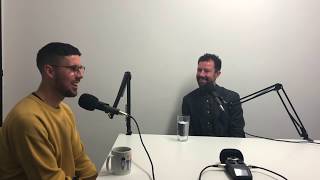
In this episode of The Recruitment Rollercoaster, business psychologist and performance coach Andrew Sillitoe discusses how recruitment firms can boost results by aligning the four pillars of business, body, relationships, and mindset. He explains practical structures for recruitment businesses – the billing‑manager role, a three‑layer coaching model (mentor away from the game, performance coaching in‑game, regular training), and hiring for a sales‑DNA and purpose‑driven culture using Simon Sinek’s ‘why’ framework. The conversation then shifts to personal health, where Andrew shares his evolution from high‑intensity CrossFit to a more sustainable strength‑training routine, the cognitive downsides of aggressive lunchtime workouts, and the importance of nutrition for mental clarity. He outlines his experiments with low‑carb, ketogenic and carnivore diets, intermittent fasting, and sugar reduction, offering concrete “hacks” for recruiters to stay energetic throughout the day. The episode closes with a teaser for Andrew’s upcoming book (launching 15 January on Amazon), a call‑to‑action for listeners to complete a survey in exchange for a free copy, and a final piece of advice: uncover the personal story that shapes you and use it to drive purpose‑led leadership.
Chapters
Welcome to the Recruitment Rollercoaster podcast. My name is Hishem Azzouz, and today I'm joined by Andrew Sillitoe, who is a business psychologist and performance coach. So, um, thank you for coming up all the way from Tunbridge Wells. I do really appreciate it, Andrew.
It's a pleasure. It's a pleasure to be back in the East End.
Yeah, I know. As you said, um, you used to, uh, sell on the market, not too far away from here, right?
Yeah, Roman Road. I had a market still here about 25 years ago.
Was you actually selling knockoffs.
I used to bring stuff from Italy, so it was like Armani suits.
Oh, okay, yeah, one of those stores.
Yeah, Armani suits, Max Mara for ladies. Yeah, yeah, yeah.
So what was— I always wonder with things like that, like, did they— do people— do you let people know that this isn't real? Or like, I don't know, what's the deal there? Do you know what I mean?
I know it's real. I mean, it wasn't really knockoffs. Yeah, so it's the wrong word. One-offs.
One-offs.
Yeah, yeah, yeah. So it's like, it just means that it you know, if you're working retail, because I was in those days working in retail in the rag trade, and you'd buy ranges, you know, you buy them, you know, 3 seasons. So it was like, yeah, it was end of season, so you could pick it up a bit cheaper.
All right, okay, fair enough. Because I always think that, because you always get those stands, and then I'm like, do people buy them thinking that it's like real? But if it is actually genuine, then it's real, it's not fakes, and that's fair enough.
No, no, no, it's definitely real. Yeah, knockoff's the wrong word. Uh, one-offs.
Yeah, yeah, love that. So, um, look, Andrew, as I was just saying, where I love to start, and I know your story is definitely different to the normal people that Commoner Studio. But what— how— tell us a bit about the story, um, when you first sort of, um, got exposed to, uh, the mad world of recruitment and what that journey was like.
Uh, so I got into recruitment, the recruitment industry, if you like. Um, I had obviously lots of friends growing up in the recruitment industry, so it's always intrigued me.
Sure.
Um, but, uh, joined S3 in 2009. Yeah, up until the I'd always worked in sales, you know, from the market stalls. And then, uh, I have sports background, so I was kind of doing that.
Yeah.
And then got some corporate exposure. I worked for Yellow Pages in the field doing advertising, marketing, sales. Um, and then just by chance fell into consulting, uh, where I— someone approached me and said, could you come in and talk about your sports background? And yeah, yeah, yeah, you like combine the two corporate and talk about mindset and so on. And in those days it was all very new to me.
I was just—
all I was interested in was playing Yeah, but I was going to, I was going into companies like O2, Vodafone, yeah, and just talking about some leadership and mindset and locker room spirit, all that kind of good stuff. Um, and then decided to go freelance in 2008, which was a terrible time to go freelance.
Yeah.
Um, so the kind of just the whole world changed.
Yeah.
Um, and then got approached by S3 to, to, to look at a role, uh, heading up their leadership development management training.
Nice.
Um, so my role was to, to look after a team of consultants, had a brilliant team who were designing, delivering training in, in the business globally.
Yeah.
And then my role in addition to that was, uh, doing some executive coaching for high potential. So those that were looking at moving into that director role.
Yeah, yeah, that's really interesting. Okay, so just a quick one on that because I've, I've obviously, I've heard S3 now a lot since I moved up to London. I used to be in my little recruitment bubble when Hay was here, right? Um, what was your perception of, uh, S3 before you joined it? Like, did you have any grounding on what this business was like? Because they've obviously got a huge reputation, right? Yeah, yeah, yeah. Did you have any perception? To be honest, yeah, yeah, of course, yeah, of course you've got to be honest.
I got some really good friends that know. I, so I, I did ask about, in fact, uh, my, my girlfriend at the time, yeah, worked in recruitment. Okay. And she knew several people that worked at S3. When they heard I was applying for this job, they were like, yeah, that's pretty tough, man.
Yeah, because I've had a few people who on here who worked at S3, and I always ask that because I'm always curious, because like it's, it's been the spawn of so many businesses. Yeah, it's, um spoken about a lot. So, so yeah, so you had, um, so you had a bit of perception then, and some people let you know what it was like.
And it is tough, but that's why it's successful. And, and, uh, and I, I loved it.
Did you?
I love my time at S3.
Yeah, that's amazing. Did you know about—
what's—
did you know about this 9 AM rule? That's what someone spoke about on this.
No, no, no.
All right, okay.
So it was midday at S3.
Yeah, but yeah, exactly. So I think it was, um, it was— you may, you may or may not know, but I had, um, Andy Simpson on here From Stoke.
And he got me the job at S3.
Oh, did he?
Yeah, yeah, yeah, yeah.
Fair enough. So I had him on here, so I asked him— yeah, so I asked him about S3 and his experience, what actually went on there to sort of create this culture and all this. And he, he mentioned the 9 AM rule, which is just a simple rule that if, if you're pretty much not there before 9 AM or you're coming later or whatever, then more than likely you're gonna, you're gonna see the door and see you later, um, sort of thing. Um, okay, cool. That's really interesting. So how long was you there for?
2 and a half years.
Cool.
Okay, yeah, just over.
Yeah, yeah. So, um, I think that's— if we start with— so you helped, um, billing managers as well, is that right?
Or— yeah, that was kind of our sweet spot. So we designed some training for, for billing managers. And, you know, as a consultant, I could come in and sort of identify where, where was— where we're going to get the biggest bang for the buck. And for me, that billing manager role was, was so important to the scaling the business and growing. And if you could master the billing manager role the player-coach role.
Yeah, yeah.
Then for me, having worked with lead, you know, leaders in, in the corporate world, I thought if you can master this role, yeah, you're pretty much—
yeah, well, let's, let's uncover that a bit because I think that'll be really valuable for people because, um, that, that's, that can be a real pain point. You're right, I've heard that a lot in terms of recruitment business owners saying that they're struggling to get that next layer, um, of leaders.
Yeah.
Um, and then also there's also, uh, the pain point for high billing recruiters who sometimes, um, like Sean experienced at the CEO here where, um, he didn't really have much of a choice. It was— he was told that he was, uh, gonna be a billing manager, and he basically had to recreate 5, 6, 7, 8 more of him, right? Um, so let's uncover that a bit then. So I guess from, from your previous experience seeing, seeing these billing managers, what was, um, what was the biggest pain that you saw that they were going through? I think one is training, for a start, that not much of them actually get much training. But what did you see that, um, you tried to, yeah, get hold of and, and coach them on straight away?
Um, for me it was I think it's actually evolved over the last 8 years as well. So I think, you know, there are some similarities to some of the things we were teaching at S3. Clearly, time is the challenge, but time is a bit of a cop-out really when you say time. Yeah, it's really how they're choosing to spend their time. Um, uh, so, so for me it was a couple of things, but one is equipping with those the tools and techniques to, to be a coach and, and, and empower those around them, etc.
Which do you think everyone can be a coach?
I think anybody can, can learn to be a coach. I think some people transition much quicker.
Yeah.
And we see there's a whole different debate about that. Yeah. What makes a good manager? Because you'll see people that are really strong in process, really strong in managing day-to-day activity, um, and can, can go on to be just really strong managers. But often then what we see is that they might lack some of that, those personable skills, not really emotional intelligence.
Yeah.
And we're trying to teach that emotional intelligence, you know, how to be visionary, etc. Um, so it's just, it's getting people to play to their strengths. Um, for me, for the billing manager, uh, role is, is one, learning the tools and techniques. Um, so one of the things we talk about is, is, is being able to mentor away from the game.
Okay.
So to build relationships away from the game, you know, get just to actually have a conversation. Often what happens away from the game is a conversation about KPIs, which can be a disheartening conversation. Yeah. So we, so what we encourage is just, you you know, like have half an hour, go for a walk, you know, build that relationship away from the game. And the better, the stronger the relationship is away from the game, away from the sales floor, the tougher you can be in the game.
Yeah, yeah, that's interesting. You know, you see, isn't, isn't there— what about— so then what? But then, okay, so then it's what— when you hear like your manager trying to be your mate sort of thing, right? There's a line there as well. Absolutely. Is that what you mean by like then you can be tougher in the game if you've got that more solid relationship outside of the game?
And even it's still a professional relationship.
Yeah, yeah, sure, sure.
I mean, Sir Alex Ferguson is a great example Yeah. So people, the red face, barking at people, shouting, aggressive manager that we talked about. But then you speak to players and they'll refer to him like a dad. Yeah. You know, so how do you find that balance between, you know, absolute, absolutely being held accountable?
Yeah.
In the game, in the dressing room.
Yeah.
But then have this kind of mentor that you can look up to away from the game. And that's, that's the biggest challenge for the billing manager. And often what we see, we see in sports, professional sports, where the conversations are only in the game, do this, do that, be better at that.
No, you're right.
Try that. And after a while you're like, just get off my case.
Yeah, no, you're right.
Right, first. Yeah, but after a while— but if you've got that relationship away from the game, you go, yeah, coach, no problem.
Yeah, yeah. So what types of things, um, uh, I guess, is it just like uncovering, just understand a bit more about that person, like understand, I don't know, more what's going on in their life besides what's going on in those four walls in the office? Like, is there anything in particular that is worth trying to find out, or is it just generally just trying to build some some relationships.
Well, I always say to the sports coaches I work with, know everything about your players, really, because something will manifest itself at some point. Yeah, but, but it's not therapy, and we have to be very careful that we're not going into these conversations trying to solve people's deepest, darkest problems. That, that's very different. Uh, so I don't— I'm not an advocate of having that type of conversation because coaching is about where are you now, where do you want to be. Yeah, talking about the future and the present versus some stuff going on in the past. But if that happens, but the point is, yeah, you could talk about— I mean, I remember having a manager and my performance had dropped off a little bit, Yellow Pages, and he was like, you know, he's really curious about it. But at the time I was just buying a house and it all gone a bit wrong and I was having to drive into the office, whereas we had an office home, but I didn't have an office at home, I was living out of a bag at the time and friends and I was driving, I had to drive an hour to get to the office. And in the end I stopped, you know, stopped going to the office and he just had a conversation about about the house and what they could do to help me with that and make it a bit easier. And all of a sudden, you know, I'll never forget that conversation.
That's what I was going to say. Yeah, those, like, I've experienced that myself definitely with my previous director. He, he helped me in, in that, the outside of the game, if you want to keep calling it that. And those moments, you don't forget them. Like, and 100%, I couldn't agree more that it does build that relationship even stronger if they, they help you with that certain element. Yeah, that's really powerful, isn't it? For sure. So Was it, is there anything else then that springs to mind or is that a real key part of it?
So the point I was making there is that if, if, if being a manager can focus on 3 things, one is mentor away from the game, performance coach in the game. So looking out for stuff, you know, you're busy doing your own work, you know, just hearing positive stuff when you hear a good call or, you know, making a note of it, you don't have to deal with it then. Or if you notice something that where someone might need a bit of support, a bit of help, just that performance coaching around the desk. Sitting down and listening to calls, etc., when you've got time, and then doing training once a week. So you find something. So we call that on the training ground. So if you think about it from a sports perspective, you're away from the game, you're coaching in the game, and then you're doing training, you're on the training ground.
It's kind of the 3 areas that every manager has to focus on.
And if they can systemize that, you know, and even gamify it in some way, you know, to say, right, have I trained this week? Have I done a 20-minute session on biz dev? Have I done something on candidate process? Have I done something, you know, what's the problem in my team right now that I need to run some training on. If I could do half an hour at 8:30 before we start, yeah, great. You know, if I, if I mentored someone everybody this month, yeah, have I done some before, if I give some feedback to somebody, yeah, you know, daily, you know, if that's not happening, then if you do that and systemize it, yeah, then just go all in your own billing.
Yeah, that may, that makes it sound really quite simple as well when you, when you break it down into those 3 sections, isn't it? That makes sense. Um, okay, something I'm interested in because I've had some bad managers in the past And, um, this, this is just my perspective, but I think sometimes you get those managers that, um, that haven't been like— they haven't grown within the business, right? They come externally, right? And some of the, the bad managers I've experienced that way is that when they come in, they feel like they have a point to prove, um, in terms of— yeah, well, yeah, of course. No, as in like, okay, what I mean by that is like more stamping their authority as opposed to building relationships.
Yeah.
Um, what's your view on that? Because like, obviously, yeah, of course I have a point to prove. Yeah, I just mean more of like they want to let everyone know that like, yeah, they have the authority. Yeah, they're their manager, those types of things.
Yeah.
And for me, from what's worked better for me, obviously everyone's different, but I feel like if I was a new person, a new manager, I'd want to understand, probably more focus on the out of the game stuff before, before I start saying, hi guys, bang, I'm your new manager. You know what I mean? So what, yeah, what's your thoughts on that?
Well, I think, I think So some part is that people grow out of that.
Yeah.
Because they're not comfortable with that vulnerability.
Yeah.
You start mentioning vulnerability to, you know, for want of a better word, alphas and those that want to take charge and have that sort of command and control.
Yeah.
It's really coming from a place of insecurity. Yeah.
No, you're right.
Right. So once, once people start to accept that and go in and ask questions, the biggest shift from a manager to a leader is, is when they go, you know, I don't have the answers. Okay, what do you think?
Self-awareness.
That's self-awareness and, and just trying to be— yes, humility, and just showing some of that, that vulnerability. And that's what we see in, in great leaders. But, you know, I was a manager at Yellow Pages. First thing I did was, you know, as a top performer, say, this is how I did it, just follow that. Yeah, you know, and everyone went, no, you know what I mean? So, but, and we see that in recruitment a lot, that, yeah, that meritocracy. So not, you know, that The top performers don't make great leaders. We know that. Yeah. Can we teach them? We can, but they often come from some sort of epiphany. Yeah.
Okay.
Or desire because it's just not working out. And we see a lot, you know, just go back to billing because that's where they're playing to their strengths.
Last thing on the billing manager piece, and we may come back to it, but I think so what, from your experience then, because obviously you've continued to work with billing managers, not just in S3, but later on as well in your career. So what's been like the most common habit that's held a billing manager back? You've seen that, or a most common mistake or whatever it is that you've seen that has prevented them just to become that leader or that piece. Yeah. What have you seen a lot of billing managers do?
I'd say the thing that's probably held them back, holds them back the most is the lack of patience.
Really?
Yeah. That's, you know, you remember that they're going from in the game, go, go, go, you know, just playing, and then all of a sudden they've got to slow it down and go, right, where are my guys at?
And I think a part of that as well is that like they have less control.
Of what?
Of— obviously you're saying they need to be patient, but they're actually being patient on other people getting it right. And that— yeah, yeah, yeah, yeah. So what I mean by that is in lack of control of that, they can't just pick up the phone and do the best they have for their team. Do you get what I mean? Yeah, that's what they bring—
that they bring that to the conversation.
Yeah, that's what I mean. Yeah.
So I think I'll switch it on and off.
That's what I mean, because I've heard that a lot as well where billing managers found it really tough where they're going in this new role and then they'd expect people to do things how they do it. Yeah, I mean, and that's also a really challenge as well.
Yeah.
Okay, cool. What about— what, what, what about what do really successful billing managers do? Like, what, what is it that just focus on those 3 key areas, or what, what is it that good leaders do a lot of?
Uh, there's a lot of things we could talk about there, but, um, focus on your top performers.
Okay.
Get rid of deadwood.
Nice.
Yeah, simple.
I like that.
Yeah, recruit's not for everybody. Yeah. And if you've got an angelic view that my top performers will keep performing and I'll just get these guys up to speed, um, you know, sometimes in recruitment and any, any sort of high-performance world, sports, any, any kind of industry where, you know, some people aren't cut out for it.
Yeah.
You know, and, and we've got to get to that decision pretty quickly, you know. So being slow to hire, quick to fire type stuff, um And, and because you, you're doing that person injustice by holding on to them.
Yeah, you know, and it does also more— what I've heard a lot is that it— holding on to that person, it does actually more damage not just for, for them but also the team as well. It can be quite— it can damage the team, the environment.
Yeah, and on different levels, you know, if that person's, uh, you know, a bit toxic or— I mean, that's another debate. Yeah, someone who's a top performer and who's toxic, right, you know, in your dressing room, and it only takes one bad apple to make the team underperform regardless of how good they are. But so, so there is that. But, you know, I— people talk about we can only recruit on attitude and, and, and so on, and I'm, I'm not a huge believer in that because, you know, as a, as a, you know, I've coached at a high level in sports, so you have a bit of a luxury when you particularly coach an international team and you're bringing a group of people together because you get the best. Yeah, the best of the best. Um, so you look for skill first. Yeah, look, can they, can they skate? Can they stick handle? Can they shoot the puck? Can they do all that kind of stuff? Um, and then are they the right cultural fit for the dressing room? Are they going to fit within this? And secondary, and yeah, and that's secondary. And I, and I would encourage recruitment companies to, to do, to have the same approach. You know, they might say, well, they've never sold before. Well, you can kind of tell if someone can sell, you know what I mean? You can, yeah, if they've got that DNA for sales. And how are you going to interview them in a way that that cultivates, and then once you go, actually, you know what, I think this person's cut out for sales. Um, now, are they the right cultural fit?
Yeah.
You know, do they fit into our, into our organization? And then you can— and, and there's loads of debates around that.
Yeah.
But I think, you know, if, if someone's, you know, uh, got that, that DNA for sales.
Yeah.
Yeah.
Now let's go into that a bit more because I think that's always, um— I put out to the audience quite a lot saying let me know if there's any topics you want me to cover, and I think it comes up a lot um, what, what should we look out— what should we look out for that gives us the best chance of investing the right person for them to be a good recruiter? Like, what key attributes, what, what key personality traits, whatever you want to call it? So you mentioned the DNA of sales or whatever. What, what key things that would you try and keep an eye on? Is it resilience? Is it patience? Is it confidence? Whatever it is, what, what would you say?
Do you think resilience is definitely— yeah, important. Um, I think a desire for some sort of proven background, a desire to do well.
Yeah.
You know, so often we say, do you want to make money? Or if you want to make money, great, you'll be really good.
That's the first question, isn't it?
Yeah. You know, and yeah, it's, you know, you know that people that are inherently a little bit more selfish and, you know, often make good recruitment consultants. I think that's a given. But I would just look for that ambition, that drive, you know, that you know, even if they fail horribly, you know, selling something in an interview or something like that, but the fact that they gave it the best go, and then you kind of go, actually, this person's got that, that little bit of go in them to try and at least show that they can sell something, and then we can just give them the framework and the process and this. But, you know, if they don't show any of that, yeah, that desire, then you're probably—
I think for me as well, it's like trying to tap into Like, I know, I know, obviously so many people use it now, but trying to tap into that person's why in terms of like— it's very easy to go, yeah, loads of money. But if you understand why they want to do that, there, that, that can also help you make a good judgment. I think if I'm telling you I want to make six figures this year and you say, why is that, Hishem? Well, I have a real motivator to enable my parents to live the life that they want to, right? Yep. That's— if you, if you can tap into that and understand that, hopefully that should mean that when, when you do have a shit day in recruitment and three interviews fall out they can fall back on something that, that, that, that why and that, that, that motivator. And that's going to help. Did you get what I mean?
So I totally get what you mean.
Yeah, yeah. And I think, um, I think it's that because like for me, um, and also look, a proper recruiter will understand that when they help candidates get into another job, or even then they take the job because of that either personal connection with that company or the people that they met, um, and also if it can really tap into like them getting close to their purpose or whatever, do you know what I mean? So I think It's that coupled with, look, trying to stop talking about Ibiza and trying to understand what does this person want to get out of this and how we can help them get close to that, do you know what I mean?
Well, it's far more intrinsic, you know?
Yeah.
And we could go, you know, I talk about in my book about the kind of Simon Sinek wine.
Yeah, yeah, all that stuff.
And he talks about Apple, and I think that's a very different wine. That is a marketing message, and I think a lot of businesses that are trying to go, you know, they've watched the video and they go, right, let's find our wine. You end up spending 2 days outside.
Yeah, because it's chucked out around a lot now, isn't it?
Yeah. It, it could— I think it's— there's a misinterpretation of it. You know, Simon Sinek is a marketeer, he's coming with a marketing message, and it's very powerful.
Yeah.
To have that why. He uses Apple as an example.
Yeah.
But really he's using Steve Jobs' why, you know. So, so when businesses say to me, oh, can you come and help us with our why, uh, and it's a CEO, CEO, I say, well, what's your why? Because your why is the business why.
Yeah, yeah.
You know what I mean?
So it's got to start from that. Yeah.
Now you can, you can get your leadership team around that idea and get them to believe.
So is that pretty much what you say when people say that then? Like, what's your why? Yeah, they're a bit startled when they—
when I first— when I left S3, yeah, my first, uh, 3 to 4 clients I was in the corporate— went back into the corporate world was Pfizer, Ericsson, uh, Virgin, yeah, um, AXA PPP, yeah, you know, big, big—
yeah, oh yeah, that's right, yeah, 2,000 staff.
So there's, um, you know, and it was all about this why, you know. And, uh, so actually, if anything Simon did, he's created a lot of work for me. But, but I got stuck. I went in and I was starting— I was getting caught out because, you know, you get a group of people going, well, my why is this. And yeah, some will say, yeah, my why is to, um, change the world. And then you get someone say, well, actually, you know what, my parents have had nothing. Yeah. And my why is coming to work and make some money so I can give it back. That's very different.
Yeah.
Motivation. Uh, so getting everyone aligned. So, so for business, you know, if you, any of your business owners are watching and thinking, yeah, we want to get really clear on our why, it's got to start with the business owner. Really? That's my— that's just my opinion. Yeah, you know, what's your why? Because Steve Jobs was ruthless about challenging status quo, thinking differently, etc., etc. And if you weren't bought into that, then you probably won't survive in the business.
And do you think if that business owner gets that right, it helps them make better decisions? I can imagine, like, across all different things, right? If they really nailed that down and understand it, it might— I'm assuming that hopefully it should help them make better hiring decisions, better financial decisions in terms of the business. Is this going to help me get closer to what I want to achieve?
Yeah, yeah, yeah.
Is that fair? I would say so.
And if you can align the business to it, you're going to get it right through the business. You're going to get that golden thread. So what you want to be looking at is the what and the why. So the what is to achieve X amount of revenue, which is our kind of serves us as a business. The why is to serve others, right? So even if you're trying to come into work to make money for your family, you're still serving others. It's a selfless act.
Yeah.
Yeah. So when people say, what's the difference between a vision or why, a purpose and mission and all these kind of semantics, I would just say what and why. What do you want to achieve as a business? Why, why, why is it important to you? Who are you serving through your why?
Well, and put that together as your vision. Is that what you're saying?
Yeah. And just, you know, so you've got a— it's a bit of a rational and an emotional version. Then you've got the rational, which is, well, we have to make money, we've got to drive the bottom line. But actually, if we could do it in a way which is meaningful and purposeful, and then everybody through the business buys into that, yeah, then you're off to the races because you, you know, that's, that's the holy grail. Um, it's just— but there's a process to that.
Yeah, yeah, no, sure. So, um Just to frame it up a bit more then. So, so you was at 2 and a half years at S3. Yeah, yeah. And then so after that, as you said, went into, to the, um, corporate clients, as you just said.
Yeah.
And then did you continue to, um, help recruitment businesses, or did that— how did that materialize? Did you get more work because you worked at S3?
Um, that's kind of how it was, quite organic.
Okay.
So, so what happened was I got a client.
Yeah.
Um, you know, someone would ask, come in and speak to them from recruitment. I remember what you did for us at S3, or—
oh yeah, okay. Well, that's probably a good company to get into as well because they started selling benefits from that as well.
Well, there was that, yeah. So that was, that was one of the benefits. But, um, at the time I was, um, doing corporate rates, so I was going into these sort of small to medium-sized businesses saying, this is how the program looks, how it was, what it would cost. Yeah, they were looking like I was crazy. I mean, I was like, but I was just kind of like, you know, in that, in that corporate world. Then a few more clients and I started thinking, you know what, I'm having so much fun in, with, in the recruitment industry. And it was just, just real people. I wasn't, yeah, you know, being brought in by HR and sort of a tick in the box or work with this team. It was—
you can work directly with the owner of the business.
We're doing real work, you know, and you could see change happen immediately and, um, and, and sort of work with that business. So by 2016, I would say I'd gone from 90% of my work being kind of corporate and to completely reversing. And then in 2017, I think it was— it might have been 2016 actually— the Strategic Team Coach brand was kind of dormant. It was the idea behind it was I, I was doing team coaching. That was my— it's off the back of my— I went to university, you know, did a master's, um, in organizational change and kind of recognized that team coaching was my, my thing.
That's where you could add the most amount of value.
Yeah, I just— and I enjoyed it. And, um, so Strategic Team Coach was, was— that was the proposition.
Yeah.
But the brand sort of lay dormant for a while, and then I thought, you know, this is a good brand for recruitment. So we just completely rebranded and and positioned Strategic Team Coach as a recruitment training company.
Yeah, nice.
And that's, and that's really— I mean, you know, just from a, from my own marketing perspective and niching and, you know, it's important, isn't it? Yeah.
I think it's that working out period that's really valuable as well, isn't it? It's tough. Yeah, yeah, yeah. Work it out.
Yeah, you do.
Yeah.
I mean, I wish I'd— because I used to joke about it in 2012. I say, why don't I just focus on billing managers?
Yeah.
You know, but it's not— the industry's too small, there's not enough. And then and that's what we're doing. And the business has thrived on it because people get us and they know what we're doing and we, and we love what we're doing.
And it's weird, that, isn't it, when you can really double down? Like, you— there's a huge part of your just thought in your head or voice, whatever, saying you're missing out on way too much here.
Yeah, yeah, yeah, yeah, yeah. Double down. Yeah, you know, just if it's working and then just go all in. And that's what we did. And then, and also now it's sort of growing outside of that.
Yeah, yeah. So what, what's so, um, cool— so let's talk a bit about that period and work on these recruiting businesses, etc. What's like the most common thing that you get brought in to, to do or, or help them change, etc.? What would you say is the most common thing that you do? I know you said billing managers.
Yeah, that's our flagship.
Okay.
Um, we've got a program called Good to Great, which is run by Mike Wattman, my business partner.
Okay.
Um, what's that about then?
Is that—
so that, that is aimed at senior consultants who are perhaps plateauing, or they just want to work a bit smarter and more efficiently to help them build more. Yeah. So, you know, you, you you might get— you sort of hit that wall, you know. So if it's a £200,000 biller and they want to get to that half million or whatever, let's unpack then.
So you help with that, right? That's with your business partner?
That's, uh, that's an interview with Mike Watman.
Yeah, really?
I think so, yeah, because that's his, his bag and he knows it inside out and that. And he comes from— he's been a top performer, he's built teams.
And yeah, yeah, um, so I'm sure you've got a bit of an opinion, right? I guess, what, what do you see the, the best billers do a lot of? Like, because what I really— the last question I asked someone on here was, um, What does your, um, day look like? Yeah, you like build a lot. I think that's, that's a big thing, like that, like how do people structure their—
bigger phone bill, more meetings.
Say that again, sorry.
Bigger phone bill. Yeah, more meetings.
Okay, nice, fair enough. But yeah, I don't know, because you, you've been—
you talk top performers too.
Yeah, but you've been around these people, right? I don't know, is there anything that strikes you that you see a lot of when you come across big billers or whatever? Is there anything that— I know everyone's different and has their own way, but is there any any similar training?
I think it's so diverse, you know, you'll have someone who can literally make all their money on the phone, you know, and, um, not, not have that many meetings. But, yeah, but, um, I think in a, in a world now where there's so much noise, um, yeah, and automation and so on, that, that personable approach, you know, getting out and meeting the candidates, getting out and meeting the client, not, not taking it for granted, um, yeah, for sure.
So you've got to build communities now.
Yeah, massively. Yeah. And, and also be, uh, You know, I know it's a bit cliché, but to be a thought leader in your sector. So if you're gonna niche, and I think what we'll see, and we do it on the billing manager course now, so we're doing, you know, on the camera, how to communicate on the camera. Mainly because we're teaching gravitas and how to communicate and hold a room, you know, as a key leadership skill. But I think now for consultants, I mean, media training is gonna be key, a key part. Obviously it's where you guys fit in a bit, but you know, that ability to project the voice through through the camera.
Yeah.
And even, you know, even the quality of it, you know, not just what you say but the delivery of it, the lighting, everything is going to become so much more important now.
Yeah.
I think that's going to be the transition. Yeah. But I don't think we can ever take away getting out and meeting the people.
Yeah, you still got to do that legwork and still do that. Yeah, for sure.
Because candidates remember that forever.
Yeah.
You know, when you do, you know, that's—
yeah, no, that's a huge—
one of the main reasons why You know, the candidate— it's different from the candidate going, you know what, it's much easier if you haven't met the consultant to go, I'm not interested.
Yeah, exactly. I think, look, I'm hearing that a lot. You, you may hear this or you, you've, you've heard it for a while, but I think recruiters and recruiting businesses now, they don't want to be perceived as just a business that gets bums on seats. That's like— they want to get as far away from that as possible. They want to be— maybe they've already fought this because you've been in the industry longer than I have, but they want to be seen as a real service provider. They want to be seen as an extension of their clients' businesses, do you know what I mean? And I think that that's, that's a huge part of it, what you're talking about. So a little, just interested and intrigued then, what, what, what, what, um, what sort of things do you talk about to help people get in front of the camera? Like, because a lot of people are scared of that, and everyone, if you scroll through your LinkedIn newsfeed now, it's just videos everywhere. Yeah, I mean, so is there anything that, what, yeah, how do you help people get over that? Or any advice on, for people to, who are thinking, ah, I've seen these videos everywhere, I need to start doing them.
Like, well, there's a couple of things. First thing is that what you said about being more personable has existed forever.
Yeah, yeah.
Right. So it's just that the platforms have changed. So, so the idea of trying to separate myself and engage with a client and customer service and having a client engagement strategy has, you know, that's been around for a long time. So I think people— the danger right now is that people are gravitating towards it because it's easier.
Yeah.
You know, and it's nicer. But at some point you've got to also do the introduction. Yeah, which is a cold call, right?
So it's gonna be both.
Yeah, yeah, yeah. So, you know, and I remember making my— I mean, even the piece of work I got, I remember shaking, you know, making this. Even— and I'm a seasoned— so, you know, I've worked at Yellow Page for years.
So when you did the video—
uh, no, I'm talking about making just a call, you know, like, you know, starting a business from scratch, you know, in 2012, and just phoning up people.
Yeah, I used to— still, I used to dread business development. Yeah, still.
Yeah.
Oh, you still get that weird feeling in your tummy? Yeah.
Yeah. Fuck. So you've got— it's kind of— it's like the pregame, that isn't it? And kind of what's the worst case scenario? So yeah, so there's still— there's still going to be that element regardless of how we communicate online, how we communicate, you know, with technology and automate things and so on. There's still an introduction at some point.
Yeah.
With someone you've never met before, and that's where business development comes from. So, so, so there— so that's key. Um, as far as the actual video is concerned, I think The challenge we've got at the moment is that there's so much stuff out there. Hey, I've got this candidate and this is like, you know, and then this, you know, um, and it's just, uh, you know, you can just sort of scroll through it. Um, yeah, I think, and then you've got the, the how-to, so, you know, do this and try this and here are the 5 rules and here, you know, like, yeah, I mean, I've done that, right? So, um, but I think the things that will separate consultants is their ability to tell stories. Yeah, definitely storytelling. Not even their personal story, but, you know, let me tell you about a candidate that, you know, that— and there's a, there's an art and a craft to that and the way to structure it. And, um, you know, every story has a beginning, middle, and end. And so there's a, there's a, there's something to be taught there. And I think if, if, if consultants can start getting into that mindset of sharing case studies but in a subtle way through storytelling, you know, and make the candidate the hero or the client the hero, I really like that. Then, then, um, and that, that's what we, you know, like insight selling and using data and wrapping it all up in an emotional story, which is why TED is, yeah, so popular. Yeah, it's just data wrapped in an emotive story. It works. And I think if you can do that in a minute and a half, yeah, on LinkedIn, you'll have a serious competitive advantage. You'll have a competitive—
yeah, no, I really like that. And I think, look, if anyone— if everyone's listening to this and thinking, yeah, you know what, all I see is videos on my LinkedIn newsfeed, trust me, like, that doesn't mean you shouldn't start. The, the market is—
it—
I know it looks like, like everyone's doing it. Yeah, trust me, they're not. There's a lot of people that aren't willing to get in front of the camera, and it is still such a huge window of opportunity. And I think, um, yeah, don't, don't make the decision of, right, I'm gonna get in front of the camera and all I'm gonna do is talk about my jobs. That, yeah, don't do that. And I think, um, because I'm, I was preparing for a talk that I'm doing, uh, for the TRN actually about some of this stuff. And I think if any recruiter right now was to scroll through their, their posts, if they were to look at the ones that they spoke about jobs and then the ones that they're more in lines of storytelling, spoke about how they helped a candidate Yeah, that one is always going to have 10 times more engagement. Yeah, do you know what I mean? So, um, 100%, couldn't agree more. So, um, what, what I'd like to dive into now is, um, so The Four Keys, right?
Yes.
Is, um, so, so this is your— so it is called that, your, your new book that's coming out, right?
The Four Keys. Yeah.
So what are, what are the four keys?
Business, body, relationships, mindset.
Nice.
Yeah.
So where— how did you build that? Because I really believe in that. I think, um It makes it simple, doesn't it? If you get those right, then you're in a pretty good spot. But what, yeah, how did you come to that conclusion of, right, okay, if you get those right, then that should hopefully help?
Yeah, well, there's several kind of evolutions or sections to it, if you like, personal, and then how I kind of introduced it to a group of people and so on. So, so the kind of context behind it really, and I mean, I've always talked about business and mindset, you know, there's kind of two, for last 10, 15 years, that has always been my sweet spot— the relationships and even body, even though background in sports.
So whenever you'd be going into businesses, it normally you'd be talking about these things, right? The business, the mindset.
That's it. Yeah, maybe a bit of health, but yeah, it was kind of winging it really. Yeah, in that sense. I mean, it was just not winging it, but it would come up in conversation and I could bring just my own sport, my own experience of that. But to kind of give a very short overview. I came from a family of bakers, so my job, you know, from the moment I was born was to be a baker. I mean, my dad, granddad was a baker, you know, based in North London, moved to Tunbridge Wells, had bakeries. My dad took it over and always—
that was the plan for you?
Yeah, I didn't think of anything else. And, um, but my dad sold the business when I was 11. I was devastated. And even then I kind of had this entrepreneurial flair of what we could do with the bakery.
Yeah, nice.
And so on. So it was like the whole world just sort of changed. But my dad was convinced by a friend of his to move into the property market and, um, And so he moved into property market. To be fair to me, made a lot of money. Yeah, we had big houses in Tunbridge Wells, fancy holidays, you know, we had this beautiful blue E-type Jag that you see, you know, my dad was a big fan of classic cars. But as quickly as he made his money, he lost a lot. But when he had the money, he was enjoying life, you know, so he was enjoying the good life. He'd gained weight. Yeah. And he was a sportsman as well. So that kind of stopped His relationships become dysfunctional with my mum during that time as well. So whilst we had all these nice things, things were kind of sort of falling apart. And then in the '80s, the property markets sort of just crashed and we lost everything. So everything downsized. Yeah, yeah, yeah. And then we see it now, you know, he just didn't have the agility to kind of fight back. He'd got fat. And people, we see this now, you know, people get metaphorically getting fat, you know, on their you know, and, um, getting a bigger house, but yeah, yeah, the £800 lease on the Range Rover and etc., etc. And, um, and we've seen Bezos, he's getting divorced, you know, he's a rich man, the richest man in the world nearly. Um, so, um, and, uh, yeah, one Sunday night my dad came to the room and said, uh, Andrew, I'm going to bed, come and give your dad a hug. And I said, no, no, no, he's— you've had a beer. And I was 16 at the time. He said, come give your dad a hug anyway. He went to bed and that was the last time I saw him. He died of a heart attack age 48.
Wow, um, so young.
So at the time, you know, it seems young at the time, but you know, it is. I mean, it's— I mean, I'm 43 this year, so, you know, it's, uh, so, so he— yeah, so unfortunately he died of heart attack, and, um, and it just stuck with me. And I don't know if the work I do now with business leaders is born out of that, or a catalyst.
Yeah, it makes a lot— no, I think that makes a lot of sense because if you, you saw that with your own eyes, it's something that you obviously cared about, and you, you know how important it is. Yeah. And how much of a negative impact it can have on everywhere else in your life.
Yeah, yeah, yeah, absolutely. And, and then even when I was at Yellow Pages, I was seeing it, you know what I mean? I was seeing like my dad and every, you know, these people that have grown a business, started a business, they're investing in advertising, and then I'd work with them over 3 years and then you kind of go, what's going on here? You know, um, you know, they're getting divorced or they've gained weight or, um, the business, you know, the business suffers. So, so that, so that kind of has always been in my mind.
Yeah.
And I think maybe one of the reasons why I got into the into the coaching. But, um, so fast forward, by 2016, I was, you know, I'd been the head coach of Team GB for the roller hockey. We had the best results ever. I'd written a book about it.
Yeah.
Um, I had a thriving coaching practice. Uh, everything was going brilliantly. Two, you know, two young kids, an elder daughter, you know, three beautiful kids, my wife. Uh, everything's going brilliant. Yeah. You know, and then also my wife turned around and said, I didn't sign up for this. You know, you're like, what? Wait, what? Yeah, yeah, uh, I didn't sign up for this, you know. It's like, what do you mean? You know, everything's great, you know. And all of a sudden you realize it's not, and you don't hear the warning signs. So as a, as a business owner, um, so I, so I started talking to a few of my, um, the business owners I was working with, and they were going, mate, this is, this is real, you know. This is for the same, you know. Everyone seemed to be having the same, whether it was their health or— and my health had deteriorated. I was suffering with, uh, yeah, chronic arthritis and And it was— and then I realized it was more to do with stress, and I was getting gout, and I kind of started researching that and why I was getting gout. And my family joke about it because my dad had gout, and they said it's the only thing he left me. But, um, so I started really looking at this, and, uh, and that's how it kind of manifested itself. You realized it was actually happening around you, that you'd been serious case of cobblestone shoes? Because I was, I was, you know, doing the work, and then, and then thinking, actually, I've, you know, I was between Dubai, New York, and traveling all over the place, and you know, was there a certain moment then?
Like, I know you said you didn't see the warning signs and stuff, but was there a moment where you're like, fuck, like, these things are really starting to deteriorate around me and things?
Yeah, my wife moved out.
Oh, oh, okay.
Too late. Yeah, yeah, yeah. So no, you're fine now. But, you know, it was a real kind of— and so I started thinking, how do we become more proactive about this stuff? And, and, um, and so, so yeah, so we, so we looked at— so I introduced a few people and then we created this mastermind, you know. I launched—
yeah, I remember talking about that.
Yeah, and we had this mastermind and the guys were coming back saying Wow, this is game-changing. Like, we are having— and then some of you watching this, you know, you know, they were just literally game-changing, the results. So I was still— I still had this kind of business psychologist's hat, and I said, look guys, you want me to run a seminar on, you know, so we've got on Zoom or something like that, on Facebook, do you want me to do something on business and structure and processes? And they were like, no, you know, we're just going all in on our body, our relationships, our mindset. Business is literally taking care of itself.
I love that.
Whereas I think we get so obsessed with the business.
Yeah.
So, so, so that was a real, that was a real shift, and that was back in— so that was 2017.
Yeah.
So I set my— one of my— so we had these 90-day game plans.
Yeah.
And I said to the guys, look, my 90-day game plan is I'm going to write a book about this, just what we're doing with your case studies and—
yeah, yeah, yeah.
And so on. And I set myself a target to complete the book by the end of the year. And, um, and a few other things, an online program and stuff like that, like big— we had these goals that we said would scare us. You know, let's come up with things that just scare us. But if we can compress time in 90 days, we can, we can perhaps, you know, what is that about?
We've been speaking about that as a business more. Think of it as like a 90-day stretch. And what is it about that that helps, I guess, visualize it or not, not make it seem as big? Do you get what I mean?
What? Yeah, I think it takes from a dream or an aspiration to something practical.
Yeah, yeah, that's it. It just makes it more practical and actually realistic and achievable.
Yeah, even a 30-day target. What can I do in the next 30 days?
That's going to get me closer to that.
Yeah, absolutely. Yeah, yeah. So we started doing that, and it— and then, but even, you know, what can we do between 8 and 12 each day, you know, when you're most cognizant, when your brain power is stronger, you know? And what are some of the things that we just don't like doing? If we can just get them done.
Yeah, because you— yeah, I've heard that a lot.
Yeah, well, in life you have the— you have come one foot on the accelerator, one foot on the brake. So you've got one foot on the accelerator towards the vision.
Yeah.
And this idea, and then you've got this kind of— yeah, but I don't really like doing that, you know what I mean? So you've got this kind of— and that's why not everybody achieves their full potential or their objectives because, because they don't want to do the work, you know, and, or, or the heavy lifting or the stuff that's a bit uncomfortable, um, which might be, you know, set yourself a target to put 10 videos out as a consultant. I'm going to put— I don't want to do it, I hate it, but I know it's going to win me more business if I just put 10 videos out over the next 90 days. Yeah, you know, just set yourself a metric like that, um, which is aligned to the, to the vision, the personal vision.
How big is accountability with that then? Because like, I think that Facebook groups and things like that, that's That helps with that, isn't it? I guess you're sharing it with a group because if you— if Andrew, you don't do that, you know that these people are going to hold you accountable.
We feel like you're letting them down. Yeah, you know, so we didn't call it a mastermind at the time, it was— we just had a WhatsApp group. Yeah, get fit to win WhatsApp group.
Yeah.
Um, and some people more focused on their health, some people more focused on— some were focused on business, some were focused on relationships, all the above. Um, and, uh, um, yeah, just that. And we would post our 90-day targets in the group.
I like that.
Uh, so everyone, you see them and I share some of them in the book, some of the case studies, so people get an example of— and they're kind of quite different. Some are, uh, very metric focused and some aren't so, um, metric focused. But, but either way, it's— there's some sort of level of outcome that I'm working towards.
I think I've heard that a lot. I'm, I'm big into my podcast, self-development, all that stuff. And I think, um, yeah, I've heard a lot recently about, um, like, yeah, if you, if you get that fitness right in terms of really taking care of yourself and, and also the mindset's got to be in that. Every— like, everything else should hopefully take care of itself.
Yeah.
So obviously people that you've— I guess you experience a bit that yourself, and— or the people that you speak to that, yeah, the business is doing fine, and I guess a lot of people would think, no, I have to really, really focus on the business, which is why I don't have time to do these mindset stuff and the body. But actually you can focus on that because that will take care of itself, maybe even do even better when you do really focus.
You're gonna become more productive. Yeah, you've got more brainpower. Yeah, you're gonna be more effective. You're gonna be a better person around those people around you. So, so look, I'm not saying, you know, stop drinking, do this. There's nothing like that. But there are some, you know, one of the things I talk about in the book is always ready. You know, what you do today is going to determine how ready you are tomorrow.
Yeah.
So, so if you, if you're gonna go out and party, then, you know, don't be surprised if you're not as ready as you want to be the next day, or if you're irritable, whatever. So, so it's just a choice that you make. Um, but yeah, the, the bit— you can make the business thrive, but that other stuff will catch up with you. So if the relationship becomes toxic, you know, you're not going to go into work the same person. No, you know, if you're going through some, some trauma around that, if, if your health is deteriorating. I mean, I stood up at, uh, an event a couple— just when I got the idea, and I said to them, I said, you'll get your 3-year plan. You're all here. It was a conference of recruiters, and I said, you've all got your 3-year plan. I said, here's, here's what's gonna happen. You've told your partner it's all gonna come good, and the holidays will come, and all that kind of stuff. Here's what's gonna happen. I said that your partner won't be there. I said that the money you've got, you can spend on medical bills. Yeah. And, uh, there's a danger of relationships become toxic with your kids. And, and, uh, everyone's kind of looked at me and say, you're literally in my living room, you know. And that's how it all started. So, so, um, I like that. What—
so I really like the relationships part, and I think rarely would I— rarely do I speak to people about relationships in here. And I really like that. I think that's really interesting. So I guess you can talk from your own experience, but what did you start Because I think in— it makes sense, I guess, in any— anyone who's a guy that's really driven by their business, purpose-led, etc., etc.
Yeah.
Um, there's so many guys out there that that's what really drives them and that's what they really focus on, right? And so when they do get home with the missus, a lot of the time they're not even there, right? They're not even there with them, even though— yeah, yeah, they're not present.
Yeah.
So I guess what— and in recruitment in particular, obviously you've got, um, young guys absolutely working their ass off. Young females doing that as well. It's normally that they stay late and all that. So I think that's, that's a really important element for sure that I don't really speak about, that I've experienced myself. So what things did you start to do or change to help your, your relationship then that had an impact, or other people have spoken to you about as well?
Yeah, so, so one thing is about being present. If you're there, you're present. And I think that's, that's one thing. Get rid of the phones. And yeah, we all do it, right? I mean, we've all you know, I caught myself the other day, my little one asked me a question, I was kind of—
yeah, so I think that's what I mean, because a lot of people can get caught up with— so if, if your, um, partner's going, oh, like, you're, um, you're not spending enough time, etc., etc., guys can easily go, what? I've been— I spend every evening with you, whatever. Yeah, yeah, but what she's actually saying is like, when you're here, you're, you're not with me, she's not— I mean, yeah, yeah, yeah, yeah, yeah. So yeah, no, 100%, I think it's like Don't, don't think, all right, okay, well, no, I've been here all evening with you, what you're on about. It's actually, even if you spent less time, so let's say you only had an hour when you got home, if you're completely present with that person, that hour is going to be long enough, do you know what I mean? So I think a lot of people get caught up with that, don't they?
That absolutely. And also, you know, that depending on if, if he or she is the breadwinner or something like that, you know, well, I'm bringing in the— yeah, I'm doing my work, you know, yeah, yeah, we have a nice, you know, and all that kind of stuff, as if it's some sort of justification for not being present. So that's one thing. But what we're not talking about here, or at least I'm not talking about, is work-life balance. Because there are historically, you know, our ancestors, you go away for days, you know, time, you know, weeks, you have to do the work. And I think we've probably lost that idea that, you know, that we're not going to be around all the time. You know, we might be working late, we might have to travel and stuff like that. It's what lets it down is the lack of proactive thinking to say, right, well, you know, in February I'm going away, working away for a week, or I know it's going to be really intense for a period of time, or just my lifestyle is I work till late every night. Yeah, what do I need to be thinking about to build in that time? So right, I need to book that, that time. Um, you know, whether if you've got kids, I've got to get the babysitter sorted. Just take some control.
Yeah, of it.
Um, obviously you involve your partner with it, but it's just that, that level of proactive thinking. When it's all go, go, go, all of a sudden, you know, it's we're coming up for February, before you know it it's November.
Yeah.
Um, so it's more about— it's not necessarily, right, well, I'm going to stop, I'm going to work and I'm stopping at 5:30 every day.
Yeah.
It's— no, actually, I do work till 8. Um, so what can I do to make up for that? Yeah. And build that time in. Yeah, I like that, in a proactive way.
I like that. I— no, I agree. Yeah, I think obviously work-life balance is getting chucked around so much now. Yeah. And I don't think that just simply means, well, I'll work, I'll work less or whatever, and I have more free time, you know what I mean? It's so much more than that. Yeah, I agree. Um, okay, last bit before, um, bit— okay, cool, we got, we got a bit of time and we'll start wrapping up. But okay, what about the, um, the fitness part then? Because I'm quite passionate about that, and I think, um, for me, my personal experience being in an office environment, um, you hear diet talk every single day. Yeah, I'm trying this diet this week, next week it's not working, it's not working. Like, I hear it all the time. On Monday, people are in good spirits or whatever. Yeah, and by the end of it, they're, they're on Fat Friday. Getting, getting those meals in.
Yeah, yeah.
And, um, it obviously, it's a, it's a, it's a constant challenge. And I think, yeah, in the workplace it's a lot more, um, evident, I think, and you hear a lot more of that conversation. So, and I couldn't agree more, when I felt my best now and also in recruitment is when I made sure that I made time to, to work out or exercise or whatever. Yeah, like 1000%. And I'm sure a lot of people would agree with that. So What, what, what things did people start changing in your mastermind group or whatever that helped them that you can talk about or share?
Yeah, it's a good question. So I think when we, when we first got into it, yeah, um, I, I, my, my views have changed actually, okay, particularly from, and even just from that experience. Yeah. Um, you know, come from a sports background, if I wasn't training, I was getting weaker.
Yeah.
You know what I mean? Actually, I was actually overtraining and getting weaker from the training.
Yeah, yeah, yeah.
So that's one thing I think we need to be mindful of, is that we don't have to train as chronically as we think we should. So when I hear people say, I've got out of shape, so I've signed up for the marathon, I'm like, why do you need to do that? You know what I mean? One, you're going to be out all Sunday running, so that's going to impact your family. So my views of, if you're a high-performance athlete, you're going to do things that are probably not as good for you in the hope to win the gold. Reality, but we don't need to be walking around injured. In fact, so I take a very much an ancestral approach. Our ancestors never worked out, you know, they had to sprint every now and then.
Yeah, yeah.
Not everyone could sprint for whatever reason, but, but every, you know, I always say to people, it's 7 to 10 days, you know, just sprint a little bit, you know. If you're gonna train in the gym, you know, my mindset was, and even people that train with me up until about a year ago, is you leave nothing in the gym, you know what I mean? You leave everything in the gym. Yeah, yeah, you leave everything in there, you just, everything's to failure. Yeah, yeah, you know, and then spend the rest of the day just not with it, you know what I mean? Or overeating now because you just want to eat whatever you can get your hands on, which causes inflammation and all that kind of stuff. And even chronic training, you know, it stimulates cortisol, it's a stress hormone. Yeah, then you're going to work and you're more stressed. And yeah, so, so my views of training have changed dramatically. And so how I work with— so I trained as a health coach last year to just help, help my clients a bit better so I could give some, some sort of, um, some good information so they can make an informed choice. And, and just slowing it down, you know, Strength training, hugely important, particularly as we age. Yeah, but it doesn't have to be 3 to 4 times a week, you know.
And is it— I can imagine it being more focused on like just full body like movements. Yeah, like bicep curls.
Yeah, yeah, I mean, you know, just stretching as well, right?
And all that.
That's movement, stretching, um, and, uh, but bringing that kind of strength element. Yeah, into it. And there's different ways to do strength training. Body weight, you can do, you know, you pick up the barbell. Yeah, um, But, you know, I did the 4 days a week CrossFit stuff, you know, back in the day, you know, and, uh, you know, you kind of— the whole, like, the cycle is CrossFit, intense. Yeah, try some ollie lifting, get injured, recover, go back, do it again, get injured.
And I think, I think, I think a lot of people have that. Yeah, I think a lot of people have that perception as well, which prevents a lot of people starting as well. Do you know what I mean? That they think, oh yeah, I'm getting back at the gym, so they associate, okay, so that means doing all those things that you're talking about, you know what I mean, that you've now changed. Yeah, so I think that, that also puts a lot of fear into people because they're like, oh no, I can't, I can't do that. But I think you're right. I think, um, yeah, having less of an expectation that you don't need to go there and, and walk out there not being able to push the door open because you weigh your arms so hard, you know what I mean? I agree.
And we did some studies actually. We, we used some equipment, worked with a recruitment company, um, and we did a study on those that trained at lunchtime.
Nice.
And there were people that were training quite aggressively, like, uh, really into their how they look and that kind of stuff. And we could see that their cognitive ability dropped.
Wow.
So, so we know that it doesn't— yeah, so that was interesting. In fact, the people that went out for a walk were far more effective cognitively in the afternoon than, than stressing their body like that.
That's really interesting.
But the most important thing, particularly for consultants, business owners, is what you eat, you know. And, and if— so if you're looking to get leaner, if you can get stronger, feel better cognitively, It's really down to what we eat. I think there's some really good hacks around that that people can consider.
You do know?
Yeah, I think so. And certainly eating, and people will challenge this, I mean stuff came out in the news this morning, we've got to eat more fiber, and I haven't had a, I mean I don't eat.
So you're on the keto diet, I remember in the last—
Now.
Or high fat diet.
Right now, it's World Carnival Month, so I've not eaten anything apart from meat.
Really?
For the last—
Really?
Yeah, yeah.
Wow.
So totally carnivore at the moment. Yeah, but that's just an experiment. It's—
Yeah, that's fun.
But I feel brilliant on it.
Yeah, no, I think what you just said there, experiment, is the important word there. I think, um, everyone's looking for that, that golden bullet. Everyone's looking for that, that one diet that's gonna save you. But I think, look, from my— I commented on your recent post about obviously the, the vegan diet and all that. I, I was vegan for, um, a year and a half, and I was vegetarian for like 3, 3 years, right? And the thought of eating meat during that period was like, oh, what?
Yeah, I did it as well. Yeah.
So yeah, and I think, um, but, and then look, I had a bit, I had a bit of a, um, an epiphany myself, and I realized, I think for me you got to listen to your body. And there was a moment where I was like, you know what, when I, when I do eat, I feel like I'm, I feel bloated a lot more than I did. Um, I started having more stomachaches, and I was like, you know what, this diet is no longer serving me. However, when you're, when you're in that, that world, which I understand, um, is that you can become— it almost can become a bit more, more of a cult. And it's like, no, well, if you look at—
I mean, you've only got to go on a forum.
That's what I mean, you know.
It's particularly— it's because I'm the— I've gone and done a 180, haven't I? So I'm totally—
yeah, I've done the same.
Carnivore.
And, uh, my partner's still a vegan though, so the looks I get when I'm cooking chicken fries for dinner and that—
yeah, yeah, it's, uh, it is a tough one. But you know what, what's What's the purpose behind it? Why are we doing it? And then you get into all different ethical arguments and, and so on. It's probably not, not for this podcast, but, um, but I think you're talking about trusting, trusting.
Yeah, so what, what, what are hacks then? Because all I see is people just eating sandwiches every lunch, and I know that doesn't serve people, like, in terms of making sure that they maximize their day by feeling energetic cognitively, etc., etc.
Yeah, everyone reaches for the meal deal, get the brain fog, yeah, you know, and crazy.
So what, what things have, uh help or little hacks, whatever, that people can do?
Do you know, I can only go what's, what's worked for me and some of the clients I've worked with. And, and because they have different, different goals, it might still lose weight, get leaner.
Yeah, sure.
Just feel better. Um, perhaps they're trying to reduce inflammation, that kind of stuff. Um, I'm a big advocate of the ketogenic diet. You know, I know that this, this morning news came out saying, you know, I've got to eat a fiber and eat carbs and all that kind of stuff. I think that's just industry news. I don't believe it. Um, yeah, um, keto, for those that Not sure what it is. It's a very low-carb diet. Yeah, high fat, low, moderate protein. I think it's very sustainable.
That's what's been working for me.
Yeah, it works. And it's certainly— my energy levels, like, you know, having suffered with gout for 15 years, um, and just eliminated that with keto. By the way, there's a process because— to a transition, should I say.
Yeah, there's not—
I don't want anyone to go, oh, that sounds great, I'm just gonna stop eating carbs for—
yeah, see, to be fair, I've never gone like full keto, but I, I'm on a low-carb diet Definitely, like as in, I just, yeah, that's all I'd call it, that I don't like to consume a lot of carbs.
Yeah, and some of the people I work with that are perhaps more active and they are training, you know, I'm not a big fan of long endurance training, but if they are, then what I would say is anything between, so yeah, 150 grams of carbohydrate per day, which is still low for most people.
Yeah, yeah, yeah.
A couple of sandwiches and then, you know, other things and you're up 400, 500, and it's insidious. Yeah, so, so those that put on weight between the age of 20— and that's what we see in recruitment, don't we? Yeah, you know, someone comes into the business at 23, unrecognizable at 28, you know, but it's because of insidious, you know, you're putting a couple of pounds on a year. Yeah, all of a sudden, you know, you look around, you go, what happened there? Yeah, you know, so, so I think there are ways to maintain your body weight. I mean, I'm probably, you know, I feel better now than I did in my 20s. Yeah, you know, I was eating a high-carb diet in the gym 3, 4 days a week, and and then hockey as well. So, um, I'm, I'm a fan of fasting, you know. Again, it's, you know, yeah, I don't eat anything. Intermittent fasting. Yeah, yeah, I've not eaten today.
I think, I think, I think it's what you said is like, for— I know everyone's different and some people need their breakfast. I used to be like that, but for me, especially in like a sales environment, like, I feel like that window of when you get into the office to 12 is like such a productive, yeah, point. Um, period. And I think for me, I don't know what it is, but I just feel more productive, more clear-headed when I just feel like slightly empty. And I just feel like we might be producing ketones as well.
So it might be, you know, even though even intermittent fasting would produce ketones, a cleaner fuel for the brain than glucose. So, you know, that's just something to experiment with. Yeah, I think, you know, I mean, if anybody wanted to send me a message and some advice on it, I'm happy to Yeah, give some advice. But because it— to fast, you know, there, you know, that sensation that you don't eat. Yeah, yeah. And there's a difference between fasting and starving. Yeah, you know, starving will cause, uh, stress response, put you in fight-flight, and then you get autophagy, and that's not very nice. So, um, so yeah, it's— you've got to be fat adapted. So if you can get to 12 o'clock without eating, then it's probably because you've— we've got plenty of fat on our body.
Yeah.
And now the body's using that as a fuel source rather than glucose. Whereas if you come in, have the cappuccino, then, you know, the breakfast, and then you think, oh, I better have a snack because I'm, you know— so insulin, you're on the insulin roller coaster.
Yeah.
So as a top performer, you don't want that.
I mean, as a business, you want to be—
you know, I'm obviously, I'm delivering training. People always say to me, how you— you know, it's 5 o'clock, you still get, you know, and it's like, I know, I'll get that.
I think the— what I think for that is like, how can— like, there's there's so many people out there who just every time at 3 o'clock they go, oh God, I'm a bit tired, they're gonna get Coke, you know, or something. It's just like, it just doesn't make sense to me that like they'll— and then they'll just do the same thing the next day.
Yeah, yeah, just, just, it's hard, you know. I mean, you know, sugar arguably is more addictive than cocaine. So, you know, it's— people say, oh no, I did sugar, well try stop it, stop having it then, you know. So I— and then they'll go, and it's hard, you know, it really is, it is, it is a difficult transition and Um, and but I always say to people, if you're going to work with me from a health coaching perspective, cut out sugar and grains for 21 days.
Yeah, just do that, see how you feel.
Yeah, and then call me in 21 days. If you can commit to that, then, then we can start the work.
I think the important thing to underline is that, which is why we got onto this, is that if you generally do take a real effort into that, it's going to benefit you in, in your whole day in terms of being a recruiter, working in business, whatever, do you know what I mean? It's just going to have a direct impact.
Yeah, you're steady.
Yeah, yeah, cool.
Yeah.
Yeah, absolutely. Okay, so look, before I let you go, I like to always ask this question, so it'd be interesting to get your thoughts on this. So basically, you can answer with a phrase, a sentence, whatever comes to mind. The question I'm asking you is, if you could communicate to every recruiter, recruitment business owner out there, they'd listen to Andrew, they'd implement your advice, what would you say?
What would the advice be?
Yeah, what would the advice be? What would you say?
Oh, um, could you put me on the spot there a little bit? So what would the advice be? Because you said business owners, and so to try and find somebody that's kind of at the core of that, I think going back to your point about the why.
Okay.
Um, you know, just have a, have a think about the story that shapes you. You know, the— because the why is often is manifested out the story that shapes us. Yeah. That could be so powerful. Yeah, you know, once we kind of go, wow, you know, it's a— I've kind of been, you know, for 25 years I didn't want to talk about loss of my dad, you know what I mean? And all of a sudden, you know, it became empowering rather than this kind of dark cloud over me. So some of those stories, you know, they can be really positive stories. Some of them might be some that you kind of just— yeah, but that's something for me in that, you know, just, you know, what's the story that shapes you? We could do psychometric testing, all that kind of stuff, but everyone knows Yeah, about— but, you know, and I, I talk about it in the book, but, you know, a guy that I was working with in the Middle East and did a psychometric test, he's like, everyone knows this about me. And, you know, but he— with this kind of interaction, yeah, I won't, I won't give too much away, but he identified a story, it was so compelling to him as a leader, um, that it just changed the whole dynamic of his team when he shared it.
I really like that. What's the story that shapes you?
I like that. Yeah, yeah.
So look, before we finish, we mentioned it briefly before we, um, come up the stairs. Probably should have spoke about a bit more, but, um, so obviously you've got this new book coming out. When's it coming out?
Uh, it'll be on Amazon January 15th.
Okay.
And I believe the publisher runs it for like 99 cents or about 99p depending where you are in the world. Yeah. So for a week.
Oh, for a week, get those sales up. Yeah.
I think the publisher, you know, it gets the, the bestseller thing, some sort of strategy to do it. So if you're gonna buy any type of book, get it then. Yeah. Yeah. But January 15th. Cool.
I know, I know we spoke about it. Look, I think, um, you shared a lot about, um, your perspective, your opinion, etc. I think, as I said, a lot of recruiters listen to this. So if, um, how do you feel about— I don't know, if, if one or two people were to reach out with you and share, I don't know, what do you think, a goal, their, their biggest goal of 2019, or then 90-day? Yeah, what do you think?
What we could do on the website, there's a survey.
Okay, and, um, on your website?
Yeah, yeah.
Okay, I'll put, I'll put the link on there. Yeah, and we can send a survey actually.
Okay, put a link on there.
There.
Um, the first 5 people that complete the survey, I'll send out 5 books.
Okay. Is there anything they need to put on there to indicate that they listen to this podcast?
Uh, it's a good point. Just make it— just say, yeah, I— somewhere on the questionnaire. Yeah, yeah, do that.
Yeah, yeah.
And then just put—
okay, cool. So the first 5 people that fill out the survey, I'll put the notes, um, yeah, the show notes in here. Um, within the survey, just put in big capital letters, The Recruitment Rollercoaster. Yeah, um, podcast, and you'll, uh, get yourself a free book. First one, I do appreciate that. Well, it's been an absolute pleasure.
It's been a pleasure.
Um, thank you. Thank you, mate.
Really enjoyed it. Thanks a lot.
More from Hishem




You don't need as many clients as you think to bill $1 Million A Year In Recruitment



From 30 Direct Reports to Back-to-Back $1M Years as a Solo Recruiter with Zach Creighton



