Cold Call Openers, Growth Mindset & Overcoming Imposter Syndrome with Sophie Nivern
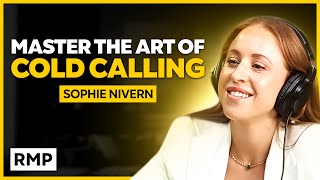
In this podcast episode, host Hishem Azzouz interviews Sophie Niven, a senior recruiter at 2B Talent Solutions, to explore practical strategies for business development and personal resilience in recruitment. The conversation covers concrete cold‑call openers and role‑played scripts, how to structure discovery calls and expand into new markets (UK, Germany, France), and the use of storytelling and social proof to win clients. Sophie emphasizes a growth‑mindset, sharing techniques for staying energized, handling rejection, and maintaining confidence. A substantial portion of the dialogue focuses on imposter syndrome, especially for women in a male‑dominated industry, highlighting the importance of preparation versus perceived skill gaps, the value of supportive colleagues and mentors, and the need to speak up and advocate for oneself. Sophie also discusses the broader shift toward female empowerment in recruitment, encouraging women to claim their worth, act as role models for the next generation, and move on from unsupportive environments. The episode blends actionable sales tactics with personal development insights, offering listeners both a playbook for cold‑calling success and a mindset framework to overcome self‑doubt.
Chapters
When I started in my job, I had the pleasure of sitting next to James. I used to put my phone and press record, and then when I went home at night, I used to listen to it, pause, listen. You know, I think the most powerful question you can say in recruitment is why?
Welcome back to another episode of the Recruitment Mentors podcast. I'm your host, Hishem Azzouz, and on this week's episode, I was joined by Sophie Niven from 2B Talent Solutions. We're coming up to the 3-year milestone mark. So a nice opportunity to reflect. First year, 135. Second year, 175. And then you're hoping to get 180, 185. Sophie's energy is infectious. We break down her cold call openers, what's working for her, what isn't, and how she's gone about building markets from scratch in geographies where she doesn't speak the first language. Over the last 6 to 8 months, she's been building a name for herself in the French market. She's done the UK market. She's done the German market. There's so many learnings in here for any of you who are building a career in recruitment, how to go about building a brand, a reputation, and most of all, how to cultivate a positive mental attitude. I'm so excited for all of you to listen to this conversation with Sophie. You feel like you've had like a good like foundation to be a good communicator?
Yeah, I overtaught, and I think that's just set me up to how to enjoy.
Sophie, welcome to the podcast.
Thank you so much for having me, it's an honor.
Thank you for making the trip. Yeah, I appreciate it. Like I said, always enjoy sitting down with Northerners. I'm not gonna lie, my mum is from— well, from Oldham, grew up in Oldham, my grandparents are there, so I, I have— yeah, I love Manchester.
My mum's from Oldham, whereabouts? Near Shore?
Shore, yeah. So yeah, always grew up with my mum saying people were just so much more nicer up north, which I wholeheartedly agree with.
Yeah, when my mum speaks to her mum, she changes her accent from being like quite posh in Manchester like mine to like— she says, 'Mum, hello, Mum.' She changes her voice when she speaks to her.
So appreciate you making the trip down. I guess for everyone listening, let's, let's give them some immediate context on where you are on your recruitment journey. So you're 3 years in? Nearly, nearly.
Just shy of—
when's 3 years?
Very soon.
Okay.
Yeah.
When's very soon?
I reckon this week.
Oh really? Okay, cool. So we're like, yeah, we're, we're coming up to the the 3-year milestone mark. So a nice opportunity to reflect on, you know, the things that have been hard, what you've got better at. So the highlight reel, you let me know if any of this is wrong, okay?
Yeah.
First year, 175. Yep. Second year—
no, first year, 130.
Oh, sorry.
Second year, 170.
Sorry, sorry, sorry.
Okay, as much as I'd love to have done that.
Sorry, first year, 135. Second year, 175. And then you're hoping to get 180, 185?
We're, we're getting close to the 185, and I'm with my director James, we're like, right, let's get the 200, let's nip it in, we've got less than 6 months left.
Yeah, let's fucking do that.
Okay, let's do it. Can we swear on this podcast?
Best month today, 50 G's.
50 G's so far, might be changing, but we'll see. Okay, come on.
And then you've always done perm?
Always done perm, yeah.
And you've done— this is what I found super interesting, I was watching some of your videos, you've got your colleague who speaks French, you're like, introduce it like, bonjour, and then you'd be like, yeah, I've got this opportunity. I love it. So you've done UK market, Germany market, yeah, and then again, correct me if I'm wrong, past 6 or so months been just the French market?
Yeah, yeah, let's go.
Okay, cool. So let's start with this then. What, what do you believe are the common characteristics and traits of a top-performing recruiter in today's market?
I was really thinking about this and didn't want to be too generic with my answers, and I think just to be kind of clear, this is my first job and the only experience I have of what makes a good recruiter is people that I might have interviewed that have joined our business or that haven't, and then the people around me. I think first and foremost, like, you've got to be a good communicator because the way you articulate things, the way you pitch yourself, the way you sell, you know, a strategy or a job is important. The way that you— like, in recruitment, you need to make things happen. You You need to over-communicate. You need to give feedback. Sometimes it's not good. So, the way you speak is incredibly important, and it's the reason why people will work with you time and time again. So, I'd say that's number 1. I reckon second one is, like, having an ability to show up. It's hard, it's tough, and you, every day, just do the best that you can. Show up. In life, show up. For your family, for your friends, in recruitment. You know, and then I think, I didn't want to use the word resilience, so I'm going to use the word attitude instead, but my concept of resilience is everyone is inherently resilient. Life is tough, it's just recruitment will weed out the people that either are like that or they're not. I think in recruitment, people are, you're dealing with humans who are so unreliable and they're not data, they're not black and white. You know, they can be unpredictable, and you need to have a resilient type of an attitude in recruitment. And then passion. You know, when I started in my job, like, my director James and Richard, like, I'd never done recruitment in my life, but one thing I've always had is passion. Like, whatever you do in life, whether you're a bin man or bin woman, whether you're a CEO, do it with passion and have a love for it. And I think with the right mindset and the right passion and the right strategy, you will fly in life.
Yeah, I love that. I love— so let's just go here because I'm curious to hear your thoughts on this. You started with communicator, and whenever we've spoken, I describe you as like a great communicator. Where— how have you— how have you become a great communicator?
I owe a lot to my family. Um, my upbringing. Like, my mum and dad are both very successful in their own right. They've got their own businesses. My mum, like, she's just an incredible woman. I think everyone loves their mum, but— and everyone's like, my mum's the best, but my mum is the best. She's, she's got her own business, she's got a skincare business. She has always showed me to be respectful, speak up for yourself. You have, you have— you're worthy to be here. Um, and speak to anyone, whoever they are, with respect and, you know, dignity. And like, I— like, you know, one thing that I am not— you know, I guess it's like if we ever have an issue in the family or there's an argument, I'm like this with my friends, I always talk about it. I over-talk. And I think that's just— they've set me up to how to speak to people and, yeah, and communicate. I don't know if that answers the question.
Okay, so Clearly then you feel like you've had like a good like foundation to be a good communicator. Yeah, which not everyone has. So then how have you— just, just curious, just to, to start here— like how have you got better at it? Like, like for me, how I've— I sometimes I'm still— I can fall into it where I used to be very like speak quick, like I had, I had the passion and I was very much just I was just like that overexcited, like, salesperson.
Yeah.
But then over time, I've become just more like calm, collected. I pause more, I breathe, I, I try and really read what the other person's saying. And that's come from like the reps and, you know, reflecting on how can I be better. So I was just curious, like, if you've got that foundation, which is amazing and sounds like you're really grateful for, how have you then refined that? Because I'm sure you had like— when we'll go into it, but one of the things when I said, what do you think you're great at, what your peers would say, you said cold calling, like, you don't see— people don't think that if you're not a good communicator. So how, how have you honed that craft, you think?
The same way you have. You learn from people. Like, when I started in my job, I had the pleasure of sitting next to James. I know you've met James, been on the podcast, sat next to him. I used to get my phone like this and put it next to him when he was pitching businesses. One of our main clients is Adidas, worked with them for like 10 years. Didn't understand what they were doing at all. It was in the payments world. I used to put my phone and press record, and then when I went home at night, I used to listen to it, pause, listen, you know. I think the most powerful question you can say in recruitment is why, and listen. Like, people, when you're junior, you talk too much. Got this amazing opportunity, stop, let me learn about you, let me listen to you. and those responses will be things that you can use to your— in your power and your ability. So it comes from being surrounded by great people that are great communicators, like the team that we have. They're amazing, like amazing, and the way they speak is great. And we're not very corporate, and I've— I learned how to, how to do it from there. I learned being a little girl hearing my dad in the office you know, my dad's in the clothing industry, being on the phone like for hours dealing, pitching. That's where I get it from.
Yeah, I love it, you know.
So you find inspiration all over the world.
Yeah, I think what I love about that story is I can definitely relate to that. Like when I first started in recruitment, I always remember my, um, my, uh, boss, because it was a small team of us, there's like 6 or 7 of us. I sat down next to the founder I was really bad at asking a question and answering it. Like, I'd ask you a question and then sort of just somehow just end up answering the question because I thought I knew what you was going to say. So I know a lot of people can relate to that. So what I take from that is like being willing to like record things, listen to it back, practice yourself. Like, that's something I used to do, like actually practice how I'm going to say things is a great thing to do.
Yeah, just to interject there, one thing I'm good at, like when I was about to speak with you, we had our prep call, I was like, I need to see if I can have a bit of a joke with you. I need to see if I can find some form of a common ground, because once I can, that wall's broken down. And I think we got chatting and we're talking about going for a drink and the culture of recruitment, and then we got about talking about the beer Lucky Saint, and I was like, there we go, we found it. In recruitment, if you can find an ability when it comes to relationship, you call calling commercial leader, right, who's had so many of those calls. What's going to make you different? Find something on their profile, personalize it, get in there and find something that will make them laugh or it's relatable, you know. That's what I'm good at. I, I can speak, I can pretty much speak to anyone, and if I can make them laugh pretty quickly, I know, I know I'm in there, you know.
Yeah, should we get— should we get into that then? Because I wanted to ask you about first year, it makes sense too, right? But we've ended up here, so let's do it, right? Yeah, let's, let's, let's get granular on cold calling. Let's do it. Because I think— I don't know what you think, obviously you correct me if I'm wrong— but the types of people that you recruit are salespeople, or no?
Yeah, it's the go-to-market commercial function.
Yeah, but like for me, my, my personal opinion right now is if you're capable and willing to have the courage to cold call, build that muscle, you have a competitive advantage personally, because a lot of people aren't willing to pick up the phone, don't have, don't have the courage, right?
Yeah.
So let's go ground on this, and you can draw on maybe— why don't I, why don't I start with this? What do you think your cold calls sounded like early on compared to how they sound like now? What are the main differences?
Yeah, yeah. So my sales approach has changed. I think back in the day I would have, you know, um, so there's little things that I changed. So instead of me calling you and being like, hi, is that Hishem? I'd be like, Hishem? Okay, yeah, speaking. Excellent, Hishem, good morning. Lucky you, it's a Monday morning, you're getting a cold call. What a great way to start the day. Immediately laugh. Listen, my name's Sophie Niven, I'm a headhunter, this is a cold call, all right? But if you literally just got a few minutes, I just want to get a bit of advice from you. People love helping people. Um, you know, we won't go into the objection handling. I'm going into a meeting. I'm like, why'd you answer the phone then? Well, I thought you might have been someone for my kids. Okay, can I just ask you the question? And then we'll, we'll do that, you know what I mean? So don't sell immediately. Like, if you were a client and I was learning about you, I'm not going to be like, before I even learn anything about you, I'm just going to talk about myself and pitch my business. No, I don't really care. What they want to know is, these are the problems I have, what's your solution? So I used to start off with the pitch, so, and like, can I have 30 seconds of your time? It's Sophie, I'm a headhunter. And they're just like, no, and put the phone down.
So you'd say why? So you'd do all that and then ask for 30 seconds, make them laugh.
I'm telling you, it's the secret sauce. Um, when you say like, also Friday is the best day to do cold calling, you know. And at the moment in France, the market I'm on, everyone's on holiday, so in a great mood. Hopefully they've got an Aperol Spritz in their hand and they're like, go on, what have you got to say? You know. Um, but yeah, like, don't sell too quickly. Learn, because whatever, whatever the issues you're facing are, that will be the power that I have. I hear that you're frustrated, like, I understand you've been working with an agency and it's— you've been trying to fill this position for 8 months. That must be really hard for you from a revenue perspective, like, you must be losing a lot of money. Whatever they say, use it in your power and flip it back. Well, actually, you know, we have a 95% completion rate with all our candidates, whereas the industry average is 60. 'Oh, and how'd you do that?' 'Oh, it's funny you ask,' and then go in like that, you know?
Right, so let's break this down a sec. Okay.
Yeah, yeah, right.
Because, because, no, like, I know I can tell how passionate you are and I absolutely love this. So firstly, just interest, like, interested, like, con— the typical context of the people you're calling. Interested to hear that. Are you typically calling people that you know are hiring? Are you typically calling people that you found out are hiring through your candidate network? What's like the typical context of the people that you're calling out of interest?
So, go-to-market is pre-sales, sales, customer success, marketing, and partnerships. So, for example, just to make it easy, there's a business that I wanna get into, and I'll find the VP of sales in one of the locations that I cover, find his or her number, and then call, right?
Okay, so it's not necessarily your— because a lot of people, a lot of recruiters are mainly just doing BD calls to people that they know that are hiring, but you're just targeting people that are in your patch that you know.
I mean, I'm on my phone here because I want people to be able to look over this and stop it and just be like, right, I'm going to do that. Like, I'm going to fire some of the things that I do, okay, because I really enjoy the business development side. You know, once you found— like, after your first year, once you found your niche in your area, mine was you know, building out sales teams in France. Really enjoyed that. You, you get an understanding of the market, right? Who am I— who, who are my tier 1 businesses, the companies I really want to get into that are shit hot? Who are my tier 2 businesses that are still great but maybe they're quite big, maybe they have a big internal team, I probably might not be able to get in there? I know a lot of agencies work on it, tier it. And then from all these tier 1 businesses in your space— mine is like e-commerce and martech I'll then go through each company and I'll speak to candidates there. How many are open to work? If there's a lot open to work, I wonder why. Speak to them, find out. Okay, that's information. Cool. Speak to all the commercial leaders, anyone that's relevant, and start to reach out to them. And there's so many things that you can think of. Yeah, they might be hiring, someone might have left. You might also know that their chief revenue officer is open to work. Speak to him or her, find out why, and then do a reverse headhunt and send someone into him.
Yeah.
Or because there's such small businesses that we're working with, I've noticed that you don't have a head of solution engineering, a head of pre-sales, and I can see you growing your sales team. So when's that going to happen? And it's that detailed approach, and they're like, you've actually taken the time to have a look into the structure of our business and even foresee what you think we might need. That's a good recruiter, and that's why I, I get clients on.
Yeah, I love it. Okay, okay, that, that really helps then because you've got a targeted approach. Tier 1, Tier 2, love that. So let's just break this down then because I know there's things that you want to share and I think a lot of people could benefit. So I'm a Tier 1 client, you might have spoken to a couple of people in my organization, found out some interesting information. It might be that you're due to get funding, or like they've raised their targets, which means it likely means they're gonna need more salespeople, wherever it may be. Uh, let's just go through how you, how you're finding yourself, uh, typically get the most out of these calls. And right now, if I'm a tier 1 client, how are you opening it up?
So I mean, we're, we're in a successful place if I've got a meeting with you, first and foremost, because that's the hardest bit, isn't it?
So, well, we haven't got a meeting though. Oh right, so you found out information about me. I'm in your tier 1 list.
Okay, so you're the VP of sales?
Yeah, I'm the VP of sales. And you might— but you might have done what you just did.
Like, how do I get you?
So if you called me— yeah, we want to know how you would go about, you know, approaching that call.
Yeah, there's so many things. So a ballsy one— yeah— is there was a business that I spoke to the other week where I'd noticed that a lot of their team in France was open to work, and that's something that they can't see.
It's on LinkedIn, right?
On LinkedIn. And I called the VP of Sales, and also we, we work with a lot of businesses that are incredibly relevant for them. I was in a powerful position here, you know, I had a few legs to stand on, right? Called him up, I did my spiel.
What was the spiel?
What I said to you just before, like, how did you open up? So Um, I didn't— I was gonna say generic French name then, but I was like, I'm not gonna do that. Guillaume or something, it'll be okay. Um, you know, Sophie Niven here from 2B. Um, we're actually connected on LinkedIn. This is what I'll do. We actually connected on LinkedIn about 15 minutes ago, and you know what I thought I would do instead of like hiding behind a message and saying it's great to connect? I thought I'd give you a call. Your number's on your profile. And they're like, oh, thank you, Sophie, that's That's really nice of you. I appreciate that. Listen, I know you know the drill here. Like, you're a VP of sales, you've led commercial teams, you know this is a cold call, but I'm gonna ask you a really direct question here, and I hope you don't mind. Okay, you know, what is it? So we work with X, Y, and Z, okay? We've been doing this for 10 years. I know that we actually work with one of your direct competitors. We filled this amount of roles in this amount of time. So already they're like, okay, relevant talent, you know what you're doing, you've got social proof here. I, I've noticed that, you know, I don't know, half of your commercial team is open to work, and I've actually spoken to a few of them, and I know the reasons why they're looking to leave. And from a revenue perspective, that's not great for you, is it? And sometimes they can be like, whoa, Like, who are you to say that, right?
Yeah, I respect that.
I won't always do this, but this was a big company and I wanted to get into them. You know, the defense comes up and like, you know, well, you know, my team's very happy, thank you very much. And it's like, it's okay, we can resurrect this. But the average tenure now, like the industry average of candidates that are getting placed, is 18 to 24 months, and ours is— it's, to be precise, it's 3 years and 9 months, but it's just shy of 4 years. So, and also our time to hire is quick in comparison to other people. So you're saving a lot of time, you're saving a lot of revenue and money being spent, and it also means that the candidates are being placed into your business. There's a longevity which is less churn and less turnover. Which is a happy business, happy money, we're growing, we're flying. This is what I can do for you. And he was like, all right, let's set it up then.
Set up a meeting.
Yeah, let's do it. Because excuse my language, but I'm not talking bollocks. And that took me weeks of speaking to a lot of people within that team to get that information to be, you know, risqué enough to actually say it. I wouldn't always suggest doing that though.
You've got to really know. Yeah, we're talking— no, that's a great example because What I absolutely love about that— I literally did a post about it this week— like, I'm— we're in the world of training recruiters, right? So I often see things that recruiters do, don't do. And that example you just gave there, so many recruiters will not be using their track record or their company's track record to like back up what they say. So what I absolutely love about there is all of the reference references of like, hey, we've done this for you, we've done this for competitor, we've done this. I'm even going to give you some important stats that you should know about. Our time to hire is this, and these things. So many people don't do that, and they're so— I don't know if you had, you had that, you were approached like that from the beginning, or it's that's happened over time. But most people, uh, would approach that type of call to say, you should be speaking to me because I'm a specialist, I only speak to people like you all the time. Blah blah blah, and would never then mention like the social proof that you added. That's so powerful.
Health check on an account, basically. You're diagnosing the issue here, you know. And like, it's true, if, if there was like quite a few of them spoke to that, they've like, I've got an offer and I'm gonna take it. Like, people are genuinely leaving your business. Like, I can— what I can't do is I can't stop them, but what I can do is I can make sure that if you, if you partner with us as an agency I've got a pretty high chance of the talent that we secure in your business are going to stay. And I can, I can talk you through like how we do that. Um, a lot of that is our approach, our approach and methodology. Like, we're so detailed, we're like, we're, we're not corporate, we're fun to work with. Like, you can probably gauge what the team's like anyway. When we take a briefing, it's like at least an hour long, and it's not just learning the premises of a role, it's like understanding you. Like, if I was hiring for your business, like, I'm just gauging what you're like as a person culturally, what I think you would enjoy. Like, you know, you're a super sharp guy, you obviously, you want to have a sharp team, but you want them to be quite like kind of cool and, you know, and you start assessing someone from like a personality point of view. So we go through everything, make sure that we're super clear on what they want, and that's how we're able to get like the best talent. And that's why businesses like working with us, because we can get people that other businesses simply can't. Like, I don't know if I can mention the company's name, so I won't, but there's a company that we've just started recently working with in the payments industry, very well-known business. They've got their own in-house team. They use an agency on 3 sales roles for 9 months and they didn't place them. They've partnered with us. We've got like loads of people in the process. I think we're almost ready to give offers out, and I think we've had it for like 3 weeks, 4 weeks.
This podcast is proudly partnered with Vincere, the all-in-one recruitment agency software that over 20,000 recruiters trust daily. We're also partnered with the award-winning 1UP Sales, the sales and motivation platform that enables you to maximize the potential of your teams. We love partnering with both of these organizations because they share our mission in helping you get the most out of your people and your business. You can get exclusive offers because you listen to this podcast and get up to 10% off the usage price forever. Use the link in the show notes to get your hands on that. Let's get back to the episode. All right, cool. So now we went deep there, but like, let's fuck it, let's, let's just get into it. Like, because as you said, you've— you really enjoy the BD element, which I'm really getting, which I absolutely love. And I love all this stuff, and I know this is like such a common skill gap. So You just mentioned it there, spoken about cold calling. What I highlighted there for all of you listening is in your cold calls, talk about their problems, talk about them. Don't just call people up and talk about yourself. Couldn't agree more with that. And then also just love how you weaved in like all of the track record and the social proof, as you said. Again, if you're listening, like you, you need to make sure you're armed with that. Talk me through your sales process then, because that's what you was talking about, because I feel like that could be different and there'll be some insights in there. So talk me through then. You did that cold call, you shared that information, you came across credible, you shared some insights with me. I was like, fucking hell, this Sophie recruiter is totally different. Yeah, we book in the meeting. Like, what's your sales process? Do you do discovery calls and then you do— like, talk me through your typical sales process to take someone to becoming a client.
So, okay, so I've got you on as, as a client, you know, we've, we've agreed, are we working retained, we're working contingently.
Um, but how do we get to that point?
So, all right, so we've done the cold call, I've done my thing on the staff. Okay, so booking a meeting, and I guess you might call that discovery, you know, call. Um, it might be myself if I need a bit more weight because I am still quite, you know, relatively junior in the world of recruitment. I'll bring on my director for a bit of added pizzazz, you know.
Um, so how long is the meeting?
Well, I mean, it depends. Maybe Up to an hour, okay, maybe might be 30 minutes. It's— you do what you can with the time that you've got, okay? So I mean, I've got 6 client meetings next week, okay? So what I'm going to be doing is I do loads of research, right? When was it founded? Who's been the recent hires? What markets do they cover? What roles have they recently just hired for? What gaps can I see? Who's investing into them? Who else do I know that's investing into them? Is there any link there? Okay, great, go from there, okay? And I on my screen, two screens. I'm a big advocate of prep. Like, I've got all my notes.
I love that.
Okay, literally everything that I need to know. I'll even like, I'll look at their profile, and if they were like, I don't know, they were on the cricket team, or they played rugby, or they did a bit of lacrosse, you know, in France, I'll find that. And I'll, and I'll be like, start open, love it. Like, lovely to meet you again. No, we had that first call. It's actually great to see you on video. I've brought my director James with us, um, Listen, I just want to have a chat with you. I'm not going to do any hardcore selling on you. I actually just really want to learn a bit more about you and the business and the plans that you've got and how we can be of support. And listen, if this isn't right, no worries, no time wasted, great to connect with you. That's a big thing that I learned, which—
so you do that right at the beginning?
I even do that on interviews. Like, the first call I have, I'm not like, okay, so we're going to start our interview now and let's go. I'd be like, I just want to have a chat with you. Like, why are you open to work? What are the reasons for that? Like, what would be exciting for you next when you go into another position? What mission do you want? Where do you see yourself? What's going to make you like spring out of bed? It's a lot of like emotive words.
So, so what's the objective of that meet, of that client meeting then? So you've done your prep.
Yeah, get them as a client.
Well, them as a client.
So here, here are the problems, here are the struggles. That is the main thing. When I got trained with, um, Louise from like The Retain Search dig into pain, prod it. Yeah, make sure you know what that is because that's gonna be solution pitch, right? So there's loads of factors, and then I'll just find out what it is that they need, if I actually can be of help. And then, you know, maybe I might even pitch like the solution, get, get the deal closed, you know. Um, okay, it usually will work like that, and they'll be like, you guys seem great, Um, do you know what, we need a head of customer success. Um, brilliant. What, what stakeholders need to be on that briefing call? Get it closed, you know. You know, what's your rate?
We usually typically negotiate terms at that point.
Yeah, like, yeah, but it happens organically, you know. I'm like, what's going to be the next hire? I'm working with a business called Cobra, French Series A business. Um, work with Antoine, the co-founder, and that's literally how I did it with him. He's like, you guys seem great.
So on this call, because I'm curious, so like on that call then, like you said, you frame it up. The agenda is, hey look, Sophie, what I'm really keen to do here is understand a lot more about you. Yeah, I've done some prep, I've got some assumptions, but I'm really keen to, you know, hear it from you. And then look, if it makes sense to, I can talk a bit about how we've maybe helped companies like yours. But at the very least, hopefully, you know, I can be of service here in some way. We've connected, whatever, whatever that sounds like. But that's how you frame it up. And then like you said, I'm assuming then during that meeting you're prodding, you're finding out what problems they've run into, all of that. And then depending on what you find out, you're then going to go, well, look, from what you've shared with me today, this is why I think we should— I should talk to you about how I might be able to help.
Yeah, like storytelling is huge, I think, in sales. Um, you know, I might be like, if you can relate anything to a similar situation to someone else It's like if you're speaking to a therapist and, you know, they're like, I understand, I once actually had a similar situation, you know, this, this, and this happened, and this is how it made me feel, but this is what I did to make it better. Do the same in sales, you know. It must be really hard for you. You've worked with several agencies, you've been burnt, you know, the quality has been poor, you spent a lot of money, you've done retained, you know. Why do you want to do— why would you want to pay retained with me, you know, to someone that you don't even know you know what it's like. But, you know, for example, like, we worked with a business called X. They were reluctant to work with us. They'd been burnt before. It cost them X amount of revenue, you know, that they got lost. Um, but what we did is we did this, this, and this, and we actually saved them this amount of money. And instead of them— like, that business, the payments business, that took them 9 months, no hires, and we've boxed it off in a month. So that's a great way to close. Like, if, if junior recruiters can get into this storytelling mindset, that is powerful.
So then how— and then how do you typically like close out those meetings then? So you hit them with a story and then like— so yeah, then how do you typically close those out then?
Yeah, so I mean, there's— I, I think my, my approach is probably I'm I'm quite like organic with it all. So if they're just— I just— but how do you feel about it? Like, you know, do you think this could be a good partnership? And, and you get the gist. And the main objective is like, I need to have a think about it. If someone needs to think about something, you've not given them enough information, quite frankly. Like, if you— if someone says to me like, I need to have a think about it, either I've not done a good enough job explaining like what we do as a business you know, or maybe you do need to speak to someone. But I just will be like, excellent, I'm going to send you our, you know, terms and conditions. Let me know if you've got any questions. Let me know if there's anything unhappy about. That's when the objectives come, because they're like, okay, how much do you charge? 25% the first year's salary. Some are happy with that, some aren't. If they try and negotiate and whittle me down, I've got this, um, I've got this saying. I remember this CEO was like, it's bloody ridiculous that you charge 25% the first year's salary. And I was like, would you go into— can I ask you a question? Like, would you go into the Gucci store and ask for a discount? And he's like, well, no, of course not. I was like, why would it be any different with me? Like, what— we have an impressive track record. Like, we can— we, we do this incredibly well. You know, if, if you want Gucci, then if you want Gucci, but like, if you, if you are— and you all say, give me 2 weeks. If you're not happy with the way that I'm working and you're not satisfied, you don't need to work with me. And if anything, it is time wasted on my side, not yours. And I've never lost a client like from that, from that. Yeah, so that is a way I'll close if they're really reluctant. Give me 2 weeks, let me show you what I'm about. And they, you know, they like it.
Yeah, so they really like that. In terms— you were saying, um, in terms of the, the objection there, so if— because that is a quite typical one, look, we've gone through a lot, Sophie, and, you know, I need to think about this. How do you, you know, weed out the people that are just sort of fobbing you off out of interest then? Because I've definitely got my approach to that.
My favorite is like, how do I know that you're any good? You know, and someone says that to you, yeah, I'm like, do you know what, how do you? You know, it's— and if I— if a VP of Sales says that to me, I usually say the same reason that the person that hired you is like, you know what I mean? Because like a VP of Sales, what do they do? They do a pitch, they present their track record, they present their figures. Great. This— on paper they look great, but you never know what they're like until they actually start the job. So it's the same way around. I could be all talk, but until we work together, that's when you really see what we're about. Um, and we just don't lose clients. So it's more, it's more just like a trust. Like, I think the proof is in the pudding. If you're starting off in recruitment like I was, I had literally no experience whatsoever. Lean on your portfolio, lean on the, the numbers that you have. Like, you know, our candidates stay. We've like, we've got the facts and I present that and I, I don't know if this is like great, but I, I also have no problem. I think there's a question that you asked me like about my top biller kind of strategy, and one thing is being disciplined with the companies that you work with. You, when you're a junior, you like say yes to everything when businesses aren't that great, and I've stopped doing that. If you really don't like our approach and you're not going to trust me, then I don't think this is going to be a good partnership. But the clients that I won in year 1, I still work with them now. That's, that's how I got my top bill. Like, 200% of my target was with the first ever company that I ever signed.
So you've got better at walking away?
Yeah, like Craig Davies says, you've got to walk away.
Not working on shit jobs, or like not fillable jobs, or people that aren't willing to give you time, these things.
Yeah, that, that is so important. And I think junior recruiters have this blocker when it comes to senior work. They don't feel like confident enough, they don't feel worthy enough to work on it. But if you actually think about it, senior people, this is what I like to do, they're the best to work with. Bigger fees, predictable revenue, less likely to flake out of processes. When you place them, guess who they're gonna call to hire their team? You. And also, like, they're just great to work with anyway. Like, I will look through all my top companies, see what open-to-work senior leaders there are, work with them, nurture them, build out a list to prospect into companies that they want to go into. And they— what they start to see is like the level of service that you offer, and they're like, you're great. And if you don't place them at a business that you know, but you place them and they go somewhere else, they're gonna call you. That's happened to me so many times because the experience— yeah, I've just joined as Chief Revenue Officer, love the way that you handled me and everything, so let's have a chat. Great. You know, bigger fees as well. We're talking like £20K plus. That's how I've been able to achieve like the success that I've had, is moving away from junior, low, you know, like tier 2 positions, just because you're trying to squeeze them in, to higher value positions.
I love that. You love it, then. Yeah, I love how passionate you are.
I, I do. Like, I, I just love it. And I've— I work in a really great business and I'm very lucky, but You know, I am a very passionate girl anyway.
Yeah, no, I love it.
Just the way I am.
So curious then, because I'm sure again, because you've, you've really like, you've really highlighted here how you're just really committed to like, you are a great service and you've got, you can just tell how confident you are in your service and what you bring to the table. So I just want to ask like Did you, did you have that at the beginning? Confidence like that, just that the way that you're talking about your service and why I should partner with you, I can see that how that comes across. And I think as you're, you know, earning your stripes, that's quite difficult to have. Do you mean like the way that I come across, or so like in your first 6 months, how like was you still very much pitching for business the way that you came across then? Like what was you leaning on? Because you, you've got a lot more evidence now to go I'm, I'm fucking good at what I do.
I mean, you're seeing me in my third year, you know, like I've always, I've always been a bit like this. But my first year, I think like I was telling you that it was literally like James and Rick, the co-founders, Luke Woods, who's the longest-standing employee, great guy, shout out to Luke. Um, we had like one other guy who ended up traveling to like Australia and we still keep in contact with him. Then it was me, first female hire. Now the great thing about joining a startup like that is you get thrown into the deep end in the best way possible. Yeah, I'm sat next to James and he's like, okay, he's like, from the get-go, we're not a Hays, we don't have a full training thing, but I'm going to teach you how to be the best and I'm going to give you all the knowledge that I can. Poor man, I used to ask him a million questions, you know. And like, any advice to people starting in recruitment is ask questions, learn, Listen, like, all the people now that have started, like, we've got Juliette who's doing incredibly well, like, almost— she's going to be billing more than I did in my first year. She's sick. She's constantly like, can I just have 15 minutes with you and just get some time in with you? You know, like, be proactive, seek help.
So what sort of things she asking you?
What's she asking me? Um, how to give negative feedback. How to manage my time. It can be overwhelming. I just feel like I've got loads on, and I've got a few techniques. Like, people think I'm crazy, but I listen to brown noise. Listen to brown noise? Like what babies listen to?
Brown noise?
You've got like white noise. There's different frequencies. There's different frequencies.
Brown noise? What's brown noise?
Brown is like, like a low frequency, and I listen to that, and I'll be like, guys, I'm gonna just plug in. I need to do like 2 hours of searching unless it's urgent, you know what I mean? Um, and then there's like the Pomodoro, I think, hopefully.
Yeah, yeah, 30 minutes, 25 minutes.
Yeah, like I'm all about balance in life. I have never been an advocate— I don't think it's cool to like stay late, you know, like, or push yourself to burn out. I'm very good at balancing it. Work optimally, work efficiently. So work on a task. So anyway, just I guess to answer your question, like I just got thrown into it very quickly, um, and with a lot of support. I remember in my first week I was speaking to candidates, I was speaking to my first VP of Sales, and I was like, James, I'm speaking to a VP of Sales. And he was like, just another person. Just maybe instead of asking like, how come you're open, be like, what do you want your next mission to be? But speak to them how you speak to anyone else. And I speak to Chief Revenue Officer, I'm like, it's fine, whatever, people are people. So Yeah, that's probably how I built up.
No, yeah, I guess. And then, and just final point on that, just quickly, did they— did James and the guys equip you with like the data, the case studies early on?
Yeah, so James, James and Rick got Adyen, which is a huge payment processing business, um, then you leverage that.
Yeah, yeah.
So if, if all I did was looked at competitors of Adyen or, or payment businesses within that space You've got a real story to talk to them about. It's all you need, one, one business that you've had a good partnership with, you've done well with.
No, that— I just think that's the insight. That's, that's also where that confidence can come from, right? By being in a supportive environment, all these things. So you're talking about— give us, give us more the time management stuff then. If you have people coming up to you saying, oh, I'm really struggling prioritizing, you just said brown noise, you mentioned 2 hours, you mentioned Pomodoro Technique, how, how are you typically setting up your day for efficiency?
Well, great, you asked. So I've got— let me just get that on here. I've got my—
this is your day plan.
I've got like a bit of a BD plan that I do. Like, BD is a daily activity. It's like brushing your teeth. You need to be consistent on it every day. And if you're not brushing your teeth twice a week— why? Twice a week?
Twice a day?
What are you doing?
I love that. BD is like cleaning your teeth. Love that.
Cleaning your teeth. So if you think of a week, you've got, you've got your candidate side, you've got your client side. Okay, every day This is like once you're set up and you know what company is going through. Every day I do LinkedIn searching from the companies I want to get into, who is open to work, who has just joined, email them, make sure it's personalized. It's better to spend an hour sending 20 personalized messages than it is to just do a mass email and hope that it sticks.
My—
there's a little plug here— my email rate, so the average is 26%, mine's 46%. Let's go, let's go, baby! Right, so I'll do LinkedIn searching, check who's open to work. If you just spent one day— this is like a little tip I've got— if you just spent one day going through all the senior leaders that were open to work, interviewing them, and then sending a similar profile into their hiring manager or their boss, you will make like money. That is one tactic you can do. So LinkedIn searching every day, um, network with them. Always work with senior candidates that are open to work. Um, information— find out why people are leaving, why they've joined. That's going to be stuff that you use when you're actually trying to pitch to the company. Personalized content— oh, like, that is the thing I'm really passionate about. Like, some of the writing that we've got is incredible. We often get like, 'This is the best message I've ever received from a recruiter.' I can't stress how important that is.
People are going to want an example, mate.
They want an example.
People are going to want an example. Can you think of a lot like a— like, let's be honest though, look, I'm big into this as well. Like, I did a po— I did a post last week or this week. So Dunya, who's our SDR, like 7 weeks into the journey, like we've invested— I've tried to invest a lot in like our playbook and we're here to solve problems, all that stuff, right? And she's had responses from 2, 3 people already saying, this is— that was the best sales call I've ever had, that was the best message I've ever had.
Good for you.
I think that's great. Yeah, I think that's mega. But people want examples, right? But the reason why I was saying that was, unless you disagree, the personalization bit, the bit you change, is normally— you might experiment with the subject line, but then it's like the beginning bit, and then the other bit is like normally templated, or like there's, there's a core element to it. I don't know what yours is like, but typically it's the beginning bit that you're going to put some work into.
So there's a business that I want to get into. I'm not going to share the name because it's—
yeah, no, yeah, of course.
Um, but they've just— you'll probably be able to find it if I actually say this, but I'm all about giving advice, so it's fine. They're going to become like Forbes Next, like, you know, billion-dollar tech company.
Okay.
So I, I messaged the founder who I'm connected to, and I was like, am I speaking to like Forbes Next $1 billion like tech company?
Nice.
Question mark. Like, incredible news, so happy for you. So I try and find something that's cheeky. Like, one of— we've got one of the consultants called Sam Goodall. He is unbelievable at content. And like, he'll do things like, instead of doing private and confidential, he'll do confidential and private, comma, sort of, you know, just make it— and by the way, like, our audience are, you know, funky startups and scale-ups who, you know, don't like the corporate jargon. I was reading the other day that, um, this like per— this like recruit, um, candidate did a screenshot of all the emails I had of recruiters, and every single one started started with, hi, name, hope you're well. If you saw that, don't do that. So, yeah, okay, one thing I might say is like, you, superstar, um, you know, superstar candidate. Me, French recruiter, like with a sick face. Um, excellent, I'm glad that we've been introduced. Right, why am I actually contacting you? Well, I can, you know, it's your experience at X business that looks really interesting, but quite frankly, I don't know if you are a good fit. 'You look great. This is— I also am very transparent about the business I'm representing, the salary that they're offering.' Yeah, yeah, be open. Um, 'I'd love to have a chat with you.' And they're like, 'Best in-mail ever.
You've taken the time.' Yeah, I appreciate sharing that. Sorry, I'll call— I'll stop you.
I might have to edit that out, you know.
I don't know. No, no, you'll be fine. BD plan. What else you got going on there then? Yeah, what else is there to share on the BD plan?
Um, what else have I got? So, oh yeah, WhatsApp, multichannel. There's a company that is a top prospect for me that I've been trying to get into for ages, and I found—
I don't need the name.
I won't.
I was like, don't say the name.
And I just was ballsy enough to message the VP of Southern Europe on WhatsApp. Found his number and I was like, hi, name, Sophie Niven here from 2B Talent Solutions, principal headhunter. Hope you don't mind the direct approach here over WhatsApp, but I understand that you get absolutely bombarded by recruiters. I'm trying to cut through the noise. This is the businesses that we work for, um, I lead the French region, you've just started, let's talk. And he was like, you are the first person that has ever reached out to me on WhatsApp, let's have a call. Because if you can get me, I know that you can get people.
Yeah, let's go.
You should see my business WhatsApp, it's outrageous. Yeah, I do everything on WhatsApp, everything. That is the secret sauce to, to getting people.
Yeah, love it. What else do you do? Anything else to, to share that you feel has helped you, like, mentally then?
Oh, mentally? Well, I guess it ties into my passion for Olympic lifting, if that's what you wanted to speak about. Do you want to— do you want me to go into like, how do I keep a positive mindset?
Yeah, I think that— because yeah, I think that'd be helpful for people because I do feel like you come— yeah, like people are getting that from you, which is amazing. But I don't know how you feel, but some— I feel like sometimes people can feel like, oh, I just don't have that. Like, listen to this, and I just don't have what Sophie has.
Right, okay. So it's a hard question to answer.
What's helped you develop that positive mental attitude? And then we can go into like when you've maybe thought about quitting or you've had a major setback and what helped you in those moments.
So you— I am just very positive. I've been like this all my life, you know. I've gone through some tough bits like we all have, and I just don't quit. Like, you can literally bash me to the ground, to a pulp, maybe I might quit. I won't give up. It might be a little bit of a hindrance to me because I don't know when to give in, but I, I've got a point to prove, you know. It's hard being a ginger girl, you know, growing up, right? You know what I mean? Like, I'm tough, my mum's tough, it's the way I've been brought up. So there's that, like, it's just the way I am. But you know, if you, if you like my God, the first year I was in a constant state of being overwhelmed constantly and like being out of my depth. And, you know, like imposter syndrome was real. You know, I, I can't be doing this. I can't be pitching a retainer trying to get a lot of money from a business. Like, what am I doing? But you've, you've got to— outside of work, you've got to work on yourself. You've got to understand your value. You know, I was nervous for this today. I've got 2, 2 and a bit years of experience. Like, what am I doing here? But, you know, I love what you do. I'm excited by it. And I know, you know, the deal with recruitment, and it's fucking great to be on here, do you know what I mean? So it's just my mindset. But training has been like the best thing for me ever. It's the one thing in my life, um, exercise that I've kept consistent that has pulled me through. Dark times, great times, whatever it is, is training. Why?
It's like, why, why does it help with that though?
Well, I don't know why it helps with that. I'm sure there's scientific reasons for it.
Well, just like your experience, like I've got my own thoughts on that. Like, it's just like how it— why, why you believe it helps you.
Yeah, with that, everyone, everyone has a vice. Everyone needs somewhere that they can relieve stress. Some people it's alcohol, some people it's drugs, some people it's whatever. For me, it's exercise. Like I do Olympic lifting and it's very intense, hardcore, heavy lifting, and it suits my personality well. Like the job I do, you know, you're like, let's go, let's go, buzzing all day. Like there's no chill day in recruitment. When I get home and I decompress, I decompress in the gym, you know. I physically can't think of anything else because it's, you know, I use my brain a lot when I do my Olympic lifting.
It's to be present.
Yeah, I've got to be present, you know, and I'm very good at— I'm lucky, I'm very good at switching off. Like, I can get home and be like, I'll leave that because I guess my brother's a doctor, right? And I've had the, like, the pleasure of living with him quite recently and like, he's got like people's lives in his hands, like real life and death serious shit. And then the day, like, it's— I can leave it and I will go back to it in the morning and it will be okay. Like, what's the worst that's going to happen? What is the worst that's going to happen?
So I don't know if that helps, but it's just good to hear how other people deal with it, right? And it's also good to hear that even though you're coming across confident, these things, that definitely in your first year you, you had that self-dialogue, like, who am I to be pitching for this 50 grand retainer?
Yeah, well, I still feel like that now. It never goes. Like, you feel like a bit of a fraud. Like, I didn't go to university. Um, my whole family did. I went off and lived in Australia for 4 years and like started my own social media business there. And you know, I've always been a little bit of a black sheep like in my family. And you either, you either use that to your advantage or you let it consume you. And I was just like, actually makes me different, you know. It's, it's okay to feel overwhelmed sometimes. Like, say to people like in, in the office, stop, take a minute, Go outside, take a few deep breaths. You've got this, you've got it. Let's go. Yeah, it's okay. I'm here, we're here to support you. You've got it. Your workplace is so important.
God, yeah, no, no, for sure. Um, look, you, you tell me then to round this out. I know we went ground on the BD stuff, which we wanted to do, right? We're never always going to be able to cover everything, but I think there's, there's so many helpful things there. You went into a lot of ground and things.
Things.
So let me just pass this over to you then before we finish. Like, you tell me your experience of being the first female in a business and also probably learning and understanding that you're also in an industry that is often dominated by men. Like, you tell me your experience.
I want to make sure I answer this well. I've got like a little portion here.
All right, talk to me then. I'm— I said, you didn't— I like— I'm very— my thing is like, I don't want to be like, oh, Sophie is a female, which means she must have had challenges, and it must have— but like, a female ginger, this is like, to you, like, you tell me your experience, which could help other, other people listening to this.
When, you know, when you are choosing a recruitment business, it's, you know, the industry is a lot of men, right? You know, when you, when you join somewhere, you will get a feel. I did 14 interviews before I chose 2B, and you are wanted, you know, as soon as you step into that door. Am I going to be respected? Am I going to be valued? Do my values align with them? Your workplace is important. Not everyone is going to be your champion, but you need to be around people that are supportive. Like, you know, James and Rick, like, they've, they've always pushed me to do things. Like, Niamh, you've got it, like, go and do it. They're my, they're my, like, my hype men. Who you surround yourself by in life and in the workplace, incredibly important. If you have people that are like, oh, you know, shouldn't really be doing that, or, you know, can I speak to someone else with a bit more authority? It's not the right place to be in. So there's that. And I think women suffer— everyone suffers, but women suffer with imposter syndrome. I shouldn't be here. I'm not experienced enough. I'm not confident enough. I don't know what I'm doing. My advice, if you feel like that, is people feel like that because they feel like they, they're not they don't have the information or the knowledge. So I felt like that for a long time, but it was actually because I didn't really know how to pitch the business very well, or I didn't feel like I knew a particular sector. So what did I do? I went and learned it.
Yeah, don't you confuse it with a skill gap.
Yeah, yeah, you're like, so if I was exceptionally nervous for this, it means I've either not prepared well or I don't actually know how to do my job. But I, but I've prepared well and I'm good at my job. Yeah, so I'm— I deserve to be here. You deserve to be here. Like, it's a wonderful thing. So there's that. Um, and I think— and just to kind of— as my last point here is the industry that I work with, I speak to like fucking brilliant women, like, you know, senior women, you know, investors, um, leaders that have got big teams, big P&L responsibilities, like it's happening. There is a big shift in this world. Like, we've got no time to be quiet as women. Speak up, say what you want to say. You know, I've always, I've always had no issue. Like, if, if somebody interrupts me, I will say something. Um, if someone speaks over me, I will say something. Have confidence, know your worth, you know, and be around people that, um, that are advocates of that. And if they're not, it's time to move. And it's, it's, that's, you know, just as a last, last finisher, I'm, I'm passionate to— please God, if I have children— I'm passionate to show my, the next generation, like, you can do whatever you want to do, and it's happening now. So come on, you know?
Yeah, love it. So it's been an absolute pleasure. Love your energy, it's infectious. Uh, keep being you.
Thank you so much for having me. I've honestly thoroughly enjoyed it.
More from Hishem




You don't need as many clients as you think to bill $1 Million A Year In Recruitment



From 30 Direct Reports to Back-to-Back $1M Years as a Solo Recruiter with Zach Creighton



