From Early Success to Sustained Growth: Sade's Recruitment Transformation
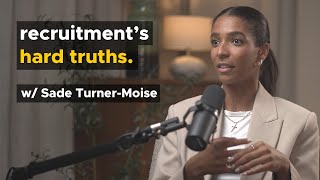
In this two‑part YouTube podcast, host Hishem Azzouz interviews recruiter Sade about his five‑year journey from early high‑earning bursts to a more sustainable, disciplined growth model. The conversation covers Sade’s initial rapid‑fire approach of juggling many roles, the market slowdown that forced a mindset shift, and the development of a systematic recruitment process. Key themes include the importance of personal branding (LinkedIn, podcasts), rigorous candidate sourcing, client briefing, and metric‑driven activity targets. Sade explains how he now focuses on deepening relationships with his existing network—people he already knows and has previously engaged—to secure higher‑quality “A” and “B” jobs, aiming to break a $400K revenue ceiling before year‑end. He discusses the challenges of building new cold‑contact lists versus leveraging warm contacts, the discipline required to prioritize fewer, higher‑value roles, and the upcoming Berlin trip to nurture known relationships. The episode also touches on technical screening, AI‑driven testing concerns, and includes a sponsor spot for Firefish CRM. Overall, the interview offers practical recruiting tactics, a candid look at resilience, and actionable advice for recruiters seeking sustainable growth.
Chapters
Shade, welcome to the podcast.
Thanks for having me, I'm excited to be here.
Obviously we've, we've known each other for a little while. Like, we— when I started my own business, I was helping recruiters build their personal brand. Like, Rob and Impala was like one of my first ever clients, like when you're based in Borough. So that was when I lived in the Borough flat, which was like 5 years ago for me.
That is crazy. I remember you came in and we had that room and we had sticky, like sticky notes all over the room and we were just like chatting the whole day.
So we've obviously known each other for a little while, we're just seeing the same before this, came to the very first, like, podcast event. So it's cool to be sitting down. Yeah, um, you've now got your own podcast as well. So yeah, there's a lot that we want to get into, but I guess, as I always do, just to give everyone, um, a bit of context in terms of where you are on your journey. So if I get any of this wrong, let me know. So you, um, joined the recruitment industry straight out of university, been at Impala ever since, and your world is the German market. Specifically tech in the German market. Um, and then The Billions history— let me know if I get this wrong. So you joined, so what, you would have been 20—
2019, June.
Yeah. So yeah, we joined in a period where it was getting like busy. I think we were saying before this, we're going to get into it, where looking back, recruitment almost felt easy.
Yeah, literally send a CV, get a deal done.
Yeah, exactly. So, um, so yeah, and that, that sort of maybe reflects— I'm going to go through this like first first full year, £360,000. Obviously it's all perm, isn't it, that you've done? £360,000, then £320,000, then £80K. So it's a tough year. And then I've got £149K here, and then like you've just did, had a £90K quarter.
Yeah, right.
So that's how that's looked. And then more recently you've been in more of like a client lead position. Yeah, you've been like an individual contributor for a good amount of time. You've had, as part of this journey, you have managed, mentored people. But right now in that client lead position, and we're going to sort of break this down really, this journey you've been on. But it's been 5 years now, right?
Crazy. I still can't believe it. Like, I thought I'd come in, I was doing an internship with Robin Avant for 3 months, and I've been here 5 years. Like, it's crazy.
Yeah, that is one of the really cool things about Entry, I think. But where I wanted to start, hopefully this doesn't feel like too painful, but As you know, when we prepared for this, I think there's a lot of people that will relate to this. There'll be a lot of people that are no longer in the industry because they went through this. Yeah, but there's a lot of people that would have joined the recruitment industry over the last 5 years and joined in that period where, yeah, like you just said, like recruitment almost felt easy. Um, they had a really solid year and a good amount of money, and then over time it's just got more and more challenging. But what can happen is you're looking at your performance and you're looking back and going, hang on a minute, why am I getting nowhere near the numbers that I did when I first started? So I think where I just wanted to, to start is that in your first 2 years you've had some of your best performing years, and then we're now trying to get to the point where we can top that, right?
Yeah.
So I guess how— let's just start with like, how have you learned to deal with that, right? Because I'm sure you've gone into, you know, these years and been like, right, I'm gonna have a really good year And then unfortunately, up until now, it's like, shit, the first year in recruitment is still my best year. Yeah, I've got all this experience, I've got better, I know I've improved, but statistically that first year has been your best year.
Yeah.
So just talk us through how you sort of manage that, how you feel about that, because a lot of people that would have tapped out and left the industry.
Yeah, I mean, yeah, it's— I mean, what a whirlwind, right? I think I saw— I joined and there was people that were leaving when it was good, so let alone when it's kind of turned bad and I'm still here. I think for sure, like, I think you've had to be really resilient. I think it's not something which you either have or you don't. I think you can definitely just learn to be a bit more resilient. I think that's one thing I've learned to be because you have to. You're either going to like sink or swim basically. And I think that in this market, I think I had to remain optimistic. I think honestly misery loves company, right? So if you get neggy, everyone's neggy around you. And I think that's one thing I had to just not get involved in. There were people that were being really neggy, there were people that were leaving, but if you kind of joined that boat, you were only gonna sink with them. And I think that's one thing I had to learn to kind of not do. I think I've always been quite a positive person, so I think that wasn't really the trick. It was more just kind of not getting succumbed into it. I think another thing was just like remembering why I joined the industry, which is like earning potential, fast progression. Like you said, that's not changed. You can still do those things. It's just doing it in a different way. Than what maybe you did in the very beginning. Not send a CV, get a deal done. So I think it's more about being adaptable and learning in the kind of changing environment that we're in. And I also think as well, I think what's really helped me in the last year is looking at the small wins. It isn't just like success, do deals, you know, good paycheck. Like, that's all great, and I'm not going to say no to all of that. But I do think looking at the small things which you didn't probably look at as a win before and thinking, oh, that's great. Like, let me just keep working at that, and that small thing will be a big win in the future. I think that's really helped, otherwise honestly everyone would have tapped out. Like, we wouldn't have an industry. I mean, people would still be here, but I think for people like me that joined when it was so great, it's not like that anymore. So you have to think about why did you join in the first place and why am I still here? And when you think about that, it's still the same, it just requires a bit more hard work.
Yeah, love that. What I can really relate to, it can be very easy to find yourself believing everything else that everyone is believing and pointing at as to like why things are bad. And like just getting that negative mindset, what were maybe some of the potential traps that you could have like fell into? Was it people going, oh, it's never going to be as good as it was? Or like, what were some of those things that you had to sort of avoid, or maybe even had to snap yourself out of because you started to go, oh shit, yeah, maybe actually it was just all luck in that first year? And like, do you know what I mean? Because you can— I'm sure there's been moments where you had to snap yourself out of, and just highlighting those might be helpful for people because they might be going through that now and You can very easily be influenced in that way if you start hearing, particularly when you're like building your career.
Yeah.
Like if you start hearing experienced people around you who are maybe a year ahead, 18 months ahead, who are going, yeah, this market shit, like it's going to be so hard to do deals in this market. You can so easily start believing that.
Yeah.
And that shows up in your work.
Yeah. I think one thing I learned to do is like complain outside, but when I get in the office, like it's good to go. I think honestly, if you speak to friends, like, that's fine. But once you get into the office, you have to be able to kind of turn that off. Otherwise, it'll seep into your work, it'll seep into your meetings, it'll just be, it will be in your brain and gross and everything. So I think, yes, you do have bad days, right? It's tough, it's stressful, it can be a lot. But I think I learned to just deal with that outside of the room. And then when I get into the office or when I am working, I'm getting shit done or I'm getting it done rather than like being quite neggy and being succumbed in it. Because you're so right, it's so easy just to kind of get caught up in it. But I think one thing, like I said, get in the office, just get it done. Like, whatever happens outside of it, you can't control. You have to just kind of control what you can actually control, and that's not the market.
Complain outside of the office.
Yeah, I just had to learn because my parents were like, what are you doing? I'm like, honestly, I just need to complain to you, and then when I get— yeah, just listen, just sit there. When I get in the office, I'm good to go.
Fair. How is that something you pass on to other people maybe that have come through in the business, you've heard them sort of just, you know, speak out loud, moan, be negative, and then has that just been like a quite good habit for you to sort of just be mindful of what you are saying whenever other people can hear that it could influence them potentially without you realizing? Just say these things outside of the four walls.
Yeah, I think especially when you've been in a company like I have for so long, there's people like that joining, and if you're then complaining, they're thinking like, why am I here if Sade is coming in and being like, I don't want to be here anymore, or this is so hard, what are we all doing? Then of course they're going to think the same. So I think it's almost like, be a bit delusional in what you're saying, but then everyone else around you feels that positivity, and then there's no need for any of the negative energy, because I do think that honestly could really bring you down.
Yeah, it's just going to make the job even more challenging, right?
When it's hard as it is, like, you have to almost like fake it until you make it. I'm going to do a deal. Like, how? I don't know, but I'm just going to get it done.
What about also, when we prepared for this, you shared, you were just quite honest with me and said, as part of this sort of early stage of your career, you found yourself sometimes having to navigate comparing how— I think it was like how much time and energy you was putting into your career.
Yeah.
Compared with your friends as well. Maybe you had to sort of deal with like, am I making the right decision here? Just talk to us a bit about that because I think a lot of people can relate to that as well. Maybe they're entering the industry now. Obviously you started straight out of university, right?
Yeah.
So yeah, some of your friendship group maybe didn't get straight into work like you did. Weren't earning the money that you was, and then maybe, I don't know, like, talk to us a bit about that.
That was a crazy experience. I remember that summer, and I remember, like, talking to my friend and being like, we, like, planned this amazing summer, we were going to go traveling, and I then spoke with my two directors, and I was like, this is what I want to go for. And it was like a 3-month internship, and I was like, I'm just going to go for it. And my friends, no, they didn't, you know, expect me to still be here, but they were like, oh yeah, you know, she'll come and have fun with us later. And I think I just got into it and I was like, this is great. Like, I can earn a lot of money. None of my friends are doing so, or not none, but not in that same level, so to speak. And I just really enjoyed the, like, you know, getting up and going to work. And it sounds really crazy because you've been at uni for like 3 years, but it was just that sort of experience. I was like, yeah, this is it. But yeah, I will be honest, that work-life balance that we talk about now was non-existent. I literally just engrossed myself in it and I was like, if I'm going to make it, I'm going to have to put all my energy into this. That was, of course, very tricky, right? Because, of course, you have people around you that maybe not doing that. You have people around you that are doing it and they're having a bad experience. So I think learning how to really balance between the two and look at what I wanted to achieve, and that wasn't going to be having a great summer, unfortunately. That great summer was 3 months long, yes, but now I'm looking back and I'm like, this was a great choice. I'm now in a really good position, in a really great company, and I think that I had to not listen to the outside noise and just kind of go for it. But that's hard, let's be honest.
Yeah, that's not easy.
Yeah, no, especially when you're just out of uni, you've been in education since you were like 5. I should have probably taken a break, or I should have gone on holiday, and I went for it and I'm really happy. But yeah, at the beginning it was like, all this talk about work-life balance now, that was non-existent at the beginning. Yeah.
Personal question, and if you don't mind me asking, how, just curious, because I've been on my own journey with this, that like, how many of those friends would you still like closer with now? Because I think that can sometimes be the challenge, is like, you— yeah, you're not saying that you don't want to be friends with these people anymore, but yeah, it's just like, look, this is my decision. I know like you want to go this way, but I'm going this way. But sometimes people can be afraid of doing that because they don't want to lose that friend or feel like— yeah, do you know what I mean? Like, how, how's that played out? Because you've come out the other side of it now, right? We're 5 years onto this journey.
Yeah.
And I'm sure you've now got friends that are going, you know what, like, fair play that you stuck to it. Yeah, you've reap the rewards of the hard work, the sacrifice that you put in. But in the moment, that is, like you said, people go, yeah, I'm sure she'll come back around, I'm sure she'll be traveling with us. But actually, that didn't play out. So how, like, are they— have you still got those friends that are still there? They come out on the other side with you?
Yeah, yeah, we're still really great friends. I went on holiday with them like 2 weeks ago. So like, it's, it's great. But I think it was more like, like how I would kind of respect their decisions. It was more like, you know, go for it. And then like, you're not going to not be friends with someone. It was a different sort of friendship at the beginning because, of course, I was just all, like, working all the time. But then, of course, now I'm looking back 5 years in and I've got all this time and all the kind of money to now enjoy the time that I now have, if that makes sense. Whereas at uni, like, no one really had any money to do anything, so what was I going to be doing? Let's be honest, I had to go and make the money to be able to enjoy now.
Yeah, no, I respect that. So how do you feel about those first 2 years then? Like, how do you feel about those first 2 years in recruitment looking back?
They were great. Like, honestly, if I could go back in time and like make more of that time— everyone said at that time like the market's never going to be the same, and I was like, surely not. Like, this is like— we, like I said, you send a CV, you'd get a deal done, and our average deal size was like 20K. So like, and that was like maybe the lowest, right? So you were making a really good amount of commission, a really good amount of money. Um, so the first 2 years was great, and I had— and to be fair, it's still, like I said, still somewhat the same, it's just a different way of working. But I think Yeah, in the beginning of my career, it was very much like a numbers game, like do more, get more. Very different now, of course. But I think, yeah, the first 2 years was just work really hard. The more you put in, the more you'll get out of it. And I think everyone used to say that, and you just kind of just did it and you got the reward of it.
Whereas right now it's not quite the same equation.
Yeah, I think it's very like, yes, you still get out what you put in, 100%. I think that's always going to be the case, but I think it's what you're putting in now. It's not just do what they say to do and get the results you want, unfortunately. I think now if I was like, when I am mentoring, it's a very different sort of conversation, maybe what I was having with my directors in the beginning, because you can't do the same. It's not gonna, it's not gonna work. You do have to kind of think about what you're doing.
What are some of the things that, like, obviously we're talking a lot about the market dynamics here, but there would have been things that you controlled that influenced how much you got out of those first 2 years, right? So what are some of the things that, if we're to get into the detail of like you being a recruiter, you've been in this a good amount of time now, what are some of the things that you think looking back you did well in those first 2 years that are still with you now, whether that be how you approached your searches, whatever that may be? Like looking back, what are some of the things that you think you did well? Because it wasn't all luck as to why you got those figures, right? You put in the hard work and you got the, the return. But there would have been things that you would have been great at or got really good at in those first 2 years as well?
Yeah, I mean, I think I was just very good at— I mean, I love a routine, so I was just very good at following a process that worked. And I was just really consistent in that, almost to the point where the change in the market threw me because I was so used to being quite rigid in what I did. And I think that was really hard to change, but I just followed a process. It worked and I stuck to it and I was consistent. Even in the first 2 years when I may have had a bad month, I still did the exact same work and I just kept at it. And then the results did come in. So I think that definitely really paid off because I saw it worked. I didn't try to change it and I just kept at it. It's changed now, of course, but I think just being really consistent in what works, you know, we're not rocket scientists, right? We are doing a good job, yes, but it's not something— we're not changing the world. So I think once you learn what works for you, stick at it and you will see the results because I think that's what really, really helped me.
Rather than chopping and changing?
Yeah, because I think whenever I did chop and change, it didn't work for me. So that— I'm not saying that's the right thing to do, but I think when I stuck to the process which I was given, I stuck to the structure, it worked, and it always worked. Maybe not—
It's a lot easier to say— it's easier to say to do that and actually versus actually do it in terms of stick to something that your manager tells you to do.
Yeah, yeah. But I think what— why I did it, because it did work. If it didn't work, I would have been like, what am I doing? Like, why am I listening? Yeah, 100%. But it worked. I got the results. And it was like happy days.
Yeah, we'll get back to the episode in just one minute, but today I'm excited to talk to you about one of our partners, Firefish, the recruitment CRM that accelerates data-driven growth. The problem with most recruitment CRMs is that they are just a database of records, meaning they become just one of the many tools that recruiters use every day. Like with all systems, the records are only as good as the data being captured. Our sponsors Firefish know that for agencies to win faster, data needs to be at the heart of their business, making your CRM the single source of truth. With over 10,000 records created and updated every day and 85% of placements from existing candidates, Firefish enables recruiters to enrich and engage their data, equipping you with real-time insights needed to win faster. To learn more about Firefish and take advantage of an exclusive Recruitment Mentors Podcast offer, Make sure you click the link in the show notes and mention the Recruitment Mentors podcast when speaking to the Firefish team. So should we get into what we want to go through? Because correct me if I'm wrong here, but in the, in that early period, you was really laser focused on like supporting on searches. Yeah. Versus going out there winning business.
Yeah.
Is that fair?
Yeah, 100%.
So yeah, we put here, didn't we, in terms of like, I guess, getting into some of this process, but We speak a lot on this podcast around the BD side, which we're going to get into, but a big part of what you'll still be great at now is the candidate side, the sort of delivery side. So I think this is always helpful for people. You're talking about your structure. So why don't we just take this through as a bit of an example? Because it might look a bit different now, but if me and you started working together and I gave you a.NET development role in Berlin, like your bread and butter, What, what's like your process? Like, how do we go from like there to you doing a really good job on the candidate side that you feel is going to help you go have a really good solid time to hire? Yeah, get some good candidates. So let's just break down that process a bit because I'm sure there'll be things in there that people can learn from.
Yeah, so I think firstly, like, when you had that first call, whether I was in that first call or not, we had a very structured way of working with our clients. And I think that then enabled me to learn all about the company, learn all about the company culture, learn, like, really about what they were looking for. And then, of course, I do my own research, right, to make sure that it all marries up. But I always found when I didn't do that and I didn't actually do my own research and learn, like, really about what they were looking for, I couldn't actually go and sell the opportunity, which I think is a massive problem.
It all starts there.
Yeah, yeah, yeah. I found that whenever I just tried to wing it, like, oh, let me just call this guy, always flopped. So there was no need for that. I always made sure I knew what the company were doing, knew about the culture, And that was kind of— that would maybe take a day, alright? You can't just go straight into a search and expect it to just, you know.
So what would be your, like, if— what would be out of interest, your, like, non-negotiables? Like, for you to be confident you can go to the market, sell the opportunity effectively, what would be, like, the non-negotiable information you'd have to have? Like, a bit of a checklist?
Yeah, yeah. So, like, the must-haves, nice-to-haves, right? So what sort of experience do they need to have? How much of that? Is there room for flexibility on the language? Because I think that, especially in tech, if you're quite rigid and like they only need to have.NET, your pool of people is quite small or whatever it is, right? So I think I'd always just look at, okay, what do they need to have and what are the nice-to-haves? The nice-to-haves I always found were quite like soft skills-based, like if they have startup experience or other aspects which you could be quite flexible on. And I would make sure that I knew like what does a perfect candidate look like for them? Once I had a good idea of that, I could then try and find that. And then of course, I honestly, every time I join a client call and I'm with someone else, they're like, here she goes again. Like she's gonna ask a million questions. And I'm like, yeah, it's almost unbearable. I mean, people are like, I'm so sorry. Like I'm gonna ask you a million questions. Please stop me if it's a lot. But I can't work a role if I don't know the ins and outs of it. And it is quite basic, right? Like must-haves, nice-to-haves. But I think unless I do know what they're looking for, I can't find. And that is just experience, language, like location. That's of course now a question, right, you have to ask. Is it remote, hybrid, all of that? Um, but yeah, unless I know all of that, I can't go and find that person.
Yeah, I think it's a great way to categorize it with your client because it's very easy for clients to put nice-to-haves all under the must-haves. I'm sure you've had that, right? So it's like, hang on a minute, yes, of course it'd be great if they had all these things, but what are the must, must-haves?
Yeah.
And what are the nice-to-haves? And that's just a great tip. Yeah, what would be the— you said you also like to do your own research. Why? Like, talk to us a bit about that. What would you like to try and find out that helps you, I guess, grasp? Because obviously you've only done the German market, so yeah, you go out there and get in front of people, build relationships, but a lot of the time you're going to be taking these over video. Yeah, not in their office, so you don't get a chance to sort of soak it all in, really taking the culture. So what are the extra bits that you try and find out?
I think definitely just like learning about how can I sell this. I think we work mainly with startups, right, in my market and in my company. So I think they don't have the big brand name, they don't have the big, you know, Google, Facebook, that's not gonna be the case. So for me to have to sell it, I need to know all about it. And that's things like, okay, what are the, you know, USPs about this company? What are the, how do they, what are the benefits? Like all of the aspects which I know an engineer's gonna wanna hear. I need to be able to kind of do that. And I think that probably came from, yes, the structure which we had at the very beginning, but also when I had rejected offers, like why did they reject it? What were the aspects which I knew that engineer needed to hear about? Or even not even a rejected offer, like if I was on the phone and engineer said, no, I don't like this, why? Like, what was I missing in that? Like, why did I not sell that to you? Yes, it's not, this is not Facebook, but I should still be able to sell you an opportunity for me to get that CV in front of the client. And I think that I can't do that unless I know all about the company. So I think it was like, what does an engineer want to hear for me to be able to kind of get a yes from them?
I think that's great, because by you doing that, you're also then going to be gathering some really interesting intel that you can then give back to the client, right? Yeah, 100%. In terms of, these are the most common reasons why people are going, sounds cool, but no, for these reasons. And you can give that back, right? In terms of like, these are the things that I think we need to think about or consider. If you really want to get the talent that have these must-haves, this is what they're all saying that they need and is important to them.
Yeah.
And that's where you can then do that consulting and that feedback, right? So it all starts, I think, absolutely critical what we're talking about here. There's no way you're going to run a good search.
Yeah.
And get great people involved in the process if you don't do this bit first.
Yeah.
Otherwise it's just going to be challenging. And I think that's where a lot of the sort bad recruitment practice comes when you're just speaking to people about a position which just isn't relevant. Yeah, that's so frustrating.
Yeah.
So let's say we've done that, what we're doing next, like, what, what does this process look like? Because I'm sure you're already with it.
Yeah. Next, so then I go to like our database and I look at people that I've spoken to before that could be relevant for this role. Um, I think that saves a hell of a lot of time because you can spend a lot of time actually sourcing for people that are actually on your database with a CV ready to go, with a number there that you can just quickly call. So I think I would spend a good, you know, few hours, whatever it is, putting people in a shortlist and thinking, okay, these people are going to be great. Of course, make sure they match the must-haves. There's no point sitting there and calling people that are actually not good enough to send. But I think that's really helpful because then you spend less time looking for people that are actually good. And I think that is always— like, some of my best placements have come from people I've already spoke to, and it saves so much time. It means you already know them, you've got a great relationship with them, and they know how you work, which means it's like dating, right? You go on a date with someone you already know, it's a lot easier. You go on a date with someone brand new, you're having to learn about them and all that. And that's how I look at someone you know in your warm contact list versus someone that you don't know yet that you have to try and get to know.
Curious then, how do you keep that list warm without them thinking the only time you speak to them is when you have a job?
Yeah, so things like just calling and having a chinwag. Like, I'm such a— like, I've got this guy who whenever I call in the office, everyone's like, oh, here she goes again. Really? Yeah, yeah. Yeah, he's like a standard person I would always call and check in with. He's great, but he's also quite talented, which means that whenever something does come up, he's going to be a great fit. So I think building that relationship with them and learning a bit more about their personal life, because then you can call and say, "Oh, I know you went to Spain last summer. How was that? I'm going there. Any recommendations?" And it's just then, it's not like, "Oh, hey, are you interested? Are you looking?" It's getting to know that person so that when you do call and you do have something for them, they're likely to say yes, hopefully.
How much of that equation now become also like the content you put out there and stuff like that? Because I know you've been on a good journey with that, you have your own podcast. Like, how much also do you think that's helped with in terms of keeping that list of great talent in your marketplace warm and not only speaking to them when you've got a job, as I said? Like, has that played a part, or do you see that as part of your strategy as well now?
I didn't at the beginning. I was doing it to kind of not do it, right? Everyone was building their personal brand, but now I definitely see the benefit. And now there's conversations I'm having with people about my content, which then makes it a bit more relevant, and you can actually have a conversation with them, and they actually see you as valuable when they speak to them. You're not just calling them to get their CV or to get something from them. You could be calling them, and then they're asking you questions based on your own content. And I also feel like it makes you look like an expert in what you're doing, which, yes, we somewhat are, but it means that they see you as, I can actually learn from you as well, rather than just, oh, here she goes again to tell me about a company that I'm not actually interested in. So yeah, definitely, like, I think that's been a massive benefit for me.
Nice. So go to that warm list. We don't try, we don't actually get, we may get one or two people, but you need more people than that. Yeah. What's your, what are your sort of typical numbers that you aim for? I know it will vary.
Yeah.
Because you might speak to like one or two people, like, they are like perfect.
Yeah.
But let's just say that you had people that were good, fitted a lot of the must-haves, but you felt like you wanted to add at least 1 or 2 more people. Like, what are typically the numbers that you look for that make you feel, I've got this covered? You know what I mean? You like to make sure there's at least 5 people in the process, or I don't know, how do you—
Yeah, so we, like, we own— we always share. It's quite rigid as well. Like, when I speak about it, it's like, this is weird, but we always send like 3 profiles a week to a role.
Okay.
Um, that's like been a rule since I joined.
3 per week.
3 per week. Yeah. It's almost to the point where it's like, if you don't have 3, you're like, shit, where do I find this person? I think that's really helped because I find that I'd rather get 3 interviews out of 3 profiles I've shared than 3 out of 6 because it means that I've done work that hasn't really turned into something which is beneficial. So I think however I get those 3 people is like—
That's just all you think about, can I get 3 people towards this job?
Yeah, but then also looking at the 3 you have and are they the best 3 you can get? Because I think I'm not just going to send 2 that are great and 1 that's not so great. So make sure those 3 people are great and they are all relevant and they are all going to get an interview. I think that's been my non-negotiable.
And how many, how many interviews do— I know again it varies, but on average, how many interviews you'd like to have that makes you feel like that job should be covered? I know anything can happen, but typically makes you feel like sleep okay at night, you know what I mean?
That's such a good question. So I think So if you send 3 a week, that's 12 a month, right? Let's say in a 4-week month, um, let's say 8 of those make it through to the coding challenge, 6 go through to the next stage. I would always say at a time at least 15 profiles in a process. And that sounds like a lot, right? Because then how do they—
throughout the entire process, you mean?
No, so like in, in a month, in a month's time. Because I think that's where if we haven't filled it in a month, I'm looking at why, and then I'm thinking, okay, what can I be doing better? What can I be helping the clients do better? Where, like, where are we going wrong? Um, and then that's when it was— of course, if I have more than 15, it's great. But I think if I have less, and I'm a bit concerned because I'm like, is it really gonna realistically— from 15, like I said, it gets lower as you get through the, through the process.
People typically— for— I'm just curious on the tech side, people, yeah, be able to relate to this, but how much of that 15 completely doesn't get past like the, the coding bit? Or is that— how does that work typically?
Yeah, that's, um, I think it really depends. So like I said, I think if you send 3 a week you get 3 interviews hopefully. Let's say 2 work out a week, so then that averages out— what, my math is terrible—
like 8 at the coding challenge, let's say. Oh, so normally it would be initial interview, yeah, then they'd be like, okay, we want to do a technical test. Yeah, they wouldn't do that until after.
And until that first— yeah, so I think again, that's a really hard, right? Because from a CV point of view, I don't know if they're going to be great at coding. You do, but you don't, like, because especially with coding challenges, they can be quite logical or like quite different. It really depends. Um, but yeah, that's kind of been my, been my numbers for sure.
Again, just interested myself, going a bit technical here, but how— because sometimes I'll see it on LinkedIn.
Yeah.
But like, how do you navigate people feeling like they're doing work for free? Is it just like, is it like just expected now that there should be a technical test?
Yeah.
But have you had to like advise on like when clients are taking the piss? Sometimes, because I've seen like people post about that.
Like, it's crazy.
Like, how— just talk to us a bit about this. I know there'll be a lot of, you know, recruiters that recruit in tech that can relate to this, but I just find it interesting.
Yeah, it definitely happens. I think it happens— I used to do a bit of like UX and UI design. It happens a lot there because of course that work can be used to build something or that product they're building. So I think I've seen a lot of— like, not a lot, but some companies saying they'll pay them for their work, um, that work sometimes. But I think for tech it's just expected. Like, you're If you don't want to do a coding challenge, a company is going to be thinking, why? Um, I've had to advise clients sometimes whereby the coding challenge has taken a week. That's ridiculous. Um, whereby they maybe do like a live coding challenge, um, that maybe takes 2 hours rather than a whole week. Um, it really does just depend, but I think it's just about actually advising what's best for that company. Like, if they're a big brand name, you'll get people doing the coding challenge. If they're a smaller startup in say Hamburg, in the construction space, let's say, typically for an engineer that's not really that exciting. So what could we be doing to make sure you do actually see them and their code without them doing a whole week's work?
And then final one on this, again, just personally interested.
Yeah, no, go for it.
What, how, how does AI fit into all this now? Like in terms of people leveraging that to pass these tests?
Yeah.
I'm sure that, I'm sure that's a thing, right? That's something that you're having to navigate or deal with or—
Yeah, I think it's more so at a CV stage. Like, we find— I've found sometimes a client, I'll see a CV and I'm like, this is not you, right? Or like, whatever, like, it just looks way too kind of fake looking. At the coding challenge level, like, it's so weird. There are so many situations I've found where like a coding challenge isn't done by the person which they—
Yeah.
Like, you can't really avoid that, right? But I think, yeah, AI is playing a part, but You can't really, like, fake it until you make it in engineering. Like, you're either going to be good at coding or not, so you have to just, like, be quite true to yourself.
I guess you get quickly found out.
Yeah, if you get the job and you didn't do the coding challenge, like, come on, that's also bad on me. So you have to kind of sift through the genuine people versus the not.
How do you feel about— last question— how do you feel about the sort of play that I've seen some recruiters do on, like, we learn how to code, which makes us better tech recruiters? How do you feel about that? I love it.
Like, yeah, I'm like, if I'm a Python engineer sometimes, I'm a JavaScript engineer, and I think it does, it helps that relationship so much. I mean, I'm not gonna lie and say I'm a coder, but I do think having a really good understanding about how they do it does really help, because engineers are so techie, they love to speak about it. Like, I had a guy this morning ask me, like, do you know what I'm speaking about? And I'm like, yeah, like, I do, but I'm like, I'm not an expert. But I do think it does play a massive part in just like building that relationship.
Yeah, fair enough. I wasn't sure what you'd say there because I feel like some people, other recruiters, can be quite cynical about that. Like, oh, they're only doing that because it makes them look good. But you're actually saying if you actually have some genuine curiosity about it, you sort of chucked yourself into it, actually you found it to be really helpful.
Yeah, I'm not going to sit there and code for the entire day, by no means, but I think that genuine understanding, or like a tiny bit, just helps that conversation. Even with clients, right, when you're trying to like get the role, or in the first conversation, right, if you've got a really good understanding about the tech, they think, oh, she knows what she's talking about, we're definitely going to work with her.
Fair. How— what have you found to be the biggest pull factors to— obviously we can keep it relevant to your, your world, but we can just speak in general. I'm assuming most of the time your placements are going to be with people that may not be actively on the job market.
Yeah.
So what have you— again, it will vary. You're saying you work with startups a lot of the time, so you haven't got that big brand pull fact factor that can help you, whether it be the Facebooks or whatever.
Yeah.
So what have you found to be the biggest pull factors in passive talent and why they would be interested in having a conversation with you? Because that, that is the biggest challenge.
Yeah.
I was recording— I recorded a training course yesterday, and I really like the way that he also does tech German marketing. He's like, he's saying how opening skills are more valuable than closing skills. Yeah, he felt so like if for people who can open up doors, open up conversations, if you can do that, that's like a huge part of the battle won because a lot of people can't even get that. So I guess that's what I'm curious to find out from you, like what have you found to be the biggest pull factors on like opening conversations with these engineers that, as you all know, will be inundated with messages? Like, talk to us a bit about that.
Yeah, I find that so funny because I had a guy last week who I placed and he said to me in the like the end of the call, like when I finished it was all, and he was like, oh, like I'm so glad I responded to your message, I was so I was so close to ignoring it because it was way too long.
Really? Interesting.
And I was like, thank God you did. Like, we're now here. I definitely think telling a story is so important. And that sounds like so cliché, right? But I think engineers want to see the impact of their work. Like I said, startups don't have the benefit of having a big brand name, a big company. Startups are hard to sell, I'm not going to lie, right? Because they're smaller, the concern about them going bust, all of that is really, really hard to kind of combat, especially when you've got the big names that are doing quite well. So I think telling a story is so important, and I think you have to do that in your first LinkedIn message or however you're approaching someone. That has to be quite innovative. Like, we say, oh, that's such a sexy message, like, I would, I would respond to that. Um, I think that's definitely helped me. Like, I read my messages and I think about the company I'm selling, and I'm like, wow, like, I've made that look great. And I think that's kind of what you have to do.
Um, that's interesting. Yeah, so it's actually you double down on this journey that this company is going on that you're working with and like what they're trying to achieve, their mission, the impact.
Even more so, yeah, the impact more, I would say, like what it is, like what's the real-world problem that this company is solving which this engineer is going to really relate to? Um, because like I said, engineers are getting so many messages that can just be quite simple, like role, tech stack, salary. Like, okay, if I get 10 of those, which one am I picking? So like, what, which one is, is an engineer going to respond to? It's probably likely going to be the one that is quite cool. Like, they can— like, environment, always quite cool, like a cool company to sell. AI, again, really, really good. So if you can manage to put that in your first message, you're going to probably get a response. So it's about finding the link between the company you have to something which, you know, an engineer is going to like.
And I guess that's the bit you've got to get good at.
Yeah. And that's, to be fair, that's been something which we've done from the very beginning. When I joined and our messages were like, like, so cool, and I'm like, how is this the company which we're talking about? And then I think once you've got someone on the phone, you can then— it's your job now to make it marry up. I also think, again, salary is a massive thing, and I think it's about having that difficult conversation in the beginning about the budget a company may have, and is that gonna actually entice an engineer? If an engineer's, like I said, got 10 messages and one's at 60K and one's at 80, no matter how good your message looks, they're probably going to go with the $80K one. So if you kind of get a good salary and a good message, you're off to a good start.
Yeah, you think they're like the, the key bits? If you only had those two, you'd be confident?
Yeah, because once you get them on the phone and they have an interview, it's now everyone's job now to do their bit. If you can't get them on the phone, you're not going to get— you can't—
that's what I mean. That's why the opening is so key, right? Yeah, these people get these people on the phone. Inter— interested then, what Has there been any, like, common trends on when people didn't quite get to the— um, didn't maybe accept a job offer or decided to go down another path with another company, and they said, look, these are the reasons why I'm going to go down this route, because, like, your opportunity doesn't have this? Is it— has there been any— I know it might really vary, but has there been any, like, common trends that you now feel like we have to have this, or like, this is going to be really important for people that I speak to? Like, has there been any trends that you, that you picked up on?
Yeah, like salary. I think that's it. Yeah, because I think as great as company is, and you might be doing all the, like, great things engineer likes, if you're not paying a good salary, an engineer will go with the one which is— not all the time, right? But I think most of the time, if the salary is high and it's a good opportunity, they'll go for it. Um, yes, there will be situations whereby the salary is in one company is high and they still go with the lower offer, and that again then would come down to, like, stability, you know, um, is this company gonna last? Like, it could be We found that in the beginning there was a lot of companies paying great, but then they were going to go busk a year later because there was no stability, there was no funding, all of those aspects which you can't really control. So yeah, I think definitely looking at salaries is going to be an issue.
So are they being paid fairly, basically?
Yeah. And also, are they being paid even to live? The cost of living in London and Berlin is pretty much the same. And it's about, actually, does that make sense? Is an engineer going to lead their company? They're coming in at 80 for 55K.
Probably not. Mhm. So yeah, whilst we take a short break, I wanted to take a moment to chat to you about one of our amazing partners, Sourcewell, the industry-leading recruitment engagement platform. I'm using myself and I don't know what I would do without it. From building personalized messaging cadences across a variety of channels to automating follow-ups and data tracking straight back into my CRM, it's really made an impact in streamlining my workflow and most importantly accelerating my sales results. My favorite feature by far is the live feed. By being able to see in real time who's engaging with your campaigns, it enables me to prioritize my outreach with the most engaged prospects, which helps me get way more out of what I put in. So I'm going to be honest, if you haven't got Sourcewell and you're a recruiter, I really believe you're at a disadvantage. To find out more and see the platform in action, make sure you click the link in the show notes and mention the Recruitment Mentors Podcast. Because you listen to this podcast, you're going to be able to get access to an exclusive offer: free 50 phone credits, 50 email credits, which is at the value of circa £500 per user. So make sure you mention the Recruitment Mentors podcast and click the link in the show notes. And then, um, what about then when it comes to— we've spoken about opening, how you've got better at that, or what you deem to be really important.
Yeah.
How have you got better? So let's just say I'm in your team and I've got really good at the opening part, but I'm getting people to the final stage and it's just, it's not— they're not closing, or I'm having dropouts. Like, where would you sort of first look in my searches, or where, where would you first look to improve if the first, you know, the last 3 deals that you put on the board, they all dropped out? Yeah, you're looking at your processes, like, where would be the first place there? Because I think That's where a lot of people struggle as well, particularly when they're building their careers or on the candidate side. Talk to us a bit about that, the candidate management piece.
Yeah, so I actually go right back to the beginning, um, because I think in that first conversation you have, you can probably get from a candidate what they're actually looking for. And there will be some aspects which you have and some aspects which the role doesn't have. And often when you do get to the end, it comes back to the thing that which they said they were going to be concerned about in the very beginning, which you then probably should have picked up on, like Yes, you may be able to kind of sell them against that, 100%, but if they're really concerned about it being a startup, you can't change that. So when we get to the final and they still say no, that startup piece hasn't changed. So I think really kind of knuckling down on what it is they're looking for, and is this role going to give that to them? If it's not, you've got to do a lot of work at the end, which could have been prevented if you actually found someone which did actually— was actually looking for what it is that company could offer. Of course, yeah, you can go back to the interview process, like what could the company be doing more, better, or what could you be doing more in that process? But I have always found maybe the last few dropouts I've had or whatever, it's always been that first concern. Yeah, that they raise, which you may have thought was not really a concern, which is probably a concern.
Yeah, or you're like, actually, nah, let's just get them in the process.
Yeah, like let's just do it. Like, they're great, they've got all these other aspects, but you deep down know they're not looking for a startup. Like, come on.
Do you like using the same framework on the candidate side of must-haves and nice-to-haves?
Yeah, yeah, 100%.
That would work quite nicely with that as well, isn't it?
Yeah, because like I said, if they said they're looking for a startup and the company you have is a startup, yeah, they're paying 100K, but if in the back of their head they're going to be concerned about that, that's going to hold them back from saying yes or no.
And then I guess it's having the courage and bravery to be like, you know what, I can put you in this process. However, the concerns that you've given me um, I think are still going to be there when we get to the end. So the last thing I want to do is put you through this process, you invest the time, and then you get an offer and you're like, no, because I don't want to take it. So it's also having the bravery to like say that to people and actually not put them in the process and say no, right?
Yeah, like if they say they're looking for $150K, they're great, but if the company are paying $120K, you know that when you get to the end someone's gonna have to compromise, and half the time it is going to be the candidate because the client sometimes can't unless they're gonna, you know, pay 30 grand more. Probably not going to be the case. So you have to be quite select in who you send at the beginning. There will be some outliers, right, that may work out in the end. You're like, oh great, this is like amazing. But half the time it is that beginning point that you would have been a bit relaxed with that you probably should have been a bit more strict.
Final point on the, the candidate side. Obviously you've got nothing to compare it to, you've always done the German market, right? But there'll be a lot of people listening that done the UK market, now do the German market, or just different markets, but What, like, how— I guess, like, just, just curious to hear how you feel about working in the market that maybe you only go there a couple of times a year, right? Like, how, how do you— how have you got better, do you think, at really grasping what it's like to be someone that works in tech, is German, do you know what I mean? Like, because that'll be a bit of a journey that you get better at that, like grasping what their commute might look like, like the culture of these businesses. So How have you got better at that? Has it been going over there, like, really taking it all in, meeting people? Like, just talk to us a bit about your journey there. I know you've got enough to compare it to, but just be interested to hear your sort of take on that.
Yeah, I think definitely, yeah, being able to get there, see the offices, meet the people actually face to face, because like anything, you speak to someone online and there's only so much you can really feel. So I think getting over to Berlin or getting over to Germany, speaking with the company, seeing the offices, you get a view of the area, right? Like, oh, there's a great coffee shop around the corner. Those things I think really do help you sell the job. But I also think as well, just speaking with people who are actually working there and learning from their experience, because especially in Berlin, people have moved there. So they've actually had the experience of being elsewhere, working in tech in another country, and then moving to Berlin. So what's their experience been like? How have they found it? Any kind of tips which you can give other people who are going to make the same move? And like really, really learning about the market you're in, like really becoming a bit more engrossed in it, asking the questions. And I think that's really helped me be able to kind of know what it is I'm talking about, because yeah, you're right, I'm not there. We go maybe once a quarter, which is still great to be fair, but it's— it's— you— I always find being face-to-face is always better.
Yeah, I think it will just really help you soak up that culture, speak to people about it in a bit more of an authentic way, and like just have more of those like personal conversations.
Yeah, 100%.
Yeah, talk to us a bit about this journey that you've been on then. More— how long have you been more on like the client lead side?
Yeah, so I think it's been the last quarter, like, solidly. Um, and yeah, we scaled down as a business, right? And I think everyone had to become hands-on, and that meant changing maybe the way we worked before to a bit more client-focused. Um, so I think, yeah, now we are all like— we went from having like— I think we had a massive cleanup, right? We cleaned up all our jobs. We looked at who we were making money from versus who we weren't. And looking at why we weren't. So we maybe went from having, say, 15 jobs. Like I said, everyone's kind of busy to be busy, right? We're working on jobs which you probably were never going to fill. So I think we cleaned them up and we looked at, okay, here are the jobs which I probably am going to fill based on our fill ratios and previous searches. And then we then kind of became quite, like, not vertical, but like, instead of actually working all JavaScript, I maybe was working, say, within a company instead. So if the company are looking for, say, JavaScript and a Python guy, I would then work on those two roles with that company, right, rather than just working on 15 different companies with all JavaScript. Okay, if that makes sense. Um, and yeah, I think that's been a game changer for me personally.
Really?
I think it's— yeah, it's—
what does it help with then?
Because I've been able to build relationships instead of, like, me working on roles which I probably was never going to fill based on whatever reasons I can't control. I've now been able to really look at, okay, what am I going to do? How can I do it? And then building that relationship whereby I can actually get it done and not just working on roles to work on them, actually looking at, okay, these are the companies which I know are serious. We've got the commitment, you know, I'm going to get the good people and then we'll go from there. The trick in that, I would say, is the hardest, not the hardest, but it's been about then you have A, A, B jobs, but they could still be quite hard to fill. So it's about then actually having that conversation with the client about why. It is harder and what could we do to make it easier.
You just mentioned, like, so you grade your jobs then? Yeah, just tell us a bit about that. Not everyone does that. Yeah, I'm a huge advocate of that, particularly if you're working continually a lot of the time.
Yeah.
So what were some of the— did it come from when you did that exercise, which I'd really recommend people do? It's a great exercise to actually look at, like, looking at the, the, you know, your 5 best spending clients this year. How did you initially engage with them? Was it a candidate spec? Was it a referral? Like, figuring that out, which is really helpful. How long did take is helpful to know. Was it— yeah, from the second call, did it take 6 months? Um, and then when you're then on the actual working with these companies, yeah, what do they have in common? Did they have a really compelling message? Um, and like, like you said, maybe we're in industries where people could really get behind, whether that be sustainability or AI, whatever. What were some of the trends that you saw?
Yeah, so I think, like I said, we've really had to clean up because I think everyone was busy but not actually doing anything, or not actually getting any results from the business we had. The A and B jobs were the ones which we had like things like term signed, engagement fee at the beginning. It could have been— there was various ways we graded them, but I think those are the main two things we looked at, or they were embedded. So we kind of were working with them, they weren't working with any other agencies, things like that. Once we did that, we were then able to see based on our previous kind of results, these are the ones which we can fill based on these you know, 3 things. So like I said, engagement fee, embedded or not embedded, term signed, weekly catch-up. Those are things which we like, non-negotiables. If they didn't, they'd be a C and D job and they wouldn't get our attention.
And let them know that.
Yeah, yeah, yeah. I think it got to the point where it was like we didn't even realize we were working on so many C and D jobs because we never really looked at them in that sort of level. Now that's really helped because we can actually see where we're going to get the results. And half the time it is literally bang on. Like if we don't get the results, they're missing the things which we would grade an A job.
Yeah, it's so helpful to do that.
Yeah, and it's something which we hadn't— we had done before, 100%, but we really kind of cleaned, like, like really, really knuckled down on what it is we were going to fill.
There's a lot of power saying like no. Yeah, to things, right, in terms of like jobs and things like that. Like, no, sorry, yeah, we're not gonna be able to work on that because of these reasons.
Yeah.
And like having your folks, particularly when you work contingent as well, I think they respect you more as well because they know—
they actually respect their work. So here's why they're not going to work with us. And I think for some of the clients which we were working on that didn't meet those requirements, they then met them. So then we then converted C, D jobs to A jobs, and we would then put all our energy in it and get the results. So it did really pay off.
Love that. What have been— has there been any like mental blockers, challenges that you've had to overcome or keep reminding yourself or work on? Because we hear all the time when we're working with companies, like the biggest skill gap is that business development piece, the new business. And oftentimes people start their career on really being committed on the candidate side, getting to know their market, these things, and then they sort of transition, and that can often be really challenging for a number of reasons. But oftentimes it can be a bit of a mental barrier.
Yeah.
How have you found that so far? What have you had to sort of wrestle with?
Yeah, I think the mental barrier for me was the numbers game that you were used to playing. Um, when you— of course, if you're working on less roles because they're now AB jobs, you're going to get them filled. It may take bit longer. So I think it became more about learning about the role, about how it was going to work, and being okay with that. I think that was my biggest thing. Sometimes the change, I was like, what's going on? Like, why? What? Like, why the change? Um, so I think mentally that was different, going from like numbers to like quality, um, which I think has really helped. But it was a bit of a mental barrier because I was looking at my numbers and my KPIs and being like, why have I only done this? Like, what am I missing? Um, and I think, yeah, once I got around that um, it worked.
And I got the results that are actually— that you're actually going to work with and actually get paid on because you fill in the jobs versus having more jobs live, but how many of those are you actually going to place?
Yeah, and having like a massive pipeline, but then the weighted pipeline of what you're actually going to fill is so low. I think that was quite like, wow, like that, that kind of difference. Once we kind of made that a bit smaller, mentally it was, oh, this is great because I'm actually going to make this from that. Um, but that was definitely— your pipeline got smaller and you were like, what's going on? Like, if my numbers were like that with a bigger pipeline, what is it going to be like with a smaller pipeline? So that change was different.
That makes sense. How— there still might be a journey, but like, how are you getting better at juggling, making sure that pipeline looks good, working the A and B jobs?
Yeah.
And then, yeah, maintaining that pipeline because that's hard. Yeah, do you know what I mean? So like, how are you feeling about that, that balance? Are there any sort of weekly habits that you stick to that you feel like give you the best chance of making sure that pipeline's always good despite having some solid A and B jobs that you're giving a lot of energy and time to?
Yeah, I think I definitely like weekly spend time looking at maybe the not A and B jobs. To be fair, we've now not like— if there is a D job, we probably won't work it, but if it's a C and we could make it a B or an A It's looking at those things, and I think weekly now I look at ways, how can I make this client an A job? What could I be doing? That is building a relationship, that is, you know, maybe sending better quality people. And then, you know, the weekly catch-up, which I've mentioned we have. With all of those aspects, it's honestly, it's still a journey, right? But it's about how can I make these jobs not a C job, and looking at things which we can change. Some of the things which we can't, we would then look at, okay, is it really worth it? But yeah, I think looking at things which we can change on a weekly basis, not like getting to 3 months down the loan, the job's not filled, and you're like, hold on a sec, what's gone on?
Yeah, fair. And then like, how— just curious, with the, the market that you work in, like, how much, how much of it is like spec-led out of interest? Like, you've obviously done— you've obviously really backed yourself on the candidate side. You've probably built some really good networks. You've got really good at building relationships. You go over there, you've probably got a good track record now, people that you can tap into, maybe get referrals, speak to, because you've been in the same market for a good amount of time. Just curious, like, how much of it is like spec-led to open up doors?
Uh, good. I would say very little, if I'm honest.
Really?
Yeah, yeah. I think, yeah, I mean, we get junk email all the time, right? I'm not saying my email is a junk email, but from like a client side, how many emails is this CTO getting on a regular basis? Um, so I think doing that and hoping that's gonna work is not working anymore. That maybe worked 2, 3 years ago, and you could send out loads of specs and get loads of jobs. That's not working now. So I think very little is spec-led. It's now about building those relationships. I really think, I keep saying it, but I think that's been the main difference for us as a company and also just for me. So I think, yeah.
So how have you, like, how have you got better at that? Because that's, yeah, you know what I mean, that's the hard part.
Yeah. So I think referrals, like I said, is always, is always going to be good. I think how we get them mainly is like giving a good experience. Um, if you go to a restaurant and you have a great time, you're going to tell your friend about it, or if you go to a bad one, you're also going to say the exact same thing. And I also think asking for that referral, you know, when a waiter comes over and says, can you leave us a Google review? Unless it's been really bad, you're probably going to do it. So I think just giving a good experience has enabled us to kind of really get referrals. I also think building that brand has really helped because people see you online and they're like, oh, I'm actually hiring, I should go to this guy, I should go to Sade. If you're not there, how are they going to see you? Because they may not see your spec email. If you do a spec email and all the other aspects, that I think has really helped me.
And it isn't a silver bullet, but wanted to ask, but like, how much— like, you know, you're getting on to nearly 50 episodes. A lot of recruiters don't even get to that point. Like, how is that— what have been some of the, the wins there? And I know this isn't the reason that you do it, but of course it helps with those things you're saying— build relationships, build brand. And it isn't a silver bullet. I think sometimes People want a silver bullet, don't they? Like, what is going to be the one way that I can just start working with all these clients that can give me A jobs? But what have been some of the wins in line with that, with the podcast that you've now been doing consistently?
So it's a conversation starter, and it's a different conversation starter than maybe another recruiter will have. And I think that's been the main difference. You can't— you have to stand out now in this market. I think that's been one thing I've learned. So I think the podcast is a conversation starter. It's— you can speak about topics which you may not get a chance to speak about if you don't speak with them directly. And I think that's been a conversation starter. Like I said, it's been, oh, I saw you were having this issue, here's an episode which I did about this topic which could be relevant. And then you speak with them and you get to know them. They may not be hiring right now, but they could be in 6 months' time. And I think that then has just really helped with building a bigger network of people that could actually be hiring. Sometimes it's not about who's hiring now, it's about who's going to be hiring in 6 months' time.
For sure.
Whereas a spec email is maybe going to get you that win today if they're hiring. If not, then what's the point?
What's been— has there been like a big win so far?
Yeah, definitely. Yeah, so we've got clients from the podcast, we've had meetings that we've gone to Berlin for from the podcast, um, and yeah, I think it's like, it's just enabled me to build my own personal brand. I'm not just posting about what everything everyone else is posting, I'm actually posting content which people can learn from.
Yeah, I love that, that's class. What are you really remaining laser focused on now or yeah, what are you going to continue to really double down on that you think is going to enable you to top that first year performance? Like, what are you— gosh, what are you just, yeah, trying to really remain disciplined on, be really focused with? Yeah, for the remainder this year or whatever year we're talking about, what do you think is going to really help you top that first year performance, do you think?
Yeah, so I think from a candidate side— and they're probably all into twymite— but from a candidate side, it's definitely just quality. Like we always say, don't send dross. and we now just don't send CVs unless they're going to be relevant. So I think quality on the roles you're working on and the quality of people you're sending is literally like my rule now. I will not just send to send, whereas before you would send and hope for the best, and maybe it would work out, but that's not working now. So I think from a candidate side, it's just quality and just make sure that you're sending great people. From a BD perspective, we're massively focusing on people we actually already know, and maybe less of the cold approach. I'm not saying it doesn't work, but I think for us, most of my wins have come from people which I've already spoken with, whether it's now or 6 months ago. My first retained client was someone which I worked with, I would say like 2021 in the pandemic. He left and started his own company, and he remembered me when he was hiring, and then it worked out.
That's the experience piece again, isn't it?
Yeah, yeah. But I think that also came from, like, I must be honest, I didn't speak with him for that entire time. Like, Yeah, I'll be honest, I didn't. But then I was always posting on LinkedIn and I had him connected, and he— I don't know how he found me again. He kind of approached me and that worked out. But I think, yeah, definitely just people we already know. And to be fair, we're going to Berlin next week, and that is based on people we already know and have spoken with. New meetings, I think, are great, but that may not give you that win for another year, right? So I think I'm now focused on people, right, which I already know. Which I can now build that relationship further.
Nothing is so good to highlight that because it's so easy. Even like on the candidate side, you can straight away jump to like, what new candidates can I get? Yeah, right. But the first place that you went to is like, who have I spoken to in whatever time period that have these attributes or things that I know my client, um, really wants?
Yeah.
But I think, yeah, like even, even for my own business, like there'll be— if you are actually disciplined with it, it's a, it's a great place to apply that focus, that time, that energy on people that have already got— have had maybe some experience, whether that be they had that initial meeting with you but nothing played out, or maybe you did work on a job but then they had to sort of take it away. That's just like a lot of people are always like, no, no, no. Yeah, but that's a great place to start, particularly when you're in the position that you are where you've been doing the same market for half a decade.
Yeah, and I think building a database and a new list of, of cold contacts is long. Like, it's it can take a long time. You might even find the number right. So there's so much that goes into doing that to not get any results. Like, I don't want anyone to think don't do that.
That's definitely not the case. No, I asked you what are you going to double down on that you think is going to help you break that 400K mark. Yeah, it's probably already sitting in your network. Yeah, but yeah, yeah, it's about being consistent with that discipline with it. And how many A jobs can I get from my existing network that already maybe know a bit about me, have had a good experience, have a good perception of in Parlor, like, rather than all of the new startups that don't know me yet.
Yeah, and that first bit of work is done, right? You've got their contact, you've got the relationship, you've got their contact number and all of that sort of stuff, whereas that could take ages to actually find and do. So yeah, that's going to be my main focus for the next month, 2, 3 months, because our year ends in November, so I've got, got some time.
Nice. Yeah, and then also I think combined with that, from what I've learned today, is then you're probably going to get there as well by working less jobs, but they're all— you're really disciplined with, like, they're all A jobs, A and B jobs minimum.
Yeah.
And that's hard. Yeah, that's hard as well.
Yeah.
But that's how it's going to happen as well.
Like, I joined the market, I remember one time I was working like 20 roles at once. Like, that's not like— and it was, and it was working at that point, but then if I look at the ratios back then, I probably was doing deals, but out of the 20 roles I had and filling, say, 2 or 3, it may have looked great because the numbers were great, but realistically, if I've got 20 roles and I'm filling 2 or 3 that's not great. I'd rather have like 8 and feel 2 or 3 or 4, and that is better, I think. Which again, it's really hard to— I've learned to now get used to that way of working.
Love it. Charlotte, it's been an absolute pleasure. Thank you.
Oh, thank you for having me. I really love, love, loved it. Oh, I can't even speak now. What the hell? Thank you.
More from Hishem




You don't need as many clients as you think to bill $1 Million A Year In Recruitment



From 30 Direct Reports to Back-to-Back $1M Years as a Solo Recruiter with Zach Creighton



