George Barnes, Do the basics really well every single day and you will become a top biller
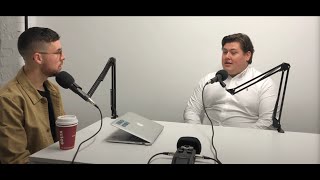
George Barnes built Hamilton Barnes from solo recruiter to 18-person team by mastering daily habits: clearing his inbox by 8 am, blocking time for sourcing with email off, and treating candidates with respect. He chose computer networking as his niche to stand out, uses SourceBreaker and Chameleon Eyes for his tech stack, and credits low-stress leadership and structured discipline as the foundation of becoming a top biller.
Chapters
It's Hishem Azzouz. Uh, we're in nice and early this morning. I'm with an early riser. Um, I'm joined by, um, George Barnes, who is the co-founder of Hamilton Barnes.
Morning.
Wonder where you got the name from. And, um, basically, George, as I was just saying, where I always, always like to start, uh, thanks for coming in firstly. Um, pleasure. Obviously gave me a lift. That's the first time anyone's done that. Yeah, I appreciate that. And, um, but yeah, so Where I always like to start is how, how did you, uh, get into, uh, the mad world of recruitment? How did that happen?
The very mad world of recruitment. So, um, yeah, a bit of a funny story actually. So left school, school wasn't really for me. Yeah, in the sense that I think school's fantastic if you want to go to university, you want to strive in those, you know, you want to, I don't know, potentially become a lawyer, you want to study something very specialist. Yeah, but I went to school and I just wasn't engaged. Yeah, um, in any way, shape, or form. Yeah, um, I found that school was sometimes quite slow. Yeah, um, I'll pick things up quick and then, you know, you'd be waiting for, for, for the rest of the, the class to develop and all that kind of stuff. Um, so left school with, you know, good medium grades. Yeah, I'd say. Um, started off— so the first— actually, I'll take it back a step. Um, I've heard of a charity called City Gateway.
Okay.
That are based in East London, which is where I'm from.
Yeah.
Um, Got on a basically a scheme to do an MVQ in personal training. Okay, bit random. I was a lot better looking then. I love that, which isn't hard. Um, and, um, I basically did the MVQ, uh, which, which was really, really good. City Gateway, great charity as well if you come across them. Um, and basically got a job working in a gym. Yeah, yeah, LA Fitness in Leadenhall Street. Okay, which is where I was working. So, um, Started off doing—
so this is why he was at school, or Stroud?
Just after I left. Um, and I was doing personal training. I quite quickly learned that basically the salespeople were earning loads of money.
Yeah. Um, oh, what, the people that you were training?
No, so the salespeople that worked in the gym selling memberships.
Memberships. Yeah, yeah.
Um, and I was a little bit unsure initially, but they were looking for salespeople, so I did some— I did personal training for about 6 months, and then I was like Oh, the salespeople, they have fun, you know, they have a good laugh.
And did you ever think to get into sales? I know, no, it just— yeah, never.
Yeah, I like people. I've always liked people.
You're quite confident, like, talk when you're going out, talk to people and all that.
Yeah, yeah, 100%. Yeah, yeah. And I think particularly with the personal training, you have to go up to people on the gym floor.
Oh, cool, mate. It sells. Yeah, yeah, yeah, 100% it is.
Um, and, uh, my first manager there, a chap called Chris Welch.
Yeah.
Um, He said you should do it, and I was a bit unsure because I think the thing was basically we— I was working as a personal trainer, they had a sales role. If the role didn't work out as a salesperson, they were going to backfill my personal training role, I wouldn't have a job.
Yeah, yeah.
So I was like, and then I just thought, oh, you know what, I'll do it.
Just do it. Yeah, yeah, yeah.
Um, so did it. That was really, really good fun. But I think the, the frustration for me, yeah, and what I also like about recruitment is every single month you start on zero. Yeah, that's sales. But when you're working in the gym, you're dependent upon inbound sales. So people walking into the gym, selling memberships, close them, or going out in the street. It was as raw as getting people's phone numbers.
Wow.
Outside the train station.
Great training ground for improvement, right?
Exactly. So, um, we used to stand outside Fenchurch Street station, really, pen and paper, trying to get people's phone numbers.
Wow. How's that? Oh, that'll tough you up a bit, wouldn't it?
I got a lot better.
Yeah, yeah, it's tough, isn't it?
Yeah, very hard.
Because like before, like I had a similar thing, but my experience was, um, we'll call it Mallorca, but it was Magaluf. And, um, I ended up working abroad there for 2 years running. And before that, again, I went to, um, school, college. And I was the last year of college. I don't know, was, was it— did you not go to college?
Yeah, I did like a few months.
Yeah, and then you were like, nah. Yeah, yeah, yeah. So I, yeah, I did, I did 3 years at college. And, um, because I was still like, I have no idea what I wanted to do.
Yeah, of course.
The last year I actually did a year of plumbing. Random.
Yeah, literally, which led really well into this.
Yeah, yeah, exactly. And, um, so I still had no idea what I wanted to do, so I was just doing the odd job. I was, I was, um, yeah, I was just doing the normal full-time— I think, what was I doing before I went away? Um, delivering pizzas at Domino's. That's what I was doing. Yeah. And then, um, went abroad and basically I landed myself a job pretty, pretty similar where I basically, I had to, um, sell tickets for an event and I made no money unless I sold tickets. I got €10 per ticket.
Perfect.
Pretty decent.
Yeah, never done it before.
Before, absolutely shit my pants every time I had to go up to people because I literally had to stop people in the street.
Yeah.
And say, well, trying to drum up conversation and give them a pitch. And I was so bad at it at the start.
Yeah.
But by the time I went home, I was decent and I was like, all right, sales is, uh, sales is what I'm up for. So, um, I can definitely relate to that. It's tough.
Yeah. There's very few people that go through the education system even aware of sales as a career, like full stop, which I think frustrates me.
I know.
Part of my—
because in my opinion Everything is sales.
Yeah, yeah.
Do you know what I mean? Like, you have to sell yourself on a daily basis.
Yeah.
To whoever that is, even if it's just like having, um, trying to build, um, friendships or relationships with people. Like, you have to try to let your mum let you play out. Yeah.
Or whatever.
Yeah, literally anything. Like, so yeah, I couldn't agree more. So you did that, that, uh, fair play to doing that. That must be tough. So you did— how long did you do that for?
Uh, a year. Okay. Um, then I like talking to people, like doing sales. I joined a few guys up to the gym, um, that funny enough work for S3, obviously. Okay. Um, which is natural because we were based on Lendenhall Street.
Yeah.
And Orgtel's offices were on Lendenhall Street, which is the brand.
Yeah.
Um, and whenever, you know, these guys come into the gym, they're really, really good guys. I got along with them really, really well.
Yeah, yeah.
They're always up for having a laugh.
Yeah.
And they always just coming really late, so I knew they worked hard, right? They'd always be in the gym at like quarter to 9. Yeah, half 8 and stuff like that. So get chatting to them, always have a chat with them when they're in there, help them like in the gym floor, have a laugh with them. Basically just used to take the mickey out of them every time they used to come in, which they loved. And then one of them, James Dimitriu, who still works, he works at Real in the US now. He said, have you ever thought of getting into recruitment?
And I was like, oh, that's it. As soon as you hear that, mate, I was like, what?
He was like, I was like, so there's a job getting people jobs? And he was like, mate, honestly, it's mental. And he was like, it's very—
how many years ago is this?
What, nearly 10 years ago.
Really?
Okay, so quite a long time ago. Yeah. Um, and he basically explained to me, gave me an analogy of, you've got, you know, X person— he used the analogy of a personal trainer. So gym approaches you because they're looking for a personal trainer. What you do, you can either go out and find the personal trainers using X, Y, and Z. Yeah. Or you get a really good personal trainer, you ring around all the gyms, try and get the job.
So pretty simple enough.
And I got it. I was like, all right, that makes sense, that's good. Um, He then put me in contact with my now business partner Nick Barker, um, who was director of Augtel at the time. Yeah, um, Nick was in the process of leaving Augtel after he was Futures, S3, Augtel for years and years and years. Obviously they'd had the success they'd had and things were changing and kind of wanted to start something new. So, um, I interviewed for Nick when he just joined Jam Recruitment. Okay, um, who it was at the time. And, um, it was a perfect time to get in because it was Nick— my memory's a bit patchy— what, maybe one or two other people in the office? Max. Oh really? Um, yeah, up in Holborn, uh, that's where their first offices were.
This is a real start.
Yeah, but they had a— they have an office in Manchester with 50 people. All right, they were starting up London.
Yeah, nice.
Um, so the chap that owns it, John, um, he— they'd worked together at Computer Futures. John had gone off and started Jam many years before. Yeah, but I'd never gone after like a London operation. Yeah, really go for it. Okay, so Nick was looking, perfect opportunity come up, and, uh, yeah, unbelievable. Great company. Yeah, really, really good company.
So how many years did you stay there? So you joined them, you joined them? Yeah, yeah.
3, 4 years.
Okay, so a real solid length of time in your first recruitment job, right? Which I think really helps, doesn't it, in terms of giving you that ground and that foundation to whatever you end up doing.
100%, yeah. And I think it— that was all down to Nick, uh, really. I think a lot of people join recruitment businesses and because the leaders they work for are very stressed, very high-strung, and natural, they've got pressure, you know, maybe the board, you're getting pressure to hit targets, etc., etc. Nick took all that pressure off the whole office.
Love that.
Nick was walking around really stressed, but he wouldn't tell anybody, type thing. So, um, no. No, so he was managing director of contracts. Um, and I think, um, I think what that then allowed to do is the people beneath Nick, i.e., me, I never at any point thought I was gonna get sacked. And that's the biggest thing, is the fear and the stress.
Why? How?
Why?
Why did you— why did you not think that?
I don't know.
Was he doing well though?
Yeah, right, right. I was doing deals. Yeah, don't get me wrong. And probably for the first year I was good.
Okay. He was all right.
I was, I was good. I wasn't amazing. Yeah, I wasn't rubbish. I was good.
Yeah.
And, and I think back, and partly the reason why, what I want to, what I do with all my business, yeah, is I don't ever want anybody to feel like they're going to get sacked.
Yeah.
I want everybody to feel, if you're working hard, I'll look after you.
Yeah.
I'll always look after you because you need coaching, you need training. That's my fault. Yeah. If you're struggling and you're working hard, it's my fault.
Yeah.
Basically, I need to help you.
Yeah. Now we'll uncover that because I think I think that that's the mind— that's more of a mindset that you're talking about, that you're, you're willing to take complete accountability and you're not willing to point the finger, which I think is the right thing to do, isn't it? So I guess what I'm always interested in, and I always like to ask— so you said you was good in those, uh, early days, but like, how, how difficult were those first 12 months? Because for me, I think that— look, only 1 in 3 people stay longer in, um, only 1 in 3 people stay longer than 12 months in recruitment. Yeah, yeah. And I think a big factor of that is what goes on in those first 12 months, obviously.
Yeah.
So what— how was that first 12? So you said that you never felt like you're gonna get sat, which obviously helped.
Really good.
Yeah. So you didn't— I guess you weren't feeling like enormous pressures and those sorts of things. You had a bit more freedom and those. So how were those first 12 months for you?
I thought about leaving quite a lot.
Yeah. Um, because I definitely did. Yeah.
Yeah.
Because when you just have loads of shit days in a row.
Oh yeah, yeah, yeah. I still have them now, you know, literally.
Why am I doing this?
I know, literally. Like, I think it was about 3 or 4, probably about 3 or 4 weeks ago Yeah, I'd like—
what was the moment where you nearly quit then?
I don't need to quit. So there was, um, so my first placement was complete by fluke. Yeah, the guy that I placed had come— I rung him on a Saturday. Yeah, commitment. I was in the office on a Saturday.
Love that, right?
And, um, I rung him on a Saturday and the candidate I rung wasn't looking, but their friend had retired 5 years before but was looking to get potentially out of retirement.
What?
I was like, what?
One of those, one of those stories you're not sure about.
The client was Volkswagen. So the vacancy—
sorry, was you doing permanent contract? Perm. Okay, okay, okay.
Um, I've brought into contract, but at the time, because, because the market and the way the financial crash— yeah, it just wasn't conducive. Um, and the chap that I placed, I placed him at Volkswagen. Yeah, which is a random customer to pick up your first client. Um, I placed him at Volkswagen and he was commuting 2 hours and a half. He was commuting from Newark to Slough every day from Nottingham. Whoa. And, um, the only reason he did it is he wanted to get out of retirement, and he was basically just looking to earn some extra money.
Yeah.
And, uh, Volkswagen gave him a car and a fuel card.
Oh, nice.
It was free travel.
Wow.
And he, he basically was like, I like sitting in the car anyway, I quite like listening to music, get up early. And last I checked, don't quote me on this, on LinkedIn he's still there.
Love that.
Um, so that was a bit of luck. Oh my God, you're buzzing, you think you're really good.
Yeah, because you— and then you think every placement— why can't every placement be like that?
Yeah, exactly. So I was like, oh my God, I'm really good. Obviously that's what happens when you get that kind of peak and you're like, right, I'm really, really good. And oh yeah, everything, you know, you've got the Midas touch, everything's all going really, really well. Yeah, my next placement drops out.
Yeah, so you offered him, you got— did you get a counteroffer though?
Oh, he just didn't tell me. So literally, I've done the placement, yeah, accepted, signed the contract. Competitor literally over the road, great. I'm still in touch with Kenneth now, he's a really, really good guy actually.
Yeah.
And, um, we all put that behind us many years later. And, um, and, uh, he took the job, accepted it, signed the contract, due to start, running about, oh yeah, I'm really, really good, really looking forward to starting. Just didn't turn up on his first day.
Wow, wow, I hate them ones.
Um, yeah, luckily, uh, it wasn't great with the— obviously the client, because they didn't use agencies very often either. Um, but I managed to flip them into a customer.
Nice, love that. So what, so what, what period— was there anything that literally you, you had to look in the mirror and be like, well, no, I've got to carry on? So like, what was there— was there a moment where you nearly quit in those first 12 months, or was it I think it was a lot of little bumps all the time.
There was a lot of—
it was constantly up and down, up and down.
It's one of these things, right? So the whole concept of recruitment is quite a hard thing to get your head around if you've never done it.
Yeah.
And it's just you've gone from— when I was doing the personal training, I knew what I was doing.
Yeah, yeah.
And then you go and work in industry, don't know what you're doing. Yeah, yeah. To a certain degree, you get your training, you get obviously your development, but there's nothing that can prepare you for when you're on the phone and the client says one thing and you go, what? What?
Yeah, that's what I think. That's— I think that's what those 12 months are for though, isn't it? Because essentially those 12 months— yeah, that's what I mean. Like, you can do all the, um, role plays, you can do all the training you want, but like, you— that— the best way— that, that's how my director got me to learn. I was on the phones the first day and— but just speaking to candidates. And then again, it would be— yeah, it'd be learning as to like how to— but as soon as you deal with one scenario you're then best equipped to then deal with that in the future, do you know what I mean? And I think that that's why, um, those 12 months, I think that if you're in a business where if they're just encouraged to take the right actions and do the right things and you're not worried about shit, I don't know, my targets, whatever, then they have a lot better of a chance of staying longer and being more successful. Yeah. Um, what was your, uh, training like then? What— so what sector did you— what sector was that exactly?
Same as what I do now, so computer networking.
All right, okay, that's good. Yeah, did you get training on the sector? Because you said you didn't really know what you're doing, but no, you said you just learned from the candidate.
So basically I joined.
Yeah.
And Nick was like, so you'll be the first person doing it at Jam, because they did engineering, uh, HR, aerospace. They did loads of different—
so you headed up the IT division?
Well, it's not that glamorous. Um, and, um, basically you could do it.
Yeah.
Um, go away, do some research this weekend, have a think about what you want to do in it. And I was, I was like, thanks. Yeah, so, um, so I sat down, I had to think about it, I looked online, I was having a look around, and obviously IT is a massive space. But particularly what I liked about computer networking is that it— particularly Cisco, which is the market leader in computer networking— they have certifications that would tell you as a recruiter what this person is specialized in and to what level. They graded like CCNA, CCNP, CCIE. CCIE is top, CCNP.
Yeah, there's no bullshit in that. Like, that's—
yeah, study material's got a lot better, so people can get certifications and have got skills in it. Yeah, but I looked at it and I thought, like, what Microsoft— every single person I see has got Microsoft. Like, they've got a couple of certifications.
You tried to look for a niche? Yeah, like, yeah, look for something different.
And that was the thing, I think, particularly I wanted to— I wanted to pick something that other people weren't really doing, and they weren't smart.
Yeah.
Uh, the tech— that technology powers the internet, which is getting bigger and bigger at the time.
Yeah.
And it still is. Um, and when I first started out, I was like, right, so I've got this guy, he wants like basically 70K, but he's only got CCNA. That doesn't really make any sense. And you can kind of piece the bits together.
Yeah.
If you, if you don't know what you're looking for, which when you start you don't, you can do your research and obviously ask people questions.
Yeah.
I found it was quite good asking candidates.
Yeah, yeah, you learn a lot from that. That was good. That was gonna be my next question, because the advantage I had was I worked in insurance and I recruited in insurance. Yeah. So that really helped me. But yeah, so, but there's there'll be a lot of people out there that go into an industry that they might just be slightly interested in, or they want to get into recruitment, and they ended up in a sector which they know nothing about. So I guess you— I'm sure you have people now that join your business that don't know anything about what you're talking about. So what's your advice for people to, um, the best way to, to get skilled up as quickly as possible in that, in the sector they're recruiting for?
So what I found is quite good. So initially when I joined, I bought Cisco Networking for Dummies.
Okay, so actually do the legwork and actually learning about your sector. You have to do it.
You have to do it.
Yeah, you should go out of your way to learn about it, particularly if you want to sound credible with senior stakeholders. It makes such a difference.
And particularly as well, recruitment gets a bad rap. Yeah, because a lot of people join and leave, and a lot of people's recruitment experience is of somebody that's got 3, 4 months experience that hasn't done the legwork. Yeah, so you have to do it. Like, more, more than anything, you'll get experience over time and the pieces will click together.
Yeah, over time.
But it's just being able to understand kind of how it hangs together.
It will give you a competitive edge as well. Like, if you— like, again, I reckon you'll have more of an idea than me because you're— you, you now, um, employ people for your business. But if you, if you generally, when you start, if you spend X amount of hours each week learning about your sector, I guarantee you the majority of people, your competitors, aren't doing that. Do you know what I mean? So like, it will give you a competitive advantage if you genuinely do really understand their world, and you can pick up on certain keywords and those sorts of things. And as you said it it builds that credibility. When you, when you're on— it definitely helped when I really understood insurance. Instant credibility for sure, because candidates and clients feel like, all right, okay, this, this guy actually understands what we're doing and what we're talking about.
I think that helped you stick, like, when you, like, in your first job, because obviously—
yeah, I mean, yeah, as in 100%. I think it just helped me, um, it helped, it helped with my confidence, I think, when I was speaking to people. Yeah, which helped. And then I think, um, yeah, I think people— I mean, I always said to people that I understand, I understand your world, I understand what you do. And I think that that matters because I'm sure there's a lot of recruiters out there who are just focused on if they have the right skills and not focused on if they actually understand that person. And if you actually understand the, the sort of, um, challenges that come with their job, yeah, there's a lot more to relate to and there's a lot more to understand. And you can actually draw on certain points which you can then use to say, well, I've got this company that actually that won't be a challenge there and they can help you with that. Do you get what I mean? I thought that would help a lot.
I think 100%. I think there's a few pointers for people as well. I think we have technical people come in and do workshops with our consultants, which is awesome. Like candidates and clients you've got on with for years and you explain the, you explain the benefit in them also. It'll only be an hour's investment from them, but if it then means on the flip side the consultants are going to find better people and the conversation is going to be more credible. You have to do that. And also as well, the end of the month, me and a few of the guys in the team are going to Cisco Live in Barcelona.
I think I saw your post on LinkedIn. Yeah.
So, but basically that's a massive, massive, massive expo they run once a year where basically everybody from the whole of Europe— they do one in the US, one in Europe— and everybody from the whole of Europe goes there. And we're going to be doing all the technical sessions as well. Really? Because we want to see what it's about. Obviously I've tempered it all and I've gone through it, but I want to see, so what experience do the engineers have? How does it work? Yeah, like, like, explain it to me, break it down for me. Like, you know, the people that be working at Cisco will obviously be dealing with really highly technical people, but I'll be like, we're not technical, but explain to me what's the benefits of it? How does it work?
And I think, I think, look, I think that's great. And I think we, we used to And then we used to get involved in those types of things in insurance. And I think at the end of the day, if I'm a— if I'm, if I'm, um, someone who's looking for a job and I'm speaking to someone who I can tell is actually, um, enthusiastically trying to understand my world, yeah, I'd rather work with someone like that, do you know what I mean? So I think if you're just sitting there just worried about getting placements and just worried about getting numbers on the board and those sorts of things, I think again it comes down to having a competitive advantage. I think that if I'm speaking to a recruiter who I feel like is just focused on getting me a new job, or focused on helping me get a new job but also actually having a real interest in what I do, like, I know who I'm gonna probably have a better experience with, you know what I mean? So, um, so how did the next couple of years go then? Did you get into management, or did you just continue getting better, or what, what was the, the journey?
So, um, so basically started off doing 360 from day one, which I don't recommend. I don't think it's the best approach.
Yeah, I just did candidates for about 6 months. Yeah, which I think is perfect.
Resource it then into to— yeah, 360, I think it's best. Um, so I did 360, um, and then basically was pulling more jobs than I could fill, which is a good thing. Um, picked up a specific area, mapped out the customers, um, went after it. Yeah, like in a good structured, structured way. And, um, yeah, then basically started hiring a team initially as kind of resourcer type, like—
so when did you start managing? So you had to get people under you?
A year.
A year, really?
Maybe a year, yeah.
Wow, okay, um, quite quickly.
Yeah, they were direct, like, in the sense that—
was you pushed to do it, or did you like—
no, I like, I like helping people, like, yeah. And I get along particularly— so James, who still works for me now, yeah, which is good, he's just in New Zealand. Hope you have a nice time, mate.
Uh, what is that, James Dean? James Dean, yeah, because he reached out to me. Yeah, did he? Yeah, yeah, good. Let's say about the podcast and stuff.
Yeah, decent. Um, great name.
Um, so he was one of your first hires?
He was my first hire.
And he stayed with you?
Still there now.
Love that.
Yeah, so, um, so yeah, and then, um, for me it wasn't necessarily about managing people, it was about making a band of people that all get on. And I like teams, and I like— yeah, even like last week, like, my team had a really— one of the guys that— well, it's one of the teams that works for me— have a really good week. And they were like, oh, it's going really, really well. I went, come here. And we just all hugged. Oh, I love that. Come and hug. And they were like, no, I don't want to hug.
I'm a hugger too, man.
I love that. I was like, all come and hug. They were like, this is weird. I was like, you love it.
I love that.
But that's just the way I am. I'm like, I'm really, really invested in like teams and people. And it was just like the kind of natural progression.
Yeah. Okay. So I guess as you said, because you started this sort of whole sector from scratch, you would end up getting a lot of jobs, and it only made sense. Well, hang on, I've got jobs. If I had someone just dedicated to finding people for these jobs, yeah, you're gonna obviously grow the desk and grow that part of the business, right?
Yeah.
Okay, cool. So, um, I guess— and then did you do that for the next 3 years, just continuing to build that team, or build, build, build? Did you always build? Yeah. Okay.
Yeah.
All right. So how, how, how was that challenge of hiring people then? What, what did you learn through that? Because I'm sure you had some, um, bad ones in there, maybe. I don't know. But what did you try and look out for? In a recruiter? Was it all non-experienced people that you got?
All non-experienced. Yeah.
So what did you tend to gravitate towards to make sure that they had to—
I think, I think particularly it was like key drivers and goals. Like, I, I need the people that join, I want them to have like a clear plan around what it is they want to achieve in, in their personal life.
Yeah.
Let's be clear, not in their work life.
Yeah.
What do you want to achieve in your personal life?
Because obviously what's motivating them.
Yeah. What's, what's motivating you? Like, where are you going? I want to see that they're methodical and that they've thought about that.
Yeah.
Um, also as well, I want to see that when I meet them, I want to see if I get on with them, because straight away— I know it's quite easy to say that, but when they meet a client or they meet a candidate or whatever, when they speak to people, a lot of the time you're ringing up people that know of you but they don't know you, and you haven't got a relationship with them, and you have to be able to build rapport with them quite quickly. And I want to know that when I walk into the interview— I'm a really, really friendly interviewer.
Yeah.
But I want to know that I could walk away feeling all fuzzy. Does that make sense?
Like, what do you mean?
Like, you know, like, so, you know, sometimes, like, I met a chap the other week. Yeah, a candidate. And straight away I took a liking to him, 100%.
It's a gut instinct you're on about. Yeah, yeah, just like, okay, yeah, yeah. You know what, I think it's that you've got to learn to trust that in recruitment.
I think it's partly because he was smiling at me the whole time. Even when he was talking, he smiled at me.
Yeah.
Oh, that's nice. It radiates, like, good vibes, doesn't it?
Yeah, definitely. Yeah.
And he listens, and the points he made were like really, really credible.
Yeah.
And he was just really polite and really nice.
Yeah, I love that.
And I was like, yeah, you're a people person straight away.
Yeah.
But then sometimes like I'll speak to people or I might meet somebody, whatever, straight away, because they said it gets my back up straight away.
Yeah.
Say something, couldn't you just go, no, I'm not sure? Yeah, yeah, straight away. So for me, yeah, it's the experience I get, this experience that I assume they would then project when they do the job.
That's fair enough. Um, yeah, that's fair enough. So, okay, so let's fast, um, forward a bit then. So, um, you didn't— then you obviously left there, what, 4 years down, down the road? So how, how long did you work in recruitment before you set up your own agency?
Uh, yeah, yeah, 4, 4 and a half years.
All right, okay. So then you went to another company?
Yeah, I went to another company. I went to another company for 9 months.
Okay.
Um, which just for me, like, at the time I know in hindsight I wanted to start my own company, but after being in recruitment for 4 years, yeah, I used to have dreams about it all the time, like recurring dreams.
Really?
Yeah, yeah.
What was the dream like?
To be fair, it's one of the things you can't really remember, dreams, can you? But it was one of those things I used to wake up really galvanised. I want to start my own company.
Really?
And it used to happen all the time.
Love that.
Um, like when I say all the time, I'm talking like twice a week, probably.
Um, and someone telling you, mate, someone was telling you you need to start something.
I know, exactly. Well, um, yeah, somebody, probably myself. And then, and then basically an offer come up to go and work for a business that was doing a similar industry to us. Yeah, but wanted to start a London operation type thing, you know. They had a couple of people under, but they were a German-focused business.
Yeah.
And I was like, that sounds like a fantastic opportunity on the surface, all look really, really good. It just wasn't for me.
Yeah, it just didn't work.
I shouldn't have done it. Yeah, in hindsight I should have done it. Like, it was—
yeah, but you learn from those things, right?
I learned a massive amount. I learned a massive amount about because I was sheltered, I think, from a lot of the, the realities of running a business.
And the previous kind of jam. Yeah.
And then the business I went to for, for 9 months, I started to understand, you know, more of the invoicing, cash flow.
Yeah. Because that's one of the things, isn't it, when, when people set up their own agency, they've just been billing normally that whole time. They've never even had to think about— not enough business. Yeah, yeah, it's not enough. So, so what— so you've been thinking about a lot, but was there any— what was the driver behind like wanting to start your own thing? Was it— yeah, was there any particular driver? What— why was that? Why did you have— because it's not for everyone, right? So—
oh yeah, yeah, like, um, I think one, like, I, I love my job, and I do love my job, and I've always loved my job. Even when I worked at the company and it wasn't for me, I still love my job. Yeah. Um, so I think it was part— I think it was partly that. I think I— the billings I was doing were very good, and I was like, do you know what, I think I can really, really build a business out of this, which is good. And obviously the financial benefits that come with that. Yeah, I think I wanted to make— the company I've worked at firstly didn't just do networking. That frustrated me because you wanted to really focus on your niche. I wanted to be a trusted brand. Yeah, you know, like if you want to go and buy a Ferrari, you don't go to Car Giant. Yeah, yeah, you go to Ferrari. Yeah, and I wanted to be a Ferrari-type supplier. Yeah, if you need network business.
Whether you really wanted to double down on like, I am, I am your guy for this.
Yeah. Like when, yeah, when you think of like, you know, really, really trusted brands, you know, like you don't say a vodka and energy drink, you say vodka Red Bull.
Yeah.
Because they are the go-to people.
Yeah, I know, you're right.
And you look at what they're branding around extreme sports and all this, it's perfect. So you're right. And that particularly for me is I wanted to make a trusted brand and, uh, I just don't know, I felt like the time was right. Like I'd I was with my now fiancée. Congratulations, Sarah, uh, recently. And, um, we, we were together and she was really my rock.
Okay.
And I felt like, well, you can't do our job if you haven't got a good personal life. I thought it would struggle, I think, because it's all like— and even Nick knows, I always talk about my chi. So like some days I come in, I just go, oh, my chi's not right, I'm going to have to go for a— have a cup of tea.
Love that.
And I just have to go in to sit, like go down, down the coffee shop have a cup of tea, then come back and go, all right, cool, I'm fine.
Love that. Like, and I think having her really empowered me because you knew if anything went absolutely tits up, I've got her and I'm sweet.
And it's— yeah, and also as well, it's like stuff to consider. We've been together now 6 years. Yeah, we never argue.
Really? Ever. You're lying.
I swear my life. Mental, mental, right? We've got loads of the same interests. Yeah, we're constantly laughing all the time. And we really get on.
So like, she's someone that you could really lean on if it got really bad?
And that's the thing. And I think, because particularly, I think it's important.
I don't think many people talk about that, you know.
No, no, no.
And they need to.
Yeah, because that's the thing. I think, I don't think I could have done it without her.
Love that.
Because you can't, because I think when you're at work all day, you know, if you're in recruitment, you know, we have some really stressful days.
Yeah.
Like bad days. Yeah, really bad days. And it's good to then be able to come home. She doesn't, she actually, her first job ever was in recruitment.
Okay.
She'd done 6 months, obviously. And yeah, she doesn't work in the industry anymore. But, um, but I think it's important that when you come home, she's really not interested in recruitment. Yeah, which is perfect.
I love that. No, I never talk about everything. No, 100%. No, you're saying it. So it's a bit weird because like I'm— I've got— so I've got, um, so I'm in a house share. Yeah. My girlfriend, who again knows absolutely nothing about recruitment, I couldn't agree more, that helps massively.
Yeah.
Um, but I've moved, um, so I connected with a guy when I moved up to London 7 months ago. There's a guy called Tom Cotterill. Um, he's a recruiter. He actually lives with me. So it's one of those things where sometimes when I get home, I am in the mood to like talk about recruitment and all what's going on, but then sometimes I'm like, yeah, I just, I'm just not up for it. Yeah. But so 100% get what you mean, definitely. And I think, I think that's great. So I guess what, what was for people out there who will definitely have certain fears around starting on their own, or they'll have that voice in their head going, no, you can't do it, you can't do it, like, what, what things were going through your head, or that— I don't know, did you— that you learned that hang on a minute, no, I can do this? Like, what, what was holding you back that actually when you got on the other side was like, why was I even thinking like that? Do you know what I mean? Was there any particular things? Because I think when we spoke you mentioned you was quite young, didn't you? And like, that was a bit of a factor. But I don't know, what was there anything else that was really going, nah, you can't do— you can't do this?
I can't remember if I was either 22 or 23. Yeah, so I was young.
Yeah.
Um, I think particularly it was having Nick as well So Nick's background has been director at, you know, top, top recruitment companies for, you know, obviously the likes.
I guess I've heard this a few times, maybe you agree, but if you have the opportunity to do it with like another person that like it really feels right with, like that's a huge—
very, very, very, very hard to do it on your own, I think. And I think particularly, um, Nick and I are very yin and yang in the sense that I'm very sales focused I'm half his age. He'll hate for me to say that. Yeah, yeah. Not that I look half his age, he looks about half my age. And, um, uh, so, and I think that, I think we balance out each other nicely because you've got age, which is perfect. So when I'm being too erratic, too energetic, he can pull you back, too aggressive, he can do that. But then again, on the flip side, then I can do the same with him if he's like, no, we've got— I'm like, no, we need to up the ante on this. Yeah, so that works quite nicely in that sense. And I think From a sales perspective, I love going out, winning new customers. I love looking after the customers.
You still billing?
Yeah, yeah, yeah, yeah. I love it. Um, can't help it.
Really?
Yeah, yeah. I should have got off the tools a while ago, but I'm just like, I'm like, no, just hanging on.
Just love it too much. Yeah, yeah.
Massively.
Fair enough.
Um, and, um, and Nick, I think particularly for the employees as well, we're like, we're like chalk and cheese. If you really like me, you'll be like, Nick, I'll take more leave, you know, type thing, like with different people. But if you don't like me, which inevitably you're going to get people that aren't, yeah, they'll really like Nick. And Nick's very like—
that's important to have that. You think that's really helped you?
Uncle Nick. Yeah, you know, if you ever got a problem, go see Uncle Nick, like that. You know, the amount of times that I, I've spoken to people within my business and in other businesses as well, like, just goes like above and beyond, extra mile, like kind of like coming to work last year and he was doing somebody's mortgage application for them, really writing out the form.
Love that.
And I was like, what are you doing in so early? He's like, mortgage application. I was like, really? That's class. But that's the thing, I think particularly because of the age of the people that often we hire, you need to support them. You need to support them outside of work as well, you know. It's not so good as just going, yeah, well, you know, basically we're just going to develop them and train them like you've got to help them. Like, stuff like moving out. Like, Harry, one of the lads that's worked 4 years now, he's worked for us. Yeah, helped him move 6 months ago.
Really?
Yeah, I went around his house, picked his bed up and put it in.
Yeah, I love that. Look, I think at the end of the day, I think whatever happens in his career, like, he'll never forget that. And I think, you know, I mean, I think for me, when I— so I joined a real small boutique agency and I sat next to my director, the owner of the business, who built throughout all the time I left. And I think, yeah, I love that. So like, if I was sat next to you and like I get contact with you all day and you actually own the business, you pay my wages, you pay my commission, I just think that— I don't know, I love that. I think there's really something powerful about feeling valued. And yeah, especially in sales, because like when you, when you do well, you get looked after, don't you?
Yeah, yeah, massively.
Um, one thing I wanted to uncover because you mentioned it sort of briefly was, um Like, as we've said, there's, there's some real bad days in recruitment, and you mentioned chi there. Um, like, what, what have you done that's helped, even as a business owner now, right? When you have a real tough day, what, what do you tend to do?
So I meditate every day.
Yes, yes, love that.
I do look a bit like the Buddha though.
How long? I love that. How long? That really helped me. So I've been meditating for about 3 years now.
So all this is breathing exercises, that's all it is.
Yeah.
And it's just basically just slowing down and just basically realizing that there's more to life than all the superficial stuff and just chill out a bit.
Love that.
Um, yeah, the bit—
the big misconception is that you sit down and you, um, don't think about anything. That's so far from what happens. All it is is that you, you basically— it's absolutely fine to think about work or think about something random, but the most important thing is that you then recognize that and you come back to your breath. That's what meditation is, you know what I mean? It's focusing on the breath and coming back to that.
Yeah.
So how has that helped you in recruitment?
Yeah, yeah, massively. So I think, uh, so there's a few things. Like, people that know me and work with me know that I'm very, very, very structured and that I'm very process-oriented.
Okay.
Almost a robot, really, potentially. Yeah. Which you wouldn't, you wouldn't think sometimes from salespeople.
Yeah.
But I think it's very, very important. Um, and like meditation as part of that is particularly when I get towards the end of the day and I'm really like, you know, really like, you know, like ready to go, which is sometimes just like just calms you down. Yeah, I do 10-15 minutes a day every day. I don't cross my legs, which is a common misconception.
Sit down?
Yeah, just sit upright, just chill out.
In your office?
No, no, no, no. What'd you do at home?
Okay, cool. Like before the day starts?
Yeah, yeah, no, no, because if I do it before, I fall asleep.
So you do it after work?
Yeah, yeah. So the problem was I used to do it in the mornings because you get so relaxed, I drift off a bit. Yeah, yeah, no, that's common. Um, So yeah, I do it, I do it every evening. And that's the thing, I do it between 6:45 and 10 PM. That is how structured it is. I'm like, literally, I was like, that's my meditation time.
Really? Um, love that, mate. But so how has that helped? Like, how is that— how has that helped you as a recruitment business owner, as— and as a recruiter? Like, how long have you been meditating for?
Right, so I was doing it on and off. Yeah, for 2, 3 years.
Fair enough.
I've been doing it solid now for a year, every day.
So yeah, how's that help you then? Let's talk about that.
I just feel better.
Okay.
I just feel better. And I think also as well, so just to give you an idea from a business perspective, um, we are 7 months into our financial year and we've hit our target already. Wow.
Okay.
And that was what we did last year. We've gone over what we did last year already.
Yeah. Yeah.
Um, only with a slight increase in headcount, not a massive increase in headcount. So I think it like speaks volumes for like the output that we've had.
Yeah.
Um, and I think it's just helped me be a better person, just more chilled out. And particularly because I'm, because I'm very particular and because I drive really, really high standards. Yeah, you get so uptight sometimes. Yeah, obviously people don't see that, but what it's done is just, it's just helped me to understand like there's more to life than like worrying about some of the way somebody's prepped a CV. Yeah, but there is more to life.
No, 100%, I think, yeah, what you're talking about there is perspective, right? It gives you some real perspective. And I think For me, in my experience, I think, look, when you're having those really bad days and you've got that candidate who doesn't turn up on that first day, what meditation really helped me with was that, um, as the exercises— you, you, you find yourself going something, you come back to your breath. It helps you to take a step back. Yeah. And it's very easy in recruitment because I've been there and I've had those days where the emotions get the better of me because you're dealing with people, you're dealing with other people's emotions, and like, why would that person let me down like that? It's very easy to get carried away. And I think that, that's what meditation really helped me, because I found it really difficult if I'm honest at first when people let me down. I was like, fuck, why would they do that? Yeah. And then meditation really helped me with that, to be able to take a step back. And that, again, I've mentioned it a lot, but that will give you a competitive advantage, because like the best recruiters will take that on the chin and go again, do you know what I mean? And just crack on. And it really helped with that. Um, So how many, um, what's the headcount now?
18.
18, okay, cool. So how have you, um, how has it been, um, building that, the culture that you want to— you seem very positive and you, you care about the people. So what, how have you built that and how have you, how have you got to sort of 18? Because that's the, there's 80% of the recruitment industry employ up to 9, uh, 8 to 10 people.
Yeah.
So how have you found that? Anyway, how's because that's a whole new challenge in itself.
Yeah, of course it is. Yeah, I think, um, we've only ever had 2 people leave, touch wood, um, which is good.
Um, good terms or—
yeah, yeah, one's good. One got headhunted by, um, by a customer.
Yeah, fair enough, happens, happens.
Yeah, and one was commuting ridiculous time, yeah, wanted something closer to home, still worked for us for 4 years.
Love that.
So, um, and I think, uh, so the biggest thing for me is growing the business is realizing— and it's only, only the last year I've realized this— you can't do everything yourself, full stop. Yeah, can't. You can't. Even though you'd like to think you can, you can't.
Yeah.
Um, so you can't do everything yourself. And I think it's hiring, having a stringent hiring process at the front end, okay, to save you the pain medium to long term.
Yeah.
And then the people that you do hire, genuinely believing that they're going to be amazing and really getting behind them.
Okay, type thing.
So I think when, when we got to like 10, 11 people, and this, what, last year, last roughly about 18 months ago, yeah, we hired— we, because we were like, right, we've got loads of customers, we've already broke the back of the market, um, we're doing really, really well. We, we panic hired. Not loads of people, 2, 3 people. Yeah. And that was the thing, because I was like, we've got so much work on. Yeah, we need to get people in. Um, in hindsight, probably one of the worst things we did.
So what did you learn from that then?
Interview a lot harder. Yeah, I probably shouldn't say this, but I did nothing wrong. I've done— so for the people we've just hired, so we've just hired another— hired one and hired two before.
Yeah.
Um, so the chap we've just hired, Harry— happy birthday, Harry, it's his birthday today— I'm happy with him tonight. Um, and, um, The chap that we've just hired, we probably did like 25 interviews.
Really? So make them jump through a few more hoops.
Yes. Yeah. And also as well, it's just like, so one of the best things I actually started doing is getting our trainees to interview people as well.
Really?
Yeah.
So it's giving them a bit of perspective as to what—
Yeah. So, you know, first stage, they speak to James over the telephone, James Dean, then they come in, potentially meet Nick and James face to face. Then they'd meet me and I'd be like, Sam, he'd be like, yeah. I'm like, do you want to interview somebody? He's like, what do I ask? I'm like, just tell me if you like them. Tell me if you're qualifying candidates all day.
Yeah, yeah, I love that.
Just tell me how you feel. And I think also as well, particularly what that's ended up when we have wanted to hire people, they've always said yes because they're like the trainees, what they say about the business. Yeah, but like the chap that we did hire had 3 or 4 offers elsewhere.
Really?
Um, my first job in recruitment. Um, and yeah, I think he's brought into you guys. Well, because, yeah, because it's— nobody can be a better advocate for what it's like to join a company and work there and the help you get than the people that have been there 6 to 9 months.
Yeah, yeah, no, 100%. I think, look, I think, look, Pete, of course that's effective because someone who's sitting there hasn't done recruitment can see someone in front of them that was in a similar shoes as them, you know what I mean? And they're going to connect with that. Love that. Cool. So what I'd like to dive into is some particulars about billing and being successful. Because as you said, you've always consistently billed, and so you're the top biller in your company now.
James is slightly ahead of me.
Is he?
Oh, we're not talking by a lot. It's a bit of a touchy subject, but thankfully he's on holiday for a month. Really?
Okay. So, um, okay, the first thing I'd like to ask, because I think you've got a good perspective now, um, so how long has your business been, um, going for now? 4 years?
4, 4 and a half years.
Love that. Okay, so what would you say is the most common habit, firstly, that you see that prevents people taking it to the next level? What, what would you say is the, uh, lack of structure? Okay, cool. And then is it— would you say then the most common habit that you've seen on people really excel is, is having structure?
Yeah, yeah. So the, the best biller that I, I worked with and, and ever knew, um, when I first ever joined Jam many years ago, we had a chat that worked for us used to do a million pound a year on perm.
Wow.
Mental, right? Like, you don't meet many of them. I don't know anybody else that's ever done it.
So why did you— yeah, let's break that down a bit then. What was the common things that you saw that I'm sure you replicate or learn?
I went and I literally went and he was based in Manchester. I said to Nick, I went, can I go and sit next to him for 2 weeks?
Really?
When I joined, yeah.
Love that.
So I've been there about 3, 4 months and I was like, he's obviously the best person in the business.
Yeah, yeah, yeah. Basically the right mindset.
Yeah. Can I go and sit next to him?
What are the common things that you saw then? That's interesting.
Right, so there's a few things he said that really, really stuck with me.
Okay, like phrases and—
Yeah, yeah, yeah. He said, um, so firstly, you'd never know he's the top biller.
Yeah, people always say that.
Yeah, yeah, yeah. So, right, people have this image of top billers wearing pinstripe suits and shiny shoes and red ties, all this kind of stuff. They're usually the okay billers, right? If they— I think they're dying out.
Yeah, because they're spending all their money on the pinstripe suit.
Exactly. Um, So the chap, the chap that was the top biller, married, age-wise 29, maybe 30, two kids, lived in a two-up, two-down in Manchester, drove a nice car, four-wheel drive Volkswagen type car. Um, he used to dress very unassumingly but very smart, very pleasant, always, always like one of these people when a new person would join, he'd walk over to the office, a big office, you know, 100 people in there, And he goes sit down with him and go, I just wanted to welcome you. If you need anything, come pop over, come and ask me. And he was the only person that you never ever heard on the phone because he used to sit at his desk and just go, oh, how are you? How's things? Like, he was just— he had a very calming tone about him. Um, and he was just not what you would expect at all. He's still there now. And, um, and I think, uh, more than anything, something he said that really, really resonated with me, he said, he's like He's like, I'm not amazing. He was like, I'm just like good every day. I'm not very good, consistent. I'm not fantastic. But he was like, a lot of people he's worked with, he's like, they're amazing on Monday, Tuesday, like they're really good. Wednesday they go out, get pissed. Yeah, turn up Thursday, they can't do any work.
Yeah.
And then Friday they kind of bumble through it, wait for the weekend. He's like, I don't do any of that. He was like, I come in, I just do the same thing every single day. And it works.
So humility, clearly had.
Yeah.
Um, and consistency.
Consistency. And that was the thing, it was like consistency. It was like, if you do— if you get the basics right— yeah, and I'm a big believer in this as well.
Yeah.
From a recruitment perspective, even myself, the guys that we don't do anything groundbreaking.
Yeah.
But we just do the basics really well every day.
Yeah.
And you just have to do them really well every day. And if you do them really well every day, you do anything for 5, 10 years Become good at it.
Yeah, of course. Okay, so, uh, as we were looking before, one of the questions that someone wanted me to ask, which goes in line with this, is like, as you— so you've been obviously a top biller, um, and a successful one. So what, how does, what, what does your structured day look like? Because I used to structure my day and it had a serious impact on billings and what I was doing, for sure. So how, how do you structure your day that has been a real great structure that served you well?
Uh, so, well, I'm an early riser.
Yeah.
So I'm in the office usually at half 6.
Yeah.
Quarter to 7.
Yeah.
Uh, which is pretty savage, but I love it. Um, I like it as well because particularly I think the rush to work, I don't get involved in that.
Yeah. Yeah.
Like, I mean, everything's calm, particularly I work— we work in the city and it's so calm in the morning. Yeah. It's peaceful.
Get your coffee, get your breakfast, go to the office, and then What would you do in those first few hours?
Oh yeah, so particularly any email legwork, any preparation.
You say admin?
Yeah, admin, that kind of stuff. I'd say when, when you hit half 8, you want to spend half 8 to half 5 on the phone.
Yeah.
And any preparation to make you do that is where you need to— I come into— by the time I start half 8, I haven't got any emails in my inbox.
Really?
Action done.
Okay, so, okay, so up to half 8 you're doing admin, emails, prep, all that. And then what— I know you said the phone rest of the day, but do you like— do you block out time for BD? Do you block out time for candidate sourcing? What would you do?
So half 8, uh, half 8 till 9 is the morning meeting.
Okay.
And what that is, is basically we go around the whole room, you have 30 seconds to a minute to say what went well yesterday, what didn't, and if anybody's got any advice.
Love that.
Um, which is really important, I think. Yeah, I really like that because people don't get time to talk together, and particularly as the office gets bigger and bigger there might be somebody down the end of the office that's got a great idea to help you out the problem.
Yeah, love that.
And you can't talk. Class, you know. So, and then once the day kicks off, um, if— right, so if I was a consultant doing 360, my day's slightly different now because—
let's talk from that perspective.
Yeah, talk from that perspective. Um, I first and foremost will spend the first half an hour chasing up clients, interviews, CV feedback.
Okay.
All my jobs.
Yeah.
And even the jobs that— even the ones that haven't got your feedback on any CVs, whatever, I'll ring them just to let you know that we're still working it.
Yeah.
You know, I just wanted to let you know.
Nice.
Because I don't think you should leave clients in the dark.
No way.
This is not good.
I hate that.
Um, and then what I'll do is I would then spend sourcing, half 9 till— during the sourcing time, I turn my emails off.
I was gonna say, do you— yeah, I turn emails off.
Um, because with our database, basically emails through, uh, so we have a cloud-based CRM.
Yeah, yeah.
And if you want to email anybody, you can do it through the CRM. Love that type thing. Um, so I turn emails off, then do— then I do sourcing in the morning, um, because you've chased your clients, sourcing in the morning. And then also, I'm— because I'm a big believer in if you don't get hold of the candidate that you're trying to get hold of, they've then got the rest of the day to get back to you. Yeah, which is good.
Yeah. So you do that up to what, like midday?
Yeah, typically, typically half 11. Yeah, I'll do that too. Then, and then I'll, I'll write where I'm up to, turn emails back on. Yeah. Stop sourcing for the next half an hour.
Yeah.
And respond to any emails that have come in or anything I need to do quickly, or return calls, or yeah, or whatever. Um, and then also as well, yeah, big one for me, I don't ever have my mobile phone on me. Really?
Ever.
So if anybody ever needs to get hold of me, don't ring me on my mobile.
Okay.
Be on my landline.
Okay.
Um, just because it is so easy.
You say that to consultants as well, in terms of like, because a lot of consultants now probably use their mobile to ring candidates and stuff. Uh, so would you rather use the landline?
We don't like— so the first company I ever worked for used to have like a withheld number. That's, that's— I don't— I, I think particularly, so ours is a landline number based in London. Yeah, they're gonna pick it up. If not, everybody checks their voicemails. Yeah. If there's somebody particularly I'm struggling to get hold of, I might go and get my phone and WhatsApp them or whatever. Yeah. But I think for Osmosis, our consultants don't have their phones on them either, just because, yeah, yeah, you're kind of on the phone.
Um, so you're at midday now?
I'm at midday now. So I have lunch every day at 12 o'clock.
Yep.
Periodically, because obviously I've been in the office since 6. Yeah, I'm starving by now. Yeah. Um, and I, I usually try and get away from my desk because we've got sofas, and I'll sit and eat my lunch for 15-20 minutes. Yeah, type thing.
Yeah.
Uh, bring my lunch to work. Um, just because going out, spending money on a sandwich, it costs you 12 quid.
Yeah, I agree. I've always been that type of person as well. Yeah, yeah, yeah.
Tupperware and, um, and, uh, meal prep. And, um, and, um, then basically, yeah, then spending the next half an hour doing some more admin if anything.
Yeah, yeah.
Moment it hits 1 o'clock, business development.
Really? To the rest of the day? Yeah. Really?
Yeah, every day. There's always business development that needs to be done.
Yeah, and I think you do more business development than candidates. Yeah, really?
100%.
That's interesting.
Yeah, because I didn't start— I start candidate work after half 5 again. Oh, okay, so people finish work.
Okay, so then, and then BD? Yeah, till 1, till— yeah, in the end of the day. Do you have like an admin break again in between, or—
no, not in between, at the end of it.
At the end of it, at the end of it, maybe like half 4 or something.
Yeah, I'll then do an admin break.
Yeah, yeah. And then, and then you're back hitting the phones for candidates after trying to hit them after work. When obviously, I guess if you got some roles which, you know, um, would be great if you could fill, you'd stay to whatever time.
But yeah, so what I always used to promise myself is Tuesdays and Thursdays I would stay till half 7.
Love that. So you have an even structure around that where you dedicate— fair enough, that's good.
And then I'd leave, and then I'd work till half 6 Monday, Wednesday, and Fridays we finish at 4 anyway.
Yeah, um, just because we're working. I really like that. Yeah, fair enough, man. That's solid. So one quick question around that, and then we'll start wrapping up. But, um, I'm sure there's a lot of people out there who have the perfect structure but really find it hard to stick to it. What advice would you say has helped you stick to your structure? Besides, you obviously have to have an element of discipline and stick to it, but there's obviously— we can get distracted very easily today in today's world, right? So has there been anything that you've sort of tweaked or changed in the last couple of years that have really helped. Stick to that.
Turn your emails off.
Yeah, I was gonna say that. What about LinkedIn? It's easy to scroll through that these days. Yeah, just don't even have the tab open.
Shut the window. Yeah, just shut it. And then anybody that— because obviously we'll do LinkedIn work, but that'll be more out of hours, more— uh, yeah, for me, I think, I think LinkedIn sourcing people through LinkedIn for me has always been a last resort because it's a lot of legwork and it is time-consuming.
You— I can tell you'd want to speak to humans, wouldn't you? I'm the same.
Yeah.
When I had to like dedicate like 2 hours to like in-mails and all that, I found it so difficult because I was just like, yeah, I was just copying and pasting messages. It was shite.
Yeah, well, that's the thing. That's what 95% of people do, don't they? And the people that don't spend 4 or 5 hours on it.
Yeah.
And then it's like a day and it's like, you know what, you might get that really, really top, top person. Yeah. But it's a lot of investment and you're rolling the dice every time you do that.
Yeah.
Because you only get 20 working days in a month.
Yeah.
The best way to think of it is think of like credits.
Yeah.
Would you spend one of your credits messaging people not to get anything?
Yeah, I love that. Uh, solid, mate.
So I like that. So yeah, cool.
Okay, so, um, last question before I ask you the final, um, question which I always ask everyone. And again, it was one of the questions that, um, uh, people wanted me to ask. As a business owner, what— what— because there's so much recruitment tech out there now, isn't there? Yes. And I'm sure you get, um, sales pitches most days. What, what's been, um, your favorite, favorite piece of tech for your recruitment business that's had a real positive impact?
Telephone. No, I'm joking. Um, that helps. Um, favorite— that's actually a really, really good question.
Um, don't have to be one if there's like two. I don't know. Yeah, yeah, yeah.
SourceBreaker is good.
Okay.
Yeah, Steve Beckett, if you're listening, hello, mate. Um, yeah, so SourceBreaker I find is really, really good. Okay, good business. Um, I think that's been particularly— the concept of it's pretty simple.
Okay.
But the way that they've— the way they've executed is very good.
So that's had an impact on your business that you've liked?
Yeah, 100%.
Okay.
Yeah, 100%.
Um, anything else or just that?
Anything else that I've been impressed with from a tech— if I told you all the technology you use, I'll be giving all the secrets away. No, joking.
But anything that's like—
you've—
because look, as I said, like, recruitment business owners will be getting sold a lot, you know what I mean? So anything that's had a real positive impact. If it's your source breaker, that's cool.
But if there's the— to be fair, the database company we use, Chameleon Eyes, very good.
Oh, we use them.
Do you?
Yeah, yeah, that's the CRM that we had. Yeah, yeah, yeah. So, um, so you rate them? They've helped a lot, obviously.
Better than Bullhorn.
Really? Interesting. Cool. Okay, so, um, right, so before I ask you the last question, what's, um, what's going on in your world, mate, that you're excited about? What's going on in Hamilton Barnes that you want to shout about?
What's going on at Hampton Barns at the moment? So we're doing, um, we've obviously got Cisco Live at the end of the month, which is going to be great, and all the team are going, and that's going to be basically loads of networking, loads of drinking. I'm built for it, so that's, that's good. Um, we're doing our charity run in May, um, where we're going to be running around the Tower of London, 10K around the Tower of London. Um, so I'll be training for that. No, I should do. Yeah, I definitely should do. But, uh, I've never got time, always working. Yeah, yeah. So we've got, we've got, we've got our, um, our 10K. Yeah, in, um, in May that's coming up as well. And, um, we're currently looking next holiday incentive, um, which is going to be in Croatia. It's supposed to be quite good.
Nice.
Allegedly. Um, and then, uh, next year conquer the US.
Really? And again, to the US market?
Yeah, yeah.
Love that, mate. Love that.
Already in it, but we're gonna, we're gonna—
that is in terms of like have people on the ground there. Love that.
Um, cool.
So the question I always ask people, mate, it's the last question um, you can answer it with a sentence, a phrase, it can be whatever you want it to be. But if, if you could communicate to every single recruiter out there and they'd listen to George, they'd take on your, your advice, what would you say?
Treat your candidates with respect.
Yeah, nice and simple, mate.
Nice and simple. Take care of your candidates, clients will come.
Yeah, love that. Look, it's been an absolute pleasure, mate.
That's all right.
Thanks for your time.
Thank you for having us.
Thanks for coming in.
Good stuff. Cheers, mate.
More from Hishem




You don't need as many clients as you think to bill $1 Million A Year In Recruitment



From 30 Direct Reports to Back-to-Back $1M Years as a Solo Recruiter with Zach Creighton



