Hannah Ahmed - Mum in business | Post-natal depression & the importance of community in recruitment
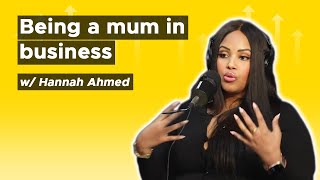
In this episode of the Recruitment Mentors Podcast, host Hishem Azzouz interviews Hannah Ahmed, founder of the HG Group, a UK‑based agency that supplies nurses to the NHS. Hannah recounts her ten‑year career split between NHS collections and recruitment, the decision to launch her own business in 2019, and the unconventional route she took to secure an NHS framework by acquiring a dormant Indian‑registered agency. She explains the high‑volume, low‑margin model that differentiates her firm, and emphasizes the critical role of personal relationship‑building and community engagement with diverse nurse demographics. The conversation moves into operational challenges: initially outsourcing payroll and finance, then attempting an in‑house back‑office transition that led to a £1 million aged‑debt crisis, how she recovered the money, and the lessons learned about finance, invoice discounting, and hiring the right expertise. Hannah also shares the personal toll of navigating pregnancy, a C‑section, her baby’s neonatal intensive care stay, and a bout of post‑natal depression, describing coping mechanisms, therapy, and the importance of resilience. She offers advice for aspiring entrepreneur‑mothers, stressing that a career can coexist with family, the need for strong support systems, and the reality that leadership in recruitment demands relentless empathy, drive, and community focus. Additionally, Hannah reflects on the emotional balance between ambition and family, warning against resentment when work overtakes personal life, and expresses gratitude for her son’s impact on her patience and perspective. Looking ahead, she outlines HG Group’s 2023‑2024 growth plans: expanding nursing services, adding home‑care offerings, scaling the management team, and creating pathways for employees to become business owners, underscoring a vision of inclusive, community‑driven expansion.
Chapters
I've physically done every job in the business. I don't think that I'm too special to go out and actually go and get nurses compliant, for example. I'm one of the first to go out and actually sort of do the necessary to get the nurses to buy into us. I want to make them remember me, remember the company. Just that going that extra mile, it's going to be difficult as you grow, and I'm finding it a bit difficult now because I don't know all the nurses any longer. It's about instilling that same sort of ethos to the team. Making sure that they understand that this is what you need to do.
Welcome back to another episode of the Recruitment Mentors Podcast. I'm your host, Hishem Azzouz, and on this week's episode, I was joined by Hannah Ahmed. She started a business called the HG Group, where their bread and butter is recruiting nurses for the NHS. After working for the NHS for 5 years, then working for a recruitment business for another 5 years, she took the leap to start her entrepreneurial journey and it has not been easy, to say the least. We discuss everything here on how Hannah got onto the framework so she could start working with the NHS. She ended up buying a business from someone based in India just to get into these frameworks. We spoke about how she found herself in a position where they were owed over £1 million in invoices. And Hannah's been on a real growth journey. She's consistently gone out of her comfort zone. She fell pregnant unexpectedly during this journey as well. We spoke about that. Just pure honesty, pure authenticity on this episode. I absolutely loved sitting down with Hannah, have the utmost respect for her, and I have no doubt she's going to continue to build a successful recruitment business. Enjoy. Hannah, welcome to the podcast.
Thank you very much for having me. It's good to be here.
Looking forward to this. Not gonna lie, I've got— I've got to call it out here, but you definitely won the award for the latest guest.
I'm so sorry. Do you know what, anyone that knows me will tell you that my punctuality is probably the worst.
Why didn't you tell me that? I should have told you that the podcast is at half 10, one of them ones.
And you know what, I'll also blame the fact that my assistant's gone on annual leave and I feel completely lost without her at the minute. So yeah, I'm really sorry about that.
No, it's all good. Look, so really looking forward to unpacking this journey that you've been on. I think as we were just saying, over the last sort of, um, 4 and a half years you've been on your own entrepreneurial journey building HG Group Yeah. So in today's sort of, uh, conversation, we're going to really focus on that. But before that, just to add some, uh, flavor and context for everyone, you worked for another recruitment business for nearly 5 years, correct? Before that, you worked in the NHS for 5 years.
Yeah.
And then before that, there was a debt collector at Wonga. Yeah, he's a debt collector for Wonga. I saw that.
Yeah, yeah, that was before they, uh, before they, uh, was on the news and did some real bad things.
So 5 years in NHS collections manager, debt collector, 5 years in recruitment, and then for the last nearly— yeah, 4 and a half years you've been on your own, um, entrepreneurial journey.
So, God, is it 4 and a half years?
That's what it says on LinkedIn.
Oh wow.
Um, wow.
Yeah.
Okay, so let me, let me add some context here then, just for everyone, um, just for everyone to understand. So I think maybe with what you just said— so I think you shared with me that it started in 2018 but had covenants, etc. So it wasn't— things didn't really start kicking on until, uh, 2019?
I would say yeah, from February, that's when all my sort of restrictions were sort of lifted.
Yeah.
So, and I just, I felt like that was the right time to kind of come back into healthcare and, and make my mark.
Cool. So from, yeah, from around Feb 2019, um, really kicked on in, in the healthcare space again in the HE group. So just to add some, uh, context here, so basically, um, where you over the last couple of years, there's some there's some crazy stories in here which I'm really looking forward to uncovering. But in terms of like where you are today, um, let me just get down to it. Sorry. Uh, okay, cool. So basically I think you've got 3 different brands.
That's, that's correct, yeah.
Um, in terms of 2022, um, the revenue was $5.5 million, correct? Net profit last year was $400 grand, that's correct. And then I think like today you're at 18 people in total. You've got 6 people, around 6 people in finance, 5 people in compliance, and 7 people in sales.
Yeah, and that number's growing actually. We've been hiring, so yeah, that's accurate for now, but we're probably looking at trying to get to around 25 by the end of April.
Yeah, so yeah, I know you're— the revenue goal this year is to get 10 million and net profit 1.5 million. Profit is the goal, is the big 2023 goal.
That is, yeah, that's where we'd like to be.
Yeah, I love that. And then, so the brands as well, we've got nursing, that's sort of been your bread and butter as you said. Branching into doctors and then also private— I think you put— I don't know if it's private healthcare, private clients, home care.
We're looking at setting up, um, more home care, a home care division, and we've got the AHP division that we want to try and sort of drive as well this year. So there's quite a lot of plans to try and get the other staff groups moving, but for me it's more important to make sure we master the nursing side and do well in that before we try and sort of look at other avenues.
Yeah, okay, cool. So that's just for everyone listening, that's some context to like— obviously we've brushed over a lot. A lot has happened to get to that point, right? So let's start with the million-pound question, something that I'm sure you've thought long and hard about since growing your own recruitment business. What is Hannah's take in terms of what characteristics and traits do you believe make up a highly successful recruitment consultant in today's market? Let's start there.
Wow, wow. For me, it really consists of resilience. You've got to have a lot of resilience because you're going to be getting a lot of nos, especially in healthcare. Majority of healthcare recruitment agencies are fishing from the same pond, so the nurses are kind of speaking to everybody. So you've got to kind of differentiate yourself and make sure you've got a personality because there's not much in the pay rates that you're offering. So it's personality, resilience. You've got to have some real drive as well to ensure that you are able to get those nurses to buy into you, which is really important. Um, the other characteristics is just being able to have empathy, because most of the nurses that we deal with, the healthcare professionals, you are kind of an extension of their own family. You're helping them make money, you know, they're relying on your expertise to get them work for their own sort of livelihood. So You've got to have a lot of empathy because there's times that they might— things might go wrong with pay, you know, they might have sort of other sort of things that are going on in their personal lives that they want to speak to you about. Just being kind, being kind to them. I think being very driven is very important and just being relentless because it is a relentless job. So I think if you have those characteristics, you'll go, you'll go far and you just got to Some people give up quite quickly and easily, or just maybe procrastinate. In recruitment, you can't procrastinate. Other people will take your work, and it's a really, um, relentless job, I'd say.
Yeah, so resilience, empathy, personality, being authentic, building relationships. Okay, so I, like I said to you when we prepared for this, um, for whatever reason, I haven't sat down with many healthcare recruitment entrepreneurs. No idea why. So I am, I'm like so curious to sort of learn, I guess, some of the things that you've had to work through, um, sort of the things that you, you've done to sort of be successful and grow your, um, business. So I guess let's just, let's just start with what, what do you believe it takes to sort of, from your experience so far, to be successful in the healthcare market, specifically the nursing market? Because like, like you've just said, from my sort of minimal experience that I've had either working working with recruitment businesses in that space. Recruitment is competitive, but in this, in your sort of world, it seems even more competitive. Like, I always remember recruiters saying, oh, I might have a nurse or a mental health nurse that would basically just pick the other recruiter because they can pay me 15p more or something like that.
They are the most unloyal, unfortunately. As much as I love my nurses, they're so not loyal to anyone, really. They're loyal to their pocket. So you've got to have something extra too.
So what is that extra thing? Because that, that must be so hard.
You've got to have personality, you've got to have character, you've got to be able to have chat, to speak to them and have, you know, normal conversations. Call them when it's not— sometimes phone them when it's not even about work, you know, see how they're getting on. You know, they like personable people, and obviously people that can empathize with their long shifts, low pay, you know, all of that sort of stuff. So I think that helps. But again, if Joe Blogs down the road is paying a pound more, you might have a problem.
Yeah, that's, that's tough. So this is— why don't we just start here then? So obviously, if things, yeah, really started to kick on because you was out of your covenants, you could get back into the market that you've obviously built relationships in, worked really hard in, in 2019. Like, what was Hannah's mindset to making HG Group different? Like, what, what was the initial thoughts on the differentiator? Because if you literally are— yeah, like, it's so like, uh, working on price, or like in your market it's so competitive on price.
Yeah.
How— what was your initial sort of strategy or thoughts on how we're going to make it different?
I think because I was in the NHS for a number of years, I started out in the NHS when I was quite young, so Working as an account manager, I got good insight to knowing how sort of staff banks, you know, healthcare sector sort of works in the NHS. And it's all about cost and what you can do to obviously try and reduce cost. Compliance is very important as well in the NHS as well. So making sure that you have, you know, dotted the i's, crossed the t's. They really are a stickler for just cost. So you know, selling a service. I mean, when I was at my, um, old recruitment company, the main ethos was high volume, low margin, which I really stood by. I really believed in that product because I felt that that was what differentiated us from the other.
So when you say high volume, what would you mean?
So just basically, when we were training the consultants or the, you know, making sure that they understood they had to fill a lot of shifts to make money Um, and from a sort of healthcare trust, NHS perspective, should I say, um, they want to obviously make savings, and it's all about selling to them, you know, oh look, we're high volume, we make our margin from filling a lot of your shifts, not a few of your shifts. So that always worked for us in terms of just making sure that they understood that we weren't going to make, you know, £50 an hour from one nurse, that we're actually here to fill, you know, as many shifts as possible because we work on a volume sort of based margin, and that's how we, we've operated in HG as well. So it's more so high, high, high volume, low margin.
So what I'd love to understand then, because back to your point of the importance of connecting personality, yeah, how do you achieve— like, for me, that must— it surely, like, that must be quite transactional.
It is. But listen, the demographics of nurses in the healthcare sector healthcare sector in London is predominantly— they've got, you know, it's quite diverse, but you've got your African demographic, you've got your Filipino community, you've got your, um, Portuguese community. So there's different communities. And trust me, for me, starting up in the business, I was going to weddings, I was going to christenings, I was going to church. I'm Muslim. I was going to church with some of the nurses.
I was Muslim, I was going to church.
I was going to church. I was in the church service with them, you know what I'm saying? So for me, uh, that's how you, that's how you become memorable to, to those nurses, because you are there with them. You've got nurses bringing pots of jollof rice to the office. That's the sort of personality that you need to have. You need to be able to relate to them, even if you don't necessarily— that's not your walk of life. Be prepared to be able to sort of sit down with them, eat with them. I was going to nurses' houses, certain foods, you know, obviously it's not to my sort of taste, but I was eating the food, you know. Just needing to get— build, build a rapport, build a rapport. And trust me, it's relentless because there's stuff that you've got to do to kind of get yourself out there and make sure that the nurses know that you're there. And then, you know, word of mouth, then, you know, auntie down the road now knows you, now she wants to come and work with you. And it just ends up being a community of different nurses. But the demographics is important. I think going and actually trying to sort of going to their weddings, going to christenings, going to church.
4 hours, just really commit to trying to connect.
Yeah, I've never known a church service to last 4 hours, honestly.
Because I guess, I guess the reason for that, from what understanding, is basically if, if like Hannah the nurse recruiter is always sort of vulnerable to one of your nurses being called up and saying hey, so-and-so, like, I can get you this shift, it's going to be paying you a pound more. Like, you're very vulnerable to them going, yeah, I'm gonna take that.
Yeah.
However, you're building that, and that's what's really important because they want to go, well, you know what, like, Hannah, like, Hannah, I've like— Hannah's helped me a lot.
Yeah.
So you need to invest in these relationships so much for them to go, you know what, I'm not going to take that shift, it's a pound more.
Exactly.
That must be hard though if you're in— if you're, you're— yes, high volume. That's, that's the thing that's hard.
That's That's how you need to— like, for me, that's been the most important part of building this business, is that I've physically done every job in the business. I haven't shied away from— I don't think that I'm too special to go out and actually go and get nurses compliant, for example. Like, my team will tell you that I'm one of the first to go out and actually sort of do the necessary to get the nurses to buy into us. And most of the time when they find out I'm the owner, they're like, what, you're the owner? I'm like, yeah. You know, I want to, I want to make them remember me, remember the company, you know, and just, just that going that extra mile. It's going to be difficult as you grow, and I'm finding it a bit difficult now because as we grow, I'm not able— I don't know all the nurses any longer. My team know them and have those relationships. So it's about instilling that same sort of ethos to the team and making sure that they understand that this is what you need to do.
So let's just talk about then— so obviously we've spoken a bit about, yeah, how he's thinking about being different when starting the HG Group in the care space. So then I think the other really sort of nuanced part to your world is then the sort of business development and getting jobs, right? Because if you're working with the NHS, yeah, then there's this word frameworks, right? So let's just talk about that. And maybe for those that don't know what this is, right, could you just explain? So if I'm— if I have a recruitment business and I work with the NHS, yeah, what is a framework and why is that important from a client— like having jobs to work? Yeah, from having jobs to work perspective, like what is a framework basically?
So the framework, and if Stephanie or any of the workforce alliances listening, hi guys. I'm going to try and do my best to sell you in the right light.
Yeah, just you can educate us because—
yeah, so the framework is basically a sort of body that regulates the agencies to make sure that they are following the NHS sort of employer's standard of recruitment, if that makes sense. So it's predominantly about the compliance of the nurse and making sure that they're actually eligible to go out and work. And you have to go through a massive tender process to actually be on that framework. And you also have to work, provide evidence that you've been able to provide and supply nurses. Obviously, if you haven't worked in the NHS before, you're either not going to be on the framework and you may well get into a few hospitals. But if you really want to look at longevity, you need to be on the—
you need to be in the frameworks.
So that is the most important bit because the first question that most health NHS hospitals sort of ask is basically, are you on the framework?
Right.
And if you're not, 9 times out of 10, if you don't, if you don't, if you don't have the framework, then you won't get the work.
Is it just more hassle for them if you're not on the framework?
Yeah, because that kind of gives them the assurance that you're regulated.
Right.
It's not sort of, so it's not a regulated body, if that makes sense, but they, they have the power to kind of remove you from the framework. They do checks every year and audits to make sure that you're following the correct processes. By the way, we just passed as well.
Let's go!
Just passed on Monday.
We just passed. So I guess the reason why I'm talking about this is because in your world, like, fair to say then that you can let me know, but is it fair to say that if you have a recruitment business in the healthcare space and you want to provide staff for the NHS, that for you to like, yeah, I guess achieve some sort of big success, you're probably likely going to be on— have to be on the framework?
Yeah. And when I started the business, I wasn't on the framework.
Exactly. So let's talk about that because there's a story in here that I definitely want you to share. So I think this is why— that's why that's important, right? Because you're starting your own recruitment business, it's in healthcare. How the hell does Hannah, who's starting this business from her bedroom, get onto these NHS frameworks? Because obviously you understood that that's pretty essential. Yeah, if we want to scale and, and achieve what you want to. So talk us through how the hell did you achieve that?
So we were doing a bit of work in the private sector, and, um, just wasn't the sort of work that I was used to in the volume. So I brought in a couple of recruiters. They were starting to get a bit sort of anxious because they weren't seeing the work coming in, and I thought— can I swear?
Yeah, yeah.
Fuck, what am I going to do?
Because they joined you, like, they joined—
I, I, I sold them the dream. I was like, guys, listen, we're going to be so rich. We're gonna do this, let's go, it's gonna, it's gonna take off. Like, I had to sell until my heart was content, and they believed in me and came across. But one of them, and I won't say his name, one of them, he, within a month, I suppose, he sort of started saying, look, you know, we're not getting any work. He was very sort of agitated by the fact that we weren't getting the work and what have you. And I thought, what am I gonna do, man? So I thought, okay, I need to get on the framework. So I found out that the framework weren't going to be published for at least another year. And I thought, shit, what am I going to do?
Wait, wait, so what does that mean?
So we couldn't tender, right? Okay, we couldn't sort of apply to be on the framework for another year. And I thought, I can't wait a year. So I started looking at all of the lists of agencies, more so the ones that were dormant that were awarded onto the framework the last sort of the last round. So every 4 years you can sort of apply to be on the framework, and some people go on it but they don't ever supply. And I thought, okay, I'm going to start going through this list. And I just was going through the list, phoning all these different agencies, seeing if they were still sort of trading. And, um, I think we had like 7 different deals on the table, and I really wanted to make sure that we got a deal where we didn't have any ties to the agency, anything like— and I found this one agency, and the guy was in India, and he was prepared to sell. And I thought, happy days.
So what was he selling to you?
The—
so for you to be able to go like— yeah, just so we understand, not high level, what was he selling to you? For to acquire his business. And then that would then mean you can go when— and so when a hostel goes, Hannah, are you guys on the framework? You can go, yeah, yeah.
So basically he was in India at the time. He had this, um, agency. The agency was called Honitage Recruitment at the time, um, but he wasn't doing anything with it, but he was on the framework. So he was just someone that just basically got on the framework, didn't do anything with it, and just, you know, relentless, as I said, phoning so many, uh, different agencies, getting so many nos or deals that were just crazy. To find this guy, it was in India, and he was willing to sell at a reasonable price. Happy days, happy days. Took me 4 weeks to get that deal.
I was gonna say, how long did it take from like you picking up one of your colleagues like, look, what's going on here?
Yeah, we had one deal where we got as far as the point of actually drafting up paperwork, and then we realized they didn't have the nursing lot, the lot for nursing. We were like, fuck.
Yeah, that would have been savage.
Yeah, we can't, we can't buy this, we can't do anything with it, we can't do anything with the, the staff group that we actually want to sort of build, they don't even have it. So the deal fell through, and then I found this guy, and 4 weeks, 4 weeks, and you know what, I was in so much fear, I was so anxious the entire time because I thought if he just doesn't answer his phone, this deal's gone. But I got it over the line end of June.
Love that. Um, so that was June 2019. Wow, okay. So I guess what would be good to talk about now then is your, like, your perspective of, um, so there will be, like you just said, there's a lot of agencies on these frameworks. Now, just because you're in a framework doesn't mean you're going to be successful and you're going to be able to do a bunch of work and be successful. So I guess why don't we just talk about for a second, like, now you're on the frameworks, what was the strategy, or how can you, like, what was your approach to maximize now being on the framework? Because like, like you've just said, like, you went through the whole list, some of them are dormant, some of them might not be getting the most out of it. Just because you're on it doesn't mean that's guaranteed success.
Yeah. So a lot of the people that are on the framework, if you don't have the relationships or you're not willing to do the groundwork, it means—
with what, the hospitals?
Yeah, the hospitals. If you don't have the relationships, the hospitals, it's a bit of a saturated market at the end of the day. And most of the main contenders in the industry are the ones that are getting the work. So to come in as a new sort of agency and try and get work, it can be difficult. Because if you don't have those relationships from before, then the buy-in isn't really there. There's just— you're just another agency that's going to say that you can sell and get loads of people, you know, to work and you can fill all their shifts. But reality is you might have 2 people on your, on your books and that's all you can fill. So I think the relationship at the beginning with the NHS and my time in the NHS really helped.
You really leveraged that?
Yeah, definitely.
So what would your advice be for someone that like doesn't have that? If they're listening to this, learn healthcare Spanish.
Tell them to go and work in an NHS hospital.
Really?
I would tell them to go and try and work in a staff bank if they can. Um, get knowledge in the staff banks, make— build your relationships, because staff banks, I feel like they are literally the best people.
What's the staff bank?
Staff bank sort of managers, temporary staff banks are the ones that sort of manage the, um, the bank and agency feel in NHS hospitals, right? So if you have good relationships with the different staff banks, you can, um, sort of learn a lot about the NHS, learn about the different services, build those relationships, and then from there go and work in an agency. That's the way around that I did it, and that was the best way for me, to be honest.
That's crazy then. So like, the, the brands that have been in the game for the longest have almost got a bit of a monopoly then.
They have. That's the biggest issue, which I sort of—
that's hard.
It's hard. It's hard because they are the people that have been in the industry for 10, 15, 20 years. They're a name that's known, and you've got to try and now sort of go up against them. But I'm prepared to do that. We really are.
Hey everyone, a real quick one from me. This podcast would not be possible without our amazing podcast partners. Vincere and Sourcebreaker. Because you listen to this podcast, you're able to get your hands on exclusive savings on both of these award-winning products. If you're a growing recruitment business, you have to check out Vincere, who are an all-in-one operating system for your growing recruitment business. With Sourcebreaker, if you want to make sure that all of your recruiters have the best tools on the market to stand out and beat their competition, then you have to check out Sourcebreaker. Use the link in the show notes, in the comments below, and you'll be able to get yourself exclusive savings on these amazing products. Yeah, no, I love that. Okay, cool. So no, yeah, great. Yeah, that's honestly so interesting, and this is just so unique to the healthcare industry. So why don't we then talk about, like, you as a business owner, some of the things that we've had to learn along the way, right? Because then if you're, um, obviously, uh, supporting and paying a bunch of nurses then finances and back office become important, right?
Oh, massively important.
So let's just talk about this. So like, what was— because like, you've been on a whole journey on this, right? And I think this would be really helpful for people, even for people outside of, um, the healthcare industry that have a sort of big temp contract book and these things. So before you went on the whole journey of getting, um, things in order, like, what was like Hannah's approach to the back office, paying the nurses? Like, you know what I mean? What was like the initial approach to being able to, to do that?
To be honest, The initial approach was that we, we worked with a back office finance company.
She outsourced it.
So we outsourced it. And to be fair, they did a good job.
Okay.
They did a good job.
From, from, from the start, you outsourced it?
It was from the very start. And I am glad that we did that at the beginning because I— that's not my area of expertise at all. I'm sales. I go out and win business. But to have been focusing on back office would have been detrimental to the business, to be honest. So it was good that we outsourced it to start with.
And just so we all understand then, so when you say outsource, like, what, what does that actually look like? So they, they, they fund it and then they get a percentage, or like, how does it typically work?
They basically manage all your back office processes. They manage your payroll, they manage your accounts, they do all of the necessary— pay your staff, even your own sort of like employees in the business, they pay them, they do everything— VAT, tax.
And how do they get paid then?
Is it, uh, we pay them a retainer every month?
Okay, retainer.
And the retainer would kind of increase based on how many timesheets they're processing for the businesses, right? So it's different brackets.
So yeah, the more, more— yeah, the more timesheets that you—
that they process— sorry, I just put this down.
Yeah, that's fine.
Um, the more timesheets they process, the more they make.
Okay, cool. That makes sense. So how long did you outsource it for?
Uh, we only— well, the entire time. We've only just recently brought in our payroll in-house in January.
Okay. Oh, January this year?
Yeah.
Okay, so talk to me about— okay, maybe I'm not sure if I've completely understood this, you can help me, but where— so if it com— if it was outsourced, yeah, how did you then get to the point where you had, like you said, a million pounds worth of debt or owed money? How did that happen then?
Ah, sure, man.
Because like, I thought, I thought you started there maybe, and then you went to try to do it more internal, and then that's where maybe things aren't picked up.
Yeah, so that's exactly what happened. So last year, yeah, before, um, so at the start of the year I brought some people into the business. And start of this year, last year, start of 2022.
Okay, last year.
Last year, yeah. And I wanted to sort of bring the back office functionality in-house to stop outsourcing that. Yeah, so we brought in a group financial controller. Yep. And his job was to work with the ops person that we brought in to bring it in, in-house. But I don't think that, unfortunately, the, the, the knowledge wasn't there.
And just so we understand, so would that also mean, obviously, to have the— create the systems, processes to manage it all, but who— what, was you still going to outsource the funding, or was HG Group going to fund it as well, like fund the nurses and the pets?
So we have— most, most agencies have an invoice discounting facility.
Okay.
So they would sort of give you 90% or 85% of the invoice value, and they'll give it to you in advance, right? You're able to then pay the nurses. That's something you have to obviously build as well. So that back office company that we used initially, they helped massively.
Yeah.
And, um, the start of 2022, I bought these, these people in, and I wanted more visibility of the business because I was really struggling on the back office side.
And what are you struggling with specifically?
I'm not finance. I, I don't, I don't, um, I didn't have that knowledge.
Just overall getting your head around it, feeling like you're on top of it all.
Yeah, I just was very confused by it all. Um, you know, definitely an area that I was shying away from because I just didn't know it. And I wanted to— in 2022, I was just like, I need to learn, I need to understand what this all means for the business, I need to understand what accounts means. I need to understand what the profit and loss means, all of that. Initially when I started, I was just like a sort of just driving the sales, driving sales, driving sales. Just get, get, you know, get the framework in place, try and get our name out there. Back office, I had a company that was managing it, so it was manageable at the time. As we grew, the visibility I needed wasn't there, and I decided to bring people in. But unfortunately, um, the combined knowledge wasn't there, and we made some real mistakes last year, huge mistakes. So we brought in our back office, or we brought part of it back in, in-house. And the reason why we got so much debt is because we brought it in and we didn't have an understanding of exactly what needed to be done in the background. And, you know, unfortunately, lessons had to be learned from the situation. We had to take it back to the back office company. I mean, an implementation of back office takes at least 6 months, um, and we thought we could do it in a month. It's just honestly diabolical for me to think that we can bring in a whole back office functionality in 4 weeks. That's not— it's not— no, it didn't work. Um, so we, we, um, we went back to the back office company, and thankfully they sort of took us back. But obviously in the time that they weren't looking after the sort of credit control functionality, the debt spiraled. No one was chasing the debt.
And in the end, people owed you money.
In the NHS, if you're not, if you're not on top of your credit control, they'll leave your invoices until you sort of come knocking at their door.
Really?
There's no real like rush to get it paid if you haven't followed the right process. So by July I was quite heavily pregnant and, um, I found out we had about a million pounds worth of aged debt. It's just—
so like, how— just talk us through that. Like, how, how did that feel? Sorry to take you back there, but I can't even begin to tell you. Like, that must have been like—
that was a massive, like, massive reality check for me. I thought, I'm having a baby, you know, I've got, I've got my team in place, you know, I can kind of take a bit more of a back seat. No, it came and it came at me fast. It humbled me massively and it forced me to have to learn. And I also found out about the dynamics in my business, areas where people that were really loyal to the business were unhappy. A lot came out from me coming back in properly, and I'm now in hindsight, I'm glad it happened. But at the time it was like, what is going on? I was— there was a point where we didn't even have money to pay the workers one week, and that, that, that, that was horrible. That was really hard to come back from.
But you had to manage that whilst like you was literally— what, when, when was your son due?
My, my son was due, uh, November 14th.
Wow. And you like this— you had this moment in July, did you say?
So July, August, September, worst months ever.
Really?
Worst months.
Why didn't you quit then? What? What?
No, no way. That's giving up. It's not in my— it's not in my— it's not in my nature to do that. I, as much as I cried so much, I— and then I thought, you know what, my son, you know, I did it for my son as well. I was just like, my son deserves me to push. And the team that actually have stood by me, you know, deserved me to come back in and do right by them as well. So I pushed and I pushed and I pushed. And you know what, I— the, the first thing that I did when I came back was sit in finance, and that was really— I didn't want to wear for a long time. I started unraveling so much, and I just— it was just coming at me thick and fast, and I thought, oh my God. But I learned, I learned about the invoice discounting, I learned about the, um, payroll side of things. I learned about the, um, the system that we use, that why it's not good for, you know, for, for the business. I learned about the P&L. I learned so— the forecasting. I learned about the VAT returns. I learned about, you know, our salaries and how we do our salaries. I learned so much. And I also sat— remember I said I was a debt collector? I was collecting the debt. I was very, very—
because yeah, you recouped.
I, I recouped. We, we've got all our money back. We've managed to It was never lost money.
No, it's owed money.
Owed money. So some of it could have been that the shifts weren't on the system, some of it could have been timesheets weren't—
yeah, just lack of process, as you said, which led to a buildup of owed money. Yeah, yeah.
And I can't fault the team that was there with me.
So how long was that whole process, would you say, from like getting your— finally getting your financial hat on, committing to the things that you weren't comfortable with, had to learn, to then going on that whole journey of recouping that?
I'd say we've, we've only just recovered from it.
So I mean, it's not too long ago, is it?
Really? No, we've— I think by the time I, um, was having the baby, I had brought in a new group finance manager and he was phenomenal. I sat with him and I worked, I worked with him the entire time, but the difference this time around was I knew what I was talking about. I could ask the relevant questions.
Was that the biggest lesson?
Massive lesson.
Like just basically instead of like at least trying to get a good level of education on it or understanding, you sort of just put— buried your hand in the sand and just— I guess I'm assuming just like stuck to what you're comfortable with. If I'm getting more deal— if we're doing more deals than we are spending money, then surely like we're fine.
Yeah.
And then you, you really committed to understanding, um, and learning, and then that enabled you to, yeah, actually uncover what it is that you needed, but also hire the right people.
Hire the right people, know what it was that I was hiring. I wrote the JDs I knew what I needed in the business. So I went from not having, you know, any understanding to writing the JDs for what I wanted. And shout out Amir as well, because Amir, he's my group finance manager.
Okay, man.
And Rhys, both of them, they've done phenomenal in the business in terms of turning around payroll and putting the processes in. And he has been an amazing hire.
So I love that.
Yeah. It's been, it's been, it's been a journey, but one worth, one worth talking about.
And then, and then just, just, is there anything else on that then before we move on in terms of the what, like, what you would do differently? Like, if you were to start that, bringing part of the finance in-house again, we've sort of learned that, yeah, if you're going to do that, then it's a good idea to actually have some sort of understanding, even though maybe it isn't your strongest suit. Like, you are uncomfortable trying to understand finance and these types of things. Like, is there anything else that you would do differently?
Um, take your time.
Okay.
Yeah, plan, plan. Um, make sure you have the right people around you in terms of what you're planning on doing and making sure it makes sense. So just, um, sense checking your actual plan is important because had I sat down and actually thought about the full process at the beginning of 2022 and what was needed to be done, I'd have quickly realized it's never going to be 4 weeks that you can turn this around in. Like, why would I be giving that advice and think that that's, that's, that's the right advice? It's not. But again, it's around the people you hire as well. I can't, can't say that enough. If you've got the wrong people around you and you don't yourself know that area and you're led by that, you're gonna fail.
So where, where does this, like, not giving up come from then, Anna? Because you could have easily given up in those periods.
Do you know what? It's the responsibility of, you know, my team. And if it falls now, what was it done in vain? You know, like, what was the point of doing all of this? And now I'm giving up. So I think that strength comes just from not wanting to go backwards and knowing that the journey comes with many, you know, memorable bad times as well. It's not going to all be good. It's not— being an MD is not a luxury. I always say this to people and they always say to me, oh, you know, you— I want to be in your job. And I'm like, trust me, you don't want to do it. If you do want to do it, great, but make sure you have the, the resilience for the, the bad times as well, because it's not going to all be, you know, yeah, big watches, cars, you know, big houses. There's going to come a lot of bad times as well, and you've got to be ready for those bad times because when they come you know, they come at you fast. And that's something that I haven't been able to sort of process as much before in the past. I was like, I'm an MD, you know, I'm, you know, doing well. No, you know, now the reality has kicked in. I think I've matured a lot more as well, sort of putting this business together. And each year I'm learning something new. So I think the role, you're the first, you know, the first one paying out, last one to eat, you know. That's just how it goes. I mean, I don't know about all MDs, but for me it's so important that, you know, my team are okay. It's not just about me any longer, you know. I've got my team who's got families, their livelihoods, it's all dependent on the decisions that I, I make. So if I make a bad decision and we no longer are in business, then yeah, you can go and get another job, but there's going to be a period where some people might not be able to get work, or, you know, it's just a lot of people depending on me, and I just feel like I feel very responsible for that. I feel like that's what's driving me.
That's what drives you. Yeah. So then, now then, what, what does, what does Hannah do when like shit hits the fan then? What, what, like how do you deal with those dark days?
You know what, one thing my, um, partner will say is that, and forgive me to all my clients that are not, um you know, hearing me swear. But my favorite saying is, fuck's sake. I say it all the time and my partner just laughs.
Really?
It's always like, fuck's sake. And whenever something happens, there's a period of mourning for me, and 24 hours normally.
I think I just have a day just to get it out your system.
Get out your system. We go, we move, we gotta we've got, you know, we've got an issue, we've got to fix it. I'm just like, how do I fix it? What's the solution? So I give myself a day and then I look at how I'm going to fix it, what I'm going to do to try and obviously make this a better situation or scenario. And if it's something that's going to take a little bit longer, because I'm trying to— sometimes I think I try and fix things too quickly. Sometimes you just gotta take your time.
Yeah, just let it marinate. Let it marinate.
Think about it. Yeah. Yeah, cry a bit more if you need to, whatever it is, you know what I mean? Just, just get it out of your system and then go back to it with a, with a level-headed mindset, you know what I'm saying?
So yeah, okay. So let's just talk about then, as the sort of, yeah, I guess sort of final part of this then, let's talk about Hannah also part of this juggling, um, motherhood. I know that's something that you wanted to talk about and is important. So I think, so, so like you said, so, so basically I've got this post up here that you shared. Yeah, so, um, so you welcomed Kaya Mir.
That's my baby boy.
Your baby boy. So when was he born?
He was born on the 28th of October.
28th of October, that's my partner's birthday.
Oh yeah, great people are born on that day.
Yeah, there we go. So like, talk me through— I mean, look, looking at this post here, uh, wasn't the most straightforward, um, I don't know if after birth or during birth, I'm not sure, but obviously he was in The it— who's with the ITU team?
Yeah, he was in ITU. Unfortunately, I didn't have the best of experiences. He had congenital pneumonia. Sorry.
Oh, wow.
Pneumonia. So he had fluid in his lungs. So, and I had to have a C-section. So I was a bit paranoid because I was working a lot of hours. And, you know, as I got bigger, I didn't feel him move as much. So the hospital decided to induce me early. So he was, he was due on the 14th of November, but they were like, no, we need to induce you. And my blood pressure kept going up as well. So a bit of a traumatic experience for me, to be honest, because obviously not, not planning for a C-section. I was like, I'm going to do this naturally. Yeah, I want to push and all the rest of it. But it's not down to you. It's down to your body and what your body's capable of doing. And, you know, it's not something that I, I was really upset about it. And he was in, you know, it for a week. And that week for me was hell. I really, I was in a really dark place, you know, and just, you know, there was a lot going on in the business. There was a lot of, I suppose, as I said before, sometimes when you're vulnerable, people sometimes hone in on those vulnerabilities. And perhaps the structure that I had at the time didn't help. So, you know, the team, some of the team that I had, you know, there was people leaving in the business. It just all came at once. But yeah, he thankfully made full recovery.
He's all healthy.
If you see my little boy, he's the happiest little boy. You know, he— on my down days, he's literally the person that gets me to sort of remember why I'm doing it, you know?
And then how would you describe like, yeah, now sort of one of the other hats you now wear is, is, yeah, being a mum. That's been a hard transition.
That's been a hard, hard transition. Like, I urge any sort of entrepreneur, sort of mom, female, that's sort of doing sort of business and motherhood— postnatal depression is really a thing, you know. I'm going through that myself currently.
So for people that may not know what that is, I was speaking to my partner about this in preparation for this. So like, in your own words, from what you've, I guess, learned about it so far, and then we can talk about how you feel like it has sort of showed up in your life. But like, for those that may not have heard that word before, I don't know, like, what— how would you describe postnatal depression?
Just a dark, dark place, dark space. Your moods are up and down. Sometimes it might mean that you don't connect with your child. Mine thankfully hasn't been that. It's just been about the trauma that he sort of— we experienced, as you know, because I had a C-section. The fear of anxiety that I have is always there, like, oh my God, is he okay? Can he— is he— is he breathing okay? You know, some, some nights I wasn't even able to sleep because I'll just be watching him breathe just to make sure he's breathing okay. And then I'm just consumed with my thoughts, like, you know, with the business as well. I then have to sort of go into work mode in the morning. And, you know, people don't know. You've got to put on this front because if they see that you're not, you know, you're struggling, um, they might not, they might not believe in the business any longer, or might think, ah, she's not got it anymore, or, you know. So there was all these, all these thoughts in my head, like, oh my God, like, how am I going to do this? You know, people are leaving the business, you know, all come at once. And it got me very down. It really impacted on my relationship with my partner, um, impacted on my own mental health because my anxiety was, was all over the place. I got to a point where I was having panic attacks. You know, in the office. Um, it's a real thing. Like, it's got a lot better. I even, you know, in December, just very recently, I've recently been discharged from the perinatal team because I, I went through that.
So what does that mean?
Sorry, it's like a team that sort of just— it's like a perinatal team.
And so what, they're there to support people that might be going through the sort of things that you were going through?
Yeah, new mums. I was— I felt in despair, really. I felt like my whole life was it just changed overnight and I didn't know how to sort of— because I'm someone that's so structured.
Did you feel out of control?
Out of control. And one thing with me is that I have to know what I'm doing. I need to have that, that mindset of, okay, tomorrow this is what I'm going to do, etc. And it went out the window and I went out the window with it. If I'm, you know, it was just not a good, not a good, not a good time.
Yeah, because I was speaking to my partner about this saying like I was sitting down with you and this is something you wanted to talk about. So obviously, yeah, I, I obviously I can listen and try and understand, but I'm never going to fully understand. So I sort of was asking her like, what would you be interested in, um, sort of learning if someone's been on that journey? So I think one, one of the questions that she said, which I think is quite interesting one to ask at this point, was obviously all those things that you've been going through, like, would you say that you'd suffered with your mental health before?
I've always been quite an anxious person.
Okay.
So I've always, I've always—
what does that mean to you? Because we hear that word a lot, don't we? So when you say you've always been a quite anxious person, how has that showed up in your life?
So very self-critical, very much like, am I doing enough? Am I doing well? I think it stems from, you know, people's childhood. For me, it was probably my childhood, you know, just seeing my mum struggle, you know, working two jobs, not coming from an affluent sort of background. Um, and just always saying to myself, like, I don't want to do— I don't want to struggle like that. I want to really work hard. And, you know, my mum worked really hard and she did an amazing job with us, but I just don't want to go through those struggles.
So was it— this is really interesting, and you can let me know if this resonates or not, but it just reminds me of a conversation I had with someone recently who also shared this, um, with me. Was— is that like a bit of a sense of like a fear of like losing it all? Yeah, that's what gets you up every single morning because you've seen like the hardship and not having whatever it is. So like, yeah, yeah.
And you know what? It's not even about the material goods. It's just about the freedom to be able to do what you want. And if you don't have the funds or the, you know, you're not— you don't have the right level of capacity to be able to do it, you know, makes you scared. It makes me scared. Like, every day I'm like, shit, like, today I could, you know, anything can happen. So that fear drives me every single day. So it's a good thing and it's a bad thing, because if you let it consume you, it can completely mess with your mental health. And you need to have a balance. There's certain things that you're just never going to be able to control. And I think, um, I'm quite, quite meticulous with how I like to do stuff. And I'd say maybe, you know, it's borderline OCD. No, I like structure. I like to have, you know, day to day. I need to know what I'm doing, how I'm doing it. You know, my partner is the opposite. So ironically enough, he's, he's the opposite. He's so laid back, he's so chilled. And then you've got me who's just like the drill sergeant.
So what, what have you then— I'm like, this is an ongoing journey, right? So like, I guess, what do you feel like you've got better at then? You might be talking about there, but obviously going from that dark place and things feeling really difficult, like, how— what sort of things have you implemented? What habits? I don't know, is there anything that you found?
Okay, so I've started therapy. I started therapy in December, um, so obviously I had the perinatal team, so I was having some counseling about my son and the trauma around that. And then I think I paid for myself to just go and see someone privately and just sort of delve into my past a bit more and ask, why am I the way I am? You know, what is it?
Big question.
You know? Yeah. What makes Hannah meet like Hannah? And I think I found a few of the reasons why I'm like this.
And has that helped?
Yeah, it's really helped because now it's just like I'm letting go. I'm letting go and Um, I think this year the, the main thing for me is a lot of the time leading with your emotions can be difficult as well because—
well, you found you did that a lot?
1 million percent. Like, I would always try and sort of— I'd say I've always trying to empathize with others, but maybe sometimes too much, um, which could lead to the wrong decisions being made or even people taking advantage at times as well. So just just letting things go, letting things go. Um, you know, even in business, you know, if something happens, I'm a lot more chilled about it now. Before, what? How? You know, like, I'm like, this can't happen, you know. But I'm, I'm just taking it day by day. But in general, I'm learning to let things go.
No, that's amazing. Thank you for sharing that. And how, how have you found, like, because again, this is a journey, but how have you found juggling motherhood, being a good partner, being an MD? How have you found that over the last Yeah, a couple of months.
Hard struggle. Um, yeah, just, it's been really hard because I haven't really taken any mat leave, to be honest. I've worked throughout, um, and that's just because the business wasn't in a good place when I was going to have the baby. And then obviously after I had my son, I had a couple of weeks where I was home, but to be honest, I was back in the office from December and I was carting my little man with me. He was coming to the business with me, so because it was not in a good place and I felt I had to make sure that we, you know, did the necessary to get it out of that dark place as well. So I'm, I'm battling. I've got, you know, I've got issues with, with the business. I've got my son who I'm now not even able to sleep because I'm so anxious about him. I'm trying to be a, you know, a partner. And, you know, keep that alive. Yeah, it's bloody hard.
Yeah, look, look, this is the— back to your point, right? This is the reality of owning your own company.
It's not a luxury.
The ultimate response you have is the ultimate responsibility.
Yeah, and sometimes we— a lot of the time, most MDs— I don't know about the others, but some of the ones I've met, they're always fixers.
Fixers?
Yeah, fixers. That's the role that they play. They're chases. They fix things. They make sure that they lead from the front, but if there's a problem, they're the first to obviously deal with it. And that is such a huge responsibility. And if you see them driving a nice car, they earn it. If you see them in a big house, they earn it. Do you know what I'm saying? So for me now, I see these things and I think, yeah, it's nice, but actually the role is not a luxury. Some days I'm like, when some of my team are leaving at 5:30, I'm like, Fuck, man, I wish I was a guy too.
I wish I love those 5:30 finishes.
And you know, I want to go home, I want to shut— I just want to go and just watch a film with my partner and just chill out. Don't work like that for me, do you know what I'm saying? It's not like that for us. It's— you're always on the go, you're always having to think ahead. So some people might be looking, you know, for today. I'm looking— I'm already in June. I'm already planning for what's going to happen in June in order to be ahead. So it takes its toll.
No, honestly, thank you so much for being honest. I know that will— yeah, that would be really helpful for people, um, to hear, like, just you talking about honestly the journey, the, the trials and tribulations. Yeah, I guess just to sort of wrap that up, wrap that sort of part up then, and then let's just talk about, yeah, what you're excited about this year, uh, before we finish. So What would you say then for people listening out there that do want a family, um, that do, um, yeah, want to sort of keep hold of their career aspirations, um, whilst becoming a mom? I don't know, is there anything that, yeah, you'd share with future moms, maybe people that are already sort of pregnant and they're due to be, um, moms very soon? Obviously, yeah, I can only imagine how daunting that must be. So like, I don't know if there's anything that you want to share with those people that Yeah, obviously they've seen you come out the other side and it's still an ongoing journey, but is there anything that you can maybe share for people that could be helpful?
Yeah, I would say that your career is always going to be there. So for a long time, I mean, I, I'm, you know, my— I had my son at 36 and I didn't really think about having children. I went— I was waiting for the right time. There's never a right time. Just do it. If you're gonna— if you really want to have a child and just do it. I would say my advice is that your career will always be there, and if you are an ambitious, driven person, your career, you'll juggle it. You'll somehow juggle it, and then you'll ask yourself in a few years after you've done it, God, how did I do that? Do you know what I'm saying? So for me, it's important. Family is important for me, so important. And I really want to make sure that I don't— because, you know, at the end of the, end of the day, when you're going home, you want to go home to family. You want to go home to the things that make you happy in life. And it's nice having a business and stuff, but if that's all you're working for, the hours, the days and nights, it will pass. And before you know it, you're 50 and you haven't done certain things to kind of like make sure that you've embedded your family and things that you think were worthwhile. And you feel resentful.
Mm-hmm.
You feel resentful. So I'm so grateful for my son. I think he gives me a different sort of aspect in life. I think he's made me more chilled. He's given me a degree of patience I didn't think I had. Um, I think I've always mothered a few people in the business anyway, so just— it's an extension of that. So, um, I really welcome him in my life. I'm, you know, he's the heir, really. He's the person who— hopefully he'll be a footballer. Yeah, uh, yeah, Arsenal. Hopefully he'll be the next— I hope he's the next Saka. Yeah, I'm rooting for him, man. I'm rooting for him. I massage his legs Every day, every day I'm massaging his little legs saying, listen, these legs are gonna be making me some serious money. So no, honestly, like, I think motherhood is, is, is difficult. Like, I've been openly speaking about the whole postnatal depression thing as well because people see me as this really strong individual, alpha female, which I, I guess I am. But you know, be kind to us too, man, because we also have times where we're not in, in good space.
So yeah, so what we're saying for end of 2023 then, obviously like work your absolute socks off. You've got the finance team in place, you've got the compliance team.
I've got my new head of operations.
What are we saying, where are we going to end 2023 then? Oh mate, HG Group.
HG Group is going to be— we're going to be hitting some serious milestones. Nursing is going to just be even bigger than it is now. We're going to do home care we are just going to just try and tap into all of the areas that we've, we've sort of committed to at the start of this year. Um, and we're gonna grow the management team, we're gonna give more people opportunities, we're going to invest in individuals who want to basically branch out on their own as well. Um, so it's, it's positive times, man, because I feel like there's so many— there's enough room for everyone to sort be on, you know, on a certain journey and make money and do well. And also, if they want to be owners of businesses, why not? Like, why can't we sort of facilitate that? Yeah, let's do it.
I love that. Hannah, look, absolute pleasure, utmost respect.
Thank you for having me.
No, thank you for being nothing short of honest, authentic. I think, uh, a lot of people can learn a lot from your journey. I think you inspire a lot of people. And yeah, like, really, um, really respect sort of just you being honest and being real. I think it's really important, so keep being you.
Thank you very much, Hishem, for having me. Honestly, I really appreciate you bringing me here.
Thank you so much for listening to the episode. I hope you enjoyed it and got value from the conversation. If you did enjoy it, please don't forget to like, share, and subscribe, and we'll see you in the next episode.
More from Hishem




You don't need as many clients as you think to bill $1 Million A Year In Recruitment



From 30 Direct Reports to Back-to-Back $1M Years as a Solo Recruiter with Zach Creighton



