How Terry Payne Rebuilt Aspire From Administration to an 8-Figure Valuation & Employee-Owned Success
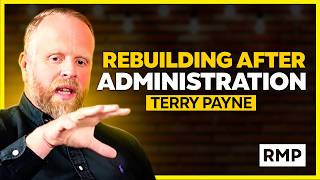
Terry Payne took over Aspire, a 30-year-old recruitment firm in administration, and rebuilt it to an 8-figure valuation through a data-driven sales culture, strict KPIs like 50 DM calls per week, and a management buyout that gave staff over 50% ownership via an employee trust.
Chapters
Terry, welcome to the podcast.
Nice to be here, thanks for having me.
Might win the award for the most traveled person. Yeah, to come on the pod. Came here from Devon today.
Yeah, 3 and a half hours plus a delay, so I think all in 5 hours to get here. I left my house at 4:30 this morning.
But we do have Team Summer Social tonight.
We do, yeah.
So came on a good day.
Yeah, a bit of bingo tonight, so, uh, yeah, it'd be fun.
So as you know, I really feel like this journey that you've been on, yeah, I know that this journey has different chapters, but this particular chapter that you've been on with Aspire, yeah, I think a lot of people can learn from. So our real goal here today, I think, is to educate people on, I think, some of the aspects of running a recruitment business and the things that I feel like from my own journey and speaking to other people probably happens a lot in our industry but doesn't necessarily always get spoken about. That's companies going into administration, starting again, those sorts of things.
Yeah.
And we're then going to really talk about how have you gone about turning around a business in terms of performance, productivity per head. Things weren't in a good spot. What have we done to change that? And then most importantly, what you've then done that resulted in you getting an actual financial event, a management buyout. And then what we're now doing to go to the next chapter. Like, there's a lot here that I know people can learn from. So I think really what we're going to look to do here is talking about that first piece, administration, what we learned, what happened, what do we have to do on the other side, and then really talking about how we drive performance, how we got to that financial event, and then what we're now doing is the goal. So to give everyone a bit of context, this is where if I get any of this wrong, you have to, you'll have to let me know.
Okay.
So I think firstly, the business that you are now in is like the, the brand is like 30 or so years old.
Correct.
Right. It's, it's a very longstanding company in terms of, of the brand Aspire. And I know it's been, um, maybe slightly called different things, uh, along the way, but you joined that business as director of sales in 2019.
Correct.
Yeah. Okay. So in 2019, or was it just before? Just before we went into administration.
So, well, the context behind it, it's already gone into administration in, um, 2018, or it was going through administration. Um, it had just come out of the other side of that administration and been phoenixed. Um, and it just wasn't performing. So there was a real danger sign and we're talking 2018 before lockdown. The economy was strong.
Yeah.
But the business was suffering. It hadn't pivoted, um, at all. Um, I think 1 in 5 divisions were making profit. So massive losses, huge headcount, huge overheads. And then I was headhunted in 2019 to come into the business, um, because they didn't want a Phoenix again. So imagine you've come out of this administration and then you're still going down this slide. So how do you fix things? So they headhunted me, um, and I came in, um, shook hands on the deal, left a tech startup that I helped to scale. Um, and then we went into lockdown. So my wife said to me, great move, Terry, you done, you done really well.
And then just to build on that, and then 2020, you went through that again or no?
Yes. So we go into, um, the lockdown. So first of all, I take the job and it was really a plan to grow it. And, you know, I had a really robust plan and I knew that we needed to pivot. Um, you know, cash flow was dwindling, but it was enough to drive the business forward. Um, and then lockdown happens. And I mean, it literally happened overnight and lots of people listen to this will know from there everybody stopped hiring. So then it goes into another administration and that was really because of what was going on in the global economy at the time.
Mm-hmm. But then a separate business gets started and then we carry on, right?
Yeah. So absolutely. So at this point, like, well, what we gonna do? Um, and I remember speaking to the founders at the time and they were saying to me, don't panic. Now, of course, I just come from a very big conglomerate. So I used to work for the Adecco Group. Um, and it was the first time that I've ever worked in the business that was going through these tough times. Um, so what we did then is we had another holding company. We've had a number of different companies. Um, and we just relaunched under that.
Yeah. Okay. Right. So let, so then let's just build on top of that. So like you said, state of the business when you joined, one division out of five making profit. I've got here research, insight, marketing, digital media, grad rec, events. But I feel like the Aspire brand is really associated with marketing digital, isn't it? I feel like historically.
Yeah, so it was kind of founded really in the digital space, but that was one of the problems actually, because the digital space was big 30 years ago, but as it's grown and media agencies have taken more internal talent teams, that business was dwindling. And of course there was no pivoting. So then all of a sudden you've got a business that is built on one type of business. So one type of customer, when they stop using you, what do you do? So that's why I had to come in with some fresh ideas and show them this is how you pivot. Because if they didn't, the Aspire brand that was 30 years old wouldn't exist anymore.
And then I've got here, it's always been like heavily perm, but there are, there is contract in the business, right? But when you joined, heavily perm, some contract?
Yeah, it's always been like a 90/10 split. So 90% perm, um, and then 10% contract.
Yeah, okay. Because I think a lot, a lot of the thing in terms, just to add a bit more context, I think one of the sort of standout things that you said to me, which we're going to go into, was how like account management and like on-sales focus, the base of the business was.
Yes.
Around this time, right?
Yeah.
So can we just, just for people that, because you use the term, um, a couple of minutes ago, but this term Phoenix, can we, can we just talk about it? Like, this isn't a financial podcast, but yeah, like I, so my, I first heard of this when in my own business had a customer who had a 12-month contract with us, cancelled that, said the business is like shutting down, but then outward looking in, it seemed like they just carried on basically. But from what I then learned was they closed down the original company they had for whatever reason, maybe it accumulated debt so they could no longer pay. These different things, and then they had another company holding that ultimately bought the assets of the old company, and then they just carry on essentially. So from my understanding in real layman's terms, but feel free to correct me, is literally that, like when you say phoenixing, it might be the original business. Normally from what I understood, it's like debt, so they can no longer pay their bills or yeah, that business goes out of business, goes into administration, but then there is an opportunity in the insolvency process where someone can go in and buy the assets of that company, and that could be the same person that ran that business, but it's under a different company.
Correct. In principle, that's correct. So if you've got a number of holding companies and you've got a group company, when you're going to insolvency and you set up a group company, it needs to be trading. So some invoices going through it, basically. You can have the opportunity during the insolvency process to buy that business, but there's huge risk attached. So not many people know this. There's no guarantee that you're gonna be able to buy that business because when you go through insolvency and you, it gets published. Okay. So an insolvency gets published, it'll go into a local gazette. At that point, your company and the assets go up for sale. Right.
So anyone could, anyone could.
Now, of course, you're relying on a couple of things. Number one, is anybody gonna see the advert? Number two, is someone watching an insolvency website for companies that are coming up for sale? And then all bids are closed. So they're silent bids, if you like. So, you know, you're, You're treading a dangerous line because you can go in with trying to phoenix a company thinking I've got 50 grand and I'm gonna buy my company back for 50 grand. I'm gonna write off the debts and I'll be good to go. But if someone comes in last minute and offers 100 grand, you've now lost that company. So whilst phoenixing can sometimes seem, oh, well, it's a quick option, it's a good option if I've run up debts or I wanna restart the company, it comes with huge risk because there's no guarantee behind it. So whenever you are going through that, you have to proceed with caution because someone can come in and top trump you. So. It's not as easy as it looks. And I think that a lot of people think that in the UK we have this methodology where if it doesn't work, it's okay, I can phoenix. But that's the number one problem, if someone can buy it. Number two, you only get a couple of rolls of the dice and then you're going to have government on your back. You could be struck off as a director. So it's something that I think if you're going to do it and you need to do it, it's done out of desperation. You know, survival, it's a lifeboat. Um, and that, that's how you have to look at it. You never really want to go down that road.
Because as well, I feel like it is also like frowned upon, isn't it? For some people, I feel like in terms of, I think there, there could be, I don't know if we had 30, 10, 20 business owners who are all trying to do the best they can to build a business, employs people, all of that. Like you just said, it should be done outta desperation. Is every one of those scenarios done out of desperation? I don't think so, from my own experience, from speaking to people. But what that does mean if you go down that journey is like, yeah, you could owe money to HMRC, to service providers, and you can strike that off, right? Which is why I think for some people it will be frowned upon. But like you said, I think if it wouldn't be, I think from when I was reading about it and just learning more about it, because I've had a few conversations about this type of experience over the last 12 months, the sort of understanding is, well, if this business goes again and employs more people and it enables people to keep their jobs, like, that's a good thing. Yeah. But I think it's, I think it's like anything, things can get taken advantage of. Mm-hmm. So I do feel like for the most part, being a business owner myself, if a business, like, out of desperation, it's like, we've tried everything that we can. We do need to go again and this is our only route, then fair enough. But I think why it will be frowned upon to other people is for those reasons where, you know, you've got other business owners that are trying to be profitable, trying to do the right thing, all of that, and don't go down that route, right? So that's just sort of been my experience of it and learning about it.
Yeah.
But I didn't know the things that you just said there.
Yeah. And there's some other complications that come with phoenixing. So again, you've got to do it for the right reason. I totally agree with that. You know, if you're doing it just to bunk bills, that's not the way forward because there's a couple Phoenix in. Number 1, you want to carry your suppliers over. They might not want to work with you, right? So number 2, you've got to get a bank account. So if you've just gone through a Phoenix, your credit rating's on the floor and you've got to get a bank account. Number 3, you've then got the, um, the impact of the current staff members. Well, why are we going through this? I thought we were okay. So, you know, there's quite a few things that you need to consider, and it should always be done with one, one intention at the front of your mind that I believe in the business. I believe that we are victims of circumstance, and I want to protect the people. Well, it's 3 things. It's those 3 things. And if you're doing that for the right moral reasons, great. But if you're doing it to bunk bills, you're just going to end up on a road where it will happen again, and then you'll get struck off, and then you won't be able to move forward.
And you kill your reputation as well. Yeah.
You know, you become one of those people that is doing it all the time.
So let— I want to talk about that period you went through in 2020, and then, because I want to talk about that, because I think that'd be interesting, how you communicated to the team, what did that look like? But just to add some context then in terms of what we're going to talk about, because you went from 2020, and then correct me if I'm wrong, to then around what, 2023, where then we had that management buyout? Correct. Yeah. Because that is the crazy thing. So we went from that to then having the business valued at 7 figures and achieving a management buyout where now it's employee-owned with 50% of The business being owned by employees and we're now on this journey to get to some sort of financial event, future sale in 7 years' time from that point.
Correct.
Right.
Yeah.
So this, this initial chapter, like you said, you hadn't experienced these things before, come from a deco, went into this tech. So obviously it's all going to be learning for you.
Yeah.
But I'd be interested in, we've spoken about the technicalities, but like if I was in the business then, like what would I have been hearing? What would I, because If it then gets purchased, you can carry over the jobs and remain people employed if you have the money, is what my understanding. So like, if I was in the business then, like, what would I've heard you say? Like, how would you be talking about what's happening, what's going on? Like, I think that'd be really interesting for people on like how to, how you handled that.
Well, I said, that's a great question because I think that what would have previously happened, um, not serving Aspire, but I've seen this in other businesses, is zero communication. Because in terms of from, from the worker's perspective, you're working for, um, for Aspire. And let's say that I've got another company that's called Aspire 2.0, right? The only change you're going to see once it's gone through the purchase and it's all happened behind the scenes is an update to your contract, right? So Hishem Azzouz, here's an update to your contract. You're now working for Aspire 2.0. That's, that's all you would see. So then you're wrestling with your conscience, right? So because someone could see the press release, it can get out. So what we decided to do, which I think is morally the right thing, is we did a presentation to the business. So we explained what had happened in the economy. We explained the cost base. We'd explained that we needed to diversify with our clients. And we explained that it got to a situation where we, um, we couldn't continue with that business, um, because the tide wasn't turning quick enough. Um, we explained to the staff what our plan was going forward and our strategy. Um, and the feedback I got was the transparency is what they needed. And to be honest with you, they just went, yeah, okay, fine. So we was expecting the big mass exodus and they were just like, yeah, that's fine. I get it.
I get it.
And because people aren't as stupid as we think they are, right? They know something's going on behind the scenes. And I think as leaders, we need to be as transparent as we can. I mean, there's some things you can't be transparent about, like, you know, how much you owe to each individual person. That's not fair and it's not fair to the other people involved. But when you're being transparent about where the business is, I think that you get people that are more determined to help you grow it back out again. So we went for full transparency, did a presentation, most nerve-wracking presentation of my life.
Yeah.
Because you're sitting in front of the people that you value, the people that value the company, and you're telling them, I'm sorry, but this is what we're going to have to do. And people tend to get worried. Are you cash-strapped? Are you going to be able to help us to move forward? So we had to navigate all of that and it took some time.
How many people did you have in the business then, roughly?
In the UK, probably about 35.
Mm.
Yeah.
Because this thing, like you've always, you've historically, the business had, um, divisions, a presence in APAC, haven't they?
Yeah.
You still have that and then you've got US and Dubai.
Yeah, correct. So the administration we're talking about was UK only. So it was, that was a UK business. APAC was fine. US was fine. Startup then. So it's only got 2 people out in the US and, and Dubai was And well, that came a little bit later on, so that came sort of post-sale.
Okay.
Yeah.
With this then, what I would just be interested to hear your take on before we go into what that strategy looked like, what you doubled down on, what's worked, what hasn't. But I think what would be really interesting for people to hear your experience on is from what you saw, from what you learned in being in that environment, looking at business that You know, it's been around for a long time, went through that twice. What do you believe would have been the signals that would have made you go, hang on a minute, we're going in not a good direction where it could end up into, we're going to have to run this business down, potentially start another one. Like what, what are the, what were the signals that you would have been looking out for? You might have thought about that. So what are the lagging indicators that, I don't know, maybe job flow massively changing or. More and more of our key clients saying we no longer work in this industry. I'm making it up. Yeah. I'd love just to hear your take on that because ultimately there would have been signals that maybe didn't get listened to, or maybe, uh, people didn't use that information the best that they could have. That's what I think would be interesting for people, like what would have been the things that you maybe would have seen or you believe would have been signals that could help people understand actually we need to make decisions, we need to pivot, we need to do this, that should mean that we don't end up in that position?
Yeah, well, I think for me it was, it was fairly simple. Just looking at, looking at the, the sales activity, looking at the way that we were structured, and if that was all working to a strategy that I believed in and it was still going down, I can't save this. There's nothing I can physically do. But that wasn't the case. You know, it was top heavy on staff, number one. There was no real defined sales strategy, number 2. There was nobody really working in terms of diversifying into growth markets, number 3. So when I looked at those signals, I can see, you know, even when I was interviewed, I could see what the problems were. And one of the things I did actually to be able to look at those signals, it's a great question, Hishem. When I was interviewed for the job, the CEO at the time said to me, what information do you want to see? And I said, just send me every division's KPIs. I want to see everything, all of the data. I want to see inputs, outputs, revenue, but do me one favor, take the names off. Why do you want to take the names off? I said, because I want no preconceived ideas. And what I'm going to do is I'm going to give you a view on each individual person without even knowing who they are, because you have a view on them based on how long they've been in the business. It's like, oh, you know, I know Jenny, she's great. She'll turn it around. But those are signals that you need to look out for. It's not about how long someone's been there. It's not about whether you know them, um, for, for many, many years. It's really about the raw data. So when I took that data, I was able to say, I see the problem. I think I can fix this for you. And it was as simple as that, really. It was all about data without emotion, which is tough.
I think that's, that's really smart. What, so what, what is it that, like, if me and you were sitting down and you were going through that data and And talking about what you can see, what was it like? What were the main sort of trends that you saw?
Well, first of all, I could see there wasn't enough outreach, so people weren't even picking up the phone. So how can you sell if you're not picking up the phone? Number 2, I could see that the salaries were sky high with a bonus structure that was sky high with very little entry point. So for example, you could do, um, a perm deal at 5K and you could probably earn a grand bonus. Like, well, that's, that's not gonna work, is it? I mean, in any stretch of the imagination. Um, and the biggest thing I could see was lack of effort at the top of the pipeline. So, you know, I've always believed that even in tough economies, if you put the effort in at the top, you'd always get it out at the bottom. And then finally, what I could see from that data was we were focusing on the same markets that we'd always focused on, but there, the wallet share of those markets was shrinking and shrinking and shrinking, but we didn't shrink the headcount. We just kept trying to do the same thing. Rowing the same boat hoping to get a better result, and that's never going to happen. And the data just showcased all of that.
So interesting. What— and like, just so we understand, you know, you're saying that wallet share was shrinking, like, how did that actually show up? Was it like lack of job flow? Was it basically that, or lack of placements per client? I don't know. Is there anything that—
how did that actually show up? Yeah, it was, it was lack of job flow. Um, it was, um, average invoice value So, uh, perm placement fee was going backwards. Um, client meetings, um, around account management client meetings. So bearing in mind, this was more of an account management structure then because the business had grown such a reputation in digital media. It was more of an account management business, but those meetings are dwindling. The vacancies are dwindling down and they're taking more internal. And then the other, um, real warning signal for me is the job flow coming through was like trying to find unicorns. So all of a sudden you're not working on generalist roles that are quick to fill. You're working on, you know, can you get me a rocket scientist or a dolphin trainer? Mm-hmm. That's never gonna happen. Right. So, um, there were a few of those signs that for me were early warning signs.
And when you say, cuz I know this is a big part of what you started to change.
Yep.
When you say very like, it was very like account management heavy, like what, what, what do you mean by that? So the company historically had won X number of key accounts, and I've hired people to manage those accounts because we were getting enough job flow, and that, that it was full of a lot of people that was doing that type of job. Like, what do we mean?
Yeah, so make no mistake, Aspire has been a fantastic brand. I mean, the founder, um, and the CEO done a great job, built it up from the ground, um, managed to get on with some really big media agencies. Um, and because of that success, the business had to almost transform into account management because vacancies are flying through the doors. So it's everyone's dream in recruitment. I've got so much business, I no longer need to cold call. Like, we'd all love that. Um, but unfortunately, because that happened and it became account management, because it was fulfillment, fulfillment, fulfillment, and nobody was selling on top of that, as it dropped and as it dropped and as it dropped, nobody's filling up the funnel. And then eventually you've got account managers who can't sell. So that's really what the structure was. And it was born out of success. But success can be short-lived if you don't keep an eye on what's going on in the market. And I think that's what happened.
So if I was sat in that presentation then, besides the transparency you would have given me, yeah, what would I have learned around what's gonna now change that's gonna change our circumstances as a business? Like, what were the sort of fundamental pillars behind, and this is what we're gonna do, guys, these are my philosophies, these are my beliefs that if we do this, mm-hmm. We're going to be in a very, very different position and a really great position compared to where we are today? Like, what were the sort of fundamentals to that?
So I think the first thing was I needed to explain to people about sales culture. We need to flip into a sales culture. Now, what's interesting when you talk to a group of, and we've changed now, we've diversified, we'll come on to that. When you talk to a group of account managers about selling, you can see the colour drain from their face.
Not for me.
This isn't for me. But I showed them. Businesses I've worked in the past, what we've done in the deco before, that if you can focus on that new business side and you can keep that tap turned on, actually you could do a bit of account management, a bit of sales. So I showed them that. I then talked to them about something I like to use when I'm saving businesses, which is can't do, won't do. If you can't do it, I'll teach you and we'll train you and we will give you all of the tools to make you successful. If you won't do it, you can't work here. Now that sounds, it sounds harsh, but ultimately we don't want people in any business that they're not enjoying coming to work. They don't want to do it. You know, they should go somewhere where they're happy, but there are some people that just can't do it. And that's fair enough. If you've been doing account management for, let's call it 18 months, you can't just tell someone to sell. And I think training is massively undervalued in recruitment. We bring them in, don't want to go down a rabbit hole here, but we bring them in day one, we sit them in a corner, I'll give you We do it for 2 weeks. We give them all the attention, then a new shiny toy. And then 6 months later, we say, well, you've not hit your KPIs, but we haven't trained them. So the can't do for me has always been about showing people that strategy. This is what we need to do. These are the metrics. This is how we're going to get there. These are the markets that are in growth state. By the way, let me show you how we're going to get there and how I'm going to make you have the skills to be able to be successful. And that was one of the defining moments. That helped us to change and shape Aspire to get to an MBO.
And how many— I know you said you didn't have an exodus, but did you have a lot of people going, no, actually, Terry, this isn't for me, like, I don't want to do that, or did you have everyone go, yeah, all good, and then it sort of played itself out?
In the film of my life, everybody stood up, there was a rapturous applause, and we retained everyone, and it was, it was great, but that wasn't actually the case. Um, we had, we did have an exodus, and we probably lost about 50% of the staff. Didn't fall out of any of them. We gave them the tools. We asked them to consider if that's the road you want to go down. You don't have to do it. You know, we're not in prison here, right? What do you want to do? And some of them just said, not for me. I don't, I don't want to do that. I don't want to sell. That's, you know, I came here and, you know, I've sold in the past. And I think the thought of getting back on the phones and cold calling just horrified some people. So we, we dropped the headcount down and we brought some new people in.
And do you— and then also, as part of that, like, we know we're no longer going to have the account management model. Like, how do you feel about— I know you said it was made out of— created out of success, but just from your experiences building recruitment teams, you know, leading this business, like, how do you feel about that model? So you can do that model really well, but I don't know, like, what, what was the approach there? Was it, we're scrapping that, we don't need that?
I don't have it anymore. So I don't have an account management model in my business. Well, that's a lie. Sorry. I have, I have one person right now in the UK that does account management. And the reason I came away from it is because I wanted people to be, to have all of the skills. We talk a lot in recruitment about 360. The problem is when you're 180, our economies are constantly up and down. We've seen that over the last 5 years. And what I'm trying to do is train people to be well-rounded, that they can do a bit of all of it. Um, so I came away from that model, um, had one account manager that was looking after some of the agencies, but we also didn't need it because there wasn't enough business. And then what I wanted to do was replace it with salespeople where they had 20 accounts, for example, but they were always selling as well. And what that gives you is that ability that if those accounts downturn, you can upscale with your new business. So for me, it's not a model. That I would use now. If you're in a big conglomerate, like in Adecco, great. Yeah. You've just won a multi-billion pound contract, but we're not in that space. And I wanted to focus us on being specialists so that you pick up the phone to someone in Aspire, they're your salesperson, they're your account manager, and they're your filler.
And the other thing that you've mentioned, which has come up a lot this year, if I'm honest, and just find it really interesting to like have more people talk about it. And that's about like the market piece and being intentional about it. And you said about growth markets.
Yes.
And I do think this can sometimes be overlooked or maybe not really— people aren't as intentional with it or maybe open to actually, if I change my focus here or was a bit agile or made a pivot, that could actually massively help the business. Because I do feel like when you Particularly in the UK, I do feel like you're going to be really struggling if you're like a generalist.
Yeah.
So I feel like most people I sit down with, when things get tighter, particularly in the UK markets, you really have to know your ecosystem. Like you have to get even more tighter to your niche and it's so important. Yeah. But I think because of that, what that could mean is sometimes particularly, you know, companies that are led by founders that have typically maybe done certain markets for a long time, they always end up doing what they've always done. It's like, no guys, I know it can work, I've done this market for a long time, which means then they're susceptible to not making those changes. But I've sat down with more and more people this year talking about the importance of being intentional around the markets that are going to be booming in a year's time, 24 months' time, or going in that trajectory.
Yeah.
So talk to us a bit about Because I think sometimes people want like a silver bullet. What market, what market is absolutely booming right now? Should we make loads of money? But actually, I think a lot of people I'm sitting down with, it's they make a bet where maybe like really, I think for you to really capitalize on the market, you want to be known in that market as the go-to before like it's absolutely heaving and competition or where people then move into at that point. Yeah. So when you say growth markets, like how, how did you think about that? What did you look at? Like how did you identify certain parts of the market where you go, you know what guys, we're committing to this and this is the reason why, this is what I've seen.
Yes, it's a great question. So often when we're looking at growth markets, sometimes the reason, in my opinion, they don't work, if you go into them and you say, well, I tried a growth market, I crashed and burned, is because you've got to look at what is the closest alignment to your current business. So for example, if I'm a media agency and I work with marketing professionals and I decide to go into biochemistry, Well, I'm never going to get off the ground because I've got to do the networking, the cold calling. I'm not known for it. They've already got people that they use. So, um, I'll give you a real example. So what we started with in Aspire, dealing with media agencies, and we said, well, a growth market is actually independent media agencies. So you've got your big ones that are taking all of the big contracts, but you've got these new startups coming through and they need a recruitment company because they don't have the internal talent teams. So that's an alignment to the business in a growth market in your sector. Growth isn't always growth markets isn't always about looking for the next big thing. It's sometimes looking in your market and saying, what are the smaller companies doing? How are they growing? How are they breaking into that market? And if you can get in with them, you're dealing with founders, CEOs up front. They're the ones that will be the big businesses of tomorrow. Often with recruitment, it's fairly cyclical where our job is to go into a business to help them to grow. To a point that they don't need us. That's really what we should be doing. So what we need to be doing is looking at who are all of the emerging clients who are starting their journey, maybe in a similar field. So that is a growth market. And often people think pivoting is going to something completely different. It's not. The second part of that was sales. I've always been a big believer in sales as an industry. Um, and that was one of the things that I've pivoted in. It is currently my highest performing team. Um, it used to be 10% of the total revenue. It's now monthly makes up about 40%. And for me, sales is one of those markets that you're always going to need salespeople because AI can't sell. Doesn't have the human connection. Okay. Um, sales makes the world go round. Everything we have from this studio that we're in to the clothes you're wearing, the clothes I'm wearing, um, the appliances in our house, someone sold it, didn't they? So it's always, for me, it's about pivoting into markets where you know that they're almost recession-proof. So I look at those as well.
And then how often should we as founders, leaders, be looking at the markets that we're in? Is it just a daily, weekly part of being a recruitment leader where you're open-minded, you're looking at what's happening? Because I think that's another part of it as well, isn't it? Like you said, a big part of of what you felt led to the outcome was they didn't pivot. So how often then should we be— because we've got to focus, right? We've got to be intentional what we want to be known for, do great at one thing, or be known for doing one particular market. But then how often should we be looking at the growth markets? Is that something you do on a weekly basis? You open mind, you know what I mean? How often then do we need to be open-minded to it?
So if you were to ask my team, um, to sum me up, they'd say I'm hyper-focused. I wanna say hyperfocused, almost manic. So I look at markets every single day, every day, every day. I make sure that I read lots of different news articles. I'm always online. I've got this Flipboard app, so I'm looking at the business news, I'm looking at the emerging markets, I'm looking at new technology, I'm looking at the FTSE 100, what that's doing. Because I think that the more, the more you look and the more that you read and the more that you constantly search for information, it gives you two things. Am I on the right track? Great, right? Shit, I need to change direction. This is going downhill quickly. Um, and I think that not a lot of people do that. They get stuck in this mindset of, okay, well, that's always worked for me. I'm drowning at the moment, but hopefully the tide will turn. Well, it won't, because if you sit in the sea and you're waiting for the tide to turn, you're probably gonna drown. It's most likely, right? So I think constantly looking for emerging markets is key because then you can get on top of it.
Mm-hmm. Yeah, it's just being curious about it, educate yourself. Yeah. Just consistently.
All the time. Yeah. All the time. 7 days a week, always on LinkedIn, always looking at different people's posts, thinking, hmm, are we doing that right? And sometimes you can get a nugget of information, could be from a competitor. So I always look at competitors as well. What are they doing? Not because I want to steal their ideas, but if they're doing something and I think, do you know what? We should have been doing that. It gives me a plan to go back. Now, what I mean by that, by the way, just to qualify it, I don't go in and change my business model every day because you could imagine that people go psycho, but it helps me to understand and navigate what the economy is going to do moving forward.
Yeah, I think that, yeah, I'm glad that you just added that because that's an important point. It isn't about taking this information and then being like, right guys, doing it all wrong. We're doing this tomorrow instead. Then that happens every other week. It's just, I guess then you're just using all that information. You're maybe looking for different things. There are adjacent opportunities. You're just making sure that, I guess, you are like aware. And if you do see opportunities that you feel like you are educated enough to go, you know what, actually, because of everything that I've seen, I think this is a good bet and let's take it. And some of those bets may not take off, but you're at least, you're open-minded to it.
Yeah. So we try tech. So we, I, I thought, well, okay, that we got the rise of tech. And this is probably back in 2020 when we're in lockdown, everybody's gone online, everybody's doing their thing. I was like, well, we need to get into tech. We tried it, it didn't work. And I'm okay with saying that, it didn't work. So then I was continuing to read about the rise of tech companies. I'm thinking about what are we doing? When will we do it?
Everybody!
And so I thought to myself, well, I know what we do. We're really good at sales. Sales is my background. We can't find developers. It's not our skill set, but someone's going to have to sell that product. So why don't we just specialize in finding salespeople for SaaS companies? It's taken off like a rocket ship.
And then just final thing on this, you know, you said it didn't work. How long did you give it? And what made you go, yeah, and you know what, we've given it a go, it didn't work. I know there isn't like a perfect answer for that, but I think that is something that, again, people, founders, leaders can find themselves in is like, they've fought this bet with work, but then how long do they give it where they can go, no, we've given it a go?
12 months. Yeah, we gave it 12 months. You know, some people say, oh God, that was too long, I would have given it 3, would have given it 6. But I wanted to just focus on doing all the inputs first, trying to really get under the market, and it just didn't work for us. Now, there were some market reasons that it didn't work as well, because around that time we come out of lockdown, the market's booming, and then there was a crash in the technology sector, which was driven by, um, the layoffs that you had with Facebook and, um, in the US. So it was Facebook and Amazon, and there huge layoffs, and then that ripple effect came into the UK market because a lot of tech companies at the time, they were having an absolute field day in 2020, making loads of money, loads and loads of money. Um, but the salaries were pushed up so, so high that then when that market crashed, unfortunately, um, the market was flooded with candidates and there were no recruiters. But to answer your question, 12 months in after that, Just like, this just isn't working for us. And it wasn't from effort, it was just that we didn't have a deep enough, uh, client base, relationships, knowledge in the market. And sometimes I think you've just gotta focus on what you do really well.
Mm-hmm.
That is aligned, as I said earlier, but it should be closely aligned. If you go too far away from your brand, people think you've lost the plot.
So let's talk about what, like, I wanna get into the I feel like, correct me if I'm wrong here, but a big part of what you changed was this like sales culture. Yeah, strategy, as you said.
Yeah.
So April 2023, I got here, MBO completed.
Yes.
We've spoken about the market. Let's be honest, like that's probably a good time.
Yes.
Fair. Yeah, very fair. I think a lot of, there'll be a lot of recruiters out there where their best year to date is around that period. Still trying to, still trying to beat 2022 or 2023, because there was a real boom period, right? Mm-hmm. But let's just get into like what really changed, because still you wouldn't, you know, that doesn't mean that you would've got that just because everything was easy, right? You still had to do a lot of things to get into a position where we could, you know, self-finance this MBO. What, like, talk to us about the sales strategy piece, because obviously that is what it seemed like you changed a lot. The markets we've spoken about. So what would have been the main differences? So let's just say I was in Aspire, you know, around the time that you joined, I might have been an account manager. I was someone that, you know, was open to learning. I was happy to go, you know what? Yeah, I haven't, you know, built that skill set of selling. I maybe got complacent. I understand that we need to change. Like I was, it was more of a can't do versus won't do.
Yeah.
What would have looked very different for me in that environment when I joined versus End of 2022.
It's crazy. And the reason I'm laughing is because when I came into Aspire, I came in and, um, they'd been used to working a certain way and it's been drilled into me throughout my career that it's all about metrics, data first. The data doesn't lie, people do, right? That's just the way it is. So I developed a set of KPIs based on the data that if you did those inputs all the way from cold calls to client meetings, to CV sent, to first interviews, to second interviews, Average placement value. If you put those inputs in at the top of the funnel, that's what you would get at the bottom. And I remember presenting it and I looked like the most hated man on this webinar because I'm now telling them I'm going to manage you into metrics. KPIs, people love them, some people hate them, but they're so, so important because for me, and I said to the guys how it looks different, is KPIs are a sat nav. Okay. I want to get from central London down to Brighton, for example. So I can either set off not knowing the journey and just walk in the south direction and hope that I land at the coast, or someone can give me a sat nav. I'm gonna give you a sat nav to being successful, and then I'm gonna give you the tools and I'm gonna train you on all the things you need to do to be successful. So not only am I giving you the sat nav, I'm gonna tell you the train you need to get on, where you need to buy your ticket from, how much it's gonna cost you. And that's how I'm going to run this business moving forward. And it was a non-negotiable. I think when you are putting a sales culture in, you, it can't be something where we would like to do if you're okay with. You're never going to get a result. It's a must-do. These are the things that we will be doing. If you can't do them, I'll train you. If you won't do them, it's not the right business for you. And the same with training. It's like, we're putting this training in place. I expect you to attend. I expect you to do it. So it's an expectation. It's not a, would you mind? And in those early days, it was, it was tough. It was tough because people were moaning and this is not the company. It's micromanagement. I don't want to work like this. And you often find in the early days when you're changing sales strategy is the pushback is coming from creating new habits. So it's a bit like if I go to the gym today, and I could do with going a little bit more, I go to the gym. And I work with, oh, I don't wanna do this. I'm sore. I'm sore. And by the way, I don't even look good in the mirror. Um, but the more you do it, it doesn't become a chore anymore. You enjoy it. It releases the endorphins. And it's the same with a sales strategy. Once you teach people how to do it and they get used to doing it and they see the outputs, they start earning bonus your way. But you've got to go through the pain.
Mm-hmm.
And you've got to be steadfast and you can't give up and you have to be relentless. Sometimes as a leader. We can't, we've gotta kill the noise and just believe in the journey. Just believe.
I think what, what I take from that is, and what I would've respected and where I feel like other people go wrong is the way that you described the metrics and said, the reason why we're putting these in place is because I want you to get to the destination that I want you to get to. And you were talking about it in terms of this is a route to success.
Yes.
I think where often people can go wrong is if I was on that webinar and you just said, right guys, as you know, things haven't been great, so we're making changes. These, this is now what's expected for you. Cheers. Onto the next slide. Do you know what I mean? So that, that's what I think sometimes really important because I think you pull it in a really great way. And this is what I say to people when they fell into this trap, particularly around this boom period where they were like, no KPIs here. We treat you like adults. I honestly haven't met a recruiter that wants to be successful that doesn't want to understand how to be successful. And this is what we're talking about here. Like you just said, like, I can give you the sat nav on, you know, how to get to where you want to get to. I haven't met a recruiter that doesn't want to understand when I interview people, like, how did they do what they did? And it comes down to these aspects. So I think what I really take there is, like, you, you really made sure not only did you say that I'm going to make sure that you all feel like you're capable of doing these things to a really good level. But you said, this is why we have these in place and the why behind it.
Yeah. And just to talk about KPIs, because, you know, I've also come across businesses where, and people that have worked for me, I don't like KPIs. I'm micromanaged, right? And actually, we treat you like grownups. It's a ridiculous statement, in my opinion. And the reason it's a ridiculous statement not to work to KPIs Often people look at KPIs as measuring failure, don't they? But actually it measures success. So if you've got someone who's really successful sitting over that side of the room and you've never looked at their data and their metrics, how can you take that recipe and then bleed it through the team? You know, if my nan comes in and makes a great cake and never shows me the recipe, I'm not going to be able to sit there with ingredients and pull off the same cake, am I? So KPIs are there and they should be a measure to success. Not the first measure to failure. And I think that's the problem when it comes to KPIs. And it's a mindset shift that you have to get on with consultants.
And people definitely want me to ask this. It might have evolved, but like, what would have those metrics look like? Because I'm assuming you would have thought about what those inputs, things look like that you felt like, if we, guys, if we get anywhere near this, trust me, the end outcome is going to be a lot more what we want. Like, what do those look like?
What, in terms of the specific numbers?
Yeah. I think people are going to want me to ask that.
That for? Yeah, so, um, in the tough times we were doing something like, um, 50 DM calls a week minimum. And that might sound a lot to some people, go, I do more than that, but it was 50 DM calls. And then from there we expect 3 client meetings. From 3 client meetings expecting 2 conversions. From the 2 conversions we're looking at 4 to 5 vacancies. Um, 6 CVs per job is what we aim for on perms, knowing that a client will deselect, so you'll probably end up with Maybe 4 firsts, which will give you 2 seconds and then gives you a placement. So that's the perfect ratios that I work to. Once we get into those, and this is important, and we get a little bit further along the line, I start using something that I call dynamic KPIs. So you may be much better on the phone than me. So actually for your 25 DMs, you're converting all of those outputs. So that's fine. So we make those little adjustments, but in the first instance, you have to go broad. And then you collect the data over a quarter. Okay. Or maybe over two quarters. And then from there, you can be a bit more dynamic with them, keeping the outputs where you want them, but maybe changing some of the inputs to allow for the skill level of the people that you've got.
So it's going from like blanket approach, we've got to start here, but then using the data, understanding your people, you can then make them more personalized.
Yeah. I mean, I'm, I love an analogy you're already getting, but You know, you come to the gym and you wanna lose weight, I'll put you on a basic diet. But once we see and you've got progression, um, then I can say, okay, we can make a few changes here, here, and here, which will keep you on your growth journey. And I, I treat KPIs the same. They can't be the same 24 hours a day, 7 days a week, every single year. You've got to make some shapes and changes. Also for market conditions, if your 50 DM calls are no longer giving you the outputs because the markets have contracted, you need to put more in the top of the funnel to get more out the bottom. So sometimes it's turning the bathtub on. Yeah.
And what, and do you feel like, and there would have been loads of things, but do you feel like really just committing to this type of culture, this type of environment was like fundamental to get into that endpoint of a self-financed management buyout? Yeah, I do.
Because you mentioned earlier on, I was going to come back to it, that a lot of people listening will say, well, 22, 23. We had one of our best years in 2021. So before the boom of '22, because the efforts we put in in 2020, um, we were contacting more clients than our competitors. We were hitting the phones more. We were going out on meetings, even if they were on Teams at the time, but even if it wasn't for business, just to connect. So when those people needed someone, they came to us because we were the ones that kept in touch with them through the downtimes. So when the good times come, They're all to us. So often we think about sales as, and the sales culture is the now. I'm going to get it now because we're so used to it, aren't we? You know, if I order something on Amazon, if it doesn't turn up tomorrow, I'm making a complaint. But actually sales and recruitment is about what we do now benefits the future. So our biggest upturn was in 2021. And the feedback we got from clients was because you were one of the only agencies that wasn't phoning us for business and was just seeing how you, how you doing. How's business? And we kept in touch with them. So that was the update.
It's been the person I go to when I get to the point of like the need.
Yes.
Versus only speaking to people when the need's there. Yeah.
Because it's easy, isn't it? Sales is easy. If I see a vacancy online and I phone up and I say, I can see you're advertising for media agency person. I'm not expecting someone in. Well, that's easy. But if I go on your journey with you when you're just formulating your media agency and we build a meaningful relationship, when that vacancy comes up, you're gonna find me. And that's, that's what I teach people is that sales is about, um, doing it consistently, constantly following the sat nav and focusing. It's not always about trying to get the result now. It's about building the rapport to get the result in the future.
And then you spoke about having to go through the pain besides people pushing back, don't like this, don't wanna be micromanaged. Is there anything else that. Is part of the process that you think would be interesting for people to hear, or for you to talk about, like anything else that comes with implementing this type of change in culture? But because, you know, it's fundamentally important, is there anything else that comes with the journey that you have to work through, deal with?
Yeah, I mean, I think that the first one is you— the pushback. You're going to get pushback, um, and, and it's quite hard because you start to get these voices coming at you about micromanagement and how they don't like to managed and it's not the same as the company used to be. And my biggest tip there is when you're trying to make a change, you have to give it time to change. And with anything change, people are going to complain in the early days and you've got to let it level. And I remember saying to the CEO and founder at the time, because imagine for me, I've come in thinking, God, right, we've lost 50% of the people. Um, everyone's complaining because I'm putting KPIs in place. I'm going to get fired. And the CEO said to me, no, no, no. We know it's the right thing, so we just had to hang on to get through the pain. So the first tip for me is, and to give people, is you've just got to hang on and have the belief because it will change. Now, you may change some people, but as you do that, you will have people that are aligned to your values. So that, that's probably the first thing. And I think the other thing is, is making sure you're consistent with your, with your one-to-ones and your catch-ups, because when people aren't When you're changing the sales strategy, and then I was doing one-to-ones every single week, every week.
You was personally?
I was personally.
Yeah.
And what I was doing then is looking at the metrics and basically looking at the gap. Okay. So I dunno, let's say that they're doing really well on DM calls, client visits, but they're not picking up vacancies. I'd look at that gap in the one-to-one and I would set them some training or some objectives that would help them to increase their client conversions. And by doing those consistent one-to-ones, you can catch any skill gaps or attitude gaps early. If you don't do that and you become complacent and I do a one-to-one with you every 2 months, by then a small problem becomes massive. So you've got to be consistent with your process as well. It's all well and good rolling out a KPI strategy and a sales strategy, but you have to have consistent and constant checkpoints to make sure it's— people are doing what needs to be done.
And then just, I want to talk to you about how this deal was formed, because I think it'd be interesting for people to hear it. But just curious, it just comes to me, he's talking about that, talking a lot about KPIs, inputs. I just want to talk to you a bit about the skill side of things. And something that, again, has probably come out of this year or some of the conversations I've had is a number of founders that I've met when they're trying to improve some of the things that we're talking about, something that they've learned is actually their team are a lot less capable to effectively communicate what their value proposition is to the market than they may before. Yeah, let's talk about that. Like, how, you know, because we're talking about skill gaps, obviously there's a lot that we can go into there, but just curious, like, there's one thing, them doing the inputs, but then did you find that— because I do think that, that, you know, we're talking about sales strategy here— I do think that's one of the things that I mean, one, even having the sales strategy is overlooked for one. And then when we get into the nitty-gritty of it, if I lined up 10 people at Aspire and I said, talk me through, if I'm a client, talk me through like why we should be working with you, or what are some of the things that you think you would speak to that would make me feel like you're the person I want to work with? Like, how did that look?
So I think if you used to line 10 people in Aspire up now, They'll do a brilliant job at that. And that's because what we've done is I train my people, um, every fortnight personally. So in terms of those human interaction skills and be able to sell value propositions and USPs and hooks, um, we use your training module as well. So, and that helps. And they do that every single week. Previously though, how did it look then? There was a massive skill gap. Massive. I mean, it was huge because you've got people going back that were account managers. They don't even know how to sell a value proposition or USP. And then we had this whole lockdown where a lot of people came into the recruitment industry and they became complacent with doing everything on Teams. Now, just before that, if we, if we take the lockdown in just a very short space of time, 6 months from lockdown to before that. So before that, you'd never do a client meeting on Zoom. 6 months earlier, I'd be on a train from Devon 3 and a half hours knocking on the door, sweating in the suit, doing my client meeting. And then we all shifted to online and the gap, the skill gap was massive in terms of rapport building, being able to look a client in the eye, being able to sit down and have that small talk in between the pitch. And those relationships that, that, that key skill of building relationship in sales just dwindled massively. But when they came back to the office. One of the things I noticed was they were almost, um, a collection of people almost scared to go and meet a human face to face again. And so we've had to retrain all of those skills. So it was a massive gap.
Well, I'm not surprised to hear that. If I'm honest, like, it's just, yeah, it has come up a lot. Let's talk about 50— let me know if I get this wrong, but like 51% of shares given to employees via trust model. Mm-hmm. What does that mean?
So when we were looking at doing the exit, we were sitting down and we were thinking of different ways to be able to exit the business. So again, you're in 2021, 2023, so in '22, '23, we could have peed, you know, global business, brilliant story of growth, you know, now's the time to take it. Nobody knew what the future was gonna hold. We could have done that. But this model of employee ownership came up because it was a model that is being, at the time, was being, it was in the papers around John Lewis, that everybody has a share in the company. And I spoke to the previous CEO and founder. And one of the things is I grew up, get ready for the tear jerk, but I grew up in a very underprivileged background. So I grew up on a council estate in South London. I left school at 16, had my first child at 17. I had to go and work in warehouses and all sorts. And I I got into recruitment and it basically changed my life. So it was brilliant for that. And not enough people, um, get an opportunity to own part of a company because it's normally the P companies will come in or someone else will come in with the cash and it switches ownership. And we wanted to be able to say, look, what if we gave 50% to the people? And then when we go for our next exit, that all of those people get a share, 50% share of whatever the company sold for. And I thought it was a great idea because what it does is it shows people that we're not all born with the opportunity to go in and buy a company. But actually, if you're in the business and you're working hard, how great is it to have a vision that we're not giving you a job? And this is my vision. I don't, I'm not hiring you just to give you a job where you can retire with a gold watch. I'm hiring you to give you your own exit plan. And that's, that's why we went down employee-owned.
And then like basically the, the way that this is, because in order to get a management buyout, there's got to be, from what I understand, there's got to be some sort of finance plan, whether it be X paid up front and then over the next couple of years the people that you're buying out get X, whatever it is. But that's part of it as well, right? That you built like a, I've got here like some like 7 to 10 year plan.
Yeah. Yeah. So I think we're, we're a year, I think we've got about 7 years to go now. So we've, we've been going through it. So at the end of that, we've paid, we've paid the money off or the timeline gets you to that point. And then the company is transferred over in its full ownership to, to the teams. They're still in it now. So it's still employee owned. It is employee owned now, but there's obviously a debt that's attached to it because we're trying to pay that bit off, but that debt then falls away. And then my plan for the business is to go through another exit or an MBO. Whichever is right at the time. So either those employees can come in and buy the business and kick me out and say, the old man's gone, which is fine. I'm happy to do that. Um, or we go for another exit and they all walk away with a massive cheque.
And what might be a stupid question, this, I'm just not entirely sure how it would work. So if I'm in the business now, do I automatically, like, so when this happened, I maybe would have got allocated X shares. But then what happens if I leave?
If you leave before that, that vesting period, yeah, then the shares leave with you.
Yeah.
Okay. No, not with you. Sorry. They stay with us.
They stay. Yeah.
Yeah. They stay. They stay with us.
And if I'm a new employee, do I have to do something? Do I have to be with you for a level of service before I get in?
You just gotta get through probation. Just hold on for 6 months.
Does it actually work? Is that, how does it work?
Yeah. So you gotta get through probation. Um, and then once you get through probation, those Um, those options are automatically given to you. Um, and, and then, you know, you're working towards, you know, the exit plan. And someone was talking about this the other day in the business and, um, a brilliant consultant of mine, Chloe, and she's just turned 30, right? And I said to her, if I was to tell you at 37 years of age, I'm going to give you a check of X amount, and I told her the amount, um, what would you say? She's like, I can't wait to be 37. So, so yes, there's going to be some people that will join maybe as it's getting towards the end of that 7-year period. Great. There'll be some people in the business now that may not want to stay for the 7 years. That's fine as well. But what we're trying to build here is an opportunity for the people that join Aspire. And as we get closer and closer to that period, they will own a piece of a company, a global business as well.
And that again, I don't know how these things exactly work. Is it the longer I stay with the business? I have more shares? Is it the better I perform, the more shares I get?
Yeah, so the shares, the shares, they'll be, um, they're kind of built on a few different factors. One of them would be length of service, of course, because, you know, you've been very loyal to the business and it wouldn't be fair, would it? You know, imagine if you've grinded out for 7 years, you know, Dave comes in, he's done a 6-month probation. So there's that. There's also in terms of if you climb up the ladder, there's— so there's a number of different components, um, that will reward people. People, but everybody will get a share, and they also get a profit share as well. So, um, when you're in the EOT, as the company's making profits each year, the, um, after costs, the shares are then— the share of the profits is, um, divided amongst the employees, the percentage of it.
And then is there anything— because there are like— may or may not have gone down this route, but they're like, they're like tools and platforms that you can see as an employee what your shares Have you got something like that or no?
No, not as a platform. No. But we, what we did at the beginning of this year is that we sent everyone a letter based on where you are now. This is, this is the value that you would see in, in, in 7 years.
Right. Because that, that, because you wanna make it feel tangible, don't you? And like real.
And look, I'm not silly, you know, there'll be people thinking, wow, yeah, but that's 7 years down the line. But in anything in life, you've got, you've got short-term, you've got long-term value. If I was to say to you, your mortgage will be paid off in 7 years, you'd take it. So we sometimes have to remember that we're paying bonuses in the now, we're paying salaries in the now, we're doing incentives in the now, we're doing all of those things to train into development. That's the now. But what we're also doing is investing in your future. It's just like a pension fund, if you like, or it's like, it's like an ISA, isn't it? So you can get that money in the future. And I think that's a nice thing. I think it's a great thing.
Let's just, let's just work backwards from that vision because I feel like in order for you to really get people bought into a journey like that, you've got to do a bloody good job of having clarity around how you're going to get there, right?
Yeah.
So let's just work backwards from it for a second. I'm just more interested in like, if we think about 7 years from now, what do you think are going to be the fundamental pillars in Aspire, in the business that you feel like are gonna give it the enterprise value that is then gonna give Cloak the check that you said?
Yeah.
What are gonna be the fundamental things there that you believe equals we're gonna be able to get some sort of exit, whatever that looks like?
Yeah, so I think this is about having a business. Whenever you're looking to, to, to sell a business on, um, and I remember working for a tech startup that, that, that sold on, you want to be showcasing true growth value. Why would I, why would I buy your business today if it's gonna give me exactly the same as what you've already had in 5 years? Everybody wants 3x, 5x. So some of the pillars that I've looked at is, first of all, yes, we've got the markets that we work in. Then it's looking at other brands. So, you know, we bought Hubbellin, which is a technology brand, and I've bought a new brand in Exec Edge. So that's more senior brand. And I think it's about constantly innovating and trying to find ways that when people invest in, they're investing in some technology cuz that's, that's lifelong. They're investing in the AI you've put in the business, the infrastructure you've got in the business, the reputation you've got in the business, um, the fact that you've got a really robust strategy that will take you forward and continue to grow. And for me, those are the key pillars, is making sure that you can showcase true value. There's true value here. Um, and this is what makes us different to our competitors. We've generated, um, obviously not going to give you the names of it because there'll be loads of people listening, but we've generated some, um, in-house AI. And it's been game-changing. Now we're using a platform as well outside of that, but we've generated some lead generation AI and it's been great for us. And it's little things like that and some matching technology that we're using now. We worked with a couple of developers on, and those are the things that will give it value and key pillars to sell in the future.
Because that is the key thing, isn't it? Like if I'm going to buy into a spa, I want to, I'm buying into like what it could be in 3 years, 2 years, I'm buying into the future of it versus Yeah. And then just curious, like, how, how do you then keep all of that? Because it is hard, like you said, a lot of our world is the now. Mm-hmm. And like, I should have had it yesterday. How do you, how do you keep that front of mind of people in the now? Is it something that you talk about daily, weekly? Is it something that you bring into the presentations every time? Do you know what I mean? Like, how do you bring that forward?
Yeah, again, I wouldn't, I wouldn't speak about it daily, weekly necessarily because Um, the problem is if you talk too much about the long term, people don't focus on the short term, right? They just like, oh, okay, you know, we're gonna be fine cuz we're gonna be this massive exit. And so it's important to keep people focused on the job in hand because if you don't do that, you're never gonna get there anyway. But I, funny enough, I spoke about the vision last week on an all hands call, uh, a Teams call. Um, and I'm presenting that same vision tonight. So I will remind people of it 2 or 3 times a year. Um, I'll talk about what the strategy looks like, I'll talk about the markets we pivoted into, the successes, just so they can see that we're on a good journey. And then I think that's important to be able to do that. And transparency in leadership is underrated, but actually that's what people want to hear at ground level.
I'm just going to ask you the opposite, which is, what do you think will be the reason why you won't get there?
I think if we wouldn't get there, it'd be because we didn't innovate enough, that we stopped constantly looking at what the markets were doing. And we decided to come away from this strategy of KPIs, metrics, and data. I think we've had some times over the last couple of years, and I'll be totally transparent and honest on here where I have wavered in that plan myself. Myself, right? I'm not immune to it. Um, you start hearing noise and other recruitment companies or your staff, you know, I don't like to be managed with KPIs and, and we're human, right? We start thinking, oh, I made some changes and I've personally made some mistakes. This isn't always this, this podcast isn't about the great journey. During this time, I've made some serious mistakes. I maybe pushed too hard on the metrics and it broke a few people. Um, or I listened too much to the noise and I started to make some changes coming away from my own strategy a little bit, and it started to fall away. So we won't get there if we don't stick to the true core beliefs. And I think that's, that's important because whilst we can make mistakes and it's important to make them, we have to realize that the strategy that has made us successful, the innovation, the sales strategy, the KPIs, if we stick to that, we will definitely make it. But without it, if we could start changing things, It will, hmm.
Look, I really appreciate, like, like I said, and hopefully people agree, listen to this, like, you have experienced a lot. And this is just this chapter, right? Yeah. With Aspire. So I just think there's so much here that others can learn from. Really appreciate you being extremely transparent and also like really educational in there, like I learned a lot from these conversations. And like I said, I've only had a handful of conversations with founders and leaders who are willing to be transparent around things like administration and what that means and the outlay of that. So like, generally, and I feel like other people too will really appreciate the transparency around these things because I think me and you both agree there isn't enough educational information on these things. No, there'll be those different reasons around that. But I think one, really appreciate that. And two, like I just, just love of how, like, I can just tell that— I know you just said that you're human, and I really appreciate you saying that, where sometimes you can get away from your philosophy message. But what's clear is, and what I really respect this journey that you've been on and will continue to go on, is you use an environment that was probably the polar opposite of what you're about and what you wanted it to be. And that, like you said, you have to go through a lot of pain.
Yes.
And you have to, yeah, not only block out the external noise, you have to, you know, block out noise from people going, no, this isn't right, it's wrong what you're doing. And I think that that's really hard to do. So Like, I think it's awesome the journey that you're on, and no doubt are going to continue to go on. So just really appreciate you coming on, being transparent, and I know others will really appreciate it too. You're very welcome. Thanks for joining me, mate.
No worries.
Cheers.
More from Hishem




You don't need as many clients as you think to bill $1 Million A Year In Recruitment



From 30 Direct Reports to Back-to-Back $1M Years as a Solo Recruiter with Zach Creighton



