How To Become The Top Performer and Stay The Top Performer For Eight Years Straight with Rob Legg
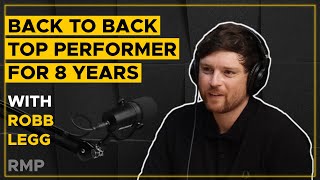
Rob Legg has been DevelopRec's top recruiter for eight straight years, growing revenue from £87k to £989k. He credits a sprint-based workflow, a high-quality candidate database, and continuous learning through coding courses. His system: four two-hour sprints daily covering outreach, follow-up, candidate work, and admin tasks.
Chapters
I think I got really unlucky in the first 6 months. I know there was other people that weren't working as hard as me that were doing deals quicker than me, and that was frustrating. But ultimately I was driven because I'd moved to London, taken this job and a massive rent that I just simply couldn't afford. So it was like I had to make this work.
Welcome back to another episode of the Recruitment Mentors Podcast. I'm your host Hishem Azzouz, and on this week's episode I was joined by Rob leg. Rob is the classic recruitment story of someone who started out, worked extremely hard after some adversity, not billing in his first 4 to 6 months. Since that moment, he has been the back-to-back top performer at DevelopRec. Obviously, 8 years with DevelopRec, 8 years in recruitment. Yeah, I feel like your journey sort of epitomizes what's possible in recruitment, you know, when you work hard, when you have those interviews and say, look, we've got this person that's done this, they've started where you are, they've climbed the ranks. His best performing year to date is $989 grand. He's always done some perm, some contract, and in this conversation we really break down how Rob has continued to build on his performance year after year. What has he doubled down on? Why he's always open to learning. But there's people out there that think that they know best and think that they— like, why would I learn from Rob? Or like, why am I going to learn from this person? They haven't been doing it as long as me. Like, how have you navigate— approach that with people?
It's really difficult. It's person to person, isn't it? And it kind of depends on—
enjoy this week's episode. Rob, welcome to the podcast.
Thanks for having me.
Thanks for, uh, making the trip. Obviously you, uh, now live in Southampton.
Portsmouth.
Portsmouth.
As a Southampton fan, I should never admit that. Yeah, yeah, moved to Portsmouth 2 years ago.
Yeah, nice. Um, looking forward to breaking down this journey that you're on.
Absolutely.
8 years with DevelopRec, 8 years in recruitment.
Yeah.
So we've got a lot to unpack. I think why I'm really excited about this is I feel like your journey sort of epitomizes what's possible in recruitment, you know, when you work hard, when you have those interviews and say, look, we've got this person that's done this, they've started where you are, they've climbed the ranks. So we're going to talk a lot about, you know, how you think you've continued to get better at your craft. Um, so just to give people the, the career highlight reel.
Yeah.
Um, you let me know if I'm, uh, like missing anything important here. So firstly, um, performance-wise. So first year, uh, you did 87 grand, second year 98 grand, third year 148, yeah, then 324, then 457, then 524, and then 984, and that was your best year. Yeah. And then up until recently, you've always been like dual desk, German contract, um, and then I can't remember what you said in terms of like typically the split along that journey? Has it been like 50/50? Has it been 60% perm to contract?
Probably more 70/30 towards perm.
And then 30% contract?
Yeah.
Okay, cool. And then I know for a long time you was very much, you know, an individual contributor, but then 2018 you started to mentor people. 2019 you then, um, you know, became a team lead. At the highest point, he was managing 16 people, which is crazy. Then, uh, you know, have— I think now around a team of 8 people, right?
Yeah. That's correct. Cool.
And then just to break down his best performing year then, because I think people always interested in like the sort of makeup of it. Yep. So again, let me know if any of this, um, is, is wrong, but I think you said 40 perm placements. Yeah. 27 contract placements.
Yeah.
Uh, across 5 clients in contract.
Yeah.
Um, and then on the perm side, 19— you had 19 perm clients.
Yeah.
And only 6 of them you did one placement with. There's a lot of repeat stuff.
Yeah.
Um, I think you put down you worked really hard to have like 3— you had 3 key perm clients and then your average deal was around 11 grand.
Yeah.
Majority of it was, um, contingent, but then there's other models as well that you do around 70%.
Yeah, we do a lot of product focus. Yeah, selling as well.
That's the career highlight wheel, mate. I'm sorry to break that down in like a minute because it's like there's so much hard work that's gone into that.
No, no, look, you know, it's, uh over 8 years putting it into that 1 minute, it sounds crazy, doesn't it? Really?
Yeah, so that's the real, like, you know, real— like I said, like, just that classic journey of, like, just consistently getting better, staying in the game long enough to reap the rewards of all that hard work over time. And then I guess just to round that out then, so your market has always been.NET?
Yeah, yeah.
So let's start the million-pound question then. Like, what, what do you believe are the, the common characteristics and traits of a top-performing recruiter in, in today's market?
Um, I think there's always like the buzzwords that get thrown around a lot, so like resilience is one. Um, this job is difficult, there's no doubt about that. I think people have to be able to take the knocks and dust themselves off and learn from it. But like, what I look for in people really is ability to learn, um, emotional intelligence, communication skills, um, be able to positively challenge people as well. Um, but I just— like, work ethic is massive, right? You've got to, you've got to put the graft in. Like, I, my first 3 years, I just worked so hard. I didn't care about what else was going on in the office and never got distracted during my sales sprints. I wanted to learn from the best people and sit with the best people, just acted as basically a sponge for that, that first year. Got a really good framework in place and then started to add my own color to it. So, um, there's loads of stuff, and I think it's all kind of dependent on the person and your selling style. But, um, there's some real key ones in there that are super important for us to look out for.
I think 8 years is a long time, so let's just— I think I want to go into the, the key bits that you think has been fundamental to helping you, like, complete, uh, continue progressing your performance, but have to start with first 6 months you didn't do a deal. So like, look, looking back, do you think there's— what, what was the fundamental things that maybe you felt like you was doing wrong? Look, because you, you maybe pick up on this now when you manage people. Like, looking back, was there anything that you think fundamentally you're like, I just didn't quite get this, or I really struggled with that?
I think because I didn't really have any kind of sales background. I came from a customer service focused background previously. I used to work for an e-commerce business doing that. So that sort of transition from making everyone happy to sort of being able to positively challenge people was something that I learned pretty quickly. I think I got really unlucky in the first 6 months. I know there was other people that were doing— weren't working as hard as me, that were doing deals quicker than me, and that was frustrating. But Um, ultimately I was driven because I'd moved to London, taken this job and a massive rent that I just simply couldn't afford. So it was like I had to make this work. Um, but yeah, I look back at it now and think there's probably a big element of just getting unlucky with, with certain situations. I had offers out there, I had a placement dropout, but I think actually that helped me moving into my career later on because I think I've often seen people get success early in recruitment and then kind of think, oh, this job's actually pretty easy, um, and you get a kind of almost a bit of a false economy for it. So failing, failing early was, was really good for me, I think, in terms of my, my development.
That's been a bit of a blessing.
Yeah, I think so.
Yeah, because you are right, I think you can— there's pro— I guess there's pros and cons, right? It's great to get like a, a win quite quickly. It's tough to, yeah, be blanking every month seeing people around you, um, doing, uh, yeah, doing deals. But then, as you said, I think the real challenge of— and I spoke to so many people where they did get success quickly, but almost they— that sort of set them up to fail. Because then when they had those periods of like, it was really difficult, they're still learning their craft, they then blanked for a couple of months, they really find that hard to take because they've got the, the previous success stories to look at, go, fucking hell, like, what? I was, I was doing this? Yeah, seriously.
Yeah. And some— when you're still in your sort of infancy of your recruitment career, you—
that—
those knocks are harder to take, I think. Um, you get a bit more thicker-skinned as you get, get on with it, I think.
So let— like, just curious to get your thoughts on this. I don't know how many people have sat down— the, um, I haven't sat down with loads of people that have a dual desk.
Okay.
So what's like fundamental to, you know, being a world-class dual desk recruiter? Because that, I just feel like that must be difficult.
Yeah, I mean, it's, it's not, it's definitely not easy. Um, and I think the way that we've always ran dual desk is that we'd either focus on one or the other, right? Um, and then you kind of almost stumble upon, um, options in. So I always used to basically predominantly chase perm leads. And when I'd get into a position where, say for example, someone had had a.NET developer vacancy open for 6 months, they've got challenges across the role for various different reasons, that's a great opportunity to sell back a contractor. Because a lot of people at that stage, it's impacting projects, so I need to get someone in there. So then you get a good contractor in there, and then what ends up happening is they still want to hire the perm, but that contractor has been great, so they just extend them time and time again. Um, We've also been super fortunate that we've got some big accounts that both myself and Joey and Kev and the business have won and hire a lot of contracts in that.NET development space. So I guess I was fairly fortunate that there was probably one or two when I joined that would hire a lot of contractors and needed someone to deliver into that and then just naturally started to work in that space.
Do you find it difficult to like switch from— what's like fundamentally the same, would you say, from the permanent contract side?
I mean, sourcing is the same, but the, Yeah, there's a bit of a shift in how you would run a qualification for perm and contract. I mean, contractors, they don't typically care too much about the culture or the team or, you know, there's benefits and things like that. They're really just keen to know what technology and the projects are. So, um, yeah, when, when you're running those qualifications, everything moves at a much faster pace with contracts. Like, our average Time to hire on contract was 24 hours, on perm it was 2.6 weeks. So like we knew that if we found a great candidate, we had to get them in place the next day because otherwise we were going to miss out on them. So, um, and I think there's a massive relationship building session to both, but in different ways. Like for contractors, you want to understand, you know, what they're looking for in projects and then what, what their end date is on their current project so that you can get ahead of it, get to people before they become active on job boards or LinkedIn. Um, obviously with permits, typically you're looking for people that maybe they're more passive, like already in jobs, and so you need to understand exactly what their dream company looks like. So yeah, it's, it's fundamentally the same, but there's, um, there's nuances with it.
I think I've heard a lot of— I was on a call yesterday, it was onboarding a new recruitment company. They were saying about like they have this like, uh, top performer, but they're really trying to encourage them to you know, expand their accounts. Yeah. You know, tee up other opportunities for the team.
Yeah.
And particularly that was around like the contract element because I have a contract team.
Yeah.
So like, I think a lot of people, uh, if they have that environment, they might have a contract and then perm team.
Yeah.
You know, there's a real opportunity to cross-sell, obviously, or ultimately doing that for yourself.
Yeah.
So like, what have you found to be like the key when it comes to— because I'm sure you might even have you know, your manager say, right, Rob, like, I really want you to be pushing. If they, you know, you speak to them about like you're chasing perm leads and then it doesn't, um, that you then figure out actually these are their pain points, I'm going to talk about contractors. I think sometimes, I don't know, from what I've taken, people can struggle with that. So what would you say is like really key if you want to get really good at, okay, I might lead with perm, but then if I see these certain things or I hear these certain things, yeah, yeah. I then switch to, okay, well, how about this solution?
Well, I, I think it comes down to knowing how you're going to solve that client's problem. Um, so if someone comes to me and says, look, I need to get someone on this project by next week, feasibly I'm not going to be able to get them unless I get really lucky with someone that's come out on redundancy or just caught them at a good time. Realistically, a contract's going to be the best solution to that problem. Um, so I think it's like that qualification piece is so important to find out, right, okay, what, what does this, what does this person need to solve their problem? And then I'm going to use my expertise to say this is your best way of, of solving it. So if I need to get someone on that project tomorrow, it's going to be contract. If it's like, right, well, I need someone longer term because I need someone bought into the product and, um, into the vision of the company, is it, is contract going to be the best option for them? They're probably not. But can they, can they wait for a perm person?
So it's hearing those sorts of cues.
Yeah, yeah, during that qualification process, so important.
So one thing I wanted to start with, because when we prepped for this, something that really stuck out to me was you said organization and prep is the key to recruitment.
Yep, I'm a firm believer of that.
Talk me through that.
Um, so the way that we're set up at Develop is we, we We run sprints, so we're super strict with the time and the activities that we do during that time. And I've seen, you know, I've only ever had experience of working with developers. I only really know one way, and I feel our way works well. I've seen people that have come from other businesses where it's just like, you know what, do what you got to do and make it happen. I think without structure and organization, that's really, really difficult because you're spinning so many plates. There's so many things that you need to do and it's so easy to get distracted. So unless it's money critical, my guys won't do anything outside of their sprint hours other than the activity that we're set out to do. And I think that creates a really nice collaboration piece between the team that we're all doing the same activity at the same time. Kind of get that sort of real camaraderie of like when people are in it in a business development sprint, they get a knockback or, you know, you can kind of put a bit of an arm around people or if they have a good call, you can celebrate small wins and forward actions and things like that. So, um, yeah, organization and prep is something that I drill into the team. I'm very like methodology and process driven, and I think that's been one of the keys for, for how successful I've been, is the amount of time that I invest outside of my core selling time to go and make sure that I've got a brilliant candidate list of people that I want to speak to. I've got calls booked in my business development sprint. I've you know, I'm following up on, on my leads that I've either specced or invites to events and podcasts or whatever, whatever it may be. I've always got stuff to follow up, so it's not— doesn't feel like cold calling. It feels like, right, I'm actually— I've got a reason to speak to these people.
So let's break this down. And how do we run a successful sprint? Because I'm sure, like, that's been a journey for you sometimes. I'm sure some weeks you think the sprints were mega this week. There'll be some weeks that they were shit this week. So what— how do we— for managers listening, yeah, like firstly, just interested, we'll go into like how you think you, yeah, set that up to like have the, the best chance of it going really well. But like if we were to look at the week then, how many sprint— like how many sprints are there in a week? How do you break that down?
So we do 4 sprints a day. Yeah, so 2 phone sprints, 2 digital sprints, um, and then obviously we have time, about an hour's time for doing admin.
So how long are the digital— how long are the sprints?
2 hours. We found that— so I used to play around with the times a little bit, so we tried 3-hour sprints, but I think people start to lose a bit of, um, you know, you get distracted and lose a bit of focus after that sort of time. I did 1.5-hour sprints, but I felt like we were always extending it by an extra half an hour to get the extra calls that we needed.
Because if you do 4 sprints then, so what does that look like in the day, the time slots?
Yeah, so we basically, we start at half 8, we do a stand-up we talk about what our non-negotiables are and what we're planning to do for the day. 9 o'clock to 11 o'clock is our first business development sprint.
Yeah.
Um, 11 to 1 is then our follow-up sprint to that, because typically when you've done a phone sprint, you've got lots of actions off the back of it that you need to follow up on. And then, yeah, then we have lunch, um, kind of do a bit of prep work. We do a little stand-up again and sort of like get together before our candidate sprint, talk about what we're looking to achieve. So 2 till 4 is our candidate sprint, and then 4 till 6 we'll do our digital sprint, and that will include any kind of admin, booking interviews, interview feedback, that kind of stuff.
So yeah, it keeps it pretty simple then, doesn't it? So like, yeah, how do we— how do managers run a successful sprint?
I think the key to it is making sure everyone's set up and on board. So we do— it's still a work in progress for us. I'm not saying that we've nailed it at all, but I think we've got loads better with it where we're publicly holding people accountable to what they say they're going to achieve. I do a lot of stuff where, um, show and tell me basically with like, let's look at your call list, let's look at your prep work. If it's not where it needs to be, then I know that I can run a surgery session or a coaching session to say, well, we could, we could do this, or, you know, if we're having problems with your bullying, or that you you know, your digital touchpoint's not good enough, you're not getting responses from staff, or you don't have a decent list, then we need to, to look at that so that we can rectify it. Um, and then it's like, right, okay, well, you know, we, um, I think we use Slack, um, and we're pretty, um, vocal on that across the team and sort of encourage the team to add their, add their wins as we go so that it kind of— if someone's having a bit of a bad sprint, you can say, look, it's only going to take you one more call to get that perfect candidate, or, um, you know, get a client on the phone and decent forward action.
So, so where do people normally fall short? Is it the prep for the sprint?
Prep is the, the big thing I think people fall short on. Um, I think it's sometimes difficult to manage sprints from home. Like, we, we run a hybrid working policy, so when people are at home, you have to be, you have to be super self-motivated to do it by yourself. Um, you know, it's easy to get distracted by other things going on at home and things like that. So yeah, that, that can be challenging. But I think the beauty of what we do, obviously we've got all these analytics platforms that give us an overview, and it's really easy for me to be able to see how well my team's morning's been based on what's going into, what's going into Bullhorn, what's going into Kube, what, what wins we're celebrating. And all that kind of stuff. So, you know, we try to avoid being like—
we don't want to be like big brother, but I think at early stages, if that's the way that you're working, then yeah, yeah, like you've agreed that like this— we've all agreed that this is the best way for us to be as productive as possible. Yeah. If they haven't done the sprint, then you have to hold them accountable.
Yeah, of course. Yeah. And look, all the guys, we did our kickoff last year and I spoke to my team and said, look, you know what, we're 'What do you want me to do more of?' And they were like, 'I want you to get back to—' I'd stopped sharing phone time and dials and all that kind of stuff beforehand, and they were like, 'I want you to get back to that until we get back to where we want to be from a performance point of view.' So all of them asked me to do that. You know, whether they like that every day or not is a different story, but I think, you know, sometimes to be a good manager, you have to tell people what they need to hear, not what they want to hear.
And then I know we're getting grounded here. What does good prep look like for a BD sprint? Like, what, what should I have with me ready? What, like, what is a good prep? Yeah, what does good prep look like for a BD sprint?
So from my point of view, you've run a really solid digital touch— uh, like, BD digital touchpoint process beforehand. So either you've got a list of 40 leads that you know hire in your space. So the way that that we work at Develop, we're inch wide, mile deep, so pure market specialists. Um, so we should know everyone that hires in our space naturally because that's all we do on a day-in, day-out basis. Um, so yeah, what I want to see from people is that we've got at least a list of 40 with numbers that we've had some sort of digital touchpoint with, whether that's connection on LinkedIn, an invite to our— we do a lot of events at Wembley, and, um, you know, whether it's podcast sessions or it's, um, added value with salary benchmarking, something for us to go and follow up, and then, right, we're gonna, we're gonna attack that list during that, that sprint. Okay. So yeah, it's got to be that if you're going into a business development sprint not knowing who you're going to call, not having numbers against anyone to speak to or anything to follow up, you know, you're not gonna have a great sprint.
And then, like, just curious then, on these BD sprints, like, what's the context of the phone call? I know it will vary, but like typically, like if I've got all that that you just described, am I— so you said there that they're companies that are hiring, did you say? Typically? Yeah, typically.
I think also, you know, we want to be engaging with people that work in our space. Like even if there's a.NET engineering manager that isn't necessarily hiring right now, I still want to speak to them. I still want to understand what their plans are looking like for projects and hiring and what their biggest challenges have been. So, and then, you know, it's a massive relationship game. Yeah, of course. So like being able to call people and not just like, we don't want to just call them and talk to them about candidates all the time.
That's what I mean. Yeah. Is that what's, is that typically what's happening?
Is that like, because it's a mixture. It depends on the quality of your lead, right? If you know that someone's hiring, you've got information that that person is looking and they're struggling. Yeah, I might want to speak to them about a candidate, but most of the time it's like, How can I, how can I add value to your process? What's, you know, what are you not getting from your current suppliers or recruitment, recruitment cycle at the moment, or other methods, you know? So like, it's a bit of a fact find really for that first call. But if I've already spoken to him and I've already kind of found that stuff out, I'm starting to open up, uh, conversations about projects and timelines and, you know, all that good stuff, as well as the opportunity to try and get these people face to face.
And then what about— I feel like then what about the, like, okay, so the prep's absolutely fundamental. Yeah, don't do the prep, you're going to struggle to, you know, be productive in any sprint or whatever, uh, you do. But then what about, like, making time to reflect on how that sprint's been?
Yeah, I think we do. We— I run surgery sessions with the guys, so I basically, I, I, um dedicate at least an hour in the morning, an hour in the afternoon for people to bring calls to me or certain situations to me to say, do you know what, I'd like to listen to this because I don't think this was a great call and I'd like to analyze it and let's talk about it. Um, I think that's really important for improvement because, um, you don't know what you don't know at early stages of your career, right? And, you know, if people don't tell you you're doing something, doing something wrong, or you could change some sort of terminology or the way that you ask things, um, you're just going to continue doing it and then kind of expecting different results. So yeah, that's super important for people to do a lot of self-reflection. And I think, you know, one of our values is commitment to constant learning. So we invest a huge amount into the people that we bring in. And like, even now, like, you know, 8 years into my career, I still get weekly training with, with head of L&D and the directors. And obviously you mentioned Trev. With Trev, he's done some brilliant work with us. So, um, yeah, I think it's, it's that self-analysis piece and self-awareness piece is so, so important. Yeah. If you don't have that, I think you can never really kind of— you can't break from being— getting to a certain level, you get— you'll probably hit a peak, and then if you're not willing to take criticism or look at your own performance and think about what you can improve, you're never going to get to that next level.
So yeah, no, I definitely agree with that. So sprints then are pretty key.
Yeah, yeah, we're firm believers of sprints.
I'm sure there's people out there that are doing it different ways and it works for them, but I think, I think a lot of people have almost gone the complete opposite way of like, look, Rob, you're an adult, you know, you, you crack on. But like, the, the most common area that we find recruiters score themselves lowest in when they're looking at like what they need help in training is time management, productivity. Yeah, yeah. And I actually think there's, there's just a lot to be said to like provide Rob the recruiter with structure. I actually think that you're actually giving Rob the actual best chance of actually being successful by providing him with that structure to work around. Yeah, and it's—
and I think it's, um, it's really easy to hold people accountable for stuff when that's happening, you know. It's, um, There's guys in my team that I know that get frustrated because they want to book an interview as soon as something comes through, and I'm like, no, no, that can wait. Let's do it. That interview is not until the end of the week. Let's carry on with our sprint. Because, you know, in a lot of situations, unfortunately, if you're competing against other recruiters, it can be fastest finger first. I hate that it is, and like, we hate to have those kind of relationships, but I'd be lying to say that we didn't. Like, ultimately, I want to have exclusive retained relationships so that we can do as much due diligence on people behind the scenes, so can they— so clients feel like we've got— they've got a real sort of added value service. But, you know, when you're first— when you first won a new business and they've, you know, we're not naive to the fact they're going to have recruitment relationships in place already, you need to work quickly. Yeah.
And then just final thing then, what's the rule during sprint that, like, what's the rule that is like, you can only do something that isn't the sprint activity unless this?
It's only related to money. So if it's like, right, okay, we've got, um, you know, there's an offer that's come through that we need to, we need to get closed, and we know we're up against it with other offers, or, you know, we've got to deal with counter-offer situations or something like that. So it's only, it's only typically revenue related that we would break the sprint.
So you said to me 5 key clients in recruitment and you've made it.
Yeah, you know, I believe that. Um, 5 key clients that hire from you every single month to earn well in recruitment in tech, right? Our average order value is 11 grand in the UK. You do 2 or 3 placements a month, good spot. Yeah. Yeah, you're winning, aren't you, really?
So how have you got your 5?
I've been doing this 8 years, so like, I'd be disappointed if it was less than 5 at that time. But like, yeah, what, let's break down, let's think.
But I do really like that because again, what we're doing here is, you know, we're making it straightforward and simple. It's a good way to look at it, like you said, because I think, you know, it can be particularly for recruiters that work in a 360 environment, which is a lot of recruiters. Like you can think, I need to, I need, I need all these clients, or like, how am I going to get to the 300, 400, 500 grand mark? But I think, you know, keeping it really simple, actually, if you really work towards having 5 key, key clients where your average deal size is X and you do 2, 3 a month, like, you're going to be in a really strong position. Yeah. So like, I think that's what I really, what I like about that as well, and it's a good way to think about things. Yeah. So, because I'm sure you have your team with this, so, you know, what, what does it look like to, um, yeah, how do we get to that point of having those 5 key clients? What's, what's fundamental? What are the principles for getting there?
Like, BD first mentality all the time, right? You've always got to be— new client acquisition is so important, um, you've got to be going out there and, and speaking to people that hire in your space all the time. Um, I think there's a tendency that sometimes people land big accounts and then they just flip into delivery mode and it's like, you know, everything's sweet, I've got all these jobs. But, you know, I've had it happen to me. I've got complacent with it and had a big account and they turned the tap off and you're back to nothing and you need to, uh, you need to go back out and win business from scratch again.
So I think spinning that plate all the time is a new business, always.
Yeah, new business mentality. But like, I think for actually winning the business, a really structured like I said, methodology-first style to both candidates and clients. Um, we know that typically clients don't buy from you until at least 9 or 10 points of contact. Most recruiters stop at 2 or 3. Um, and I think it's, it's mixing it up. So it's not just, right, I'm calling that person all the time and they're getting frustrated. I'm looking at ways that I can actually add value to what they're doing. So, you know, if I know they're hiring right now, I might send them a great candidate, but I might also talk to them about what their competitors might be doing, or to attract top talent, or what, you know, what benchmarking might they need for their new recruitment plans. And, um, but yeah, again, I think ultimately it's, uh, it's a massive relationship game. I think over that time I've spent a lot of time fostering those relationships and becoming friends with these people that I work with, and they trust me to deliver. Like, you've got to get that opportunity right. Once you've delivered once, it's then right, okay, I know I'm in a good place here, I can start building this, but then it's like, I actually want to get to know these people outside of, of what they do in work. Um, and you can't do that unless you're willing to put the time in. Like, you can't do that in a 9-to-5 day. It's actually, right, I'm gonna spend time with these people on the weekends. I'm, you know, it's like constantly speaking to them and stuff that isn't just necessarily focused around recruitment as well, and knowing what's going on in their family lives and things.
So yeah, so always not getting complacent with the new business activity. I think a lot of people can relate to that. Yeah. And then you said around like, yeah, uh, like having methodologies, processes, um, that you can follow. Yeah. Then obviously you said really committing to build a relationship. Talk to me, because you've mentioned that a few times, uh, definitely as well when we like, um, prepped for this. What, on the like new business side? Yeah. What are some of the methodologies, processes that you really stand by, that you really drill into the, the team that you think, you know, really give you and your team the best chance of getting the outcomes that you want?
Yeah, I think firstly the database is your friend. Okay. So the quality of the work that goes into the database and the information that goes in there is so, so important. I've seen people use a database like a spreadsheet or, you know, the notes are just like, I don't know, you just can't even decipher them. You need the Enigma machine to like decipher some of these notes. But like Notes are your friend, right? When you spend that time speaking to clients, understanding what their challenges are and their needs, and also who they are as people, you can come back to that because, um, people are going to relate to that, right? They want to know that you've listened. Um, listening is such a big part of what we do. So, um, that's so important first, making sure that your notes and the quality of the work that goes in there is great. I think having good processes with your database are important. So we use Bullhorn, so hotlists and regularly using them to create and form our BD lists. We use a lot of sort of different recruitment technology to set up campaigns as well for outreach, and then mixing, mixing up the outreach. And we've just got a step-by-step guide for everyone that wants to develop. So, you know, you, you pull some information as to someone is hiring give that person a call straight away first thing to understand where they are with it. If you haven't heard back, then digital touchpoint of some sort— LinkedIn connection requests, call, digital touchpoint, invite to, invite to a networking event. Um, and yeah, I know like we, we started to develop Ambition Podcast, which is like essentially, you know, similar to this, where it's bringing on people that are thought leaders or CEOs of companies to talk about their challenges. And I think that other stuff like that, it just raises awareness for brands, and it's interesting for, for people like that. It's maybe something different that they're not hearing from other people, because let's have it right, if there's thousands of recruiters out there that are probably doing the same thing, so you have to differentiate yourself.
This podcast is proudly partnered with Vincere, the all-in-one recruitment agency software that over 20,000 recruiters trust daily. We're also partnered with the award-winning 1UP Sales, the sales and motivation platform that enables you to maximize the potential of your teams. We love partnering with both of these organizations because they share our mission in helping you get the most out of your people and your business. You can get exclusive offers because you listen to this podcast and get up to 10% off the usage price forever. Use the link in the show notes To get your hands on that, let's get back to the episode. So I love that database is your friend. And then as you said, I'm really committing to that. Yeah. And then also, as you said, yeah, you're talking about how the multi-channel approach, having a system that you can follow. Yeah. Once someone— yeah, a company meets certain requirements, you then, you know, have them go through that system. And yes, a systemized approach that just makes business development just way more easier, right? Yeah. You can measure it, you can improve it. So how— just curious then, speaks to a lot of people at the moment who, like, I'd say one of the common challenges that I continue to hear from recruiters is, uh, just winning like better quality business with more committed clients. Yeah. What, what are your methodologies and processes around that? Do you think that, uh, which hopefully produces outcomes of, you know, uh, yeah, clients willing to, you know, give you time give you the commitment that you need, just better quality of business.
Yeah, I think that comes down— massively comes down to the qualification and your— the open questions that you're asking during that to try and find out what the challenges have been and how their other methods are working so far. And, and then we, we use that against, uh, something that we call a job qualification matrix. So we look at that to grade our jobs so that we're able to prioritize our work. Obviously, there's, um, right now it's, it's, uh, we're coming off the back of one of the best years in recruitment ever. And, um, I think the, uh, the commitment from clients wasn't what it was last year because naturally there's more candidates available and other methods are working and all that kind of stuff. So we've, we've got to positively challenge people. But I think What typically happens is when you first engage with businesses like that, where it's like you don't feel like you've got that commitment, you know, you work hard to, to get good people into the pipeline, but sometimes they almost need to— they almost need to lose a candidate that they, they were really excited about for them to change. Really? Yeah, I think so. Change what though? To change their processes. So if it's like, right, okay, for example We've got a client that they do 4 or 5 stage interview process or something like that. You know, we would advise them at the beginning of that process, look, that's too long, you're going to miss out on candidates. Even at this stage, we're still working with candidates that might have 3, 4, 5 other opportunities on the table. If you, you know, 4 or 5 stage process is going to take 3 to 4 weeks, you're going to miss out on that candidate. You know, often it's like, okay, well, if we miss out, we miss out. It's not until they have that pain factor of like, I really wanted to hire that person, and then they lose out, that you can then kind of almost start to begin to educate people a little bit. But every client's different. I think we— I know one of my guys engaged with a brilliant new client recently, and their perception of themselves was that they were quite difficult client to please, that their hiring manager had high expectations, and, you know, their process was lengthy. But actually, they're one of the better processes that we've worked with in a long time. And we've done 6 placements in 4 weeks with them. Where other recruitment companies haven't been able to, to, um, to have that success with them. So like, and I think we spoke about a lot in his MBR actually, um, this week, and he was kind of surprised that it, it's gone as well as it has done. But I was like, you know, I feel like that's just down to having good structure and the fact that you only work in this space. The other, the other agencies that they're partnering with are more generalistic that, you know, they don't, they don't have the network that you have or know what they're looking for.
So, um, what makes, what makes an A job?
Uh, exclusivity, great salary, quick processes, great technology, great benefits, and good people. Like, when we speak to candidates, you ask them what the most important thing is, obviously everyone talks about money and, and technology and all that kind of stuff. But I think ultimately the biggest thing that people buy into is the person they're going to work for. So if you're qualifying a, qualifying a new job from someone and you feel like, I'm struggling to see how someone might buy into this person, it's going to be difficult for you to, to really sell that role or get someone past processes when you've got other companies. The, the modern way of looking at now is that it interviewing is a two-way street. Candidates are interviewing clients, clients are interviewing candidates, and there's still companies out there that aren't doing it in that way. Like, people should want to work for us. It's just not— no, not the right mentality.
And then what are the most common, uh, levers you found that either yourself or your team have had to pull to take jobs from the B to C to A, if the— if the per— if they tick the box of like the person? Because you can't really control that? Yeah, yeah. So what are the typical things that you can—
you can change interview processes? Um, and we do a lot of work around, um, the added value piece for us is important because we, we offer technical testing solutions to all of our clients. It's worked really well, particularly with smaller brands that maybe have had—
does that mean you, you take the— you, you do that on behalf of them?
Yeah, so we, we, um, we pay for a technology suite to be able to technically test, which sends a full report to the client and the candidate for them to use. And it's been great. It's, you know, we, we did a lot of work over COVID where we asked engineering managers, what's your biggest gripe with working with your agency partners? And the biggest thing was having someone that looks amazing on paper and then they come in and they just, they just aren't as good as what they're expecting. Like, So being able to, to, um, do that extra due diligence has— it's reduced the amount of CVs that we send, but it's massively increased our CV to interview and interview to placement ratio. Um, but also, like, you know, we can— we have to take it with a bit of a pinch of salt because some people, people will present themselves better depending on how they like to be tested, whether that's a take-home test or it's multiple choice or theory or paired programming or whatever it is. So we have to play to the candidate strengths to give them the best foot forward as well. But I think just adding these extra things in has been able to, uh, to reduce processes, which would move something from a B to an A grade job. If you're, if you're reducing a process from 5 stages to 2, you know that your lead time is coming down by 1 or 2 weeks, which means that you're in a much better place to be able to get candidates through the process in a competitive market. Um, salary is always one, isn't it? I mean, you know, if you're looking— if you're looking for a mid-level engineer and they're only willing to pay 35 and they increase that to 45 or 50, I know that my candidate pool drastically improves. So, um, yeah, there's some like real basic stuff that we can educate clients on. Um, because if they're willing to listen— yeah, yeah, yeah. And those are the relationships that you want to try and foster, right, is people that are open to it. And I think we set our stall out pretty well in the in qualifications and new business pitches that we're not yes people. We will challenge you positively if we think what you're doing isn't right. And if it's, for example, a role has been live for 6 months, probably not the— it's probably not the agencies that you're working with or the other methods. There's some problem that's happening with you, and we need to dig into that to find out what that is.
Just curious, and just for the technical people out there that operate in similar markets, Just curious, so the— I really like that. So I think that's, that's super innovative, that, in terms of finding out that that's a real pain and taking on, um, that challenge. But so are you saying typically then would you get candidates to do that before you submit them to an interview?
Yeah, yeah, first stage interview, you do that before. It depends on what the, what the client wants us to run in the process, you know. I, I think we come to an agreement based on what we feel is going to work for both parties. What we don't want to do is elongate the process. If they're like, look, use your technical testing, and then we've got a take-home test that's 5 hours long, I'm like, we can't double test this, this candidate. Like, um, so yeah, I mean, ideally, yes, we, we'd like to, we'd like to test people first. We know that it's not always going to be the way of doing it, but, you know, I think we're pretty, we're super thorough in our qualification process and when we speak to people, and the fact Um, like everyone in the business at Develop learns to code, so we feel like we've got a good handle on our markets and able to properly dig into what people's experience is rather than just being like, right, okay, I'm looking for.NET, Ctrl+F on a CV and see what I can find and see those keywords.
So do you like, um, you could give— you don't have to give us like the exact details unless you're happy to, but like what would that cost? How much does it cost per test out of interest? Is it expensive on average? I think people would be curious.
Yeah, I don't know, to be fair, because it's through— but yeah, it's for our operations team. I know that it's a big expense to the business, and I know that, like, you know, Joe and Kev give us all the tools that we need to make sure that—
I think people would be curious about that. Yeah, yeah, how much it is to do that, you know.
I know there's options out there for being able to create free tests and things like that, and then Um, you know, there's loads of different testing providers. Codility seems to be one that a lot of clients are keen on using at the moment. We worked with a couple of companies that, that built tests for some of our clients as well. So there's lots of different— but yeah, it's going to cost you money, but it's a great added value pitch to take to new people. Yeah, because when you're speaking to, to new businesses and they ask what you're doing that's different, it's something that sort of— that does differentiate us.
So just, just curious then, like, your market must be so competitive. Yeah. So you've mentioned a few things— podcast, you know, salary surveys, this you're talking about. Yeah. Like, how, how have you and how do you help your team, like, genuinely, like, stand out and, like, you know, be perceived as not just another tech recruiter? Because I feel like Correct me if I'm wrong, but obviously.NET as well specifically, that's going to be even more competitive.
Yeah, it's super competitive. You've done that for 8 years.
I love it. But like, how have you, how have you like continuously remained, do you know what I mean, relevant, um, you know, stood out different? Because that's hard.
Yeah, yeah, it definitely is. And I think, like I said, the, the coding, um, piece that we're doing I think is a, is a genuine USP. I don't know many other recruitment companies that, that pay for Udemy and Pluralsight licenses for their consultants to learn to code. Um, we always say to people that, you know, you're not going to want to hire me right now based on my code, super messy, but like it just enables us to engage with our market on a deeper level. And I think like when I started, I started punching out code on LinkedIn and screenshots and stuff like that, and I had CTOs that I've been trying to engage with for a year coming to me, or like lead developers are coming to me and saying you know, you could do this, you could change that, have you thought about these different principles, do you want to do a pairing session? So like all that kind of stuff just kind of shows that you can go in and say you're, you're a specialist in this space. Um, I think that's really difficult, isn't it? Because everyone that kind of gets into recruitment, they're told immediately to put, right, day one, you're a specialist.NET recruiter and, uh, fake it till you make it, basically. Um, But you can't— you generally can't be a specialist until you've spent time understanding exactly what you recruit and what that's designed to do.
How long do you think that takes typically?
What's the stat? Is it 1,000 hours before you become an expert? If you break that down, like, based on the amount— on the working week, and you're an expert within a year according to that stat. But I think you can, you can learn really good recruitment principles within that time. But learning technology, it's— some of these people are doing it for 5, 10, 15 years before they're sort of really experienced people. So you can't underestimate it. Um, but I think I used to spend, like, in my first year, I just picked a topic every week that I wanted to learn about, and I'd speak to one candidate or client about it. and then I would take that information into my next call. So for example, like at the time when I first started, MVC, um, was a framework that was, um, yeah, it was, it was really hot. So I was like, well, I'm gonna, I'm gonna ask people about the, like, what's, what's good about it, what the challenges are, and, um, and then I just take it into new conversations. And it just, you know, open— like technology, like engineers want to speak about technology and new things that are happening. So I think if you're consistently getting involved in those kind of markets and and have a passion for it, I think, um, people like that.
Taking one thing each week, I think that's good. That's, that's really practical advice.
Yeah, yeah, people, yeah, I mean, it definitely helps you, you, you build your knowledge base really quickly, um, and I think it's really easy in your early stages of your recruitment career to lose credibility if you say the name of a technology or framework wrong. Yeah, people, people won't buy into you. So being able to have that, that sort of in-depth technical conversation with people differentiates us. Um, I think it's a lot down to the person as well. Like, I take a lot— I feel like our business, we probably take a bit of a gentler approach to selling. Um, I like to think of it as an experience. I want everyone to have a brilliant experience with me. Um, so sometimes it takes a bit of time for people to, uh, to, um, give us that opportunity. But if you're persistent with it, get the opportunity, and then you've just got to work and graft to make sure that that person has a brilliant experience.
How have you, how have you made sure that you don't get complacent? Because I've spoken to a lot of people that, you know, they have on their goal sheet in big capital letters on and become the top performer. Yeah, they get there and they really struggle to then, you know, then like continue on that path. It's way more easier like chasing that than like retaining it. I've just found when speaking to people, and you've, you've continued to go in that positive direction. Um, but like, yeah, how have you just— how have you maintained that personally? I think it's really difficult to get complacent in recruitment.
If you do, you fall on your face pretty quickly. Um, even now, like, I've, I've had situations where I've been blindsided in certain things. And I think, you know, I've— I'm 8 years in now, I should know this, but I've still dropped a ball somewhere. And then it's like, right, okay, I need to— I need to learn from that and sharpen my toolset in that area. So I think it's— I'm super fortunate to work for a business that invests so much in its people. That's, um, that's the key to not getting complacent, is that commitment to learning all the time. Um, I think even You know, you could be the— you could be doing recruiting for 20, 30 years and be the best biller ever, you've still got something that you could work on and improve. And that's the— that's the beauty of the industry. Like, you're always— although it can feel sometimes it's a bit mundane, and what we do is quite simple really, there's always going to be different nuances or different situations that kind of humble you a little bit, which is, um, which makes it really difficult, I think, to, to be complacent. But you've got to have that drive to want to be at the top. I'm like I'm not a super materialistic person, but I'm pretty competitive. Like, you know, I'm not top performer this year, then this is— that's the first time it's gonna be like that. Obviously I'm running the team. Yeah, yeah, yeah. So Tom Gallier, I'm coming for you.
Like, just interested, because I, you know, I meet these people, or because I speak to companies about training, these things. Yeah. How do you approach communicating, dealing with people who are maybe 3, 4 years in. They might have been a top performer, or they might put some, you know, really good performances in, and you've just got that— they've got that sense of like, I've completed recruitment, or Rob, I know what I'm fucking doing, mate. Because I'm sure you've had to navigate people like that. And like, this is like— for everyone listening, this is like one of the most common things I always find in people that have been in recruitment for a long time, have been a consistent top performer, is like the way that you're describing your learning, that you're always open to it as continuous learning. Yeah, And that's, that's absolutely the mindset you have to have. Yeah. But there's people out there that think that they know best and think that they— like, why would I learn from Rob? Or like, why am I going to learn from this person? They haven't been doing it as long as me. Like, how have you navigate— approach that with people?
It's really difficult. It's person to person, isn't it? And it kind of depends on— there's a massive ego piece, isn't there, and confidence piece that you find typically with top billers and people that are performing at a high level. I think it's I've always just dealt with it by offering— like, I've been in a fortunate position that no one's outbilled me for 8 years in the business. So like, if anyone they should listen to— yeah, yeah. But I'm not, I'm not, um, completely closed off to the fact that I'm not perfect either, and that there people will be doing different things that are having lots of different success. So I think, um, being open to taking criticism from people that are below me kind of create— breaks down those barriers to be able to have those kind of conversations. But, um, I spend a lot of time even with my top billers just offering coaching advice and spending time listening to calls and looking at stuff so to see that they can improve. And I think people will buy into you if they know that you're looking to help them improve and help them earn more money. Like, if they're not open to that, all for them really, isn't it? But it's just Yeah, that's a difficult one to deal with, I think. I've definitely managed people that kind of feel like they, you know, they've, they've been very good recruiters but still stuff to learn. Um, I think you've kind of almost got to force that, force those coaching sessions on them and, and bring things to their attention that they, they maybe didn't realize that they were doing.
So as you get to the, the end of this year then, yeah, like we were saying earlier, you know, it's been difficult for a lot of people. Yeah. What are you being— you know, you're big into your sprints, focus, productivity. What are you and the team, you know, for the remainder this year remaining laser, laser focused on?
Um, new client acquisition is still a massive thing for us. Um, I, I want us to be able to, um, to build out the team so that we can cover every specialism That's the way that we're set up at the moment is that we have specialists for both.NET, Java, JavaScript, PHP, Python, and then I have a small delivery function that kind of picks up all niche, more niche skill sets. But I'd like to open up new markets. But ultimately we just need to get the, get the team back on track. It's— I feel like it's been a difficult year for a lot of people in recruitment after that sort of crazy year we had last year. And it's again the focus on customer first, customer having a brilliant experience with, with us, both clients and candidates. We implemented Net Promoter Score recently, so our big focus as a business is to, to make sure that our Net Promoter Score is— everyone is, is a promoter of our business and everyone has a brilliant experience. And I think that's just sharpening our processes even more. So yeah, customer experience. Love it.
Rob, it's been a pleasure.
Absolutely.
More from Hishem




You don't need as many clients as you think to bill $1 Million A Year In Recruitment



From 30 Direct Reports to Back-to-Back $1M Years as a Solo Recruiter with Zach Creighton



