Jake Whitby - A real honest journey on building more mental toughness and resilience.
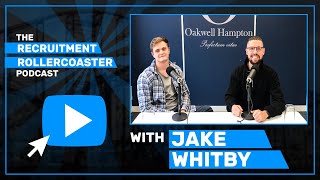
In this candid interview, senior recruiter Jake Whitby discusses the challenges and opportunities facing the recruitment industry, especially in the context of regulatory changes like IR35, Brexit, and market saturation. He explains how uncertainty can be turned into advantage by being memorable, offering value‑added consulting, and maintaining strong relationships with both clients and candidates. Whitby emphasizes the importance of personal resilience through disciplined goal‑setting, breaking down long‑term ambitions into weekly and monthly targets, and mastering a repeatable recruitment process. He contrasts permanent and contract recruiting, highlighting the need for business‑development skills and the shift toward internal recruitment and embedded talent‑partner models. The conversation also touches on networking through industry events, the impact of high‑cost embedded recruitment services, and Whitby’s personal motivations, such as travel goals that fuel his work ethic. He concludes with advice for recruiters to embrace the peaks and troughs of the profession, have fun, and focus on building lasting partnerships.
Chapters
Welcome to the Recruitment Rollercoaster podcast. My name is Hishem Azzouz, and today I'm in Manchester. I'm with Jake Whitby, who's a senior consultant at Oakwell Hampton. So I'm in their offices recording the podcast today. And, um, look, great to finally meet you, mate.
Yeah, thank you very much.
Speaking on LinkedIn and stuff, aren't we? So yeah, um, as you know, where I always like to start How did Jake from Manchester enter the world of recruitment, mate?
So, yeah, well, thanks very much for coming down, first of all. So it all started, I guess, after uni. Didn't really know what was happening, and then finished uni.
What'd you do at uni?
I did international business.
Okay.
So always like business technology, and then it was like, oh hey, like this big world of sales is there. So spent a couple of months getting a job, and then I was doing SaaS-based sales.
Oh really? Um, you got straight into that?
Yeah, yeah, like a telematics company. Down in Reading, so moved down there.
Oh really?
That was sick.
Really?
Yeah, I was like 21, flying all over the world, like selling software, meeting clients.
Nice.
That was pretty sweet. Like, I remember, um, got flown to like LA in the first week of work.
Really?
For like the NEO, like new employee orientation. So anyway, did that for a year, wanted to come back to Manchester. Reading was a bit of a shithole, to be honest. Um, so came back to Manchester Did some interviews and then I joined— I always thought about being a financial advisor, so I kind of did some interviews there. Then I got a job at a company called Think Money.
Okay.
And then I got an interview and a job at a company called NetSource, small little, about 20-man recruitment company run by a guy called Nick Paul. Nice company. And it was an older workforce, let's say. I was like young 21 and they're like 30, 40 type workforce. Really nice people. They had some big accounts that they were working, um, stayed there about 4 or 5 months and just thought, you know, I wanted something.
You went into recruitment?
Yeah, yeah, yeah, yeah. So stayed there for 4 or 5 months, um, thought there's just more. It was literally because they wanted to utilize my sales experience. It was first day, there's a computer, go and open up, go and open up some accounts. Yeah. So obviously, yeah, because of my sales experience, it was very much like, yeah, fine, I'll get on the phone, smash the phone. Yeah, yeah. And it was just, yeah, must have something up.
Really?
Yeah.
So what was your perception of recruitment at that point? Had you like dealt with recruiters?
Dealt with recruiters? Uh, yeah, it was a guy, a guy called Dale Wetter from This Is Prime, who now runs his own little graduate recruitment company. He started this year, he seems to be doing really well. And I remember looking back, he just used like all the tactics.
Yeah, all the tactics.
Looking back, I was just like, oh, he made me look like a chump. Like, I was like, he had me over there. But obviously it got me into the world of recruitment. Yeah, yeah, yeah. Um, okay.
So how long have you been in recruitment?
It's about— I'm coming up to kind of like 4 and a half years now, I think. 5 years. Yeah, yeah, getting there.
Okay, so, okay, where I always like to touch on before you would talk about how— where you went after that first experience, like, how tough was that then? Like, so obviously it made sense that they'd try and utilize your sales experience, get this lad in, Jake, he can do sales, just get him making loads of BD calls. I feel— was that grim?
I think it was— it wasn't too grim.
Okay.
To be honest, I think because of my— from doing sales and just smashing the phones 9 to 5, the first wake-up call was like on the first day, I was like, oh, rocking at 9, and they're like, nah, nah, half 8. And I was like, whoa, like, why was I never told this? Yeah, why was I never told this before? Um, I'm working till 6 as well.
Yeah.
Um, it was— it wasn't grim. It was just like, it wasn't until I went to my next place that I really— yeah. And I think because I did a couple of places, I did about like 20 grand in like, I think, 5 or 6 months, which is not setting the world on fire, but not with like no real training and just told to like go on and do with it, kind of get on.
Yeah, that literally was the crack.
Yeah. But, but they had like— they were nice, nice people, to be honest. Keep in contact with Nick quite a bit. Yeah, yeah, the old MD. Okay, so then after that, after that you then joined, uh, joined a company called Energize.
Okay, and then you was there for—
I was there for, I think, around 3 years or so.
I think 3 years.
Yeah.
And then, um, came back.
Yep.
Which we'll get on to. And then you joined Oakwell.
Yeah, I joined Oakwell.
And then you've now been here nearly a year.
Yeah, yeah, yeah.
Okay, cool, mate. So, um, all right, so Clearly had the biggest stint at Energize.
Yeah.
And was you always doing— what, you was always doing perm, you said?
Yeah, perm for the full 3 years I was there.
3 years, okay. And then was it the same market that you ended up in when you was doing the BD role, or was it a different market?
How do you mean?
The sector?
So yeah, I did.NET Birmingham.
Okay. That was my little baby..NET Birmingham?
Yeah, yeah.
What does that mean, mate?
I was doing Microsoft development in Birmingham.
Really?
Yeah, yeah.
So as in, like, you wasn't in Birmingham?
No, no, I was in Manchester in the offices. Went down there, you know, meet some clients.
Birmingham's all right. I went there for the first time like the other week.
It's not bad.
It's, it's the little business.
It's not Manchester.
You just love Manchester, didn't you?
It is Manchester.
Okay, mate, so look, let's break down that, that 3-year period. So like, obviously what I'd love to— what I'm looking forward to getting into is, um, obviously during that time at Energizer, you went to America, right?
Yeah.
How many years was that?
In— that was like 18 months in.
Okay, wow.
Okay, so like 1.5 years doing.NET Birmingham, 1.5 years doing America.
Okay, yeah, sweet. So yeah, looking forward to dive into that. But I guess before we get into this sort of American, um, journey, like obviously that was your, your solid stint. So I guess what went on at Energize in the first 12 months, and is that where you really sort of earned your stripes?
And I guess so, yeah. Um, so we went there, reason why I went, um, Energize because of the training. I went from a place that didn't really have anything and I wanted to be a recruiter, kind of 4 months in, I like it, I wanted to really kind of hone my skills and that's what they did there. You know, for the first kind of couple of months you go through some, you know, good training, they won some awards for it which is decent, and then cracking on. But it wasn't easy, you know, it didn't build for like 4 or 5 months.
What, after the training?
Well, you got to let some time like— Yeah, obviously. Well, fair enough, it didn't build for 4 or 5 months and then first month we did build, did 4 deals. In the first month.
So yeah, yeah, no, no, but okay, that— no, that's interesting though. So I guess just a quick one on that, because I think that's a really interesting point, because a lot of people end up in recruitment, fall into it as you hear all the time, and then they obviously— yeah, chucked in the deep end. I definitely got chucked in the deep end. Um, but again, I joined a small business, so I mean, I did get put on some like a training course, but it was all right, it wasn't great. So I guess, how— how, looking back, how do you think that training like, where do you think it helped you the most, if you can say? Do you know what I mean?
It's the process.
The process, yeah. Because it is— it can be chaos, can't it, if you've like been shown—
no. Yeah, I think something I want to kind of talk about in a bit, but you can teach anyone the process of recruitment. It's that— yeah, no, it's getting on the phone though, being able to talk to people. If you talk with people, you can get taught the process, and that's what— that's what they did. They taught me the process, and that's kind of what I'm always looking to improve, I guess, is your process.
So yeah, so they enabled you to go from Jake, get on the phones, make stuff happen, to, oh, actually there's like a clear process where, yeah, follow this, I have a real high chance of having more success. If I do more of this part of the process, it will give me a better chance and all that.
It went from scattergun approach to this market, doing this market, knowing every company in your market, who, you know, the cliché movers and shakers are, what the kind of skill is within Microsoft that all the companies look for. So it got to a point where It got to a point after 18 months in, I was— the hottest thing in Birmingham was Angular. Okay, like.NET developers with Angular. And I just headhunt.NET devs and I'd get them 3 or 4 interviews at 3 or 4 places.
I made some cash.
Yeah, exactly. So it went from putting up options on the board of companies to putting up options of the board of candidates. Um, because— and if you work with them exclusively, which you should always be pushing for, if you, you know, if you decent in your market, um, so they're only working with you. And because you, you know, get yourself known within the market, you know, you're the person to come to.
How did you get to know your market?
It was getting on the phones, really speaking to candidates, speaking to people.
Do you do anything else to like help you have the best possible chance of understanding these people, what was going on in their world?
And really not, not then, because like 3, 4 years ago, like there wasn't this building your brand on LinkedIn. Yeah, then I don't think so. It was very much 8 till 7, because I'd always try and get in a bit earlier, stay a bit later to speak with candidates. Speaking to candidates, yeah, there's like 2—
that's how you really got—
yeah, 3, 4 hours on the phone every day. What are the trends are in the market? Who's hiring? Um, and spending a lot of time speaking to candidates and really finding out what they're— what they want, whether it's they're looking now or 6 months down the line.
Yeah, and really understanding.
Yeah, exactly, because I think it's a lot easier when you can bring up a candidate that you've already spoken to and say, you told me you wanted X, Y, and Z, I've just spoke to them, are you interested? Well, I wasn't actually looking, but yeah, if you've got that, it's— that's when, you know, recruitment, I guess, clicks.
Yeah, yeah. Okay. And, um, so the first— so the first 4 months you didn't bill?
Nope.
Do you think about quitting?
I did a bit, but I was getting jobs in interviews.
Really? So obviously you was getting— there was something there to be like, now I am.
Yeah.
So how— what was the type of environment around you? Was it like Jake, keep doing what you're doing.
Yeah, pay off.
You had—
yeah, very supportive.
That's key, isn't it?
I think, I think now in any recruitment company, within a couple of months you can see if people are going to make it or not.
Why? What, what do you think?
What that did?
What stands out?
That outreach, that activity. The activity. Yeah, if someone's doing activity, yeah, like I said, you can teach them the process.
If they're not doing the activity, yeah, then they're reducing their chances of getting the opportunity. Exactly. Yeah. But if they're not giving themselves enough opportunity—
Exactly. Recruitment is a hard game as it is. Yeah, you know, it's, um, saturated industry, and if you're not doing the activity, then I'd say it's not for you, to be honest.
And then you did 4 deals in your 5th month.
Yeah, man.
To go to Ibiza after that, mate.
We went to— where did we go? That— we did go to Ibiza that year. Yeah, we did. No, they took the— that's it. It was the 10-year anniversary and they took everyone.
Really?
Yeah, it took like 50 hours.
So it wasn't just because you hit 4 deals, mate?
No, no, that was a good trip.
That's jokes. Okay, so What, what— so then after that, was it like you're building your confidence, things were clicking, and things— it snowballed?
Like peaks and troughs, mate.
Really?
Yeah, like one month to have a big month, 2 or 3 months blanking, have another big month. So it's like learning your craft and like how to get consistent. But yeah, peaks and troughs of recruitment. Yeah, like that year, that year—
what'd you do in that year?
Did just shy of 100.
Okay.
Yeah, which opened up a brand new market. Yeah, I was quite happy with that.
Yeah, yeah. I mean, I did 24 in my first year, mate. Yeah, I wasn't open.
There you go, look at you now though.
Okay, cool, fair enough. So I guess just a quick one on that. So you said there about opening the, the new market, right?
Yeah.
How— so let's talk a bit about that, just because obviously it was a process. As you said, in the first year, 4 months you didn't build, but then by the end you had obviously a good result from scratch. A lot of people ask me, mate, about how they can go about that, or—
yeah.
Built the business development piece and stuff like that. Obviously we've spoken about activity and all these things, but I guess how, how did you approach it?
So first and foremost, I wanted to know every company hiring.NET developers in Birmingham over the space of the year.
Did you just get given that patch?
Yeah, they just said to me, we want you to open up.NET Birmingham.
Okay, cool.
We looked into it, a few companies there, go and make it happen kind of thing.
Okay, cool. So you mapped out—
mapped out every company.
How do you do that? LinkedIn?
LinkedIn. Yeah, LinkedIn. Okay, power of LinkedIn, really. Don't know what—
I mapped that out, then what?
Mapped it out and then got on the phone, spoke with candidates. It was like first couple of months speaking with as many candidates as possible.
So you went on candidates first?
Yeah, whilst you're stripping CVs, you know, getting the data ready, and then come BD, you know, you're already going to have a few candidates, and then just ringing the company up and I'm early on in building my market, double down on candidates. If you're, if you're ringing up a company and just say, hi, I'm Jake, and can I recruit for you, they're gonna— yeah, exactly. But if you ring them up and say, hi, I'm Jake, I know you're looking for X and I've got X and Y, yeah, it's way more powerful. Exactly. And that, that was, that was kind of, yeah, the craft that I guess I honed that year.
And, um, how was it challenging at first to like— because I'm assuming you knew fuck all about these people. In terms of like their skill set?
And yeah, I get a bit— I like technology, so I actually like talking to candidates about technology, about products, how they're building them, what are they doing to overcome challenges for their customers.
So you've got a bit of a personal—
yeah, exactly. Yeah.
Um, so do you think that helps you then?
100%, because you're ringing up, you're ringing up candidates and you're not just— you're asking them what trends they're looking in the market, what are they interested in. Ah, I've not heard that before. And then go and speak to someone else about that. Yeah, it just makes you stand out from the crowd, doesn't it?
Because I think obviously I can imagine, obviously as we know, it's, uh, particularly tech is a very saturated market. I think if I'm— I just feel like if I'm recruiting in the tech market and I get hold of a.summon whatever developer, I'm like, oh my God, yeah, I could definitely place this person as you've got this skill set. And then it's like quite— it can be quite transactional because, you know, you've got to act quick and fast. You know what I mean?
In about, after about just over a year in, it got to a point where I knew that all the, all the companies wanted.NET and Angular. So then I'll just go and headhunt.NET and Angular people.
Do these people in the tech market like to pick up the phone?
No, no. Does, does anyone? Does anyone?
So when you're saying you're headhunting them, mate, what do you mean?
Ah, classic, call them at the desks.
Really?
Yeah, yeah, obviously not many of them like that, but call them at the desk, get the mobile number, speak to them after work.
Really?
Yeah, so it's always that.
What's the spiel though, mate? Because that's like, I mean, so I don't reckon people willing to do that, some people.
Well, that's the thing, it wasn't everyone calling at the desk, you know, calling the desk and sending out loads of emails. What you want to do is if you call them at the desk, you know, obviously apologize. They're gonna get called at the desk, these people are having to, you know, get it before. Apologize and just get a time to speak with them in the evenings.
But what did you say? Why? What? Okay, Jake, mate, I'm at work. What?
That's absolutely fine.
But what's that? What's the goal for you to— why should I give you time after work? Do you know what I mean? How do you leverage it to be like, this is why you should speak to me after work?
Um, you're— how I'd always say it was, I'm keen to understand your career drivers.
Okay.
And then if I have an opportunity that would match up with your career drivers, would you be interested in that? Oh yeah, right. Watch my one number. Yeah, I'll call you at 6 o'clock.
Yeah, so rather than shoving a job down there.
Yeah, you never, you never headhunting. If you had done someone at work, which I don't do now to be fair, this is a few years ago.
The only reason why I'm pushing on it a bit is because one, I never really did it. Two, um, I was with a business last night that have, uh, just started to implement headhunting in their sort of sales activity. So they've decided that they're going to 2 hours a day, an hour, hour, um, slots, they're gonna— everyone's gonna be headhunting.
Yeah. Um, now though, because of LinkedIn, it's, you know, you can class sending someone a message on LinkedIn.
Yeah, no, you're right.
I guess it's, it's resourcing to get them on the phone at a better time to speak. So you speak to someone at work, you call them on the mobile even at work, because there's plenty of tools out there now to get someone's mobile numbers.
Yeah, there's lots of tools.
Exactly. What are you doing mentioning that?
Like, everyone uses that.
It's not a secret. Not everyone, mate.
If you think that's a secret, mate, that's not a secret, son.
Um, how did I—
I was having this conversation last night, like Oh, everyone must know. How? Like, how?
That's the thing, people get pissed off when you're like, how have you got my personal number?
How have you got my personal number?
You're a headhunter. I'm a headhunter.
What do you say to that?
I'm a headhunter. Yeah, if I can get your number, just think of the talent I can get you. Oh, and you get that same reaction. Really?
Yeah. Oh mate, fair enough.
It's cheesy.
Yeah, no, no, you know what, I totally get what you're saying. It's like, look, you need to get opportunities to speak to people when they're a bit more, uh, have a bit more free time, open to discuss. And then as you said, it's, well, look, I haven't got a job to shove down your throat, but are you— what are your drivers? This is why it'd be helpful for me to understand, because what are your—
what are your kind of 3 most important things about your career? More time off, certain new skills you want to learn, closer to home, working from home. And then, you know, you can build up a picture of what someone is looking for and might move for.
Yeah.
So in 3, 6 months' time, you get a client that's offering that, you can ring them up and be like, I've got this. Oh, you know what? Yeah, that's perfect. Oh, Jake.
Yeah. So you really start to get good at that.
Yeah, that was, that was kind of, yeah, key for me really.
Okay. And then, and then, and then that, that then allowed you to then open up doors on clients because you then have people to spec out and—
Yes, exactly that. You would, you get the candidates spec them out and then build up relationships like that. And then you want to, you know, a year, 18 months of that, people are coming to you then.
Is that what you found?
Yeah, I've found that in the markets that I've built. Give it 18 months to 2 years. Well, yeah, a year to 2 years and things start coming to you. And that's when you're gonna—
I think a big part of that though is like, I mean, people aren't going to come to you if you're a shit recruiter, are they?
No.
Like, so how did you maintain— like, why do you think people came back to you besides also being a great headhunter?
Yeah, but it's again a bit cheesy, but just being nice.
Really?
Like, being—
what does that mean though, being nice?
Like, so all of my, my, like, my best candidates have placed and worked with the clients. Like, I'd consider them friends now.
Really?
Yeah. Have a laugh and a joke with them, talk about the family life, what they did to get up to the weekend, because you're speaking with people Yeah, and people, you know, outside of work, they're going to have a life. So if you can just connect with them on a different level other than, have you got a job for me? Or do you want a new job?
And it's— I mean, it sounds so basic, but you'd be surprised how many people don't.
Exactly, mate. Like, you look on— you like, you see on LinkedIn, like, like people bashing recruiters. And that, if you're that type of person, yeah, it might get you a few quick wins, but you're not going to build up a sustainable market doing that because word gets about And did that happen?
Did you sort of— was this like quite instinctive though for you to approach it that way, or is that just sort of who you are? Or like—
yeah, I guess a bit who I am, really, honestly. Always.
But where did— what did you start noticing that it really helped you? Do you know what I mean? Like, because I'm sure it got to a point where you was like intentionally making sure that you tried to connect with these people and build real relationships and stuff.
Or I noticed it just over my recruitment career, like the best clients I've got on board have come from being like friends with a developer, and they've like they've basically championed you in to like the hiring manager there. That's, I think, how you— like, the best relationships I've built anyway.
So then, um, and then 8 months before we left to America, where'd this American thing come from, mate?
So I think the company just wanted to expand. So I was, I was there, so joining November, I did a full, full year, and then it was Q— the end of Q1 of the following year, the end of Q1, I think 2017, I think, um and I just, uh, I had a bad accident, snapped my leg, you know.
Snapped your leg?
Yeah, yeah, badly. How? I race— well, I used to race motorbikes.
Really?
Yeah, yeah. And just race motorbikes?
Yeah, just sounds extremely dangerous.
Yeah, there you go. That's why I've got a lot. Yeah, so that, that put me out for like a month. I was off work for a month.
Really?
To be fair, yeah, the company Energized looked after me.
Yeah, that's class.
Um, I remember coming back from the hospital driving back from the hostel, being in a hostel for 4 days, and close a deal on the drive back.
Shut up.
Yeah, yeah, because I wanted to make sure I got paid, so I used closing that deal to make sure I got my full pay, because obviously like a year in, they don't have to. Yeah, you know what I mean? So you scratch your— their back, they'll scratch yours, kind of thing. Okay, so, um, and then it was after that, and I noticed— I noticed my market, because I was at my market for a month. I just noticed everything slowed down. And then they announced they're going to open America.
Who, Energi?
Yeah, yeah. And then they asked me, I was a bit like, eh, nah. Yeah. Then they asked me again, I was a bit like, maybe. And then they asked me again and I was just like, yeah, fuck it, may as well. Got nothing to lose.
How did you approach it?
So we started in about, we started in about June and it was, it was hardcore for 6 months.
Like, so you was doing all of it in the UK?
Doing, yeah, American hours. American hours. So it was working 12 to like half 9. How's that? You know what, at the first, at first I was a bit unsure, but then after a couple months in, it was sweet, mate.
Got used to it.
Yeah, because you'd wake up at 10, go to the gym, go to work, and by the time you're finishing, all your mates are half cut in the pub.
So it wasn't that bad.
You don't have to worry about like, you know, you don't have to worry about getting home because you've got to be starting work at 7 and getting to the office at 8. Yeah, yeah. So I hated it at first, but then it got pretty sweet.
And you did that for 6 months solid?
Did that until— I did that for about 4 months. How did you identify the market?
We just did.
I just did I'd do best, Tech New York. And because New York was closer to the UK because of the time difference—
that's why you chose that. Yeah, yeah. But what was the market there, the same that you did in Birmingham?
I started.NET, yeah. And then as time progressed, it got to kind of anything and everything, really.
Anything and everything.
Yeah, which is—
that sounds interesting.
Yeah, that sounds hard work. Not really, kind of.
So let's break that down a bit then. So for— so you worked in Manchester? Yeah. 4 months solidly. Yeah, build it, trying to build up obviously a sort of American client. Yeah, yeah, recruitment desk before you went over.
Yeah, yeah.
I mean, how did you approach that? Obviously, yeah, like how the hell did you approach that? Because obviously America is a big place, right?
So we started off doing New York.net. There was a few of us doing it. One girl did digital marketing and my other mate who— we were all really good mates. Okay, helped it.
Um, so he was all quite good mates and all the intention, the plan was to go to America?
Yeah, yeah.
Okay, that's cool.
And then, um, so we just— me and a guy who actually work with now, we was, um, we just worked together closely helping each other open up accounts. I think I did.NET, he started with Java, um, and then it just got to a point where we were just like, whatever, we could—
whatever. Again, focused, like, what was the BD?
That was a bit more BD focused.
Really? Why is that?
Um, I don't really know, to be honest.
We just wanted to pull some jobs. Yeah.
Yeah, I think I just pulled some jobs really.
How, how was it, the obviously the Mancunian just calling up these American businesses? Like, how'd that go down?
All right, it's same as any BD, isn't it? Like, you've got, you've got to knock on enough doors to, to break through. Because that's obviously, obviously got told to, you know, politely go away. Yeah, several times.
But, but like, I'm always interested, like, because I think it'd be, um, an easy assumption to make. Well, you just like, oh, like, would they take, I don't know, like UK recruiter? I know it happens a lot now, UK, EU, blah blah blah. But how was it perceived?
People always thought, because I'm from Manchester, I was Australian for some reason, because you don't speak the Queen's English. Yeah, you don't speak like, you know, you do down south. Um, it's a bit more, I guess, you know, northern. So people didn't think you were from England. So when you say from England, like, what?
I thought—
yeah, always got mistaken for being Australian.
How, um, a lot of people say, and a lot of people have said, that people, um, in America are a lot more easier to get hold of, or when you do speak to them, a lot more open to having a conversation.
I didn't think that when I was doing.NET Birmingham, but now doing Contracts London, yeah, really. Like, yeah, you could, you could, they would give you the time of day, you'd get them on the phone, but then you just wouldn't hear from them for— really, you just want to hear from them. Yeah, I just wanted to know that, that would, that happened quite a lot in like my year, like my year there, is you, you'd think you'd crack open a big account, had a like a sick BD call with like the head of talent or CTO, and just don't hear from them again.
Really?
And it's— that's something I've, you know, heard multiple times of different people.
Yeah, yeah.
I think it's just because they're scared of saying you like, no, really? Yeah, they'd rather not speak to you than say, oh no, we're not going to work with you.
And what— what— and then, um, any— what was your experience in like saying you as a recruiter? Because a lot of people say like the perception is totally different over there.
Yeah, I think— well, when we went over in the market, it was— it was really— we didn't know much about it. So we just kind of got on the phones and then you realised, we realised straight away internal recruitment was just massive over there.
Yeah.
Going from.NET.
Corporate recruiter. Yeah, corporate recruiter.
Yeah, yeah. Going from doing my little small market in Birmingham where all I dealt with CTOs to having to deal with internal recruitment, it was not a challenge, but just a change. Yeah, exactly. Yeah, exactly. And you know, and then if you go behind their backs and go to a hiring manager, most of them, yeah, they don't like it. And like coming back here, I realised that as well.
Yeah.
Um, so how—
what, what— how did you have to adapt to that then? What was something—
so we started—
I started targeting kind of startups, Series A, B, C, to go to the person. Yeah, right. Okay. Yeah, we will sign that off.
Or you can work the places where I kind of did the, did the deals with were companies that had funding but it hadn't been announced.
Okay.
So you'd kind of just be in the right place at the right time.
How did you identify those? Was you like reading relevant—
being kind of being all over kind of startup websites. Yeah, yeah, like built in LA and then just straight up. Yeah, yeah. And then it's like, you wanna— when you're BDing, you don't— sometimes they're not going to have jobs, but you still want to speak to them. Yeah, get on, get on the radar. So it was more like after, when we actually went to America and was based in LA and dealing with a lot of startups, it was just more getting my name out there and knowing that when the time is right, I can go to Jake Yeah, so when they got the investment, I was already in there with them.
Yeah, and I think that makes sense. Yeah, did you have to— did you do any deals before you went over?
Yeah, I did one. Yeah, I did one, and I remember being at the race, the Chester races, for like an incentive.
And, uh, what, you're using an incentive and you haven't built?
Well, no, I did. I built from.NET Birmingham. Don't give me that. No, it's just like, um, just like a quarterly thing they do.
Fair, fair.
Yeah. Don't give me that.
So you did.
So we did, we did one in like within the first 3 months. So I was just like, massive big fee, American, here we go, American market. Yeah, I'm gonna be king, be king of LA kind of thing.
Because what, what is the, um, what was it, what was the typical deal value over there?
Minimum 20K.
That's a joke.
So if you're—
so mate, that is mental.
So when— so when terms are typically 20 to 35, obviously you know, you can get 35%. I remember when the first time we pitched 35%, we got laughed at down the phone. Really?
Yeah.
Um, but typically, yeah, my average terms were like 25%, and minimum, minimum salary for like mid to senior dev was 100K. So like, you're talking senior devs, like 7 to 10 years experience in LA, in San Fran, like 150.
And how does that compare to UK now? Like, obviously in the— like, obviously, what's the—
what's the good senior dev? So a good good senior front— well, a good React dev in London, 70, 80k. Okay, in, in—
so Saturday, yeah. And then typical, typical terms that you'd agree?
Yeah, 20, 25%. UK is 15 to 20 in it.
Yeah, mad. So, but that's, that's a big reason.
With that though, companies, because it's a bigger decision, you tend to—
is it a slow process?
Yeah, they won't use recruiters for like junior candidates. Okay, they won't. And it's a much slower process. It was like 6-week sales cycles because it's— they want to make— they have to meet everyone in the business.
I've heard that quite a lot. Yeah, interview process.
That first deal I did, I remember there was 6 stages.
Shut up.
Yeah, 6 days, 6 stages. That's long. But you're chasing it, aren't you? You're doing everything you can to like—
yeah, yeah, but sure, like, surely like they're getting their money's worth. True.
That's it, aren't they?
But can they experience that, mate?
Oh, top-notch.
But you know what I mean, like, candidates do 6 stages.
You just got to manage the candidate's expectations though. If there's a— if there's a reason why there's another stage, you have to keep that candidate interested in the position.
Yeah, of course.
Explain to them why there's another stage, and if they want the role, they'll go for it.
Yeah.
If there's another stage and they won't do it, they're not going to be that interested. If you got them an offer, they might not even take it.
So Um, completed America before you'd go over there?
Yeah, I thought I'd live the dream for a bit.
Live the dream for a bit. So where did you move to?
Went to Santa Monica, LA.
Okay. And was it— was it— what was the visa process like? Was that difficult?
Um, it was at a time when the American was just getting— so this was like 2 years ago, so it was the wanted— I've, I've— it was easy, to be honest.
Easier?
Yeah, yeah. So we just like applied, did some forms, and went down to the embassy for a meeting, and they were just like, yeah. I've heard it's now, it's a lot different, a lot more difficult because all the companies that have saturated the market in the UK in the past couple years have set up offices in America. Every company now that you see of opening up or got an office in America, yeah, it's just the next step. You know, did all of Asia, Australia, like Singapore, all that, and just, yeah, next big step's America.
And you moved there on your own with your mates?
Yeah, I moved there with, um, the girl who was doing digital marketing, Lois, close friend of mine. Um, she's come back now as well. She does internal.
How, how much of a help was that? It was a mate. It was good.
We had each other back, each other's backs, but we also lived together, so it was just like safe. We both had a bad day, it was, yeah, you know, that must be living so much, man. Yeah.
Can you imagine going on your own?
It would have been tougher, but because— so in, in the first year, we did a deal before we went, and then I didn't bill for like 8, 9 months.
When you got there?
When I got there. So it was, it was tough, man. Like, and where was your life savings? How do you mean?
Like, did you have an office?
Yeah, we had an office, uh, so it was based in, um, like a Regus. Then we moved to WeWork, but I know we lived like 5-minute walk from the office, which was sick. You're like going home for lunch every day, just chill out for a bit. But 8, 9 months? Yeah, mate, it was tough. Like, so went there, made loads of mates and everything. Rinse my savings. And then obviously after a while, like, all your mates are going on trips to like San Fran, like, well, LA, like San Diego, Vegas. And it's just like, well, you can't— I can't go, I can't afford it.
Um, it's not living the life.
No, it wasn't. And hence why I'm back home, because like, it's just like— but what—
okay, why was it so tough?
Because I like— mentally, really? Yeah, because you can't— you can't— if you've not got money, you can't go out and party, can you? But why don't you think you build?
8, 9 months of like, you know what I mean? What was the challenge there?
I think it was probably like going after anything and everything. But like I said, like I said before, I was having like 8 to 10 interviews every month. So that's what I'm using, 4 or 5 jobs. It was just like, that's why, that's why I think it carried on going, because I was just like, I know it's gonna happen. Like, I've been in—
yeah, but you was getting interviews.
Yeah, getting—
what, what was, what was, what typically always ended up making those fall through? Was there a common thing or not really?
Oh, there'd always be some bullshit reason.
Really?
Yeah, yeah, always something. Um, like one before, before I left, it was like everyone wanted it, wanted the guy, and then it was just like one of the board members was just like, nah.
What did you learn through that period, mate? Because that must— one, obviously definitely mentally tough in terms of you missing out. You moved there for like a better life.
You're like your whole life on hold, don't you, for like a couple of years ago? Go try out the sample. I was single, 26. Yeah, someone asked me to go set up an office in LA.
Yeah, I mean, what's the worst that can happen?
Yeah, exactly.
Well, I mean, you could not bill for 8, 9 months.
Yeah, yeah, exactly. But that's the thing, like, when I decided to come home, a couple of deals went in, so it was kind of like, uh, yeah, but I'd like already— I was, I was going home, mate.
What did you learn though? What'd you learn, do you think?
More about yourself. Myself?
In what way?
Like being to like, like being able to manage your own like mental stability, I guess.
Talk to me.
Because it's never nice not billing, it's never nice not blanking for a month, man. So imagine that, 8, 9 months. Yeah, exactly. But that's the thing, like, proven biller. Well, I thought it was. Yeah, no, opened up new markets, already billed before we went over to America. Had we— and don't get me wrong, like, we had a couple of offers that just didn't close or did close, and then they got offered by eBay 50K more, and they're gonna, they're gonna do that. Like, the big players over there would just counteroffer your—
So how did you get better at managing your mental piece then?
Reading. Kind of read a lot of books, started like meditating and stuff like that. And it got, it got to a point where I'd go to the gym but not to like— when you're like early 20s, you go to the gym to like look good for like—
yeah, look good.
Yeah, yeah, exactly. And like look good in the holiday when you go away with the boys for all the girls, but I'd be fine. Yeah, exactly.
Um, that changes though, didn't it?
Yeah, but now it's just going to the gym for like my own mental health, like my own like release of endorphins. Like if I'm having a shit day and I go to the gym at lunch, I feel so much better. And if I'm not going to the gym—
so linked, man.
Yeah, exactly. And that was that year, because I thought work wasn't going so well, I had to find ways of getting frustrated. Yeah, and not become depressed, basically.
Yeah. And yeah, that's what sort of stuff would you read then? I'm interested.
Just like self-help books, like Tony Robbins. Yeah, like the Growth Mindset book, that kind of stuff.
And you know, how do you think that— just because, mate, the reason why I'm digging here, just because, um, again, a real common thing is, um, people ask me about sort of, Hishem, how I'm having a shit patch, how I'd like try and get people to talk about how they cultivate more resilience and stuff like that.
So you've got to look after yourself, mate. Like eating healthy, like going to the gym, like it does, even for 20 minutes, mate. I'm not one of them like boys that go in the gym for like 2 hours. 20 minutes, like 10-minute bike ride, like 10 sets, you're done and you're feeling great.
Yeah.
And like reading and listening to podcasts, like listen, past like 18 months, couple years, listen to a lot of podcasts.
Yeah, there's so much good stuff. Exactly.
And it's just instead of like— there's obviously times when you listen to music, but just a lot of, a lot of the things you hear of people resonates. And then it's kind of saying to yourself, well, that's not just me, or everyone else has that problem, or everyone else thinks like that. And it just helps you through the day, the day, you know, the peaks and troughs of recruitment, innit? There's a lot of peaks but also a lot of troughs.
How did meditation help you, mate? Um, still meditate now?
Yeah, yeah, meditate to get sleep every night.
Really?
Yeah, definitely helps me. Nice.
Yeah. What's the— how has that helped you?
Um, if there's a lot of things on your mind, because sometimes you go into bed and your mind's just racing, it's very hard to switch off, innit? Do you think it has helped you in recruitment, do you think? Yeah, so I'm very much a recruiter, I can smash the phones all day, but obviously 4 or 5 years in, it can get tough. So, you know, if you're on a Monday morning, or well, you don't really smash phones on Monday, I don't anyway, but like say Thursday afternoon, you're smashing the phones and it gets to 4 o'clock and you've not had a good, you know, conversation with a decision maker, just go for a wander for 5 minutes. Yeah, yeah. But that's what's really good about Oakwell, it's very autonomous. So you can just like go for a walk, go to the shops, yeah, go have a 10-minute break outside. Yeah, no, your thoughts and stuff.
Um, meditation definitely helped me in recruitment and just helped me and, uh, and helps me in life. I've definitely slacked over since I started my own business. That's definitely been a challenge of mine. But I definitely— and when I was in, um, recruitment, I think for me, um, one of my challenges earlier on was like really I was very prone to getting emotionally attached to like Oh yeah, people already spent the commission in your head, haven't you?
Every time.
Yeah, that's what I mean. So like, like, so it just enabled me to, um, have that, that tool in my pocket where I was able to take a step back. That's, that's what I mean. Yeah, that's what meditation can really help you with. Instead of like just diving straight into a situation or a response or whatever, you get better at sort of taking a moment to be like, well, let me just take a fucking breath here for a second and take a second before I react, or whatever, do you know what I mean?
Yeah, like you kind of like train your mind to be able to handle bad situations. So yeah, you know, say if you blank for a month and you've got a deal and the deal goes down, mentally that can be tough on you.
Yeah.
Whereas if you're like, you know, oh, you know what, Jake, like always telling yourself, you know, you're a good recruiter, you've gone through this before. Yeah, you've gone through this before, you know, you're dealing with people We are dealing with people that can change their mind. It's not like we're selling a product.
Yeah, exactly.
That's X, Y, and Z, you know. They can easily change their mind. Um, or like you think your rockstar candidate, you know, fucked up the interview because he said something stupid or something, and you've, like you said, already spent the commission. You can't let— after being in recruitment so long, you kind of teach yourself through like meditation and things like that not to let it get to you as much.
You can't get— you can't get too high on your highs and you can't Exactly. He's trying to stay—
Oh, you gotta ride your highs though.
Yeah, you gotta ride the highs.
Yeah, but it's the lows.
You can't get high on your own supply for me. Too much. Yeah, yeah, too much.
I think as recruitment's got— as I've been in it longer though, I like to see like the juniors more, like when they do deals and stuff, like that initial buzz. Like I remember doing them 4 deals in that first month, mate. Oh man, it went off in that office. My team, my team, it was like there's 5 of us in the team and we were the top billing team that quarter. So it was like, this is my first proper quarter, like, in a recruitment office. We were the top billing team. Like, we thought we were big man then. And then I'm sure we both blanked in Q3.
Well, I was gonna say, just to, um, wrap up the American experience.
Yeah, yeah.
So, um, I mean, yeah, what was you gonna say?
I was just gonna say, like, the biggest thing for me when I was out there that helped me get the clients that we did end up billing with was like networking, mate. Okay, going to networking events. Yeah, going to networking. I went to as many as possible.
What was it? What is this one, like the Meetup app?
And yeah, like the Eventbrite, I think it is. Yeah, there's loads in London, but there was in LA, there was a few there. And that's where, you know, the clients that we did bill into, I met from there. And I even met some of the clients we placed in there.
Nice. And then, and what was the approach at these sort of events? Just out of interest?
Oh, I'd go up and speak to everyone.
Really?
Tell them what you do, what they're doing, what challenges they're facing, what do they want to achieve.
Straighten them.
Yeah. And a lot of times, I'd find myself a lot of junior devs coming up to me and asking them— because in America, to get a job in development, you've got to be proven. They don't hire juniors to train up.
Really?
Yeah, they just hire senior devs. So to become a dev, you've got to be proven, get a job in a startup, have a good GitHub, things like that. So I'd have a lot of junior devs coming back up. So you got to give back to the community. Even though I couldn't work with them, I'd still give them the time of day, so like become, you know, follow them on Instagram and talk to them and stuff like that. You gotta, you know, give back, I think, you know.
Yeah, giving back, definitely getting a Jake Whitby follow on Instagram, mate.
There you go. But no, but just like, yes, in the back of your mind it is just like, you know, if, yeah, if a couple years down the line we're gonna bill, maybe bill with you kind of thing.
But it can't be your only mindset.
No, it can't be your only mindset. Yeah. And like it sounds a bit cheesy, but we're changing people's lives, aren't we?
Yeah, yeah.
If we can give that advice to help someone change their lives and do what they want to do, I'm all for it.
Yeah, I think— no, I think that's a good point you said there, because I think if I think earlier on again in my sort of recruitment career, and you're being taken to these networking events and it's like, oh, how many business cards can I get? That isn't— no, but as in like, that isn't the way for me. That isn't. And then when I realized, well, actually, no, that is definitely not how you should approach it.
Yeah.
And the reason why— reason The reason why, in my opinion and experience, is you end up putting too much pressure on yourself.
No, the first hour, I'd go and speak to as many people as I can.
Like, introduce yourself?
Yeah, so in the next hour, you know who to have the good conversations with and who can you influence and the interesting people that are in your kind of area because at the networking events, probably 80% of the people are irrelevant to what you're doing and what you're trying to achieve. But you still like, you know, having a chat with them and stuff like that.
Yeah, now that makes sense. And then, and then would you— and then what was the approach after these events? Was it you're following up? Yeah, staying in touch?
Yeah, like I said, it was never— we obviously want to see if they're hiring, but it's not every conversation like, are you hiring yet? Are you hiring yet? Are you hiring yet? It would be a case of, you know what they do, you know what they're trying to achieve.
Yeah.
Oh, you read this article? Oh, that's perfect for them. Have you seen this?
Yeah. Ah. No.
Open conversation. Oh yeah, I have. What was your thoughts on it? Again, open conversation.
Um, just offering anything then.
Yeah, it's just offering more than just, have you got any jobs? Haven't you?
Have you ever hosted any events?
I haven't yet, personally, to be honest.
That's— that's— that makes money, um, for tech recruiters.
But, um, it's something we're working on. Um, we've had a big part of my kind of BD this year is is kind of finding out exactly what events are, because you can put event on, but then like these CTOs that I'm kind of networking with, are they going to go? Have they got the time of day to go to a networking event?
Maybe.
Yeah. When you're speaking with them, have they actually? So you've got to make it relevant, like what are they interested in?
Yeah, yeah, for sure.
So I've got kind of a, you know, a spreadsheet, you know, a list now of kind of what all my network are interested in.
Yeah.
And it's just, it's just putting it— so you've got to bear in mind kind of when the time's right.
To wrap up America then, mate. Yeah, no, thanks for adding that. I think, I think that's really useful for people. Um, and actually, just quickly on that, how did you make mates over there? So did you do anything?
I thought all Americans were chumps, like all the guys like our age, like American jocks, like the LA people. Grade A chumps, to be honest. They just— English guys just Different viewpoints. Yeah, most of my, like, most of mates over English recruiters.
Really?
I was quite lucky. Like, there's a company called Console. We called them like, yeah, like, nice group of guys. And like, they could tell that like me and like the Larissa, the other girl, were just like moving to this brand new country. We're on our own. There was only 3 of us in the office, so it's not like we went— yeah, it wasn't like there was loads of us in the office where you find like the recruitment companies out there, like they stay in that, like the friendship circles. Yeah, so we, we met like multiple like recruitment company circles of mates.
That's cool.
Yeah, so yeah, but like everyone, everyone is in the same position, so everyone's, everyone's friendly.
No, I think that's a good point because I think, yeah, if you know, if you're going to America or thinking about it, like definitely reach out to other recruiters, yeah, you know, they're from UK or whatever. It's no problem.
Another one as well, I can't remember, I can't remember the company name, but, um, but again, this group of guys that just like Everyone knows what position.
So what, um, what should— if I'm a recruiter right now, I've got a couple years experience. Yeah, I'm getting absolutely peppered by rec to recs. Yeah, my boss is saying, look, gone, I think you should do America, blah blah blah. Just to finalize that and wrap that up, mate, what, what should that recruiter listening right now be thinking about? What should they say to be considering about?
Two ways in it. If you're in a company and being that person that's setting it up for them, make sure you've got some clients before you go.
Okay, so build up before you go.
Yeah, because you don't want to go and be like me and blank for 6 months.
Yeah, I have no commission before you go.
Yeah, definitely.
Then what about— and then what other things should they be thinking?
If you're, um, like I said, client base, pick a good location. You've got to be prepared. Like, we went to LA, it was so expensive.
Was it?
Yes. Take, take some savings. It's a big move as well. Like, have you lived away before? Can you, can you cope? Are you— it's something bad, but are you good at just going, making friends in a random place?
That's true.
Um, and then if you're someone on the other side of it where you're getting a lot of recruiters pestering you, I would do your research in every company, you know, and speak to some people there.
Yeah, I'd probably try and speak to people that have done it.
Yeah, and so speak to people there. Yeah, I'm, you know, message me if you guys want, if you're getting them chats. I'm always happy to kind of, you know, share the pros and cons. Um, look in the companies. One of my friends from here just went like, went like last couple of months ago to New York because he had an American bird. Um, like, look where you want to live as well.
Yeah, actually try and get to spend some time. Yeah, a bit before maybe.
Yeah, see if they'll fly you out there as well, because if a company's keen on you, you know, they're in their interest, they're happy to invest $10K in you, in your visa, and getting you out there to see the office if you're a decent biller, because money's to be made out there.
Yeah, you'd like to think they'd spend— they'd pay for a $600, $700, $800 flight to go and check it out and get a feel of the vibe.
Make sure if you do go there, you know, make sure they kind of put you up for like 2 weeks a month in a hotel because, you know, finding a place is stressful. Yeah, especially when you just moved in a new place and might not have many friends. But most of the companies, I feel out there now because it's been like 2, 3 years on it, everyone's been on the American journey, the setup, you know, you're not going to be their first person to go. So yeah, they should have, you know, you should look at to see how many people they've taken over there because then they'll have like a decent process and yeah, to make sure you feel comfortable.
Yeah, yeah, for sure. I think that's some really good advice, mate. So, um, back to, uh, back home, back home in Manny, back to Manny. Um, and, uh, so you've been here for nearly a year. Yeah, now. Um, and you're now a contract— yeah, recruiter. Yeah, tech contract recruiter.
Tech contract recruiter, London.
Bit different.
Very different. Yeah, it is.
What, um, what's been going on? Like, how have you found it?
It's been back to square one, building your market. Like, I'm basically gone back to being kind of like a junior recruiter in a new market. Wow. You've got to go back to the principles because I saw big contract billers make decent money, and the first few years are tough, but then it gets easier. And I was always just looking at them like, I'm better than you at this game. Like, my process is nailed on. I feel like I'm better with candidates and clients. So It's been hard because it's mostly BD, you know. I've gone from headhunting, which is all client, all candidate work, to mostly BD work.
So what's been the biggest challenge so far?
Biggest challenge is London is just probably like having conversations with these people, but actually getting hold of them. Because you BD a company, 90% of them will have either don't use recruiters or have an internal team. So there's probably only 10% of companies that will talk to you, and out of them 10% companies say if there's 10 of them, 9 of them weren't even higher contractors. So just like the, the amount of companies, and especially the changes of like IR35 and Brexit, mate, it's, it's just tough finding the people. That's where you've got to have deeper meaningful conversations with you, with your clients, other than just have you got a job. That's where kind of being interested in tech comes in and having, having your list of like 100 candidates and clients you can just have a chat with and see what's happening in the market. Because, you know, they're going to know what projects are happening, they're going to know who's building an MVP and kind of ready to take out to market.
So, so how have you approached it then? What's been the process? Been the process?
Yeah, starting from scratch.
Like, actually from scratch?
Starting from scratch. Yeah, we had it, we had a few key clients, but yeah, starting from scratch. Um, a big, a big thing for me is kind of A few things. Data, you know, being prepped. So, you know, you don't want to be spending 9 till 10:30 sorting your data out, you know. You need to be prepped for you, you know, like your core sessions.
What your core sessions meant to talk about?
Like, I'm just talking like 9 to 12 and like 2 till 5 or 2 to like half 5.
What are you doing in those times, in that time?
Like being proactive and just like having conversations with people, trying to have contact on the phone.
Really?
Yeah. Like you're messaging people, you're messaging people on LinkedIn, and like I said, like Getting your data ready and then after a few months in the market, speaking to candidates, speaking to clients, you become friends with people, like you said. So I've got my list now of like 100 candidates, 100 clients, well, more candidates to clients because there's a lot more contracts out there than, well, contractors than contracts. So, and just getting your name out there, that stuff. But you know, the first year in everyone's market, it's always tough. Unless you're walking into a warm, warm market. But we're just starting to like really see the fruits of our labor now.
Really?
Yeah. When the team— when I came in here, it was just another guy and the director. Now we're a team of 4 with another guy joining.
Really?
And we've went from like 2 runners out, we're like over like 25 now in the space of a year.
So, and how do you think— and then how have you just— how have you got better at— I guess it's just— I guess it's been a process, as you're saying, but anything to sort of just people listening in terms of the BD, you know? I don't know.
Yeah, one thing goes back to it and is, is kind of like reading. So I'm reading like startup books like The Lean Startup, for example, and kind of—
and why are you doing that?
I guess, hey, for me to learn, but then to have better conversations.
Yeah, that's good.
Because if I, if I'm talking to a startup and I've noticed they've changed the product, and you can go up and be like, oh, you've iterated the product there, I can see that, why have you done that?
Nice.
That's such a better conversation. Have you got any contract roles, mate?
Yeah.
To the other 100 other recruiters calling them up.
Yeah.
Because even get them on the phone and half the time they tell you they don't have time, they're in a meeting.
And, um, saturated market tech recruitment, isn't that?
Yeah, man, that's mad. It is.
How have you dealt with— like, is it just all these—
you know what, there's better recruiters out there, but how many of them are actually decent?
Yeah, yeah, no, you're right.
How many of them are just going to be junior recruiters, joined a company, got told to do this? Or how many of them are gone into a company, they've got loads of key accounts that they'll just work on, which we'll get there, you know, we're only a year in, we'll get there.
And, um, fair enough, mate. I guess, how— what is this whole IR35?
So it's just government changing, but like, how is it—
like, how is it— how do you see it impacting from what you've—
oh, it's already impacted, mate.
In what way?
So I'm— when I go meet my candidates now and clients like, so I went to a meeting last week, took all my, took all my runners out, my contractors out for, um, for de— for a meal, lunch. At one point everyone around the table asked me kind of what's happening with IR35. So there's, there's 6 people, or 5 including the dev manager, so 6. Every one of them at one point, because, because it can really shake up the market and there's a lot of uncertainty around it, companies don't know what to do. So And when does it come into play? Like April next year. So I'm just like cluing myself up and speaking.
So there's an element of people don't know.
Yeah, people don't know, but that means then the decisions and the decisions— people don't know because it's not that— not much information out there, but the information is there. You just gotta go find it and gain an understanding of it so then you can consult. You know, that's what we're all consultants, aren't we?
Yeah.
If I can consult with a CFO of how he's going to save money, how I could save him 20, 30 grand on a project for 6 to 12 months, he's gonna give me that time of day, innit? Um, and especially all the big banks in the past week have said they're going to get rid of all the contractors.
Really?
So yeah, like the next 6 months is going to be interesting, especially with Brexit in the contract market. Mad. So that's why you need to be—
how are you preparing for that, bro?
A bit of a cliché, but being different. It's like having conversations.
Yeah.
Other than just, have you got jobs? You know, being memorable.
Memorable. Yeah, memorable.
Memorable.
Memorable. Yeah, um, that's fair enough, man. I think that's—
instead of just ringing them up and asking, you got jobs? Like, what are you offering if you're just ringing up and asking for a job? Because these— like, I plan, I plan to be doing Contract London now for the next like 4 or 5 years.
Really?
Yeah, yeah, exactly. That's, that's my plan. So, you know, I'm going to be dealing with these people for quite a while.
I can imagine as well being around like the uncertain stuff, the stuff ultimately you don't have control of, it's like, I just feel like it'd be a good thing to be positive about and view it from a positive way and see what the opportunities are.
There's challenges in the market, yeah, but if you see them challenges as opportunities, then you're going to stand, you know, head and shoulders above the rest.
I think that's what the best recruiters will do, right? They'll look for the opportunities. They're not just gonna let that sort of stuff paralyze them.
And it's taken a couple of weeks of thinking of how I'm gonna do this, you know. You look at you look at a challenge and then you reflect upon it and seeing, you know, how can I, how can my, how can kind of my clients use my services to get over this challenge more effectively, and how can I add more value than the 100 other contractors.
So what's been, what's been the— so I'm a permanent recruiter right now thinking about contracts, my mate's a contract biller, he's telling me all about all the money he's getting. What, what, what do I need to know and fully understand? Now you're nearly a year in the game of being a—
you're going to be chasing the jobs a lot more, you know, you're going to be comfortable. It's going from 80% sourcing to 20% BD, or even to 100% sourcing, you know. You want to get to position, pain, where you're not doing BD, roles are coming in, you basically become a resourcer for yourself. Going to the opposite end of the spectrum where, you know, 90% of your time is—
so you've got to be comfortable with BD.
That, yeah, you've got to. If you can't, if you're— I'd say if you're good at BD, contracting is for you. Really? There's, you know, everyone's different and everyone's got their own skills and abilities. But yeah, if you're more of a resourcer, or if you don't like getting on the phones or don't like going to events and speaking with people, it's going to be tough. But you know, if your company's got some key accounts, then yeah.
Have you been going to events in London?
Yeah, we're going for a few. There's a few.
How's that been going?
Really well. Yeah, yeah, really well. There's a couple, couple of key ones we go to like every month.
And has that helped you win on clients or—
Yeah, nice. Yeah. Um, and then some of— so if you've got some big clients, they will probably hold events. Get yourself an invite. Yeah, there'll be people there that you don't know. How do you get invited? Well, if you parlay with the internal rec, which if you're delivering you should be, just— yeah, yeah, kind of come to this event. I can— I can see it added value to our company. It's like one of my clients always does, like, that HR is really big and they always put on like HR events, and that's gonna help our help. Okay, fair enough.
Um, if you was, if you was to communicate to, uh, Jake early on in your recruitment career, what would you say? Know what you know now.
It's a tough one. Just like, keep at it. Like, the times when, like, the troughs, for example. Yeah, when you're going 2, 3 months, like, not billing, just like, keep at it. It's like, there'd be times where, like, I remember once, like, looking at other jobs, like, looking at things away from recruitment. Is this for me? Kind of thing. That had that probably conversation kind of every couple of months in my own head. But then it's, you know, you just gotta remember the good times. You know, you got to remember, like, this game's taken me to LA and stuff like that, and I don't think a company would have asked me to go to LA if, you know, you're not a half-decent recruiter.
Yeah, yeah. What helped you keep at it, do you think?
Setting goals.
Setting goals.
Setting goals is massive, mate. Not like yearly goals, but like weekly, monthly goals. So at the start of this year, I really wanted to go to Brazil. I really, really wanted to go to Brazil. And it was like, right, I need to get starting contracts, I need to get X amount of runners. So by this time I will have—
Oh, so you really broke it down.
Really broke it down. You've got to, you've got to.
No, you're right. If you don't, then you don't know.
Yeah, exactly. And those, them like weeks gave me so much more, them like weeks and a few months gave me so much motivation when I was starting up a market where you do need, you need to be on the phones all day, every day. You might not pull a job for like a month, 2 months because it's just so difficult to find jobs. So you need that extra oomph to get up in the morning.
Yeah.
So if you're just waking up and like, oh, I've got to go, you know, got to go to the office, just smash out the phone, send loads of emails. Whereas if you're getting up in the morning saying, right, I'm going to smash today because I'm going to Brazil in a couple of months, it's a lot easier mentally to plan and prepare. And like I said, you know, I've got goals for like 2, 3 years and things like that. Yeah. And I know, I guess from my experience, I know if I kind of keep at it and with the strategy that we're using in terms of bringing new clients on board and things like that, that we will get there and you kind of achieve those goals.
No, I like that, mate. So have goals and those goals, make sure you really break down, know what activity and things need to be done on a weekly, monthly basis that is going to help you get there.
So goals and then nailing down your process.
Nice.
I think, like I said before, like anyone can be taught this process in recruitment. I feel like every, like you could literally write like a book of what to do every single call, every single step of the way. And as you, you know, your first year, like, even if you don't do big numbers, just hone that craft, master it. Yeah, just master it. You're basically going back to school. And there'll be, you know, most companies will have, you know, decent billers. They might even have a training partner, or, you know, the directors, you know. Hopefully you're in a company where your directors give you that time of day. Luckily, every company I've been in, I've been. But, you know, you hear some, some stories. Yeah, so yeah, like goal setting and process. Yeah, and if you nail that down, kind of all the peaks and troughs through recruitment will take care of themselves if you kind of, you know, have those.
Okay, mate, as we finish then, mate, what— how do you, how do you see this, uh, whole recruitment world panning out, mate, from your perspective? Just not just as in like, yeah, like everyone says recruitment's changing and— oh yeah, you know what I mean? Like, how to be the first word How do you see it changing in your perspective?
So I noticed when I went to America that internal was massive. Coming back, I've noticed it massive. I know a lot of my friends going internal. Um, someone told me this happened about 10, 15 years ago though, like the early noughties.
Yeah.
So I think it'll be a cycle. It's, you know, companies realizing they're spending a lot of money on recruitment and they could have a couple of internal people and save the money. That's all it is. Unfortunately though, churn of not good recruiters will make them, you know, take up with a partner. I want to get to a position where I can— you can partner with these companies and take, take away that aspect of the headache and do it for, you know, I guess like retain recruitment. You know, you need to be offering your clients more than just, oh, you've got a job, I'll fill it. You need to kind of help them grow the business with their brand. Yeah, like real, real, like be a, be a business partner.
Yeah. Um, and you see recruiters are gonna have to go more that way.
Oh, 100%.
Yeah.
Otherwise you're just going to be one of them, one of them kind of recruiters that just switches jobs every 3, 6 months, or an internal recruiter that just kind of sits there every 3, 6 months and, you know, ruin the breakdown and the candidate kind of attraction to companies. Because I've worked with companies where you're working with internal recruiters and for some reason, through lack of training and things like that, um, the process is not nailed down, and candidates then are just like, well, I interviewed 2 weeks ago and I've not heard back. Yeah, like candidates, candidates talk in the market.
Yeah, yeah.
Um, I was, um, resourcing a role the other week and I rang someone and he was like, oh, my friend told me, and I was just like, nah, I'm not going forward for it. It could have been a great fit, but because the process wasn't nailed down and it just, you know, it could affect companies.
Yeah, of course. Totally get that.
How do you think it's changing then? I'll throw that one back at you.
How do I think it's changed?
Yeah, yeah.
I think it's a lot of what you said. I think, um, so I'm in a sort of this weird pocket of like speaking to people like you and then speak to other businesses. And I think definitely from, from what I'm seeing, it's businesses that are willing to take a risk and try and offer real solutions to real client problems. So if that's putting, um, 5 Jake Whitbys on site for 4 days a week and offering a real talent solution where you then get involved in the talent strategy and yeah, the interview process and the candidate experience and actually really impact that as well as deliver the jobs.
I think that's exactly kind of, you know, the strategy I've been talking about with my directors, to be honest.
Yeah, so there's that going on there. So there's this sort of whole embedded on-site solution where—
kind of similar, more or less the same.
So like, it's, um, yeah, it's the same sort of thing, but it's, it's that. It's like, um, you pay me X per month, you get a dedicated—
do you know how much some of the companies are charging out for that?
Do I know how much? Yeah, yeah, it's going to vary, mate. I mean, you're looking at 3, 6 months contracts.
So I was speaking to some— speaking some exact embedded model, one of the big players— 10 grand a seat a month.
10 grand a seat?
10 grand for a seat.
Yeah. What do you think? That's expensive.
Expensive for someone that's not been in recruitment a while.
And yeah, I guess it depends.
If you're putting someone who's got 6 months experience at recruiting in an agency that, like, no offense, like, it's not worked for some reason or another, whether it's training.
No, you're right.
I think they're charging 10 grand out, like, yeah, it's mad, it's ridiculous.
But again, you gotta, you gotta favor— again, at the same time, like, these people trying to solve real problems, it's all going to be a process how they really, really deliver for their clients. But I think that, that'll be interesting how that plays out, how agencies will respond. At the same time, what, what I will say on this point is that A lot of agents, a lot of people saying it's changing, blah blah blah. There's a lot of people not changing.
Oh, you gotta be— we've got— you gotta iterate your products every now and then. You can't—
but honestly, mate, like, there's a lot of people not doing— not doing anything to change.
Well, they're the people that just be by the wayside, won't they?
I know, but it's—
you might not— you know, if you've got some massive key accounts where you're billing hundreds of thousands of pounds and all you gotta do is look after your accounts in it, yeah, you're a company like Oakwell, 4 years in the market you're, you know, you've got some, a really good team and a really nice office in Manchester. You, you do need to iterate and kind of go 100 times and, you know, create— this market is very saturated, and if you can kind of create your own little space and your own little offering, yeah, there you go, mate, you've cracked it.
So it's exciting to see how that all plays out.
It is, it's going to be next. I think the next Brexit, when Brexit's all finished, it's going to be exciting. When I-35's finished, but I think next year We'll see. I have my own thoughts what will happen next year, but I think once everything happens with Brexit, calm down, will be the UK will just go back to normal and it'll just be smashing it again.
So, um, what are you excited about, mate, before I ask the last question? What's going on in your world that you want to shout about?
Um, what, inside, outside of Crewe?
Whatever you want, mate, whatever you want to show.
Just finishing, finishing the year off on, on a good note, really.
Brazil?
Uh, no, not again.
Uh, what do you mean?
Yeah, I went. Yeah, exactly, goal setting. Yeah, I went to São Paulo and Rio to see my girlfriend. Really? Yeah, that I met over in LA. Oh wow, nice.
How was that?
That was— São Paulo was all right, Rio was sick.
Really?
Yeah, I'd definitely be going back there.
Why was it sick?
It's just like, like just seeing like all the shanty towns, like doing all the touristy spots, the beach, Copacabana Beach. Yeah, going like to the Christ Redeemer statue and stuff like that. Yeah, it was a really sick trip. And obviously, like I said, like goal setting, I wouldn't have been able to get there if I didn't set them goals and have that kind of drive to get up and get on with my work. But yeah, she's going to be moving over here next year. So I think that'll be it. Getting old, mate, getting old.
Sold her the Manchester dream.
Oh, she loves it, to be fair. To be fair though, she likes London as well, which is annoying.
Well, um, look, last question I always ask people, mate, is, um, if you could communicate to every single recruiter out there, they'd listen, they'd take on your advice. Could be a phrase, a word, sentence.
Peaks and troughs.
What do you mean?
Like, there's good times, but there's some good— there's some good times, but there's the bad times. And, you know, as long as the good times outweigh the bad times, like, that, that's— you enjoy it. Yeah. And Like, people in there, like, getting into the game, it is fun. Like, my first few years in recruitment, like, when I was at Energize, it was, it was great, it was sick. Yeah. And now here, like, it's weird because I'm getting a bit older and I'm seeing— I'm 27, so I know I say I'm getting older, but there's nothing in it. Come on, right? You see, like, here, like, we hire juniors and train them up, and yeah, it's, it's good to see, like, them, like, always going out and, like, yeah, Thursday and Friday, whereas you don't— I don't go out as much anymore. More.
Yeah, um, no, I know what you're saying.
So like, have fun. And like, if you can talk to people and you're in a good, a good like working environment, they will teach you the process. And like I said, like, have fun. It is, it is, it is fun.
Jack, it's been a pleasure, mate.
Thanks very much, buddy.
More from Hishem




You don't need as many clients as you think to bill $1 Million A Year In Recruitment



From 30 Direct Reports to Back-to-Back $1M Years as a Solo Recruiter with Zach Creighton



