James Mitra - 15 minutes with a Recruitment Mentor
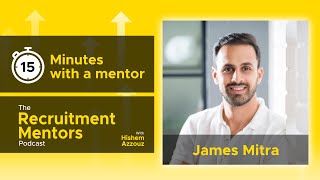
James Mitra, founder of executive search firm JBM, explains how he kept his team connected during remote work in 2020 and launched an interim staffing service called SOS when recruitment dried up. His best growth tactic: converting candidates into clients through word-of-mouth and his 40 Minute Mentor podcast to build networks with senior leaders.
Chapters
Welcome to the Recruitment Mentors Podcast. My name is Hishem Azzouz, and we are back with another installment of the 15 Minutes with a Mentor series, where we're having a chat with some of the mentors inside the Recruitment Mentors community, and we are asking them 7 questions in 15 minutes. Really excited to be, uh, joined by James today. But before we get started, James, if you could introduce yourself and let people know who you are, and then we'll get into it.
Absolutely. Thanks for having me. Yeah, I'm James Mitra, the founder of JBM. We're an exec search and recruitment business that has been around for the last 8 years, and we basically work with high-growth tech scale-ups recruiting ops, strategy, and growth roles. And we also have a podcast called 40 Minute Mentor, which is all about inspiring career stories and mentorship from amazing leaders and entrepreneurs.
Amazing, thank you. So I want to know from you, James, what was your biggest challenge in 2020? How did you overcome it, and what did you learn from it?
Oh wow, I think like everyone, dealing with the pandemic is probably the, the number one thing. Um, I think probably there's two, two main challenges that, that came up from that though. One, like everyone else, adapting to remote working. How do we keep that culture? How do we keep the team motivated? How how do we hire new talent? And probably what I'd say from that is that first and foremost, we overcommunicated as a leadership team. I think that's just making sure, you know, people that you're present as a leader, and that kind of really landed well with the team. I think we also did our best just to acknowledge that it was pretty crap and just make sure the team were okay to be, you know, be themselves, and when they did feel like they were having a bad day, to be open and honest about it. And then we did, like everyone else, we tried to mix things up to make sure that we had time for, you know, over the, you know, non-work chats. We put time in the diary each week for just basically like a coffee and a chit-chat, no work allowed, talking about Netflix or whatever, and just having little touchpoints, little surprises. So we'd send little things through the post occasionally just to kind of lift spirits. But like everyone else, it's been challenging. You know, some days and weeks have been better than others. We've done our best to keep everyone going, but I think it's just a general acceptance that this is not normal and we just got to make the best of it as possible and just be a really supportive sort of leadership team to the business. I'd probably say the second thing for me was around pipeline. I think, you know, as soon as lockdown hit, the first one, our pipeline dropped off a cliff. We didn't do a lot of exact search work, These are kind of big potential fees and big roles. And I think the way we tackled it was firstly not panic. It's very easy to, but we've been around for a few years now. I think we were like, how can we add value? You know, how can we add value to our candidates? You know, so we started running CV clinics. We were doing shoutouts on LinkedIn for those that lost their jobs. We made sure we were there for our clients. So just not hard selling at all, just being there like, finding out how they're doing, regular check-ins, just trying to support as best as we can. And when it was quiet, I think what we did was we used the time effectively. So we used that first lockdown to launch a whole new service offering called SOS, which is effectively an on-demand interim solution for startups. And frankly, we didn't have enough work at the time to be, you know, we just, we had time effectively to work on something new. And that's gone on to become a really cool part of our business. So, So effectively, what's the learning from that? Well, one, it's to play the long game, I think. It's, you know, it's doing the basics right. It's being consultative. It's not always hard selling. And what we found is that now things are sort of, as things started to turn a corner, clients remembered us, candidates remembered how we were in the beginning of that lockdown, how we, you know, the sort of service that we gave them. And now things are turning around and people are hiring again. Our phone hasn't really stopped ringing. So we've been really, really lucky. Amazing. And yeah, and I think those tough times can bring out the best in you in terms of creativity, you know, and trying new things. And that's why I'd always say to anyone listening, sometimes you just got to back your skills and you've got to try new things and sometimes it won't work, but you'll probably have fun. You'll probably learn a lot in the process. And that's effectively what we've done with SOS. Yeah, it's been a really good experience.
I absolutely love that. Thank you for sharing. So I'd love to sort of hear from you, what working from home tip could you share with other recruiters listening to this that you feel has had a sort of real positive impact on your own productivity?
Oh, for me personally, it's not— I'm not the best at this, if I'm honest. It's been— I've been one of those people that has worked pretty, pretty long hours, and I wouldn't encourage that. But I think the best thing that I've done is go out for a walk every day, break up the day at lunchtime. I get out, I spend half an hour, I have lunch with the family and my wife and daughter, and we go for a walk. And I find that I get my best ideas when I'm walking around just in the fresh air, away from the screen. So I think that breaking up the day, and I've started taking more calls just out and about, just trying to mix it up a bit. So for me, it's so easy to get stuck in one place, just be on the computer from dusk till dawn. And but I really think the best work we can do is when we actually get away from that situation and give yourself a bit of time for inspiration to think things through and reflect. And that's kind of how I've tried to do it and it's kept me a bit fresher.
Interesting. So I know you touched on it in the first question, but what's been the most effective way for you guys then to win business in the last 12 months?
Well, to be honest with you, I think there's probably Two things, one is turning candidates into clients. JBS, we've always prided ourselves on being different and, you know, investing a lot of time in building relationships. And as a result, we've grown through word of mouth primarily, and that's really come to the fore in lockdown because I think you can sometimes see the worst of our industry in times of, when times are challenging, people get a bit desperate, they sell harder, they can be a little bit may be underhand, I don't know, you hear stories, right? But actually, I think the majority of our industry, you know, are really, really conscientious and really care about their clients and candidates. And I think that's when you can really make a difference and stand yourself apart from the competition. So for us, it's been about developing those relationships, nurturing them, you know, being as credible and useful as possible. And what we found is that that has as times have changed and as people have started to pick up hiring again, you know, we've been able to reach out to candidates who've moved into jobs and they've then given us opportunities. And I think that's, that's, that's for me is like always going to be our number one, whether it's them putting a word into their boss or whether it's them becoming a hiring manager. So I think first and foremost, candidates, turning candidates into clients. And then the second one is our podcast. You know, we've had more time to create more content and do more episodes of it. And actually it's been an amazing— and I recorded something for you guys around this. Actually, it's an incredible opportunity to build networks with senior leaders, to spend quality time understanding them and their business and their challenges. And then over the course of time, you can flip that relationship into a client relationship. And that's what we've done quite effectively. And it's been a game changer.
Amazing. So what habit or hobby, James, did you start in 2020 that you're going to continue in 2021?
Oh, is this outside of work or work-related?
Anything. Yeah, anything that comes up for you. It doesn't have to be work-related.
Um, oh, well, to be honest with you, it, it, it sounds, sounds sad, but it's press-ups. I, I'm— I hate— yeah, I, I, I've never really liked I'm not really— I used to play a lot of sport. I'm now a dad of a 5-year-old. I don't get out enough. Um, and one thing that I found quite interesting is just like just doing press-ups, like breaking up the day with a bit of press-ups. It's like a little bit of strength work. It mixes up. But the competitive recruiter in me is always there. So every time I do something, I want to try and do a bit more the next day. And you get to a point where you're, you're racking up some half-decent numbers. So for me, it's just a good thing you can do it anywhere. Keeps you sort of fit and strong, and you can add a little bit of competition to it.
Nice. So probably the most important question: what do you think is better, the first coffee in the morning or the first pint post-work on a Friday?
It's got to be the pint, hasn't it?
I'm the coffee guy, but yeah, the pint's been, uh, it's been needed.
But no, I'm— look, I love coffee. I start every day with a coffee and I'll say the PG answer, I'll go coffee, but in this climate I'll take both to be honest with you, pint and coffee.
Fair. Right, so next question's, it's slightly different, it's a scenario and I just want to sort of hear how you would approach this scenario. So I want to sort of, the scenario is a particular business that you've had on your target client list for over a year, long period of time, and during that period there's been several touchpoints with them. You may have They may have engaged with your content on LinkedIn, they may have even listened to your podcast, you may have sent them an email, but through your candidate network, like you've just been mentioning, you managed to get this sort of hiring manager's contact details and you call them, they pick up, say, hello, who is this? And just want to sort of hear how you would approach that scenario.
Okay, well, firstly, I always quite quickly tried to drop in some credibility bombs if I can, referencing people we know in common, things we have in common, you know, past clients we've worked with that are relevant to their industry, just something that instantly makes them feel at ease that we know what we're talking about. But actually, for me, particularly with my business, JBM, it's actually about storytelling. These guys won't have a lot of time. They probably get called all the time. And I quickly, when I want to try and get into why JBM is different, and a lot of that comes down to values and approach and that sort of stuff. So for me, I always talk about quickly getting into the story of JBM, why I founded the business, which was really to try and be the antithesis of that transactional recruiter that, you know, a lot of clients find annoying, and talk about how we grew through word of mouth and, you know, really stuck true to those values. And I try and give some specific examples. Again, if I can tailor that towards similar clients to theirs and people that we've placed and things like that, I just try and get their attention. And what we've always found is that people like the story and it's how you tell it. And it's obviously you can craft it in a way that is more relevant to different audiences, but actually that it turns it into more of a conversation and a more discussion. And often I'll ask them, you know, their experiences of working with recruiters and what hasn't been so good and try and use that to create a dialogue. So that's typically how I'd approach it. But yeah, I think trying to find common ground and some credibility that they would kind of give you more time a day and then the storytelling element, I think, is something that's sometimes overlooked.
Yeah, I like it. So final question then is, I sort of want you to sort of imagine that you're speaking to a recruiter that's listening to this who has set their goals for 2021, they've written them down, feeling motivated, completely convinced they can have a better year than they did in 2020. Um, I just want to hear like what your advice would be to recruiters listening to this that you think would give them the best possible chance of actually achieving the goals they've set this year.
It's a great question. Um, so first and foremost, that we have a podcast called 40 Minute Mentor. Um, I know mentorship is something that you're a big fan of, and I think mentorship is so critical. So if you're all set and good to go, one thing I would say is just get a mentor, join your community, talk to people who've walked in your shoes or are in the place that you want to be. That's not that you have to follow everything they say, but just like, I think it's great to always be talking to people that you respect, kind of learning from their experience, kind of adapting that to your plans and your experience too. So I think first of all is having that sounding board in whatever form that comes, I think is really important to keep you honest. And then ultimately for me, it's about getting out there. You know, if you, if you're all set, you're motivated, you're good to go, I think what you've got to do is back your skills. Sometimes you have to be patient and bide your time, but if you're doing the basics right, if you're working hard, if you're working smart, if you're investing in your personal brand, you're building a reputation as a credible recruiter that knows their stuff. And I think more often than not, you will hit your targets. And I think that's where having the right mentorship alongside that to support you when the challenges come in and you, you're facing stuff that you're not, you're not sure how to contend with. Um, that's where that sort of thing helps. And I think being self-reflective is, is, and having that kind of learning mindset is also really important. So when you're— each process you run, each time you make a placement, each time you get a dropout, what can you take from that experience? What can you do different next time? So having that kind of consistent loop of learning, I think, is really important. And like, for me personally, it's about, you know, the nuts and bolts of it for me is investing in building relationships, like deep, meaningful relationships with everyone you work with. Invest that time, think longer term, you know, really, and I promise, like, if you go above and beyond for your candidates, then they will become clients, they will become advocates for you in the market, they will they will, you know, they will help you grow your personal brand. Um, you know, and I think if you're, if you're a decent recruiter, you know what you're doing, you should then kind of take that forward and hit your, hit your targets.
Love that. Now, some, some great advice in there, James. That was 15 minutes of a mentor. Thank you.
Wow, that was fast. Absolute pleasure. Thanks for having me. And, uh, yeah, um, yeah, wishing you continued success in 2021. I love what you're doing. Awesome.
More from Hishem




You don't need as many clients as you think to bill $1 Million A Year In Recruitment



From 30 Direct Reports to Back-to-Back $1M Years as a Solo Recruiter with Zach Creighton



