Jody Marks - Consultative recruitment, being a manager, and how he sees the future of the industry!
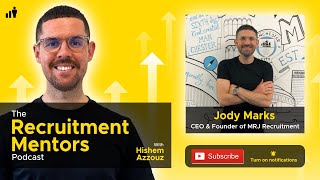
Jody Marks, CEO of MRJ Group, spent 20 years building a recruitment firm around relationships and candidate fit instead of volume and fees. He left a senior role to start MRJ, learned hard lessons from over-expansion and micromanagement, and now predicts talent-partnership models will dominate as technology augments rather than replaces recruiters.
Chapters
Welcome to the Recruitment Mentors Podcast. My name is Hishem Azzouz. Today I'm really excited to be joined by Jody Marks, who is the CEO and founder of the MRJ Group, who consists of MRJ Recruitment and MRJ Talent. Jody is also a non-exec director to a boutique product delivery business called Nebula, and he is also the co-organizer of a tech event meetup called Tech Leads Northwest. Jody has worked in the industry since 2001. He started his recruitment career at Huxley and then worked for Rulian for a good number of years before deciding to start his own recruitment business, MRJ Recruitment, in 2010. So over the last decade, Jody has been really passionate and focused on growing a recruitment business that is truly driven by purpose nonprofit. Jodie, thanks for joining me on the podcast.
Ah, thanks for having me. How you doing?
I'm good. I'm excited to unpack this, this journey of yours. So where we always like to start, the million-pound question: in your opinion, what characteristics and traits do you think make up a highly successful recruitment consultant?
Okay, so I think Most people always go, oh, you've got to be really money-driven. I just think that's just the wrong way about thinking about things for me. I think if you do a good job, money comes. So I think key things that I always look for is someone who's actually a bit humble and actually understands that actually we're here to, we're dealing with people's lives. So I think people that, like for me, I hate the pushy recruiter. I'm all about consultative approach. People who actually care about other people for me is really important. But the big characteristic for, you know, I was telling someone the other day in my team about no means not yet. So just because someone says no doesn't mean it's a no forever. And that's how you're building your network, right? So I think it's no just may mean not yet. So you've got to keep in touch with these people. So it's that perseverance all the time and continuing that, knowing that you're going to get setbacks. You're going to get knockbacks, but you've got to keep going. So it's having that drive to keep pushing and keep pushing all the time. I think that's really important.
Uh, do you think, like, thinking back when you started your recruitment career, 2001, if you were going into that environment going, yeah, like, I'm not really driven by money, like, all this, like, how would that have landed, do you think? How do you think people would have reacted to that? Is it massively changed?
Uh, no, I think it was says the same thing all the time. Like, it's my most hated answer when I interview someone. Why are you here? Just want to earn money. Well, you can go and earn money anywhere, right? But if I go back to like right at the beginning, I had no idea what I wanted to do. Dropped out of university. Mum and dad were devastated because I dropped out of university. And then I was working, and actually my journey was supposed to start in in retail. So I was working at House of Fraser and then I was going to go on the management training course. And then I was told I wasn't allowed to go on it because I wasn't a graduate. So I was like, all right then, I was going to leave you then. See you later. And then went for an interview one day which ended up being a recruitment company. And I only went to it at the beginning because mum and dad said I needed a job and it's about time I got off my ass and did something. I had no idea what I was going into. So for me, I literally went into it with open eyes, but I remember all these people, it's like, it was proper boiler room. You've got great learning, but I think it just comes with experience knowing that if you do a good job, money will come. And I think we get a bad reputation, recruiters, because it's too transactional, in my opinion, right? So my style has always been less transactional, more consultative, and money, you will earn good money if you do a good job, rather than the other way around. Does that make sense?
Yeah, yeah, for sure. So like, just really quickly, just keen to like just get your thoughts on this as we're talking about it, because I would say most successful recruiters that I've interviewed on this podcast definitely would have that mindset and agree with you. So like, in your opinion, like, how would you sum up a recruiter that builds transactional relationships, and how would you sort of describe a recruiter that's actually consultative and adds value? Like, what are the— how would you paint a picture for us of a transactional person and a consultative person?
So transactional, good question. I'd say the one who would just farm out candidates at as many places as they can, don't really care where they end up as long as they get a deal, and it's all about KPIs. So it's about if you send out a candidate— gonna be honest with you— so one of the things we do is MRJ Talent, right? So I'm on site at a company right now and there's a, there's a couple of agencies that we're working with. So we're managing a couple of agencies on site and, you know, they're just farming out candidates to me, but they're sending them out to 10 other places and they don't really care. Like on a Friday, they're going to get a deal. Happy days. But what happens is they're just pushing them in because it's about the money. Whereas me and our approach is less is more. Let's find out, like, consultative approach for me is let's really go and find out what this candidate is all about, where they actually want to develop. And the amount of times I turn around, I've turned around to loads of people over time saying, got you the offer, I don't think it's the right job for you. I don't think it's the right job for you. And I'll tell you why, because everything you told me, it's ended up, I don't think it's going to be the right place for you. So I prefer someone, I prefer not to get a deal but the candidate goes to the right place rather than just thinking about the money, which happens. And that's that. And the biggest difference I think between transactional and consultative is MRJ has been built on relationships. And it's not just, we just do one deal here, then we move on. It's not just about the 25% fee, you do one and then you move on. We're more about long-term investment in clients. And our business has been built on reputation rather than cold calling, just farming people out. So I think it's a really defined difference in my opinion.
I honestly, like, I just can't imagine a recruitment business that approaches recruitment that way, in the transactional way, to have survived during COVID I just, I just can't, I just don't, I can't see how that would have— I feel like COVID and like, I feel like you would have like, I don't know, I just can't see how you would have survived that.
You know what, I think COVID's been a really interesting time. I remember that first day, 23rd of March, right?
Yeah.
About 4 o'clock, I was pulling my hair out like everyone was and I was glosso-wind up. I don't think I've stopped since, but I think I just turned around to my team and said, look, honestly, we're not going to panic. We're not going to panic because we've got these strong relationships and our style of what we do, we're going to come out of it in the right way. What I've noticed is a lot of companies because of that style of the transactional, which is KPIs, you've got to make X amount of calls, you've got to do this, you've got to do that, you've got to do that. They struggled quite a bit. Now the market's busy and they're going, oh, we've just had our biggest ever quarter. 'in 12 months.' Yeah, but 12 months ago you didn't make any money. Like, I know a few companies that have just done like year-on-year 12-month figures and they just had a great quarter, but 12 months ago they did nothing. Well, 12 months ago, our style, because we had these big relationships and it was about that, we just stayed steady and strong the whole time.
You were doing business, yeah.
You know what I mean? So look, there's a place for it, don't get me wrong. I think there's always a place for that type of industry, but I think that's where we get a bad name, if I'm honest. And the boiler room style, the revolving door, as I like to call it, the revolving door recruiter, which is you're in and out, you've got 3 weeks to try and do a deal, otherwise you're out. I think that's coming back again, but that's why recruiters get a bad name, in my opinion.
Yeah, I would definitely like to think that there's like more companies that aren't like that than There is, but I wouldn't be able to say.
Yeah, I don't know, like, um, I've moved away from the whole— there's just that whole KPI world where it's all about numbers and numbers and numbers. It's just never been my thing.
Yeah, sure. So we're going to talk about you building your own recruitment business, but let's just touch on— so before you took that leap and started that journey, Obviously, yeah, started your career at Huxley, then worked at Rullian for, yeah, nearly, nearly a decade.
Yeah.
So I guess, how would you— I guess, one, would you mind just sharing with us, like, maybe you could focus on Rullian or whatever, just the combined experience? Like, what were some of the, the key learnings that you took from— because you, as you said, you went in open-minded, didn't know even recruitment was a career option. I feel like you probably had a bit of a point to prove to your parents and your peers that you dropped out of uni and you wanted to make the most of it, but like, what were some of the, I guess, looking back, the key takeaways from that journey before you start your own recruitment business that you probably still live with now, do you think?
Do you know what? Joined Huxley, 20 people joined on the same day. 2 months later, 2 of us were left. I remember, I remember, I remember. But you know what? These guys, The S3 group made a shitload of money, right? And they've done an amazing job and they've done some brilliant, and their models have changed over time. But at that time, it was very, it was very boiler room. But I remember coming in when we're going to offer you a role as a trainee, £5 an hour. And I was like, class, got a job, going to go and tell mum and dad. And it was brilliant. Like I loved it. It was proper work hard, play hard. And it was great for about 18 months. And I got mentored amazingly. And I joined Rulion because my boss at Huxley went to Rulion and took me with him. And, you know, I'm grateful for that because actually joining Rulion was just a completely different experience. So where you had like the proper vertical-based, hard-nosed recruitment at Huxley, you then went to Rulion, which was all about big client relationships, developing clients, winning something large scale, but then nurturing it in a big way. So I got to combine the two. So I was grateful for that opportunity. And I was like, you know, and I remember, so like my old mentor Gareth, and, you know, I'm grateful for a lot of the stuff that I've done today has been down to the training I got from him right at the beginning. And if I think about, I started, I went to Rudy on, he We had a team, there was probably a team about 20 when we joined, but they wanted to change what was going on in Perm because it wasn't quite working. So Gareth was brought in and eventually it was like me and Gareth and one other against the rest of the Perm team because we had a different way of doing it. But he put his trust in me and I was only a young lad at that point. And then over time we built up a very, very strong, like the team changed, we built up a super strong Perm team. Numbers-wise are great. But we combined, I think what me and Gareth did, we combined what we had at the Huxley and combined that with Rouleon and somewhere in the middle. And it was brilliant. So we had that sort of, there is no second place, but we're going to do that within nurturing clients rather than there is no second place and then we only just do that one deal. We just keep developing it further. So I've got some great experience and learning from that. And then I was there, what, 8 years, 9 years at Roullion. Gareth moved on. I got his role, always thought I'd want it, and then didn't want it, to be honest. Like, I always thought, yeah, to be head of recruitment and be part of senior leadership in a big company was great, but it wasn't for me. And what time to do something else.
Do you mind sharing with us So there's a couple things I just want to ask you before we go into your own, um, business journey. So one, why was it— why wasn't it for you? Just talk to us a bit about that and how it felt, because I feel like a lot of people listening to this will be recruiters that have big goals, aspirations, want to develop, maybe that position. Like, what, what did it actually feel like?
And I think at the time, I think I think I probably got the role by default, if I'm honest, because he left. Gareth left, a couple of people went. Gareth set up something else, you know, and it was, it was the right thing for him to do. Um, they needed someone to step in and I did. Um, but I didn't feel like I deserved it. I did deserve it, but I didn't get the trust that we needed to how to grow it. So what happened was at the time, the garage, just before Gareth left, we lost a couple of people. Then Gareth left with 3. So we're 5 people down. Then our target is the same. My basic suddenly has not gone up. And also my bonuses are halved. So if you think about it, when you go from a recruiter to, from a consultant to a manager, your bonuses, well, they should be, your bonuses are based on Yeah.
Team form.
Yeah. You can imagine you've got a £2 million profit, a £2 million target with say 20 people or a £2 million target with 12 people, just say. And your top biller was me taken out to manage the team. And you've got to hit your £2 million to get even, not even to get what I was earning before, that was just to get to 75% of what I was earning. So suddenly, and it was like, well, only 6 people. Well, we're just not ready to invest in it yet. Well, I'm going to go then. And I'm going to go, well, I'm happy. You know what? I was like, I'm happy to hit that target, but I just need a couple, I just need an investment to it. So maybe there wasn't the trust that I could do it. I don't know. But I looked at it. I remember coming home one night thinking, I'm just not sure that this is going to be achievable. I think what it made me realize is that Ruedon at the time was very contract heavy and all about numbers. You know, you've got 3,000, 4,000 contractors out and Perm was a smaller thing. And I think they were happy with doing that. And then I was like, okay, well, then I remember going back the next day and they were like, right, we're going to increase your basic. I was like, hey, well, good. We're going to increase it from 27 hours to 30. And I was like— I remember going, you know, you like taking a piss, right? So you give me £2,500 extra for manning out, leading the whole team to what? Earn £60,000 from £120,000. That doesn't really add up to me. And then I was like, well, let's just see. Let's just think about it. Then I went to a meeting with like the senior leadership and it was just like so many politics in that. There were too many politics at the time. And I just thought, I can't, like, I don't need to do it anymore. Like, I've always had a, I always wanted to set something up on my own. And my little girl was 18 months old at that point. And I know I'd like missed a lot of her first year because, you know, I was so dedicated doing it. So, but my advice is like, if people, everyone wants to develop, you know?
Just on this, just really quickly, because I hear this a lot. Like how, and I'm sure you thought about this because you could like this, someone could feel or experience the potential in your business now. Like how, like how do you think businesses can change like how billing leaders or managers are like rewarded? Do you know what I mean? Like does it like, I don't know, like surely there, there could be a bit more of a creative way on how they can still earn the money that they was, or like is that just part and parcel with being a manager? I don't know.
I said, oh, you know what? People really want to develop and I completely understand that and people want to lead. But what happens is, I think sometimes people do struggle to go from, we've got a couple of guys on my team, people struggle to go from a consultant to a manager because they're so hands-on. And we can talk about like the MRJ side, but I struggle with it. Yeah.
So hands-on, you mean like you just want to be involved all the time?
I just love recruitment. I love doing deals, right? So what happens is sometimes you go, the billing recruiter, sorry, the billing manager, for me, is just a senior consultant with some resources. I find it difficult sometimes, but maybe that's just my experience. So you need to, if you really, I think if you really want to become the manager and you want to grow a team, my advice is make sure you know what you're getting yourself in for, make sure you've got the right bonus in place and it's achievable because all that's going to happen is in 12 months' time, you're going to end up earning a lot less money potentially. And then you start, then what happens is you then fall back into, well, I need to start recruiting, I need to start billing. And then it's a difficult balance. I think it is difficult. I don't know what the answer is sometimes, but I just know that I move one of my guys into the role of like chief of staff or MD and stuff, and he manages everyone. He manages the team. And I'm just like more like the hands-on tech leader in the world of tech. Like I'm the hands-on leader, so people follow. But I've just seen it many a time where you've got people go from consultant to manager and they don't understand why they're not earning the same money.
Because does that have to be the way?
I don't think it has to be the way. I don't think it has to be a way. Like my guy, one of my guys now is managing. You know, he's got a really strong bonus structure in place, quarterly bonus that if he hits, he'll earn more money than he was a consultant. Yeah. I think that's where people just have to be a bit more creative. Because he's got a goal to do it. He's got something to go to. Whereas a lot of the time I find that you suddenly get managers who go, well, you're on 100 grand, but you're going to earn 50, but you've got to do that. And then suddenly you can become a bit hands-on again. And then you don't cope with all the KPIs you've got to do and all these different things. So I think sometimes you've got to know that you could go into management role, that you may earn less money for the first year or two.
Yeah.
Rather than just deep dive getting back into it, if that makes sense.
Yeah. I just think there's definitely space there to be a bit creative with how managers get rewarded and what the bonus looks like, just because I just hear this so often and it's just like, Yeah, I think, I think they should have a higher bonus structure.
Like, I, like, never understood why— look back in the times of Rudi, there's obviously a bottom line. You're thinking, well, I'm going to pay someone 30 grand basic, right? And, um, as heading up a team of 12, and, uh, he may earn 60 grand. But my point at the time was, well, pay me a little bit more so I don't need to worry about the, my day-to-day. Give me a real bonus that I can get those £2 million with a couple of extra people. Your bottom line, you'll make £800 grand. You're going to make £800 grand net profit if we get to that point. So pay me that. But I think—
Yeah, yeah.
You know what I mean? So I see that a lot of the companies go, well, I'm now paying someone £50, £60 grand as a manager. That's a big— that's heavy, that. But my point is, when you pay someone 60, but they can end up earning 120 or 150 as a manager. Well, they're only going to earn that if we hit those sort of levels. So I prefer to give them those big opportunities, but make it realistic. I think a lot of the time managers— but I think the mindset sometimes is, I'm a consultant, I've done it for 3 years, I want to be a manager. I'm earning 50 grand, 60 grand, 70, whatever it may be. Then you become a manager and you think, yes, I'm being a manager, I don't know, I'm earning a little bit less money now. How's that all work? So I think your mindset has to change, knowing that you could become a manager, you may, depending on the investment you have behind you, the team you have behind you, you could have a slight dip because it's different. You know, sales, a salesman could make more money than your manager. That's just the reality. That's in every company, that's not just recruitment.
Yeah, it's got to come back, come— it's got to obviously evolve to we, not me, hasn't it? But I think, but I do think anyone listening to this that wants to go on that journey, I think there's space there to be talking to your leadership team or like whoever in your business about how can we get creative. Like, I want a goal where I'm really excited for our team to hear, and what— how can we structure it in a way where it's like, yeah, where financially we can really benefit from it. I'm happy to have a goal that I really go for, but there's plenty of space for that. So on that—
I do as well. And just on that point, just in the final bit, what I heard someone the other day, right, saying to me, I want to be a manager, I'm now a manager, I'm struggling with how many KPIs I've got to make sure that the team are doing. Yeah. And the team aren't quite hitting the KPIs. That comes down to my KPI world of I hate KPIs in terms of KPI for KPI's sake. So if you put the trust in a manager to build, to do the team, let them develop together. Like let them develop the team rather than this person suddenly is not making 3 calls like he's supposed to. And that will actually allow people to have freedom to move their career forward. Do you know what I mean? Suddenly you go become a manager and you think, shit, I've got to make sure this person's hitting 50 calls a day, 20 emails are out. I've got a lot of the time that becomes a transactional side. And I think sometimes, like, I think sometimes difficult for managers to develop further when they're so micromanaged all the time. And that happens in too many— this is not just recruitment, this happens in general, right? You give someone opportunity, let them go and do it.
Um, so yeah, yeah, no, really interesting. So let's talk about the last decade then. So Obviously, tell us a bit about the experience that you was going through, got that sort of head of perm position, then didn't quite work out or wasn't what you wanted. Obviously, you had your little one who's 18 months old. So, like, talk to us about, did you have confidence starting your own recruitment business?
Was you worried?
Like, what was— why, like, a lot of people say, I'll start my own recruitment business, but never actually do it. So what gave you the the courage to take that first step, do you think?
Well, I think I was like a couple of years behind my plan. Like, I always wanted to do it and I always thought I could do it, but I went into it thinking, right, I've got money in the bank for a year. Okay. So—
A 12-month runway. If it doesn't work out— Yeah, then I'll get back into recruitment and just be employed. Okay.
But I really— I spent too long trying to think of the name. I ended up with MRJ. I wanted something really cool and I ended up with my initials backwards, only because my initials forwards someone else had. So it was like the first 4 weeks to try and sort out a bloody name. And I was like, what's going on there? It's ridiculous. And then one of the— but I always thought I'd do all right by yourself. Yeah. Now, like, one of the, uh, few months in, one of, uh, someone I worked with came to work with me for a bit, um, and, um, it was great. Like, the two of us together was really good. He, um, he moved on. He wanted to go and do something else, and then it was just me for, for a while.
So how long was it just you for?
Couple of years. But you know what? 2, 3 years? It was probably just under 2 years. And it was good. Like, I found it tough in times, like sitting in my home office. So I went to get myself an office, like a small little office in like local. But I had all like clients I was working with and we were doing some good stuff. And it was, I enjoyed the flexibility at that point. What I mean by flexibility was dedicating more time to family and that I probably missed out on. But was doing some really good stuff. Then I thought, right, we've got money in the bank. We're good to come, let's go and do this seriously. And I went on a bit of a recruitment drive. But I thought naively, let's just go and get trainees and just build a company through trainees. Now some of the trainees who have since moved on and done some great things. One of them's got his own company now. One's in Australia, he's got his own company. They were great. But I didn't have time to train them. Too focused on the business, trying to be doing everything. And it was a disaster. So I made mistakes. So, and then a mate of mine who was in property wanted to get into property recruitment. So we thought, well, how about I just teach you how to do recruitment? And we'd come in and we did like MRJ Property. And again, it was just a bad mistake. So, you know, you make mistakes, but I've learned from them. So then about 5 years ago, we were doing a bit too much of everything. You know, money was good, right? But we were doing a bit of everything. It was like one day was this, one day was that. Then we had, then we were doing a bit of property recruitment. Then it was like dealing with any sort of Tom, Dick and Harry. And it was just like, no, this is, I'm just not enjoying what I'm doing.
Wasn't the focus enough? Wasn't niche enough?
Didn't enjoy it. I wasn't enjoying like the people I was working with. I knew that some of the people I'd taken were just bad hires at the time. So it was like, right, okay. At that point, a couple of the guys who were with me, we wanted to try and build it with them. And a third person was coming on. Two of them at that point, I offered them, do you want to get involved in MRJ? So they've now got shares in MRJ. And then another lad a couple of years later got involved in shares as well. But we actually turned around and said, right, imagine that we just draw a line under this business for a minute and we just do a blank piece of paper and just go, right, we have no clients today, but let's go and go and like, which clients are they like, do we actually want to work with? So we wanted to work. So we was like, well, let's go and work with some e-com companies that we can actually see the benefit of our work or websites or tech companies that we would actually see. We place developers, when we go on the website, that's pretty cool, right? We can see the developers are actually building what we're doing. So we did. We called a lot of clients that we worked with, which people thought I was absolutely mad at the point. We were just doing it just for money's sake. It just wasn't really—
Yeah.
So let's—
Before we go into the last like 5 years then, which is— because it seems like I just want to make sure that we unpack this a bit because I feel like people can relate to it. So yeah, it seems like— yeah, like thanks for being so honest and sharing all of that. So I just want to make sure that people listen to this can, I guess, learn from the mistakes that you've made, right? So firstly, like just you said around the positives of you just smashing out on your own. Like flexibility, seeing family, money? Like, just talk to us for a second because I think sometimes people can underestimate this. I think it's important that we talk about, like, what, what were the challenges? Was it the challenges mentally? Was it the challenges, I'm just doing this on my own, I've got no one to share the wins with? Like, what were the actual challenges that you had to work through of you being on your own in those first 2 years, firstly?
Yeah, not having the buzz of just someone around you is tough. Not having someone at the end of the phone is tough. Not having a mentor at the time was, like, for me, was tough. Like, my accounts is done by my old man, so he was always there as a good advisor, and he's been a great advisor throughout the whole period, life, but also the last 10 years, you know. But he was my old man, and we go to football together, so it was like, we needed something else. Um, but I think eventually I just lost the buzz of like, I needed, I needed something, something more.
Yeah.
And I thought, I didn't just set this up just to be a one-man band. Um, and I could have just carried on being a one-man band like now if I wanted to be, but I just missed people. Like in COVID time, I miss people. The benefit is we've got everyone, I still talk to people all day, but the time is, you just miss people. What I did love about it was, and I still love about it, to be honest, is there was loads of flexibility. You pick and choose whatever you want to do, hour-wise. One of the things I've always liked, I don't have a boss anymore, so I don't have to deal with that. But if anyone's starting out themselves, or they are, if they are a one-man band or a two-man band, my advice would be go and get a mentor or go and have someone you can speak to that you look up to and respect. Because if you can, like, you've got ideas all the time, right? But if you can just go like, I've got this idea, what do you think? Yeah. All they can say is yes or no. But give you some thought behind it. But I didn't really have that except for my dad. The reality is my dad gave me brilliant advice, but, and you know, not many people have that. So my advice to anyone going into a world of like, you know what, your dad's great to get advice, you know, when he's a specialist in accounting, which was very helpful for me, especially starting out. But having like a real mentor and someone you can work with or work alongside someone would be my advice. Doing it on your own is tough.
Tough. Yeah. So just on that, because you mentioned it a few times, Gareth having a real big impact on you, like how, how, what's been your— so it seems like Gareth, that was quite organic. You ended up working for the same business, but how did you then— how have you gone about getting a mentor? Like, is it as simple as identifying and seeing the people that you do aspire to and you reached out? Like, how How did you, how would you start those relationships?
So, if I'm honest, I only realized about two big things a couple of years ago. The old CEO of Rulion, John, started like having like an hour or two-hour sessions with me about two years ago. We haven't done as much recently, but I haven't needed to, but I can come on to why. But I think at the point it was really useful, but it took me 8 years to get to that point of realizing that I was—
Why did it take you so long to ask for help?
I don't know, mate, because I'm probably too bloody-minded, to be fair. I think and thought, you know, naively think that you know everything and I know best, which is like one of the biggest— which is one of my biggest weaknesses is I think that's just a lot of people's is, you know best, right? Your company, you know best. Your recruiter, you know best. What was it that you helped with then that you least expected? Telling me to focus on what I'm good at. Trying to do too many things was not a good thing. We tried to do some software, it's still live, right? And just do what you're good at. And me, I'm a good recruiter. Am I the best manager? Maybe not. Am I the best leader? I don't think I'm the best leader, but I'm a good leader. Well, I'm like a leading from being like my approach that I'm a leader from hands-on.
Yeah, leading by example.
Yeah, yeah. I'm not the manager, like I'm not great. Other things that I just get that I hate But this needs to be unpacked over time. Was to you to grow MRJ, you need to release some stuff that you're doing.
Ah, delegation. You was trying to hold on to do too many things.
Everything, everything. That's the— but you know what, that is one of the biggest problems that I speak to a lot of, uh, clients, entrepreneurs, and people. And it's the same, same with a lot of people, right? Yeah, it's your baby.
Why, why didn't you— why, why, why were you like self-reflection, like why would you hold on to it? Was it because you just didn't feel like anyone could do it as good as you, or you felt like you could only do it in the way that it needed to be done?
I think, yeah, I think I just thought, well, I'm the best at doing it, and then my relationships and that and that, and that just takes away— yeah, I think it just takes you, like, trust with your staff. You need to put more trust in them. And, you know, I've got people who are better than me now in recruitment, you know, and they're flying, they're doing great stuff. And, but I just needed, it took me a time to put trust in them. It's just like, you build the relationships, you never want that relationship to end, right? So, but I think, so with John, I was just remembering going, he turned around to me and said, I'm going to go and build a software platform, 3 years, like the year before I'd call with John, John would have said, you're bloody mad. Your company's going like this. Just continue going like that. But what happened was we'd lost our focus because we were trying to do other things, right? And we thought, so I was like, right, you're right. You're right. Keep the focus of where you're going. Keep that path the way you're going. But having someone to basically bollock you in a way and put you on that path is important. It just took me a long time to get there. But, you know, I think if I look back at that first chat with John, was brilliant. And I can pick up the phone to John anytime, you know, and I know that John would just give me an honest opinion. And I think what happened from there is suddenly the client relationships are now handled by the majority of the team. I've got a couple that I do myself, but the team do it. Like, and then September last year, I was just like, I'm just not enjoying doing, I'm just not enjoying doing this management side and the operational side and having this official title MD. So we appointed one of the lads. So one of the lads who's got a 10% grant, so around, so I said, mate, you love all the management operational side. I want to step back and just want you to own it all. And I just don't get involved in it at all anymore.
At all.
And I think what's happened is— One of the best decisions. Oh mate, it's the best decision I ever made. Best decision I ever made because he deals with all the crap. I just have the fun now. So, and he deals with like, he's our chief of staff. I always say, mate, you're chief of staff, you're managing the people, you're making sure they've got all the tools, you're making sure that they're in the right place. I'm leading from here. I'm leading the sales activity with the team. You're supporting them in a way and leading that. And it's just released me massively. So I think my advice to anyone starting up would be if you can get an advisor, get one. Yeah? Not every advisor is going to be the right advisor. You know—
[Speaker] Get other people's opinions, get people's thoughts like try and make it so it's not just you.
John was brilliant for me. You know, but over time, I've also got a few other guys and girls I've been talking to who have been really good. You know, and we're talking to someone else at the moment who may come full-time on board. But I've just got involved in as well in a consultancy as like an advisor, funny enough. Because, you know, and I've learned a lot about building the startup. Of what it was and the mistakes I made. So I'm hoping they can use my experience to take them on.
I feel like the way— how I wrap that up is, yeah, try and like, don't feel like you know it all and like be open-minded to get other people's thoughts and these types of things. It only takes one thing for it to be worthwhile speaking to someone.
Absolutely.
Don't hold on. Don't try and like do everything or hold on to like all of the things because you think you can do it best. If you do want to If you do want to grow a business, a recruitment business, then you're going to have to trust other people, even though there may be some hiccups along the way and you think, oh, I could do this, but long term.
Yeah. Yeah.
And then the other thing was then, like you said, like having a real focus. Like, I feel like recruitment businesses, they're entrepreneurs and people can be really open-minded and see opportunities and they can go and try and take those opportunities, but then something else is gonna be affected. So having a real focus and sticking to it. So what I wanna ask you then, and then I wanna go into the sort of last few years, 'cause it feels like you've just really turned a real positive corner in the last couple of years. So I guess, how would you sum up then, like the learnings from those hiring mistakes? So like after that 2-year period where it was just like you mainly, then you were like, right, I'm gonna like, I need to start growing this, like, it's just me not enjoying it, let's get some people in, blah blah blah, and you said like, it's just so many different failures in there, like, what were the, because I think a lot of people can learn from that, what were the like, 1, 3 key things that I'm sure you've now used when growing your recruitment business more recently?
If you've got time, take trainees, if you don't have time, don't take them. Okay, yeah. Because someone said it to me the other day, right? A client said to me, because he posted something on LinkedIn and I pulled him up on it and it was another like recruitment bashing. He went, you know what the problem is, Joad? This guy's too young, he's got no experience, he's got no idea what he's talking about and he's trying to preach to me. And I was like, yeah, I get that, people have got to be given opportunities. So people who want to get in the industry need to be given opportunities, but don't take them at the beginning if you don't have time to train them just because they're cheap. You know, I'd prefer, if I look back, I'd prefer to spend more money on more experienced people to start with who were gonna, who can help you drive your business to then allow you more juniors. So that's the first thing. Focus on, focus on what you're good at and get people that were really passionate about it. And what I mean by that is, people go into recruitment and go, yeah, I want to make loads of money. So why do you want to get into it? Recruitment, I've heard, is a really good industry. Well, you've got to be really interested in the marketplace. You've got to be part of the market. So make sure you've got a platform that allows your teams to go and develop within the industry. So that's why we're involved in the various different events, not because we don't use it as a recruitment method like a lot of agencies do, which is like, oh, we'll set up this business, we'll set up this meetup so we can go and get loads of business from it, which is what I hear all the time. But for me, it's about actually learning more, being better at what we do. And so allowing, so making sure you've got a platform in place to allow that to happen in the company. Well, my biggest mistake I think I made was not taking it too seriously at the beginning. I thought it was that easy because first year we made some money and we thought we may as well spend it, go and get people and it's just easy. And probably became a bit lazy because money can make you lazy sometimes. Yeah, you can do it. So you made mistakes because you think, you know, they're always going to use me, it's fine. But you're only as good as your last deal. So you've got to keep it going. But I think we just hired, we hired some really good people at the time. We, but we probably didn't give them a platform to grow as much as we probably, as I probably should have done, which is why they moved on. But that comes down to my own I'm not going to release anything. I'm not going to let anything go. But that's what I needed. I needed someone to basically turn around to me and go, you're not going to grow until you allow others to, to develop and do things and take ownership and do that. But that just came with, with experience, I think. Yeah, yeah. But don't be afraid to make mistakes. Don't be afraid to make mistakes, mate. Like I was always nervous about making mistakes, which is why I didn't let others manage stuff. But people can only learn if they make a mistake and we can always rectify it. But also as a business, you're always going to make mistakes. Yeah, it don't matter if you're— don't matter if you're a £100 million profit company, 20 years old, or you're starting up, you're still going to make mistakes.
So let's talk about, let's finish up this, the last 15 minutes here talking about some of the breakthroughs then maybe that you've had in the last couple years. It seems like you've been on a real, like, you're right, your own personal real journey. It feels like again, like getting out of your own way, trusting people, like letting people, yeah, take the reins, recognizing what people are better at. So I think obviously it takes, there's a lot of people that would have continued to be Jodie, who was, who was like at the beginning of this journey, like still 10, 15 years from now, do you know what I mean? So like, definitely hats off to you, and I'm sure, yeah, clearly it wasn't easy, but you've, you've worked through it and you've been able to do it. But there will still be people that won't get out of their own way. Um, no, like, talk to us about the last couple of years then, like really interested in this sort of, uh, talent piece. Yeah. 'Cause I think that's, I do feel like more and more recruitment businesses are doing things like that. So it'd be, love to hear sort of your experience of that and how that sort of product and service came about. And then I guess just obviously you mentioned around Grant and that being a pivotal moment where you let someone own the operations and chief of people and these types of things, that was really pivotal. But I guess any other, pivotal moments you think that maybe wouldn't have happened when Jodie had the mindset he did 5, 6, 7 years ago?
Yeah, bam. So, I'll give you about 4 years where it started properly, I think, to where we are today. So, if you remember I said like, we basically ripped up what we were doing.
Yeah, yeah, you decided, right, let's build a place that we want to work for, people we want to work for.
So, people always say to me, 10 years, unbelievable, but I'd like, Forget the years, right? We would nearly change the name about 4 or 5 years ago. And in effect, we were going to start fresh. So I always go back, you know what? Let's go with a 5-year-old company. And then we were like, right, what do we really want to do? We want to work with companies. And we had a goal in mind. We had a few targets that we wanted to do. And one of the key targets was MoneySupermarket moving to Manchester from Chester. We thought, how great would it be for us to get MoneySupermarket Like it's the most used website in the UK in terms of comparison. What, you know, and let's go and get it. And we've got it. And it was a platform for MRJ to be put suddenly going, shit, who is this MRJ? You know? And then off the back of that, we then, we started working with a few startups. So we had some startups in mind. So we were like, okay, well, let's go and pick the companies we really want to be working with. We had some really cool startups. And then it's just gone on from there because reputation-wise, like we have, we don't do cold calling, which is going to be a surprising thing to a lot of people out there. Right. But our, we don't, I don't target my team on cold calling like 99% of them. Right. This is like, it's probably, don't do cold calling, 99% of our clients. Have come from the last 4 years, recommendations from work that we've done and people we work with, right? We don't have KPIs. We don't— I don't care how many people— I really don't care how many calls people make, how many emails are sent. I really don't care because it's irrelevant. It's completely irrelevant. Money Supermarket still 4 years later are working with us. So for me, we're doing something right. And off the back of that, we've now got Hermes Parcel Delivery, as an example, came off the back of a referral from Morrisons supermarket. So they've all come from referrals, right? But then you asked me about MRJ Talent and we started working with some startups and I had a contact who was setting up a company, Push Doctor. And I thought about this model, I'd heard about this model and I'd never really done it. So Push Doctor were wanting to launch in Manchester and I was like, 'Era got an idea.' how about we just do like a bit of a different type of model where we have someone dedicated on-site, you pay us a monthly fee, and we own the whole thing for you. And we helped them grow from 3 people startup to 120 people. Oh wow. Which is a couple of years. And we did everything from tech to marketing to even helping customer service. It was a really on-site model. And it was great. So then we were like, right, this was coming to the end. But I was thinking, you know, A lot of them, they're a project, but this was like a 2-year project. And I was like, right, I'm gonna go and set up proper onsite talent arm. And I met someone who I'd worked with in the past, and I was about to offer him the job. And honestly, and I don't mind putting it on here, and he sees it, he knows full well, I got shot on. Because I told that we had the plan, we had companies about to go and target. Next minute, um, he's directed for Talentful in Manchester, right? And now it burned me, right? And it really— so it annoyed me. Don't trust everyone, don't trust everything, right? As I always say. So I'm a bit more wary about, um, yeah, yeah, so people that say come. Anyway, it happened. So it put us back in our plan. But we always had a plan to do this on-site talent partnership. But what we'd focused on is, right, okay, we've got these clients, we're going to build our reputation up with these various different clients over time, which is what we've done. And the guys have done some great stuff, like some mega, mega stuff over the last 4 years has been great. I think the best thing that we did was there's 4 of us MRJ. So everyone sees MRJ as like Joe CEO founder. But really for me, it's 4 of us. You know, it's got 3 other shareholders and they're as important as I am to the company. And I think that was really, if I look back at the beginning, would I have done it myself again? No. I would definitely have done it with someone or 2 or 3 people. Yeah. And because we share, like we share the care and love about what we're trying to do and we're invested in it. And I know these guys aren't going. I've always had this doubt. What happens if I give too much and then someone goes? You know, why? You know, because you're a small company. And that happened. So one of my guys left, went to a rival. One day they tapped into my recruitment database and tried to take data, which wasn't great. So I got burned a few times along the way. So just be wary of who you trust. But I always had this plan, MRJ Talent. There must be a market for it. And you know what? We did our first one, like properly one at the start of 2020. And it started as a 3-month engagement. It's coming to the end this month. She's been on site 18 months because of the work that she'd done. And she's not just found people, she's helped build a talent branch, she's done a talent acquisition, do it. We've been on site, I've been on site personally with a company since September, always. Always wanted to open in Manchester.
Why do you think that's becoming more and more popular, do you think? Because I do, I'm sure you've seen it, right? It's like what you put on your LinkedIn, it's like, yeah, like you said, like push doctor via MRJ. Like, I'm sure you've noticed that. I'm seeing more and more.
Yeah, yeah.
Like, why, like, do you think it's so, it's like you're actually really solving more problems for a business, which is why, like, it, I don't know, like, why, why do you think?
Yeah, I think what happens is, I think recruitment companies and agents and consultants make such a— can delve into networks that others don't. And that's why we're very valuable, right? So, yeah. But what I think happens sometimes is you're using these partners, then you want to save cost.
Yeah.
So we want to bring in internal recruiters, but internal recruiter could cost you 30, 40, 50 grand basic on the bottom line. But what happens in 3 months' time when the project to find those 10 people is finished? What do we do with that person? I think that's a lot of mindset, especially startups. So you go into like a project, project, does that make, do you know what I mean? Yeah, yeah.
So it's like, it's a lot more flexible. It's like they can do it in line with like the, yeah. So it helps cash flow.
What I found is, is why our model is different to some others. Like our model is, Fixed fee, fixed fee per month to get a consultant.
Do you charge per placement?
And then per placement, but it's fixed fee. What it allows—
I'm sure that's a bit more reduced than what it would be.
Yeah. So they get everything. They get advertising, they get the whole sort of job profile, job specs and everything completely redefined. We get a brand out there. We've got a marketing guy who puts all the marketing activity behind it. We then found the people, but we're motivated still to find people rather than just doing talent brand. And what happens sometimes, what I found is, we have internal talent partners. I can never, I can't get my head around this, right? Sometimes you have internal talent partners who don't recruit, but they then use recruiters. So what's the point of them? Do you know what I mean?
Where they haven't— they haven't— they— what? Because what are they doing? Are they doing like the onboarding?
They said, oh, we'll do the brand, we'll do the onboarding process, we'll do the recruitment process. So it's just costing them more money. And then when the project's finished, what happens? So, you know, they're there, but what happens? There's no roles to recruit. Yeah, we need to build the brand and those side of things. So I've just— so we tried it with a few companies and it's worked really well. We're live with 4 companies now.
What are the deliverables out of interest? Like, you don't have to go into all the detail, but like, what are the— I think people would be interested in like, okay, so if I did, I feel like there would be things that I could add value on if I'm listening to this. But like, what would be the deliverables that you do? Is it, does it vary? Is it, we're going to get X number of CVs per month, we're going to get X number of interviews per month for you? What are the typical deliverables?
So we don't get focused on I don't put anything like that in place. It's about, yeah, because one of them we have is, so the CTO said to me at the beginning, I don't want you. I want this other recruiter because he's my mate, but everyone else wanted us. So for like 6 months, he was going, how's your 3-to-1 ratio going? How's your 3-to-1 ratio between CV to replacement? And it became a laughing joke until they realized that our ratios were better. And I found that actually we're not just there to, we're finding the people. We don't get tied to how many candidates we find. We don't get tied, like in terms of, we could find them 10 people in a month, but 10 people don't get a job. What's the point? We just focus on results and results of finding the people within a certain amount of time. So we like to say that on average, we're now placing candidates from role coming out to placement is around 18 to 19 days across everything. That's from initial engagement in terms of we're going there, then we've got to get all the specs. So we sign off this role, right? Then we're going to get all the specs and then we get the adverts done, then we get the and all these processes, on average it's about 18, 19. Some of them are about 11, 12 days, some are a bit more. So that's why it's averaging out. Before, so I look at it more about how can we reduce time to hire.
Time to hire, yeah.
So I'm really looking at time to hire. So you can send as many CVs you want, but it's irrelevant. You know?
I mean, that's a great deliverable, isn't it? Tell me what your current time to hire is. Yeah, it's 45 days.
Bring it down. Okay, well, we're going to bring that down. So it's time to hire and time to hire is improving at the right sort of cost. That's our case study that we go in with everyone rather than, oh, you know what, in September we sent out 45 CVs. Yeah, but how many people do you place? Oh, you didn't place anyone, but we did 45 CVs. Oh, well, that's great. At least you've got some people interested. Italian's developing. It's a developing model. We're doing some great stuff. You know, it doesn't come without its issues as well sometimes. You know, I think, you know, what I've come to realize is, recruiter, you're very much on the outside and you don't see what has to go in from the inside. So what it's actually done is it's enabled my team in general for the core data team is that when sometimes they get frustrated because they haven't had feedback after 48 hours and they'll promise that—
They really understand the internal—
Now they get it. They understand that actually things could be going on inside. So for one of them, I've got my Teams account, got my email address, I've got that, I've meetings with them all the time, see what's going on. But we understand that better. So I think we've become better We've become a better company in the last 18 months because, A, we've kept the same team, we've grown the team, but we haven't had a revolving door and actually we've got better together. But B, we understand recruitment. I think our team have been more understanding of what goes on rather than the transactional recruiter who's getting really pissed off because how come I'm not getting feedback in 36 hours? I've got no interest in working with you anymore. I know certain companies in Manchester at the moment who are messaging companies around there going, your feedback's too slow, we've got no interest in working with you, thanks for your time. Right? But you know what's gonna happen? What happens in 6 months' time when the companies they're working with now stop recruiting and they're desperate? But like, things happen. I mean, not everything happens just how you want it to happen. So I think you need to have that more understanding. So talent's going great. I think recruitment side, like MLJ recruitment, which is our, you know, I'd say is our core, is doing really good. Like the guys are doing brilliant stuff at the minute. And then we just got involved with a new consultancy called Nebula. We've been talking to the guys for about 8 weeks. They are like digital consultancy, digital product consultancy. Started up, what, 2 weeks ago, 3 weeks ago now. Going into places and putting like real product teams on site. 3 super, super bright guys. Like super, super bright, intelligent guys. And, you know, I think Tuesday, Wednesday next week, we should sign our first client on board in 3 weeks, which is amazing. And it's in America. Will be our first one. We should be live in San Fran in like 4 weeks for our first client project. And that's great because it's given me personally some new skills of like more of like advising, but also from a recruitment point of view, we're gonna ramp up pretty quickly in that business hopefully is the plan as well, which is great.
[Speaker:JAMES] So as we come to the end here, I guess just final question, interested in your thoughts. I think one, I think you've been on such an interesting journey. Thanks for sort of sharing the journey that you've been on and being so honest. I guess, where— look, you've been in recruitment for a long time. Clearly you're someone that's really gone on your own personal journey, being open-minded to how you can do things better and improve and these types of things. Like, where do you see recruitment going in the next sort of decade, do you think? What are you thinking about?
Um, so everyone keeps saying to me, oh my God, technology is literally going to remove the recruiter, which I just think is rubbish. Like, that's my opinion, right? Technology will enhance the industry and enhance people's decision-making, maybe, but it's not going to replace a recruiter. Like, I can never imagine a place— maybe I'm just naive here— but I could never imagine the interview, the one-to-one interview with a manager and a candidate will be replaced just by technology, which is what people keep telling me. So—
I think it will enable the human elements of it. I think it will just really—
Yeah.
It will make— Yeah.
Look, where do I think it's going to be in 10 years? So talent partnership is a big thing for me. I think what I'm finding is, so talent partners is one. And I don't want to give too much of my secrets away, but that's how it's going to be our big drive for the next few years, I think. Yeah. You know, and we're learning on the job doing that. Like I say, we're making some mistakes in that area, but we're getting better as well. I think that what I'm noticing is less and less KPI-heavy companies is, um, is a good thing. But I also think that the industry is becoming— I think what happened in COVID times is a lot of crap went out of the industry. Yeah, it did. And I think that's a good thing because I've seen less recruitment bashing because I think people actually, uh, there's better people in the industry. You're always going to get, in any industry you go into, there's going to be some— it's not everyone's going to be perfect. But I think if you can keep growing, nurturing, training, and really showing time to develop, and health and well-being, and that's a big thing. But mate, where do I think it'll be in 10 years? I don't know where it's going to be in like a week's time. Like, it's like, it changes by the day, right? Yeah, it's exciting. Like, we change, like, things happen all the time. I, um, there's something exciting that's going on on Monday in our place that we didn't think was going to happen. Then Wednesday we've got a pitch for something which could turn into something ridiculously big potentially, which, which can change our model again. So we've got to evolve with it. But I think the talent partnership thing is definitely my thing that I'm really excited about, and I'd really like to see see a lot more of a, um, a lot more investment in, in training of and, and for the industry. But that's just in every industry as a whole, um, which is, I think, is really important. Because don't expect— my final thing is I always say is just don't expect that someone's just going to know how to do it. You've got— if you're going to take someone on, you've got to give them time. I made that mistake. I made that mistake and I still do it sometimes. It's like You're paying this person money, you expect it's going to be done like that. Yeah. Have you spent any time with them to invest in them? No.
Give people a chance, a real chance.
Give people a chance. But like, it's a difficult one to answer, mate. But I do think the talent partnership model is, for me, where it's going to be a massive marketplace over in 10 years' time. I'd be shocked if there's not a lot more of that, those talent partnerships overtaking the others.
Yeah, that makes sense. Yeah, yeah, for sure. Jodie, it's been an absolute pleasure. Thank you so much for coming.
It's been great, actually.
Thanks for being super honest, and really excited to see how you and your business evolves.
Really good, appreciate it, and you have a great weekend. Cheers.
More from Hishem




You don't need as many clients as you think to bill $1 Million A Year In Recruitment



From 30 Direct Reports to Back-to-Back $1M Years as a Solo Recruiter with Zach Creighton



