LIVE Podcast | The state of recruitment in 2022 & how to thrive in 2023.
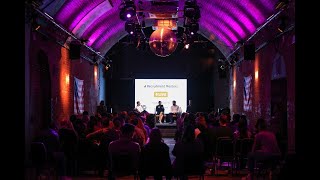
In this live panel, host Hishem Azzouz moderates recruitment experts Ben Broughton, Claire (founder of Storm3/Levin Group), and Harry Thornton (Arama Solutions) to dissect the state of the recruitment industry in 2022 and outline how firms can thrive in 2023. The discussion moves from practical tactics—crafting referenceable cold outreach, leveraging LinkedIn and Crunchbase insights, and using internal success stories to mentor junior recruiters—to broader strategic concerns such as navigating a potential economic downturn, investing in people, and balancing headcount growth with revenue when backed by venture capital. Panelists share personal anecdotes on onboarding new talent, the importance of obsession with market and process, and the challenges faced by women in a traditionally male‑dominated sector. The conversation culminates in concrete advice for newcomers (brand building, persistence, choosing the right firm) and a consensus that maintaining disciplined processes, focusing on client relationships, and up‑skilling teams are essential to survive and thrive regardless of macro‑economic conditions.
Chapters
Massive thank you everyone for coming and making the effort. As Maria said, I know there's tube strikes, been absolute chaos. I know people have come from Manchester, so thank you for making the effort, you absolute legends. I guess I also want to say like these events would not be possible without companies like PGC, but also Sourcebreak and Vincere. They've been longtime podcast partners. So if you still have not spoken to these companies, like you need to. Just to frame up how we're gonna do this, the first sort of 15-20 minutes we're gonna talk about this year. What have we learned? Biggest challenges? What have we taken away? Then we're gonna talk a bit about next year. What have people got top of mind? And then we'll have a solid amount of time for live Q&A as well, 'cause I know when you come to these events, if you don't feel like we don't talk about the things you want to, that can be annoying. So Matt, my colleague, is gonna run around with a microphone, and if there's any questions that you have, for the panelists, and we'll make sure they can answer them. But let's welcome on and give a big hand for our panelists today, Claire, Ben, and Harry. How are you feeling?
All right. There's loads of people here.
Ready to go.
Harry, you got your microphone, mate? You might be sitting on it.
I think it's out on it.
Got it.
Yeah, awesome. Should we get straight into it? Okay, so let's do a really short intro. Ben, I'm gonna come to you first, my friend. If you could just, for those that don't know who you are, give us a short intro. Then Claire, you next, and Harry after, and then we'll get straight into it.
Thanks, Hishem. My name's Ben Broughton, the granddad of the group this evening. I've been in recruitment for just over 23 years. Started with S3, did 6 years there, Then I was managing director of Premier Group for 15 years. I joined that business, 12 people, took it to 130 across UK, US. Exited in February last year, sold my shares, and basically launched Primis 14 months ago. We've gone from zero to now 37 heads, £5 million revenue across UK and US. That's me.
Happy days.
Nice. Thanks.
Claire?
Hi. So I've been in recruitment for about 15 years, which I think— how many recruitment— it's like dog years, isn't it? We're about 150, right? So I started at Faidan, spent 11 years there, started with about 20 people, left around 800. Oh no.
I think we can still hear you, you're loud enough, I reckon. Gigi, can you help us out? Hello?
There you go. There you go, swap. Lived out in the States, set up our office in San Francisco, lived in New York, then left after about 11 years, took some time out, and then launched Storm3. So Storm3 is part of Levin Group. I launched in Feb last year, so in 18 months Storm3's gone from 0 to 160 people. 4 offices globally, soon to be 5. Levin Group's gone from naught to 600 in 3 years.
So, yeah, that's nuts.
Yeah, it's pretty intense.
I reckon that's a good intro. That's good, that's good, that's good, that's good. All right, Harry, last but not least, my friend.
Well, it's gonna be pretty tough now. Um, I'm Harry Thornton, I run Sales for Arama Solutions. Uh, we established the business in 2016. We focus on helping early-stage venture capital-backed software organizations scale go-to-market teams across the US and Europe. I joined the business when we were 6 months old. We've scaled the business to about 55 people across the US and EMEA. And we're here to build and scale the great business within the ecosystem that we're currently operating in.
Awesome, mate. Well, thank you all for being up here. So I guess let's just dive straight in. So Ben, I'm gonna come to you first.
Sorry, is this working?
Yeah, it's all good. So let's just start with— and this is one of the only few questions I sort of sent to you guys beforehand— but like, what has been your biggest lesson learning from this year? Let's just start the conversation now.
I've got two, but they're both short, so it's fine. For me, I think this applies to whether you're a consultant or a director or an owner of a business, taking time out to properly like step back and review your business. This year for us has just been fucking insane. And for me, like the biggest lesson is just you get so in depth and just your head's in the trenches so much of the time. Planning that time out your diary to properly step back and have a look at your business and strategically review what you're doing is so super important. The second one is just product and solution selling, which for us has been massive. So for us, packaging rolls up, not just looking at the ones and twos in terms of delivery, but looking at properly taking 20 roles, 30 roles for a client, and really doing a nice wraparound, offering obviously a discount, but making sure you're adding extra value to the client on top of just normal contingency recruitment has been fantastic for us because we've locked up a load of clients, exclusive business, and it's just been, been really, you know, beneficial for our business in terms of growth.
Nice. Yeah, I'm definitely going to ask you about that productization piece as well. Harry, over to you. What's been your biggest lesson this year?
I think I'll probably speak for everyone here. 2021 was a great year for everyone in recruitment. I think everyone probably had a great start to this year, and I think there's obviously been some changes throughout this year in terms of where businesses are pivoting, technology, etc. I think the biggest learn for us was that You've got to keep a scalable process in terms of what you do. Don't pivot, do not change the process, the scalable process that you follow because the market changes. We are still more than ever qualifying the candidates, the clients in terms of the markets we work in, and that shouldn't change because the market does. And I honestly believe that, you know, that the start of next year or the rest of this year is going to be tough, and without the right scalable process, and sticking to that, I think it's going to be really tough for everyone in the market.
So just basically like really sticking true to know, you know what works and staying true to that despite maybe the market encouraging you to do something else.
Absolutely.
Okay.
Claire, you stole my ones. No, I'm joking.
Biggest lesson this year?
No, I'm joking. I actually agree. Your first one, just to expand on that, I completely agree. And I found that really hard, that the take, like the zooming out. Is that the term for it? Yeah, yeah. But I found it really hard, I think, especially if you're— if you grew up as a recruiter and you're recruiting, you often feel if you're not selling, if you're not on the phone to a candidate or a client or doing core recruitment activity, then you're not doing anything. And I found that really hard as I started managing, of, you know, you have those days where you're actually focused on strategy and you think, I've actually done anything today. And I think, yeah, I definitely I felt that, but it's so, so important. But I think the biggest, the biggest one for me, and we were speaking about this earlier, is I obviously started recruitment in the get on the phone days, get out and meet people days, right? And then it all turned into LinkedIn messaging and sending emails, and there's obviously loads of good platforms that you can use now. But I think what I've learned this year is especially post-pandemic, nothing beats meeting people, going for coffee, networking, getting on the phone. And I think it's so easy to— we kind of lost that a little bit for a few years, and I've learned that it's so important to, to go back to that. And actually, whilst a lot of people say, how is AI gonna take over recruiters, actually going the other way and going back to what we, what we grew up on, right?
Some of the junior recruiters struggle because they don't know, they don't know what a phone is, but they don't, you know, going back to, to get in front of people, face to face, building relationships. Like, that's, that's what recruitment is, right?
Exactly. Yeah. So I think that's been my biggest lesson because we, we were not great at that for a while, then we pivoted, and now teaching people sales, and it's working.
Well, you hire like 500 grads and they're all starting the same day, so I'm not fucking surprised. That's a challenge. Um, so talking of challenges, Harry, I'm going to come to you. Let's also get your biggest challenge this year that you faced individually, as a team, as a business? What comes up for you in terms of biggest challenge this year?
Yeah, I think I'll talk about the company in terms of what I think we saw as the biggest struggle this year, and it was the shift within technology.
Okay.
Okay. And last year, COVID, e-commerce, retail was absolutely flying. So anything digital related was booming. And I think throughout this year we've seen a shift within the market of what is and isn't booming. We are starting to really focus around the data ecosystem. Data is absolutely going through the roof right now. The same with cybersecurity. We've changed in terms of the pivot in terms of which technologies are taking off and where they're going with the business. Over time, we've seen that shift. I think going forward, we're going to be focusing on those certain areas of technology given the need for it, where the market's going right now.
So the challenge was—
Well, I think the challenge is the fact of the market is, let's just say it was very digital heavy for the last 12 months. Those industries or technologies have now slowed down.
So realizing the markets that you doubled down on weren't—
Absolutely, you've got to be more technology-led than anything right now in the market in terms of where, in a downturn, there's always going to be another area of technology that's going to outperform other areas. Yeah, and that's, I think, what we've seen is pivoting the business to certain areas of where there's the biggest growth right now.
Okay, cool. Well, let's just, let's just talk about that for a sec. Yeah, I think we can all relate to that right now from the conversations I'm having. Just on that, what have you learned in terms of like what have ended up being like the indicators or the things that you start like pick up on when you start realizing, oh, actually this is starting to slow down, or maybe the markets that we have always focused on are starting to, yeah, not be as fruitful? What did you find to be the sort of key indicators that started to give you that information coming back to data? Is there anything that you really notice?
Yeah, I think there's a few areas. I think firstly is being really close to your clients to understand what's happening in their businesses, right? Where's the demand? Is PG still top of funnel, right? Are they still closing deals? Where is it slowing down? How has their quarter been? And the closer you are to those businesses, the more you understand. And you can also, you know, you can all— it's like a lead indicator of what's coming next quarter based on their performance. Companies in e-com start to slow down, let's be honest, next quarter they may slow down on their hiring. So you've got to start to think, okay, cool, that business isn't doing well for whatever reasons. Which businesses right now are booming, right? Cybersecurity is always going to boom given the market that we're in, right? Companies are hitting, you know, huge numbers every quarter, every month. They are naturally going to grow and continue to grow. So we have made, you know, we're gonna, I guess, spend as much time as we can with those clients that we're seeing that shift in terms of the market.
Okay, nice. Yeah, thank you. Claire, I'm going to come to you. What, what's been your biggest challenge this year, do you think?
I think the biggest challenge for us, so we've only been around for 18 months, right? So the recruiters They joined in a bull market. It was brilliant. And they joined—
what do you mean by that?
Like, just to make it simple, when everyone was hiring, everyone's hiring technologists. We work in health tech, right? So that's again a massive area that's boomed since the pandemic. And they didn't— we, well, I set up the business basically at the tail end of the pandemic, so they didn't have to go through— the recruiters have never gone through a financial crisis, COVID. It was— and then the market got a bit tricky, probably July, August. For the first time, they've never seen it before. And I think that was probably the hardest bit of, for me, I was like, it's gonna be fine. Of course it's gonna be fine. Recruitment's always fine. Technology's always fine. You come out the other end. Companies make layoffs. So what? That means there's talent, you know? But you see recession everywhere and everyone's making layoffs. And obviously they're like, oh God, this is, and I think for me that was hard of just keeping them believing that genuinely, just keep, everything's gonna be fine. We don't need to pivot. We don't need to change. Just give it a couple of months. And there's still money to be made. Let the other recruiters slow down, we will just go harder, right? And I think that was hard, um, because again, they just didn't have that experience to be able to reference, hold on, during COVID the good recruiters made a shitload of money. I think that was hard because I think they felt— hard thing about being a leader in sales is you're good at selling, right? So like, stop selling to me. I'm not, it's gonna be fine. I think for me that was, that was hard. And obviously we're out that now. It's like a couple of months where I think A few clients went on hiring freeze. I think that, yeah, that was—
What, you think you're out of that now? Because I'm— the conversation I've been having is that's continued, like, in terms of a lot more challenging than maybe it has been.
Yeah, but I don't know, maybe I view it a different way. I started my career during the financial crisis in a financial recruitment firm, you know. Recruitment's not fun if everyone's hiring and everyone needs talent.
Like, yeah, so you've got— but you obviously, you've got way more evidence to point out as to, like, I know it's going to be fine.
Exactly.
But that— no, I'm hearing this a lot because it's like, how do you help people build that self-confidence when they've got, they haven't got that evidence to go, oh yeah, no, it may take 3 months to sign up.
You've just got to upskill, upskill. You've got to find, okay, well, let's find the clients that are hiring, let's head on from the ones that aren't. You've just got to start getting really good at recruitment. And I think that was hard of, you know, my really good recruiters did well, but the ones that were okay and it's done well in, in a great market, that's when we started realizing, right, we've got to upskill. Okay, that makes sense.
Yeah, that does. Ben, biggest challenge?
Um, leads really, and also from Claire's point, which is for me, we— when we launched the business, um, obviously I've got 24 years in recruitment, so I brought a lot of clients with me, which is great. And we basically—
after your covenants though, right? Obviously. Yeah, yeah, sure.
Is there a lawyer in the room?
We want to put that out there, mate. This might get watched back one day.
Yeah, yeah. Um, so brought a lot of clients, and we basically We had an amazing delivery business, right? And in the back of my head, I was losing sleep at night going, what about when the market changes? What about when the market changes? So, you know, it was constantly in the thought in my head that we, you know, we had farmers rather than hunters in the business. So we just, we invested in training around 360, going out and hunting new business and making sure you're a full 360 recruiter, which luckily is now paying dividends. If anything, we left it a little bit too late, but I think now the skills to be able to go out and hunt new business is the most vital skill in recruitment right now. So if you don't have that skill, watch a few of your podcasts maybe.
Absolutely.
Yeah, and upskill.
So basically, just to clarify that, because this is definitely what's been coming through from the conversations I've been having, so you felt like you maybe doubled down or had too many people in your business that were only willing to do delivery or were only good at that?
Totally.
Yeah, we have a delivery function in the business. We have a 360 team. But just my personal opinion, I've never seen a market like we had for the last couple of years. Like, it's been the best I've ever seen it. Um, and now it is definitely slowing down.
Like, do you still have that delivery function?
We do, yeah, because we still have a lot of delivery-based clients that still need, um, people. But for me, you know, I think making sure that you're skilling yourself in the art of business development is the most important skill you can build right now.
So that brings you quite nicely on to like that. That was definitely, from looking at all the questions that came through, that was definitely a popular one about the current market advice for people. So Harry, let me come to you on this one. I know in terms of your role, from what I understand, sales director, so you will be looking at the sales strategy. How can you get more out of your existing clients? How can you get new logos in the business? So I guess the question I have for all three of you, but I'll come to you first, Harry, is like for this year, what has continued to be like your most successful channel, approach, whatever? We can go as granular as you want when it comes to consistently winning great clients and great business. What has continued to work for you and your, your team this year?
Yeah, good question. I think there's two main areas that we're seeing right now. Um, first is when we, when we started the business in 2016, we went on several growth journeys with high-growth organizations effectively, right? We hired 20, 30, 40, 50 people for certain organizations, which naturally the VCs that were backing the organizations heard about us, right? Because the quicker they hire great people, the more money they potentially make, and the quicker they may then get an exit. So once you do that with 2 or 3 companies in a portfolio, the VCs are start— starting to be interested in your business. Okay, great. Where else in the portfolio could you potentially help us? And we've been very fortunate that we have a list of, you know, 5 or 6 great tier 1 VCs that help us in plugging us into some of the most, you know, successful startups right now in the industry. So they'll typically introduce us to a pre-Series A or Series A organization, and we'll work with the founders to help build and scale their go-to-market teams off the US.
That's such a great insight, and I know that's something that we spoke about in your podcast as like a genuine strategy that— to get it— because if you imagine if how many more journeys you go, how many more companies you go on that journey with. But just on that, so what does that actually look like? Is it that you build that reputation and they literally refer you to people? Are you giving them a kickback? Like, what— like What's in it for them besides if you enable them to hire great people, then it makes their investment even more stronger because they might actually be able to deliver on what it is that they're planning on doing. But is it just straight introductions? What does that actually look like?
I think firstly, it's fucking tough.
Well, to get to that point where they're willing to put their brand on the line.
I was gonna say, we do similar, and we make it sound so simple. Playing that, doing it that way with the VC route, It's fucking nails. But if you get it right, which you guys clearly are—
but like, what, what's hard is in like getting to the point where they trust you, building that reputation.
But for sure, right, is having that trust of you're a good partner, right? Because at the end of the day, a VC will own 70-80% of the business when the business exits. The founders will own 10 or 15%. They have a bigger share in the business typically than a founder will, right? So they have more say quite a lot of the time of where the strategy recruitment of that business comes from. It takes a lot of work, and by no means have we completed it, and we've got a long way to go in terms of developing those relationships. But no, there's no kickbacks. I'm not sure that's legal. Um, but no, what's in it for them is, is really, you know, the, the investment of hiring great people that help them towards an exit much quicker.
Yeah.
So they want to hire the right people for the right job to help scale that business in the right ways. And also the expertise of, you know, knowing how to build a US business and then help land them into Europe, etc. Not a lot of firms have the exposure to both the US and EMEA market from landing them into the European market.
Okay, nice. Yeah, I mean, as well, let's make— let's remember the biggest problem a lot of the companies we work with have is the talent piece, right? And you guys will know this when you recruit for your own business, that is up there with the biggest challenges. So if you can help them solve that That's huge. So you said there was a second one. What was the second one?
The second one is utilizing your champions to help you go into other organizations or introduce you to other organizations. That for us is massive. A champion is someone that trusts you, believes in you, that has your back, that will help take you to the right decision maker within an organization to make that introduction that, you know, I've used Harry, Harry's great at what he does, or Rama's great. Harry's team's great. You want to speak to them. They've hired 20, 30, 40 people for me over the last few years. You should have that conversation. All you need is a warm introduction to help break that, because, you know, these guys are getting hit up hundreds of times a day, and it's really tough if you're going in completely cold.
Do you think you can only have champions if you actually, like, place them or build a team for them? Or do you feel like you can build champions by just delivering an absolutely outstanding experience but maybe not getting the person that they needed or the team that they needed?
I think you can.
Okay.
I think it's really tough.
Yeah.
Because that person doesn't know how you operate because you may have not worked with them or you may have not hired people for them. So you've got to build a level of respect. Maybe that is you have a champion that introduced you to another person and that guy naturally becomes a champion because he knows someone you know. Um, but it's really tough without delivering for them and working for them previously.
Just curious, quickly, how many of your champions are internal recruiters?
Zero.
I was just curious though, I wasn't sure how that would play out. Zero, correct? Okay, cool. All right, um, Claire, I'm gonna come to you. Best, like, what has really worked for you guys?
Yeah, winning new business, similar, I think, you know, BD's BD, right? There's— we all do the same stuff, right? And I think I agree on the VC front. I think it's a really smart way to do it, and it's interesting now a lot of the VCs have their own talent teams, right?
Um, but they also want your help because they can't manage it.
No, no, no.
Some of the best VCs in the world have 3 or 4 people and they've got 1,000 companies in their portfolio.
Definitely. So that's an interesting one. I think I'll answer it in a slightly different way. I think we do a lot of business development. Obviously we didn't exist 18 months ago, and I think what's really helped us grow and have a really good name in the market is being really focused on what our market is. So Storm 3, we only work with startups and scaleups in health tech. So health tech are tech companies disrupting health. So like mental health tech, telehealth, femtech. I'm really strict on what we don't do. We don't do big pharma, we don't do biotech, we don't do anything clinical, medical. There's so many clients that we have where half of their roles we could work and we could make money from, but we don't touch. Like, we only do engineering, data, product, sales. And I think that really helps. Like, knowing what you do is, is important as a recruiter or as a recruitment firm, but knowing what you don't do and saying what you don't do and not trying to just do everything, because there's so much out there you could do everything. And I think that's really helped because it means We're just getting deeper and deeper and deeper, and therefore going wider into a market rather than just going, oh, let's just do everything health. So answering it in a slightly different way, obviously there's lots of different techniques that we use, like same, same probably answers as you guys, but I think it's really staying true to the markets as well. We're not trying to diversify too soon, even though there could be money there.
Yeah, nice. Ben, obviously, as you said, delivery function, upskilling people 360, what What's ended up really working for you guys?
So I think for BD purposes, speaking to the business owners in the room, when I launched Premise, we built an NED board who were all not ex-recruiters or recruitment NEDs, but industry NEDs. So we've got a guy who's CTO for SpaceX and XPRIZE on our board. And having like industry leaders on your board who can champion you to the market has been invaluable for us. I think from a consultant level, so I've launched in the US twice now, and every time we've done it, we've done roundtable dinners, drinks events, CTOs, heads of talent. So if you're a consultant or a team leader or team management business, get a budget. It doesn't have to be massive, 2 grand. Get all your clients in the room, build relationships, build networks, and the value from that is just, for me personally, invaluable. So if my team ever comes to me like, can we have a budget to run an event, these are the people coming, go and do it because that will just pay dividends.
And just to make that clear for everyone, like, how does that actually benefit BD besides getting these types of people in the same room? Is it, it just equips your team with a reason to call people?
It's, it's, yeah, it's a, it's reason to call, but it's also you can't build a better relationship than face-to-face. And it's, you know, I think that that's what's in, in a tough market, that's what pays off— relationships, clients that come back to you because you have a personal relationship with them. Um, and for me, you know, there's also an argument of building automation to your business. I think that's a completely separate topic, but I think the personal relationship and getting in front of people, massive difference for your business.
Okay, cool. So let's move this on a bit then. So I had, um, a question just to sort of round like this year off. We may come back to it, but a question from Cherry Swain, and that question was— Ben, I'm going to come to you if I may— and that was, what was the most impactful thing you did for the success of your business in 2022? One thing.
Launch US. For us, it's, you know, it's our main revenue generator. Average invoice, $28K. Everyone finishes in 2 weeks, so there's no 3-month notice periods to wait for. People pay on time. It's just the best business if you can get it.
Go and get it, right?
Yeah, we're going to get onto that. Um, we're going to talk about that. Harry, one thing that you, the team, business did that you think, uh, really created success for your business in 2022?
I think it's got to be invest in L&D. Most important thing: invest in best practices, invest in your team, invest in your leaders, invest in— if you can upskill your leaders to the best way possible they can help upskill their team as well. So I think we really focused on upskilling our leaders, putting them through the best L&D programs we could, upskilling your L&D people as well to ensure that everyone has the right best practices. We can always stick to them throughout doing this job.
Love it. Claire, one thing?
Keeping it fun.
Keeping it fun. It must be fun, the amount of people.
Yeah, you know, like we It gets tough for recruitment sometimes. Again, it got a bit tough when the market got a bit sticky, and it's just like, one day I just went into the office and I just make it fun again, you know? And I think—
How do you make it fun?
Just like celebrate little wins. Recruitment can be fun if you make it fun. Be in the office. Like, we're in the office nearly all the time, and I think it's so easy, like, to just sit behind your computer at home. Like, that's not fun. Get in the office. Yeah, celebrate small wins. Be around your colleagues. It's simple stuff, but I think it's really important to remember.
Enjoy the journey.
Enjoy the journey. The journey is the reward.
Yeah.
Woo! But yeah, that's it.
Awesome. So let we like, when we get onto questions, feel free to ask these guys anything about this year, but let's just move on to for me personally, I don't know about you guys, it may not be relevant for everyone, but for me I've definitely seen a trend in companies like yours, Ben, yours, Harry, and yours, Claire, in terms of being in the UK but recruiting in the US. I think that's definitely been a trend I've definitely picked up on, on seeing. So I guess these were— this is just, I guess, just paint a bit of a picture for all of you. I got this, these stats from PwC, and I guess it just puts it into a bit of context. But I think what they shared with us, so a bit to what Ben was saying in terms of what they see in terms of the UK average fees anywhere, in terms of what they agree, anywhere between 15-25% in the UK. But in the US, Ben, you could— you guys can shed some light on this, but what PDC find is it can be anywhere between 25, maybe even up to 40% in terms of agreed. And seeing obviously deals be made of $50K and above. But also, I think this is also crazy, obviously the UK recruitment market is competitive And I think the way that they painted this was there are more recruitment agencies in the UK than there are in the US. Obviously, let's just think how big the fucking US is, and the UK doesn't even fit in Texas. So yeah, that's like a crazy insight, right? So I guess let's just pick this off. So, how long— I'm gonna come to you— how long— just get— paint us a bit of a picture. How long has the US journey been? Where, like, give us a bit of a timeline in terms of when did you start maybe doing US business? And yeah, how long have you been doing it firstly?
Yeah, so we, we started doing US business right from the start. Um, we were just lucky enough that some of our clients needed help in the US and they needed help in Europe, right? So we naturally just did that. Um, we are very heavily focused on the US, 65 to 70% depending on the quarter in terms of US business. Um, we launched the US business in January And the most important investment again is, you know, wait, so it's January, as in what do you mean in terms of feet on the ground, boots on the ground, right, right, physical location, office in Texas.
Um, okay, so that was January this year.
You did January this year. We scaled this business to about 8 or 9 people. Um, we invested again L&D in the US. Um, we've got sales leadership from the UK, um, moving over to the US to help build and scale that out. So we were quite lucky that we always had a lot of business in the US, right? But for us, it's about being on the ground, going to meet these clients, jumping on a plane 2 hours, not 10 hours, 12 hours, whatever it may be, going to meet candidates. Like, we're in Austin, Texas, right? It's one of the biggest tech hubs there is right now in the US, and it's about that investment of people and time in that region that we've seen the most success right now.
Yeah, so I've definitely— let me just hit you with this question then. So this is, um, A question from Alex Hutchins, which is basically just talking to what you said. Yeah, so the question is, and you guys feel free to share this because I know, Claire, you just opened the New York office. Ben, you've got an office in New York, Austin, right? So the, the question from Alex is, I don't know, Alex, they're based in, in the UK but did the US. So he said, in the North American tech market where 99% of vacancies are remote, what is the main benefit then of moving your UK recruitment team to the US when you're factoring the associated increase in staffing and taxation costs? I don't know what you want to add to that.
I think personally it goes back to the point I made earlier, it's relationships. I think, you know, once you're getting those initial relationships face to face, being around the corner from a client and we pop around and see you, grab a coffee, that's how that initial relationship is built. And don't worry, you can definitely recruit the US from the UK, like you definitely can. But for me, if you want to scale and properly grow a US business, you have to have boots on the ground.
I also think it feels— it seems similar, UK to the States. I lived out there for 5 years. I remember when I opened our office in San Francisco, realizing, okay, we kind of sound the same, kind of, not really, but ish. But it's so different. There's so many nuances. They do, you know, and even in the different states, people do business in different ways. The laws are completely different in different states, let alone in the US. There is so many— there's a lot to understand that you think you kind of understand if you're here, but you don't. 401(k)s, the schooling system, even healthcare. Yeah, it's just a completely different beast and you've got to be there to get it, to understand it. And American grads are different, the types of profiles you hire are different. I think you've just got to be there and to get it properly right. And I think you can't be naive and just hope, ship a couple of your British recruiters out there and it's going to work. You do have to keep up to date and they change the laws all the time, don't they?
Um, so let me ask you this then, Claire. What works in the UK that doesn't work in the US? Like, could be anything. It could go as grand as you want.
Being rude to people. Um, what works in the— look, in the UK everyone knows what recruitment is, right? Come out of uni, people know what recruitment is. They've got friends in recruitment, brothers in recruitment. It's an industry out there. They're like I won't do the American accent, but—
Give it a go if you want. You don't have to.
But they, you know, we advertise it as like sales, business development. It's different. People don't really get what it is. My boyfriend's American. I've been with him 7 years, and he's like, right, so candidates, they pay you to find them jobs. I'm like, no, that's not what we do. It's just not headhunting maybe is a thing, but again, it's— no one knows what it is. So I think it's— you have to really— that's different, is hiring grads. It's tough because you've got to explain to them what on earth we do. And even when they join, sometimes they still don't quite get it for a while.
Okay, uh, Ben, let me come to you then. Principles to— like, what, what would you say from your journey so far? What would you say are some of the key principles to gaining traction in the US?
Moving over there or doing it from the UK?
Just as a whole, like, if you look at the last 14 months, what do you think you've done well that's enabled you to gain traction in these places?
I think with anything, pick a niche, pick an area. Don't say, I'm going to recruit for the US, I'm going to do full-stack developers. You've got to pick an area and really go for it. Understand the market, understand the laws of that market, build your candidate base, and get in front of your clients, I think is the most simple thing. It is still recruitment. It is still black and white, you know, in terms of what you need to do on a day-to-day basis. But as Claire said, you know, every single state you're in is completely different. So pick one, get to know it, get to understand it, fly over, have a holiday over there, get an understanding for it, and then just make sure you own it.
So just on that, this is part of Alex's question, then we'll move it on. He did also say, like, so if you are moving to the US, what factors should you consider when deciding what state to set up in? The most common ones I've seen are the ones where you guys are— Austin, Texas, New York, also Miami, it seems like, as well.
But like, Tampa is now one that's coming up in a lot of companies.
What, what, like, why do you, why did you choose?
I think as a business owner, it's, it, you're looking at the markets and where the revenues are. I think as a consultant, if you're looking to move over to the US, I think you need to look at your lifestyle. Like, New York is London on crack. Like, you have to be able to deal with that and, and love that life. London on crack? Yeah, that's New York.
Really?
Amazing.
I'm too old for that now, by the way. This is for this, for you. But, you know, Austin, very chilled, very nice, good vibes. I think for you, if you're a consultant, like, you need to go and visit these places, like, go and soak up and experience it. From a business point of view, you need to— if you're a business owner, you need to be looking at where you can get good talent. Good talent, you know, you look at where the universities are, you're looking at, you know, New York, for example, is super expensive in terms of salaries, whereas your Austins, your Dallas's, your Tampa is much more cost effective in terms of getting good people in the door.
Okay.
Harry, obviously you've been doing it for a while, obviously have quite a few people there now. What's been your biggest challenge since expanding in the US, do you think? Or really given that, like since January, what's been some of the biggest challenges specific around the US piece?
I think firstly it's hiring the right people.
Yeah.
Really tough. I think the cultural difference between the UK and the US is huge, and I don't think anyone knows how big that is until you actually go and launch an office there. I think the biggest challenge for us is we didn't have sales leadership on the ground early enough.
Right.
So you're trying to manage the US business. You know, you have L&D, that's great, right? But that's not sales leadership. And for us to manage sales leadership from the UK for, you know, the last 6 months is really bloody tough. So I think that's been the, you know, the biggest struggle. We've had the guys over in the US spend a lot of time over here in Europe. To really bleed the, you know, the culture of the office and how we operate and what we do and the processes and everything that we put in place.
Okay.
Because without that, it's really tough.
Nice. Right, let's, let's move this on to how you guys are thinking about 2023, and then we'll go to audience questions. So I guess firstly, obviously, Claire, you were talking earlier, like, yeah, I'm definitely having conversations with people. Like, people— a lot of people entered the recruitment industry in the last 2 years. So that is, like you said, their experiences of working in recruitment are going to be very different to like what we've experienced over the 10, 15. But like, how, how would you— like, how are you currently feeling about your current market at the moment going into 2023? Let's just start there.
Yeah, good. I think we've all learned a lot of lessons probably in the last 6 months of where we need to upskill and where we need to train and how we need to pivot. We need to make sure people can do business development properly and adapt. So I think with all of those lessons going into next year, it's just getting better and better again. Now it's never gonna be what it was, I don't think. Well, maybe it will be, but it was insane, right, 18 months ago or so. But I think it's only gonna get stronger from here. So yeah, feeling positive. We're opening an office, our office in New York. We've got one in Dallas now, but we're going big, big on the States. We're pretty much a US business, just happen to be HQ'd in London. So next year is all about that. So, exciting.
Ben, how are you feeling about—
I'm feeling confident. We have amazing people. For me, this next summer is just invest in my people, train, retain, look after them, make sure they've got solid career plans, and just upscale, as Claire said, just as much investment in training as we possibly can, because it's a shifting market, right? And so when there's a shift in market, you have to upskill and train your guys and invest in them. So for me, that's the most important thing for the next 12 months.
Cool.
All right, Harry, I'm gonna, I'm gonna ask you instead, like, what, what are you—
um, sorry, you don't care about my answer, huh? I'm checking.
Um, what, what are you doubling down on next year and why?
Great question. Um, what are we doubling down on? I think there is a shift in the market, so I think naturally companies may say okay, cool, maybe we're going to slow down on the hiring because of the shift in the market. Maybe the market isn't as buoyant as it was. For us, we're going hard on the hiring, hiring senior people, hiring graduates, because the market is going to bounce back and it's going to come back, in my opinion, stronger than ever. So for us, it's investing in new people, scaling the business, keep going on the hiring, keep investing in the business. So then when that market shift comes back We're ready.
We're ready. Yeah. Claire, we're doubling down on such a good question.
I'm trying to think what we're doubling down on. Um, I mean, we always double down on talent, right? We're always hiring more people. Like, we'll continue to keep—
How do you do that, by the way? Because when I see that on LinkedIn, 500 people at once, um, like, literally, how many, how many people do you have start on one day? What's been the most amount of people?
25.
Oh, I thought it was more.
No, 25.
I mean, that's still a lot of people.
25.
Yeah, just like one day, it's not on the same day.
Yeah, yeah.
So across Storm, across—
so across a different brand, we had a day where I think we had 160 join in one. 160 people started the same day? Staggered when they got to reception because we realized they'd be quite overwhelmed, so they turned up at different times with the poorest—
okay, can I just ask you, which probably people are thinking, if you can be honest with us, how many still left? Yeah, how many are fucking still there? Because like, let's just be real, that is absolute chaos.
3.
3. Um, no, absolutely. Like, genuinely, what do you reckon?
We don't— look, I genuinely am saying this, like, we don't just do it for— we don't play it for the numbers game. That's just so naive. I've done this for a little too long. I'm not going to hire 25 people in the hope that, yeah, a certain amount work out right. We're really, really strict on our hiring and have a pretty hardcore hiring process. So within my, my brand, I think it's probably about 30% attrition, okay, which is not bad. And you know, the people— graduate recruitment, people are always going to leave because no one knows what recruitment is when they're getting into it. They don't really know how fucking hard it is. And what I would say, in my team, no one's left to go to another recruitment firm. So they've gone and maybe they hate—
you made them hate recruitment, maybe not put them off that much.
Yeah, but you know, I, I think What are you doing to us, Claire? I don't know. But yeah, look, of course people leave. That's natural. But—
I appreciate you sharing that.
Yeah.
Because that must be crazy.
It is, but it's fun. It's hard to know everyone's names.
I'd work for you, Claire, just putting it out there.
Would you? You're a bit too old.
Joke.
We only hire grads. No, we're joking. Joking.
Joking. Cool. Claire, let me ask you this then, because you were talking about this. So— What advice would you give the recruiters here who may have only known record-breaking quarters, which we always read and saw on LinkedIn for a good amount of time, and they've been used to getting a lot of yeses in the last 2 years? But yeah, going into what could be a lot more of a challenging market, might already be there over the next 3, 6 months. Like, what is your advice for those sorts of people in the room and the people that will listen to this back?
I think you just got to embrace, embrace the challenges. And it'd be boring if it was easy the whole time, right? I think you've got to look at the challenges. If you get an objection, you've got to look at, all right, how can I get around that? I think it's pretty simple advice, but I think everyone, you know, everyone's smart. They get into recruitment because they want to learn. You just got to, yeah, take a positive look at those challenges and think, okay, well, how can I learn? How can I be better? Or how can I do something differently? Or and just ask for help. Really simple, ask for help. Um, sorry, is that useful?
Sorry. Um, Ben, this was a question from Leo. What do you think will make 2022 different to 2023 in recruitment?
2023 different to 22?
Yeah, yeah, yeah, yeah.
Um, I think a shift in the market. I think, um, it's not going to be on a plate for you anymore, but I mean, I was talking to a girl in our London office today, a preso desk, and she said, you know, if this gets harder, you know, what we're gonna do? I said, and you made twice what the Prime Minister earned this year, right? And she was like, no, I didn't. I was like, you did. Like, you made twice what the Prime Minister earned. And I mean, Emma would be a great Prime Minister, but I don't think she's quite ready for it. But you know, this is still an industry where you can make a shit ton of cash at like 24, 25. So just embrace it. Like, you can still make fucking great money and have a great career and enjoy yourself. It's gonna be a little bit harder, but personally, I just love BD. Like, I fucking love it. I don't know why I'm sick. But I enjoy that part of it. Like, it's one of the most exciting parts. So just enjoy the BD journey.
All right. Right, so I've got a couple of questions that some of you submitted, and then, Matt, if you could help me out with the microphone in a second. And if any of you have questions, put your hands up and Matt will run around with a microphone. So, couple of questions to kick this off. So, Harry, I'm gonna ask you this. I'm not sure exactly how your business operates, but this question was from Khalifa, and the question is, is the 360 model extinct?
Absolutely not.
Absolutely not.
Absolutely not.
Okay.
I think you need a few different types of models in a business to have a successful model. Not every skill set is a 360 skill set. Some people are great at 270. Their skill set is not hunting new business, but they're great at fucking expanding a company or a client. Now, some people are just great at delivery, and you can make lots of money doing that. So absolutely not. And if anyone's a 360, I'm hiring, so give me a shout. Um, but, but yeah, no, absolutely not. It's— and I think it's one of the best roles there is if, if that's what you want to do. But it depends really on the skill set.
Ben Clare, any thoughts on that? Is, is the 360 model extinct?
No, I don't think it is, but I do agree. I think certainly when I started in recruitment, it was your 360 or you're shit. That was— sorry, no, no, no, I didn't say that, but people used to say that was the mindset of the industry at the time, right? Of that was the only way to do it. And even if you're really good at resourcing but you struggle with your BD, well, you're not good enough, right? And I think it's really changed now. I do think 360 is Brilliant, but as I said, it's an appreciation for some people are brilliant at 270. I'm glad you did the maths there. 270 or 180. What was the other one? 90.
Yeah, 90.
Oh, 90. I haven't heard that before. It's 45.
Let's get down to it.
What the fuck is 90?
It's one of the— it's a quarter. It's a quarter of 360.
So what are you doing? I don't know. I don't know.
What do you do at 90?
You just speak to people and then don't send the CVs.
Yeah, maybe not 90. Yeah, I don't know what 90 is. I wasn't trying to get my brain working, but yeah, I think it's all about us as owners recognizing people have different skill sets and that's fine.
Everyone's different and I think you need to play to their strengths. If some people are brilliant at 360, then let them do 360. If some people are brilliant delivery, we have some incredible delivery consultants in our business who just nail it. I do think there is, there's some really good examples of US businesses right now that are doing the 180 model. And they are flying, literally flying. I think you need to be a certain size of business in order to cope with it. I think you can't be like 10 or 15 people and have a 180 business, but I think there's definitely a model for it where it does work really well.
It's a very American model, isn't it? 180.
Yeah, right. Claire, I'm definitely going to come to you with this question. This question was from Drew. When hiring grads, which you do a fuckload of, um, what are the non-negotiable behaviors you look for? In a grad? You said your hiring process is pretty, pretty hot, mate.
Yeah, um, they've got to have work experience. They've got to have work. They've got to have work experience. They've got to have worked during uni. That's—
they have to work during uni.
That's, that's a bit of a non-negotiable for me. They've had to, or, or at some point, whether it's in a restaurant, in a shop, you know, you will hire graduates It's red flags for me, and I apologise if anyone didn't work when they were, you know, I did a paper round when I was like 11. I don't know what my parents were thinking sending me out on a paper round at 11 years old, but in Bromley as well, but it's, I think it's important that work ethic of, it could be any, it could be, you know, doing your parents' gardening, getting paid like a tenner for it, just some kind of work ethic, I think. Um, for me, that, that's a bit of a non-negotiable. I always ask if they had a part-time job at uni. Okay, nice one for me.
Anyone else like any non-negotiables that you always look for?
I think for me it's down on characteristics of an individual, right? If you're hiring a graduate, they may not have experience to the working world, so it's really tough to make that hire based on that person. So you have to make the hire based on characteristics. Yeah, for me, the most important thing, or the most important two things or obsession and character.
Okay.
Lastly, you would do intelligence, but more importantly, you've got IQ and EQ.
Okay.
But emotional intelligence is the most important thing. You don't need to be super, super book smart, but if you've got a level of great EQ, obsessiveness, and you've got a great— like, this industry is pretty fucking tough, so you've got to be tough. And if you have those three things, I strongly believe you can, you can be great at this industry.
What's an example of a grad being obsessed with something?
Well, it's great. I think you would have to look back at their personal life, right?
Okay.
So whether it's something they played sports to a high level, they're a captain of a rugby team or a football team, or they excelled in something, right? You know, I think you have to pick up these things. And by the way, it's not bloody easy to find that in an interview process.
Yeah.
But also you can see how they demonstrate themselves in an interview. Are they obsessed? Do they really want this fucking job? Or they just speaking to 5 or 6 different people. So it's tough, but once you get it, you'll be able to sort of understand how to get it out to someone.
Cool, right, final question for me, and then if any of you have questions, put your hand up and then Matt will come to you. But this question is from Oliver Perry. Ben, I'm going to come to you. Love this question. What is the most important thing you can teach a trainee recruiter in their first 4 weeks? Do you teach them anything?
Life skills. First 4 weeks.
Most important thing?
A good fucking Boolean search. Hence Sourcebreaker in the back of the room. That will help if you're not using it.
Plug.
I think for me in the first 4 weeks it's looking at attitude, and I think, you know, it's how they're interacting with people, being part of the team, you know, getting involved in training. That's what we assess people on in the first 4 weeks, is looking at their attitude. So I think just coming with a positive attitude, a willingness to learn, soaking up like a sponge as much as you can, and if you're doing that kind of stuff, then you should hopefully set yourself on the right journey.
Nice.
Claire, what would you guys look for? Or like, yeah, what's the most important things you're really trying to get through to the people that you hire?
Obviously there's so many different things you can teach in the first 4 weeks. I think for me it's the mindset of don't take it personally, don't take rejection personally.
That's a good one.
You know, and they'll get their first nos on day 1, day 2, and it's making sure you remind them this is normal and a no is not always a no.
A no is not always a no.
No, no, sometimes a yes. Yeah, some situations where a no is a no.
Okay, absolutely.
But you have to be careful. I did say that to my team once and they're like, really? They're like, oh yeah, I said a no is a no, yes is a yes. No, no, you can't say that. Um, but no, I think it's all about that, is, is, is teach recruitment, not taking it personally. Recruitment's all about rejection and that's going to happen at Every single point of your career, we make it sound like it's easy going and winning all these clients. The amount of clients that reject us. And you know, I think it's about remembering that. 'Cause we tell them that in the interview, but then you come in your first day, you get told no, you're gonna get disheartened. So I think it's, yeah, knowing that's okay.
Love that. Right, let's do some questions from the audience. Who's gonna put their hand up? Matt, right, yes, right, perfect. Matt, go to whoever you're drawn to, mate. That's fair. Right, match your spot. Okay, do you want to stand up just so we can see your wonderful face?
Hiya, how you doing?
Hi, I'm Michelle.
Hello, um, I just want to ask the question about business leaders who may tend to be of a certain age and how they are finding managing people who are younger and how you understand how Gen Z are motivated versus back in the day?
I feel like this is aimed at me, by the way.
I'm just gonna put this out there.
Well, having started recruitment in 1997 when there was no LinkedIn, no smartphones, no emails, life was really different because when we walked out of the office, it might be late, but that was it. It was done. Whereas now it's 24/7. So how are you motivating Gen Z when they're motivated really differently and they've got things that are important to them that potentially we wouldn't even be aware of. So yeah, when you're working with grads and the younger generation, how are you doing that? Yeah, I mean, I'm, well, I'm 35 and I, so that's not Gen Z, is it? It was definitely not Gen Z. No, no. And I, I, so I am older than the grads we hire. And I think it's funny because when we do lots of incentives and when they first started, I kept doing about, um, incentives with Amazon vouchers, and I was thinking, brilliant, Amazon vouchers, it's like 200 quid. And after a few weeks I couldn't figure out why was no one excited about it, and so I was, they're like, well Claire, we don't, we don't, we don't use Amazon. I'm like, what? And I went on my Amazon and things I bought and it was like bulk buying Hoover bags and socks, and then I realised, and then one of the guys at work, he did an incentive and he was incentivising them with gardening equipment. I'm like, George. 'Cause he loves gardening, but I was like, the crowd's So I think we really quickly learn, ask them what motivates them. And the amount of escape room things— I'm not really an escape roomer, but there's so many different things you wouldn't think of. I just realized I need to ask them, what incentives do you want? What are you excited about? Because I realized, yeah, what—
give us like top 1, 2 most common. What did you learn from that by actually asking people?
That then they are incentivized to win because they actually want to win whatever that prize is.
Was there any common things that came up a lot from certain teams that they would really like?
Loads of social stuff. I think we've got to remember as well, a lot of the grads are hired. Coming to work was the first kind of experience that, well, they've been at home for 2 years of their uni, right? So we do so many social things, but it's not just going to the pub.
It's a must.
It's, yeah, it's Yeah, escape rooms. Everyone's getting mad. You said that, not me. Escape rooms, immersive experiences. They love stuff like that, just activities. And there was so— we never had any of this when I was younger, the amount of fun things to do. But yeah, my lesson was maybe just ask them what they want.
Ben, anything to add? How have you found—
I'm 42. I'm an alcoholic. No, for me, I mean, first of all, I've got a really good management team underneath me who are younger, so that massively helps me. I got back on the tools this year, built 400K, thanks. And just because I had to be relevant, like I didn't want to be there like, who's this fucking old git telling me how to recruit? Like I had no idea. So I did that, and then we fucking love a Pulse survey, Jess. There's like a Pulse survey every week. Like what do you guys want to do? Like what incentives do you want? Not everyone wants to go in the piss. Like some people don't want to go and get smashed. Some people want to, I know it's crazy, right? But some people don't want to do that. So yeah, as Claire said, absolutely the same. Cater for everyone and do different incentives based on what other people want. And just listen. Just ask them what they want and then make a change and make a difference. But just listen to them.
Awesome. Who else has a question? Michelle, great question. Matt over here, mate. Nice.
I'll stand up.
Hey, mate. I'm Alex, by the way.
I work for EXP Talent, who are the best reps rec in London.
Wow, come on, selfless plug!
Fucking hell, put some money behind the bar! Jesus Christ.
Okay, so my question is— so it was mainly to Claire, but I'm happy—
wait, wait, put the microphone by Matthew.
It was mainly to Claire, but it was— I'm happy to go to, you know, the rest of the audience. So some of the stuff Claire said is a lot of stuff I believe in, which is get on the phone, work hard, have fun, right? Now what in my opinion, not a lot of people do is make cold calls anymore. It's a lot of emailing, a lot of speccing out CVs, all that sort of stuff. So as a modern-day recruiter, what would your structure of a cold call be? Oh wow. To the rest of the audience, should we do a role play?
Yeah.
No, wait, so what's the question? What's her— how would you structure a cold call in the morning?
No, no, I'm not—
no, you're recording it. I'll be the client.
But yeah, that's the question, right? EXP Talent, right, mate?
Sit down, bro. Come on.
Right, so first is a small— is this being recorded?
Yeah, it is.
Okay, right, small tip would be— I know you shouldn't really do this, but always email. I used to do this when I was hands-on. I'd always email on like bank holidays or public holidays because you get out of office and then you get there mobile phone. Okay, so small tip. So you see, I do that all the time, then I just collect their phone numbers. So I think keep it short and sweet, get to the point. I say this to my team, I don't think anything changes. We get, you know, when you get cold-called from whoever, when you called me and I thought you're an estate agent. Yeah, yeah, yeah, I wasn't very— yeah, sorry, sorry about that. But I think getting to the point. I think there's so much out there now online, like how to do sales and ask how the weather is and how is your day and all that kind of stuff. I think get to the point. Hi, my name's Claire, you know, I specialize in placing senior data scientists in health tech, whatever it might be. I think just getting to the point. Have you got 2 minutes to have a quick chat? I think nothing changes. Remember, people are busy. Get to the point. Don't fluff.
Um, okay.
Yeah, sorry, did you— I wasn't gonna role play, but I think that's it. Keeping it short, sweet, introducing yourself and saying I only need 2 minutes your time. If they're gonna hang up on you, they're gonna hang up on you.
Yeah, yeah.
And just if you can still try and like commit to more time to speak if they're busy.
Harry, you got any, uh— I feel like you're like— I consume a lot of content in like the SaaS world, so I feel like there's a lot of good advice around there.
I think the first The first point is make it warm.
Make it warm.
Don't, don't, don't make it straight away cold, because that's the tough piece, right? So whether that's you sending them a LinkedIn message ahead of the, the cold call, or whatever it may be, or connection request. But on that conversation, you always want to make it referenceable and relatable. If you can make it those two things, that conversation is automatically going to go better. Whether they know somebody that you know, whether you've done business in a similar ecosystem, technology, whatever it may be. But if you can make it relatable and referenceable, that conversation is naturally going to be better than, hey, I'm Harry from Arama, you don't know me, blah blah blah. Like, that's really tough.
Okay, fair.
I think just have a reason to call as well, right? Okay, you've got— everyone's on LinkedIn. Click on insights on the company. You can see how they've grown in the last 12 months. Just even just saying that, I can see you guys have grown by like 120% in the last 6 months, that's unreal. Or the event invite, or just something. Google them, see if they've got Crunchbase, see if they've had a recent investment. Just have a reason to call.
Nice. Let's do 2, 3 more questions, then we'll go. There's a few more hands. Matt, go to whoever you want to.
Hello.
Hello.
Hi. Matt, next time come to the front. Yeah, that's fine.
I'm not making any friends here. Hello.
Hey.
I'm Georgia. Hi, I'm from Wiser Elite. My question is how, like, the best way to deal with any people that you might manage or like junior team members that haven't been through the hard times in recruitment yet. Like, a lot of us have been in recruitment a long time. We've been through the waves and like ridden the roller coaster, and that helps us to be more mentally prepared for these times. For the people that haven't been through it, like, what's the best way to deal with them or like the advice that you would give them?
I feel like you've literally been doing this, right?
Great question.
Yeah, great question. Yeah.
Yeah, I think— I mean, I'm fortunate now, even though it's not a huge amount of time, but we've got 18— we've been around for 18 months. So for some of my newest grads, there's still people that have been there a little bit longer. So it sounds, sounds a bit crazy, but in my head I have, you know, we've got the person that started and blanked for 7 months and is now a top biller. And there's him, you know, his name's Alex, but, and he's amazing. And he's that example of that person. Like, there's, I remember the stories of all the different people that have struggled on different things, and it's like in my head of who those people are. So there's always someone to reference, 'cause I have to remember as well, it's easy for me to talk about I've been there. They don't care. That was so many years ago. I'm not in the thick of it. So I always try and figure out, right, who's the person with just 6 months more experience who's been exactly where they are? And we're fortunate now we've got enough people. So it's just remembering that at the beginning I wrote it down. I wrote the names of the different people to make sure I didn't forget and then just connect to them and asking them, look, do you mind taking so-and-so for a coffee? Because it sometimes feels it's going to be more powerful for me as their leader to have that arm around their shoulder, but it's not. Way more useful the person that's sat next to them.
She's using the, yeah, using the stories internally.
Yeah, yeah, yeah.
So I definitely hear that. I think everyone's sort of been there where like, yeah, if I sat down with you and you're like, no, look, I've been there, I'm like, Claire, fuck off, you've been doing it for 10 years.
Exactly, exactly.
But like you said, if it's someone 6 months ahead of you, it's way more relatable.
You've got to kind of remember who's the right people and think strategically, who's that right person for that person? Because it's not It's gotta be the same, it's gotta be the right story, otherwise it could just land flat.
So use your, yeah, use internal stories. Ben and Harry, anything to add to that?
I think stop reading the Daily Mail, 'cause it will fuck your head up.
Stop reading the Daily Mail.
Yeah, absolutely. I think Claire's right. For me, it's just championing champions. Like, who are the best people in your business right now? 'Cause they're the ones doing it right now, and just champion those guys as much as you can, and they're your example setters.
Harry, have you, I don't know, have you had this internally? Have you approached it?
Yeah, I think everyone's probably had it. I think they'd be lying if they say they haven't. But I think honesty comes into it, you know. It's going to be a tough 3 to 6 months if you're in tech. If you're not, maybe not. But it's going to be, it's going to be tough, right? And I think the biggest thing for me is don't deviate from the process and strategy that you have. I think people tend to, you know, usually have a tendency to want to skip out a step because they get a little bit more desperate with a client, or they want to negotiate a client's terms that are slightly less, or whatever it may be. So I think the biggest things right now is to stay with the process, do not deviate, and just keep influencing them and keeping everyone motivated through giving them wins when they can, etc., and trying to keep everybody as pumped as possible at all times.
Nice. Let's do one more question at the front, and then, I mean, maybe two. We'll do two more questions. Go over here, mate. They might get a bit angry. Nice. Hi, I'm Ollie.
Um, hello. There's going to be a recession.
Oh, fuck it, I'll study on.
There's going to be a recession.
Um, and three things are going to happen. Companies are going to die, companies are going to survive, and then companies are going to thrive. So we all want to thrive. We don't want to die.
So what would you do?
What's the one thing you're going to do with your business to make sure that you thrive in that situation? Nice, man.
Who said there's going to be recession?
Boris, everyone.
I think, like, as I said, I'm— I just don't believe there is going to be. So, right, stay positive, stay positive. I think the minute, the minute you start thinking— sorry, I'm not—
that was a really good question, but Maybe we change that from recession to downturn.
Downturn. All right, can I have a think about it? Can I go somewhere else?
Okay. Um, double down your people, so invest in your people, train your people, give them the skills to survive through whatever's coming. If it's a recession, if it's not a recession, look after your existing clients. Like, make sure you put your arm around your existing clients and keep hold of them, and then win new business tickets. Those 3 things for me is all I'll be focusing on.
Nice.
Harry, what are you saying?
I mean, he works for us, so I don't know.
Well, he's— I don't know, he might not have asked you that in the office.
Well, what do you think, Ollie? Ah, all right.
Uh, Claire, have you got anything?
My 3 options?
No, it's up to you. So like, what's— what would— like, what are you gonna focus on so you thrive rather than die?
I think it's just not panicking, not changing strategy too much, and okay, just— yeah, just Yeah, downturn's gonna be tough, but we don't need to change markets. We don't need to change the way— we need to get better at how we recruit, but just keep doing what you're doing, 'cause just keep changing things, that doesn't work. Just keep focusing, and we're all good recruiters. Everyone works, I assume, for good companies. Like, it will all be fine.
Okay. Let's do one more question, Matt, if that's okay. Sorry, not everyone's gonna be able to ask a question. Sorry.
Hey, I'm Liv, I work at Benetrix. My question to you guys is, I'm in my first year in recruitment, so if you guys could give your younger selves a top tip for when you first start out, what would it be?
Nice, nice. Fucking hell. Who wants— Harry, what are you saying? Let's go there. We'll go you, mate.
Okay, what would I do?
What would the top advice be to your younger self?
I think for me it was, when I just relate it to myself, when I first started out in the first year, it was, there's a couple of things. I think firstly it was I would literally speak to anybody and everybody, and I would try and create as much of a brand as I possibly could. And you later find out you wasted your time with a lot of people, but you actually then learn who's good and who's not, and who are the right companies to be targeting and who aren't. But I think characteristic-wise, obsession is the most important thing for me that I found is you've got to be obsessed with your market. You've got to be obsessed with your clients. You've got to be obsessed with your business, your brand, and how you operate. Be obsessed with the process. And honestly, just keep going because my first year was fucking hard. And, you know, I think there's so many times in the first year of recruitment you want to quit so many times over. But if you keep going, it will turn good at some point if you follow the right process and you have the right people around you.
Love it. Ben?
I think first of all, make sure you're working for the best. I love Venatrix, I love you on the socials, very good, big fan. But I think make sure you're working for the right companies, you've got a good vehicle that allows you to achieve your goals. So for me, having a company that gives you equity or the best training or surrounding yourself by the best people in the industry so you can learn, I think is super, super important. I think Harry's words, absolutely, you're gonna have the shittest times, like you're gonna have the worst times, but just stick with it because we're all sat up here not doing badly, I don't think, earnings-wise. So you just stick with it and you will get there. You'll have a great career. It's one of the funnest jobs. I feel very lucky to say I love this industry so fucking much. It's one of the funnest jobs you'll ever do. Great career progression, great earnings, just stick at it.
Yeah. Woo, recruitment!
Matt, Matt, let's do one more. We'll do one more question.
No, because I was thinking about my answer.
What, what, to live?
Yeah, I was actually gonna say, okay, as a female— you're a female, I'm a female.
Good observation.
Yeah, just make sure. Yeah, but my— I think I get asked this question quite a lot, and I think it's an important answer. Like, as when I started as a grad, as a female in let's face it, recruitment is still male-dominated.
Yeah, you're right, with 3 guys, mate, at senior level, it is.
It still is.
And women are some of the best recruiters, I think you'll find.
There you go. But it is like, let's not dance around the subject. Yeah, the majority of CEOs, leaders, founders in recruitment, they are still men.
Yeah.
And stand up, who was that? But I think if I could talk to 21-year-old Claire, it's like, it's not a man's world, like, and you can progress as a female. When I joined, I didn't see any females, senior females, didn't see any pregnant females, certainly not. And to seek role models, seek role models, seek role models, and don't think, well, just because, you know, and there are some companies that have a lot of females, right? But let's face it, that's not the reality of the industry. But I think don't have limited beliefs because Yeah, fair, nice.
Right, let's do, uh, we'll do one more question. That's all right, sorry, we'll just do one more. Joe, Joe was very— Joe, come on then. Joe's gonna get angry. Joe, it better be a good, it better be a good question.
I know this is like—
the pressure's on, coming strong now. Pressure's on, mate, come on.
I'm Joe, I'm director at Ion Search, global rectorat.
Oh, the flex!
I suppose this is more focused at you, Claire, but it's a panel question. You've had, well, Storm in general has had a defo, a different founding than most recruitment companies, and you're now the new grad factory as such, like used to be Hayes and Page. The level that you're hiring is insane. So what's more important to you now, headcount or revenue, because of the backing that you've got?
And the context is you guys have been backed by VC, right? Yeah. Yeah.
Okay. So we, you know, we're very fortunate to launch with investment, right? A lot of companies wait a certain amount of years, get the first investment. We raised money at the outset to allow us to grow so quickly. I think what's important now is it's not just headcount growth for headcount growth's sake. I think we've done a lot of the headcount growth. We've got a lot of the good people. It's now investing investing in them and developing them. I don't— we're not going to be doing the crazy, crazy numbers that you've seen in previous years next year. It's going to be steady, it's going to be growth, still going to be high. I don't think we're going to be doing 25 people at a time, it will be 15. And it's all about, yeah, investing in the growth and the people that we've hired so far.
Okay, there we go. Joe, thank you.
I love how we're a factory.
Yeah. Yeah, well, let's have a round of applause for Ben, Claire, and Harry. Thanks everyone. Feel free to stay for a little bit longer, but thank you so much for coming.
Thank you, Hishem.
Thank you.
More from Hishem




You don't need as many clients as you think to bill $1 Million A Year In Recruitment



From 30 Direct Reports to Back-to-Back $1M Years as a Solo Recruiter with Zach Creighton



