Louise McMullan - Building a Recruitment business whilst raising a young family
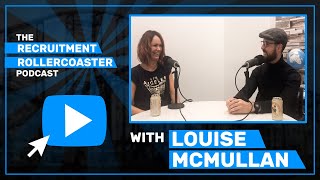
In this episode of the Recruitment Rollercoaster podcast, host Hishem Azzouz interviews Louise McMullan, Managing Director of White Label Recruitment. Louise shares how she transformed the agency’s operating model by splitting the team into client‑focused and delivery‑focused roles, moving away from a traditional 360 approach. She explains the rationale behind the change – a former top biller left because he preferred candidate work, prompting a shift to paired specialists who each spend the majority of their time on their strength (the "70/30 flow" principle). The conversation covers practical tactics such as daily planning, accountability partners, and commission structures (initial 70/30 split transitioning to 50/50 as mentors train new delivery staff). Louise discusses the impact of this model on billing growth, the importance of a clear value proposition and brand communication (especially on LinkedIn), and the upcoming challenge of incorporating video content into the business. She also highlights the company’s family‑friendly culture, supporting staff through life events, and her philosophy on KPIs – focusing on a few measurable activities rather than a KPI‑driven culture. The episode ends with Louise’s advice to recruiters: know the activities that work for you, track them, and stay authentic.
Chapters
Welcome to the Recruitment Rollercoaster podcast. My name is Hishem Azzouz, and today I'm in Manchester. I'm joined by— for those who can't see that, Louise, who I'm with, just, uh, what are they, raven hands? Raven hands, yeah. So, um, I'm joined by Louise McMullen, who is, um, the MD of a business called White Label Recruitment. Louise, thanks for joining me. Where I always like to start, how did Louise enter the world of recruitment? Please do share, talk to us. How did that happen?
I didn't fall into recruitment, so it's not conventional stories where people just stumble across it. I left college at 17. Yeah. Didn't know what I wanted to do, but I knew I wanted to run a business of some sort.
Really?
Yeah. So yeah, basically dropped out my A-levels, 'cause I was being like, you know, forced into applying 'Applying for applications and deciding what you want to do.' And I was like, 'I've got no idea.' But I want to go—
What was your parents pushing for?
No, just the college and stuff. And I was like, 'I've got really good grades.' And I was like, 'I don't actually know what degree I want to do.' So I'm definitely not going to just go and, you know, choose a uni when I wasn't sure. So previous to that, I'd worked for my dad in his business. So I had a chat with him and I was pretty upset and I was like, 'I just don't want to go to uni yet.' So my dad said, "Right, well, you can come and work with me again." So at 17, I went and worked with my dad.
What was it?
They've got like a, they've still got it, a fireplace business.
Fireplace?
Fireplace is.
That's niche.
Very niche. Love a niche. So I went there, I thought, "Right, I'm just gonna get my head together for a year to work out and I'll just be a bit delayed." So did that and basically ended up there 6 years.
Really?
Yeah.
What'd you do there?
So I just ended up running the business with my dad.
Really?
Yeah, and then I got into, obviously I was earning quite a lot of money and stuff for my age. And I'm like, oh my God, I can't really go back to uni now and work everything out. And then, yeah, that was it really. Then I got contacted by a friend in recruitment that saw sort of what I was doing and how ambitious I was and everything. And he got me an interview and that was it.
Really?
Yeah.
So did you have a friend in recruitment?
Yeah.
Ah, so what, that's really interesting then. Would you say what you, the decision you made working with your dad, that exposure has really helped you now?
Oh my God, yeah.
That's crazy, that.
Like 100%. Like I ended up, if my dad listens to this, he'll be like, "Oh right, what are you going on about?" But yeah, I ended up really trying to help him like have a better work-life balance.
Really?
Yeah, he was working like 6 days a week, 7 days a week, and then—
Was it like a brick and mortar business? And then—
Yeah.
Is that what the business was?
You know, he was just, it was really manual and stuff like that. And then I tried to like get it into the 21st century and like get his website updated marketing, and then I took over the sales, started earning commission.
Yeah.
And my aim was like for him to work less and then I kind of take it over. Yeah. And then I just had a friend who saw what I was doing and he just said, I think you'd just be really good in recruitment.
Really?
And I was waiting for this opportunity, but I didn't know what it was.
You felt like you were waiting for something. You know what I mean?
I was like waiting for something and all these years I'm like, I knew I'm not going to stay there, but I didn't know.
Yeah.
What I was gonna do. Yeah, he got me an interview, it was a mate.
How did your friend sell recruitment? Oh, be honest.
It was like running your own business. Okay. Money. Yeah. Ambitious people, you can like run your own business but you've got support of another company.
Yeah.
So I was like, oh, it sounds like, it just sounded like perfect for me and it just got me out of that, sort of role that I was in. But then obviously when I went into the interview, I was definitely not a person that should be in recruitment.
Really?
I had no degree.
You don't need a degree for recruitment?
Where I went, you did. Yes, you need a degree. I dropped out of college, that didn't look good. Worked for sort of 6 years there, so it just didn't on paper look that great. But obviously you get through an interview and stuff like that, so it was all right.
Okay. Yeah. So, and then you ended up at, wasn't it Huxley?
Yeah.
And they're, are they part of a big brand, aren't they?
So Huxley are part of S3. That was where my friend worked. But I got some interviews at other companies as well. And just to like make a comparison. So I did loads of research on it and I was like, God, this is like perfect for me. Like, this is exactly what I know I was made for.
I did research on it.
Yeah.
'Cause again, my friend told me about it and I was like, ah, this is like really in line with 'cause I just did sales at that point and I wanted to just get better at sales and I researched into recruitment. I was like, you know what, more face-to-face, more consultative. Like, that's what I really like. That's what I needed to add to myself. Yeah. What did you like when you researched it? 'Cause it's interesting to research and what you see.
I liked the 360 side of it. Like, you get a job on, go and get the job, and then you follow through with the whole process and then you kind of build relationships and you're, your clients, I like that whole concept of it. I think it was only 360 that was about then anyway. I don't think there was any other options, but there was a lot of variety, changing, days will be different, going out on your meetings, like out the office one day, then you're coming back, and so many different aspects to the job. And I like multitasking and stuff like that, so I was like, yeah, it sounds good.
Why did you pick es frú?
Well, I knew someone in there, which is always good. But I just like really liked the business, liked everything about it. Obviously the holidays, that was a big attraction at the time. But bearing in mind, I'd worked for my dad for like 6 years in a shop in Manchester. So I was like, wow, this is like, I've got my French.
Yeah, yeah, yeah, that makes sense.
Like—
So to have that culture.
Oh God, yeah, like the culture was just like amazing. Obviously the training at S3 was like ridiculous. You got to go to London for like the week and Constant training, like I'm massive on that sort of stuff. I really liked the managers, like my manager who took me on was just, I just really gelled with her.
What market did you go in?
Supply chain.
Supply chain.
Which was, yeah, which was pretty easy as well. So I kind of—
Really?
Thought I can get that pretty quickly.
And what happened to them? Obviously since starting White Label, what market do you do now? Did that, did you start a different market?
So I was putting on an engineering permanent team. So like they did design, quality, supply chain, sales, I think at the time.
So it is supply chain but in engineering.
So I— we now at White Label do engineering as well.
Okay.
Um, similar markets.
Okay, so for everyone's benefit then, so you— how long did you work at Esprit for?
Oh, it's only 18 months.
Really?
Yeah.
And then you've been running White Label?
Unfortunately, um, I've been running this business now for 8 years.
8 years?
Yeah.
Okay. Yeah, 18 months, then I started a recruitment business, so I had a baby. Yeah, yeah, it's interesting. That's an interesting journey, that. How would you— I always like to speak to people about their first 12 months in recruitment because they can be really difficult for a lot of people. What is certainly difficult for myself. How were your first 12 months in recruitment?
They really were all— they were fine. Really, really easy.
Nailed it. Easy.
I don't know if I just got like a good market or whatever, I got a bit lucky, I don't know. But basically when I went into that business, we had such, such a good team. Like, the engineering perm team was like incredible.
What made it incredible?
The people. They just recruited the right people, the right culture, the right personality fits, the right drives. Everyone had the reason why they were there. We're all similar ages and we just, they got it right. Whatever they did, they got that team right. So it was hard to not really do well. Everyone shared information. Everyone had their own path.
It was really collaborative.
Really, really nice team and it makes a massive difference. Like you didn't tread on anyone's toes or anything and you wanted to do well for your team. So we'd pass jobs about, we'd just give each other candidates.
So it sounds like a good experience.
I had like, I think in my first, I remember like my first 2 weeks, someone just took me out in a meeting, my mate Chris, took me to a client, gave me a job and I went back and I filled it even like a week. So I really honestly had like such a good start. So I was like, oh, this is mint, like yeah. Recruitment complete. I know, yeah. So I had a good start, a very good start. So it gave me that sort of positive sort of mindset and I was like, oh, this is, yeah, really good. And my market weren't too technical, so it's all right.
And has it always been perm that you've done?
Yes, at Huxley, yeah.
Yeah, yeah.
At White Label, it's payment contracts.
Okay.
Never really been a contract biller though.
But you've predominantly done perm?
Yeah, yeah, yeah.
Okay, just quick on that point, it'd be good to, 'cause I'm sure obviously your early experience and what you experienced in that team and what you thought went really well that you've sort of brung here. And yeah, you know what I mean? So like, what, what do you think were some of the biggest contributors to that, that team just making you feel like that? And do you know what I mean? What were some of the, the big things that you think contributed to that team doing so well and why it worked so well?
At Huxley, um, they recruited people based on certain competencies and certain values. I think, I don't think I ever actually understood what the values were at that point, but I get it now.
What were they then? What was the—
It was like enthusiasm, just like positivity, like very resilient, driven, ambitious people. Everyone knew why they were there and what they were doing it for. So even if they didn't want a career in recruitment, like long-term, you could chat to people and you'd know why they were working so hard and we chatted about it loads on nights out and stuff.
And it was really clear that everyone had, like, they knew.
I felt like my team was, yeah, it was really, really clear. And, and I don't know, yeah, everyone said happy for each other. Everyone was genuinely happy for each other. Like, yeah, it was, it was good.
Yeah, it's interesting.
Yeah, so I've tried to do that here, like, because it definitely does work.
Okay, um, anything else in that first 12 months? And it seems like you just absolutely nailed it.
Oh yeah, no, obviously.
Like what was up, what the, do you know what I mean? What was up?
For me, it was a huge learning curve. Like I'd not been to university, so I'd not had that sort of appreciation for being in like group situations and all of that stuff. So that was really new. I'd never ever met a client in my life on my own. So I had to learn all that pretty quickly. I think that's quite tough, but they give you such good training. So—
What made the training so good? A lot of people said this on this podcast.
Role plays.
Really?
Yeah, massive, massive on role plays. And we do that here. Like, Emma is really good with that. She'll sit in this room and she'll do it at the desk and just get people in the zone and like push them out of comfort zone. It's horrible.
Role plays are horrible.
Horrible, horrible thing.
They are so horrible. But they are also brilliant.
Absolutely hated them.
But they are horrible. Horrible.
I remember being in like meeting rooms and they'd put you on the spot and you'd just be like going dead rad, like, oh my gosh, I don't know what to say. Like, it was horrible, but you do need that, like, they push you out of your comfort zone, like, a lot. Yeah.
Early on as well.
Yeah. So I think even though as a rookie it's really tough, you need a company to push you, push your boundaries a little bit. But it wasn't sort of too intense. It was just enough, I think. But yeah, I found that hard. I found the clients hard. I found going on a meeting hard. Even just like getting in my car and driving down motorways I'd not really done before. Knowing you're dead young, you don't, I've gotta go to a business, so like get in my car and go there and then do like a really good pitch and get myself back. Yeah, yeah, you're only like 22, 23.
No, I know, it's quite like, it's quite a lot to— yeah, totally. I know, I was— yeah, I always remember my first client meeting with my old boss, and it is really cool. It is a really cool experience, cool feeling. It's like, oh yeah, it feels like a proper job.
Yeah, you see what—
yeah, look in the park. Do you know what's at the end? No, you're totally right, it is. And then when you do that first meeting on your own, it is a good experience. You get like a bit of a buzz then, don't you?
Thinking like, gosh, like I've just gone in this engineering business, met an MD. I've like told them what I do. They've given me an exclusive job. I'm gonna go back and do a really good job on it. And you just, it's just a really good sort of cycle. But yeah, I found that quite tough, like really challenging, but obviously you put a brave face on.
How did you bill in your first year, mate?
How?
How did you bill in your first year?
It was 250.
Really?
Yeah. I don't know. I think it's a bit more.
It's not bad.
Yeah, I know.
That's decent. Yeah. First year.
Yeah.
Okay.
Well, I'll approve that.
That's really good.
It was really good. I can't really take all that credit as well because we, I told you we had a good team. We passed a lot of business. We shared information, stuff like that. Each of us took each other on our own, our meetings. So we worked really clever. Really clever and really smart. So it wasn't like 250 where I got all the new business in.
Yeah.
I think when I actually did the numbers, it was 60% my new business and 40% from my team.
Really?
Yeah.
In the first 12 months?
Yeah. So, that's good. 40% came from—
And what year was this?
From that, it was, oh gosh, 2008.
2008.
Yeah. And then I think there was a, the recession was maybe after I just left, I think.
Okay. Yeah, just a quick one on that and we'll, we'll dive into sort of the more recent experience. Yeah, just a quick one because like a lot of people that listen to this podcast, um, can be quite early on in their career.
Yeah.
And like obviously, do you think your experience now and obviously hiring people here, like, are you talking to people about doing 250K? No. Do you know what I mean?
No.
Yeah, so like that's obviously, that's just different ball game now, isn't it? Yeah.
I would say—
But like, what would you say was the biggest— I mean, you probably mentioned it a lot, but what was the biggest contributor, do you think, for you to have such a good start in that, in those first months?
My work ethic.
Work ethic.
My work ethic was like totally different to most people. What do you mean?
How?
I would get on with my job, mess about, didn't talk a lot.
Really? Really focused?
Got my head down, really focused. I would be in at 7, leave at— I always left on time. 'cause I liked my sort of time after work and stuff like that. But I got in quite early, which was dead time to me anyway, just in bed. So I'd get in, just get all my KPIs done, like before anyone got in. So like everyone would be walking in and I'd be like, yes, done my mail shot.
Really?
I did my contacts.
Where'd that come from, that work ethic?
I've worked with my dad since I was like 14. So I've worked 6 days a week since, from like, 14 to 23.
Yeah.
So to me, going sitting in an office, fair play, at 7 in the morning was like pretty easy. I weren't lifting anything. I weren't lifting fireplaces.
You know what, fair play. Like, how many, how many 23-year-olds have worked 6 days a week for, for like, what, 6, 7 years? That's some absolute— selling fireplaces as well, that is a graft, mate.
Yeah, I moved them all as well, by the way.
Really?
Moved them all. Wow. Lifted.
I think that, I think, I think like from the sound of it, like that, that was the best uni you could have picked. Do you know what I mean?
I know we always think that's amazing. Yeah, it's like, it's pretty boring at times, but like the stuff you do learn from it and like resilience and like getting free boredom. So when you get really bored and you've just got to like crack on, like we can, like recruitment can get, can get a bit boring sometimes, you know, sinkhole. It's definitely nowhere near as bad as that. Like, I've got all people around me and like you've got like dead good atmospheres and targets and stuff like that. So it's not that difficult to get through a bad day really.
Okay, um, work ethic. So this came up on a— yeah, this came up in a conversation again recently, and I know obviously you're big on work-life balance, well-being, these types of things. Yeah, I— it's particularly in obviously our world, recruitment, I think So the conversation, to give you context, was, um, the chap that I did a podcast with recently, uh, James. He basically said that each CEO, when they— he asked him— asked them, sorry, asked them what's the biggest contributor to, or what do you think is the best thing, or what big builders always have, and it was always work ethic.
Oh really?
It was always work ethic. But I feel like in today's world, when you say work ethic ethic.
Yeah.
Do you know what I mean? It's got that, okay, well, as you're saying, you're here from 7 till 7.
Yeah.
That isn't really sexy anymore.
No, no, no, no.
Do you know what I mean? No. So how, what's your view on work ethic in 2019, 2020?
Yeah. So maybe I've not explained that right. So even though I did get in quite early on a lot of days, that didn't really contribute to building that much money. Like getting in an hour earlier, 4 days, 3 or 4 days a week is not going to make you a 250K bill. It was what I was doing in the time I was there, which was the normal 8, 9-hour day. Yeah. I think for me, your work ethic is doing what you need to do when you need to do it.
Yeah, nice.
I agree. There'd be weeks where, you know, stuff's going really well. You don't need to be in the office till 7, till 7, but I think when you do need to put it in, you do need to put it in. When you, I don't know, like you sit here so many times and see, watch people and watch what they're doing and you think you're wasting so much time. Yeah. But you're here, but you're not really present.
So right.
Do you know what I mean?
Like, totally.
You can watch what people are doing and you think, God, you could have gone home at 5.
Yeah.
But you're there till 7.
You're totally right. I think that I was just interested to get your thoughts on that.
'Cause I don't believe in that much work, in hours anyway. I don't think work ethic means someone who's done more hours than someone else.
It's back to you, it's back to your point, like, just because you did 7 to 7, that has no— no, that the equation isn't, oh, if you work 7 to 7, that means you're gonna bill more.
No, it doesn't.
Now, if you are doing 7 to 7 and you're doing all the right activities, then definitely, do you get what I mean? But that's, that's the thing where people get mixed up, isn't it? And that's what you're talking about. Yeah, it's like, you have work ethic, you're just willing to do what you need to do Yeah. The time required and when you may not be feeling like it, but you do it.
Yeah. And for me as well, the work ethic is doing your work when you don't, well, you just said it. Yeah. When you don't feel like doing it, when you've had that bad day or you're tired or you think, oh, I really want to be somewhere else, but you're making those little decisions all the time to get you where you need to go.
Something that clicked with me. Yeah.
It's not ours.
So I'm into like reading all about sales stuff and all that.
Yeah.
There's a guy called Grant Cardone. Don't know if you ever heard of him. Yeah, yeah. So he said something that's always resonated with me and it was when I was in recruitment and it really helped me. And it was like, you've got to love what you know other people hate doing. Like if you like, wait, if you love what you don't like doing.
Yeah.
Like if you really love it.
Yeah.
But you don't enjoy doing it.
Yeah.
So like, for me, it was if I actually had the mindset of like, right, if I actually really start to actually really enjoy and love making cold calls, even though I don't really like doing it, that's going to massively help.
Yeah. We got taught something, eat the frog.
Eat the frog.
Yeah. So we do it in here. So we're like, right, what's your worst thing on your day plan?
Yeah.
It's like, what do you not like doing? So yeah, eat the frog. And you come in and be like, right, what's, what's, What's the thing I hate the most or something that's really gonna take my brain power? Eat the frog and you come in and be like, right, what's the thing I hate the most or something that's really gonna take my brain power? And do that first. Like, yeah, eat the frog.
I like that. That is that basically.
It's basically that, yeah.
Eat the frog.
So at my dad's shop, I used to come in and move all the fireplaces.
Really?
Get it done. Then I could sit in my office and like do the sales, yeah. Which is what I like doing. So just get the worst thing out the way in the morning. As a rookie or a manager or team leader, just face up to the stuff that you don't want to do. Yeah. People don't like doing mailshots, for example. So come in and, you know, write your really good mailshot and then you can be free to do the rest of your day then, can't you?
It's exactly that.
Yeah.
And I think that is actually a really good tactic just to crack on with work.
Yeah.
'Cause it's such a good feeling once you've done that.
Oh yeah.
Do you know what I mean? Yeah. So, I mean, you said at the beginning, Have you always wanted to have your own business then?
Yeah.
Really?
Yeah. However, when I first went into recruitment, that sort of stopped because I loved it at Huxley. Yeah, I absolutely loved it. And that role gave me the feeling that I was running my own business, even though you work for someone else, but that was fine.
But you didn't really feel that?
No. And it felt like, you know, like I said before, you go out on your meetings and you're doing stuff, you go home and maybe post your adverts and then write your day plan for the next day of what you wanted to do. So, um, it was like running your own business. And the only reason I ended up leaving was because I had a baby. So otherwise I probably would have stayed there. Maybe one day I would have looked at doing it myself, but it wasn't really on the radar at the time. Um, I would have wanted to like build a team and maybe become a director or something.
How old was your child when started?
He was, well, nearly 1.
Really?
Yeah.
That must have been difficult.
Yeah, yeah. But it was a bit of a weird time for me 'cause I didn't really cope with the having a baby thing very well.
Really?
No, so I had like a bit of a, I felt like really anxious. Like it was horrible.
Really?
Really horrible feeling.
What, just about life or just?
No, it was nothing specific. It was just a feeling, you know, like shaking and just like didn't, feel like I could cope very well. And I went back to Huxley to have like a back to work interview and I just sort of went into a bit of a meltdown. Like it just came out of nowhere, like a little mini panic attack.
Really?
Yeah, it was horrible. And I just, I looked around the office thinking, oh my God, like if I don't bill anywhere near as much, like I'm not gonna be looked on in a good way and put this stupid pressure on myself. And no one at the time had kids in recruitment as much. It was 10 years ago, so quite a while. I just felt like a bit of a loner, do you know what I mean? I thought, gosh, like, my life's gonna be so different, even though it actually never ended up being any different. But so yeah, I felt like I didn't have enough, another choice really, so it came out of necessity really. But yes, I felt like I had this like bit of a meltdown. So I thought, right, I'll go and interview a few other places that don't know me. So I've not got this big 250 target on my head. And then I couldn't get an interview.
Really?
Anywhere. No. So no one would give me an interview. I got loads of telephone interviews, but because it was like I wanted a 4-day week.
Yeah.
And then I said, right, well, I'll bill, I'll commit to a 150 target. Like that's it. I don't feel like I even know if I could do any more than that, 'cause I've never done a 4-day week and I've never had a baby before, so I don't actually know. All I'm gonna say is it's undergone less than what it was when it was—
That's mental.
Yeah, so I was like, right, I'll do 150. And then everyone on my telephone interview was like, what makes you think you can do that? You've never done a 4-day week. And at the time, like, no one was really doing it.
Yeah, totally.
So my confidence was just like totally knocked. It was horrible.
Yeah. Um, and you like that, did that feed into that, that you feel like being anxious?
It was awful. Yes. So I was like, you know what, I haven't actually got another option here. I was backed into a corner a little bit. Um, so I thought, right, I'll just try it and see where it goes.
So how long has White Label been going now?
Um, this is our 8th year.
8th year. And how many of you are there?
Um, 17.
17 of us. Yeah. I mean, there must be so much that you've learned through this period. So how many children do you have now? Just 3.
3.
So you've had 2 more boys. You've had 2 more children?
Yeah.
Since running White Label?
Yeah. Yeah.
Jesus Christ.
No, one was planned.
Okay, let's talk about—
yeah, all good.
Let's talk about that. So I guess firstly, let's just start. There'll be people listening that, yeah, are definitely thinking about starting their own recruitment business.
Yeah.
What should they be thinking about that, that sort of, that maybe you didn't realize or think about when, uh, White Label was formed? What should— what's your advice to people that are thinking about starting a recruitment business?
Invest in yourself before anyone else. So I would say just make sure you've got some sort of network or some sort of membership to a peer group or something where you can talk to people that have done it, because you'll save yourself years of problems.
Invest in yourself.
Yeah. So like that, you know, what do you mean by that? Just like, you know, your networking groups you can go to, some of them charge you certain amount of money per month to be part of it. But you go to, you know, once a month, go and meet other directors of recruitment companies. Might be like one-man bands or people who've got 5 people or people who've got 20 or 50. So for that, for me, that's just price of a really good gym membership or something.
Yeah, yeah, yeah. Anything else?
It's really lonely.
Really? You found that?
Really lonely.
When did you hire someone?
We were a year in.
A year?
Yeah.
You hired one person?
Yeah. Yeah. So it was, yeah, it's quite lonely work from home, which is sometimes not great for your mental health and physical.
Do you like working from home?
No.
I don't.
I only do it now because you do one day at home. Well, technically it's not at home. I go to like a coffee shop or a pub or something like that and take my laptop and just and just do all my admin and like my thinking time. But obviously when you're building a recruitment business, you're billing and stuff like that. So you sat in your house, it's quite lonely. And then you don't know if you're doing something right. So you might get like, I don't know, a question on terms and you think, I don't actually know what I'm doing.
What did you used to do? What did you do?
Luckily I had a friend from my husband's friend who's got a recruitment business. Oh my God, like he helped me so much.
Your mentor?
Absolutely. Pretty much.
Really?
Yeah, yeah. He was just so— I speak to him now, like, if I get stuck. I think he's done it for about double what I've done it for. So I was really lucky that we had that relationship.
What was the benefit of that relationship?
Oh, so someone doesn't pay you or you get a complaint and it's you, like, that's not stuff you deal with when you're working for an agency.
Yeah.
And so you'd like, Right, what do I do now? Can you recommend a lawyer? How do I get this client to pay? Taking someone on, like you might take someone on and then they leave or you need to dismiss them for whatever reason. And what's the process for that? Where do you stand legally?
So much you've never done before.
You've never done it. You know, where do your finances come from? It is about, you know, you write that on LinkedIn, I need an invoice factoring company. And you'll get about 500 messages back.
You'll get absolutely crazy.
How do you even know what questions to ask?
Yeah, yeah, you're right.
Know who's the right one. So for me, yeah, mentor is a good one as well. So I had that without even sort of looking for it. But if you're starting out, try and find one. And even if that's someone that's invested in your business a little bit, even if they're getting something out of it, like a percent or something like that.
But it seems like it's that, That's having someone that you can speak to about what you're doing or thinking about this, da da da, is super useful. Yeah. Rather than just you in your living room doing what you need to do.
'Cause I think you spend so much time questioning your own sanity as well, questioning yourself. And you've gone from being a really high biller, usually people who set up, to being in a room on your own with no people. Trying to build again with no clients and no one to talk to. So it's like, it's pretty big.
Did you know from the beginning that you wanted to grow it to like where it is now?
No, no, I didn't. Like I say, it was out of necessity at the time. It was like a fight or flight for me.
Yeah, yeah.
And then it was only when I got sort of myself back on my feet again, like mentally and stuff like that, that sort of time, stuff became clearer and then I got my drive back again and I was like, oh, you know, yeah, this is gonna go somewhere, I think.
Again though, you're saying there, like again, invest in yourself and I guess what you're saying there is, yeah, mate, if you are thinking about growing a business, whatever, make sure you're doing it when you're in a good place.
Yeah. I don't know. 'Cause I don't know how people start businesses because, I think people do it for a lot of different reasons. I think sometimes having something quite negative can really drive you, but then it doesn't want to always be the driver, does it?
But do you think, do you think people like thinking about starting a recruitment business should know from day one if they want to grow it to like 10, 15?
No.
Or should it be a lifestyle business? Like, you think they should be open?
I only feel now that this is really getting traction.
Okay.
Um, I don't know how you would know that unless you are a certain type of person.
Okay.
I do meet a lot of people who do know that. Yeah, from day one. However, I'm not— there are a lot of men, so I think maybe there's a bit of a difference because I've always known I've wanted a family and I've never known how that's all going to pan out. So I think for a man, I don't know, correct me if I'm wrong, but they don't usually stay at home with babies and stuff like that, so they can plan things out a bit easier than say a woman could because they've never got to do the maternity leave and they've not got to get themselves back to work. Or if you're a woman who owns a recruitment company, you've got to get cover to cover your role. So I feel like it's been harder to plan that out. But now I'm not gonna have any more kids, it goes, oh yeah, it's actually, it's quite easy.
Yeah, totally get that.
Do you know what I mean?
So on that, maybe that, on that note, first year, children, mum, If trying to build a recruitment business, yeah. What was that like?
A lot of long hours, going back to the hours again.
Really?
Yeah.
What was that actually like though? Like, oh my God, did that mean that you've got less time with your children?
No. So I do get up, normal day, drop them at nursery, go to work, um, go home. Yeah, I'll go to the office after year one, um, do your normal day, go home. Duty. I had a lot of family that helped me out and stuff. I used to go and play my sports and stuff like that a couple of times a week, get back in the zone, and then getting back in bed, and then I'd do 9 till 2 in the morning.
Shut up.
I reckon for 2 years.
Really?
Yeah, yeah, yeah, yeah.
Did that not just burn you out?
No, I liked it.
Really?
Yeah, I liked it. It was good because you're like, you're building something, so it's like, it wasn't like work. It was like, and also like 2 in the morning, you've got no money.
You've been calling at 2 in the morning, mate.
Well, that was like admin, like doing all my documents and like what I'm gonna do and, you know, prepping my mail shots and, you know, I got quite a buzz off it, but also you've got no money coming in. So like you can't think, oh, I've done all right this month. I'm like, I think like 6 months ahead. So I'm always a bit of a planner.
Yeah.
So I'm like, right, I need to, if I had a sniff of a job, I'd be shortlisting people so that I had people the next day straight away to be calling and stuff like that. But for me, I'm all about like building the pot up. I'm quite a stable person. Okay. So I'm not month to month.
Fair enough. No, I absolutely love the honesty there on the hours you had to put in.
I have to do, I have to, because I was like, I have to get enough money for this to, Yeah, just be sustainable. Um, how—
yeah, getting, um, hiring your first person. Yeah, anyone that's going through that process. Yeah, would you do anything differently? Um, like, what, what if, if I'm in the process now thinking about hiring the first person for my business?
Oh God, I can't even remember, it was so long ago.
Um, but what, anything that comes to mind? If, like, if you would speak to someone right now, like, Louise, I'm thinking about hiring the first person in my recruitment business, Would you say anything to me, be like, think about this?
Yeah, absolutely I would.
Go on.
Make sure that they understand the relationship and how it's going to change.
Okay.
So that first person comes in, they're like part of your business from day dot. And then as your business grows and you develop yourself as a—
Yeah.
Billa to a recruitment owner, business owner, to a manager, to a director, that relationship starts changing. And I think it's quite difficult for those people that first come in to accept that change over a certain period of time. So if I was to do anything differently, I would've maybe tried to explain that that change was gonna happen.
What they're getting themselves in for.
Yeah. And the relationship, the relationship's a big one. It changes so much. So I know a lot of people who's first person that have come in, have not necessarily gone into a management role, but then it's caused a lot of problems in businesses because they might think because they're the first one in that they're entitled to a certain role, or they might actually not be suited to that position.
That makes sense.
Um, yeah, okay, that's quite a big one.
So how, how long have you been around the sort of 15, 17 mark? Like, has that— what's that journey been like?
Um, this year has been a big one for growth because, um, my, um, She's like kind of like a business partner now, Emma. She's just been promoted to director, has come back off maternity and she's grown the business quite a lot this year.
Amazing.
I think we've took on 5 people this year.
Really?
Yeah.
And that's been cool.
And I covered her last year on her maternity and we took 2 or 3 on the year before.
Really?
It's been in the last couple of years really. We've always been around the 8 mark.
Because I found the agency I work for is around that. Obviously me and my old boss had a really open relationship and it was difficult to get past that. Yeah. It is hard, isn't it?
Yeah.
Why do you think that's difficult, that?
Your processes and structure.
Yeah.
So I've been really, it's been a lot slower for us, the growth, but I'm more about the foundation and making sure everything's right before we do something. And it's, at the end of the day, it's like, you know, it's people's lives. You can't be bringing people in and they've not got a target to meet or they don't know where the next promotion's coming from. I've done it a lot slower so that the foundation's there, but now it's there, it's rocketed. Like, yeah, I could take, I don't know, so many people on now, but these, you know, these job specs in place, these roles, these different promotions.
What you're saying makes up the foundation then for people?
100%, yeah.
But what makes that up for people listening? What should people really make sure they have in place, or the building blocks to have in place if they really want to start scaling or hiring?
Really good, like, financial sort of backing in terms of if you're going to use a factoring company, you know, you can get paid quickly if you really need it. Get yourself in a good credit position where you can get an overdraft if something happens. Everyone's got good job descriptions, you know exactly how your commission works, good commission structure. Very transparent with everything. You've got a good training provider that everyone goes through. That's where everyone's the same. Good management program. Everyone goes to the same management program. So all your team leaders are on the same page. Where you're going to be based, what's your culture, why'd you do it? Like all that took me a long time to work it all out. Really? So yeah, what's your why? Do you know like why you're doing it? It took me years to work this out. Like a long time.
Why do you think it's taken you quite a few years?
I just didn't know.
Really?
Yeah, being honest.
And you know now?
Yeah, yeah. I just didn't know what it was.
So how did you find that out? What was that like? That's not easy.
It's really not. It's really, really not.
Why did you do it then, Louise? Share it with us all. Why did you do it?
I sat down one day. I actually did a a conference call with Mike Smith. So he used to be the XMD at Huxley. Okay. And he runs the Power Hive with Sean. And as part of that, he did like a 3-hour call with me and he really sort of grilled me on stuff. And he was like, why do you do what you do? And I wrote it all down. I was like, I really like making people better. I like seeing people progress. I like building something. I like process and all these different things that I've done all over these years. And he was like, well, how can you put that into words? And I was like, it doesn't sound that good, does it? It sounds a bit, it doesn't sound like all these huge vision statements that everyone has on their websites and stuff. And he was like, but that's what it is. And I was like, oh yeah, it is actually. And since I've just accepted that, I'm like, oh, it's actually really easy. I like making people better. And it's like quite simple, but all these years, that's what I've been building, but I'd never knew what it was. Do you know what I mean?
Again, why? But why did— why, why has that helped you? Why is that helping you now? Do you know what I mean? Why is that important for people listening to really think about that and nail that down?
Because you cannot have good days every day. So you're gonna have to accept that you're gonna have like really bad days, or, you know, things are not going to go your way. So if you know what the bigger picture is and what your reason for being here is, you'll—
can just brush it off a little bit, or, you know, It's good, your perspective, doesn't it?
Yeah, yeah. What the bigger picture is, I think. I don't know, it's a bit of a, it's a weird, like, it's a weird thing to sort of know. Yeah, it's hard to articulate. But the Simon Sinek book's good.
Yeah, that is. So yeah, he's got a new one out.
Oh really?
Have you seen that?
No.
It's interesting.
It is interesting.
What's been the most challenging thing for you running this business?
Having children.
Really?
Yeah. So how do you manage that? You know what, I say that, but then at the same time, if I didn't do it, I wouldn't be where I am. So it's a bit of a—
What do you think? That's been a huge driving force?
It's the reason why it's such a good company as well.
Really?
Yeah. And they always say, don't they? Like your biggest challenge ends up being like yourself.
Why? What do you mean? How?
Because you're forced into, you're forced into plans, you're forced into looking to the future, forced into making decisions with people's careers.
How do you mean?
People step up hugely. So like the 2 years I had off was the 2 years where my whole team stepped up massively.
Really?
And then last year when I You had 2 years off? Well, yeah, one was like 6 months and then I was off a bit more then, and then the other year was a full year. How did you manage that? This is what I mean, like, so you—
How did you manage that?
I'm really, I'm really, really trusting in people. But like I said before, because the foundations were there, it wasn't that difficult. So your technology's there, your processes are there, you recruit the right people.
It's that trust though, isn't it?
Trust. I honestly, I can honestly tell you, you can ask Emma this as well, she'll verify it. I was so adamant that she was like such a good leader and I wanted to just give her that chance. We had one call for a week, every week for an hour.
That was it.
That was it. And then we did one monthly review in a coffee shop.
Really?
And then I went on lunch clubs.
Yeah.
But I just wanted to like, I thought, you know what, I'm gonna have a business that's gonna give me the life I want, this has got to work.
That's amazing.
So if it doesn't, this isn't really what I wanna do because I can't sustain being a mom working this much if I've gotta be there all the time, 'cause it's not sustainable. You're gonna burn out.
How?
So for me it was like a bit of a test, like.
Totally.
Do you know? And also as well, when you put that much trust You trust in people and you delegate effectively and you give them that chance and you trust them. People are so good at the job. Like the guys in hair do things so much better than I do. Like they're so good at what they do and it gives them a chance.
Just on that, 'cause I think there's some really valuable stuff in there. Like there'll be people listening that probably are in, that they do want that life where they're not always having to be involved, but they're still— pull it to post. My old boss was definitely that.
Yeah.
Like, if I was to say to you— you were talking a bit about there— but if I was to say to you, like, some real practical advice for people that can— that feel like, fuck, I'm still so involved with everything but I don't want to be— like, how, how can I really start taking a step towards that? Do you know what I mean? Because that's amazing that you did that.
Yeah, it, it obviously— when I planned my second child, um, It was obviously a 9-month process, so we made a plan.
You actually put a plan together?
Yeah, you can't just obviously do it overnight. So we'd look at every week or every month, what part of my role can Emmanuelle be learning and do like on-the-job training, things like that. Just put a little bit of time aside so we don't see it as such a huge step. So by the time it actually came to happening, she was already doing the job anyway.
That's really smart. So that's really, that's really, that's really good advice. Yes. So actually, so basically what you started to do is actually over that period, like really like just build up what you're doing on a weekly basis.
Yes.
Okay, Emma or whoever it is in your business.
Yeah.
Like, let's start here. Why don't you start doing this? And then it just continued to build and build and build. And then as you said, by the time that you left.
Yeah.
That's really interesting.
And then they now, Emma now does that with her team. So these 2 or 3 different people now that she, replicates that with.
Yeah.
And she'll do that on a weekly, not always a weekly basis, but you know, there'll always be some sort of training where they're learning something.
Yeah.
And we try to explain this in the business that by giving something away doesn't mean that you're losing it. You're growing.
Yeah.
In some way. Do you know what I mean? So give it to your team 'cause like your rookies want to be involved in doing sales days and things like that. And you might be a team leader thinking, oh, I really love this part of the job, but The minute you delegate that, they become good, then you can focus on some higher level stuff. So yeah, we're just quite big on that. We're constantly teaching each other our roles.
How have you got better at trusting people? That's not easy, that.
Hire the right people. That's quite easy to say, isn't it?
What do you look for when you hire for your business? What are the things that people must have?
Trust.
What do you mean?
So you've got to hire people you can trust.
So you need to see— How can you trust them if you just met them though?
I don't know, we do have like, I don't do these interviews anymore, but questions that you might ask them about, you know, things that they've done at work or how would you handle this situation. You can usually tell in an interview if you've given like a couple of chances to ask.
But what, any like key characteristics that you, that these people, that people have to have for you? Gives them the best possible chance of, um, because obviously just to highlight here, you, how many, how many people have left your business in the last 5 years?
Not many. 3.
That's what I mean.
I've not lost anyone in the last— this is our third year.
Pretty good, that.
Yeah.
Um, you know what I mean? So like, there's definitely factors to that.
Yeah.
It's like, what things do you always make sure, or really make sure, that you're confident these people have for you to If we feel like someone is gonna step on someone to get somewhere. Yeah.
If they give any indication of that, an example.
Is that the biggest thing?
There would be a no straight without even question whether there was a 200 grand villa, like, and that's quite easy to find out because you can just ask competence-based questions around.
Yeah, yeah, yeah.
You know, give me a time when, you know, something's not gone your way, but it would've benefited you and see what they say.
Yeah.
And we can, have an interview done and dusted in 10 minutes because we were just, no. And obviously the, I know I hate saying it, but like the resilience thing.
Yeah.
That's massive.
How do you interview for that though?
So again, we ask, we try to ask them things outside of work.
Really?
Yeah. It's never in, we resort to that as like a last resort if it's in work. But what have you done outside of work? So, you know, a time where you found something really hard outside of work, and then specifically what was that, how did it feel, what did you do, who was there, so they can't lie, you know. So it's not just a pre—
we can't just see— psychometric test before?
Yeah, so we use, um, I can't remember what it's called now, the gold one.
How's that helped?
Um, really good. That gives us—
because someone mentioned that recently that that was a big thing for them. They started doing that like 18 months ago. Yeah, a big impact.
Yeah, so we use that at final stage.
Really? And then what are the— has there been like any trends?
That's more on the sales side. So that's like, that's sort of what are they going to be sort of afraid of on the sales side.
Well, so you can work out some particular emotional traits.
Yeah, and then it gives you actual questions you can go back into the interview and ask. Yeah, I saw this in the German interview. Yeah, it's really good actually, that. Okay. But then back to the interviewing, team player. Team player.
Huge. Yeah, it seems like that's big.
Huge, huge, huge. Again, I'd take that over. I'd take someone with like that mentality that was a rookie that I knew was exactly the right person for our team over someone who's been in recruitment 5 years that's tuned to Gran Vela any day. It just, yeah.
That's the culture that you want to—
Yeah, and that's how you can obviously get the traction with people staying for a long time and not leaving.
Okay.
And then the work ethic is a big one. Again, we really promote work-life balance. Yeah. So I don't want to get that confused 'cause I think sometimes it might come across like, oh, you know, they've got an amazing work-life balance at MyLabel, but we work really hard when we're here. And we work really hard. And we're really committed to the team environment. So everything's about the team, everything's about, you know, working together. And that's what I mean by sort of that.
Work-life balance.
Yeah.
In recruitment.
Yeah. Does it exist?
What does that mean to you and what does that look like? Because that's clearly something you're passionate about.
Yeah.
People in the Manchester area that sort of network and know you and your brand, that's clearly something you're passionate about. But what does that mean to you from your— in your perspective?
For me, When I had that feeling of not being able to go back to my job that I loved because I was so scared of targets.
When you was anxious and—
Yeah, and feeling like I love something so much, but I didn't feel like my life was gonna let me do it. I got really like passionate about not making other people feel like that.
Yeah, yeah, that makes sense.
Don't know what it was. It was just like, it was a bit of a change. So I've always been quite passionate. Like I don't like seeing people struggling.
Yeah.
And because of something at home that's affecting the work, because everyone's got the chance to do really well. Like, everyone goes to work 9 to 5 and can do, can do the job, but a lot of the time it's external factors that contribute to, for sure, poor billing or good billing. Yeah. Um, so I'm quite passionate that everyone's got the same shot at the goal, but it just sometimes everyone's got different, different things that go on. So try and help them out with, with stuff.
So everyone Work-life balance for everyone is individual.
It is. So you can't just say, oh well, everyone loves flexibility, because some people don't really care about it. Some people, it actually makes them worse. Some people need it. Some people just need a break and not be, you know, not be on the case all day about something.
How have you gone about finding out what makes people tick then?
It comes back to the why again. Yeah. So I think Now everyone in the business understands that. I've done loads of training on it and watched videos and stuff like that.
Well, that's what their why is then.
Yes, they have to write this at the start of the year.
Really?
Yes, they have to tell us what it is and it's constant development. So we as managers need to know exactly what their why is for any one time. I don't even manage anyone in there, but I would know exactly what drives someone so that I can tap into what it is. And it's not, not manipulative or anything like that, it's just like, what motivates you and why you're here. And yeah, and then I'd know, we'd know exactly which areas of the work-life balance are relevant. So you've got all these different things which are brilliant, like flexible working hours and work from home and that, but it doesn't actually suit everyone.
Yeah, it's individual, isn't it? I think that's the thing for me. Yeah, from what I've, what I see and the conversations I have, work-life balance is individual. It's not like a blank.
Yeah. And I think as well, you've got this framework which is brilliant. I might be a bit naive because I've not got a business of 50 people, but it's quite easy to manage. But we employ people that understand that we're fair managers and we do the best for each person. So we don't have anybody saying, well, why is that person just left at 4? They trust that we've done that for a reason.
Yeah.
So it might be—
that's important.
It might be say, you know, someone's just, I don't know, not in the greatest place mentally, or, you know, something at home could have happened that they don't want to share, our staff know the managers have made the right call to say, you don't need to come in, or just leave. No one would question it. So it's got to be really specific, and it can't just be, well, it doesn't say it in the rule book, or it doesn't say it in your contract, so you can't leave now. Yeah, you know.
Yeah, I know.
But I don't know, obviously I've not got a team that's 50 people, so that must be a lot more difficult to do. But, um, it's It's got to be very bespoke, I think.
No, I think, yeah. Yeah.
That's right.
So, what I'd love to just get your perspective on a few things as we, before we finish. So, from your perspective now, obviously you spoke about running the business and your experience with that and these types of things, but in 2019, like, and your experience over the last sort of couple of years, what have you seen the sort of top performers in your business do really well? And what do you think contributes to that? In today's top performers? Yeah, top performers in your business. Like, what, what are common things that you see in these people?
They know the why, why they're here.
Okay.
And obviously your top performers, um, you want them here for a long time as well. So, um, they know exactly why they're here and what they're doing it for. If they're not going into management, why they're not going into management, why are you staying on billing? Yeah, going into management, why they're doing that. They're not just copying the mate who's done it for a bit of progression. They go on training and they're constantly, constantly developing. So they don't just leave the book in the drawer.
Yeah, yeah.
Basic stuff like that really. Like every now and again you'll listen to a top biller and you'll hear them, you'll hear them say something on the phone that you know they've learned like a month ago. You're like, yes. Like they might not have done it straight away, but they're dropping stuff in all the time.
Is it also common then that you're sending these people always willing to learn?
Yeah.
That's big.
100%.
So they have the humility.
Yeah. And you'll, they'll learn in their own time as well. So it's hard to bring change in. So you might change a system or change a process or something. I think the top performers are the ones that stop what they're doing, listen to what you're saying, have the headspace to acknowledge it and then they'll implement it over like a 2-month period. And then in 2 months they're starting to use this system really well. The ones that are lower performers, they're not listening, they're not taking on change, they're not getting with the times, they leave books in drawers, they don't actually know how to use the new systems you've put in and they're getting left behind a little bit. And then it's always a struggle. And the top performers on the day plans, if you were to look at them, they've got a lot of time for change and admin.
Okay.
And take time out of the day to learn how, when the business is progressing. And I see that in the day plans. Oh, and they plan really well 'cause they do day plans.
They plan really well.
They plan really well.
So what does that typically look like? Do they block out?
So they plan every day.
Really?
Even if it's a list of things to do.
Really?
Yeah, so they'll just have a tick list or it could be times or whatever. The top performers always do a day plan.
Yeah, that's really practical.
Yeah, 100%, no matter how long they've been here, they'll have a day plan. Yeah, like Emma and I do day plans, like every day we're accountable to each other. Okay. Yeah, just stuff.
So I know obviously me and you spoke about this when I sort of started to learn a bit more about your business and stuff, but how recent was it that you, changed it where some people focused more on client side and some people focused on the delivery side?
It was 2 years ago.
Okay.
Maybe a bit longer.
Let's just talk a bit about that. So I think that's interesting.
Yeah.
So what was the driver behind that? So, so for everyone listening, you've got a team that's dedicated on clients.
So they're, they're in pairs, a lot of them.
Yeah, pairs.
Got a mix of people. So firstly, I lost a really good biller. Okay, we didn't have a delivery model, um, really good 360 guy, but he wanted to just focus on candidates. Okay, he was really good on the candidate side, and he was actually really good if you gave him a job. Yeah, um, but just didn't really enjoy the new business. Lost that person, went on a training course, but the trainer said 360 is dead, and in 4 years you're going to be left behind.
Really?
Like, oh my God. What does this mean? I only knew 360, so we just started bringing it in bit by bit. Emma came off billing, yeah, paired up with Megan, who's our contract biller, and they split it, and it was like ridiculous. Like, the results we got were so good. And then I did loads and loads of research on it and was like, you know what, I don't want a company where people are getting burnt out. And everyone that I spoke to was like, in flow.
So like, really?
The inflow sort of a theory. And when you break it down, you're like, God, yeah, it makes loads of sense. Like, your people who are BD and your new business people are out on the road all the time bringing in new business. And then you've got the people who are a bit more, you know, relationship side or doing delivery. And then you've got your resources doing the candidate side, and everyone's doing what they're good at.
What's been the key?
And the billing's gone through the roof since we've done that. Yeah.
So what's been the key to that working, do you think?
I think hire different people for different roles. Yeah.
So, but then, so I suppose, so I think I've had one person, yeah, that really spoke a bit about this, and, uh, it was a guy called Nick. So he's, um, he's from, he works for Finley James. Yeah. And he's now in America, but he spoke about this, and what he said was really key and important that they had to get right was the communication between and the relationship between the sort of the delivery person and the new business person.
Yeah.
Like you said, pairs there, that there must be a reason why you've done pairs, and yeah, I'm sure you can expand and expand it to like, you could have one BD person and that, and maybe 2, 3 delivery people, but the pet, like, is that important?
Yeah, um, we've, we've had like 360s in place, and then say we got a CV that I specced in and they were delivery, and you think, you know what, we interview you and you're just gonna go really well with that person. Yeah, it's not really been planned out as such. For example, we've just done it with, um, Tom and Holly. Holly was the 360, doing okay. But she was like, I do really want a delivery person to progress to the next level. And we got Tom's CV through and we were like, this just works.
Yeah.
And it was the match.
Fair enough.
Yeah, it's not been this big plan or anything, but yeah, it's just been like, we interview people all the time and if things work, we move things about.
But a big factor as to why I think billings have increased, et cetera, is as you said, you've now got people in roles where they're doing, it's more actually 8 instead of 50/50 doing some that they're really strong at and 50% something they're okay at. You've got people like 80% or whatever, 75% doing what they're really good at.
Really good at. Yeah, so you're not getting the yo-yo sort of thing, which is where everyone gets burnt out and they go home really depressed because they've got no jobs on, but then they can't get the time to do a few days.
How does that work commission-wise?
It's just split 50/50.
Is it?
Yeah. So when they first come on, it's a 70/30 split.
Yeah.
'Cause that person's teaching the delivery person. It's usually a 360 teaching a delivery. And then once they're up to speed, it's a little team then, and then it's 50/50.
Is that person then always BDing?
No, so we got taught that you should be 70% in flow, so 70% of your time is what you're really good at, and then 30% picking up the other person's role, and vice versa. So for example, if you've got a team and your BD's on holiday, your delivery would still start following your leads up and doing the BD side, but it's not forever. Yeah, it's just picking each other's roles up. So we make sure that they're competent at each side of it. Um, but the majority of the time you're 70% in your flow, so 70% candidates or 70% BD.
That's really interesting.
Yeah.
Um, and do you see that the future now how it's gonna—
Yeah. Um, 360 is like really good, but it's not that easy to get people that are very, very good at that. Um, so we've got a real good mix in here. We've got a few 360s, we've got, yeah, resources coming through, and then we've delivery team and then people doing BD, our team leaders.
Okay.
Yeah.
As we finish then, mate, what are you thinking about? What are you making sure you do with your business to ensure you, uh, evolve, stay, stay relevant, these types of things? What are you thinking about going into next year?
Um, one thing that I learned from Mike when I did that call with him was what's your value proposition to your clients, your candidates, and your staff? What makes you stand out? And really articulating that some way and making sure that your brand's out there and stuff. So we've been doing that for like the last year. It's like next year we want to make sure we sort of really make sure that that's communicated on LinkedIn, obviously help from you as well.
But what, just—
Yeah, I think for me next year the brand is going to be a big one. One because we're at 18, 17, 18. We need to make sure that the brand's right so that we, we can go to that next level because I believe that it's going to be a lot harder without it. So yeah, yeah, we need to get that right.
Um, right, because it's so like, you speak to any recruiter, yeah, we're different. Yeah, you're right. It's like, okay, let's, let's actually think about that. What makes you different? Yeah, and that doesn't mean it's not easy, not that because you're a specialist No. It needs to be a bit more than that, doesn't it?
It's gotta be real.
That's definitely part, yeah, it's gotta be real. That's such a good point.
Yeah, it's gotta be really real. And do you know what? If it's, I realized that for me it was all about my staff and that's fine. Mm. I don't know, maybe some businesses think it's gotta be about the candidates or the clients first, but if it's not, then it's not.
Yeah.
'Cause for me, the staff are the big ones and then it'll all sort of filter through to the clients anyway. I think be honest with yourself and say what it is and then maybe get some help in putting that together somehow. Yeah. Don't just copy what someone else has done. It's gotta be what you feel.
You've gotta be real. Yeah.
You're the owner of the business. What is it that's making you like—
'Cause people can really feel that when it's real as well.
Yeah, 100%.
And that's when it's really powerful.
Yeah. Work becomes a bit easier as well if it's from sort of the heart.
So it's brand, it's, I mean, you really strike me as someone that's always willing to learn.
Yeah.
Which I think is wicked. Which is why 2 years ago you made a decision to make a complete change. And yeah, I think that's so important. So I guess when I ask you that, you're someone that's very, yeah, you're open-minded on how things can evolve, but it's always thinking about how things can improve and get better and these types of things.
I think the video thing's the big one as well.
Video?
I hate to say it.
What do you mean?
I'm terrified of it.
What, doing what video?
Videos and all that type of stuff. And we've been speaking about it for a long time because we got loads of information from the Powerhive and hints of you and stuff like that. But it's just making that change and going, right, this is, this is going to change now and training people and is it going to work? Are clients going to like it? Yeah, yeah. So that would be a huge thing. If we can get to the end of next year and we're like, got a good presence, more importantly, everyone like buys into it and we're getting good results from it.
You'll be going to be in even good spot.
Yeah, yeah, that's good.
Because then it's like, as you said, for me, it's like, Yeah, if you have that and then you've got a team in here that are bloody good at that.
Yeah, exactly.
Bloody good at what they're doing. Yeah, that, that is, that is the powerful, really powerful combination, do you know what I mean? Yeah. Um, okay mate, well look, before we finish, what are you excited about? What's, what's going on in your world that you want to shout about?
Personally or just generally?
Just in general. Yeah. What's— any more children?
No, no. I'm excited to see like where everyone goes now next year because we've got such a good team and everyone's got like such good, um, you know, exciting plans.
Does that get you like buzzing?
Yeah, like I love that sort of stuff. Um, like them all booking certain holidays or people planning families. Well, that, you know, that— yeah, like it's nice to see someone, you know, be in recruitment and they've got enough savings to go, right, I'm gonna— yeah, have a baby now. And the jobs we're planning are like how we're going to backfill their role whilst they were away and stuff like that.
And so you really—
I love stuff like that.
Yeah, yeah, yeah. You said you obviously— you answer that with like, yeah, obviously. But yeah, it can be quite typical where someone is thinking, trying, yeah, about around children, family, and they might want to keep that sort of under wraps, whatever, because it's like, oh, what's going on with my work, whatever. Yeah, it seems like you're really, really open around that. We're planning Yeah, I think that's great.
Yeah, we tried to like— we did have a big meeting the other day actually about this with the people that are talking about this in the next year or two, and you know, how are we going to support your role, what's going to happen with your clients.
Well, that's amazing.
We've, um, we've all, you know, we've all got each other's back in that sense. So it's not about who does what role, it's like everyone's there for each other for that time of their life, you know.
Yeah, I think that's great.
Yeah, we try to like have that side of the type of culture. And but yeah, that I'm excited about that because obviously there'll be a lot of changes.
Yeah, that's amazing.
I think there's a guy getting married next year and a couple of really good strong billers that are brand new that are going to get houses and stuff like that.
Really?
Yeah, cool stuff.
Cool. So a question I ask everyone to finish this podcast, so you can answer this with a phrase, a sentence, whatever comes to mind.
Yeah.
So if you could communicate to every single recruit out there, they take on your advice, they'd listen.
Yeah.
Phrase, sentence, what comes to mind? What would you communicate to these people?
Oh, no one's gonna like this. Do you KPIs?
Do you KPIs?
We're actually not a KPI-driven business, but the really important— it's like, for anyone in recruitment, if you think you'd have to do KPIs, then something not right.
What are you saying? Make sure that you know what activities you need to do.
Whatever you know works for you, make sure you know what it is and just do it. Yeah, like, it's, it's huge for, for us. Even like our top billers, where they know exactly what they need to do, and we, we make sure it is— it's only a few, but know what works.
Know, know what you need to do to achieve the success you want and more.
Yeah, yeah, definitely.
And just How many people know their numbers? I think that's great.
Yeah, I think a lot of people try and shy away from it. I think, I want to be a business where it's not KPI-driven, but I have KPIs for myself. Like, I don't see how you can work without measurable targets and stuff. So just know what, even if it's 2 good things, or just know what it is, why are you good at it? Yeah.
Do your KPIs, people.
Do your KPIs.
It's been a pleasure, mate. Thank you.
More from Hishem




You don't need as many clients as you think to bill $1 Million A Year In Recruitment



From 30 Direct Reports to Back-to-Back $1M Years as a Solo Recruiter with Zach Creighton



