Marius Hurley-Bennett - Why “fake it till you make it” sometimes works!
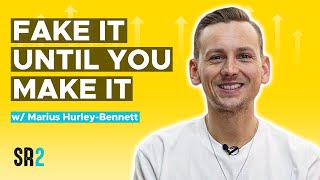
In this Recruitment Mentors podcast episode, Marius Hurley‑Bennett (SR2 Recruitment) recounts how he built SR2’s contract division from the ground up in a market he’d never worked in, scaling the weekly gross profit to a peak of £16‑£16.5k. He explains the importance of commercial acumen, market mapping, and a ‘fake‑it‑till‑you‑make‑it’ façade that eventually became reality. Marius details his prospecting tactics – targeted email outreach, leveraging testimonials, and building relationships through tech leadership meet‑ups and value‑added services. He discusses hiring practices focused on values, upward‑trajectory candidates, and a rigorous interview process to maintain culture. The conversation also covers challenges of transitioning from a seasoned Bristol team to a new London office, the role of purpose‑driven B‑Corp values, and future plans for growth, graduate training, and in‑person events. Throughout, Marius emphasizes reputation, long‑term thinking, and relentless execution as keys to success.
Chapters
When we started off, we were probably like doing the standard, like, fake it till you make it. We're the specialists, yeah, we deliver all these projects, we work with all these companies, trying to like create this kind of facade that we're like the absolute go-to company. And then fast forward like 12 months, we actually became that company.
Welcome to the Recruitment Mentors podcast. In this week's episode, I was joined by Marius from SR2 Recruitment, who ended up building SR2's contract book from scratch in a market he's never worked in before. So we broke down how at the peak of his book it got to 6.5 weekly GP. We broke down exactly how how he went about doing that and the challenges along the way. He's recently come to London to set up the SR2s London division, and we also broke down how he's gone about building a high-performance culture and how he believes as a business they're able to hire consistently experienced recruiters and make them successful. Enjoy the episode. Marius, welcome to the podcast.
Thank you, mate. Excited to be here.
No, excited to uncover this journey of yours. Thanks for coming down. I know you listen to the podcast, so you should, you should probably know the first question, but where we would like to start is probably the question that you've really started to really think about as you're growing this London team. So obviously that question is, I'd love to hear your thoughts on like, in your opinion, what characteristics and traits do you really believe make up a high-performing recruiter in today's market?
Yeah, absolutely.
So I've thought about this question quite a lot, and I know I've obviously listened to a lot of the guests on the podcast, and the standard things like resilience, hardworking, like that obviously goes without saying. But I think outside of that, and what we've probably found at SR2 and within my team, is I think it's someone who's got like commercial acumen and someone who's like quite commercially astute. Because I think the successful recruiters I've seen treat their desk like a kind of business. And a lot of the work that we're doing at SR2 at the moment in the contract team is around like selling like projects, selling solutions, quite trying to think quite big picture and engage with quite senior stakeholders. And I think people have got bit of commercial acumen and maybe like a bit of a business brain, like, ready to excel.
Do you think— because this has come up a lot actually since I've been having a lot of these learning development conversations— I do speak to owners and they're like, it'd be great if they did have a bit more commercial awareness. And typically the story is, we have Marius, he's been on the phone, and there was an opportunity in that conversation for him to go, well, you know, you told me you're having that challenge.
Yeah.
Have you thought about engaging us around that or whatever, you know, that just having that, like you said, that astuteness to go, well, let's further the conversation, or like, have you thought about, speak to us about that. Do you think you can develop that? Do you think?
Yeah, it's a really good question. Um, I think you absolutely can. I think, um, for me, and I think maybe like the team, we're quite into like kind of like self-development. So I think we're always sharing like podcasts or like a good book that we've read, or obviously listening to like your podcast. And I think trying to learn from people and Maybe look how people have done things successfully, kind of take inspiration from that. So if you're at the start of your journey and maybe you're kind of not that aware, you can almost kind of look at who's doing well in the industry and then think about kind of copying what they're doing. So yeah.
So yeah, I guess you could probably influence it by making sure that the culture these people are in, they're being encouraged to learn, maybe think outside the box and yeah, okay.
Yeah, absolutely.
So there's quite a lot we can go into here, right? But I think obviously the key sort of themes for everyone listening that I definitely want to dig into today is, really want to sort of break down that journey that you went on, on building your contractor book from scratch. I know a lot of people will sort of want to learn from that. Then I think obviously the other part then is obviously you're now on this journey, you've obviously recently moved to London, you're now obviously building out a team in London. So then talking about how sort of Maris has gone about building culture, how he thinks about culture and the things that are just really important to you as you grow that team. And I guess your journey with leadership and how that's going. So I guess why don't we sort of dig straight into the contract piece and talk about that. So I guess just to give people context, just talk to us a bit about before you got to SRT Recruitment. Yeah, just really high level, what was the journey? Was you always doing just contract, permanent contract? Yeah. What was the markets you operated in and how, and then how long was you doing recruitment for before you joined SRT? And then we'll get into it.
Yeah, absolutely.
Um, so I started my career a company in Swindon, like on an actual recruitment apprenticeship.
Oh wow, really?
Yeah.
You were getting paid peanuts.
Yeah, it wasn't much at all. So I didn't really see that come up very often, but it's like getting in sales and learning sales.
Yeah.
And there's a company called The People Network, and I was there for about a year and a half, and it was an interesting place because it was kind of generalist IT recruitment, contracts and perm, right? So it's good in the sense of I recruited literally anything, like the market was UK IT contracts and perm. Oh my God. So super wide, and obviously quite a lot to get your head around. But during my time there, like, speaking to developers, project managers, testers, DevOps people, just started to kind of get a bit of a picture of how stuff fitted together, like the software development lifecycle, and probably didn't have like a market specialism, but just started to kind of understand it quite generally. I was there for a year and a half, knew that I wanted to be in a business that was maybe a bit bigger, that maybe had more kind of like training. Yeah. And at that point I moved from living at home to Bristol.
Oh, wow. Why Bristol?
So I looked at Bristol and London, always I always had aspirations to go to London at some point, but I thought Bristol was like a good segue to that.
A good starting point.
Yeah, absolutely.
So did you have like mates and stuff in Bristol or not?
Some friends, some friends, yeah. And like from where I was living, like Carnon Device is like the obvious place if you're going to go out and stuff. So I went to Bristol and I really like the city.
Nice.
But yeah, I went to Opus, did like a kind of change and transformation desk there.
Yeah.
Was there for like a small period of time, like enjoyed my time there. But ended up leaving that business to join Panoramic Associates to essentially help them with their insurance transformation and change desk into the Lloyd's market.
Yeah, yeah, yeah. I used to recruit in the insurance market.
Yeah, yeah, yeah.
An interesting space and was there for, I think about 3 years.
And was that contract and perm?
That was strictly contract.
Just contract, okay, nice.
Yeah, so that was kind of placing like business analysts, project managers, programme managers, all that stuff. And I guess some good learnings from that, because I spent a lot of time like travelling up to London, doing lots of face-to-face meetings. Yeah, yeah, yeah. Because obviously in the Lloyd's market, like a lot of it's quite Traditional. Oh yeah, it definitely is.
Still walking around with like huge folders of paper and stuff like that.
Yeah, absolutely.
But it's good again, place to cut your teeth because you're spending lots of time with your candidates and you're kind of really starting to like kind of learn the space.
And I guess obviously there, are they— correct me if I'm wrong, but obviously that brand, they're quite well established, aren't they? Like they're quite a big brand in terms of the amount of people and like how established they are.
Yeah, absolutely.
So I think now they're probably like around 150 people.
Oh wow, okay.
And they've got like different divisions. You do like IT, insurance, like public sector and stuff. But yeah, enjoy my time there. I learned some good stuff. But what I found in that role is the London insurance market is so incestuous, and the London agencies were so on it. Yeah, I thought being in Bristol, going into London, we're kind of on the back foot a little bit.
Yeah, yeah, for sure.
So I was actually looking to maybe set up an office for them and to move to London, but it's quite random how SR2 came about, because I've written my kind of business plan, set up the London office, knew Alicia through a friend of a friend who set up SR2. Yeah, cool. I'd say 'Can I just get some two cents on my business plan? I've got to present it to my directors.' And you've obviously recently set up business, and that kind of sparked a conversation. Yeah, and then I kind of met Chris through that and ended up taking a bit of a segue and obviously joining SR2 to set up their contract division.
Yeah, yeah, so let's talk about that. And so what did— obviously I've had Chris and Alicia on the show actually, so like, what did SR2 look like when you joined?
Yeah, absolutely.
How many people was it and how long they've been going for?
Yeah, so I think I joined, from memory, I think like 8 April 2019. Okay. And I think it was like just under 10 people.
Oh wow.
Yeah.
And they had like no, Chris and Alicia, had they previously done contracts? Had they managed people with contract before or like you're literally going to start their contract division from scratch pretty much?
Yeah, absolutely.
So the business was very much predominantly perm at that point.
Oh wow.
And all of their backgrounds were perm. Yeah. We had done some contract business, but it was more a case of like we'd done a really good job with some clients.
Yeah.
They'd given us contract work and we'd filled it as opposed to actively actually going out and winning stuff.
Yeah, yeah. So the first thing that I'd love to just, I guess, just talk to you a bit about, um, was like, I think the difference if you're a contract recruiter is like, if you leave, you're just walking away from a lot more, aren't you? Because you've built— you've absolutely worked your nuts off to build your weekly GP.
Yeah.
Build that contract book. So then when you leave, you're walking away from guaranteed money that you know you had. So I guess, yeah, Let's just talk a bit about that, because like, what, what was your experience with that? Like, there's no guarantee that the SR2 journey was going to go well.
Yeah.
How do you, how do you process that? Because there'll be people listening that, I don't know, they may think, you know what, I do feel like I could grow more, or the environment I'm in now, I'm not sure I want to be in the next 5 years, but I'm really worried about walking away from this book that I built. Like, how did you go about dealing with that, do you think?
Yeah, it's a really good question, and to be honest, like, it was hard.
Was it?
Yeah, it was hard. It's like a really big decision, but I think I very much saw it as like a career move over like a long period of time.
Yeah.
I very much went into it with open eyes knowing that maybe my impact's going to be earning like, sorry, earnings will be impacted like year 1 and year 2.
Yeah.
But year 3, year 4, it's like kind of like—
So hopefully if it goes well, then it should pay off.
Yeah, absolutely.
And there was actually a point, like, I think like 6 months into SR2, I might have called my dad and I was like, I've made the wrong decision potentially. I'm really struggling to get my contract book up, like my earnings last year were this and now they're this. And he was like, you just gotta stick at it, do you know what I mean? It's quite natural.
How do you deal with like money-wise? Because I'm sure you had like Marius the contract recruiter doing well, lifestyle, then SR2, I'm on a startup, like, oh fuck, I can't go, can't be buying the bottles with the boys when I'm out. How did you deal with that?
Probably not very well, probably continued the lifestyle.
Really? You tried to maintain the lifestyle?
Yeah, probably got quite a lot of debt racked up and then obviously had to like try and pay that all off. But it's almost like a bit of positive pressure, you know, like putting myself in that situation where I had to earn money and I kind of had to obviously rise to the challenge.
Yeah, yeah. When do you think was the moment where you're like, I made the— no, I'm glad I made this decision, do you think? Because I think that'd be good for people to understand because we'll go into the challenges.
Yeah.
But like just as we're on this, was it like 10 months into you're like, no, dad, actually no, I'm pleased that I did. I don't know, how long did it take, do you think?
Yeah, I'd probably say like 10 months to a year. Really? Yeah, Genuinely, because I think, like I said, it was predominantly perm business. Setting up the contract division from scratch was like challenging, obviously hiring people and creating that culture, and it's not something that you can just do overnight.
Yeah, yeah.
But obviously it has absolutely paid off and it was 100% the right decision, but I'd probably say like 10 months to a year maybe.
Yeah, I think that's good for people to hear, isn't it? Like, yeah, obviously I'm sure there's certain things that you want to look out for in that period to go, not sure it's going to play out, but I think to give it a real fair crack, to go, you know what, I've given it a year, yeah, and it's not where it should be, or I'm no— I'm actually haven't got that feeling of no, this could be big, or I'm excited by it, it's probably a good time frame.
Yeah, absolutely.
Because I think I've interviewed quite a lot of people and they're obviously doing well where they are now, but I guess they could potentially see the potential joining SR too and the growth and like markets. Like, they're like, yes, it could be more exciting, I could probably do better here, it's probably a better career choice. But maybe they're quite hung up on what's my base, it's going to be like tomorrow, like what am I going to earn like month 1, 2, 3, 4? And it's like almost taking yourself, like think about year 3.
Year 3, yeah.
You've got to think a bit more longer term, bit more of like a career choice. Yeah, yeah.
Okay, so let's talk about, let's unpack this sort of this journey then. So like, so just to sort of, so people understand the context. So obviously it was a predominantly perm business.
Yeah.
You went in there to build out their contract book. So in terms of the market, I'm assuming it was tech, right? And then you've ended up doing a lot in the public sector, is that right? Yeah. Is that how the— is that what you ended up doing?
Yeah, yeah.
So it's quite, yeah, I guess like an unconventional, like, well, kind of where it ends up going. So business, predominantly like private sector tech. And initially I was very much focused on like what clients are SI2 working with, who's the decision makers within those clients, or an industry sector.
What contract roles do they have?
Yeah, exactly.
Like, yeah, the low-hanging and I guess had like some success with that, but I think I found the markets that they're opening from like a contract perspective were really saturated, and there's lots and lots of agencies that are doing kind of like just standard like tech recruitment.
Yeah, yeah.
So it's just like I didn't have like huge, huge success, but there was a few clients that we were dealing with within the public sector that I kind of built relationships with and started to do contract recruitment for them, and I built a really good relationship, and I guess during that process started to kind of uncover like, who are these companies' competitors? Who else is growing within this market? Like, what's the drivers within this space? Like, and I kind of mapped that out and then started to actually predominantly build the contract book within this space, which is quite different to what SR2 had done traditionally, which is more private sector. And since then we've kind of built out the public sector division significantly, and then now we're almost retrospectively kind of building out the private sector contract division alongside it. Yeah, okay, nice.
Yeah. All right, cool. So let's talk about that. About this for a sec. So, so obviously you said it probably took around 10 months to a year to build traction. At what point did you sort of really start to go, actually, there could be some really good growth opportunity here in, in the public sector? Like, it seemed like you sort of fell into that a bit organically, and then you recognized the opportunity. So as you said, as we started this, commercial astuteness or commercial awareness is big. So like, talk to us a bit about the signs of what you started to pick up on and notice on where you then, you started going, hang on a minute, like, this could be a whole 'Yeah.' Sort of marketing itself or what I need to double down on, like what were the signs?
Yeah, absolutely.
So I think like typical like triggers, that it's a good market, like it's candidate short, like high growth, maybe it's like not actually that saturated in terms of like other recruiters doing it.
Yeah.
And I guess speaking to candidates, there's lots going on and there was lots of companies that were like growing really quickly and the companies that are growing at that time were like quite small.
Okay.
So it wasn't like we're trying to break into like huge PSLs. Yeah, yeah, yeah. It might be a company that's like 5, 10, 15, 20 people that've got these really ambitious growth plans. So, like, I kind of mapped out, like, who are all the players within this space, who are all the decision makers within the space, and then obviously—
When you say map out, like, just so we get grounded here, 'cause everyone says map out your market or whatever.
Yeah, yeah.
Like, when you say, 'cause I'm sure you help the guys and girls with it now, so like, that process, is it as simple as going on LinkedIn, looking at the people, finding out who, like, is that literally what you did? And then you just, like, just really tried to, grab you all that knowledge.
Yeah.
And then sort of work away. Is that, is that how you did that?
Um, like kind of, but a lot of the really, really exciting businesses are like the not obvious ones.
Okay, interesting.
So like, then if you look to them on LinkedIn, they might be like literally a handful of people, so you might not think they're that exciting. So I think it's just the kind of general really good contract recruitment, like when you speak to the candidates, you're doing like CV stripping.
Yeah, yeah.
You're asking them like, obviously, what else have they got going on? Who are they speaking to? And just being like really granular, trying to use your candidates to get as much like kind of market information as possible. And then maybe when you're speaking to your clients, asking them like, who's your competitors within this space? And within the consultancy world, consultancies will partner with other consultancies on bids. So it might be that we're doing loads of recruitment for one consultancy in the data space, but they might outsource all their tech development stuff to another consultancy, right? Okay, so building relationships with the kind of like directors of these consultancies, they can say, actually, this company is doing similar stuff to us, you go and speak to them.
Yeah, yeah.
And basically just like systematically did that again and again and again and again, and it's probably got like a list of like 50.
Yeah.
And then we've just kind of worked through that list.
Yeah.
Okay, cool. So correct me if I'm wrong here, but like, I feel like if you're a good contract recruiter, you're good at all those things that you just said, but I could do all of that, get the list, but, and then I could be just really terrible at like actually getting business from these 50 people. So let's just talk a bit about like what's been like the most consistent and effective way of managing to get into these 50 accounts that you've gone, you know what, these may not be the most exciting business right now, but they bloody well could be.
Yeah.
Like what, I know you said building relationships and these things, but like what has ended up being, yeah, that consistent and effective way of getting into these accounts, do you think, that's really worked for you?
Yeah, absolutely.
So I think for me it's like, I guess, like being like kind of market specialist, like really understanding like the drivers in the market. I'd say like just really good email approaches have been like genuinely quite, quite, quite decent. Like, I understand you've won this project, I understand you might need to hire all these roles, I understand the project's doing X, Y, and Z, we've just delivered this project for your competitor, Here's a testimonial, and here's actually like an example team that have delivered this type of projects in the past.
Oh wow.
That have got all of the relevant skills. And if you're sending that to like a managing director or director of consultancy and you're name dropping a competitor and you've got really good CVs.
Yeah, fair credibility in the testimonials.
And then you're calling them up and saying, I've just sent you this email and you're talking through that, like immediately you're kind of having a conversation at this level.
Yeah, yeah.
Rather than just like mailshotting a random developer to them.
Yeah, yeah, like ones and, you're not talking ones and twos, you're talking about Marius, how can you support us deliver this project? Or how can you provide the talent that we need over the 6-12 months?
Yeah, absolutely.
So I think that's one aspect of it, um, but I think as a team we've really tried to, um, think about how we can like consistently add value to our clients. So I think a lot of, I guess, recruiters will be quite transactional in the sense that we'll get a job, place a job, get a job, place a job, which is great, but that's almost like kind of like level 1. For us, we're, we're thinking like we run these tech leadership meetups. So a lot of our best clients, we've actually had them.
When did you start those?
I'd say like probably like 9, 10 months in.
Okay, nice.
So we run like Leaders in Tech is like a more private sector one, the Leaders in Government is our more public sector focused one. We run these industry panel events and we speak to our candidates and clients and say like, what hot topics at the moment?
Yeah, and what do you want to talk about, what's top of mind?
Yeah, absolutely.
They might say like, managing teams remotely. Yeah. And, and kind of like delivering a project successfully. So it's highly relevant to the clients. So we'll speak to our clients and say, do you want to appear on this podcast? Some of your competitors appear on there. So it's kind of free PR for them. It's great for like the actual managers, like personal brands, and they can obviously get like a bit of an insight to maybe what some of their competitors are doing.
Yeah.
So it's like actually adding value. And then we do other things where we might have placed 20, 30 contractors with this company And then we're saying, how do you actually like manage your contractors from like a performance perspective? And they'll be like, well, we kind of check in. And we'll be like, well, as an agency, we can check in with the contracts every month, put that feedback in like a really like eligible format, maybe like a spreadsheet. Oh, that's nice.
That's good.
And then provide it back to them.
Yeah.
So we're trying to like help with like performance management. And there's loads of like things we've done as a business to like try and add value to our clients above and beyond just filling jobs.
Yeah, yeah, no. Yeah.
And I think having that kind of, that focus has allowed us to become like the exclusive suppliers with a lot of these companies. And instead of place ones and twos, we might be on 120 deals of one.
Yeah.
80 deals of another. Yeah, yeah, yeah. Like, 'cause we're like a kind of real partner for them.
Yeah, yeah, I love that.
Yeah.
So what was your, at the, I don't know like how it's working now with you being the leader and all these things, but like what, like at the height of like where you was just concerned about your own billings most of the time.
Yeah.
What was the height of your book? And then we can just revert. I know people would want to go, just want me to ask you things like, okay, well, when you got up to like 15K weekly GP, what were you doing differently in these things? But like, what was it at the height, just for context for people?
Yeah, I think maybe like 16, 16 and a half. Yeah. Yeah.
Okay, so a few things here. I know what people would love me to ask is, one, what the hell did your day plan look like at that stage and how did you structure that? Because I'm sure there's a lot going on.
Yeah.
But I guess let me just start firstly with, like, as you went on that journey, what would you say, you're speaking a lot around like that mindset of adding value, getting into clients, like what would you say were the main differences like you were doing maybe day to day or the things that you really doubled down on when you was sort of getting to that point of 16, 16.5 compared to 6, 7, 8 weekly GPs? You know what I mean? I don't know if there's any key things in there, but I know people would want me to ask that.
Yeah, absolutely.
I think when we started off, we were probably like doing the standard, like fake it till you make it.
Okay.
So we're probably approaching these clients and saying, we're the specialists. Yeah. We deliver all these projects. We work with all these companies. Like trying to like create this kind of facade that we're like the absolute go-to company. And then fast forward like 12 months, we actually became that company. We actually worked with all the top clients, we actually delivered all the big projects, we actually had all these testimonials.
Right.
And I guess at that kind of, at that point, that's where we really started to see success because the emails and the approaches that we were sending, they actually were genuine. Yeah. And there was a whole team ready and we did have like some solid testimonials from their competitors. So it was actually having like a really good response rate.
Yeah, yeah, so just build, so basically you just worked your absolute socks off to build credibility and then you actually, yeah, you earn that credibility.
Yeah, absolutely.
And I think the more work that you do within a space, you can obviously start to build like a really strong personal brand and obviously talking about kind of like me quite a lot, but absolutely the team that we built, like myself and Jack and Chris and everyone, we essentially aligned several vertical specialism within these clients that we recruited in. Right. And then they all became like, becoming the go-to people within those markets. So they're trying to build their personal brand and they're doing meetups and they're trying to do like LinkedIn stuff. So if everyone's doing that and we're all trying to win similar clients, we've just got like so much noise.
So what I'll take from that, and for people listening, is like you always hear it, but like you have to take your reputation seriously.
Yeah.
So like when, so like as you were sort of hopefully getting to the point, like you said, where you had great testimonials, you got the credibility to work with some of the best clients, like if you tried to cut corners or you didn't do the right thing or whatever leading up to that, you wouldn't have then got all that traction. So like even though when you maybe think like you're not getting anywhere or whatever, you still have to, it seems like, really stick to your reputation and think about the long game.
Yeah, absolutely.
And I think it's all good and well like working with consultancies and having success in this space, but fundamentally if you're like an exclusive supplier to these these companies and you don't deliver the team, they're obviously liable for all these costs.
Yeah.
So it's great, but it's like with great power comes great responsibility kind of thing. So you can't not fill the roles. So there's loads of times where you've absolutely got to put in loads of hours, you've got to put in the graft. If you have dropouts, you absolutely have to like replace them with decent people. And as a team, like, you've got to actually really take it seriously. Yeah. Like, you can't just send this, send the CV of someone who's like like, all right, but probably is going to drop out because it's going to impact their project massively. So I think just sending really quality people and just taking it seriously, to be fair. Yeah, yeah. And clients will absolutely notice that.
Yeah, yeah.
Like, there was a case recently where Andy, one of our guys, was working on a really senior role, was interviewing all the candidates via Teams before he put them forward to the client. Had this great candidate on paper, put them forward, had this interview booked and then he did the interview on Teams, and then just thought, nah, he's just not going to be right.
Really?
Called the client, was like, I'm pulling him out. Did another interview, the guy came across really well, was really genuine, said, right, we'll put him in, and he got the job. And the client was like, I respect that so much.
Yeah, exactly.
You're not just trying to like slam anyone else. Yeah, someone into our team.
Yeah, yeah. Hey everyone, a real quick one from me. This podcast would not be possible without our amazing podcast partners Vincere and Sourcebreaker. Because you listen to this podcast, you're able to get your hands on exclusive savings on both of these award-winning products. If you're a growing recruitment business, you have to check out Vincere, who are an all-in-one operating system for your growing recruitment business. With Sourcebreaker, if you want to make sure that all of your recruiters have the best tools on the market to stand out and beat their competition, then you have to check out Sourcebreaker. Use the link in the show notes, in the comments below, and you'll be able to get yourself exclusive savings on these amazing products. So let's unpack really quickly then, before we get into the leadership piece, let's unpack day plan then. Yeah, so like, just how did you go— how the hell did you go about like just managing your day at the height of things, maybe compared to when you were just like maybe a bit more all over the place? And like, I don't know, like, how— what did your day plan look on that when you're like 16, 16.5 people a week?
Yeah, it's a really good question. I'd love to have a really good answer to this.
Just give us what, yeah, just what a typical day would look like.
Yeah, absolutely.
I guess at that point it was probably very resourcing heavy.
Okay.
Because we kind of had, like, we'd got to a point where we'd won the clients that we needed to win. Yeah, yeah. So it's very much just 100 miles an hour trying to kind of like fill the jobs. So I guess probably quite resourcing heavy. There was a lot of of, uh, kind of meetings with clients discussing like, right, like this demand or like this project coming up. I guess at my peak of billing was the, was the time I had like the biggest team from management perspective.
Right, okay.
So I guess 2021 is when I had my kind of best book, but that's when we kind of grew the team and I was managing the most people. So a lot of, I guess, was like checking in with the team, making sure that everyone had—
but how did you manage that with all that? Because that's what a lot of people struggle with. Yeah, like did you set boundaries with the team? Did you like, like how did you go about making sure like all your time didn't get— obviously it should hopefully benefit you and everyone else involved in the long term, but obviously if you're responsible for that, and like you said, you clearly take your reputation seriously, how did you manage that whilst also growing and managing the team time-wise?
Yeah, I think we've been, I want to say like lucky, but I guess we've done it kind of like time and time again, but whenever we interview people, we try and get people on like the upward trajectory of their careers, and it's quite hard to like know who is like an SR2 person, quite hard to to kind of like define it, but I think we've done a really good job of hiring people. Most of them have been experienced, yeah, but they are like motivated, that wants to do well, and they're like kind of good humans. They've got kind of like good values and stuff. So I think hiring people that have got experience, putting them into this environment, kind of showing them what's possible, showing them standard, like, yeah, getting them to become like an industry specialist, and then I guess like kind of delegating responsibility to people and empowering them. And obviously—
So these people, if you're getting them on that upward trajectory, they probably value autonomy quite a lot, don't they?
Yeah, absolutely.
And they're super motivated, they want to do well. Jack worked really closely with me and kind of helped me to manage that team. But I think we just kept like delegating and empowering people and kind of giving them responsibility. So it's not about me at all, it's about everyone else, and everyone else has kind of like managed their own stuff. And obviously I'll check in and kind of help and sitting on calls and meetings and stuff, But you kind of want to get to a point whereby you almost don't need to be there and the team's like actually kind of managing itself. And if someone's having a tricky call, someone's going to jump in and be like, actually, this is how we do things, or this, we should do this. And obviously that takes time, but I think it was quite fortunate, like, the team is, I guess, like so strong and like so cohesive that it doesn't need as much managing as you think. I think obviously in London, obviously it's kind of a newer time and it's a bit fresher and obviously hiring like trainees and graduates, like, that's a, that's like a different story.
Yeah.
And it would take time to get to a point where we had it in Bristol.
Yeah, yeah.
But, um, yeah.
So I want to go into the leadership piece, but I have to ask, I think I said to you before we started, didn't I, that I think what I'm taking from our chat so far is you've just been relentless.
Yeah.
Like, you've got high standards, you like, you've really committed to making it work.
Yeah.
And it's obviously paid off. But tell us, obviously, as I said to you, I spoke to a couple of your colleagues, um, I was like, what would you love me ask, uh, Marisson. Yeah, obviously Alicia highlighted this story where you pretended to have a ticket for like a conference or something, then you drove up to Wales just to try and get in front of someone. Like, tell us a bit about this story because I think there might be something people could take from this, or—
Yeah, so I guess that was probably like the initial stages whereby like we saw an opportunity in the market, we knew, um, the clients we wanted to work with, but we didn't have that credibility. Yeah, so I guess it is that kind of like fake it till you make it. So there's one company in particular Hiring loads of contractors, and I knew the guy who was doing it, and like, I literally tried everything, like reference call, sending a really good email, like just like cold calling him loads, like approaching by LinkedIn, everything, like commenting on his LinkedIn status and saying, oh great, really interesting, just nothing worked. And then he posted saying, I'm speaking at SwanseaCon.
Okay.
And then I messaged him saying, oh great, I'm gonna be there, can't wait to hear your talk about like Kubernetes and stuff. And then he actually came back and he was like, oh, like, just random, you're there, it's like a really techy conference, but great, like, well, I'm happy to meet for a coffee. And then afterwards I was like, I've actually now got to get a ticket. So I went online, the tickets were sold out. Oh, wow. And I contacted the ticket organizer and he was like, yeah, we're absolutely sold out. So then I had to drive to Swansea.
Well, you didn't have to, but yeah.
Yeah, so in my head I was like, obviously I've got to go there.
Right, I've got to go there, yeah.
Yeah, yeah, because there's an opportunity to meet this guy face to face and obviously he thinks I've got a ticket, so. I drove to Swansea and then waited in the lobby and messaged him saying, oh, like, I've just literally stepped out from the event, just having 5 minutes. And he was like, oh yeah, I'll come and meet you outside. And then had this meeting with him and obviously, yeah, it just kind of like, it went fairly well, but essentially he was like, we don't have any like immediate needs. And I think like a kind of good question asked was like, yeah, fine. We're doing loads of work in this space. If there's ever a candidate, if I see, I should call you about, who are they? Yeah. And then he was like, um, if you ever see this person, right, then give me a call.
You found out, you found out what he values or the type of skill set and people there. Yeah.
Okay, what are his needs? And then went back, found that person, then called him up and I was like, I've got the person. He was like, oh great, let's, let's have a chat.
There we go.
And that kind of built into relationship.
I love that, it's a great story.
Yeah.
Awesome, mate. So let's talk about this journey you've been on. So let's talk a bit about, I guess, leadership, team culture, these things. So I guess as you've, like you said, you started to build out the team in Bristol, and then when did you obviously move to London? It was only recently, wasn't it?
Yeah, literally December last year.
December last year, cool. And obviously now, is it you and Jack, isn't it, that are really responsible for growing the SR2 London footprint?
Yeah.
And I guess thinking there is you had a lot of London-based clients, I'm assuming. And yeah, I guess it, like you said, you'd always like the idea of getting to London, but now you can just be in the mix of it and you can go out and see people really easily and just be really on the ground.
Yeah.
Yeah. So I guess, how are you thinking about culture then? So I guess first question, maybe to uncover some of this and how you think about it, like, what, what would you say, like, I don't know, the, the 3 non-negotiables or 3 key pillars you think that make up or contribute to a high-performing culture within a recruitment team, do you think?
Yeah, it's a good question. I think having a team of like-minded people, and like I said, trying to get people on the upward trajectory is really critical, because I think when everyone's on the same page, everyone wants to do well, everyone's really supportive, everyone's really bought into the vision and the why, that's— it kind of allows you to achieve amazing things. But I think if we'd have had 2 or 3 people on the team that are turning up late, weren't really fussed, didn't take the job seriously, that would just dilute the whole thing.
Okay.
So I think it's hard to obviously get that, but trying to have a group of like-minded people who are really passionate and like motivated is one thing.
So like standards, so really, really stay true to your standards and make sure they're maintained and no one, as you said, diluting them or bringing those standards down.
Yeah, absolutely.
And I think, I guess like secondly, it's just trying to be really clear on like what their standards are. Okay, so when communicating them, yeah, like kind of what are the expectations and stuff. And, um, Ratiba, um, client success manager, did a really good session recently where it was like, um, temperature checking our culture and then kind of working out what are like non-negotiables as our team. And he was basing it all around like the All Blacks and like their like 12 things that they have. Love that.
So he did this whole session and as a team, is this one of your colleagues?
Yeah, like what do we stand for as a team? Yeah, like what? And we actually like kind of written it all out and then we can kind of like refer back to that. It's almost like kind of having like a bit of like running it as like a bit like a sports team.
Yeah, for sure. Well, all agreeing that this is what we live by and this is what we, what our standards are. Like you said, there's no— now everyone knows, so like if they're not up to that, then why not and let's talk about it. Or if they keep showing that they're not that, then maybe they're people that we need to protect the standards, right, and the culture.
Yeah, okay, absolutely.
Um, and then just trying to think what the third thing would be. Again, what's, what's been quite good about the, um, the kind of contract team is because we've had these clients that are kind of, um, giving us roles, when people join we can give them like quite a warm landing and actually like kind of help them and, and, and kind of give them like a little bit of like success initially by, by filling some jobs. And the team again is bought into everyone's individual success as well. Right. So if someone's doing well, everyone's happy. It's not like a culture whereby like, it's like, oh, like, I don't want him to do well because it's like really competitive.
Yeah, yeah.
So I think again, just like supporting your team, wanting them to do well, helping them to do well, and then kind of getting everyone in like a similar mindset.
Yeah, nice. So I think I remember asking Chris this, but it'd be good to get your take on it. I think If I, like, from most of the recruitment company owner conversations I've had, they would typically say, I'd rather, I would prefer to like grow our own talent rather than sort of take on people that have got experience, recruitment experience. And typically, just really high level, the sort of assumption is, I can hire Marius, he's got 3 years experience, but he could come with a lot of bad habits. And we don't want that, or like, we could really try and instill what we want him to do, but he just can't shake it off, blah blah blah. So like, what— why do you think you've been— like you said, you, you've, you've— you guys have done a really good job of hiring people on upward trajectory.
Yeah.
Which means typically people who are experienced. How have you done that well, do you think? Like, how, how have you not had people that just have bad habits and they can't shake them off and damage your culture rather than add to it? Like, how have you done well at hiring experienced people, do you think?
Yeah, it's a really good question. I think in our interview process there's like 3 stages usually, so myself and Jack do the initial one, and I think like trying to hire like good humans, so people obviously that's one of our—
Why is that important?
Non-negotiable values. I think just hiring people that got good values, people that are decent people, and I guess people that will kind of like uphold like what we kind of stand for, and I think I think, like, throughout the interview process, me and Jack do the initial one, and then two of the team members will do the next one, and we actually really value, like, their input. So it might be that me and Jack are like, we kind of like them, might get them to meet the team, and they might give us some really good feedback and say, look, I don't think they're right for this reason. We actually really value that. And then finally, like, Chris would do the final stage, and again, it's hard to say, like, what we've kind of looked for and how we've managed to do it, but one of our other values is, like, like, don't be a dickhead.
Yeah.
And again, it's just trying to hire like decent people that are on the upward trajectory. And then when they come in, trying to like, I guess, show them what standards we've set. And then I guess give them like, look, X has joined, he's 12 months in, he's beat all of his career best, he's now running £12 grand a week, this is what he did to get there. You've obviously done quite well in your own business, but we want to kind of take you on this journey. And then I guess just trying like take people on that journey.
Okay, fair, yeah. So again, it comes back to standards, doesn't it? And really making sure you protect the values. But what, surely it hasn't always been clean sailing.
No.
Or plain sailing, sorry. So like, where, like, how have you ever, or how have you gone about like nipping in the bud, like people just like—
Yeah, 100%.
Going like, hang on a minute, no, like that isn't how we do things, or we're not gonna stand for that.
Yeah, so I think there's been like a small, small handful of people that we've hired quite quickly it's been obvious that it's, it's kind of like not a good match.
So let's just talk about that, not specific people, but like what makes it obvious? Is it you're just hearing them talk on the phone like, nah, that's, that's not— is it, is it their, their— I don't know, like, is it their mind? I don't know, like, have you tried to help them and they just really haven't listened? Like, what, what made it obvious?
Yeah, I think there's a few things. I think just general, like, just like real negativity maybe.
Okay.
Yeah, I think, I think just like Like people that are just generally quite negative, like glass always half empty. I think maybe people that are not willing to kind of like change and not willing to like kind of accept like help and training maybe.
Not coachable.
Yeah, exactly.
Like obviously we absolutely value like what experience people have in the past and we want people to come in and like share their ideas and stuff. But maybe if they have like a certain bad habit and we're like, we do things this way, this is why, and we're having some really good success and they're like, like, yeah, no, but I've always done it this way. So I guess those types of people, again, it's quite obvious quite quickly that if there's a bit of a clash, but I think you have got to fail fast and it's the most uncomfortable thing in the world, obviously, getting rid of people. However, the longer that you do keep hold of people, it's not good for them, it's not good for you, and then equally it might kind of dilute what you've got as well. So it's hard and I think sometimes you might not always make the right decision by getting rid of someone, one, but I think you do have a bit of a gut feel.
Most of the time you're probably right.
Yeah, absolutely.
So as we come to an end then, like, let's talk a bit more about the future and what's on the horizon then. So obviously London in December.
Yeah.
Obviously I went to the office here. Obviously initially it was like an office of like, what, 5 or 6, 7 people, and then you've got the bigger space.
Yeah.
So I guess firstly, just curious, what What's been like difficult so far that maybe you least expected?
Yeah.
Let's just start there. What's maybe been the challenge you least expected so far?
Yeah, absolutely.
On the London side. I'd say like managing the team that I have done in Bristol was obviously a very experienced team and obviously coming into London, you're obviously hiring like a new group of people.
Yeah.
And you're obviously again trying to kind of like recreate what you've created before.
Yeah.
So they're trying to like reverse engineer and work out like how do we actually do what we did?
How do we do that?
Yeah. Contribute to that and then obviously trying to like implement that. I think from like a general like bringing like grads in and training them, that's, it's not new because we have done academies in Bristol, but it's not something that I'm like absolutely the best person to really polish that because again I guess my kind of background's been more kind of bringing experienced people. So that's been, I guess like it's a challenge but it's a really good challenge.
Yeah, and a good learning experience.
Absolutely, yeah, and we've got people on like a 12-week week, like training program. So it's like a positive challenge and I'm kind of excited to learn, but it's definitely been different.
And then what's been like a real positive so far? Any highlights so far?
Yeah, I think, I guess just from like a hiring perspective, like when we— How many of you are there now? So we've got, I think, 13 now.
Yeah, nice.
And then we've got like—
Got some good critical mass then already.
Yeah, absolutely.
And we've got like multiple people in the process across like different roles. But I think when we were looking at London, when we moved to London, like the consensus was like the market's really good.
It's way harder.
Anyone who's decent is building good numbers. It's really hard to hire people that have got experience. You have to do pure grads. And then we came and we've actually managed to hire loads of really good experienced people. And I don't know.
What's, yeah, like is that, do you think, I think it's fair to say that, I don't know, most people outside looking in, I think you guys have done a really good job of building brand.
Yeah.
Do you think that that's really helped you guys cut through the noise and you're living by— I guess now, because I feel like if I'm an experienced recruiter and I look at your business, but there's— you've— and I sit in front of you, like, there's so many people you can now point at to go, yep, he was where you was, this is now where he is. Yeah, she was where you are, do you know what I mean? I feel like you've really got that track record now. Yeah, that probably massively helps. And I'm assuming you really make sure you communicate, say, hey, look, I know it will be, I know you're walking away from a lot or it's going to be scary, but this is what it could look like if you're prepared to put in what we're going to put in.
Yeah, absolutely.
And I think also, like, we haven't talked about this that much, but SI2 is a business like doing the people over profit mentality, 5% of profits to like underrepresented charities, do like the volunteering, do loads of stuff around like diversity in tech, do loads of stuff like helping underrepresented groups get into coding. Do lots of stuff with charities, helping them partner with individuals to do like tech support. So there's so much stuff, and I think speaking to people nowadays, like, yes, people want to earn money, yes, people want to have a career, but I think people are becoming a bit more conscious of that. Yeah, and especially as like B Corps start to get kind of more recognized, like there's a bit of a shift.
So you actually got certified, didn't you?
Yeah, absolutely.
I think if you've actually got purpose as a business and a why it's not just to make loads of cash, yeah, then I think you'll attract people because they might be doing well at another company, but they might actually be really passionate about giving back and diversity. So giving them opportunity to do well and good money, but actually be part of something bigger and get involved with that stuff, I think it's been really good.
Yeah, whilst also doing a really good thing.
Yeah, absolutely.
The amazing thing about it.
Yeah.
So, um, what are you excited about? And let's, let's finish there, like, what are you excited about in the future for you and the London team?
Yeah, absolutely.
So obviously we're 13 now, um, the office capacity 2022. Yeah. So we want to be kind of hitting that probably by like maybe like Q3, Q4. Yeah. And then going again next year, potentially like doubling. But I think just like continuing to build the culture in London, continue to kind of actually like build the business as a whole. Excited to like get the meetups active again, like actually in person.
Yeah, that'd be good.
Because we're running them virtually at the moment, but we had some really good fun actually running like physical events in London.
Yeah, I think definitely people were up for doing that again, I'd say.
Yeah.
Yeah, absolutely.
And I think, just like, from like a personal perspective, like going on a journey around like getting more experience to the training development from like a graduate perspective, because that's definitely new.
And London life, living the London life.
Yeah, exactly.
Yeah, yeah, yeah.
Well, look, Marius, I think clearly you've taken the opportunity you had with both hands.
Yeah.
So kudos to you, mate, and really excited to see where the London team is in another year, 2 years, 3 years. Cheers.
Awesome, mate. Thank you very much.
Cheers. Thank you so much for listening to the episode. I hope you enjoyed it and got value from the conversation. If you did enjoy it, please don't forget to like, share, and subscribe, and we'll see you in the next episode.
More from Hishem




You don't need as many clients as you think to bill $1 Million A Year In Recruitment



From 30 Direct Reports to Back-to-Back $1M Years as a Solo Recruiter with Zach Creighton



