Megan Chudley - The trials and tribulations of becoming an Associate Director.
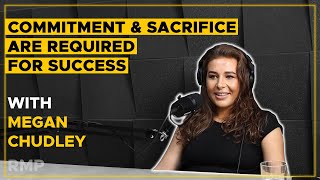
In this episode of the Recruitment Mentors Podcast, host Hishem Azzouz interviews Megan Chudley, a recruiter who recently stepped into the role of Associate Director. Megan walks through her career trajectory, sharing the metrics she tracks (such as hiring ratios, billing targets, and time‑to‑fill), the intense work ethic that led to burnout, and the steps she took to recover and shift into a leadership mindset. She discusses the transition from being a solo contributor to managing a team, emphasizing the importance of preserving a strong candidate and client experience while delegating responsibilities. A large portion of the conversation focuses on business development: building and nurturing networks, leveraging community events (e.g., Women in Product meet‑ups), employing multiple outreach strategies, and even “wacky” creative tactics like sending gifts or Photoshop‑based attention‑grabbers to win new accounts. Throughout, Megan underscores a personal mantra of proactive action—"if not you, then who? if not now, then when?"—and encourages listeners to stay open‑minded, experiment, and continuously invest in relationships to become world‑class recruiters.
Chapters
I got burnt out so much, and also because I was like in this weird obsessive thing. I refused to take holiday days. I think it was something ridiculous where I'd finished the year on like 20 days left or something obscene like that, which looking back is like so dumb.
Welcome back to another episode of the Recruitment Mentors Podcast. I'm your host, Hishem Azzouz, and on this week's episode I was joined by Megan from Few and Far. So you started your recruitment career in 2016?
Yeah.
And you've ultimately just progressed the ranks all the way to AD, Associate Director. She's always been within the tech space, always been a permanent recruiter. Her best year to date has been £330,000 with her best performing month being £82,000, which she still hasn't quite been able to top. Last year you guys as a team did £700,000, which was a big number for you guys in that sub-team. You personally did £227,000 last year. Megan is really committed to her craft and her career, which she talks a lot about and the sacrifices that have had to come with that during her early career. We also talk about her journey with leadership, where she always got told that she'd be a great manager but liked the idea of just focusing on her own billings and performance. But over the last couple years, that's really changed, and she's been on a really great journey in getting the most out of her team while still fulfilling her own potential. What are your thoughts on the characteristics and traits that you believe make up a highly successful recruiter in today's market?
I would say the number one thing that I look for in that looking back I think is so important is.
So let's get into this week's episode. Megan, welcome to the podcast.
Thank you, thanks for having me.
Thanks for making the trip. Obviously recently moved.
Yes, I'm apparently an Essex girl now. Yeah, I don't, I don't think that will come into fruition. I don't feel like it.
Where did you grow up?
Um, a place called Scunthorpe in North Lincolnshire.
I was trying to work out your accent, I wasn't sure where that was from.
I think after like 9, 9, nearly 10 years in London, it's like, I don't know, people can never guess where I'm from. Yeah, some people pick up on it.
Yeah. Um, so really excited to sit down with you today. Uh, there's a lot that I know that we want to cover. As always, I just like to give everyone listening just some immediate context of, of your journey. So you've, you know, you're coming up to a decade in recruitment.
What am I?
Yeah, 3 years, 3 years, 18 months, pretty much.
Okay, crazy.
Yeah, I think you're on, you're on, on the path of a decade in, in recruitment, right?
So that's mad.
In terms of some of the, the highlights on, on this journey so far, so you started your recruitment career in 2016. Yeah, um, in the.de market, but specifically just the FS market in London, which is super niche, right? So worked for that initial company for 3 years. You was always an individual contributor at that company. Your best year, I think this still today— I might be wrong, but yeah, best year today, um, 330. Biggest month, 82. Still haven't been able to crack that.
No, so annoying.
That would be, um, so first 3 years was there, then joined another company, and then for the last 3 years, which is the journey that we're gonna really focus on, you've been at Few and Far, um, and you've ultimately just progressed the ranks all the way to AD, Associate Director. Um, so now, uh, correct me if I'm wrong, but you're a team of, uh, 3, 4?
Yeah, 3 people with me right now.
Um, I know, um, in terms of something you was really proud of last year, you guys, um, as a team did 700, which was, um, a big number for you guys in that sub-team. You personally did 227 last year. Um, and we're here to talk about this journey that you've been on. Yeah, so let's start with the million-pound question. And if you've gone on this journey to, you know, hire people for your team, what are your thoughts on the characteristics and traits that you believe make up a highly successful recruiter in today's market?
I would say the number one thing that I look for, and that looking back I think is so important, is mindset. Like a positive mindset and attitude, because it it stems into everything that you do, like every conversation you have. Like, let's face it, there's some awful days in recruitment where, like, you finish today and you're just like, why do I do this? So I think, like, having that, that ability to come in the next day and think, right, you know, you've shrugged it off, let's go again. Um, I think that's super important because it is so up and down. Like, it's important to, like, like, know, know yourself enough to be, like, resilient. Like, know how you're gonna bounce back, come back in the next day, let's do it again. Along with that, I think, is that drive and desire to be good at something and hard work. Yeah, especially in the first 3 years, I was a bit of a monster, just obsessed, working ridiculous hours, literally wake up, go to work, go home, sleep. Repeat for years, um, that's not the right thing to do. Like, there's definitely a balance there, but I think you need to, you need to be driven and kind of inside know your why as well, right? Like, you know, recruitment is about ultimately you can make good money, but you need to know like why you're doing this because it's not, it's not easy. Um, yeah, along, alongside that, I think, um, just being like authentic and like likable, of course. Like, it's all about relationships, right? Like, you're speaking to people day in, day out. Um, so I think that's a really key thing as well. Um, and yeah, I think, I think it just helps to, to like find, find something that you enjoy within it that you can, um, every day like not think it's like, God, what a terrible job. Like, um, and kind of like, yeah, just, just like really want to better yourself. I think those things are really important. I think you can teach this, you can teach the skill, right? Everyone always says this, like I've hired someone who had like a couple months experience but they had the right attitude and teach them the skills and now they're like smashing it.
So, so much of it is, is a mindset, isn't it? Yeah, it's so nice. Just, you can hear me fine now, can't you? Um, So what I wanted to start with, because like when we— what was very apparent when we prepared for this was like the work ethic piece. Yeah, because I think that's something that you feel quite proud of. And then I, like I said to you, I, um, I messaged, uh, Sam one of the things, and like that was one of the first things that he said, like Megan's probably, you know, one of the, the hardest working people in the room, and I know if I give her a task or whatever, I know she'll fucking get it done. Where, like, where, where's this stem from? Like, have you, have you felt like— or maybe it's like evolved over time, because like you said to me, those first 3 years in recruitment, like, you just absolutely just committed everything, which obviously meant other things sacrificed, right? Whether that be your well-being, the social side of things, whatever, I don't know. But like, where, you know, why, why, why is that important to you? Have you always felt like since coming to London you've got a point to prove? You've got a chip on your shoulder? I don't know, you, you tell us. Like, why, why is that? Because that's something that you said I picked up on quite quickly. Like, I work my absolute fucking socks off and I will make shit happen.
Yeah, I remember even in my, like, before I was in recruitment and like when I was graduating, in my first interview, I remember they asked like, where does this like drive come from? Because I was at uni and I was like, I hadn't got my I hadn't got my final degree, but I was like, I'm gonna get a first. And they're like, how do you know? And I was like, because I just am. Um, it's, it's a weird thing. Like, I've obviously reflected on it a lot over recruitment. I don't— I think it does stem a little bit from moving to London, um, being from like, you know, a really small town area. I think there is that slight element of like point to prove. Um, my brother was really successful. Like, when I got into recruitment, he owned a recruitment company. We've always had a bit of like healthy competition. Um, He's an accountant now, so it's all right. Um, so yeah, it's, it's a strange thing, but it just comes from, I think, within like just wanting to make, make a name for myself. Um, and every day like be, be better, like be, be good at what I do, because it's bordering on like toxic, toxic like competitiveness. But it's like, if you don't want to be the best at something, what's the point? Like there is a there's a balance to that. But, um, yeah, it's just a weird thing within me. Like, I can't, I can't just— I don't want to be average.
Yeah.
And I try and instill that into my team as well.
I'm just curious because I don't know, uh, I don't know how many people you've interviewed or met for your, like, your team and stuff, but just speaking to a lot of, uh, leaders, managers, recruitment owners past 6, 12 months Um, definitely generalization, and I've said it before, but definitely from the conversations I've had, people feel like they don't have— a lot of people they meet don't have what you're describing, um, but still expect, you know, the six figures and everything that comes with being great in recruitment, but, you know, are gonna come in at 9, finish at 5:30. I don't know, like, it's— I don't know if you're— if you found yourself— you come across that less and less in people.
Um, when it comes to interviewing, I remember we were running, running like a— we call it a talent scout academy, just sort of people that have no experience in recruitment. We're interviewing like— I probably interviewed maybe like 30 people and I only said yes to like 2 or 3. I remember the internal recruiter was like, you, you are just ridiculous, like you're so hard to please. But yeah, I think it's— I think it is important, like you— it's hard to fish that out, right? You can't just like interview someone like are you gonna, you know, sacrifice things like to, to get where you want to be? Um, yeah, I think, I think it is quite hard to find, but if someone is like, if someone comes in, they're like, I, I want this, like I want to be good at something, then you know they're like— get to know a little bit about their why. Um, you know, what, why would you want to do that? Um, then I think, I think that helps.
Um, do you think, do you think you would have Because I, I'm, I'm, I'm like, have my own thoughts on this in terms of, I think the way when you, when you were saying there around like it's sort of, you know, borderline toxic and there's balance there. For me, I, I think like I'm in no position to say what's too much for Megan in terms of like, you know, the work, how much work you're putting in these things. I do think it's, it is very individual, but I think it's, it's up to the individual if they want to you know, put a lot of energy and time into work. Or for me, I really like to view things as seasons, as chapters. Like right now I'm in the season of like, I really need to put a lot of time into work. However, when I'm not in work, I have to be really good at being present and like, you know, not, not, not being there. Um, but I think, you know, it's, it's almost gone the other way now where work, work ethic and working really hard and doing these things is also almost seen as like a bad thing and like you shouldn't be doing that. So So do you think you would have done those sorts of numbers in those first 3 years without that sacrifice?
Probably not, probably not, to be honest. I think I would have, again, probably would have been like, you know, average to good, but I wanted to be great and I knew that if I put in those, you know, the extra hour, 2 hours after the work hours finished, like that was gonna gained me that extra step. Um, so yeah, I probably wouldn't have. I think it— I think a lot of it did stem down to being almost obsessed.
Um, but so what did those days look like then, like in terms of like how long did they— when did they start, when did they finish? What— when you was like all in on like recruitment, just like, I am going to be the best, I'm going to outwork all of you, like I've got a point to prove, like what did like a normal day look like?
So I remember I used to get in the office for about half 7 sometimes earlier. Um, we'd, we'd be like on the phones for 8, so before then, um, I remember I was, I was sharing a market with other people as well, like other people in the market. So back then, like, we mainly, like, we did a lot of like job board thing, um, like, you know, to sweep candidates. Like, we didn't have a recruiter license, so I would be like, I'm gonna be the first one in because I'm gonna be the first one that goes on the job board, see, see who's come in overnight, and I'm gonna be the first one to contact them. Like, so, um then like, yeah, that was very like KPI heavy. Like the days would fly because you're just on the phone all the time. Um, and then yeah, that, that was a lot of like phone, phone based. And then they would finish probably 8, sometimes 9. I remember the MD once was like, get out of the office. And I was like, no, like I need to finish this one thing. So yeah, some, sometimes it was It was that heavy, like literally half 7 till like 8, half 8. Yeah, sometimes later.
That was fairly normal.
Yeah.
So what, what was the sacrifice then? Like what, what happened on like— what, yeah, what was the sacrifice during those periods for you?
I think the sacrifice was like having no downtime in the week. Like as well as that, like, you know, I've met loads of good people there because we'll all sort of like share similar values and doing a similar thing, so I think that led to a lot of burnout ultimately. Like, I sacrificed like my own sort of like well-being and mental health a lot. Um, I got burnt out so much. And also because I was like in this weird obsessive thing, like I refused to take holiday days. Like, I think, I think it was something ridiculous where I'd finish the year on like 20 days left or something obscene like that, which looking back is like so dumb. Like, why, why was I doing that? But yeah, it was just, it was just this thing of like Was you aware you was doing it while she was in that? Like, kind of, but I think that was like my be-all and end-all, like my purpose to it. Because also, like, living in London, let's face it, is expensive, right? You're on a— you're in it for, for the commission. Like, I was, um, you know, gotta pay the rent, pay the bills. So I was also really driven to that. Like, I remember back then I was living in like Hendon, like Northwest London. It was always my goal that I really wanted to move to Canary Wharf. And I was like, yeah, that was like always my goal. 3 years later I did. Um, so I lived there for like 6 years. And, um, but yeah, I think the sacrifice was just like living a life, you know, the phrase like I was, um, living, living to work, not working to live. Um, and now I try, I try to find that balance for sure. Like last year went on like 3 holidays, this year I've been on 2, like So yeah, that, that's definitely like shrugged off me now. But yeah, please don't overwork yourself. You've got to live some of— somewhat of a life.
But like, but then just— and then just to wrap this up though, like, would you change it though? That's the thing.
Yeah, that's the thing. Like, I think, I think I would make small changes. Like, I wouldn't have been so like all in. Like, I would have get— like, you know, I would have took took a week off, like gone away.
What you're saying is like, definitely wouldn't— you're like, you know what, no. I think you obviously would have learned a lot, you committed to it, so much would have come from that. But if you took that week off, I'm sure you still would have— yeah, got to where you got to.
Yeah, yeah. I think, I think looking back, I would, I would have took more breaks because that also makes you better as well, right? Like when, when you're more— when you're well rested and also have that time for self-reflection, you can come back in even, even better. Like I had a holiday the end of June, came back and was like feeling amazing, like so up for it. Like, I didn't really— you don't realize, like, but you need those breaks, um, to kind of like, yeah, just reflect on what's gone well, what, what hasn't, changes you want to make. Um, so yeah, it's hard.
It is hard in the early days. It's, it's tough. So, uh, something that I found interesting when we were preparing for this, um, was how you said that a lot of the time you were told that you'd be— you'd make a good manager, but you really wanted to just focus on doing deals, worrying about yourself. Why was that?
Um, I think it was just this thing where, like, I think it was a realization I'm devoting all this time to myself, like, I don't have more time to give to someone else. Um, I think I was just really like driven to be like, I'm doing this for me. Like, I don't, I don't, I don't want a team, I don't want to manage. And I said that for ages, like, at all my companies. It's like, you'd be a good manager. I was like, no. Um, so yeah, I think it's only since coming to Few and Far that I actually realized, like, actually I probably would. Now I'm somewhere that I really enjoy and, like, fully aligned to the values of the company, and I'm not working like a dog. Like, I, I can dedicate some time and, like, it— I've now realized actually that that like gives me so much, um, like impacting other people, seeing them progress. So yeah, it's just, uh, I think comfortability and just like a realization. And also a thing of like, I don't want to be like an IC for life, you know? Like I wanted to— I didn't know what was next from there, but yeah, it's definitely the best decision for me for sure.
Yeah, so I'm really keen to go into the management leadership piece. I guess what would be really interesting for people then, like, I asked you, didn't I, like, if younger Megan was listening to this conversation, like, what is it that, you know, you'd love us to talk about, or things that you'd be really interested in? We've spoken a lot about, you know, working a lot and putting in the hours and just being really committed. So I think, you know, one of the things that you said was like, you know, if Megan was listening to this like 3 years ago, what you'd be really interested in is like how you can more out of your, your time, right? Because there's a lot to be said, like, you know, work smart, not harder, that whole phrase. So there'll be a lot of people listening to this that might be on that hamster wheel or might be on that, right, I'm just absolutely, you know, I'm in the phase where I need to just put the hours in. But, you know, we've, we've got the, the luxury of hindsight now. So, like, you know, looking back at that period, or just looking back at the, the years that you've worked really hard, you put the hours in you know, what have been some of the things which I'm sure over time you've, you've had to just, um, improve on and get better at so you're not just working for work's sake? Because let's be honest, if you're working half 7, 8 till, uh, whatever time, there's going to be periods in that time where you're not being productive. So like, you know, what, what have you learned through that period, um, you know, or throughout this journey to be like, right, this is how I set myself up to make sure that I actually feel productive at the end of the day, and I'm, you know, getting close to the outcomes I want.
Yeah, I think a big thing of that is like managing your time. Like, sometimes I feel like— I say sometimes, I'm like, there's just sometimes— there's just not enough hours in the day to do what I want to do. But I have to be realistic. Um, I set myself goals, whether that's like yearly, break it down into quarterly, monthly, weekly, daily. So I— so now I come in and I'm not trying to do like 100 things. I'm, I'm doing 10 things, but I'm doing them really well. And that's still going to get— like, it's things that are going to take you a step further to, to the year goal, you know. Like, you just— I've learned a lot more to break that down and learn that well enough where I can help my team do that as well.
So what does that look like then? Because I'm assuming you didn't do that when you was in the early years?
Not really. I think, I think that was just like speak to as many people as you could physically. Yeah, yeah. Oh, whereas now I think it's just being more like selective with, with what you do, um, who you speak to.
Um, so if it's a breakdown a year, then what, do you just break down your yearly target?
Yeah, pretty much. Like, it, it definitely helps to focus on what, you know, promotions you want to achieve, other things that you want to do in the job, but also outside of the job as well. Like, like we said, that why, you know, like I want to build X amount, okay, let— how much commission will that bring in? What do you want to do with that? Um, and then working backwards from there and keep like revisiting those goals. Um, so yeah, it just, just helps to like have, have goals. Then, then you know if you've had a good week or not, or a good, a good month or not. So if you haven't I don't know, say if you haven't billed in a month, like, again, comes back to the positive attitude. Like, how do you still look back and be like, you know what, I still, I still did that and that, that's got me a step closer to, to doing, doing, you know, some, a great month the month after, so that you're not like just falling into a negative hole of like, goddamn, I'm bad at this. Um, so yeah, I just, I just think I always have like realistic weekly, weekly plans and divide that into your days.
Um, example, mate, um, because I think that'd be helpful for people.
So, um, I guess on a monthly basis, like, you're looking at like, I want you, you know, the team say like, I wanna, I wanna bill X amount because I want to do X with the money, like I'm planning this later in the year, or whatever, want to pay off this credit card, whatever. So, um, but it's like, okay, well, how, how are you going to do that? What, what jobs are you, are you working? Like, I think I rely a lot on like ratios as well. I think that's always really good to look at. Um, so like, okay, I want to do 3 deals. All right, well, how many CVs do you send to do a deal? So let's break that down into week by week. So how many CVs can you send a week? Um, just, just relying on the data, um, knowing what works for each person. I think no one's weekly plan is the same as well because you all have different ratios, you're all doing slightly different things at different like skill levels. Um, and things like, yeah, how many, you know, how many people do you want to meet? Like, I try— like, how many events do you want to go to this month or quarter? Um, even down to things like how many times you want to post on LinkedIn this week. Um, it's like spinning all those plates, doing different things like Um, yeah, you know, how many companies you want to aim to reach out to. Um, so yeah, those are like the—
what, the key ratios that you always keep an eye on?
Um, I think CV to placement is always like a, a one that I'm— I like to be like proud of that we've done. Um, like I think mine this year is like 6 or 7 to a placement, which I'm like super happy with. Um, And yeah, I think CV to first as well, because if it's like too high, then you know that you didn't qualify the job right, or you really don't understand what you're looking for at all. Um, so yeah, those are the key things that I tend to look at, to be fair.
Yeah, I think it's so— it is so helpful to break it all down. I wish I did way more of that when— even, even like now, you know, trying to grow a business, like there's so many different plates, and it Yeah, like I've tried to incorporate these things and anchoring them back to the quarterly goal or the yearly goal, and then, you know, working back from there. It does, it does help a lot because I think we can all fall into the trap of like setting a goal and then sort of not looking at it again or not speaking about it again until we get closer to it. Um, so that, that's super interesting then, I guess. Obviously, how have you found this year?
Oh, it's been, it's been pretty, it's been pretty tough. I think every recruiter will say that. It's definitely getting better now. Like, I'm feeling way more positive the past, like, couple months, but earlier this year was really tough. Like, yeah, the, the team, the business haven't had the best, the best start to the year. But, um, yeah, you know, as we know in the tech market just a few of my clients didn't get their next funding round. Some of them just went, went bust, you know, had to like let go of people, um, that I'd placed there. Um, a lot of layoffs, as we know now, a big thing of like companies that are hiring as well, you know, we're just sticking advert out, we've got all these amazing people and they're gonna apply to us. But so, um, and I think it's like, yeah, there's a lot of variables in it that's made it a lot tougher. To be honest, just on the jobs that we've had.
I wanted to ask you around the like, because the most common thing that, you know, the people that I've continued to speak to have struggled with is, yeah, consistently being able to, you know, acquire good quality jobs. So like, what, what have you found yourself really leaning into? What, you know, what business development strategies have really worked for you so far this year? Because it has been tough for most people that I've spoken to.
It's got to be network and relationships. Like, it just has to be. That's number one. Like, I do try— I do do some, like, cold stuff sometimes that pays off, um, but for the most part, it's all about, like, who you know. Like, it's, it's that domino effect of, you know, maybe what I did 7, 7 years ago is now, is now, like, coming to, to help me now, um. But yeah, I think it's about who you know, and like having given people amazing experiences, they're going to come back to you. Um, like as an example, after, like after this today, I've got an intro call with a company. Um, the candidate that I know that works there, like, introduced me to their team because they're making a hire. Like, I never placed him, but he was, you know, goddamn happy with, with the service that I gave him, everything I've helped him with. And having a good relationship with him. Like, I even just helped his girlfriend do a CV, like, who works in like sales. So it's just like having those like, yeah, relationships. I think that's like, again, another conversation this month. Someone that, to be fair, I'd placed them in the past, but they've gone somewhere new, they're struggling on a role, and he's mentioned my name, and they've reached out to me to chat. So I think that's really important, that, you know, that, that all stems from the work that you do every day, and it's like making sure you give it your best, that you it just yourself. You like give people an amazing experience, you go above and beyond like wherever you can. I think that that's always going to yield like the best results.
This podcast is proudly partnered with Vincere, the all-in-one recruitment agency software that over 20,000 recruiters trust daily. We're also partnered with the award-winning 1UP Sales, the sales and motivation platform that enables you to maximize the potential of your teams. We love partnering with both of these organizations because they share our mission in helping you get the most out of your people and your business. You can get exclusive offers because you listen to this podcast and get up to 10% off the usage price forever. Use the link in the show notes to get your hands on that. Let's get back to the episode.
Curious.
I was speaking to someone about this yesterday actually, so it's top of mind. Like, I'm, I'm in complete agreement with you. I think most people would, but I think what a lot of people are curious about is like how you go about building those relationships. I know you said really double down on experience.
Yeah.
Um, and delivering great experience. But someone I wanted to ask you, I know you've, uh, I don't know how like how it works exactly in your industry, but I'm assuming there's still very much a lot of remote working or not?
I think there's been a big shift, to be honest.
The reason why I asked is, um, I speak to someone yesterday and they were just really curious a lot about how— because they're in agreement, they approach things how you approach things— but they were very much like, how do people, you know, build good quality relationships through a screen?
Yeah, that's so true. The two examples I gave just then, like, one of them lives in Germany, one of them lives in Spain. I've never met them face to face, so I think it's about having multiple touch points. Obviously, I do that, and once I've reached out to someone, say, I always do as much as you can on video call. At least then you're as face to face as you can be, and just keeping in touch with them. Yeah, weirdly I was thinking about this this morning as well. Um, just like, like, yeah, how different it is when you can meet some— like, if they're in London, great, you can go, go meet them. But it— like, when you've never— when you've never met someone in real life but you're so close to them, like, it's just a bit of a—
because it is a skill. Yeah, like being able to, you know, join the Google Meets or whatever and to sort of connect with the person on the other side of the screen.
Yeah, I think just all stems down to being like authentic and, um, having like their best interests. Like if asking how, you know, if you can help them with anything else, then go do it. Um, and then yeah, just like speak— speaking to them really often. Like if, if they're in process with you, obviously like giving them— even if there's no update, giving them an update like that. That's what's gonna yield them to think that was such a good experience working, working with Megan. Um, and yeah, find like having— being interested in their, in their life and things like that. Um, that, that always helps because then you've got all, you know, other things, other things to chat about.
Just try and find out actually who they are as a person.
Yeah, exactly. Don't, don't be a transactional recruiter. Like, I think, I think we all know that, but yeah, like have a gen— have a genuine interest in, in them. Build that like friendship almost.
So you said experience. I'm just curious, like, what, what are some of the things that you think, you know, you do really well that equates to a candidate or even a client going, that was, you know, we didn't, we didn't end up going with Megan's candidate, or Megan didn't actually, you know, um, I didn't actually take the job that Megan got offered to me, I went to another company, but it was still a great, fantastic experience. Like, what, what does that actually mean? What are some of those things that do you think you're— you've done? And I'm sure these have evolved over time, but what does it actually look like? What are some of the things that you're doing throughout the Eva Clarke mechanic process that equates to a great experience?
I think it comes down to the, the, like, uh, communication piece. Um, Being like, like I said, if you don't have anything to even update them on, just let them know that, you know, I've not had any feedback yet, like, how's things going? Um, being really like involved in their process as well. Like, so let's say you prepare someone really well, like, that could be on the phone and you send an email. Like, I've, I've made like over my career like a, a general first interview preparation like playbook. Um, me and my team use that, so I make sure that like it's— I've feel it's like a foolproof way to not— to pass a first interview. Um, making like bespoke prep for, for each company that you work with, and candidates really appreciate that, right? Because then they're not going in blind. Like, sometimes I do say like, it's probably overkill, but I'd rather you over-prep than under, and they always really appreciate that. Doing, you know, when they're like— a little good luck text before. Um, when they're finished, you've got a debrief booked in, and then you just you know, having a chat with them about how it went, how they're feeling, um, delivering that straight back to the client. So this like really like smooth process where everyone knows, everyone knows what's going on. Um, and yeah, like I said, that piece around like having everyone's kind of best interests at heart, which is sometimes hard, hard to do, hard to please everyone. But, um, you know, if like, yeah, if like knowing what other people have going on, trying to like really relate, relay it back to that initial conversation you've had with someone where you understand their motivations. Like, you understand where they want to be in 3, 5 years' time and kind of like, um, like career coaching them almost. Like, even if that's not for your role, if you feel like, yeah, they're not going to take it, but I'll still help coach them towards the other 2 opportunities they have. Um, as well as that, like, if someone say like falls out of process with me, like let's say that they're unsuccessful in the interview, where I can, like, I if I see like a, like a company hiring for a role that I think they'd be interested in, um, then I'll send it to them.
Um, you're not working yet?
Yeah, it happened the other day. I know this, um, it was like a head of eng CTO, and he's really into, really into cars. Um, and I saw this like car, car company, um, hiring for a head of engineering. They've got, they've got back to me in the past and said like, absolutely not looking to work with agency. So I just sent it to him, was like, this looks perfect for you. He's like, thank you so much. Um, just doing little things like that. Like, if, if someone's struggling in their search, um, and that could even like a, um, like on the client side, like I was working with someone in talent, they got made redundant, and I've been, been helping them like just completely free, you know. I'm not looking to get, looking to get fee out of it, but companies I'm speaking to, I'm asking, do you actually need a remote, anyone like remote in talent? Like, this is when I worked on this, what they've done. Do you want, do you want to chat to them? Um, and also like Again, if I see things on LinkedIn, you know, companies hiring, send it to them like, this look— thought this looks good for you. So it's little things like that where it builds up. Yeah. And I do that autonomously. I don't like— I think it's just ingrained in me now, just like, just try and help people where you can because that, that's what, that's what's gonna reap your rewards, you know. That's, that's the experience.
I'm a huge believer in paying, just paying, paying it forward.
Yeah, yeah.
Like, why because yeah, it's just got a funny way of coming back. Like, you've experienced like recently, and I'm sure you've just got like— why it's probably become just so, you know, unconscious for you to do it is because you, one, you know it's the right thing to do, and two, um, although you're not expecting anything, at some point there'll probably be something that happens where you're like, oh, like, this, this is lovely. Like, I got this person 6 months ago, and then— do you know what I mean? I'm just a huge believer in that karma.
Yeah, yeah, for sure.
Karma as a whole. But obviously appreciate sometimes that if you— that can be hard to see. Like, it's also hard to see like where that can, um, just how that's going to play out, especially as you're trying to build your career, right? It's like, you know, you can't go into one-on-one with your manager like, yeah, but I've like helped loads of people.
Yeah, yeah, yeah.
But I appreciate you sharing all that. I guess just to get granular for a sec because I think it'd be interesting for people. As you were, um, talking about it, it just popped into my head more on like the candidate side, just out of interest, because clearly you've had some intros recently and then that's, that's ended up in, um, you know, client opportunities. Like, what does— what do the typical steps look like in terms of your process? So like, if they're going for, uh, they're interviewing for a job that you have— I know every company has different interview processes— let's say they have a two stage interview process? Like, what, what are— what happens on each step? How do you approach it? Because I'm sure this is where you thought about experience, because like you said, okay, um, first interview, um, they're gonna, you know, we're gonna have a call, I'm gonna go through my playbook, or I don't know what the steps are. But would you mind just talking through that? Because I think that'd be helpful for people, or at least interesting, on like, you know, the typical journey that you take people on at each stage, or like leading up to interviewing. I think that'd be interesting for people.
I think it does all start with that initial— we call it like pre-screen, but like that, that first call with them. It's so, so important to find out as much as you can about, about them, like what they've done, their strengths, but most importantly, like what they want to do next, like their underlying motivations, like what's important to them, all of their preferences. And, you know, make sure that you've got a role that actually aligns to that. Like, don't try and shoe them into something that you, you know, is not, not going to be right.
What do people— you see this with your team, I'm sorry to butt in, but what do people often miss at that stage? Because you started there, and I love that you started that. Well, it all starts when you start the first speak to Megan, the candidate, and actually do a good job of understanding what's important to them. Where do people normally go wrong there?
Um, a few things really. Like, I think I think you can overlook, like, what is deeply, deeply important to someone, like, what's up, like, the types of progression that they want to get. I think you want to— you want someone to ideally stay there for a while, right? But if, if you're, like, speaking to someone and they want to be in a different career path in 3 years' time, um, like, you need to— you need to know what, what is truly important for them that's going to, like, gain them that experience to get to where they want— they want to be. I think that can be skipped, and then later down the line, they're like, oh, really match up with my, my future. Like, this is a better long-term option for me. Um, what else do people miss? Um, I think, I think that's like the main thing. I think it all stems from just like aligning to what someone's motivations are. I think if you miss that, like, it's never gonna work.
Well, I guess, I guess people can get it, but when I speak to managers a lot of the time, it's like they they can get it at a surface level.
Yeah.
And they don't ask the second question of like, why is that important to you?
Or why?
Yeah, it's rather than me asking you, going, yeah, I really want to become a CTO in 3 years. Okay, great. Yeah. And what salary are you looking for? Do you know what I mean? It's not like, well, why, why do you want to be a CTO? Yeah, yeah.
It's like, why? What, what do you think is missing to get there? Okay, well, in this opportunity you could gain this, this, and this, which is going to help, help you to get to that next step. And yeah, just, just those whys. Like, someone's like, oh, I really need remote working. Okay, cool. But like, knowing why— like, this happened recently— like, why? Well, they're a single parent, they've got 2 kids that are in school, like, they need to do all the school, school runs. Like, okay, cool, that, that's why it's, you know, just, just knowing that extra information is going to really help you to like match, align them to something.
So it all starts with the pre-screen.
Yeah.
What we're saying after that, what happens?
Um, I think it's— I think, um, one of the— like, sounds weird— one of the things I love doing is like talking about an opportunity. Like, I really like— I love working with startups when I'm with founders, when I know the business inside out. And it's like telling, telling them that story, um, of that company, like what they do, um, the role, where it could take you. Like, I love— like, sometimes I'd can spend like 15 minutes just talking, and I'm like, I'm running out of time. But I think just like getting them engaged into that opportunity and not just like, this is the role, this is the tech stack, cool. But like really like getting into the grain and getting their true thoughts after that. Like, okay, what questions have you got? Like, what, you know, any like concerns on just the opportunity, things I've said. From there, obviously, it depends on them going forward. The, the preparation piece, like I said, um, making like bespoke preparation because, you know, we're, we're recruiters, like we know how to interview, we help people interview. But some, you know, if say this person's not interviewed in a few years, like it might be a bit rusty, you want them to be on their top form and help, help them. So, um, if someone's not feeling that confident, you could do like a little interview prep, like almost like role play, like, you know, ask them if they want that, don't sort of push it on someone, but Um, from there, like I said before, that interview, you know, people get, people get interview nerves. Like, on that day, just wish them good luck. Any last questions, things like that. Have that debrief booked in straight after. Yeah, yeah. Um, for me, it's like always booked in again on, on a video call. Like, hear them out, how it all went. The, you know, just all the questions about, um, if it's the right opportunity for them. Don't be afraid to ask them if there's any concerns, like, because you wanted to make it happen, but ask them, like, is there any, like, you know, red flags, yellow flags, almost? Like, what questions have you still got in mind? Like, really just knowing what you need to then, um, you know, ideally you'd advise the client to, like, you know, that they really want to find out more about this in the next round, um, And then, yeah, like throughout the process, just though, just those multiple touch points, um, and normally, and then into the next, the next stage, did you have another prep? Yeah, yeah, yeah. It's always different in tech of what like the second, the following stages look like, but, um, yeah, like if it, if it's a, a new client, just going with like what you think might be relevant. And again, you say like, I think is gonna— this is what similar clients who do a similar interview process have said. Like, not, you know, it's not gospel, but I hope it helps, sort of thing. Um, and yeah, just following that all the way through, like, just making sure that they, they are happy, that they're constantly excited about it, you know. Um, but I think that helps having a fast process because, you know, if there's like 2-week gaps, then they kind of like lose that momentum, lose that enthusiasm for it. So definitely helps when you're— when you've got a nice moving process with like a, um, a good client. Um, but yeah, that's it. Like, um, going into the like sort of final stages, like you'd ex— you'd expect to know if they're gonna take the opportunity, or like something would have to go like really badly wrong in that final piece. Um, so, um, Yeah, and then, yeah, no, where you can celebrate with someone after, if they are local to you, like, you know, ask how you're both going to go celebrate or how they're going to celebrate.
And then what does Megan do in between the stages where, you know, vulnerable to staying at their current company, all that? So you said would love to get something in, let's celebrate. Well, is there anything else that you've found yourself doing leading up to them handing their notice, starting where things can—
um, yeah, like I've helped— I've, um, kept in touch with people that have been maybe had some wobbles. Like, to be fair, going back to your earlier question, that is probably something people miss in that initial thing, is like if they're leaving a company, like truly knowing why.
Why?
Yeah, yeah. Because is it, is it about money? That if you get a counter, like, probably take it if it is just purely money. So you definitely need to know, know that. Um, yeah, just, just keep, just keep in touch with people, like seeing how they're feeling, like having their, their best interests. Like sometimes it's hard, but you just sort of feel like put yourself in their shoes, like, um, what sort of guidance would you need and want right now? Um, and yeah, you sometimes you do just have to, like, you can't force people to take your, your offer, your job, like if it's not right for them, like you do have to— that's something I've learned. Like, you do have to think, like, actually, yeah, it's that— it's not gonna— it's not gonna work. Like, but I wish you all the best. Like, you know, and again, those are the situations where giving someone that experience and saying, like, yeah, completely, you know, go for the other offer, you know, you're not going to take this, then they're the ones, like, that— because I've given them that experience, because, like, I actually care, and not just, like, not just, like, pretending to care, um, that, that will come full circle to you at some point. Um, and they might be a future hiring manager, or like I said, like, recommend you into where they join, where they join, because they've been so happy with how you've like treated them and the experience you've given over maybe who even got them that job.
So no, yeah, I know we haven't really grounded there, but I think that'd be helpful. Yeah, especially the fact that that's clearly— that I'm assuming that's also been in terms of like a source of, uh, client opportunity or a hiring manager want to speak to Megan, I'm assuming, you know, one of those consistent solid sources for you over your career has been people that you delivered a good experience with refer you in. Yeah, I think that can often be missed, can't it? Like, that's actually a brilliant way. Uh, that's just a— yeah, that could always be going on if you just really committed to living a great experience.
Yeah, it's true. I had like a really full circle moment the other week, um, someone I'd worked with in 2017 when I was just like so early in my career, and they were sort of like mid-level in their career. Like, they're now like a head of engineering, and, you know, now, now we're in talks about helping him build a team. But I was just like, that's mad. Like, from something you did 6 years, 6 years ago, you know, I've not been in any small touch points with this person, but like, it will come around. Like, hopefully you won't have to wait 6 years, but it will, it will come around. Like, it is always worth it.
Yeah, no, yeah, just— and obviously these things can often be forgotten, right? Just being really committed to being— creating a world-class experience.
Yeah.
Even if they don't get the job.
Yeah, right.
And they take something else. Like, just being really committed to that, um, and that will play out for you.
Yeah.
Um, we spoke a lot, didn't we, about, uh, funny obviously saying like 6 years ago, we spoke a lot about when preparing for this about your journey with, you know, being Megan at work. Why don't you talk to us a bit about that? Because I think, like, I feel like that's also then gonna, you know, be hand in hand with you, you know, being a good manager and a good leader if you truly feel like, you know, you can be authentic and be yourself. Um, how would you— and I'm aware, like, this word authentic, like, it can almost be overused now, I feel like. But, like, looking back, what if you were to say, yeah, I wasn't that authentic, like, what does it— what does that actually look like?
Like, I think just like, I, I went through a period of time where before, before you'd walk in the office, I almost had to like take a deep breath and almost like put on a different version of me to adapt to that company. And like, and that, that's really tiring, like And that's really tiring, like not, not being yourself in the day and then finishing work and being like, oh right, now I can, now I can breathe.
Do for you, like, what would you, would you sound any different? Did you have different opinions? Like, what, you know, when you put that mask on, what did that then mean that you, you know?
I think it just was like, again, this is like early stages. I think it was adapt, just doing what I was told almost, to an extent, feeling like I'm not quite there yet to be giving advice on how I think that things should be run and things like that. So almost biting my tongue and just being subservient to the business and to the role. And also I used to recruit for hedge funds and banks and I used to have to dress corporate and that is just absolutely not a bit of me. So that tied into it as well, you know, like I didn't, you know, I didn't feel like I was being who I wanted to be. And also naturally, right, like I've been in recruitment all my 20s, everyone in their 20s finds out, like grows in themselves and like who you actually are from when you're like a teenager. So I think that was like an involvement of that as well. And then, yeah, once like I did switch companies, it was like, oh, I can actually be myself, like, be myself. Like, not— like, it took me a little while to realize that actually I can just walk into the office and just be my normal self and not have to, like, be super, like, corporate and not who I— not who I am, really.
Um, then how did that help you?
Just made— just made life a lot easier. Like, less strain on just, like, your, your day-to-day. And it— and it just helped. It just so much easier in life if you can just, like, be be yourself like the whole time and not have to just like constantly be fake. I just, I just think it's draining.
Was you concerned about other people's opinions?
Yeah, for sure.
Was that a big part of it?
That's, that's always been a big struggle for me. Um, I think, yeah, there's always like that voice in the back of your head that's like, you're not good enough, and things like that. Um, I know an element of that is like self-pressure, like, and I've learned to deal with the self-talk. Stems back to having that positive attitude where you're like talking positively to yourself. Um, but yeah, I think it's all like I've had to shrug off in recent years, like, like caring what people, what people think about me. It's, it's hard though, right? Like, obviously it's really hard, but Yes, that, that powerful, uh, quote of like, no one is you and that is your power. Like, I've really tried like mantra myself on that, um, and just think like, someone don't like me, that, that's not, that's none of my business really, as long as I, you know, don't go home and think, oh, actually, you know, I did something bad. But, um, but yeah, you just gotta think like, you can't, you can't please everyone. Everyone's gonna like you or like appreciate your opinions. Like So yeah, that, that's, that's like always been a bit of a struggle, to be fair, over the years.
How have you, how have you got better at quietening the self-talk? What, what does it actually look like? How do you, you know, if you know you're having a week where you've had a lot of rejection or things haven't gone your way, you know, that voice is starting to go, Megan, you're not that good, mate. You got here through luck. Yeah, hard work. You don't deserve to be here. You you know, you've locked your promotion, not sure you should be in this room right now.
I think, um, there's no like easy answer to it. I think, I think it made it easier when I became a manager because it was almost like, like, so when I was principal, it's like I could have those conversations with myself all day and come in and like be struggling in my mind. But I think having a team, it's like I had to take that massive step up and it's like I have, I have to be the best version of myself every day because they rely on me to. Like, they might be having a bad day, I need to be the one that like gives out my energy to them to make them, to make them feel better. So I think it's definitely changed over the past couple years because I've got— it's like I have more responsibility and I care about them as well. Um, I think like we all have like a lockdown story, right? Uh, I think like during those times, um, got, got, definitely got into more like just mental health. Like, I feel like I never really like did the self-reflection, thought about like how I'm feeling. And like, um, I read a lot of books, you know, like Vex King, Jay Shetty, like all around that sort of like just like the, the wider aspects of like how your mind works and, and everything like that. So I think, yeah, that that definitely helped as well. Um, yeah, just, just doing things to help better, to help better yourself.
Um, it's on like, you're gonna have good days and bad days. Oh yeah, like, because that's, yeah, that's what I— whenever I struggle mentally, it's the self-doubt. Yeah, 100%. It's just like, yeah, you're like that. I just didn't see— think like I'm gonna fail.
Yeah, I think, um, I've realized my triggers as well. Like, if I've had a super busy week where I've been like burning the candle at both ends, as they say, like doing flat-out days at work, and then I'm doing like social things in the evening, get— not getting enough sleep, not having much like just me time, um, that snowballs by a Friday. Like, because I'm tired, because I'm run down, then I'm, I'm not actually— like, some Fridays sometimes my worst day because I'm just like out of energy. Um, so I think it's like, yeah, like, preserve your energy as well. Like, I know that's a trigger for me. If something goes wrong on a Friday and I'm in that mood, I'm gonna take it way worse. I'm gonna speak to myself way worse than, than I normally would if I'm, yeah, if I'm feeling fresh and healthy.
And then as, as we come to the, the end here then, like, I never like to, uh, assume, um, people have experienced or felt certain things, but I, I shared with you, you know, in preparing for this, like my experience of reaching out to women in recruitment about coming on the podcast. And yeah, you know, 50% of women I found that I reach out to, sort of their instant response is, not sure I'm good enough, or why would people want to listen to my story. But 100% of the time, you know, when I reach out to guys, it's, yeah, would definitely be up for that. Like, correct me if I'm wrong, but you, you're the only female manager in your business?
Yeah.
So what's been your experience? Like, I'm, I'm— I don't think it's right for me to assume you're a woman, which means you've experienced these things. Yeah, right. So like, you tell me, because I did a post about it and a lot of people, you know, shared some really interesting things. And there's, um, a number of books that I definitely want to check out and read that a lot of people recommended. Like, there's so many things to it, but what What's been your journey in building out, you know, this career and being in rooms where you might be, uh, you know, the only woman, or yeah, you're surrounded by men?
It is hard. As hard as it is, you have to almost like shrug that, like, I'm a woman so I'm different. Like, I know, I know, it's like, it is really, really hard. I've gone through massive, massive struggles on it like previously, but you just have to think like you're there for a reason, like for an absolute reason. Like, just because of your, like, gender, that does not matter. Again, comes back to, like, you're, you're you. Like, no one else you, you've got here. No one. Like, you're in the— like, sometimes it can be hard. Um, but yeah, let's face it, like, recruitment is male, male-dominated. Like, I've— all my team is guys, um, that I manage. So it's— yeah, it's hard, but I think you just have to, like, keep, um, just keep like being really driven and keep wanting to progress yourself. And like, you're there because you're good at— you're good at what you do. Like, you have to keep telling yourself that. I know it's— it can be a difficult thing, but, um, you just gotta like almost— yeah, just like empower yourself, um, and realize that you might be a role model for other people as well. I think that's really important.
Yeah, that's why I always say to people, like, the fact that you feel like that is exactly why we should do this. Or yeah, because there'll be other people that feel like that that you could inspire or be a role model for. Or because, like, that, that must be, uh, tough, right? Um, you know, if you're managing a team of guys, I'm assuming, then that means, like, it might— it must be tough. Like, and I'm assuming here, but I can imagine sometimes it must be tough where, like, you look ahead of you in terms of, like, right, I want to be a sales director or director, and like there's no, you know, female person in that role or has gone on that journey, that can sometimes be hard to connect with. Or like maybe that just, you know, goes into your mind of like, is it possible? Yeah, do you know what I mean?
Yeah, maybe. Um, you just, you've just got to tell yourself it's possible.
Yeah.
One of my first managers taught me a quote of like, if, if not you, then who? If, if not now, then when? And that's like stuck with me. Like, you just gotta think, like, just, just do it for yourself. Like, do it. You couldn't, like, inspire other people. Um, and yeah, like, be, be the first. Like, why not? Yeah, go, go for it.
So what are you, what are you doubling down on for the rest of this year? Like, you know, what are you really being mindful of to really try and turn this year around, or like really make sure that you end the year on a positive? Like, what are you and the team really remaining focused on doubling down on making sure you're world-class at?
Um, like I said, definitely that network relation piece. Like, putting time into your, into your week where you're just catching up with people, that, like, that's going to be really important. Um, have multiple different business development strategies. Like, don't just focus on one thing. Like, sometimes I've got like 20 ideas and I'm like, this is ridiculous, I can't do all these in one week or one month. But just like break it down, like try new things, be creative. Like if you've been doing the same thing and it's not working, like try something else. Like speak, yeah, like speak to the people in your business to get different ideas. Like yeah, I think it all comes down to just like doing multiple things but doing them well and where possible just trying to be like different, like other value adds as well. It's not just about have you got jobs, what else could you like help them with? Um, so yeah, just doubling down on, on that piece. Um, we do want to do more events, more meetups. Um, like our product team did one recently, um, like Women in Product, and that was just like amazing. Like I went to it and it just, it just gives you like such a buzz. And, and they've been winning like 3, 4 clients off the back of that, which, which is great. So I think just like, yeah, that community piece, network, relationships, that's what it's all gonna like come down to.
Um, yeah, just love that mindset of like, you know, you've been doing this for a while but you still, you're still very much open-minded, try different things, be open to different things. It's so important to maintain that.
Yeah, for sure. I've done some wacky things to get clients. Like, I've, I've gone to an office where they've never even replied to me or picked up my calls, like delivering a gift. Like, I Photoshop my face onto like the craziest of things. Like, so yeah, just, just try something different. Like, you don't know what— you don't know if like what could happen. Put yourself out there.
Megan, it's been a pleasure. Thank you.
Thank you.
More from Hishem




You don't need as many clients as you think to bill $1 Million A Year In Recruitment



From 30 Direct Reports to Back-to-Back $1M Years as a Solo Recruiter with Zach Creighton



