Melissa Houghton - The power of persistence, small wins and being human as a manager
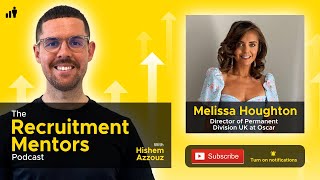
In this Premium Mentors Podcast episode, host Hishem Azzouz interviews Melissa Houghton, Director of the UK Permanent Division at Optimatec, about her eight‑year recruitment journey from trainee to director and the principles that have driven her success. Melissa emphasizes a winning mindset, resilience, and positivity as core traits of top recruiters, and explains how she assesses these qualities in candidates. She recounts her career progression, the challenges of early billing, and the importance of listening, client development, and persistent follow‑ups. Management insights include delegating to develop, building "pillars" within the team, using personal development plans and regular one‑to‑ones to understand individual motivations, and fostering a culture built on mindset, collaboration, and work ethic. Time‑management strategies such as structured daily routines, the "green hat" focus period, and meticulous planning are discussed, alongside remote leadership tactics like frequent check‑ins, virtual incentives, and maintaining team morale during the pandemic. Melissa also shares advice for aspiring recruiters and new managers, highlights the value of small wins, confidence building, and becoming a role model, especially for women in recruitment. The conversation concludes with her recommendations for industry collaboration, a favorite book, and her ultimate career goal to inspire others.
Chapters
Welcome to the Premium Mentors Podcast. My name is Hishem Azzouz. Today I'm very excited to be joined by Melissa Horton, who is the director of the UK permanent division for an agency called Optimatec. Melissa has worked within the industry for 8 years and in that time progressed from consultant all the way to director status. She's now responsible for a team of 18 people that do over roughly £1.5 million turnover. Melissa, thank you for joining me.
Thank you for having me, very excited to be here.
Amazing. Well, where I want to start is, in your opinion, what characteristics and traits do you think make up a highly successful recruitment consultant?
I could probably list off a lot if I'm honest, but I'll try and keep it brief. So I would say the top one for me would be a winning mindset.
Okay, talk to me, what do you mean by that?
Someone that when a bad thing happens or something happens that they can't control, they want to find a solution to win. They don't dwell on it, they're not negative. A lot around positivity, I guess, with their mindset is so crucial to, to being successful in recruitment.
How do you find out or look for that in an interview?
I would ask them to talk to me about how they deal, how they've dealt with in the past situations where things haven't gone their way, how they've reacted to it, giving me tangible examples of how they've used their mindset to bounce back.
Hmm, okay. Do you think that, out of interest on this, because I find it so interesting, do you think that winning mindset can be taught?
Yes, in a way, but not totally. I think it does need to be something that's inside you. I've helped people get there along the way, but it does need to be something that's inside them, I think, from the beginning.
Yeah, okay, yeah, interesting. Um, so look, what, what I'm really excited to do on this episode, um, Mel, and as I was sharing before we started, one of the most common goals that recruiters have shared with me is they want to get to that director status within their company. So, um, you recently got a promotion, right, to director of permanent division. Before that, he's an associate director. Yeah, so what I'm really excited to do is unpack the last sort of 8 years. Right. So just for context, just to help us out. So from what I can see, just got a promotion right in October. Before that was around sort of 2 years, you was an associate director. Yeah. Just help me out. Obviously you joined Oscar in around 2012. So like, what was the journey before? Like, just help me out with like, start as a resource or consultant, then was it manager? Like, what was the route? And then we'll start unpacking it.
Yeah, so I started as a trainee, so as a resourcer. It was my first job in recruitment straight out of university. I did drama at university, so completely different, but I did work in telesales part-time, so I had a little bit of sales experience but nothing in regards to recruitment. So joined as a trainee and then moved into being a consultant after about 11 months, so it was quite a long training period, and I learned a lot in that year.
Okay, and then after that, how long was you then a consultant?
So after that, I was a consultant for around 2 years and then moved into being a senior consultant, took on my first trainee, and then after about another year, moved into being a lead consultant and then progressed again to managing consultant. Then to head of practice, and then to associate director.
Got it. And then just help me out as our final thing. Throughout that whole period, have you always billed?
Yes. Still billing.
Okay, so you— there wasn't a point where you were hands-off? Because that's good for me to know. Okay.
Yeah.
So let's start at the beginning of this then, Mel. How would you describe your first year? As a trainee at Oscar? Just talk to us. How was it?
People talk about the recruitment rollercoaster, and it was definitely that. I was, I guess, quite naive when I first started out. I believed what all clients and candidates said to me, and I guess if I got along with them well, I didn't really think they would lie to me, or like, that was quite a learning curve. So it was a lot about being brave and I guess walking away sometimes from situations, from jobs that aren't going anywhere. And I wasted a lot of time initially on candidates and clients that were never going to make me any money. So yeah, it was definitely a learning curve and I was only 21 when I started, so my confidence wasn't where it is now. So that took me a while to build that up as well.
Yeah, I think at the beginning we all remember having the perfect candidate.
Yeah.
No, no, honestly, they're perfect. They told me this, they told me that, right? It's definitely something, you know. Yeah. No, no. Yeah. So, okay. Interesting.
Yeah.
What advice did you receive early on that really helped you?
The advice that I received would be to spend my time wisely. As much as someone will— you'll get along well with somebody and they'll tell you all the right things, it might not be worth your while spending all that time working on something that's never going to go anywhere. And I guess the advice also is to just work as hard as you possibly can. Because it is true that your first year in recruitment is one of the hardest. So if you put 110% into it, it will pay off, and it did do in the long run, but not straight away.
Okay, cool. So going into then consultant, yeah, and so then went to consultant. So what made you, what did make you stick it out, out of interest? Why didn't you quit? Why did you carry on?
Good question. I think for me, a lot of people in recruitment do compare themselves to others around them, people that you start with at the same time. And I guess I was, I was, I was doing that, but I didn't really want to fully focus on them. I knew inside me that I could do it, and I was just very determined to not prove people wrong, but do you know what I mean by saying that? If Yeah, perhaps you're not the most confident person, but you know that you can be. So I wanted to really push myself every single day to get there.
I like that. So I think, look, I think in, in today's day and age, I think Instagram is a perfect place to compare yourself and feel inferior, right? So I think, um, I, I like the way that you've looked at that. It's like, yes, I did sort of compare myself to other people who I started at the same time with but I didn't. I made sure that the main— where most of my energy went was myself. Yeah, so, so I think that's just an important thing, isn't it? It's like, yes, it's good to compare, be competitive, but make sure that most of your energy is on yourself and your own development.
Absolutely. And people learn at different paces as well. Um, it did take me a while to get good at this job, but I've been able to progress. And the people that I started with back then aren't here now, even though they progressed quicker than me initially.
Interesting. So you then— how long was your consultant for before I went to managing people?
Yeah, um, 2 years.
2 years. So what were those 2 years like? Did you become pretty good biller? Um, and also, just for context, have you always worked— so you're permanent division? I was going to say, have you always been contracted, but that was— that would be wrong. So yeah, obviously. So have you always done Or always done perm?
Yes. Yeah, okay. I was a trainee for 11 months, um, so when I went into being a consultant, I was prepared quite well for it. And I did, I did bill, um, quite well initially. It was up and down. And when I first went consultant, I think my first 3 months I did £20,000 each for each of those months, and then I had a blank, um, So it was dealing with those ups and downs initially. But yeah, it took me a while to remit, to get consistent.
Okay, so let's just talk about that for a sec.
Yeah.
So from what I gathered on LinkedIn, so like you do the, obviously the tech market and you do it in sort of northern regions, it seems like.
Yes. Yeah. Northwest. Yeah.
Northwest. So What did you have to get really good at that enabled you to stand out in the crowd or have a chance? Because for me, tech recruitment is the most crowded place. Like, it is great. Like, like, there are so many tech recruiters out there, right? And even more so in the UK markets, for sure. So like, what, what did you have to get really good at as a consultant that you think really contributed to being more consistent that helped you stand out and achieve your goals?
I think it's a really basic skill and another trait that I was going to mention earlier about a successful recruiter, and it's listening. So I think it's forgotten about a lot in recruitment, but if you're a good listener and you can really listen to your clients and your candidates and understand them fully, then you're in the best position to deliver what the client wants and get the candidate what they want as well. So I do really listen to people, and what I made sure I tried to do as much as possible was meet people face to face, get in front of them, dedicate that time to them, and the majority of the conversation, them talking and me listening. Mm.
And what was you listening for that you think, like, that helped you then come up with the right solutions or whatever? Like, what were the things you were, you like making sure that you really listened to that helped you build credibility and trust?
Just understanding them, asking them open questions, getting them to be open with me as well. I guess the best relationships is where you can be open, so if you can build that rapport initially, they are more likely to be open with you and show them that you are a real person, you want the best for them. So I found that by building that rapport and making people feel comfortable, then they are more open to giving me the information that I need to help the client and help the candidate.
Okay, love that. I think it's a great thing to highlight, isn't it? Listen, because sometimes, especially early on, you just want to, you want to take that job brief, you want to, you want to like just get down to business, don't you?
You're so excited, aren't you? And that's great, but if you're not listening, you're just, you're never going to be successful.
So spoken about listening, one of the most popular areas that people want to know about and learn from people about is client development.
Yeah.
So what were some of the most effective ways as Mel the consultant, which obviously I'm sure you're still billing now, so you're involved in this, but like early on, what, what were the most effective ways that you found really helped you build your client base?
I just worked harder than than anybody else. Um, I just really do enjoy what I do, and I would just give it 110% and go the extra mile for them. Um, I know it sounds really basic, but it was just my, my graft and my work ethic that I guess impressed them, and then I recommended me to other people within the business, and it started to build out my client base.
Okay. So I always hear about, and I'm sure you help your team with this, the importance of getting referrals and recommendations.
Absolutely.
Yeah. And a lot of people say, look, most, most all of our clients come from word of mouth and all this, right?
Yeah.
What have you found has been the best way of doing that? So yes, delivering, but like if we're going really practical here, a lot of people want to know, right, what is actually the best way of getting referrals? So yes, you have to do a good job. Yes, you have to deliver. You're not going to get referred if you're shit. That's, that's, that's that.
Yeah.
What have you found is the most effective way of actually generating a consistent flow of referrals and recommendations?
Showing that your solution's focused as well, um, showing that you're not just an order taker, you're here to, to give them solutions and make a difference. Um, I think that, that can be forgotten about as well, that we are recruitment consultants. So consulting them, providing solutions, and yeah, just showing them you'll make a difference.
Yeah, what I had to learn early on, and I always remember my manager said to me, like, you need to not be a yes man.
Yes, yeah, yes, so true.
Yeah, but that's, I feel like that comes when you build up some confidence and all that, right? And, but I think you're completely right, and I think even more so the last 6, 7, 8 months, if you haven't been consultative and coming up with real solutions, then I mean, I don't know how you would have survived.
Yeah, exactly. It is. It's about confidence. It's about being brave and perhaps suggesting solutions that they might not like to hear, but at the end of the day, they'll appreciate it.
Okay. So management, is that something that you wanted?
Do you know what, initially, because I'm not— I would guess, I guess when I say when I first started out, I didn't ever think I want to go into management. I just wanted to make money and progress in terms of my financial earnings. But then when I first took on my trainee, my first trainee, I did really enjoy it and I do still enjoy it now.
What did you enjoy about it?
I just enjoyed being able to really make a difference to somebody's life. So recruitment can change your life, and if I can make someone good at this job, I know that it is genuinely gonna help them have a better life both inside and outside of work.
So is that what ended up being your bigger motivation?
Yeah, yeah, I would say so, but a lot about seeing people grow in their confidence as well. I think initially it, it can be quite a difficult job, but if you can help somebody perform better but grow as a person and grow in their confidence, then that is, it is really rewarding.
Okay, so what did you end up growing? So you took on your first trainee. What did you end up growing that team to then? Before you got to sort of head of practice?
I think it was around about 7, 7 or 8 that I was managing.
Okay, yeah. So let's just talk about that transition for a second because I think that's what people find that the most difficult.
Yes.
What, what did Mel do to make sure that you manage your time effectively that meant that one, you could maintain your performance Yeah. And then also make sure that you're getting the best out of your team, you're helping build their confidence, they're improving. But how, how did you, how did you go about, what did a typical mail day look like, or what does it look like now? What have you done to make sure that you maximise your time? Because that seems to be a real sticking point for a lot of people that go through that transition.
Absolutely. And I think it's crucial that you create pillars. And what I mean by that is my more experienced consultants in my team can help me deliver the messages and help with perhaps less experienced consultants and trainees, but having those seniors and those lead consultants that are below me to really drive the team as well is really, really what's helped me build my team out, and I think sometimes they can look up to them because they're a little bit closer to the level that they're at rather than me who's been doing it for 8 years. So it's just good to have different pillars, I would say, to help your time, but also to build people's confidence as well.
Interesting. So when you say pillars, yeah, so it's not just completely reliant on Mel to—
No, absolutely not.
Okay. But how do you communicate that to someone? Like, what's in it for that person? Like, how do you, like, how do you get the, how do you get the buy-in of, do you get what I mean, becoming a pillar for, for MEL? Because I might think, well, you're, you're just going to benefit from that, right? Like, so how do you cultivate the mindset of, well, actually, that, that's in my interest to do that? Or how have you, what have you identified in people that you've then sort of encouraged that, and then they've then ended up being a great pillar for you?
Yeah, well, there's the phrase, isn't there, delegate to develop? So I think for them, it's going to develop their career. So most, well, all the people within my team do want to progress. So by giving them different responsibilities, the way that I would sell it to them is that that's going to help them get to the next level. People are going to look up to them and they're going to want to be them. So not just for their progression, but also being that go-to person in the office, that another role model that we can have that people can look up to.
Okay, yeah, so, okay, interesting. So sort of tapped into their drivers and is that how we help them progress and things like that?
Yeah, because we regularly do like PDPs, personal development plans, and one-to-ones and understand people's whys and what they want to get to next and how they can progress. So I always know for each person within my team what they're working towards, so that helps me manage them, obviously, but also when I am delegating, using that knowledge to help them want to do it, if that makes sense.
Yeah, because I've heard this a lot. So like, how important is it— I'm assuming this might be something you've had to get better at— but like, how important is it to know your, your individual team's whys?
So important. I would say it's, it's crucial. And the whys can change as well, so I think it's important to have those conversations fairly regularly because people can change in terms of what, what's driving them, what's motivating them. When I first started, it was just to pay off all the debt from university and start, um, actually getting out of my overdrafts. Um, but now my why is, is a lot different. So yeah, understanding that is, is crucial, I think.
And how often would you encourage, and what's worked for you from a management perspective, to keep a pulse on that? What was that, something you do on a quarterly basis, every 6 months, or what, when do you try and get a check of that with people?
I would say every, every month if you can do. More formally, we would sit down every quarter, but I like to try and check in with people on a one-to-one every month just to, to make sure I still understand that that is what's motivating them, because some people aren't as vocal as others as well, so It's important to really address it with each person.
And how does that actually help you as a leader get the best out of these people?
You can remind them on the hard days of, of what it is that— why they're here. Um, when they're having a really tough time, you can use that to really bring them back and motivate them to push forward.
And like, like, obviously you've been on your own journey on this and it does change. But do you think it's got to be big? Do you think it's got to be bigger than money?
Yes. Yeah, I would say so. Yeah.
Because for me, what I've had to work out myself, I think the slight sort of change is like, okay, if you say, yeah, you're not completely motivated by money, that's okay. For me, what helps me with that, because I'd say I'm one of those people But for me, what I had to have to work out is like what that money will enable me to do. Yeah, for me it's like, right, so if I achieve, if I do 100Ks worth of revenue in my first year of business, I don't get excited about seeing that 100K number. That doesn't excite me. It's what's attached to that, right? So it's, well, if I achieve that, that means that I'm going to be able to take my girlfriend to this place, or it means I'm going to be able to support my parents with this, whatever, right? So that's when you say it doesn't have to be bigger than, it has to be bigger than money. I think it's working out what's attached, what things attach to that.
Yeah, absolutely. And a lot of people will say, oh, I want to buy my first house, or I want to buy a car, and that's great, but it's about breaking it down for them. Well, okay, well, how do you— how much do you want to save each month? How many placements do you need to do to, to save that amount of money? So making it real to them and really breaking it down, and even having a picture of the house that they want on the desk just to keep motivating them.
Yeah, and I think that's— it sounds really basic, but if you had like— it's— that seems just such an effective way of making it achievable, is that breaking down the targets to what's your average deal placement, to okay, well, how many CVs does that mean you have to send out, and how many interviews you've got to book in, right? And makes it really tangible.
Absolutely, making it real is really important.
So really keen— so we're talking a bit about sort of Mel the manager here and how you've progressed.
Yeah.
What, as you built this team, so has it always been in like the permanent? Have you changed teams or has it always been in the same sort of world?
Permanent. Yeah.
Okay, cool. So I'd be interested to get your thoughts on this. So like, for you, what are like the 3 non-negotiables of your culture that you think drive the performance of your team? So like, what are the 3 non-negotiables for the Oscar, for the permanent division within your culture that you think really contribute to, to you and your, your team performing?
Mindset, collaboration, and work ethic.
Really?
Yes. Yeah, collaboration is key, I think, and so important, and something that I really push on within the team for people to share what's working well, because everybody's got their different strengths and For some reason, not a lot of recruiters like shouting about what they've done well because they think, oh, why would anybody want to hear about that? Why would they be interested? But I encourage people every single day, if they've had a win, let's tell the rest of the team about it because we can all learn from each other. And I think that's one of the main reasons why my team is consistently doing well and continues to break records is because we're constantly looking at what's working, adapting it, sharing it, and it's pushing us forward.
I really like that, and I think part of that as well is like, it's very easy for Mel, the recruiter that's been doing it for 8 years, to think that win, well, everyone must do it like that, do you know what I mean? Like, especially if you're experienced, it's very easy to go, just expect to assume that, of course, why wouldn't you do it like that, right?
Yeah.
So How do you, how, how, how do you get people to communicate that? Is that, I don't know, do you have a WhatsApp group and it's like, guys, just, just changed my email to this and it's really resonating with people?
So yeah, we do it in multiple ways. So we have daily scrums. So in the morning, in the afternoon, and towards the end of the day, we'll have a scrum. And within that, I'll get people to share anything that's worked well. That will be from trainees to lead consultants, so at every single level. And we also have a WhatsApp group as well. We also obviously have emails that go around regularly. But yeah, as many ways as possible to share what's working.
Love that. And then how do you prevent— surely you must have sort of had to combat like this sort of just internal competitiveness. Because surely, do you know what I mean? Or is it very easy to manage that because they're doing different verticals or different spaces? I just feel like some people might be listening and go, yeah, I'd really love to do that, but Jim and Henry, they do go up against each other and they're sort of covering the same patch. Do you know what I mean? I don't know, have you had to combat that?
No, not really, because we all work different verticals. So it does help us in the sense that nobody is directly against each other. Um, so I've not had to come up against that, thankfully.
Okay, fair enough. So you then obviously— so you've been growing your team, and then so after that you then got the head of— so how many people are you responsible for then?
So at that time it was around about 12.
12, okay. And then did that change much when you got to associate director then? Did the responsibilities change there, or what was the sort of differences?
No, it didn't really change that much. It was just to recognize the, the amount of people I was looking after. And within my team as well, I had seniors and leads building their own team, so I was like the, the grandma or the great-grandma.
Okay, so why, why have you— so like, I think for me, what, what— like, I'd be interested to get your thoughts on like why Why has Mel been able to get those opportunities? Because a lot of people may be in the same position as you are and someone else gets the promotion or whatever. Like, why, why have you been able to go from, yeah, team lead to head of and not stop there? Like, why, why, what do you put that down to?
I'm just consistently persistent. I don't give up. Um, when I hit my target, say I hit my target halfway through the month I don't sit back and chill out. I'm like, right, okay, let's keep going, let's keep pushing. And I like to push myself outside my comfort zone. And yeah, I know it sounds really basic, but I do— I don't switch off. I just keep going and always want to get better at what I'm doing. Even where I'm at now, um, being director, there's still things that I can get better at, and there's still things that I'm working towards. So Yeah, just keep pushing for more.
I like that. And when you say keep pushing for more and you hit your target, like, how have you communicated that? So who is your direct report, Andy then, or is it someone else or not?
So Andy and Matt, who's the other director as well.
Okay, so the reason why I asked that is because I, I was having this conversation with someone else the other day, but like, how involved have you got those guys in your targets and basically sort of agreeing like, hey, if I do ever exceed, will that mean this? Or like, you know what I mean? How have you communicated that to the people sort of above you that are the people that ultimately can encourage the progression and, and yeah, decide on the progression essentially? Like, how involved have you got them in your targets, out of interest?
Very involved. We've got a really open, um, culture, so Andy and Matt are there every single day, and we're having conversations like this all the time. And they're definitely two of the reasons why I am where I am, because they will push me that little bit more, um, and they won't kind of let me stay still, which is great.
Okay, what's, what's, what have you found most difficult so far with Mel the leader and, and managing these people and, and getting, yeah, managing even more people? Like, what, what have you, what have you had to to overcome?
I would say time management. I know you probably hear that a lot, but especially as your team grows, and especially because I'm still billing as well, just having, um, why have you, have you, have you decided that, that you want to stay billing? So I am going to be transitioning to being more hands-off in the very near future, but I've always felt that me doing it helps me lead from the front and helps me manage and motivate people because they can see me doing it and I'm in touch with doing recruitment every single day. So when I'm telling them to do something, they know that it's coming from the right place.
Because there can be sometimes that friction, can't they? Yeah, but I do think it's a bit of a cop-out though, isn't it? It's a bit of like, well, no, look, you're not, you're not on the phones like I am.
Yeah, of course it is. So I can actually show them that I've done it and I guess they know that I wouldn't ever tell them something to do, something that I haven't done or wouldn't do myself.
Yeah. So let's break down this time management then, Mel, because probably one of the most popular questions that I get encouraged to ask is like, what did Mel, the $100K biller, day look like compared to what it looks now when she's billing X or managing your responsibilities or whatever? Do you know what I mean? So like, what— break down your day for me. Like, what would like a great day look like for you? What time do you start? What do you make sure you have in there? What are your sort of non-negotiables for your day each day? Like, what does your day actually look like that's enabled you to maximize your time being a leader and billings?
Yeah, so I split my day into 4. So officially we start work at half 8, but I usually start around half 7, quarter to 8. Um, so a bit of a morning person and get up about quarter to 5 in the morning to do my workouts before work. But yeah, usually my day would start at half past 8 doing the daily scrum with the team. So that's setting out targets and pledges for the day, doing a bit of a motivational, I guess, chat of where we're up to so far in the month. Again, sharing anything that's worked well the day before, and then we'd go into the day from there. So from about 10 to 9, 9 o'clock, um, back to our desks. And then I would probably sit with my trainee initially, um, and make sure that she's properly set up, or she, he or she. Um, and then I would split my day into client development, account management, and new business.
Okay, what is the, the next, the next stages? The next part of it.
Okay, yeah, so it can vary each day. Um, someday— so some days half my day is split with dedicated to my team, and the other half would be Mel on her billings. But we have this, um, phrase which is taken from Trevor Pinder, who came in to do some training with us, about wearing a green hat. So when Mel wears a green hat, you know that you can't distract her. She's focusing on her her billings and her desk. So it's about being a little bit selfish as well and not wanting to answer every single question that's coming to you. At times you do have to just dedicate it to your own desk and make sure you're managing it in the right way.
So putting that stake in the ground and going, look guys, if it is like a really bad situation, you can, but like, I'm focusing.
Yeah, yeah, absolutely.
So what do you do before? Clearly you're someone that's quite organized.
Yeah, I try to be.
Or you're working on it, right? But so like, I had someone you may know, a lady called Amy Steele from Memoria Bond on, and for her she really broke this down really well. And she said what she had to make sure she did and what really made a difference is making sure that when you do go into that part of your day, that you know exactly what you're doing. Like, so how—
when do you prepare and what do you always, always prepare the day, the night before? So when I'm, I'm going into my day, it's not just saying, right, I'm going to do new business today and blindly call companies. I know exactly what companies I'm calling, who I need to speak to, what the reason for the call is, so I'm prepared. A lot of it is about planning and preparation to make sure your time is spent in the best way and most effectively and you're not working until 9, 10 o'clock at night because you planned and you prepared for it.
Yeah, okay. Yeah, so that plan part, it's important, isn't it? Making sure that, you know, you— okay, so how much of a plan? Because I think it's so easy for recruiters to go, I need new clients, I need new candidates, and you probably hear this all the time, but like, how How much of a strategy, or have you ever had a strategy, or how have you approached, and what's come out of conversations recently is actually like, what are you doing to grow existing accounts that could grow, right? So I don't know, what's been your journey, or maybe some of the people in your team, like what have you seen work, and do you have a plan and strategy to actually take an account that's typically spending anywhere between 50 to 100, 150K with Oscar Tet, to making that the following year, £250,000, quarter of a million, like £500,000 account? Like, what, I don't know, what, how have you approached it? What's been going on there?
Yeah, I guess so. For example, for me, I've always done software development, and I think when you first start in recruitment, you can be quite narrow-minded to just speaking to the software development manager because I want to make placements for developers within that team. But we cover so many different disciplines across Oscar, so within technology, but also within sales as well. So we've got different consultants all work in different areas. So I think it's just making a conscious effort to make sure that you're reminding the company that you work with that you can't just help that hiring manager, but you can help other teams within the company and really giving them an insight into who Oscar Tech are as a business. It might be that they've got an office over in Austin or Houston where we've got offices as well. So really just having the bigger picture in mind when you're speaking to these people, which initially people do struggle with, but it's only going to benefit us obviously if we can integrate into different hiring managers and if we can place within the sales team, also within the technology team. So yeah, just thinking of the bigger picture, I guess.
Okay, interesting. So from what you've seen and the people you've worked with, the people you've had in your team in time, like, where do you think most people go wrong with client development? Because it's definitely the area that most people feel they need to develop the most in. It's the area that people may find most challenging at the beginning. Like, where Where do you see recruiters typically go wrong?
They give up after the first, I guess, 2 or 3 attempts of contacting the client. So some of the most successful recruiters in my team, and something that I've always done, is being persistent with it. And I don't mean being a pest, but consistently following up with these people. It's not just a phone call, it's an email, it's a LinkedIn, it's trying to just stand out to them and following that up every single day.
The follow-ups.
Yeah, it's, it's very basic, but it's something that's forgotten about. And it might be the 20th follow-up you actually get through to them.
And this has come up again quite a few times, but I guess there's that fine line of being a pest, isn't there? And sometimes that prevents people from the follow-up. I mean, I, I had the nickname in The Office when I was in recruitment of Hishem the Hounder. And I, because I would, I was, I was, I was pretty persistent. I, I was that person. But I think where I could have improved looking back was like, I was confident if they did pick up or I got hold of them that it would be a good experience and like I'd be able to build rapport or whatever. But I think where I could have improved and be a bit more tactical is like, and this is what I'd be interested to get your thoughts on, is like what do you try and do in those follow-ups that might be a bit different? What I mean by that is instead of always just trying to go, hey, we'd love to chat and tell you about what we do here, Oscar Tech, or whatever, like, are you leading with value and going, hey, look, I've just seen this article, thought it might be interesting, you know what I mean? Like, what do you try and do in these follow-ups to make sure it's not always the same message?
So if you can make it personal to them, so say they've just won an award or As you say, they've written an article about something and you've picked that out and you've said, look, I've listened to this that you've done. I found it really interesting. Be great to chat. Like, you're not just doing the basic, like, can I send CVs to this job? You're trying to find something that's going to stand out, whether it be congratulating them on the recent promotion, or as I said, if the business has won an award, just something a little bit different. That will show to them that you're making an extra effort to, to get their attention.
Yeah, I like that. And then I got this question through the other day from someone, but like, uh, and it can be yourself or someone out, someone else that you've seen, but what's been the, the weirdest thing or the most out-of-the-box thing you, that you've done that's ended up getting you that opportunity to get that client meeting or start working with a client?
I guess something that we've done recently, because obviously with the pandemic a lot of people have been working remotely, so we've been doing voice notes on LinkedIn, which has been something that LinkedIn have introduced the last couple of months. So voice notes have gone down quite well, and when you're sat at home recording them, you do feel a bit strange at times, but I guess that has paid off for us, and it just shows that you're an actual real person. You can put your personality into it, and I've had a lot of success from doing that.
Yeah, and the good thing with those as well is they're only a minute long, so they prevent you from waffling.
Yeah, exactly. So you can keep it, you pick one.
Okay, so it's enough, you haven't got like a chocolate bar story or like some mad wacky story, which that's what I was looking for, but voice notes on LinkedIn, that's super practical.
Voice notes on LinkedIn, handwriting letters, I've done that before as well. Just something a little bit different and posting that to clients. So, you know, the ones that you are, you have been hounding and you tried everything you possibly can. Handwriting a letter has worked quite well in the past, even if it's just to say thank you for that. I appreciate the effort. At least it's a response and you've—
It's another touchpoint.
Yeah, yeah, absolutely.
Okay. So what I'd love to just talk a bit about now before we finish is like sort of a bit more about leadership and maybe a bit more around sort of how you've had to adapt or how you've approached the last sort of 6 to 8 months. Because I think, I mean, I don't manage anyone and I think that must have been so difficult to sort of adapt and sort of communicate the right things and be the leader remotely. So One of the things, this is one of the questions I think is really, really interesting. You've mentioned it a couple of times about yourself and your own journey and other people, but when you are developing people that are rookies or early on or whatever point in their career, like, how have you like dealt with or helped recruiters that doubt themselves? Like, how have you really actually helped these people, um, not doubt themselves or doubt themselves less? Like, actual advice around that.
Reminding them of the little wins that they're getting every single day. I think a lot of people, for the right reasons, are looking at the long term and they're getting a bit down because they've not got a new job in or they've not got an interview today or, you know, something that's, that's quite tangible that we're aiming for, but they're forgetting the little wins that they've got So just reminding them of that and reminding them that if they keep doing that every single day, it is going to get them the result they want and making it real to them by saying, look, this is what I did and this is how that's helped me get success. So I think those little wins every single day, just championing them has really helped people and helped make it more real and build their confidence.
Yeah, okay, nice. And, um, what, what has been your biggest challenge now over the last sort of 6-8 months? I know obviously it's a bit— there's been different stages to this, right? Yeah, in terms of being, being in the office for a period and stuff like that. But like, what, what have you, what have you found most difficult as a leader of, yeah, now 18 recruiters? Um, obviously through that period some of that might have been completely remote. Like, what, what have you found most difficult as a as a billing leader?
Yeah, I think when you're managing people remotely, it is difficult, especially with those that aren't as vocal. So the ones that aren't ringing you as much, you tend to worry, are they okay? Because you can't see them. So it's just making sure that I'm spending my time wisely in terms of communicating with them regularly, because I will get some people in my team that are calling me more than others, and I've got to remember that those that are still, um, that are not getting in touch, to follow up with them and making sure that I'm making an effort to communicate with everybody.
And how, just out of interest, like, how, um, how have you incentivized people remotely? I think this is normally the holidays and all these types of things, you know what I mean? How have you I don't know, how have you been, what have you been doing to encourage people to, or give them something to really drive? Obviously, I know you know their why and stuff like that, but just curious because there's people going to have good days and bad days, right? So I don't know, have you had any interesting incentives or have you done anything that has sort of, you've seen a real engagement from your team and had an impact?
I guess we've done little things like delivery vouchers, Amazon vouchers, We've done like cocktail-making classes, just getting deliveries for people because there's not really been much we can do, but just trying to make the best of it and get people on camera as well as much as possible to try and do socials remotely. Yeah, just see people and interact.
I think if you were to ask someone to do a Zoom quiz now, they're, oh my God, I'd hate that. Oh no. Yeah, like once you've done like one or two at the beginning, then it's like, oh my God.
I'm done.
But what I was going to say, like, how— just again, out of interest, like, I think one of the biggest impacts on this will be sort of people's mental health and sort of the mindset. And I think even more so, like, for you guys right now in Manchester, right? I had a lady, Abby Dunnon, who has a recruitment business that serves the hospitality industry, right? And sort of at the beginning of this period in March or so, it was more of like just processing it, like, oh my God, I've got Boris Johnson on my telly telling me I can't leave my house. Like, is this real? What is actually going on? And then we've been on this whole journey now where we're sort of, we know what could potentially be around the corner, but you might build up some momentum. You might be like, right, it's been really nice. It'll feel a bit more back to normal and then get hit with like, right, you're back in tier 3, right? So I guess what I'm asking is, like, how have you become better, or what have you tried to do to make sure that you can actually find out if your people are okay? Because that's even more difficult through a screen, right? So, like, how have you gone about— how have you been trying to really find out from your people with, like, how they're doing?
Just constant communication with them, even more so than when you're in the office, if that makes sense. Just really making sure I am checking in with them regularly. And it's not just about work, it's about like, how's— like, what have you done at the weekend? Like, how is everything outside of work? It's more on a personal level as well. And I think it has— it's helped people bond and it's helped me bond more so with my team throughout this time. As strange as that sounds, we've not actually been together. But really just making sure that they are okay and it's not just about work that I'm calling them about.
Yeah, fair, that makes sense. And another, like, real practical thing here, Mel, like, how have you— so KPIs, right? Like, what I'm assuming, like, you've had to maybe adapt on what you look at and sort of I don't know, with the sort of like he's back on talking about sort of smaller wins, but how have you had to approach like making sure that there's got to be that line, isn't there, where you've got to keep on top of performance and they're doing what they sort of need to do, but you don't want them to make them feel like you're just sort of pushing them down. Do you know what I mean? So have you had to change what you typically measure that could typically mean that they achieve the goals that they need to. Like, how have you approached the metrics and what you've been looking at as a leader to make sure you're keeping tabs on things and sort of—
Yeah, so we've been constantly looking at what good looks like, and I think when the pandemic first happened, that did change initially, but we've been lucky in technology that it's bounced back very quickly. So we're now back to what we know good looks like in terms of our outputs before the pandemic, so we've not had to change too much. It was just the initial, I guess, the phase when it did happen and we all went into lockdown that we had to revise our expectations slightly, but then just keep kind of on top of that in terms of making sure people are motivated, but we're not being unrealistic with what we're expecting based on the market.
Yeah, I got you. Yeah, I think, I think quite early on I saw quite a lot of people talk about, made sure that the sort of metrics were mainly around things that you could control, like the amount of conversations you have and stuff like that, right?
Absolutely.
Just interesting on this one, I've asked it once before and I did a post about it. I think it's just an interesting one, like what do you think is the most important KPI or action that for a recruiter that sort of contributes to success?
I would say decision makers spoken to, so conversations that you're having with decision makers.
Interesting, nice.
Okay, yeah.
Um, so Mel, what would be your advice for someone? Two things. Firstly, What would be your advice to someone that might look at sort of your career and go, I'd love to get where Mel gets to, I want to achieve that director status. What would be your sort of, could be top 3 things, or like what would be your sort of top advice for recruiters listening to this that want to progress and get to that director status within their agency? What would you say to those people?
My advice would be to be brave. If I could tell myself 8 years ago when I first started, it would be to step outside your comfort zone, to be brave, to even if you don't feel like it some days, just come in and want to win and give it 100%. Because that ultimately is going to get you to the top. If you give it even when you don't feel like it, fake it until you make it. Um, but yeah, just be confident, be brave, and don't doubt yourself.
I like that. And then the other thing that I'd love to get your thoughts on is like, if I'm, if I'm sort of early on my sort of leadership journey, like obviously you've sort of really sort of grown into that, and like what, what would your advice be for sort of potential new billing managers or sort of recruiters that are on that, that early path of becoming a leader and being not just responsible for themselves but responsible for more people in their team. So you've mentioned that time management is something that you really had to brush up on and your biggest challenge, but what would your advice be for new billing managers or people early on in that sort of leadership journey?
I would say feedback is really important. Again, that's a really basic one, but I think when you're becoming a manager, you're either really good at giving the negative feedback or really good at giving the positive feedback. And what I've learned is that you need to be good at both. You need to remind people how good they are in certain areas, how well they're doing. So you need to give feedback when they're doing well, or you also need to give feedback when they're not doing so well and they need to improve in certain areas. So make sure you are both carrot and stick. You're, you're giving feedback from both sides.
I like that. And before I ask you the sort of 5 final questions.
Yeah.
Just interesting, this one, it was one of the questions that Andy sent me and it was just, how much do you think you've changed as a person since the early 20-year-old now out of uni? Oh, really?
Absolutely massive. Yeah. I think it's confidence more than anything. I remember when I first interviewed with Andy and I had a glass of water on the table and I was so nervous I had to hold my glass of water with two hands. But yeah, now, like, for example, on Friday I did a pitch to a new company in front of a boardroom full of people. So it's confidence, and if I didn't get into recruitment, it wouldn't have made me the confident person I am now.
Yeah, I think that's amazing, and I think I was talking to you about this before, before I asked you these questions. I think definitely part of that I was saying, I had Gabby Trotter on who sort of said that was sort of what she really had to build on, confidence early on. And part of that definitely was, yeah, lack of female role models. So, yes, I don't know. So you're someone that's, yeah, can be a great female role model for people. But I guess if I'm listening right now and I'm a young, ambitious lady that wants to do well in recruitment, but yeah, may lack that confidence. What would you say to them?
Just believe in yourself. And if you haven't got a female role model in your company at the moment, I didn't have a female role model. I got great role models in Andy and Matt, but you can become that role model for other people. So use that as your motivation to say, right, if I can get there, then I can make sure we get other female role models in the company. So just having that, I guess, that drive to become the female role model within your business.
So use that as the drive? Yeah, I like that. Yeah, that's what I did. Really?
Yeah, yeah, absolutely. I wanted to, I wanted to get there and I wanted to be that person that other females can look up to, and that's helped us at Oscar now have a really good split of of male and female role models.
I love that. So I've got 5 questions for you now, okay?
Yeah, before we finish.
So these are sort of quickfire questions, but you don't have to answer them in a quick way. Okay, let me know what comes up for you. Okay, so, um, the first question is, if you could change the industry, the recruitment industry, what would you improve?
If you'd asked me this before the pandemic, um, I would have said collaboration with other businesses in terms of recruitment leaders collaborating together and not being against each other. I think that has changed slightly and got better since the pandemic has happened. Andy does a lot with other recruitment leaders and looks at what we're all doing well and how we can share that, what I spoke about before in terms of collaboration. But I would just say more of that, more of recruitment leaders in different businesses working together rather than being against each other.
I love that. What book have you read that's had the biggest impact on you?
Good Vibes, Good Life.
That's one. Good Life.
Yes, it's absolutely brilliant. It's all about the synopsis, positive mindset, what you think you create, and just believing in yourself. It's again what I just spoke about earlier. Having that belief in yourself, not being positive that you're, you're not acknowledging, um, negative things that are happening, but you're looking at it in a positive light and how you can, I guess, be a solutions person rather than somebody that's negative and dwelling on situations. So I'd recommend that book to anybody.
I love that. If you could write a LinkedIn post that could be seen by every single recruitment consultant across the world?
Yeah.
What would you want it to say?
Interesting. I actually did one recently that is very, very basic, but it's, um, it was something along the lines of, I'm 8 years in recruitment and I'm still excited to come to work every day.
So aim to be excited. So be excited to go to work every day.
That should be your Yeah, and I put that on LinkedIn, and Andy or Matt, they didn't tell me to write that, but I do, like, I am genuinely excited about coming to work even 8 years in.
Yeah, okay, I love that. What did you spend your first biggest commission paycheck on?
Oh, what did I spend my first biggest commission check on? Well, initially it was my overdraft and my credit card. But then I bought a pair of Louboutins.
Did you?
My first pair, I've now got 3.
Really? Love that. Final question, what's the ultimate goal for your recruitment career?
To inspire others and to be a role model.
I love that. Mel, it's been an absolute pleasure.
Thank you very much, I really enjoyed it.
More from Hishem




You don't need as many clients as you think to bill $1 Million A Year In Recruitment



From 30 Direct Reports to Back-to-Back $1M Years as a Solo Recruiter with Zach Creighton



