Patrick Waites - Authenticity is everything, don’t let money be your only driver
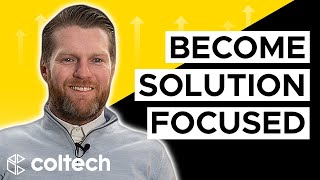
Patrick Waites, co-founder of Coltec, grew a UK recruitment firm to $7.5M revenue in three years after taking eight months to close his first deal. He shifted from transactional staffing to partnership-based services and is now expanding into the US, emphasizing that drive, authenticity, and a solution-focused mindset matter more than chasing money alone.
Chapters
Welcome to another episode of the Recruitment Mentors Podcast. This is the show where I deconstruct how some of the most successful recruiters and recruitment entrepreneurs have remained at the top of their game by uncovering their mindset, their approach to leadership, and much, much more. In this episode, I was joined by Patrick Waites, who is one of the co-founders of Coltec. He's been in recruitment for coming up to 11 years. We spoke about how he didn't do a deal for 8 months, how he's boxed with Tyson Fury, and how over the last 3 years he's grown company to 15, 16 people strong. They're doing $7.5 million in revenue, and they have huge plans to take over in the US and specifically Austin.
I hope you enjoy the episode. So, Pat, welcome to the podcast.
Thanks for having me.
It's, um, just to set the scene, we're in a place called Dream Factory. It's, um, a really cool place.
It is really nice. I was actually surprised when I come downstairs.
No, I'm glad, I'm glad. Hopefully this can become part of the experience, but Haven't done a face-to-face podcast for a while, so might be a bit rusty.
That is my first time as well. We'll help each other.
Let's have some fun, mate. So I guess where I always like to start on this podcast is just to ask the million-pound question, and I'm sure a question that you've thought a lot about when hiring for your own recruitment business. But I guess I'd love to find out from you what you sort of deem the characteristics and traits that make up like a highly successful recruitment consultant in today's market.
It's a really interesting question because there's so many facets or different things that work. So different people have different ways of working that are better for them than someone else. However, like the be-all and end-all, which is you've got to be like driven, a driven person who's got like just a target that they want to hit, whether financially, within their own life, career, progression, have someone who's always looking forward. Yeah. So you've always got, yeah, you've got to be driven and have something that you're aiming for. And then in today's market, I think the ways of working are changing slightly from maybe a more traditional or old-school approach of, you know, phone always works, obviously, and phone bashing and everything else. But it's much more about being able to build a solution for a client than offering transactional recruitment.
Sure.
I think that the days of, you know, bums on seats or giving people a CV and, you know, sending CVs to clients and hoping for the best. They're dying out now anyway, I believe. I think within the next 3 or 4 years, you'll see a complete change in all businesses. We've gone on that journey ourselves, and we've been much more of a staffing solutions partner rather than a transactional consultant. So I think, yeah, in the modern market, having the ability to be able to work with a client and talk to them about solutions rather than people, if that makes sense.
Yeah, yeah, for sure.
That's really important. And just to be a buen handle, you've got to be driven.
Did you always have that drive, do you think, yourself?
Yeah, I think historically I've always wanted to do better at what I'm doing.
Yeah.
You know, always wanted to, always looking forward basically. So whether it be that with the boxing when I was younger, having the target, I want to get on England squad or whatever it is, or I want to box for England, I want to win this title. And that was very much obviously an individual, obviously a part of a club or a team, but it's an individual drive that you've got to be able to do that yourself. In recruitment, I've always, uh, yeah, always had ambition to do more than what I have been. So yeah, I'd say I'm quite a driven person.
Yeah. Where do you think that came from though? Because I'm sure that that's what you're looking for in other people.
Yeah.
But do you think, was it, did your parents play a part in that as you're growing up?
Or— Yes, my mum massively, um, my dad as well, obviously. But, um, my mum's always worked really, really hard. Um, I think she had me when she was like 18, so she was a young mum.
Yeah.
Um, and she's ended up doing pretty well from, you know, tower blocking North Woolwich to like being where we are now is, you know, is she's, she's had that drive herself. So I've seen that, um, and then just everyone in my family, my uncles, my aunts, like I've all like my cousins have all, um, you know, we've all done pretty well, um, in their chosen areas, um, and it's just shown that hard work, yeah, gets you somewhere. Because, uh, yeah, didn't obviously have like the greatest starts or like there weren't like a leg up.
Yeah, yeah, for sure.
So, um, having that around you and just the people you surround yourself with as well. I suppose all of my mates have done pretty well for themselves because it's that you become like the people that you hang around with. Like, you have the ambition that they have, or if you see people doing well, you want to do it. So I think you've got— it's like it's in you anyway a little bit, but you can get brought out by surrounding yourself with the right people.
Yeah, yeah. I'm just curious because I think— I'm sure sometimes you've had those people that you've led or managed where you just want to like shake them and like give them that drive. And I'm just curious like where you're, where you just think like, yeah, I'm just curious where you, where you think that can come from. And it seems like you said you've spoken around your friends, family, growing up, but yeah, because I'm sure you have people and I've had people in your teams where you're just like, I just wish they had a bit more drive.
Everyone does, like everyone's had it. You can get it in all walks of life, not just in work life. Yeah, look at people and be like, what are you doing?
Yeah.
Like you don't see the opportunity you've got here, or you can do that. So some people, like, as I say, it's in you, but it can be brought out by the environment that you put yourself in. That's what we try to build at Coltec, is that environment where everyone wants to push forward.
Push forward, yeah. So loads of things that we can go into here. So I think where I really want to focus is Coltec and that journey. But before we do, I'd love to just, I guess, just hear a bit, there's always typically a story as to how someone got into recruitment. As you mentioned, you, was really into your boxing before. So I guess tell us a bit about, one, how you got into recruitment, and then two, how you feel like the boxing side of things maybe gave you that competitive edge or gave you those traits or things that you've been working on in a sports environment and then in a commercial professional environment.
So how I got into recruitment, I was sort of floating around jobs really. I didn't really have anything particular I was doing. And then I bumped into my mate Martin Badu, shout out Badizi, and he said, oh yeah, I've started working at this company Synergy and they're looking for people, like, do you want a job? I was like, yeah, I need one, so why not? So yeah, I went for the interview, bumbled my way through, got in, and then yeah, just, it was more of like just I needed a job really.
Really?
Yeah, they weren't like, oh yeah, I love the idea of recruitment. It was just like, it sounds like something I could do, like talking to people. Quite a social job, sales, you know, that's the sort of area that I wanted to get into. And it just happened, yeah, my mate was working at a company that was looking for people, and that's how I got into it. And then, yeah, that was 11 years ago now. Yeah, with this— yeah, it's my 11th year in recruitment.
So yeah, that's one of the greatest things about recruitment, right?
Yeah, it's just low barrier of entry, you know what I mean?
Yeah, if you want to join, there's pros and cons, there's pros and cons to that, but I think like, yeah, what you've then been able to build for yourself.
Yeah, so with that, it is very much like if you want it, you can go and get it. Like, more so than a lot of other, um, industries or careers or jobs. Like, if you actually want something, can you set a target? Like I said, if you've got that drive and you're, you're in an environment that brings it out of you or gives you a pathway to get to where you want to get, then you do. You know, the sky's the limit. Yeah, he's done all right. I've done reasonably, like, I'm happy with my career so far and I'm really excited about where it's going. With regards to, like, the boxing, I suppose what that has been really good for me, or, and anyone who's done sports, yeah, or done some sort of, um, uh, not even sport but something where they've had to dedicate themselves to, to get to, to earn something or to achieve, yeah, it proves that you can do something if you put your mind to it. So you get that self-belief So when I started at eSynergy, I didn't do a deal for the first 13 months. Really? Yeah. I don't know how I got on.
13 months?
Yeah. I don't know how I kept my job. I think they just didn't want to lose people and I was quite fun to have around.
13 months?
Yeah. I was really shit. Oh, wow. But I was doing all the, like, so I don't know, it was, yeah, I just couldn't get my head around it. I was on the phone a lot. Yeah, I think I must still hold the record. No, sorry, that's a lie. It weren't 13 months. It took me 13 months to get from trainee to consultant.
Right.
That's definitely still the record. It was 8 months.
Got you, got you. To get your first lot promotion.
To get my first deal was 8 months.
Right.
And that was, it turns out ironically, I've done a resource deal for my now, for Matt, who's my business partner.
Right.
And it was for a tester who then left 2 weeks in. So yeah, we always talk about that.
So just quickly, I know, 'cause that's quite a common thing, isn't it? Like a proper classic thing that people would look for is, yeah, they come from a sports background and these things. Then you said, I think it's that self-confidence that they put their mind to something, they haven't given up, competitive environment, all these things. I have to ask you, like, I watched that video of you sparring Tyson Fury. He just looked humongous compared to you.
So I'm not like a small bloke, I'm what, like 6'1"? I look like a child next to him.
Yeah, I guess all I was just curious, I was just curious because I like, I love his journey and I'm big into boxing myself and all of that. I guess from what you sort of, your experiences with him, are you surprised what he's gone on to do? Because that was 7, 8 years ago.
No, so yeah, that was good to hear that from you. Yeah, so that was, uh, funny how that happened. We just, yeah, I got invited. One of my mates is mates with him.
Okay.
And then he invited us to go into the gym, and then we were just there training whilst he was there. And it wasn't really a spy, he was just sort of just holding his hands up like, just walk around. But no, like, in terms of what he's gone on to do, So that's two answers to that question. Did I always think that he'd be like heavyweight champion? Yeah, 100%, right? There's no doubt in my mind that I've said that from forever. I think anyone in boxing who's ever seen him said that he's got that, that the attributes to be able to go on and do that. That was actually the spa, just figured it was 6 months before he fought Klitschko and won the title.
Really?
Yeah.
Oh wow. Yeah.
So, um, yeah, I'll take a little bit of credit for that. Um, but that's it. In terms of that, his like the skills, attributes, everything about him, you always knew that he'd go on and do that. Yeah, in terms of what he's gone on to do from winning, falling down. Yeah, all the addiction issues, like the mental health issues and so on, and then risen to where he is now and being like, uh, and like someone everyone can sort of look up to.
Yeah, yeah.
Um, no, I don't— what he's done is just incredible. And it does show that, that I say, if you do have a drive or an ambition or something, and no matter what position you're in, yeah, yeah. You can achieve it. And he's just, yeah, to me he's just amazing, like what he's gone on to do is just—
Yeah, it's a great, like you said, fall down and rise up story. Yeah. And everyone can point to that and go, he was in the position I was.
Yeah.
And look at him now sort of thing.
Yeah, he's top of the world. He's like, and yeah, just hats off to him. Like, he's just a great man, like what he's done is fantastic.
So I have to ask you then, because this has come up a few times, right? Why didn't you quit then if it took you that long to do your first deal?
Because I needed a job.
Why didn't you quit? Because surely—
No one's going to hire me. I think those are the only people that would have me. So I can't just quit.
What can you get your head around? What can you— So people can relate to this.
No, it was, it was like, come in, right? This is to say like 10, 11 years ago.
Yeah.
Come in, right? Get X amount of manager names a day. Do this amount of time on the phone. Get these leads. So I was like doing that, but I didn't know what I had to do with that information. So yeah, I'm getting all these managers, but I didn't know you had to then ring them up and pitch them. Well, I did know that, but it just, I don't know, for some reason it didn't click. And then, so I'd done that deal, then that fell out in 2 weeks. So yeah. And then it took me a little while, started working again with a guy called Gus who really helped me. He owns a company called Techno by now, he's done amazingly well, but he really helped me like just resourcing with him and that stuff. Done a couple of deals and then it, Weren't until the owner of East Energy, Siri, took me under his wing and really sort of helped me, spent some time with me, mentored me, like showed me, like helped me out, got me into a couple of accounts and showed me how to build them. And that I then went from not doing any deals to billing really, really well and then becoming the top biller within like 18 months of that.
So, To people listening then that might be going through that right now in terms of they're doing the right things, they're putting in volume of activity, they've got the work ethic, like what would you advise?
There's got to be a breakdown somewhere. That's the— like, so if you're doing all these things like the volume of work, like you're adding managers, you're getting these— there's got to be something that for whatever reason isn't clicking. You got to try and have— and as I say, I was lucky enough that I had Siri take me under his wing. And helped bring out the— the missing part. Yeah, yeah. Helped bring that out in me. So you have to be working with someone who can help you do that. That's really, really important for me in our business, is to help everyone sort of develop.
Did you proactively ask for help?
Or—
because I think that sometimes people miss that, like—
Yeah, well, a little bit, but I think he just saw it, like, just sort of come in and, yeah, just to help me. Like, yeah, I owe everything to him, really, from what we've gone on to do. Because a lot of the stuff that he taught me is now how I still work now and how we're bringing people through. But yeah, it wasn't that. You need to ask for help.
Yeah.
I don't know if I necessarily— I can't really remember if I necessarily was like, help me. But like, there was obviously a conversation like, what the eff are you doing?
What are you doing differently to me? What am I missing?
Yeah. And then, yeah, all of a sudden you just went bang and then we went from, you know, zero billings to like 18 grand a week GP.
And, you know, so I guess what people would want to know just on this and then we'll go into Coltec. Like, what would you say day to day you were doing, like, really differently compared to when you obviously got to the, you was at the top of the leaderboard, top of the line?
Just working smarter. Yeah, just, yeah, like, I don't know. I can't even really say. It's just one day all of a sudden just changed. I think getting into a pretty decent account helped. Having more of a focus, looking at something. So what we did, we— there was at the time the government was going through like loads of digital transformation.
Yeah.
Um, and we found an area that would— we could sort of hone in on.
Okay.
And a way of working that maybe some others didn't. So we started working with like systems integrators or larger consultancies to build teams for them on their government projects.
Okay.
And then we sort of got into one, then we got into another, and then to another, then to another, then was working directly with the government as well, so then we could use that as a, as a case study. So I think what the only thing that really happened differently is I managed to, we managed to get into an account and then use that experience to go around and pitch other people and sell that same solution. And again, this was like solution selling back like 8 years ago, 7 years ago, like when it weren't really as much of a thing, it was more transactional. Um, and we was going in and pitching Building teams, like, you know, digital transformation, helping, helping deliver outcomes rather than deliver people.
There's people, yeah.
Then that's once we sort of changed, once I sort of changed tack into that, not just me, everyone around, yeah, everyone in these synergies just went boom, boom, boom, boom, boom, right? And then like 10K a week GP become like, that's the standard that you've got to meet. Um, and then again, that was, then you're in an environment where everyone's doing these numbers. So you, you feel shit if you're not. Not that you are, but like you feel like, well, I've got to get there. So then that drives you on. And then everyone's like, if you're in a highly successful environment, then everyone drives each other on. And that's probably what changed from having like 1 or 2 people leading the way to then having like 5, 6, 7, 8 people all putting in decent numbers every month. And then obviously we was having a good time with it as well.
So what, so what, what do you think sort of recruitment's given you that maybe you least expected then? Like, you fell into it, you needed a job, like, what, what, what has the career and what has so far has it given you that you least expected, do you think?
It's definitely obviously like, like, financial rewards have been good obviously, but that's obviously what you expect because that's what you put in. I think in terms of just growing up as a person, really, I'm obviously— it's— I've been in it for like 10 years now, as I say, so the 23-year-old guy that started Yeah, I was 23 when I started. I always forget how old I am. I'll keep thinking I'm 30, but I'm not. I said that anyway. That's a different story.
So obviously who you are is completely different.
The person I am is completely different. But just having now, obviously where we own a company, it's more, it's turned me into a business person rather than a salesperson, if that makes sense. So that's something I probably didn't expect. I never expected to be where I am now anyway. But yeah, I've definitely changed completely as a person, as you would do over growing up in 10 years. But definitely a much better person now than when I started.
So I guess final thing on like the early days then, like what advice would you give to Pat starting out in recruitment, would you say? Like looking back now with hindsight, with everything that you know now, what would you maybe go back and say to Pat, do you think, as he kicked off his career?
You know what? Try and do a deal.
More quickly.
Yeah, quickly, mate. Pull your finger out in that one. But I don't know if I'd change much. Okay. Like, genuinely, obviously going through that hard spell at the beginning helped me know that it's not always going to be good.
Yeah, yeah.
So when times get shit, I know that I've been there before. So like, you've been there, so I know I can handle that.
Yeah.
So that was good grounding, really. Yeah, I suppose I wouldn't really change it. Probably, yeah, just say like, mate, when you're getting all this information, try and pitch it. Do that. But yeah, I think that's pretty much it. Like, look, just keep working, stay focused, keep working hard. I've obviously done some really stupid stuff, and I'd probably say, right, maybe try not to do that. But overall, all of that has got me to where I am now, so I wouldn't change too much, to be fair.
So let's talk about Coltec. So obviously, it's— from what I saw, you've been going for 3 years now, right?
Yeah, it's the third birthday on the 4th of Feb.
Wow, that's mega. Yeah, 3 years.
Yeah, it's exciting.
So I guess, like, the first— where I always like to start is just like When most people start their own recruitment business, they will typically lead with, we want to do it differently. Like, I'm going to take everything I've learned and this is— I'm only going to do the things that I really like, blah blah blah. I guess, what was your and your business partner's approach or mindset towards how you're going to do things differently? Do you think, as you know, it's super competitive, loads of recruitment companies out there, what was your initial mindset towards doing things differently, do you think?
I think like what I touched on earlier, like the transactional model is something that we wasn't really focused on from day one. It was all around pieces of work, bundles, projects, delivering teams to our clients. So it wasn't, we wouldn't ever really go after ones and twos. It was more about becoming proper partners with our clients and helping them on a journey. And as I've touched on with the esynergy, delivering an outcome.
Yeah.
We was a lot more focused on that. Because obviously after eSynergy, we're doing all that, and then went to Rock, which is a lot more transactional stuff. So, I wanted to move away from that, and that's when we set the business up. That was the idea, to change the way in which we engage with clients and how clients engage with agencies.
So, look, I'm gonna unpack this then, but really quickly, just for reference for everyone, so like, where, as a business, where you are today, like how many people do you have in the company currently? 15. 15?
Yeah. Well, no, so it's a lie. So, well, it'd be 16 as of Monday.
16 hours a Monday? Yeah. Okay, cool. And then third year, what did you end up doing revenue-wise? Do you know?
Yeah, um, it's like 7.5 million.
Okay.
Last year.
I'm not gonna hold you to it, but that gives people an idea, right?
In and around.
So let's work back from this. So I'm really keen. So one of the things I did before Christmas was just shared sort of some key insights that I've taken from last year's conversations, and one of them was this solutions piece. And I think like the modern-day recruiter, the recruiters that are going to future-proof themselves are going to be people that are thinking about solving real problems for their clients, right? So let's unpack this. How would you just really clearly articulate the difference between a recruiter that does 1, 2, 3 deals with a client every quarter, every other quarter, to what you're talking about— solutions, outcomes— what would you say is the main difference, do you think?
In terms of how to go about it, or in terms of—
We'll go into how to go about it, but how would you just first, like, just say this is the main difference compared to transactional agreements?
Yeah, you're actually a partner, like, you're working with a client, you know where they're going as a business, you're integrated into their— into what they want, looking at their goals and objectives. So, right, you've got— so we've got a project coming up and you're building, I don't know, you're building a new application for your business where someone can sign in and apply for a job on your website. So you need to build a whole new system for that. So having those conversations rather than, alright mate, so you want a front-end developer, okay. So what is this actually going to do? What is the impact on the business if it doesn't happen? And how can we help you get there? And then it might be that, right, you want to build a permanent function in your business, but the market at the moment is as it is and it's really, really difficult. That's going to impact your delivery of this piece of work, which if you're a startup or a scale-up business, you've got investors, they're not going to give you the money that you need to get to do the next part. So that's going to impact you there. So let's put in a contract team and then let them— then he's going into— go take them in-house once, like, as and when you want.
Sure, sure.
So then you're selling something completely different than going, okay, well, you're going to need 5 front-end developers, let me go see if I can go and get them for you.
So what's the first step then? That's what I mean. So people listen to this, they might go, you know what, I want to get to where Pat where Pat is, I want to be someone that's deemed as selling solutions, I want to be having those conversations, but if right now I am a transactional recruiter but I want to get there, what's the first step? Like, how can people go about having those conversations with their clients and customers?
Yeah, you just got like, the first step is to just go and have that conversation, to speak to them, right? What is going on with your business? Obviously you've got to find out where these projects are going, what's happening. Nothing's changed around that. You've got to go out and get the information however you go, however you get it. We didn't go and speak to people. Look, I've seen that you've recently received funding and you're going to be building this team, blah blah blah. Let me talk to you about how we can help you do that. So it's literally about understanding that you're not just there to give them a person.
Yeah.
It's there to solve the problem that they've got and having that conversation with clients. So it's all just about— you say, how'd you go about it? It's about just got to do it.
Yeah. And just being willing to have those conversations. Yeah.
Just changing the tact slightly. That's it.
So what— so right now then, as Coltec, do you have like a suite of products then?
Yeah, so we've got, um, so different solutions that we offer, like 3 different ways of doing contract teams, uh, and a couple of different— is it all contract that you do, or, uh, so historically, yes, we've done a lot, we're starting to do a lot more perm, but, um, yeah, we're, we're a contract-driven business, um, and then there's perm solutions in terms of a lot of people doing the same types of things, like the bundles, yeah, in-house, outsourced.
So what are these solutions called then? That'll be good for— because people can get sort of ideas from this, or like what are the 3 different solutions called?
For contract, we've got like rapid response teams where that is delivering teams and then them going perm later on, like getting the team in quickly.
So rapid response team.
Yeah. Remote project teams, and then you just do your project delivery, like statement of work stuff.
Yeah, yeah.
And then for perm, you've got like talent as a service bundles and—
What's bundles?
Bundles. So like you need 5 people, then we'll just offer a different way of—
Right, yeah. So you're not just going to pay per person, that's—
Yeah, it's paying as a group. So most of the differences are really around the commercials and how the people get delivered and the time spans and how we go about doing it.
Yeah, yeah.
And then with that, obviously you get, clients get different add-on, like we use our tech stacks and the video interviewing platforms, Audra, we've got Vincere.
Yeah.
Shout out to Vincere. And yeah, using those, like the live lists and everything on that. So yeah, we've built a tech, a way of working or systems that we use that enhance our ability to find people, enhance the customer experience for our, with our clients. So it makes it easier for them to make decisions. And then obviously with that, we wrap it around with the products that, you know, we're actually delivering outcomes to what we do. So a lot of the stuff that we do is actually like fixed price. We will do this or like, it's sort of like a consultancy. If we don't deliver, we don't, if we don't get signed off, then we don't get paid.
Hey everyone, a real quick one from me. This podcast would not be possible without our amazing podcast partners, Vincere and Sourcebreaker. Because you listen to this podcast, you're able to get your hands on exclusive savings on both of these award-winning products. If you're a growing recruitment business, you have to check out Vincere, who are an all-in-one operating system for your growing recruitment business. With Sourcebreaker, if you want to make sure that all of your recruiters have the best tools on the market to stand out and beat their competition, then you have to check out Sourcebreaker. Use the link in the show notes, in the comments below, and you'll be able to get yourself exclusive savings on these amazing products.
So it all sounds great, but there must have been some challenges and some bumps along the way, mate. No, yeah, what's been some of the biggest challenges? And then we'll talk about America.
What's, what's the delivering that actual as a consultancy? Yeah.
And building that piece out wasn't, uh, just a lot of, just like a lot of failures along the way, or a lot of not doing it.
Yeah, like, well, so So we've been running 3 years, right?
Yeah.
In that time, uh, Brexit. Yeah. IR35.
Yeah.
Was on, then off, then on.
Um, COVID.
Yeah, well, that's the, you know, that's that. 2 general elections, COVID, uh, there's a plague of locusts, I think, at some point. So I mean, it's like literally like, what, what more could happen to us?
Yeah.
Um, and as a small business or a startup business, having all these different things affect affect you. Like I was just saying, I-35, we lost a load of contractors there, like lots, like 2 big projects gone. Um, COVID, uh, lost loads of work because of that. And we had, uh, you know, we had a couple of different of these, like, talent as a service things with businesses, you know, we're not hiring anymore, done, shut down. Yeah. Um, so we've scaled up, gone back down. Um, so that's been hard.
Um, what was your lowest moment, do you think?
Yeah, getting a phone call one after, like One, well, we had like 20 people working at a client. Yeah, they're all gone.
Really?
And then the next, literally put the phone down, the next phone call was another project where we had like 6 or 7 but was due to get a lot more.
More, yeah.
Oh yeah, that project's canned now. Boom. So yeah, within like 2 phone calls, losing like pretty much your whole contract book. That was a really hard day.
How do you manage that? How do you like, because you must be thinking, what the fuck am I gonna, what are we gonna do now? You've got payroll to make, you've got—
Yeah, so It's really strange with that. I've never ever worried about that, really. Never. I've always got confidence in myself, and especially Matt. Like, he's just an absolute beast. Like, I don't know, it's the best recruit I've ever seen. Um, so I've always got confident that we could do it. Like, there's never ever been one day where I thought, I don't know if this is gonna happen, this is gonna work.
If it's not you and Matt anymore, is it? There's other human beings that you're responsible for.
At the time it was just me and him. Okay, now Obviously, yeah, like, again, but I don't have— I don't worry ever, really, because I've got super confidence in all my team that I just did. Yeah, like, as I say, I didn't do a deal for 13 months, like, for 8 months before. So, um, I've seen hard times. I've lost my contract book 4 or 5 times during my career. That, that is gone from being a lot down to bottom. So I've seen it happen. It's not always been great for me, that. So I think those hard times have kept me like— you can never ever get too like hyped on your own shit when you're doing well, or too down. You've got to just try and stay like, right, let's just keep going, because there's always that— you're always trying to get, get somewhere.
So before, before we talk about America, like, in your, in your view, what contract recruiters listening to this, like, what, what do they need to master? What do they need to get really good at that you think?
So they're offering a client a solution. That's just it. Like, I have to learn how to offer a client an actual solution that is gonna, um—
why is that so crucial then?
Because, because that's the value add that we have.
Yeah.
And if you don't position yourself that way, yeah, the transactional side of recruitment, in my mind, in my opinion, is dying.
Yeah.
And that it goes through cycles. So those people that are just going to be ring-ups, that will always work, you'll always make something.
Yeah.
But if you want to develop and grow and do really well You've got to learn how to actually offer a client a solution to their issues. Where's the problem? What outcome are you getting to? Alright, cool, let's build a team to help you do that. It's all about that. That's my opinion anyway.
What do you think the skills that surround that though, that maybe people need to work on or are going to have to improve to get there?
It's all about having business conversations with the right people, targeting the right type of people, and having business conversations, not people conversations. That makes sense.
Yeah, no, I get what you mean.
Yeah, so that, that's where I, I think more consultative approach. Um, the, you know, bringing up speccing CVs and fields will always work to an extent.
Yeah.
Um, but you want to— for me, it's much more important or much better way of working to have 5 clients where you've got building teams for them and projects than having 100 clients who've got one person because you just it just makes more business sense for you. Like, it makes more sense.
Yeah. When did America come on the agenda? There's another, uh, when did that start, that journey?
Yeah, that's another up and down.
Uh, let's talk about it.
So when did it—
when did you start thinking about 2 months into setting up? Really?
We was like, we started doing all right in England and Matt was doing really well, and I was like, well, look, we want to eventually go to America, so let's just do it now.
Okay.
And, um, Matt, listen, like, just said, if you want to do it, do it. So I said, all right, cool, I'm gonna— we'll do it. Uh, so I started working the hours on my own.
Um, but then what were the hours? What would you do?
I'd do like 12 till 10 at first.
Yeah.
Um, and then my partner got— my missus got pregnant.
Yeah.
So it wasn't really like—
what, I wasn't working?
It wouldn't really work that she was heavily pregnant and me working all night and so on and so forth.
So yeah, of course.
And we'd like, we'd move back to my mum's and we started the business because obviously we needed money. So I rented my house out, moved back to my parents. So just a lot. Yeah. So then that, we put it, parked it.
Yeah.
Carried on building the UK stuff. And then about, I think, August last year, it was like, right, cool, let's, let's do this properly. Let's give it a go. We'd set up an infrastructure now because obviously we tried, I tried to run before I could walk really with the American stuff originally. But then as the business grew and we started hiring people, we had people in positions, it made more sense to then be able to do it. So we started that in August this year, decided on Austin as the location.
Why did you decide on that?
It's just a tech hub for like, for the US. So many startups, a lot of good technology businesses, um, it just has become like one of the go-to places in America for technology. So we, uh, we started on that, decided on there.
So then what was the strategy? What was like, how are you going to crack into this market?
You know what, We went a different way about it. I was obviously a big fan of your podcast, um, and I just thought, you know what, let's do much more community-led approach.
So, so what was the first step with that?
Because I went around, I went on meetup.com.
Okay.
Found that we wanted to focus on a specific area, specific type of technology, that specific type of business, fintech and insurtech. Okay. Um, on meetup.com and found all different meetup groups or event groups that was in the area, contacted the organisers, spoke to them about, you know, we've come to Austin, we'd love to sponsor, co-organise, help you run some events.
Was that the outreach? Was it, hey, this is what we do, would love to help or support in some way? Yeah, yeah, yeah.
So look, we've come to Austin and we focus on in this sector.
Yeah, yeah.
And yeah, really, really keen to be part and embed ourselves within the community and How was that received? Really well.
Really?
Really well, yeah. So then managed to start co-organizing and sponsoring a few events, which then led to speaking on like within the forum on meetup.com and then people saying, I would like to have this person, this person do a talk or helping organize roundtables. I went out to Austin and done a panel meetup there. Then that developed into, I would like to hear from this person. So I then contacted and said, people in my group would like to hear from you. So we started the podcast Yeah, just in tech leaders. And then from there, it's like building up a name within the area, and then work— people just sort of just gravitated towards us and were happy to work with us because they've seen what we're doing there.
So what's the key? Like, how did you do that in like an authentic way? Because I think people, obviously, people can be very aware of like just your recruitment breath, can't they? Like, is he just doing this just so, yeah, you can try to get on to the— like, how did you make sure?
Like, because it was authentic. Simply that it did come across authentic because it was. I genuinely weren't asking for anything. Yeah, I weren't saying, oh, if we do this, do you want to— can you give us some work? Or, oh, by the way, I've got this CV here. No, it was— we're doing it because we actually genuinely want to be a part of this and get— obviously, that the conversation was like, look, we're just going to get our name out there. That's just, you know, being objective. We know we want to get our name out there, but we also want to be part of like— yeah, learn more about the area, find out more about the people, what makes the company's tick, what's actually going on.
Yeah, again, have those business conversations.
Yeah, and then that would— it was authentic, it wasn't a disguised— yeah, yeah, do that.
So how— what about the commercials then? How did that end up playing out? Did people— because you weren't expecting anything— people actually said, you know what, Pat, what do you guys do?
Can you help?
Is that— is that how it played out?
So we're talking, and then obviously through conversation, yeah, oh, well, you know, we're growing and we're doing this, the Oh, well, you know, there's more about that. You know, I can help you with that, right? Yeah. Can you? Oh, brilliant. Well, let's have that comment, and then, yeah, that's it. And then do a good job. And now we're working exclusively with, as partners, and doing all these deals with quite a few businesses out there now. So it's worked really, really well. And the team go out and do that now. So everyone that's working with us in America has now got their own sort of, um, meetup or community group that they're running. Yeah. So, um, And that's, that's how we're going about it.
So what would you— so people listen to this and that want to, that would love the opportunity to start something like that, what, what would your advice be to them, do you think, if they were like, you know what, find something you actually care about? Okay.
Like, so I actually am interested in that sector.
Yeah, yeah.
And it's really like, yeah, I'm quite into it. So find something that you're interested in and actually don't do it if you're actually just doing it to get money at the end of it, right? It's not— that's not the It's weird. That is the goal. Yeah, but if that's the only reason, if that's the only reason you're doing it, because you're going to try and— then don't, like, don't bother. Just go back, try something else, because it's going to come— yeah, it's going to come across as saying they're going to smell your recruitment breath, whatever. And, um, they're not gonna— it's not gonna— it's not— it's not authentic. You have to be authentic about it. You have to actually do it. Like, a lot of companies work in this way. A lot of companies don't because it doesn't suit what they want, how they want to go about it. So don't do something just because you think it's I've heard they do that, so that's a good idea. It's got to be what you actually believe in.
So what's been some of the key differences, do you think, that you picked up on so far on like doing the UK/Europe markets that you've done in the past to US? Any differences?
It's fairly similar.
Okay.
Obviously there's a lot more, it's a lot bigger place, there's a lot more work. The margins are slightly bigger because the salaries are bigger. Yeah. So it's a bigger margin because the fees are bigger. You've got to treat it like it's lots of different countries, I think.
Yeah, like the states, you know what I mean?
Yeah, the states. Yeah, you focus on the state because otherwise you could get lost in it. So it's helped me be a lot more focused on what we're going after. They're a lot more receptive to—
Like what, picking up the phone?
To speaking. Because I think, um, yeah, well, there's like 40,000 recruitment agencies in England, and I think there's half of that in America, and there's like 3 times as much people.
Yeah, yeah.
So a lot more receptive. And, uh, yeah, it's— I think it's seen much more as, uh, a profession. Yeah, as a profession and a necessary something that we need to help us as a plug into their businesses, rather than, oh, this geezer's ringing me again.
How have you— so how have you— because I asked you about this when we were just chatting and stuff but how have you found hiring for your business? Because obviously these people are working American hours, right? Yeah, that's no joke for some people. Yeah, but how have you— yeah, how— one, have you found it? And then two, I know we spoke about— but how have you made sure, like, it's really clear what the sort of character is or what the goal is? Yeah, like, tell us a bit about that.
Yeah, so everyone that's joined is obviously working Austin hours, so we do 2 PM till midnight.
2 PM till midnight?
Yeah, in the office, 4 days a week, and then 5 days you're at home. Okay. Um, you don't work 5 days if you do American hours because, yeah, it's difficult. Yeah, we all do that in the office, but as I say, it's for— it's a means to an end because we are opening an office there. So there's a goal, right?
That's the goal everyone's going for.
Everyone's going, and I like that. That's a promise. That's, that's happening. If you work in the USA team with us and we hit this goal as a team, then we're all going. Um, and I think that's really important because a lot of the time And it's shown good results. Everyone's helping each other because they're all in— we're all in it together. Yeah, it's not like, I would have done Jess like you're like, everyone, Jess and Jack are competing against each other. You are slightly, but it's all for a great good. We're all on the journey together, um, and it's, it's much more of a— we've got a highly motivated team because of that.
Um, so the strategy here then, just to, I guess, build some really good momentum from the UK.
Yeah.
So then when you get over to Austin, like, you've got a really good solid landing that you can then build on.
So the plan with of the America would be us 5 now. Yeah, yeah, 5. Yeah, should know that. Um, there's 5 years because we've got Harry starting on Monday. But yeah, we've got, um, 5 of us, um, will be the, the core team. Yeah, all working together now, learning a bit about it because it's very difficult. You couldn't just go, right, cool, we're gonna go and start opening office out there.
Yeah, yeah.
And then pick up— so you've got to like sort of learn the ways of working, make sure that we can actually do it.
Sure, sure.
Get, uh, get that core team, pick them up go over to Austin, and then from there we'll hire from America, like within locally, and then build a team from there. But we've got the core from, from us that have been working in the UK office. So that's, that's the plan, hopefully.
Um, and then, yeah, when you're hoping to have—
well, we'll be there this time next year.
Really?
Yeah, like, yeah, there's no doubt in my mind.
You can take your family over there.
So this is the—
what are you currently trying to—
we're working out. No, no, no, no, no. So, um, We're gonna go, obviously we've got a young 18-month-old in it, so we're gonna go. The plan is me, my partner, and the baby will go out there for a year at least and see how we get on.
Yeah.
And if we love it, we'll stay. If not, we'll come back and then we'll open up another one and I'll get a different job. I'll open up a different office.
How have you found like the whole visa situation and stuff?
Because I know we've started to go through that process.
Is it difficult sometimes, people may think, or has it been pretty straightforward so far?
We haven't had any issues. We've got a really good lawyer to with that. Obviously it's taking slightly more time because of, you know, everything that's been going on. But yeah, as long as you ain't done anything dodgy, you should be all right. Yeah, yeah, yeah. But yeah, we haven't had any issues with it yet, touch wood. But yeah, we're starting that process, so I'm sure some stuff will come up further down the line.
So what's— as we come to the end then, what's top of mind this year then? Like, what are the main things that you and your business partner are really focusing on, making sure that you and the team are really keeping a close eye on and making sure you're performing in the key areas? Like, what's going to be really key to you guys getting over there?
I think just to get to America, or I suppose we're not just all about America. We've obviously got the European and UK.
Sorry, yeah, well, just as a business, what's top of mind?
Yeah, so it's to continue selling these solutions and being known as a solution provider rather than a recruitment business. So, setting ourselves in that position rather than, yeah, the transactional side, that's really important to us. We want to double the business in terms of everything, profit, revenue, headcount. We just want to get that, we want to do that. Obviously, getting out to America. We've started, obviously, a traditionally UK-based or UK clients. We've now started doing a lot of work in Europe. Like, Matt's just done an amazing job with that. He's been running that.
What, any particular part of Europe?
Germany mainly. And continue to build that out. For me, I just want everyone in our business to progress, move up, move up from where they are now, to move up a level and start building teams. So that's, that's really important to me. So there's a number of different things really. Being positioned, as I say, as the solution provider, but making sure that the business grows and with that people grow within it. That's, that's real, real, real thing passionate passion for me is to develop the people.
Come a long way since not doing a deal in the first 8 months.
Yeah. You know what?
Companies, different countries.
It's mad. It's mad. It's really strange to see like in just 3 years. Been working obviously in recruitment for 10, 11 years. I think it'll be 11 years in July this year.
Yeah.
But the journey we're talking about, the person I was at the beginning to who I am now, In the 3 years that I've been doing Coltec.
What, you feel like you've grown up?
Yeah, like, just, I'm a different person from when I started the business.
In a good way?
Yeah, hopefully. No, I've become a shit person. Everyone hates me now. No, yeah, I've grown up, obviously, since we started Coltec. I've had a baby. He's now 18 months old. Renovated the house. So we've changed that. I've done a lot of work on that. Obviously, getting married.
It's all been going on, mate.
Yeah, we've had it, been busy. So I had like a really healthy ginger beard, it's getting grey around there. So, but no, genuinely it's been fantastic, it's the best thing I've ever done. And I'm just really, really happy that the recruitment sector has enabled me to be able to do this. Yeah, and yeah, it's just, I'm just really, really proud of myself.
Absolutely. Well, look, final question for me is just like, Pete, the people that listen to this want to perform better, want to improve, want to achieve their goals. So I guess just final thing that maybe you want to share with people as to like if they want to absolutely smash their goals this year, like as a recruiter, high-performing recruiter, what would you say to them that you think would really— what should they be thinking about? What should they be doing day in, day out that can really give them that chance of achieving their goals?
I think the most like really really, really important thing in that is like people say, I've got this, I want to achieve this, I want to do that, right? Know how you're going to do that. I want to get to X billions, I want to do this, I want to have a house, whatever. All right, cool. What do you need to do that? So work backwards, yeah, from the goal, break it down into manageable parts. So that means every day you need to do this, yeah, and have that there. Well, I need to— and then just don't have non-negotiables with yourself. I need to do that, is that— or yeah, I'm not leaving, or I'm— and set set yourself to break it down into 2-hour chunks. So every day you're hitting 2-hour sprints. That's how we work in the business, 2-hour sprints, right? You wanted to do that, what's the inputs you need to do? So you know exactly what you've got to do. Yeah. And then it's a competition with yourself. So have— so in ways that you're going to hit your goals or— sorry, hit your goals or smash them, as you say, like go through those things, is to know what they are and know how you're going to get there and then break it down and then make sure you need to show up every day knowing what you need to do. Just have— yeah, don't just turn up and be like, I'm here today. Right, boom, sit down, make your cup of tea. You know, before you go home the night before, um, know what you're going to do the next day and then come in and make sure you do it. And you know, that's, that's it. If you do that every day, you will improve. That is all about like, they're like UK cycling, whatever, like 1% gain every day. Yeah, marginal gains. Like, you ain't got to make huge changes in your life, just do something every day, show up and make sure you have a non-negotiable of yourself that you're going to do and then if you promise yourself you're going to do it, because I could sit there and go, come on, Hishem, what are you going to do? Yeah, I'm just going to get 3 CVs out or whatever. I'm going to speak to 10 clients today. Oh mate, no way. But there's no consequence to me, like all I'm going to do is shout at you or whatever, or you know, if you promise yourself that, then you feel like a bit disappointed.
You've got to hold yourself accountable.
Yeah, when you look at yourself in the mirror, you've got to be like, oh, I didn't do what I said I'm going to do, and have that accountability to yourself. If you do that, you will achieve what you need to do.
Well, Pat, it's been a pleasure. Thanks for coming on the pod. I'm excited to see where Coldtech are, see you in Austin.
Yeah, you'll see I'll have a pure grey beard by the company's 4th birthday. But yeah, no, I genuinely really appreciate having me on here. I think we spoke about me coming on when I first started the business, like years and years ago. So yeah, I'm finally— yeah, I'm glad to finally be here in the dream factory. Yeah, thank you very much for having me, mate.
I appreciate it.
Thank you so much for listening to the episode. I hope you enjoyed it and got value from the conversation. If you did enjoy it, please don't forget to like, share, and subscribe, and we'll see you in the next episode.
More from Hishem




You don't need as many clients as you think to bill $1 Million A Year In Recruitment



From 30 Direct Reports to Back-to-Back $1M Years as a Solo Recruiter with Zach Creighton



