The Pain, Purpose, and Progress Behind 10 Years in Business with Lee & Paul from MAP Talent
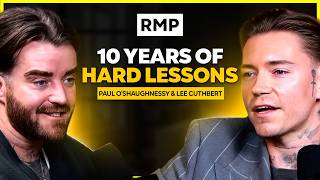
Paul and Lee founded MAP Talent, a Sydney recruitment agency, after Paul recovered from addiction following a failed football career. Over ten years they built to $10-20 million revenue with 90 contractors, survived a cash crisis by building their own payroll system in hours, and shifted from contract to permanent hiring as markets changed.
Chapters
Good thing about Sydney is, is if you do well, it can spread really quickly. If you do bad, the opposite to that happens, you've got a bad reputation. So we've maintained our values, we've maintained our authenticity, and we've maintained our delivery.
At the time, I was like, I'd done a lot of sales, but I didn't have a degree. I think at the time, like, you needed a degree to get into recruitment, and I didn't have that.
3 months into it, I decided I'm done now, done with that, because I'll never achieve my goals. So I'm solid as a founder and I'm a servant leader. You've been in my office. Don't work for me, we work together. We look at the journey of that individual. You know, that's our value system. It's like, where are you going with it? Get to know them on a personal level. I think hooks that came over here with that esprit mentality, they're out of the game. They're not even here, you know? But at the same time, you can't be laid back because you miss the opportunity. We don't overexert ourselves. We just go and build those relationships. We do our thing. It's long game, long game. Anybody that's been decent at football in England, you're 7, 8 years old, you know, you have this dream of being a professional footballer. I ended up doing a YTS, signing professional terms, making my debut at something like 19, 20, and then I had 3 successful seasons as a pro.
Lee, Paul, welcome to the pod.
Thank you, mate.
Thank you, mate.
Thanks for joining me. Obviously, you've been kind enough to host me in your office this week. It's really appreciated. So been getting to know you boys, have got to know you guys as well as we've been working together. But what we're here to do today is really unpack this journey that you've both been on, uh, which really involves the MAP journey and building this business. So a couple of things that we're really hoping to cover in this conversation is, one, how you guys even ended up working together and how we got to that point. Because I think that really sets the scene of then how you've gone on to, to build a business, what's really important to you, values, culture, all those bits. Uh, and then we're then going to really go into, which is nearly a decade now, this, this journey with the business, on what we believe you guys have done well that have resulted in you guys building a really solid, successful business, um, over the last 10 years. Because there's a few things that you guys have done very intentionally and very well that we're going to go into, like being project focused, these types of bits. So just to give everyone a bit of context about the MAP Talent journey, obviously nearly 10 years now. Um, in terms of where the, the business is today, let me know if I get any of this wrong, but, um, team of 10 currently. So obviously, Paul, you started the— did you start the business with your brother? I was gonna ask you this, or no?
No, it was me.
Yeah, so Paul, you started the business. Obviously Lee was pretty much one of the, the first hires. Yeah, I think that's why I was really excited to sit down with you guys because you always hear about the story of like, we had this person who's been with us for however long. So for the first time, I'm sitting down with the person that started the business, and then one of the people that very early on joined the journey has been part of that journey ever since, because you're now obviously a director and shareholder in the business as well, which is really cool. Um, yeah, finance manager, operations manager, um, you've got Alex Roberts who's also a director, and then you've got the rest of the team in a sort of billing role.
That's right.
Obviously you've had to be sort of agile over the last year or so in terms of how much perm business that you've done, but typically fair to say that you guys are a contract-focused recruitment business, right? So, um, I think obviously we were just talking, um, before this, but you know, going into towards the end of this financial year where we should be, um, around the £20 million revenue mark, um, and then that the contract book at its peak never quite broke 100 contractors but have been in around the 90s mark, um, and really looking to— as the— actually, no, sorry, revenue-wise, 10 million.
Yeah, I was going to say, like, yeah, take that.
Sorry, sorry.
Yeah, so we were 20 million.
Yeah, you were. Sorry. Yeah, obviously in the first couple of years and then obviously the COVID boom period. But yeah, tracking revenue-wise, 10 million. Yeah, perm 60%, 40% contract currently over the last 12 months is sort of where we're at.
That's right.
Sorry for that. So It's all good. I guess where we wanted to start was obviously, Paul, getting to know you. I think I said to you tonight that since being in the office, uh, the— I will hear at least maybe up to like 5 football analogies a day, and I actually really rate them. Like, when you, when you've said the couple to me, it like, it just helps you like understand the things that are being said. So I've really enjoyed it.
But that's all I've got.
But there's a reason for that. So let's sort of start there because I don't know how many other friends that you have in recruitment that also played professional sports, but that like, it is a very— it can be a very common path. Uh, like I've met a lot of and interviewed a lot of football players, some that maybe say they're better than they was, but some people that were professional in the game, um, or got to semi-pro or got to like a really solid level where they were convinced and it was really their main goal to become a footballer. That didn't end up playing out and then found themselves in recruitment in, in different ways. So do you want to talk to us a bit about your journey? Because I've got here, which is really cool to say, that, you know, you played 50 or so, uh, League One, League Two games. You signed for, uh, played for Bury Football Club for, it wasn't like nearly 5 years, son, as a, as a young lad. Um, I've got here, I'm sure I saw your picture on LinkedIn with the, the— I think you, you put it on there like the best match I've ever played. That's a proper naughty picture. It's a picture of you and there you've got Rio Ferdinand, Ryan Giggs, some heavy hitters. Yeah, some heavy hitters. But I've just got here, played with, against Rooney. I think you said to me yesterday, Nugent. I think that's right. Is that the striker?
Yeah, he ended up playing for England, didn't he? Yeah, did well in the Prem.
So talk to us a bit about this sort of, this football journey that then led to you having a really, you know, we were talking about this earlier, uh, that led to you hitting a rock bottom moment. And then from there you then ended up, you know, joining the recruitment industry. So talk to us a bit about this football journey that then led to that, and we'll get into then how that led to you and enter an industry.
Sure, mate. Anybody that's been decent at football in England, like you're 7, 8 years old, you know, you have this dream of being a professional footballer, um, and everybody's tuned into that, as your parents are, your family are, you know, and certainly you are as an individual. And, um, if you actually look behind the stats, I think it's 0.01% actually go through and make it and sign a professional contract. And I think it's less than that in terms of playing the games that I played. And, you know, you just don't realize that, but everywhere, you know, that is your identity essentially from being a young person. What's really interesting is, mate, is like every time that you're 8, 9, 10, going up the levels, you're kind of the best in class, you know. So you're the best in class, your ego kind of like gets inflated. It did for me anyway. Your ego is inflated, um, you know, your family keep your feet on the ground, obviously, and they did with me. But I think your identity just becomes a footballer, and I've only realized that now on reflection. So my journey was essentially Man City, picked up by Man City. Um, and then when I was around 16, realized that I'm probably not going to be— there's a pathway here for me. And my dad and me consulted.
Okay. And, um, football agent.
Football agent. Yeah, he was always a great mentor. And he, um, he's a Bury fan, and we were both Bury fans. And, um, I signed for Bury over Man City, and we were both in the Championship. That's how long ago it was. So I ended up signing when I was 16, when I finished school, and I thought, well, this is my journey, realizing that it's going to be a hard graft. And, um, I ended up doing a YTS, signing professional terms, making my debut at something like 19, 20, and then I had 3 successful seasons as a, as a pro.
What's YTS?
Sorry, Youth Training Scheme. They've changed it now to like, I don't know what it is really.
I think, is that something you hear people are signed as an apprentice or something? Is it like or no?
Yeah, yeah. So even the Class of '92, so we all relate to that, like they were YTSs, right? So the system used to be you'd be on $50 or £50— I'm speaking in Australian dollars— £50 a week, and you do all the boots, you put the gear out, but you're playing the youth team, and then you hopefully try and get that pro contract. And I did. I was like one, no, two out of us in, um, out of 10 people. We got selected for that. Brilliant. Next one, you know. And then I made my professional debut, had a great debüt. And, um, yeah, brought my way into the first team, and I was in and out, in and out, and then I got a really good run at it. And what was pretty interesting about my journey is that you don't normally get to that level and play 50-odd games and then it ends. And that's what happened, you know. So I got injured around Christmas time. I got, um, I got promised a pro contract, went into the office as you do, spoke to my dad the agent outside. I'm like, I've got a 3-year contract here. And the reason why I wanted to go and do that is because I needed to get a property. So I was like 24 at the time, and I put pen to paper on an apartment just outside of Bury. And then I found myself not getting back into the team. So I kept going to the gaffer at the time, you know, I'm still getting a contract. Yeah, yeah, no problem. And, um, came to the latter part of the season, and I just went into the office with my dad as well because he did do that side for it. And we both went in, we just got the biggest— well, I did the biggest kick in the teeth in life. It's like, the contract isn't there, we've, you know, we're in money troubles and, uh, we can't offer it to you.
Really?
And I was— and I just played 3 games in a bounce, got another match at home, you know, I was back in—
she's on a high.
Yeah, he's on a high. And it was just like, wow. And it was just— now I feel it, I can feel it emotionally now, and I've kind of like let that go. The hurt's gone. But at the time It was crushing. And I just remember going home to my dad and my mum in the house, and I would just cry my eyes out for like days.
Because if I spoke to you then, it would— like, there'd be nothing else in your head around like, yeah, like, I'm a football player, I'm a professional football player, mate.
That was it. I mean, I mean, look, I was living the life, and you don't realize that you're doing 2 hours a day. I wasn't at the elite level, the Prem level, but I was playing for my hometown, I was playing in front of a crowd, like One minute, in fact, we played Hull City. I think we played Hull City, uh, away at Hull City's ground. It's beautiful ground in front of 20,000 a month before, and the next I'm out of contracts. Like, it's wild.
I mean, that is just how cutthroat it is, isn't it? And I'm sure you're, you know, you've got a son now, right? So like, that's— I'm sure you're aware of that now, right, in terms of like when you're like, what you're going to be exposed to in the game, which a lot of people love so much. But I've always, like, I love watching sport documentaries and these sorts of things, and there's been a couple of things that I've seen where that academy— I know you wasn't academy, but like, you can see how ruthless it is, do you know what I mean? And there's a lot of emotions wrapped up in it. Um, so what, what happened from that point? Because I think that, that's going to be a tough pill for— I think everyone can sort of relate to, like, that must have been a real tough pill to swallow. Well, if I spoke to you, like, maybe when the dust had settled and I spoke to you in that period, would you have said to me that, yeah, I'm, you know, I'm just gonna get straight back onto it, like, you know, I'm just gonna keep training, I'm gonna join another team?
Yeah.
Was that the sort of mentality for a while?
Definitely. So right at the beginning was like, right, okay, what do I do? Um, there was no email back then, or I didn't think there were. Anyways, that's how long ago it was. So we wrote off. It's funny because like I got an agent tap me on the shoulder 6 months before, and I was like, nah, I'm sweet around me, Dad. Nah, nah, we don't need him. And then And, um, you know what, like, I look back at it now and we'll go into that, but it was, it was an absolute blessing that all that happened, um, and it shapes who I am now. So we've got— we'll go into that. But, um, at the time, mate, my reaction was, let's, let's make it happen. So I rang— I wrote off to clubs. Carlisle came back, Shrewsbury came back, but I just got the mortgage. It was like, how do I manage this? And then, um I was like, well, I'll just play non-league for a bit, you know, get good money, and then just go down a different, different path. And it all happened really quickly and organically. But then I started to— at that point, now I can reflect back— I started to go into a depression state because, like, people are bumping into what happened at Bury, you know, my family. Oh, what happened there? You feel like you failed.
I can so imagine that, you know what I mean?
So you've gone through all of that and it's like crushing, but there was no awareness about it back then. So like, I'll just put a smile on my face, yeah, it'd be fine, be fine, you know, like, don't worry about it. But deep, deep down inside, I was crushed. Um, and just the option wasn't there, so I played a bit of non-league, and then I thought, you know, I've been really disciplined, you know, back then the culture was you still have a drink at a weekend, but I've been really disciplined, never went out with, with my friends, they were doing different things, and I just thought, well you know, it's come to nothing, so I might as well just go and, yeah, say yes to the stuff that you always say no to. Yeah, so it was like that was the option. So then I was going out every weekend more, I was drinking a bit more, and because I'm in that depressed state, obviously the drink makes you feel good for that period. So it kind of like unraveled that way and tried non-league, but the passion wasn't there, Hishem. The passion wasn't there, like, because I represented Bury, they were my team. All I wanted to really do was play for Bury or United. I wasn't good enough for United, so my next option was Bury, you know. So that was it.
And then how— and then that, that period went on for like 18 months or so, or like a year? 18 months was it, in terms of like you just found yourself in this loop and built different habits, right? Which did involve work, going out, drink. It was— it was— that just ended up happening, basically. That ended up being your life.
Definitely, mate. So like, you forget on the football side of things, you're in this bubble. And when you— it's only until you step out of it full time. It's like being in the recruitment office. You've got your culture, you've got your people that you rely on, your mates. Like, you've got, you've got nothing then. So I'm in this little flat on my own. Where's the social scene? Social scene's out. Drinking, you know, going, get— doing what my friends were doing. So all my discipline went out the window as a professional, and that was it. I just went down a bit of a rabbit hole and, uh, Yeah, it's something— it's a real dark place.
And then just talk to us a bit about— because it sounds like from hearing all of this, obviously had a good relationship with your parents, always, it sounded like.
Always, yeah.
So then it just came to a point— because this is what then catapulted you into finding yourself randomly basically falling into recruitment, right? So I think you shared with me, right, that it did— they just came to a point where your mom and dad were worried about you. Um, and they ended up just basically coming around your house and just basically giving you that, that kick, that urge to be like, mate, like, you need to sort it out. Encouraged you to go for a run. Just tell us a bit about that, because that then ended up being a bit of a domino effect, didn't it?
Oh, 100%, mate. So like, that dark place had resulted in going out Thursday, Friday, Saturday, Sunday, and then someone introduced me to something that I thought I'd never do. Um, and yeah, I took, took, you know whatever I did. And, um, it— that was— when I look back and the person that I am today, it's hard to talk about it, but that's essentially the choice that I made at the time because I wasn't— I was medicated, I was self-medicating. So yeah, it took my mum. And so I thought I was like this good guy, you know, party animal, you know, everybody come around to my house. And that flat that I had was wrecked, it was wrecked. And I used to close the windows and I was in and out of drugs. I couldn't really pay for it, I wrapped myself into debt. That's how deep it got. And it took my mum to knock on the window and like, let me in, let me in. I didn't want to let her in. It was one of those where you've got the duvet over your head. That's embarrassing. Yeah, I was, you know, I'm not afraid to say it now, but I was like suicidal thoughts, you know. So it— I'd never do it because my family and my faith, um, and it, you know, that's where I was. So I can always empathize with people that have been into that zone because I was there. And if it wasn't for my family, it wasn't for my faith, God knows where I'd be now. So it was like, that, that was real. Um, I'm getting pretty emotional talking about it now, but that's, that's the state I was in. And my mum, God bless her, she banged on my window. She's like, get up, get off! I came out, I was like, what's wrong, Mum? She come in and she took one place, one look at the place, it was wrecked. What on earth are you doing? And she's a strong lady, and, um, and so is my wife now. And my dad always said, like, behind every good man's a you know, a better woman. And I, I truly, you know, believe that. And, um, so she said— these were the words to me— 'Go for a run.' And I was like, 'Right.' I had not run because I've not done the football thing. The non-league had stopped. And I just ran. It's like a scene out of Forrest Gump. I just run. And I probably ran to Aldo and ran all the way around. And I just— I didn't stop, to the point where she was worried. She rang me on the mobile. 'What are you doing?' I'm just running, Mom. And it was funny because in that moment I was like, 'Right, this has got to end.' and she was right. She knew what I needed, and I got the endorphins going, and I've been running ever since.
Yeah, well, we was talking about— we was talking about that, weren't we? Yeah, just like, if— like, yeah, I think a lot of people would relate to that. They'd sort of keep that gym habit, gym habit, run habit more. Obviously there's health benefits, but it's like more for their mental.
Yeah.
And I do think, obviously we're talking about how popular running's got— it's always been popular, but it feels like there's been a real surge. Yeah. And I do think, yeah, how do you feel after a really solid workout, you've left it all in the gym. Yeah, I think, you know, it's going to be some endorphins, feel good. But I think a lot of people can agree it's that what happens to your mind when, when you run, even when you are running, do you know what I mean? Just things come up and you start thinking about things.
Yeah, especially when you've been an athlete. So I wanted to tell— well, we weren't going to go here with this, and you kind of like prized it, and she was like, you should say it because you're going to help people. And I was like, yeah. And 2 weeks ago, it's funny how these things eventuate, I caught up with an ex-football mentor of mine who played at Bury, Lee Unsworth, and he'd been at the Man United Academy for 17 years. And I told him over coffee because he hadn't seen me for that long. He had no idea that I went down that dark route. He's just seen me on social media with the guy that I am now, and he said, you need to tell people about it, mate. I was like, really? Like, you know what to go— he said, no, you need to. And he'd done a master's in elite performance, and he said to me, you had an identity crisis. Like, it's basically called athlete identity crisis. I didn't realize that. I do now, and I, and I've self-reflected over that over time. But yeah, going back to my mum going for a run, so that was like the moment of where I'm— and I'm lit. I can think about it now. I've kind of like— it's that far in the past, 20 years ago. But when I was running, I had this vision of, all right, I'm gonna get back on the horse here. I'm not— I've got something inside of me, I'm gonna do it. And I got back and my mum said, right, are you gonna pay for this place? And I literally opened the paper I was like, I don't know, let's check with the jobs, because that's how it was. And in there he said, he said, uh, £20 an hour or £10, I can't quite remember, um, telesales job. I was like, rang it up, this guy answered, he's like, yeah, yeah, come in, we're in Manchester, dead shark interview. I was like, right, Mum, there's the first one. So, uh, she goes, well, what are you gonna go and get dressed in? So I, uh, I've got to put a bit of weight on back then, so my suit weren't fitting me. So bless her, because I didn't have much money, uh, she went and bought me a suit from Burton's, we've got all that. So when I got all my suit on and went to Manchester for this interview, and I got there early because I was really giddy, I had a big— like, I still remember it now— I've had a big like a Starbucks and just sipping there, and in the corner of my eye was the word recruitment on a— like in a shop, you know. I don't know whether they do it now back home, but don't do it here. It's in the High Street. I thought, oh, got an hour and a half to spare, I'll just gonna see if they've got any jobs. So I finished the thing, I go in, and as luck would have it, a bit of fate, the operations manager— or the, I just think the general manager— was getting some water. And I said, hey, like, you got any jobs? And she went, what'd you do? I'm like, oh, I'm an ex-footballer, blah blah blah. And she went, come in. So she sat me down, and this is why I'll always have full respect for recruiters. Anybody that's on your channel, like, she put me on the path to where I am now because she qualified me there. And then she was like, okay, what do you do? What, what have you done? And she could see I was motivated, I had a bit of hunger about me again. And, you know, I was quite open with her. I said, I've gone down a bit of a dark route and stuff. She went, yeah, we all do. And I was like, brilliant. She's like, listen, I said, I might have a job for you.
She went, what?
She went, have you ever thought about recruitment? I was like And then I'd only thought about recruitment because my mate Kieran, who I went to school with, he was a, um, a student, and, um, we always used to bail him out, or people did, um, bail him out for drinks. And in 12 months, he rocked into like a pub car park in a Porsche of working for Progressive. So that was the only thing I thought, oh, recruitment must be good. So she said, have you got a degree? I said, I haven't, because I've been to football and you kind of need a degree back then. I don't know what it's like now, like I say, but, um She literally called on a speaker, she called Rulion Tech, which was in Sale, a guy called Gaz Jones. And I think you know Joey Marks, two great guys. She called them and went, I think I've got your next hire. And then I'm on the speaker having a chat to Gaz, and he goes, um, what'd you do? And I went, oh, an ex-professional footballer, like I've lost my way a little bit, I need to— and I think you like that authenticity. He went, well, I'm an ex-rugby foot, um, pro, and I lost my way. And, um, I'll tell you all about it. Next thing, I'm having a meeting with him, and he told me, he's like, listen, mate, I said the same thing that absolutely happened to me. And, um, I was like, really? And he's there in his suit, and he's all jacked, and I'm like, well, this guy's cool, man. And he, and he said, I was on a park bench for 2 months through drinking.
Wow.
Um, I was like And he said, look, this is my life. Told me about what he'd done, how he's achieved it. So it's that first mentor figure, and I was like, I'll do anything for you, mate. I'd do anything, you know. And, um, they managed to hire me and, um, gave you a chance. Give me a chance, mate. And it was all through that, that, that, that journey of just going in there. And I never turned up for the telesales. And, um, when I got that, that was my first chance of getting back onto life. So Um, they are really grateful for that.
And then you end up staying there for like 3 years, right? This was around about 2 and a half, 2, 2 to 3 years.
Yeah.
And then basically then ended up taking your life to, to Sydney, basically.
Well, you know, when you're in that peer circle in Manchester, it was like I'd work for under Jody, who's a fantastic mentor, and you get allocated certain divisions that you're going to be on. So mine was projects. Never knew anything about recruitment at all. And, uh, I've got so much respect for him because I didn't even know how to turn a computer on. He goes, turn the computer on. I was like, all right. And I'm typing away, and he stuck with me. And it's like, but what I liked about is the dynamic of it all. It reminded me a bit of sport because you've got leagues, you've got things. And I'm like, right. And in the market that we're in, which Leo will explain later, I'm sure in projects, it isn't niche. So you can't like double down on, on lists and have your same products. It's like you've got to understand personality. So it takes a little bit longer. Jody understood that, um, and but what I could do and influence was the hot leads. So someone said that the company targeted 92 hot leads, hot leads, perm hot leads. I did 96 in a week and I was all right. I've got something here. And they, they— and so I did really well for them. But that peer group, I was telling you, like, the peer group in, in Barry didn't change. So what I'd do is I'd, I'd limited it, but I'd still go out a little bit. And then they must have thought, what's wrong with this guy? Like, he's on form, pulling 96 leads, and the next he's, you know, as we've probably all done, like, you know, he's not, not the best. And, um, and then that whole identity piece still come through. So even though I was kind of getting a taste of it it was like, I'm still the lad from Barry the footballer, not the recruiter. And again, it's only self-reflection over time now. I understand that, but at the time I didn't quite get that. And I broke down on the motorway. And this is— it's all about chances. I believe in fate. I believe in, in God. That's my, my faith. And I broke down on the motorway. You've been on— your parents are from— your mum's from Manchester. Yeah, obviously Leeds there. Um, M60. Okay, packed out, broke down in this clapped-out car that I managed to buy. And, um, my mate who was an electrician from back from Bury, he rang me up at that point. He went, mate, you need to come to Sydney, like Manly. I'm living in Manly, it's amazing. I was like, yeah, I'll have some of that right now. The windscreen wipers are going. And, um, they told me back to the office, and as I went into my office that day, I got an e— like a EDM, like a direct mail saying recruiters come to Sydney by a rec to rec called Robin. He was based over here at the time, he's gone back to England. And I sent my CV that night. I was like, that's the sign. I needed to go. I need, I need, I need to break away from the change of environment. I love, I love those guys and I'll always love them. Like, we're not close now, but like, they're my mates. But I needed to change my environment. I needed a fresh start. And then next thing I'm in I'm in Sydney.
You're in Sydney?
Yeah.
And then basically, because Leo, I want to hear about how you guys met, because I think that really sets the scene. Because basically then what you ended up doing is becoming Million Dollar Biller 3 years in a row.
Yeah.
Obviously with big goals where that, that whole business, the plan was to sort of sell that business. That didn't quite end up— that didn't end up quite happening, even though like you said to me, 89% of their contract book was, was the contract book that you built over the, over the years. So that was always the plan. But then that business actually went into administration, and then this is then where, you know, by this point there would have been a lot of resilience that we'd have gone through, right? And that sort of kick-started the MAP Talent journey.
Yeah.
And I think I've got here, you know, for, for you, it was really important that you really built this business on the right culture. You wanted to do it differently, values first from day one. And I think all of that just sort of sets the scene really, which is why, like, I really appreciate you sharing it, because I think it's always great. People love a comeback story, don't they? And I think you, you did a lot of things, even though there was fate and chances. I'm a big believer that you, you got yourself there, or you, you gave yourself an opportunity to receive. That is sort of how I see it. But Lee, then you, you met Paul. Like, talk to us a bit about that, because I feel like you was on your own journey, and because of what Paul went through, he was probably well positioned to, you know, act as a really great mentor who you've then ended up spending a lot of time with over nearly the, the last decade. Yeah. So talk to us about, about when you guys met, and then we'll get into this business journey.
Yeah, well, so where do I start? 10 years ago, um, I, yeah, I was in recruitment in Manchester. I got into recruitment because my, uh, at the time I was doing telesales. It's pretty good doing that for 4 years.
I nearly did that.
Yeah, nearly. And then, um, It was a good job at the time, and I made a choice to go to Ibiza for a season. Most people want to do that, and, um, it's a bit of a risk at the time because I was doing quite well in my job, and no one— none of my mates had done like the overseas, working abroad and stuff like that. So I did that, and that was kind of like, for me, like a big moment. Like, I took a bit of a risk, and, you know, that experience of me going to Ibiza, like, as much as it was fun partying and stuff like that, it's just Yeah, it made me realize that I don't want to stay in Manchester. So I got back and my cousin was like, he's getting to recruitment. I was like, I've heard about it, but I've heard it's just like, it's tough. Like, you know, you're selling people, like they change their mind, you know, all that kind of stuff. So I was a bit reluctant at first, and but she was making so much money doing it, and she was only like 2 years into her career. I was like, right, all right. So ended up getting a job with a company called Mint Recruitment at the time, who have since merged with Ecom, part of Interquest Group. Um, and Andy Wadsworth was the guy that hired me in that role. And he, again, like kind of similar to Paul, I think he saw at the time I was like, I've done a lot of sales but I didn't have a degree. I think at the time like you needed a degree to get into recruitment, and I didn't have that. And he just like sat down with me. The interview was super relaxed, like we had the— was in the Northern Quarter. We went to this like cool little spot in the Northern Quarter, had a little sandwich, and he just started talking to me, just getting to know me. And he's like, right, I think you'd be good. It's all right, sweet. It's all right, coming for like a formal interview. And when I was going to that interview, he He told me, he's like, your interview starts at the concierge downstairs.
Okay.
I was like, that's interesting, he says that. So I'll go to that concierge, start a good chat with the concierge. Frank, still remember him to this day, got to know him. Anyway, long story short, went, went through that interview process, got, got the job, and, um, yeah, just kind of learned recruitment there. Like, I didn't want to go into like a full 360 desk at the time. I wanted to learn it properly. And so I did resourcing. So I did that for like a good few years, um, became really good at it, resourcing, like was consistently billing, um, working across the whole digital and tech team. So I was doing everything, like every IT job that no one really wanted to do. So it was dev, support, which was good because it gave me the foundations to get wide knowledge, you know, in it and tech and whatnot. So, and then at the time I was with my ex-partner and we decided that we wanted to go traveling. Um, that's obviously planned that, but then going into that, I got transitioned onto my own desk and started building that up. So it's kind of like, at the time it was like, fuck, I, I don't want to like put so much investment because I know I'm going to be moving, but obviously I still wanted to learn and I wanted to develop the skills anyway. So we, yeah, Got to that point, um, yeah, told them that I was leaving, obviously going to Australia. And my CV got passed through a friend of mine who was Paul's best friend. They'd worked together at a previous company, so my CV went there. And then Paul's brother Luke was with his ex-partner at the time, and we were friends back home because because like Manchester, like the, you know, the party scene in Manchester is quite small. And, uh, and then that's how like how we met. It was like, yeah, just loads of people just pinging Paul saying, who's, who's Lee Cuthbert? You gotta meet him, he's from Manchester. Um, and then I landed in Sydney after 6 months of traveling. It was like 2 months in America, 4 months in Asia, and I was just— I didn't know what time it was. I was just drinking, like just having a good time. And I landed in Sydney. I had no money, I had no clothes pretty much, and he goes, come in for a chat. I was like, yeah, all right, sound. So I thought, I thought it was just casual. So I rocked up and I was like, I think I was in like a bing tang singlet. Everyone gets one when they go. Yeah, it's like a bing tang singlet, right? And I'd always been into like training and stuff, but like I got a little bit of a beer belly in that, so I wasn't looking my best either. So and I brought me— I brought me missus with me. So we were new to Sydney, so I was like, I was on this little adventure, and I was like, um, yeah, I was like, right, let's come and have a chat anyway. So my girlfriend sat there, uh, at the time, my ex, and we're just having a chat, and I was just super honest. Like, that's— I think that's one of the things that, you know, once we go into it, how I got hired and stuff, um, was me just being super authentic. And he was like, well, what do you want? And I was like I'm like, do you know what, I'm not, I'm not sure. Like, you know, like, I'm not sure if I want to do this or I want to like pivot off and go into barbering. It's like, barbering, my boys. But it's during that time when barbering started to like, you know, kind of peak out and it got really popular. And, um, yeah, we just, we had, we decided at that moment like probably wasn't the right fit because I just wasn't like, I wasn't committed. And they like, Paul had just started it and he needed someone that was just going to come in and like I was fully committed into it. And then the, the interview finished and we had to walk up to the coffee shop, didn't we? Yeah, I still remember it to this day. And we just started again, it was just real casual chatting. And yeah, he just, I think he could just probably see something in me, but probably quite similar to him really. And then, um, anyway, we just said, look, we'll keep in touch. Anyway, I didn't go down the barber route. Because it's too difficult. And I jumped back into recruitment and I went and got a job with a different agency. And so funny, so it gets in there. I was, I think I was only there for about a month and a half before I moved across. But the first month I was like, right, I know I've built up good skill because I know I was trained well in the UK, how to qualify, how to be de, wasn't shy of that. Um, and I got put on mobile dev market and I'd not really done that market before, so I was obviously building out, getting to know it. Pulled a load of pipe in that first month and had about 80 grand's worth of deals on interview progressing, and it all just crumbled. Literally just crumbled. So I reached out to Paul, I was like, mate, you need to help me. Like, you know what I mean?
Literally, like, literally, it's like, I was like, mate, you need to help me.
I was like, I got all this pipeline, I've got loads of it. It's like, it's just all crumbled, it's all fell apart. He's like, he starts laughing, he goes like, come come and have a chat. Um, anyway, I went back in, we had another chat, and, um, he could probably see like I'm— like the characteristics that I had then, obviously not, not the complete article, but passionate, you know, super honest and authentic.
Yeah.
Um, and those values really resonate with Paul. He's like, okay, I'm gonna— let's hire you. Like, you want to come across?
And well, the intention wasn't to hire you, was it? It was like, oh, I got a whiteboard out and I went, right, this is where you're probably going wrong because I'm really process-driven when it comes to the recruitment cycle. And, um, I thought, I'll just help him out. So come in. And how many recruiters would, like, if they wanted a job with you— and it's clear that because you've not told the part where you were just ringing me every day for a bit.
Yeah, yeah, during that time, I'm all right. It was funny because I had quite a large friend group here when I arrived, like, from Manchester, and like when I was telling them like what I was doing, and at the time the company I worked for was predominantly like Australian-based people that worked there, and they were all of them like, nah, go and work for the Manchester lads to look after you. Like, you need people to look after you when you're here because you are essentially on your own. You don't have any family or support or anything like that. So that kind of stuck in my mind. And yeah, I just, I kept, I kept ringing him.
I was like, um, hey, he just kept ringing. And I thought, all right, yeah. And then you met up with Luke, didn't you, my brother? Um, and he was like, yeah, he's not a bad guy, you know, because that first initial meeting that we had, I was expecting like a really good person to turn up and go, right, yeah, let's, let's go, you know, let's— and obviously his mindset wasn't quite right. And then I did see something, and you're right, I saw something in— I was going to that coffee shop, I was like, there's something I like about this guy. And then he kept, kept ringing me, and, um, because I was like, go and, go and get your experience, and then maybe we'll have a chat. But how many, how many people would have come to me in, you know, in recruitment and gone I'm smashing it, you know. And that— and the difference was he went, I'm smashing the BD, I'm getting it all there, but it's all crumbling, right?
So we're not going wrong.
We got on the, on the whiteboard, we mapped it out, and in my brain I'm going, he's got passion, he wants to learn, and he's honest. I can work with that. And then there was no intention at all to hire him because I thought, well, you know, let someone else make that investment at the time. To be totally honest, I would have needed—
I would have needed sponsorship.
You would have needed sponsorship at the time. And I just said right there and then, I liked how he was mapping it out and how we were working together. I went, you're hired. I went back to Luca, I went, I've hired him. What you did? I was like, no. And then, like, really? Here we are. Yeah, yeah. And it was, it was the best decision I've made so far.
So yeah, that's class.
Thank you.
So that's, so that's nearly 10 years on. So let, let's get into some of the bits that you guys have really sort of prided yourselves on, really, in, in, in the long run. So Paul, let me, let me come to you on this, cuz you, you've, you mentioned it when you started working with Jody, but would you mind just sharing with us, like, when you say projects, like, what, what do you mean by that? Because I know that's really what you guys have really built, like, that, that's what you do. So, like, I just want to make sure that we're all on the same page here. So when you say that, yeah, we just do projects, it's not like niche-focused. Yeah, just, just explain to us what you mean.
Lee and I do that, and then we built an agency that go in vertical markets. So we've got SMEs now in data engineering, software design, software development, all that kind of stuff. And, um, But projects is essentially anything to do with like a big project lifecycle. So for that, you need big clients, really. You don't want to be doing spot business with smaller businesses that are doing BAs here or a project or a product owner there. You need the big players in town. So our whole strategy from the get-go, because we specialized in that, is to try and get onto major PSAs. And as anybody knows in the game, it's really, really difficult to do, especially when you've got no brand. You know. So, um, but we've managed to do it. We've managed to do it. We work with major blue chips. So the market is, is essentially project managers, BAs, program managers, transformation managers, like the key decision makers when it comes to delivering projects into businesses. That's what we, right, Lee and I do.
It's all project— yeah, so it's all project-led, not like skill set-led. It's all that. Yeah, yeah.
Um, and I did that, like, that's all I've ever done. You know, so it's all, all project-based. And, um, when I work for the other company, Apex, had some great, great times there. It was just in the end it wasn't managed right. So here's a good, good thing about resilience, right? So like, they knew pretty quickly like, this guy's good, so they locked me into an equity deal, which was like brilliant, you know, 5% over 5 years. I was 4 and a half years in and we got the business evaluated and I was set to make anything from $750,000 to $1 million based on that valuation. I went back to England, told everybody I made it, and I came back and the director at the time brought me into a room. And there's no bad blood there because he ran his business how he ran it, um, and it was a blessing in the end. But he told me that we've run into a bit of trouble. Don't worry, we're sorting it out. I was like, what do you mean? Like, on the face of it, we'd grown this business from 4 to like 40 staff. And, uh, I was like, well, you know, selfishly, you know, what about my percentage in my head and stuff? And then, oh, hopefully we get it all right. 2 weeks later, we'd— well, first of all, we got an offer, an early offer, um, which would have made me something like half a million. That got pulled on a Monday. So talk about dropout. So when on a Friday we got— I was like, yeah, you know, on the Monday it was over. So I'll never get concerned about any more candidate dropouts ever again. And, um, and then we went into administration. So I was like, I couldn't believe it, like, in 2 weeks. But the, the story I told you about before, the depth of where I was, I built up the tools to kind of like navigate across that. The immediate reaction from— and I hope people that resonate who, who need to hear this— is like, if you're going through a darker period, good. It's brilliant for you as long as you, you know, come out of the other side, but you built the tools and you make the right decisions. So my immediate reaction to that, you'd think, well, fr— because they got the best years out of me. I had no kids, I'd work sometimes. I used to come out of the office, my wife said, I used to come out of the office like 3, 3 AM. I used to do that when I used to go out. I was doing that on like a Friday night to get a tender in to win businesses. Like, I was going, I was working on Sundays and You didn't really have the remote thing, you know. I was in, like, it's all in. But still though, I managed to take that defeat and essentially it didn't lead to anything. That's the risk you play, to go immediately, boom, I'm going, I'm doing what I'm doing. So, and it's all from that experience of football.
And, uh, just, just to, um, in terms of the project piece later, when I'm coming to you on this, like, just out of interest, you're saying obviously what it does mean with that approach is that you have to land like big companies. What, what would you say, like, with what you've experienced, typically how long has it ended up— how long can it normally take for you to like really land that big target client, typically with this approach? You know what I mean? There's not going to be like a set amount, but I'm just curious because I think that paints a bit of a picture on actually how committed and long-term you've got to be. Like, typically how long can it take?
It— a long time. Um, each, each case that we've had has been different. But, you know, anything from 1 to 3 years to then right up to now, like 9 years of just tapping away in the right way. The thing is with our market, and it's, it's cliché, I, I think with Australia, like every, you know, marketing recruitment is relationship driven, but in Australia there's so much emphasis on that and course you can get quick wins, but to really land those big accounts and those big programs, it takes a lot of time, like embedding yourselves into those relationships. And typically, like, where we've been able to really land those big accounts is the networks that we have of placing people over the years, giving them a great service, putting them on the right path, going into these head of roles. Picking up the work and then signing the customers up.
Yeah, so it really can take that long.
Yeah, it's not like, um, if you get like a data engineer right now with AI straight in. Yeah, it's not like that, but you're doing more spot. That's— it's like long-term, what is your big programs of work? It's like when we do a merger and acquisition, two companies coming together. Yeah, that's like Champions League stuff to us. It's like, wow, you know, we got— and then we just, we know what to do. We know all the networks. It's like we save millions of dollars for businesses because we're doing it at recruitment rates, not consulting rates. We get in there and, um, but you got to know all the personalities as well, right? That's the difficulty about our role is like you sometimes might need a captain to be like a more of an enforcer because the project's in red. Then you might need a collaborator, and you can't really get that from a CV, can you? You've got to do it, you know, win the personalities.
Depends on the stakeholders that are involved. So it's, it delivery is a style. You can't read that from a resume, you just can't. Like, it's not like a developer where you read the tech skills, all right, cool, go through the qualification. But with projects, it's a style, and not all styles will, will match. And that's where the intricacy comes with the project.
And then out of interest then, Lee, just curious, it just popped into my head, like, if I look at one of your big clients that you've ended up having, you know, 10+ contractors with, or you did do a program, or um, supported them with a project. Like, how many sort of points of contact do you think you would have had to get to that point, if that makes sense? Like, because I think that might be helpful. Like, because you always hear like mapping the market, mapping the account. Again, there may not be a set number, but like, if I was to look in, like, delve into like one of your accounts when you just— you basically did all the hard work leading up to it, you then got the opportunity to actually work on that project. By that point, how many people do you reckon you might have met might have, you know, had some contact with, you know what I mean? Because there's pro— I can imagine there's, there's a lot of different people that you probably have to get around, speak to. What might that look like, out of interest?
It's in-depth. And what's also interesting about our market is I don't think they're as maybe as active on like your social platforms and stuff like that. So we often find the person that might be heading up the program of work or whatever, that they've not updated the profile. So you have to— you've got to go and do your due diligence, obviously, you know, gathering info, candidates, leads, and stuff like that, the normal stuff. But it's sometimes not even obvious who's heading up the program. And we had it a few years ago where one of the biggest mergers, and the person that was heading it up was like from the legal side wasn't even a delivery person. So I think one of the things that we've been like really big on and strong at is, is actually being able to identify those people. However we do that, obviously different methods and stuff, but, um, in terms of touch points, it can be anything from, you know, 15 upwards.
Really?
I mean, there's been—
it's— but what about the big bank that you got? Like, that took 6 years to close up.
Yeah, 6 years.
How many people do you reckon you met with over those 6 years? Were like maybe involved?
I mean, it'd be hard to say like all up, but over the years, I mean, we're really big on meetings, like client meetings face to face. I think you have to be in Sydney. Um, yeah, it'd be hard to put a number on that, but a lot over that time.
Yeah, that's, that's the— I know that would actually be hard for a lot of people to maintain that when they're like 6 years. That's a long time.
Yeah, well, it's quite, it's quite often like we've, we've had feedback. I mean, I, I I love BD. I get a lot of enjoyment out of that. So does Paul. I think that's why we've been able to scale what we have. And I think, um, it's quite often we'll get some feedback from someone saying, you guys are persistent, like, but in the right way, you know what I mean? Like, we've got good EQ. We can read a situation. It's not like every day we're just hounding, trying to get you, but we'll do it in the right way. I think we've got the right balance of that.
We have got the right balance.
But we're, but we're very persistent because we know we have to push them.
Like, if you, if, if you are aggressive over here, it doesn't work at all.
No.
So you'll probably hear the feedback, it's all relationship-based. Well, recruitment's all relationship-based, you know. I don't— it's more face-to-face relationship-based here. It's a small— you've been into town, it's small, you know. You get to know your network. It's— that's what it is. But if you're— it's a gen— it's a really balanced fine line of pushing too hard, you're out of the game.
Yeah.
I think huxley came over here with that esprit mentality, they're out of the game. They don't— they're not even here. You know, so it's— but at the same time, you can't be laid back because you missed the opportunity. Of course, you know, but one thing that we haven't talked about here is that we deliver. Like, that's the end. I believe the philosophy of recruitment is if you, if you don't deliver, if you don't come first, you know, second place is, is first loser. Yeah, so we get paid on delivery. It's, it's essentially like analogy for you, it's like a striker just getting paid on goals. What are you going to do? You score, you score goals, don't you? The, the main thing here though is, and the ethics behind it, is you don't force goals, I'm saying. So it's not like we, we try and make, make jobs. We're actually the opposite. The whole branding of MAP, success is a journey, we create the map. We'll— the people and the relationships that we build, we, we look at the journey of that individual, you know. That's our value system. It's like, where are you going with it? And get to know them on a personal level. So we might not place I've got a client, she's wonderful Irish lady, won't mention any names obviously, but I didn't place her and she's my most loyal customer now. 10 years I've been working with her and I met her for a coffee and I went, this opportunity isn't right for you. Great, you know, brilliant, I needed to hear that. But I'll pick up the phone when, when something is. 2 years later, I've got the perfect opportunity. Are you available? Yeah. Boom, client. That's It's that long game. There's the example. I mean, that's pretty extreme, like 2 years, but it's that long game. Plus we've obviously got to build a business, so we're like, how do we get revenue in all the time? So when we do win these big programs, we've got to deliver, but then we've got to make, make sure that we get the deal amount to make sure that the business is going in the right direction. So it's a tough sport, mate.
Yeah, no, I can imagine. I was gonna say to that, because there's one thing being given the opportunity, but then it's really then about how you maximize that, right? And that's where, you know, you guys have shared to me that on a number of occasions you've got into these big companies, um, onto the PSAs, but then you've then become their number one supplier.
Yeah.
So, you know, there's one thing trying to get in with these big companies, but then it's actually, okay, how do we maximize that? How do we, um, really become that number one supplier? So I guess, Lee, from your perspective What has really like driven that? Is it just— yeah, I don't know, you can tell me like what, what do you— what are the things that have contributed to, to MAP being the number one supplier? Because there could have been— you'll probably be aware of the other companies that are maybe on those PSAs, but what have you done there to make sure that you guys have risen to the top?
Yeah, I think, well, he hit the nail on the head with the delivery. Like, you, you have to deliver. Like, you can, you know, we talk about it's relationship driven. You can build the best relationships in the world, like, get to know them on a personal level, but if you can't deliver, then what are you doing, sort of thing. So I think first and foremost is when we get an opportunity, we capitalize straight away. Like, you get, you know, that first impression to make your mark, um, and then it's, it's really about, like, you know, identifying who the key players are and building those relationships. In the right way. And that's the part that it can't be done quickly. Like, it takes time, like, to get, you know, to get that trust with, you know, with the clients.
Yeah. And doing it all authentically. Yeah. Like, one of our key values— and you'll hear values all the time— we are who we are. It's authentic. It's everything. Like, yeah, that's who we are. So when we meet these— we, we can meet individuals as well. It's rare, but they're like not really vibing. No, it's not a vibe.
We had it, we had it. One of our clients, I've just placed him again actually at one of our customers, and he, he's, he's a character, like ex, ex-chef, right? And he, uh, brilliant, innit? He sat down, like we caught up for him over lunch, and he went, I'll be honest, like I sat down with you guys and I was a little bit unsure, you know what I mean?
We always get, we don't like average recruiter. What does an average recruiter look like?
Yeah, yeah, I know, I know. Is it, um, like we're super authentic, like we'll sit down, we'll just have that chat, but You know, as soon as like we did sit down with him and we went into our qualification with him and then we deliver, he was like, right, I, I'm in. Like, I like you guys.
Yeah, now he's a client. Yeah. So it's like, it's a long game.
And then just, just so understand then, so like, like you were saying, Paul, like, as— because these can be longer cycles, so are we doing— so what we're doing in between, are we doing some per contingent work, or are we doing some ones and twos contractor deals? I don't know, just so I understand that. Like, is it— and then would that be more the typical SME stuff?
Yeah.
So like, look, for the first 5 years, like, I'll be honest, like, we nearly went out of business in the first year. So I was a million-dollar biller every, every year, and I was like, you know, I'll be easy this, no worries. So that I actually saved from commission, the— about around £150,000 to nearly £200,000. So it's basically our house, and then I was going to get my exit. Um, we know that didn't work out, so I said to Michelle, like, should we, should we, let's just go for it. I have to use that. She's like, no problem. And I thought, man, you know, million dollar bill, I'll get that back straight away. It won't work out like that, and you know that. So it's like, it took a long time, so 5 years to kind of get, get to, get to the house situation, because you forget about cash flow, right? So when you're doing projects is you've got to pay out the contractor, and you know, they can be like £1,200 a day or whatever. So that— and I've got to pay myself, you know. How much was I making at the company? I was like on £300, £350 grand a year, you know. So getting that back in that first year nearly went— and also I needed to get into the bigger companies to do my game. So mate, I worked 7 days a week in that first year. It was non-stop. And then Lee joined me and added to that. I remember when we had no clients at all, mate, and we were walking down the street. It was a poignant moment. And he goes, mate, and he looks at me and the sun was shining down his face. I'll never forget it. He goes, but only if they'd listen. We're good, aren't we? I was like, yeah. I was like, we went and got a coffee and we went back in and we're like, right, let's go again. And, um, we ended up opening some massive doors after that. Yeah, yeah.
We, we, during that time, we were on a shared desk in a shared office with other companies there and just like, like grinding out to like 9, 10 at night. And it was, it was like that day we bought out and I was like, if they just listen to us, like, we're good. Like looking up at the light, like, come on, where's the clients?
And it happened though. Then we started like opening bigger doors. Oh yeah, okay, sweet, brilliant. And then again, that delivery piece, all right, mapa valuable, good, looking after the um, the, the journey of a candidate. And the good thing about Sydney is, is if you do well, it can spread really quickly.
Okay.
Yeah. If you do bad, the opposite to that, what happens? You've got a bad reputation. So we've maintained our values, we've maintained our authenticity, and we've maintained our delivery. And I said, like, it's, it's a sweet spot. Yeah. Now we're 10 years in, really solid foundations. You know, I'm solid. I'm 9 years sober. In fact, just over— yeah, when you joined. So, um, and yeah, 3 months, 3 months into it, I decided I'm done now, done with that, because I've never achieved my goals. So I'm solid as a, as a founder, and I'm a servant leader. Um, I just serve everybody. I don't feel like anybody's working. You've been in my office, don't work for me. We work together. We're on it. We're on this journey together. Yeah, that's how you and I have been. It's never been a boss relationship. I've been a good mentor to him. Um, through your own little patch. And, you know, my experience has been out to him, and he'll pass that on to someone else. And that's, that's the beauty of life. But, um, but yeah, it's been a, it's been an epic journey.
And then tell me a bit about, um, because this is then part of the learning experience you have to go on when you are running a business, especially when your project's contract heavy. Talk to me about the, the situation you had to sort out with the payroll. Oh man, is that like a lot of business owners would have to go through this and then you've now really leveled that up, have it in-house? Yeah, so tell us a bit about that because that's always a contract recruiter's worst nightmare.
Well, you see a lot of like founded business, one and two man bands, they're not, they're not really business. Like, I see them as like subcontractor, subcontract. We were like that, you know, shared office, outsourced payroll, you know, all that kind of stuff. You haven't really got the infrastructure bolted down. It's not a proper business. And I don't mean disrespectful in that way. It's, it's—
we were that.
Yeah, we were that. And, um, yeah, and it's, it's like you then build the foundation. I've always said to Lee, brick by brick, brick by brick. Because when I, when I first arrived in Sydney, the GFC kicked in after about a year. So I've been through it. I know what a downturn market looks like. So as a business owner, we were kind of like in a bull market Anyway, I think it got extended. I think that 7-year cycle didn't really happen in Sydney, but the GFC stuck with me, and I knew that a rainy— it's in cycles. So I knew that a rainy day was coming. So I always said to Lee, brick by brick, mate, brick by brick. We don't overexert ourselves, we just go and build those relationships. We do our thing. It's a long game, long game. And, um, we're seeing these other businesses sprout up, you know, go, go a bit bigger, but it's hard not to get sucked in. Like, you got to keep your ego in check and go, no, this is your journey. This is what your value is, and this is how we stick. And, um, in COVID, when COVID happened, um, obviously we thought the whole world was falling apart. As a recruitment business owner, I was like, oh, I'm gonna pay my bills, you know, like, how I'm gonna pay my staff? And, um, the payroll company that we did use, and they were fantastic for 5 years and it served us well, that founder, um, just wanted to remove the— I suppose that we had a like a factoring situation going on where we'd paid a contractor, we'd give all the contracts to them, they held the employment contracts, all that kind of stuff, and they would then pay the contracts and we would pay them 14 days later. So it helped with our cash flow. And because we're loyal as well, we never really looked at that. It wasn't even an issue. Um, we were running one of the biggest mergers in super— in, um, in the industry in insurance sector, and COVID had just kicked in that week.
So how many runners did we have roughly at this?
We had about 100 contractors, okay, and a lot in that account, like 70, 80 in that account. It was just massive. All project managers, 1,500 a day to whatever it was, like massive. And then he said, we've got to pull that option. Um, and I was in my car because the aircon in the house had stopped My wife was online because she's a senior in digital, she's running her team, the kids are running around. So I went in the car, aircon on, I'm taking all these phone calls, mate, like going, I haven't been paid, I've been paid. The contractors, contractors, yeah, I've been paid. I was like, fuck, what do I do? I'm ringing Lee and I'm like, again, it goes back to that dark period. Like, now I'm, I'm so much more resilient, like strategy, blue brain. Okay, how do I do this? I got a phone call off the GM, the transformation. I've got a fancy— oh, what's going on? I'm getting contracts, mate, leave it with me. Like, explain the situation, truthful, honest, authenticity, we always wins, and honesty. This is what the situation is, but I'll sort, I'll sort it. Within 2 and a half hours of the aircon blowing on my face, I've worked out, okay, well, here's the strategy, this is what we do, this is the And then I've rang my accountant, right, how do we get the infrastructure right in our own business? Because we can do this, we've got the cash flow. And within 2 weeks, we paid all the contractors, set our own internal systems up, and the business that runs our payroll to this day. Um, that was, that was, for me, it was like, that was like, okay, whatever gets thrown at me, I've got— I know that I've got that in my locker. And you saw that, and I think you got a lot of respect from that as well.
So it's like Yeah, and then, and then to build, like, that's just you being adaptable there. Like, Lee, talk to me about your— because like we were talking right before this, that you guys have had to be— and even though your, your play is that, that project's focus, obviously at the same time you have had to be adaptable, right, and agile. So like we're saying, when I started this, over the last 12 months there has been a lot more of a sway to perms. So like, what, what's been— how have you got better at that? Because that must be quite— because I'm sure you've managed people or worked with people where you can just sort of stay with the visors on, can't you? And it's just, I guess you've really had to develop those like commercial skills and see opportunities holistically versus like just being laser focused and staying on what you normally stay on. So how, how have you developed that, or how have you got better at that? Because that's, that's, that's been key as well to your guys' success, is being agile and being adaptable.
I think what helps in this, like, Paul and I trained as perm recruiters in the beginning So I didn't do contract recruitment, so I trained that way and the intricacy of perm. So I think the, the benefit of that, although we've scaled the business on projects and transformation, we've been able to develop and train really good perm recruiters. So the team structure that we have, we have got a really good balance of like, obviously some markets generally are just heavier than contracts, um, And I think it just, it really comes down to, um, again, just in really having really solid relationships with the clients that we deal with, but then being adaptable where it's not— we're not just pigeonholed to a sector, you know. We're digital and tech, we can go anywhere. Like, we've, we've scaled product-led businesses, you know, startups. Like, we've been involved in a variety of different businesses. And, and if we look, like, if we strip back our client portfolio right now. Yes, we've got our big blue chips that obviously we do naturally do a lot of work in, and we're constantly bringing in like new clients. Um, and the way that we've structured the, the rest of the team, um, you know, we've picked the markets, you know, we, we strategize this earlier in the day, like where do we, where do we see the growth, where do we want to go to, where do we want to hire into, um, you know. So we've, we've hired really well And I think, yeah, just having that good balance of the team.
Yeah. And with projects, it's CapEx-based, so capital expenditure. So like last 2 years, what's happened in the world, not much being kicked off. It's in defensive mode.
Yeah.
You know, everyone's like playing a defensive game, cutting costs. So Lee and I, obviously that affects us a lot, as in our own billings and what we do and our growth. So it's like, okay, well, what do we get out here? So OpEx is getting a bit more spend. So like, yeah. Perms much better. So we've had to, I suppose, book the trend essentially in our own business. Yeah, to identify those gaps, work on those relationships, get our perm game going. You're right, that's how we originally started. And, um, it just seems to feel like the capex is coming back again. So we have it. We're also— I mean, sorry, mate, how many, like, people have you interviewed? Is like, during that post-COVID, everyone just got lazy. Basics went out of the window, including us. Like, we have to be honest about it. It was like, we were just— we had lots of contractors out, we're having fun times. Fun's really important in an environment, but you lose your skill. And the skill and the art of recruitment— when Lee first came to me with that problem of it all breaking down, I mapped it all out, and that's how we do it. We didn't lose it, but we just lost a bit of focus on that. We brought that back in. Like, we are methodical in what we do. Like, we love fun, we love analogies, we love the motivation, But we get a brief on— he's amazing at it, actually better than me now. I need to get my game back. And, um, just methodical. So I think your ratios for the year— I showed you, because a lot of people can, you know, pull the wool over eyes and speak on a podcast and say, well, you know, I'm this, I'm not— 1.59 to a job is his placement. I showed you that, you know, over, over. And as a business, we're 1.5— no, 1.62 as a whole team. It's unreal, you know. So, and we're working with those point percentages on a job that we bring on because why do we do that? It's not about the deals, honestly, mate. I mean, hopefully you go into that little bit where I've managed to help you and stuff. And Lee had a period where he had his own, his version of rock bottom, right? I was able to help him and mentor him through that. He didn't bill for it for 6 months, like I don't care. As a— we don't care if you don't bill, if you— but we're loyal to you and you've been loyal to us. He's worked his ass off, I'll always be loyal to him. I've got countless situations in my business where if people are working their ass off for me and putting in the effort, I will be loyal to them until the lights go out on that business. That's who I am. Um, and also if they're putting in the effort and not getting the result, as in not getting the deal my view, my personal view, is that's a leadership problem.
Yeah.
Not an individual problem.
Yeah.
So when I look, it's interesting because you only get paid on success. But when I look at the bottom line, like the bottom, like how much people make or whatever, because that's what you do now, and especially we've got our own in-house function and it's there all the time. You used to ignore that. Yeah. And, um, it— I don't value performance based on that. And I think most of the industry do do that in our game, and fair enough, that's how they run their businesses. Lee Cuthbert's a performer, you know, Adam Lee's performer, Alex performer. But really, that's not performing, is it? It's like, look how much we've got to do in that life cycle. Like, you wouldn't go to a footballer, right, who runs his ass off around all the game and say, just, you know, he's not, he's not really performed today because he hasn't done an assist or a goal. Right, so you have to— yeah, it's about delivery, but you've also got to view, well, okay, they're working hard. Okay, you need to, as a leader, you need to mentor them into position, and that's what we do really well. Yeah, and that's where I'm methodical about it. So when we do have a non-performer, we're on them straight away and going, right, what support do you need? What, what do you need? And, um, sticking through that loyal period, that's what MAP's all about. That's, that's essentially what I wanted to build based on what I've never had in the past. Um, and Lee's obviously been a big champion of that, bought into that and helped me deliver that. And then we've got Al Roberts, who's come from, you know, a graduate all the way through, and he's bought into that. And hopefully we can build out more leaders.
Yeah, it's class.
Yeah.
And then just to round this out then, Lee, from your perspective, out of interest, I know now you're a lot more involved from a leadership business standpoint, but you've spoken about projects a lot. That's your background. I'm just curious, like, what have you got really top of mind currently, or what you really stand at the forefront of your mind with maybe feeling like things could really get back to— like we just said, you've had to be agile, so you haven't been doing as many projects as maybe you typically been used to. So I'm just curious, because I do think the, the best recruiters will be thinking about this, is like, yeah, what are you doing daily, weekly to really make sure that when things do turn around and that CapEx is, is changing in terms of where that money is that you're the person I'm going to call, or like you're so well positioned to then maximize that? Because that's what you've got to be ready for, haven't you?
Yeah.
It's like, how— what's going on in your mind there to make sure that you're that person, you're, you're there for that?
Mate, it's the, it's the basics. Like, I think when things start going wrong in recruitment, and it does all the time, like even with the amount of experience that we've got, like you still have those days where it's, it's tough, you know, you feel like you've been battered essentially. And you do. And I think once that happens and your head goes down a little bit, you can start to make some small mistakes. You can start to cut a bit, like start to cut corners. That also happens when things are going really well as well. So it's like that balance of making sure that everything that you do, even if it's just getting back to someone and, you know, doing it with passion, um, you know, when the market's tight and it's tough, like, I mean, I've got like over the last 2 years, some of the candidates that I've worked with over the years that are amazing contractors in our, in our world, the good ones, they'll get snapped up in a couple of days. They're not on the market for long. I've had people there for 4 or 5 months out of work, struggling, um, with families and kids. I put a post about this the other day on, on LinkedIn. I had a GM of delivery, apply for a BA role. That's like going back, wow, 4 or 5 roles. And I sat down with him, I just unpacked it all. Like, yeah, I understand you've got family, right? It's, it's obviously it's a stressful time, but what would that actually mean, you taking a BA? I mean, I, my client probably wouldn't even interview him anyway because there's too much risk of commitment. But, you know, what would that do to your career? And we went through it all and he just he just appreciated the fact that I took the time to actually have a, like, show care and empathy to his situation. Where most recruiters, because when the pressure comes on and like comes back to this loyalty piece, when people aren't billing, like, the pressure comes down, doesn't it? Typically, um, is they don't see a dollar figure with that person right now. I don't mind, I won't get back to them, or, you know. So I think for me when things get— do get a bit tight, it's, it's doing the basics, doubling down on that, doing it better than anyone else. You know, when I come in in the morning, you know, I've got 9 years of experience, but I'm a rookie, right? What, what got me to this point? All right, I'm gonna do all that the same, rinse and repeat, don't change it.
That's great, that's really good insight. Because then it's that— it's those types of meetings and those types of people that— and you'll have loads of examples of like Lee, you know, when you sat me down, I really needed that. And then what happened in 12 months, he's heading up a program and yeah, he needs, he needs Lee, I need you to come in and help me and help me on that, right?
So yeah, well, it's, it, yeah, and like, you know, a couple of years ago, like, my contract book was pretty high and it, and it, it, it went down like quite rapidly, um, and it kind of feels like you're starting again, you know, you kind of have, now I've got to rebuild all again. And I think Yeah, just really making the effort, like going out and actually meeting people. Go out and see, you know, the contractors that you've got. You know, people get caught up in chasing that, that fresh deal, but you know, the, the contractors that you've already got, you know, look after them, make sure they're getting extended, you know, because getting an extension is just as good as getting a new placement. Because if you have a dropout and a contractor roll out, then you do a new placement, well, you've not really grown your book, you've just maintained it. Where is that?
I love it. And then pull rounders out here then, like, for you more maybe from like a business owner standpoint, you know, I've been in your office, I've felt it. I think all the things that you've said today, like, I can feel that the culture that you built, the team that you built, the values, you know, that, that's hard to really— if I'm honest, from the conversations that I've had, that can be really hard to really maintain that as you grow, right? But maybe you don't want to continue going on a big growth journey. So like, what's really top of mind for you as a business owner? Because I know how much you care about these things. And, um, yeah, like, what's really top of mind for you from a business standpoint around that?
Right, culture. Got to be, you know, culture, culture and the values. Like, um, it's a genuine challenge, that. And that's always played— like, you know, when you put your head on at night, I don't worry about cash flow and things like that. I'm a bit— I don't know, I don't know, I'm a bit weird like that. If the pressure's on, I can I can show you quite—
you're quite— what I've noticed is very calm. Yeah, in stormy water. Yeah, which, which is what you— what you want from your leader, right?
The only thing that fires me up is football. It's like red brain, but it's another topic again, isn't it? But, um, I think I don't want to dilute that. I'm obsessed with providing good performance. Like, that is key.
Yeah.
And can you do that in terms of numbers? I don't think you can do it in Sydney. I see I think you can grow your business, but I don't think you can— you can maintain that level of quality to a certain point. Now, I just think I challenge that. I think going state to state would be better. So doing around 15, 20 people, all high performance class. But again, it takes time, you know, to build that out. So first of all, I don't want to like dilute that, um, I think the other part is 2 years ago we had a net, net profit of £2 million. That's like massive, you know. And I said to Lee, like, a storm is coming, mate. Like, it's been a bull market for like 14 years, it's coming, hold. And we nearly got sucked into it. We had a few little rookies, didn't we, and it didn't really work out that way. But, um, if you look at our tenure, it's long. I wanna— I want— I want— I would love us to maintain the quality, get to 15, 20 people in the next 2 years, give opportunities to people to get equity lightly, shape their lives, be an amazing mentor. On my own journey of being a mentor and a leader, I'd love to develop those, those people. We're going into a different phase, like some of the staff are now having kids, you know, and my, my youngest is 10, so I know what that decade looks like. It's different. Hopefully you can go through it, and Lee, and, you know, and it's, it's different, you know. You, you, you, it's, it's harder naturally, you know. It's juggling different things. It becomes about something else. So I'd love to help them come through, um, and yeah, culture, maintain the performance. And who knows, like, if everybody says, you know, an exit, right? So it isn't a driver, but if we build something that did have a financial event and it changed lives, like, financially, eventually, a longer term, that would be wonderful. But building a culture based on values and maintaining quality would be more wonderful. And if that in the end had an endgame, so be it. If it didn't, we built that. How good is that?
So, yeah, it's class. Well, look, Paul, it's been an absolute pleasure. Thanks for joining me.
Thank you, mate. Appreciate it.
More from Hishem




You don't need as many clients as you think to bill $1 Million A Year In Recruitment



From 30 Direct Reports to Back-to-Back $1M Years as a Solo Recruiter with Zach Creighton



