Arrae Founder Siff Haider on Entrepreneurship, Branding & Leadership
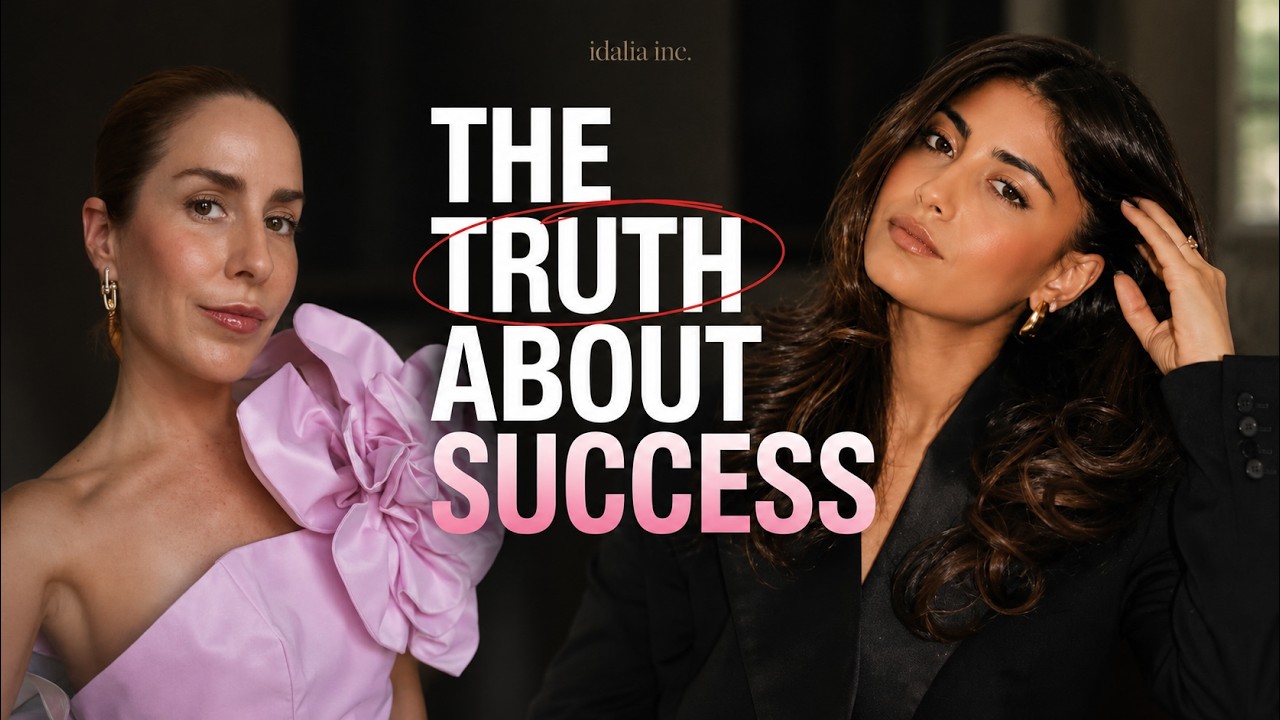
In this YouTube interview, host Speaker A sits down with Sif Haider, founder of the natural‑wellness brand Array (sometimes stylized Arrae), just weeks before she gives birth to her first child. Haider recounts how an entrepreneurial family upbringing instilled a belief in hard work and limitless possibility, and how her creative background—spanning PR, fashion, and content creation—led to the organic birth of Array rather than a calculated business plan. She explains that the brand was founded on a gut feeling that the market lacked 100% natural, effective supplements for “unsexy” women’s health issues like bloating and stress, and that the mission was to make these products both impactful and aesthetically pleasing to break taboos. Haider discusses the mental resilience required to navigate unexpected challenges (e.g., COVID‑era shipping delays), the importance of building trust through sustainable, honest branding rather than overpromising, and why she chooses to be camera‑forward while also ensuring the brand can exist beyond her personal identity. She shares hiring philosophy—starting with a co‑founder, early generalist hires who become specialists, and a culture rooted in kindness and hard work. The conversation turns to how pregnancy has sharpened her focus, eliminated “bullshit,” and highlighted her capacity for resilience. Haider also mentions a major product launch slated for September, highlights Array’s flagship Bloat supplement, and provides social‑media handles for listeners to follow.
Chapters
Sif Haider. Right before I press record, I'm like, is it hater? Is it Haider? Welcome. Thank you so much for sitting down and speaking to us. You're almost about to give birth to your first baby. So thank you for this beautiful and precious time that you have.
I am so excited. I feel like it's going to be such a fun conversation.
It is going to be fun because we're going to talk about business. We're going to talk about motherhood. We're going to talk about where you are, where you want to be, because really what you've built with Array has been nothing short of beautiful and really inspiring and something that I think just the market needed. So I'm really excited to just hear your story on a deeper level and being able to share that with my audience. I think before asking you about anything present or in the future, I would love to know how your childhood shaped who you are and what your beliefs are when it comes to life and business.
Wow. This is such a great question. So I grew up in an entrepreneurial family. So my dad has his own business, which he's done very well in, but I was never someone who was brought up with like things handed to me. So my dad was always like, okay, like if you want, you know, a good life for yourself, then like you have to earn it. And so I think the, um, the foundation of hard work and also realizing that anything is actually possible if I work hard enough was always there for me. So, you know, I watched my dad and my mom work extremely hard growing up. It was really a core foundational belief when I was younger that hard work is something that's to be rewarded. You know, when I was in school, my parents cared more about the work that I put in versus the outcome, which were the grades. So, you know, if I like lazily got an A, they didn't really care because they could see if I had put my all into something. You know, and if, for example, in a subject I gave it my all and the grade wasn't there to support, like as an example, math, um, they never reprimanded me for it. So they, they were always looking for just hard work. And so I think that has really shaped me, and also just the belief that anything is possible. Like, my parents never had me believe that, like, if I really wanted something, I couldn't get it. It was just like, okay, if you work hard enough at it, it's yours. And so I think that to me, like, like right now as an adult, I think that that is something that has like really worked to my advantage as an entrepreneur because it almost has kind of, you know, they say that a lot of entrepreneurs and like successful people are a little bit delusional because they just like have this like blind belief that it's going to work out. That's That's like me, you know? I'm like, of course it's gonna work out, it's gonna be great.
I love that. Yeah, somebody was asking me the other day, they're like, oh, when did you start your business? I'm like, I think I was like 32. And they're like, really? You just like split up and like left New York? I go, yeah. I, in hindsight, you know, almost 10 years later, I'm like, what was I doing? Um, but yeah, you have to have that delusional quality to you. Seeing your parents be entrepreneurs, did that— did you know at an early age you wanted to be an entrepreneur, or did why did you want to do something more traditional and like have that path set for you?
So I was always a very creative person. So as an example, I mean, I guess there were like little early signs. Like, for example, I used to play this game called like Shoe Store with my grandma. And so I would just set out her shoes and pretend like I owned that shop of like really pretty shoes. So it's always to me, I think when I look back, it's always been kind of something in the creative realm. Like, I don't think I could do a really dry business, truthfully. So it's not like when I was younger I was like, oh, I'm going to go start a business. That's really not what I thought. I actually thought I was going to go do something creative, you know, like even when I was graduating from college, I was like, okay, maybe I'll go into PR or like writing for a fashion magazine. So those were the things that I was really interested in. Now, after graduating from college, I've actually worked in so many different creative fields that I think it worked for me when I actually ended up starting Array because I worked at Al Canada, I worked in PR, I worked as a creator. So I feel like it gave me a really well-rounded view of what it takes to speak to consumer. And so, no, I truthfully didn't think that I would start a business because I'm also someone who is very My approach isn't, oh, I want to start a business because I think it's the best way to make money. Like, that's just not who I ever have been. It's more so like, am I really passionate about something? If I'm not passionate about something, I don't want to do it. And so with Array and the way that it came about, I was just so passionate about wellness. And so I really wanted to solve a problem and I just felt like I was you know, poised to do it. So yeah, so it was not really— it wasn't this calculated thing that one day I'm going to start a business. It was just— it just happened.
Funny. And when you started Array, was it more because it's clear that you started Array because you were seeing this gap in the industry, you were not getting what you specifically wanted, you had problems. Was that start— and I think so many entrepreneurs, like when they come to me, they always ask, like, is it a gut feeling? Is it like, did you know? Or were you very data-driven? You know, I feel like because—
No, I was actually, I was actually not data-driven at all.
Interesting.
Okay. And I, I mean, I guess there's a couple of different ways to approach business and obviously now being 6 years or 6 and a half years into building the brand, our approach is a little bit different. But I do think that when you are starting a business, having a gut instinct about, okay, I really do think that this will work, is helpful because I, and I actually think that first-time founders, the thing that they all have in common is naivety and just this, like, again, this blind faith and just the ability to see something is missing from the market. So that was how I approached Array. I was just like convinced that something like this would work because nothing like this existed and I was the consumer and no one was speaking to me.
And for those who may be listening or watching this that don't know what Array is, what is Array?
So we do 100% natural supplements. Our tagline is we like to solve your unsexy problems. So basically the thought process behind Array, we, when we launched, we launched with two products, Bloat and Calm. We kind of became viral, known as this brand that solved bloating. But our real thesis was that, number one, we really wanted people to feel the impact of the product. So we wanted to make sure that you took it and you felt something. And number two, we really wanted to bring this really beautiful experience to people in order for a lot of the taboo that sits alongside these issues that so many of us deal with. We wanted to break through those taboos. So when we launched the brand back in 2020, bloating was not exactly a topic that people really wanted to talk about, but they were bloated. You know, it was something that happened in dinner table conversations, but it wasn't something that people were talking about on social media. But our goal was to, number one, provide relief to women. Number 2, create a brand and packaging and everything that was really beautiful so that women would no longer feel ashamed that they were dealing with these issues and felt free to talk about it. Because if you think about it, you know, I remember growing up, I would go into my mom's beauty cabinet and there was just nothing in the skincare realm that exists like today. Nowadays, women are very freely talking about their acne and they're wearing their pimple patches out with pride. Pride, you know. And so it was really the same thought process behind building Array. We really wanted to kind of bring that almost skincare experience into the wellness world, which back then didn't exist.
So smart, because I mean, when you were talking about your mom and your booty cap, I remember my— and God bless my Cuban mother, she's going to kill me for saying this— but, you know, when she was bloated or when she felt she would just take prune or prune juice, like it was— and it was like it was just nothing looked appetizing. First of all, there wasn't a product for it, and whatever was out there, you would literally look at it and it was like medicine, right? Like it was like this, you had to like will it in order for you to take it because it just did not look appetizing at all. It was not something that you were looking forward to do. So I think that's something that you've done brilliantly. And I think in hindsight you're like, yeah, duh, that makes sense. But really you were the start of this movement, which now seems so obvious, doesn't it?
Yeah, yeah. I mean, it's really interesting. Obviously, you know, when, like, when we started, it was not really a crazy industry like it is today. Like now, you know, wellness and lifestyle have kind of merged. And my thesis was always that that was going to happen. But back then, that wasn't the case. So I'm really proud to say that I think Array was a trailblazer in leading that movement. And it was bound to happen because if you think about it, I mean, even skincare is a type of wellness, you know? And so it was just a matter of time before this ritualization and excitement around wellness from within also, you know, like took precedence.
You're also in the fashion space. You're like the chicest person. I actually got like a pair of sunglasses. I got these pair of YSL sunglasses that look like yours because I love when you're like, you just, you're very chic. I'm seeing a lot and like the trends is obviously we're still like at the, at the uptrend of this, of luxury brands now stepping into wellness and these wellness centers. You know, wellness is the new luxury. What do you think about this movement? Because we're just seeing literally the genesis of it. It hasn't even peaked. At all. And I, I think that as the years roll on, we're going to see a lot more of luxury brands really stepping into the wellness space. What are your thoughts on that?
I mean, I think it's inevitable. I think a really good example of this is Dior. I feel like kind of been one of the early brands to kind of see the gap there. Um, I, I do believe that just the consumer in general is understanding what a luxury wellness and health span is, you know, we're seeing reports of people choosing which hotel they're gonna stay in based on the kind of gym that there's available, you know? And so I just feel like it's a smart thing for luxury brands to do is to kind of extend what they're offering and kind of step into this wellness space. People want aesthetic wellness experiences, you know, it's really become such a part of a lifestyle that I think it's an absolutely very smart thing to do. And I think winners are going to continue to focus on it.
Yeah, yeah, no, I agree. And going back to you starting Array, what did you find— let me put it this way— what was the hardest thing you found about being a founder and entrepreneur that you weren't expecting? Like something that just blindsided you And yeah, something that just blindsided you with, with the difficulty of starting a company.
I mean, look, there's so many technical things which are like, you don't know what you don't know. But I think the main thing here is that you have to have a type of mental resilience that I don't think anything prepares you for it like entrepreneurship. And you're literally learning as you go, you know, because things happen which are completely out of your control. So as an example, I remember in our first year, you know, we had launched during COVID you know, and so there were so many things up in the air. And there was one time where this shipment of product was extremely delayed and we were getting these like, you know, customers who were obviously like so excited to receive their product, but everything was delayed and they were upset and angry. And I remember feeling so distraught and I called up my dad bad. And I was like, I don't know what to do. Like, I'm so upset and just like heartbroken. And he was like, look, this is a part of entrepreneurship. Like, the mindset piece is actually a part of your job description. And so if you don't like it, then you shouldn't be doing this. And oh wow, it like, it, it really flipped a switch in me because I realized that he's absolutely right. You know, the resilience and ability to endure, I guess, like emotionally tough things as an entrepreneur is so important. And it's actually equally important as like the tactile things that you're doing. And so I feel like that was something that was, you know, something that I had to learn and I didn't really expect. Like, of course, you know that, you know, entrepreneurship is difficult and it stretches you and it challenges you. But I don't think I understood the level of mental resilience that's required to deal with the stress and just challenges that come on a day-to-day with entrepreneurship. And some problems are smaller, some, some are larger, but you just have to deal with it with a lot of grace and you have to kind of be unshakable.
Amen. You have to have— my husband always says, like, you have like 5 layers of thick skin.
Oh yeah.
It's— I think emotional intelligence, emotional resilience is a huge part of entrepreneurship that maybe isn't spoken about as much as it should be. I think like that's why one of the first questions is like, when you started the company, was it gut or was it numeric? You know, like where, like understanding like where your instincts are, understanding where your feelings are, understanding where your mental resilience is, I think is having that soft knowledge is something that's not spoken about enough. And in order to be resilient, like you just, yeah, you need that resilience. When we're looking at Like I'm thinking about wellness brands and I'm thinking about what you're saying. I'm thinking about Array. There is an insane, insane amount of trust that your customers, your consumers have put on you and have put on the brands. And that is not something that any founder will ever take lightly. And yet I find that trust is one of the most easy things that any brand can mistakenly break. What do you see other brands get wrong when it comes to trust that you were like, I'm not going to do that. We're going to go this route because this is like the most authentic way to do it. Like, what was, what was that path to trust for you?
So I think, you know, you can, you can say whatever it is that you want, you know, and I think that sometimes I see brands do like a very quick money grab, which is overpromising, underdelivering. Delivering, promising the world when you cannot deliver the world, um, promising an all-in-one miracle solution that solves everything. I mean, look, you see everything under the sun, but for us, I just feel like it is so much more important to me to build a sustainable brand. And it's okay to not grab all the money in the world today because I know that the payout over the long run is going to be something that is worth it. So that's always been my philosophy, that I I really do want to build a brand with longevity. I don't want to build something that is trendy today that I can kind of sell it off really quickly and ride off into the sun. That was just never my philosophy because I started this business not just to start a business. It was because I felt really passionate about solving like real issues for women. And so I think sustainable, like building a sustainable brand, building a brand with longevity was what was really, really important to me.
I love that. I'm going to switch a little bit the conversation because I'm actually going to switch. I'm going to go back. As you speak, there's so many things that are coming to my mind. You and I, well, I'm going to take a little pause here. You are not the face of the brand, but you are, you are, you're very, you're very camera forward. You're very founder forward. I always tell my clients that, you know, in 2026, that is just as successful as you can be in a brand, but also understanding not every founder wants to be, you know, found— the brand should be founder-focused, and you are. And we actually spoke about Pam Anderson being one of your campaigns, my old client. What do you feel like when it comes to entrepreneurship and founders being so camera-forward? Is that something you think needs to happen? Do you like what— I'm always so curious about when founders say it because the people that normally— the founders that are camera forward, they're like, yes, you have to do it. And the other ones are like, no, you build quietly in the back. Like, what is your thought on this?
So what I have learned is that people like to root for people and people like to know who is behind a brand. Now, you know, there's this concept of doing things that don't scale. And I think when you are a startup or you're a young a brand, you actually have the ability to put yourself forward and kind of show people the behind the scenes of the brand, the why behind the brand. And there's no one really to better tell a story than the founder, in my opinion. Now, what I did not want to do with Array is have it be this brand. Do you know what I mean? So I wanted it to have an identity outside of myself so that that, you know, it can live and breathe beyond me. And I actually think when I meet someone and they're like, oh my gosh, you're the founder of Array. I didn't know that. I'm like, that's the biggest compliment. It means that I have successfully built a brand which people know outside of me. You know, it's not just linked to me, but I think as a founder, I have an advantage to kind of show people what it's like to build a brand, to tell them the why. I think people also like to see things from a founder's POV. So I, and also on top of that, I really like teaching people what I know because I hope that other women can kind of also go out and follow whatever dreams they have. And so I don't think it's a necessity necessarily, but I do think that if a founder is comfortable, it's something that just adds, it can add to the brand. And I also think that you don't necessarily have to be camera forward. I think you have to just have a platform that you're comfortable showing up on right now with the growth of Substack as an example. I think it's so advantageous to founders who haven't previously been comfortable being on camera. You know, they can now write. So there's a lot of different outlets that you can take advantage of, whether it's a podcast, It's, you know, TikTok, it's Substack. There's so many options available to you. I just think that people like to know who's behind a newer brand.
Yeah, I think that's, I mean, that's my belief as well. It's very ongoing that people buy from people.
Yeah, people buy from people.
Yeah, exactly that. You gotta know who you're buying from, especially now that everything's just so like everybody's under a microscope, everybody's being evaluated 24/7 and having a founder being trustworthy, having a founder be present, I think speaks volumes when we're talking about brands, especially younger brands, especially like up and coming brands. Yeah, you're gonna say something?
Yeah, for sure. Yeah. And the thing is that, you know, when you become like for, for like bigger brands, right? Like these like big corporate entities, they don't have the ability to do that. So it's like as a, younger brand, like, why not do the thing that you have in your corner that you can do, which bigger brands with larger budgets can't necessarily do?
Yeah, well, I think it's so funny. I just was watching, I just saw something on Instagram where Olivier Rousteing just got announced the new creative director of Paco Rabanne, and he was the face of Balmain, the creative director of Balmain, I mean, for over a decade, which is so long. Yeah, it's unheard of in this day and age. And I remember when Olivier would wear the Balmain clothes and like he would be in the ads and he would be with the models. This was— he was really, really, really ahead of his time in that way because it was the first time that we were really seeing a creative director slash like not founder but creative director like take precedence saying, hey, I'm the one that's designing your clothes and we're going to have a conversation about it. And again, in hindsight it looks obvious, but I feel like he was really the start of people looking around saying, huh, you're also wearing what you're making. You are, you are camera forward. I mean, I just thought that was so brilliant at the time and we're seeing it more and more. And especially now with creators becoming founders and that's something that I always speak about and founders becoming creators, like there's this mesh of why not use social media or to your point, Substack. I mean, it's just so SEO friendly. When you, you know, if you really want to look at it from a tactical point of view or from like just a very, you know, business point of view, grab that SEO, grab, grab, grab that SEO wherever you can take it because it's only going to build your business even if it's through Google search or like ChatGPT search.
And, you know, absolutely, absolutely. I couldn't agree more.
When you were building the brand, what were— and I think this is such an overlooked question. You obviously built it with a team. What were your first— what were your first hires like? What did you need immediately in order for you to build this incredible company?
So we were bootstrapped, and so it's not like we had a huge budget to hire people at the beginning. It was very much just Nish and I. And I think that speaks to the importance of finding— if you are someone who wants to work with someone else, like have a co-founder, I think having a co-founder with disparate skill sets is really important because just the two of us were able to cover a lot of ground just because we didn't have budget for a team. Now, as the business started to grow, our very first hire was someone on the product development team who is still with us today. And that was like within 3 months of starting the business. She started out as a generalist and then kind of like went into more specialized product development. Her background is biochemical engineering, if I'm not wrong. And so like, you know, just there's like her, her background was like very good for product development essentially. So we focused heavily on stacking our product team. And then I think one of the more early hires was someone on operations to help Nish as well with like, you know, just making sure that we had the right amount of inventory and, you know, just were able to kind of handle things operationally. But I think my tip for hiring is that you want to start out with generalists and then from there kind of start to hire specialists. Like at the beginning, I think your early hires should be able to kind of do whatever the company almost requires of them. And so that was really our philosophy. And then, you know, there are some people who are able to grow with the company. You know, we have like a really good track record of having people who are with the company for a really, really long period of time. Of course, some people, they are no longer a fit or, you know, there's no alignment anymore. And in that case, like, you know, you part ways. But I think as the company grows, if someone is willing to grow with the company, it's absolutely possible to kind of put them in a specialized role and you kind of start to see what their skill sets are, you know, as time goes by as well. So, you know, it's not like we've, we've actually historically operated in a very lean way. You know, we've, we've never been a brand that has like a ton of, a ton of team members and like a bloated organization. We've always been very like lean. Everyone works really hard, but that's the culture of the company and we're really proud of it and everyone loves working here. So it's funny, like I was talking to my head of marketing and she was like, I'm coming up on 4 years, you know, and it's, it's insane because She's not the only one. There's so many people who've been here with us for years and years and years. So I think like building a team is like one of my favorite parts of operating Array.
What do you like? What hill would you die on when it comes to company culture and treating a team? Like, what's— how do you, how do you treat a team?
I think foundationally for us, what we are built on is kindness and hard work. Um, if someone is— even if I interview someone and they're incredibly intelligent and talented, if they— if I feel like they aren't kind and if they are catty, I just won't hire them because it just takes one person with a bad attitude to kind of destroy everything that you've worked really hard for. Um, you know, I can say that even though everyone here works so hard and we're so motivated by the idea of winning, it also feels like a family, you know, like we are so close to our team and it's a joy to come to work in a place where you actually like your coworkers. You spend so much time with them, you know. And so I feel like I will never compromise on actually liking the people that I want, that I go to work with.
I love that. And speaking of family, shift gears. Um, you're about to pop.
I am. Oh my gosh.
This may— well, no, maybe I was gonna say maybe this goes live after you give birth, but during your pregnancy, and we spoke a little about this before I press record, but what has, what has this journey taught you, if it's taught you anything about business?
Has it—
well, has it changed your perspective? I have people that say yes, I have people that say no. Has it changed your perspective about leadership or, or business in, in general?
I don't think it's changed my perspective on leadership or business, but I think what it has done is it has, it has given me like even more It's made me even more efficient somehow, you know, because I feel like you are really hyperfocused. I always say that pregnancy has completely depleted my capacity for bullshit. You know, I just— I was already pretty low and I never dealt with it to begin with. But now it's like, I know so quickly, this is a yes, this is a no. Let's move on. You know, because I just don't have the time to dwell and think and overthink and ruminate. Like, no, if something's isn't right, it's not right, you know. But I think pregnancy really does stretch you in the sense that you, you see what you're capable of because, you know, even though my pregnancy has been fairly good, there are such like there are days that are really, really hard. And on those days you still push through and you still show up. And I think it just again, like, I think it has it's, it's tested me and it's shown me how resilient I am. And so, you know, I think it's been, I think it's been like a really good learning lesson because I think it's shown me what I'm capable of.
I love that. We're going to do a part 2 of like after baby.
Yeah.
What's one thing you want your child to immediately understand about you as a person?
Mm, that's such a good question. About me as a person. Yeah, I, I think that I just think I want to be an example for her that you can do anything you want. You know, you can achieve anything you want. I feel like that's the biggest gift that I can give my child. I think it was the biggest gift that my parents gave me, and I hope to pass it on. And the other thing is that I, I really believe in having an identity outside of just being a mom. Not that there's anything wrong with that at all. If that's something that brings someone joy, I just really want to show my daughter that I'm a multifaceted human being and that, you know, if that's something that feels aligned for her in the future, that she should kind of reach to do the same, you know? So, yeah, I feel like those are like my, my two things that like I really want to make sure when, when I'm spending time with her, I'm present. But she knows that, like, work and hard work and achieving something is also very important to me.
I love that. What's one thing that you're working on about yourself?
Um, I think so. Something that I'm working on currently is is combating the belief that you have to find the hardest way in order to get something right. So what I mean is sometimes in order— sometimes there's a simple solution that can actually lead to this. The— there's a simple solution for everything, you know, or not always, but sometimes there is. And I feel like because Nish and I inherently have like that, um, hard quality. Sometimes we don't like to find the easiest path, and sometimes that solution can be simple. And so something I'm challenging myself to do is like, let's explore the simple one first before like trying the most complicated path. So that's actively something I'm working on.
Wow, Saf, that's so specific. I love that. Yeah, that is really good.
Thank you.
Really, really good. Is there anything I'll end it with this. What's one thing that you're working on with Array? If you're able to share.
If I'm able to share. I can't share specifics, but we have a huge product launch coming up in September, which, you know, I have been— we've all been really heads down on it, specifically me, because, you know, my due date is early August. And so that means that I'm going to be kind of a little bit more offline for the first few weeks after having the baby. And so we just actually shot that campaign last Thursday, which is, you know, it's like well in advance, but it's super, super exciting and I can't wait for it to go live.
Amazing. Anything else that I did not touch upon that you would like to share about you, your journey, or Ray?
No, honestly, I think we touched on everything. It was such a fun conversation. I loved, I loved all the questions you asked. You asked a lot of questions that I've never gotten before.
Well, thank you. I try to listen. I guess that's like the key to, to speaking with people is really understanding. And like, like, I feel that so, so many times, like, so many times, like, when I hear interviews, it's like, but what does the person think? Like, who is the human behind entrepreneur. Um, because when you talk only about business, you're going to get the facts, but it's, I think, really important for me to understand the person from an emotional standpoint and also from an artistic standpoint, because everyone bases— everyone does their decisions based on how they grew up, what their thought pattern is, um, and their belief about business, their belief about money. So, you know, if I can share that belief system and, you know, help others in the way, then I think that's really cool to, to learn about people. Like, why not?
Yeah, 1,000%. It was so fun.
Well, thank you so much, Sif. Uh, for those, I'll put it in the YouTube link, but where can we find you if we don't know of you already yet?
So Array is @array across all social media channels, array.com, and then I am @sifheiter, um, across all social media platforms as well.
And I have a podcast as well called the Dream Bigger Podcast, and we'll make sure to link everything. Last question, your number one Array product. If someone has never heard of it and they're like, this is what you got to try, what would it be? No matter what the technicalities?
Bloat. I think we have the best. I mean, it's how we blew up. It's how we went viral. Our Bloat capsules or gummies, take your pick. We just released the gummies. Last month, I want to say. But you take it, you feel the impact in less than an hour. It feels like magic in a bottle and it really is.
Awesome. Thank you so much, Sif. And I'll see you on the flip side with a baby.
Thank you. This is so fun.
Thank you. Thank you.
More from Idalia
POV: How Creators REALLY Get Dressed for Paris Fashion Week 👀 | Balmain BTS #shorts

Why Being a 40+ Creator Is Actually Your Biggest Advantage | Over 40 Creators #shorts

How to Build a Personal Brand That Stands Out in 2026 (Beyond Authenticity) #shorts
3 Secrets to Landing Lucrative Brand Deals as a Creator | Get More Brand Deals
The Follower Era Is Dead: 3 Instagram Carousel Strategies to Build Real Connection #shorts


BEIS Sold to Samsonite: The ONE Thing Creators Must Know Before Launching a Product 👀 #shorts

How Do Creators Get Invited to Fashion Week? 👀 | Copenhagen Fashion Week #shorts
