J.C. Novoa pitches himself for Introsy's CTO role, drawing on 20 years leading engineering at Accenture, Capgemini, and SuccessKPI. He built a contact-center platform combining Amazon Connect with generative AI that shifted the product from analytics to intelligence, and led a $200M AWS portal redesign based on early user feedback. His approach: translate between customers and engineers, institutionalize learning, and keep technical debt visible through data-driven scoring.
Chapters
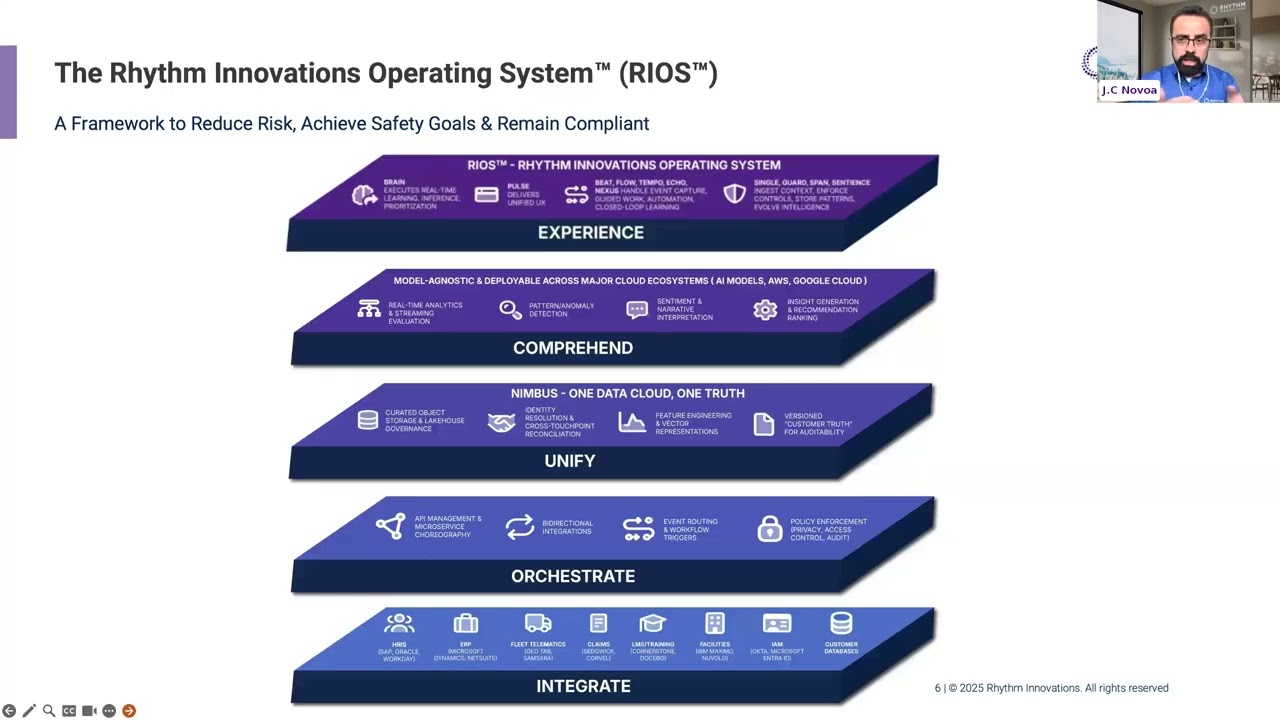
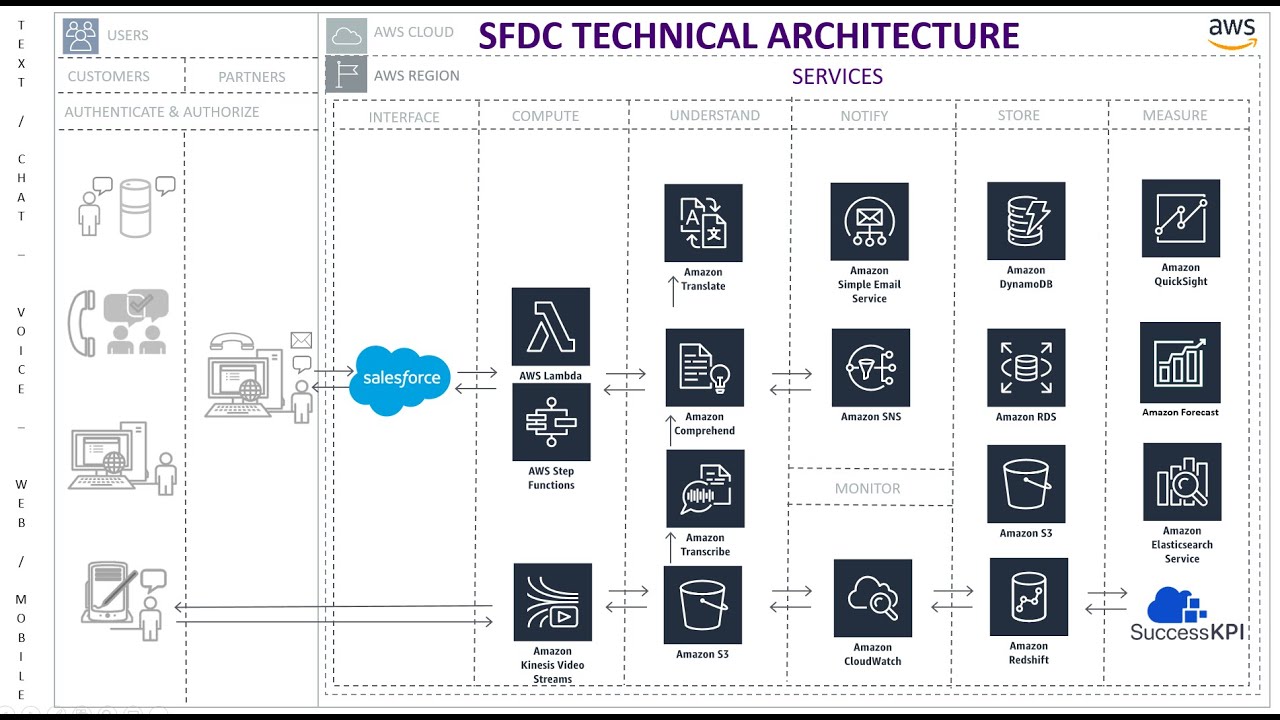
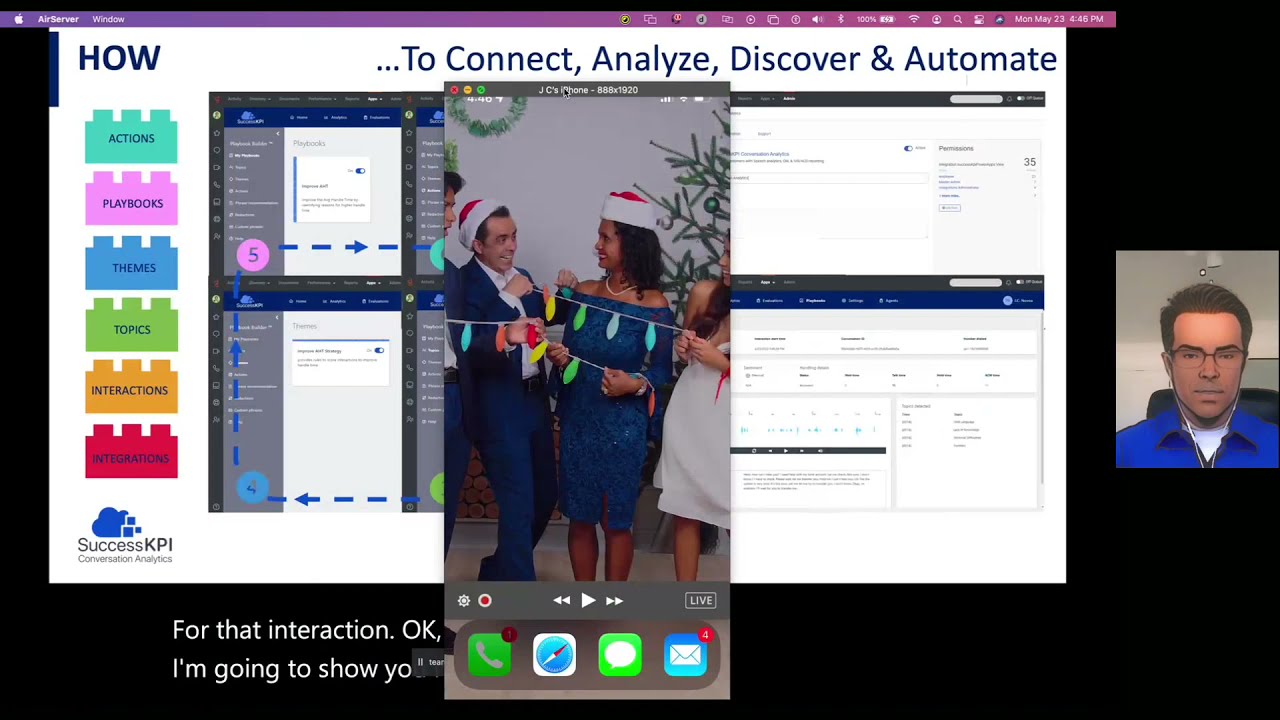
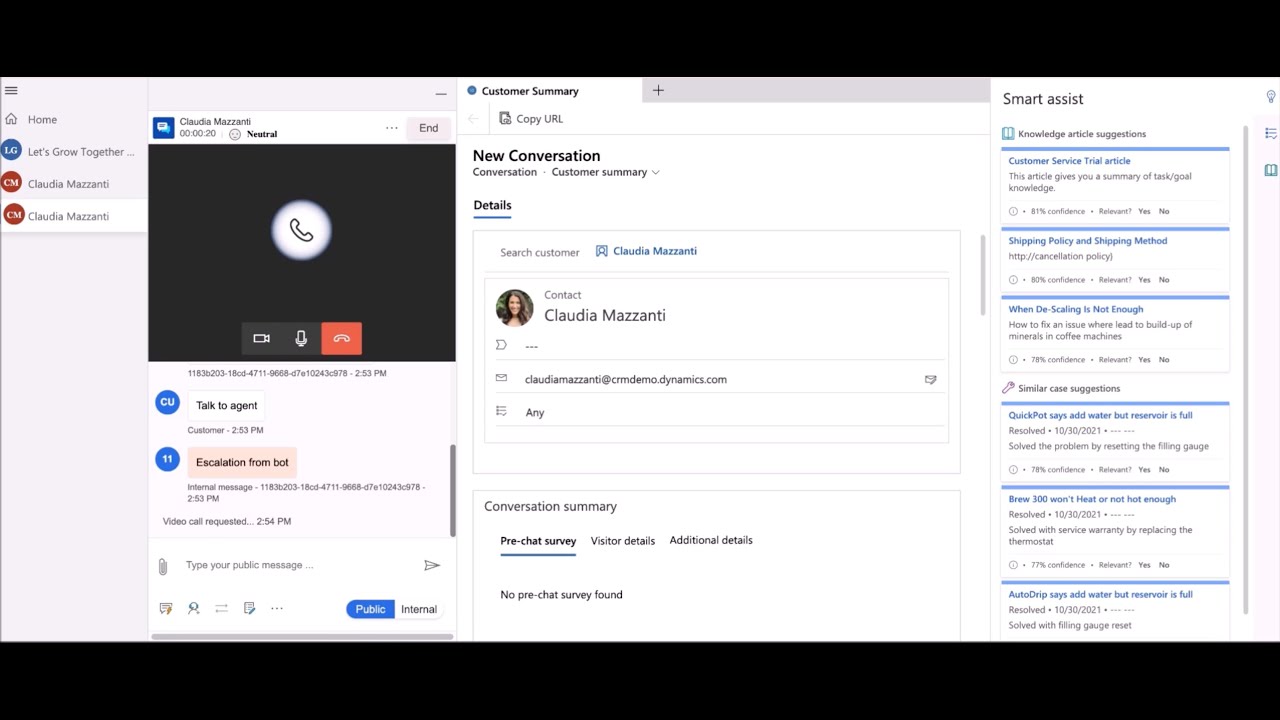
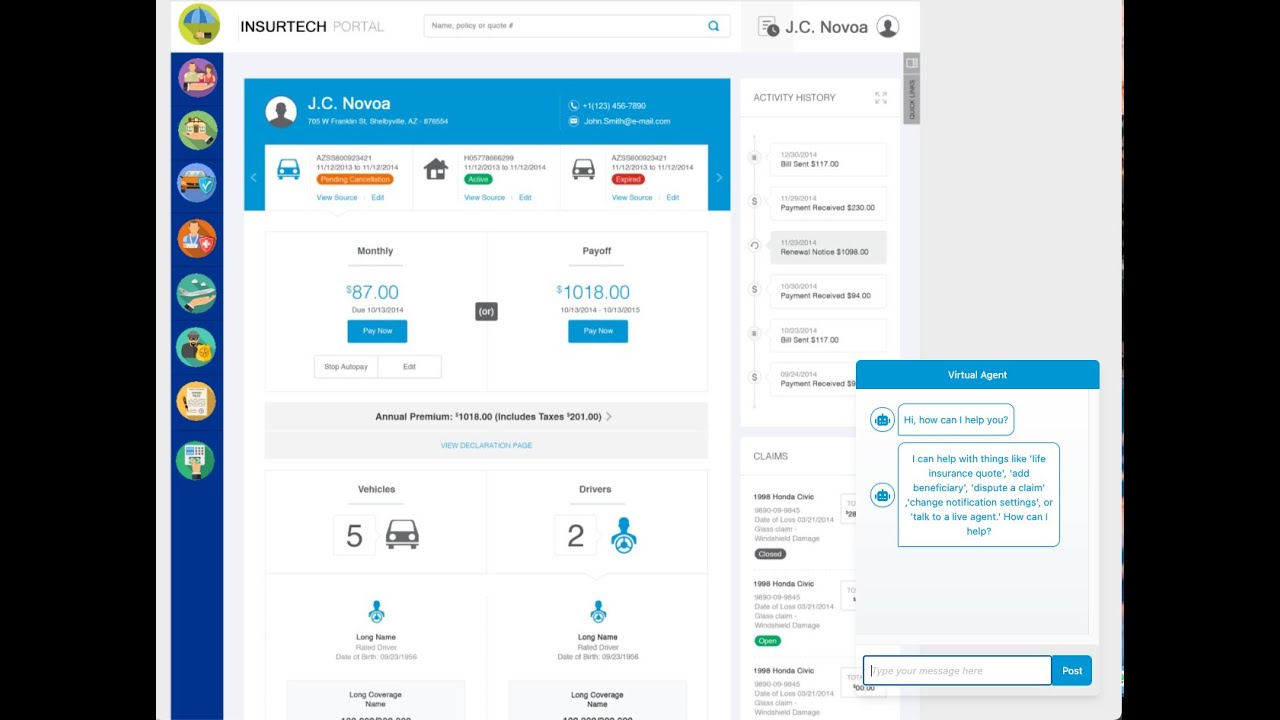
Hi, I'm JC Novoa. I've been asked to put this video together to help you to get to know me better. In doing so, I will try to answer a few questions. Question 1: Introduce yourself and share your experience in tech leadership. I am a technologist, a builder, and cross-functional leader. Over the last 20 years, I've led global software development teams and product strategy across startups, scale-ups, and enterprise consulting firms including SuccessKPI, Accenture, Capgemini, and many more. I've served as CTO, VP of Engineering, and Global Technical Evangelist. I built multi-tenant SaaS platforms, migrated federal and commercial contact centers to the cloud, and helped companies embed AI into real-world customer experiences. I specialize in uniting vision with execution building systems that scale, teams that thrive, and products that solve high-value problems with speed and precision. Question 2, why do you believe you're the right fit for the CTO role at Introsy? Introsy is a relationship capital platform, and I spent my career enabling systems of trust, attribution, and customer intelligence across enterprise ecosystems. I see a direct parallel between what you're building and what I've built— cloud-native platforms that centralize complex partner or advisor workflows, automate interactions, and surface insights that drive growth. I also bring multi-product leadership experience, AI implementation expertise, and the operational maturity to guide engineering and product at scale. I am confident I can help Intercity go faster and smarter with technology that delivers real-world outcomes. Question 3: What is a recent technical decision or strategy you led that you're particularly proud of? At SuccessKPI, I led the design and go-to-market strategy for a new contact center modernization practice built on top of Amazon Connect and layered with generative AI. We leveraged AI to improve customer support by implementing self-service via Customer Assist, Agent Assist, engineering assist, and product assist into one intelligent workflow using GPT-style tools powered by cloud AI services in AWS. This shifted our platform from analytics to intelligence, unlocking significant revenue, customer loyalty, and reduced handling time for major enterprise clients. It's a great example of solving problems at the intersection of people, data, and automation. Question 4. What excites you most about building and scaling a tech team in a fast-growing company? What excites me the most is shaping culture from day one, building a team that ships fast, learns fast, and leads with curiosity. I love seeing early-stage engineers grow into tech leads and cross-functional pods rally around shared goals. I've scaled teams across North America, LATAM, EMEA, and APAC. And the constant theme is this: when you give smart people clarity and autonomy, they build amazing things. And at a mission-driven company like STS, that potential is even more powerful. Question 5: Describe a time when client success feedback led you to revisit or rethink a product or technical decision. How did you manage the cross-functional alignment and resulting change? At Accenture AWS Business Group, We were a globally distributed team— developers, architects, AI specialists— across 6 countries. We all shared a common vision and mission to help companies shift their entire contact center operations to the cloud, remote, fast during COVID-19 by leveraging Amazon Connect. But early feedback from international users showed the interface wasn't intuitive and lacked capabilities needed to integrate with external platforms like a CRM or a ticket management system. I paused our roadmap, formed a focused working group with UX, engineering, and client success, and ran quick feedback loops with users in the field. The result? A simplified UI, better integration logic, and faster adoption. We didn't just launch a product. We pursued and received funding from AWS to build a unified agent portal, a platform that generated over $200 million in revenue and became the foundation for contact center modernization go-to-market motions at Accenture. The key was creating a process where the client's voice had a seat at the decision-making table, not just post-launch, but in real time. Question 6, what role should a CTO play in fostering a culture where product, engineering, and client success teams continuously learn from client experiences and adapt their roadmap accordingly? The CTO should act both as translator and facilitator, connecting the dots between what clients need and what teams build. I believe in rituals that surface insight, share retrospectives, shadowing sessions, curated feedback loops from onboarding and support. When engineers hear the customer, not just through Jira, they code with more empathy and urgency. A learning culture doesn't just react to feedback. It anticipates it and builds listening into every cycle. Question 7: What is your perspective on engineers' role in triaging bugs, edge cases, or UX issues raised by support teams after launch? Should engineers participate directly in support or rely on a filtered process? I believe engineers should be exposed to support issues but not buried in them. The right model is a filtered triage. Support leads surface high-impact patterns, and engineers rotate through shadowing or escalation response to stay close to the reality of the product. It's not about ownership of support tickets, it's about closing the empathy gap so engineers understand not just the bug but the user behind it. Question 8: How do you balance the tension between technical debt reduction and post-launch feature refinements based on client feedback? I treat tech debt and refinements as 2 sides of the same velocity coin. Every roadmap cycle should include time for both, guided by data, performance hits, refactor return on investment, and customer impact. I score each item against effort, value, and stability. If it slows us down or breaks trust, it gets prioritized, whether it's a feature or a fix. Question 9: Describe your ideal working relationship with the head of product and head of client success in a growing SaaS organization like Introsight? Where do you believe roles should overlap or remain distinct? I see the CTO, Head of Product, and Head of Client Success as a triad, each with a unique lens but fully aligned on outcomes. Product owns the why, engineering owns the how, and customer success owns the impact. But the overlap is intentional. We plan together, review together, and learn together. In a fast-moving SaaS environment, communication and feedback loops are what creates momentum, and I want my peers to feel like co-pilots, not stakeholders. Question 10: How do you translate business goals into efficient technology roadmaps? I start by understanding the outcome. What behavior, metrics, or business value are we enabling? Then I map capabilities backwards, breaking the roadmap into incremental value slices that reduce risk and maximize learning. I also design visual transparent roadmaps that work at both the executive and engineering level, so the why never gets lost in the what. For me, great roadmaps are not just lists, they are stories about what we're building and why it matters. Thanks for watching. I'll be honored to bring this energy, clarity, and collaborative spirit into Intrusy and STS as your CTO. Take care and thank you.