[EP 27] Embrace Change and Build Self-Trust with Tiffany Peterson
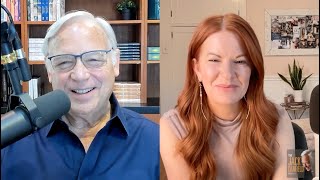
Tiffany Peterson left corporate work to build a speaking and coaching business. She ran her first workshop in 2010 and emphasizes imperfect action over waiting for perfection. Building self-trust through small private victories and showing up for yourself matters more than external validation.
Questions this video answers
2024-08-07
Ranks in the top 1% of all global podcasts.
Around 2008.
February 2010.
37 people (around 30 were family and friends).
Chapters
Foreign.
Welcome to the Jack Canfield Podcast. My guest today is Tiffany Peterson. Now, Tiffany's a seasoned speaker. She's an international coach guiding individuals, teams and audiences in creating thriving personal lives and professional sales results. Her podcast show called Tiffany Peterson Podcast ranks In the top 1% of all global podcasts. I love that Tiffany is passionate about empowering others with proven universal success habits and her tried and true stale strategies. She's coached people from all around the globe to successfully create with intention, a life and a business that they love. So I love this. I, we, we met a long time ago. No, not that long, but you know, you were probably seven. But anyway, you were working for a coaching company that we had a coaching program for and you were like rocking and rolling with it. And then you got so involved in our coaching program, you started living the principles and decided to go out on your own. And so talk a little bit about where you were at that time and how you entered this path of self employment which is always a risk for people. You've been super successful at it and talk about how you've created this really thriving speaking, coaching and podcasting business that you have.
Well, it's so good to be here with you and to collaborate and connect and you've been such a huge influence for my own path. So I, like Jack said, I met him when I was still corporate employed and just had an instant connection. I think it's one of those sometimes we have divine appointments, right? Like, oh, I meant to know you now in this season of my life and I went to your breakthrough to success, an incredible experience in person and it was truly life changing for me. And you know, people will say that phrase easily or you know, it was life changing, but it literally was life changing for me. And within a year of going to break through to success, I had left my corporate very comfy six figure career. It's the only thing I'd known. I'd never had a side hustle or a direct sales business on the side or anything like that. And the combination of, at that time I was in your train the trainer program. And so part of how I created success is to put yourself in supportive community and in mentoring and support where you are not just kind of staring at this on your own. And so you know your book, the success Principles, there's lots of success influences, but that was one of them. And so I knew how to sell and I knew how to connect with people even though I was never going to be in sales in a million years growing up right, like that was not the path. And similar to you, I thought I was going to be a traditional educator. And I worked in a few classrooms here in Salt Lake City, Utah, as the aide to the school teacher while I was going to university, and then happened to meet someone on the training development path and was on that path for quite some time, corporate wise, when I met you. And then my life kind of got shaken up. The universe kind of took the nest and dumped it all at the same time. And things were just changing in every area of my life. Personally, I had a health crisis come up and I also was like, and I think I want to start my own business. I think you even have a phrase or a statement about, hey, if you really want to do personal growth, get married, have a baby and start a business all at the same time. So that for me, just the long story short is that I was willing to move on faith and I knew again, how to sell. And I had courage and I. But I was in this supportive community. The year I did train the trainer, I moved on from my corporate gig and I just got out there and started taking a lot of what I call imperfect action. And that, for me, is a game changer because I am a recovering perfectionist. And so the willingness to try new things, host events, put myself out there, and just being willing to face those things is what's helped me create. Now I have a very thriving platform myself with coaching and speaking and podcasting and television and just a variety of fun things that never in a million years, Jack, did I see that happening. But from when we met, which you guys was back in 2008, so it has been a hot minute, right? That's a long time that we've spent time together and how things have grown since then. But, yeah, that courage, that willingness to be, you know, imperfect at what I was taking action on. And it is so important. Anyone listening to this already knows, like, when you have a great mentor in your life, when you have a great community, like some of my dearest friends, like Romeo's in town in Salt Lake this weekend, and we're getting together Saturday night and going out and him and my husband and I. And it's like I met Romeo through you all those years ago. So some of my dearest friends, supportive community really makes a difference, too, when you're navigating the fears and all the change that comes up when you are on a new path.
I want you to just delve into this imperfect action thing a little bit here. You were. You said I was a Perfectionist. And then I took a lot of imperfect actions and tried things out. You didn't know if they work or not. What was that like? Was that scary? Were you excited? What was going on for you?
100%, right? I was really, I had a lot of fear that would come up regularly. But I also, again, part of being in your community at the time, I think about the very first live event I ever hosted, by the way, I called it the Success Strategies Workshop. Right? My one day event. And part of that was the assignment and train the trainer. Now, you guys, this is back in 2010 and I booked a spot at the Grand America Hotel in Salt Lake City. It's a gorgeous five star and a little like a small amount of room and space. And I just put my little flag out there like I'm hosting this one day workshop in February of 2010. Come to this event, come learn some of these skills, these principles. And I had at my very first workshop, I had 37 people come to my first workshop. And most people would say, wow, that's a pretty good start, right? Until you know that 30 of those 37 people were my family and friends, you know, doing me a huge solid showing up for me. But I had this social media post probably a year, a year or so ago, go Live, that did really well, got a lot of engagement where, you know, sometimes on social you do those posts of how it started, how it's going. And I had this image of me at my very first workshop in that hotel in 2010. And then I had one of me in October, I think it was 20 to speaking on a massive stage back at the Grand America, but now in all of their huge ballroom space and speaking to a group of over a thousand people. And so I would never have what I had now if I was still waiting for it to be perfect. And by perfect that I knew the content perfectly, waiting for it to be perfect. I had no more fear and I just felt confident and ready to go. I mean, sometimes I have a mantra for myself, do it scared. Because sometimes you are scared to try new things, put yourself out there. And so. But again, part of being in your supportive community was we would meet in person and then have like two months and go work on these assignments and then meet up again as the whole group. And one of our assignments was go host your first one day workshop. And whether you do it at home and you invite three or four people over, you do it a hotel, you do it a library. And I just took the assignment to heart and obviously My very beginnings were very humble, you know, seven people coming really to my first workshop. But then fast forward 10 plus years, you know, there is no overnight success. I think we both know that. But fast forward 10 years, I'm back on that same property in the whole ballroom space being rented out, speaking for a very well known, reputable company and event and over a thousand people in the room. And it was like I would never be there if I was still waiting to get it perfect.
Yeah, no, I remember my career started as a classroom teacher. 35 kids in the class, we were supposed to meet them in the cafeteria and then take them up to the room and it was like room 231. When I got to room 231, I only had 32 people, not 35 people. I lost three people on the way in the hall. And so I taught several classes, like three or four a day for a year. And then the largest group I think I've ever spoken to was 10,000 live and spoken to hundreds of thousands online at the same time. I was interviewing Michael Beckwith earlier and he started with 36 people in a living room in Santa Monica doing a church service type thing. And now every Sunday the service is through the Internet reach over a hundred thousand people. So the reality is it starts small. You know, the garage band that plays for bar mitzvahs and birthday parties and in bars and comedians who play in all these little small places. I remember Ron White, who I'm now getting to know, he's a comedian and he said, yeah, his agent sent him to some place where he was in Texas and it was called the East Overshoe Airport Tire center and Salon. So small.
Yes, yeah.
And that we have to do that. And I love that you said you started imperfectly but also do it scared, you know, do it. It's like we have to go through that. And surviving a risk is what builds self confidence. And you've certainly done that really, really well. So talk a little bit about here you are, you started out, you know, 2010 roughly. Here we are 15 years later and your work has expanded. You have all these people that you are coaching and so forth. Give us a little sense of that trajectory, how that, how that unfolded for you.
Well, I remember so in my early days like that 2010 to probably 2012, much of my income and revenue was made from personal coaching, working with people one to one, and my rates and fees. I remember my very first check Jack was for $400 and it was for like four live in person, 90 minute sessions. I mean that's a lot, you know, contained, you know, and how that's. It's where we started. And so I had a lot of. I started getting a few personal coaching clients here and there and some referrals and, and attending some local networking groups. Right. Getting out there and connecting and meeting people, all of these things require courage. And the thing is, is whatever your next level is will still require courage because I'm still like right now I'm in the process of a rebranding and some reinvention type things and I'm sweating a lot, I'm nervous a lot. My fears are up. And so I think that's important to normalize that. When you're on the path of growth, you still will have the fears and the nerves. Things come up. Anyway, my trajectory is I had a lot of private clients and I started doing a little bit of speaking very much locally here in my own backyard in Utah, you know, at someone's networking event or someone's direct sales groups meeting, you know, those types of things. And then eventually, you know, here and there started. I remember getting hired to speak for a medical device company in Park City with my first check with a comma in it. And that was probably nine. That was probably a year. Yeah.
Check with a comma. That's cute. I like it.
Yeah. It was $2,500 to speak at their leadership training and it was probably a year and a half in of me being on my own of that time frame. And I remember my heart just, you know, nervous and excited and I can't believe it. Oh my goodness, here we go. And then my business started growing more and more in speaking and I started doing less personal coaching. Some I still do some of that today. I do have, have a handful of private clients and then I mostly run a group coaching program a few times a year is how I'm doing the coaching and then speaking at variety events as you know how that works where sometimes it's, you know, they call you, sometimes you're nourishing that relationship and they find you in all kinds of ways. And so, but you know, I've implemented. I think one of the things that matters is that, you know, I think about your book the Success Principles, which is a well loved copy in my life and actually all of my coaching clients always get that copy when we work together because it's like such a great playbook, if you will, guidebook and it's such a great resource and we talk about there are certain true success principles and how they Guide you and leaning on those, because I love to say, back in my early days when I worked first, before I met you, I worked for Stephen Covey and the seven habits of Highly Effective people and his company, organization and brand. And, you know, working with him, I really came to learn some of those skills and those tools as well. But one of the thoughts that I became aware of in that season is that there's three constants in life. There's change, there's choice, and there's principles. And so there will always be change. And there's different things happening, but you can count on the change. You always have choice, right? Which is your E R equals O. And you always have principles. And you used to. You've always said, if you'll work the principles, the principles always work. And so for me, that trajectory of the path is simply applying certain principles again and again and again, from faith and vision to nourishing and connecting and relationships, being a better communicator and learning that skill and learning how to manage my own fears and negative thoughts and tell new stories and give my own. You know, you're always the product of the product, so to speak, and you're doing the work. And so I do a lot of coaching myself for my own growth. And that's definitely helped the trajectory. And so, yeah, it's been such an incredible journey. Faith's been a big part of that. And also, again, the permission to pivot at times or reinvent yourself or evolve that since we met, you know, I've. There's different elements of my life that have changed over the years that, you know, I've kind of done so with time.
You know, it's funny when you go back to, like, early checks. I started out, my first wife was a psychotherapist. I started out my career as a teacher and teaching in schools, and you mentioned that. And then I married a psychotherapist who taught me how to do therapy. And even though I wasn't licensed in Massachusetts time, there was no licensing process, so I could call myself a psychotherapist. And I was good at it. I. She taught me well, and I was good at it. And I used to get 25 an hour for seeing somebody. Now I think people get 250, 300 bucks an hour, whatever.
Yeah.
But I remember going to graduates.
Now we're paying kids at McDonald's like 20 or 25 bucks an hour.
You know, I remember going to my first. I was in graduate school at the University of Massachusetts, and I got hired by a school District in Connecticut to come do a two hour self esteem development for the teachers to teach kids how to do that in the classroom. And they wrote me a check for $25. I'm driving back through a snowstorm. I mean, like a blizzard. It's amazing I'm still alive. It's one of those things where the snow is just coming at your windshield, you know, And I remember thinking, wow, I am a paid professional speaker. 25 bucks, you know, and now, now if I speak overseas, it's $60,000 for a day, you know, and it's, it's insane. Now obviously I had to become a bestselling author and be well known and all of that to do that and be in the movie to Secret and so forth. But over time it evolves and it always starts small. I mean, it's just the nature of the game. Garage bands, et cetera, you know. So I love the idea that you were willing to just put yourself out there. And then people say, well, how did you do this? Well, I spoke over here two years later. That person was the chairman of that conference for the state. So then I got invited to do that. And then they saw me at the state conference. And then five school districts wanted me to come back to their district. It just keeps unfolding over time. And then as you say, you start building relationships. You have a brochure, you have a website, you promote yourself as a speaker. But it doesn't happen overnight. It takes time to write all that stuff, to write your talk, to perfect it, to keep changing it. It's evolving. The Internet changed everything. The pandemic changed everything. So I'm curious, how did, how did the pandemic affect your business?
Oh, joyfully, you know, Thankfully, I had been coaching online and by phone or webinar for years leading up. So I, it was, we. I was able to be fine through the pandemic. But I did watch my speaking calendar in March of 2020, probably similar to you. I watched about 100,000 dol fall off my calendar in three days. And it was, that was a real like, you know, like, oh my gosh. Because that for me, I'm a small business owner, pretty small team, you know, and it's like, yeah, the opportunity of that. And so it was really, you know, kind of like being, I guess, like a cold plunge, right? Yeah, it was like cold plunging, like, what are we? Wait, what? But I also say, and I'm not just saying this to like give it the Pollyanna response or like, oh, putting, you know, sugar coating it I'm so grateful for 2020. I met. I actually, I met my husband now my. The love of my life. And had I been out as much and traveling and that I was really home and we were able to connect and really, you know, so some of that, that personal side was a gift. But on the professional side, if I'm honest and transparent with you, I'd gotten lazy. I'd gotten lazy. And that's just being honest. And by lazy, I mean that, you know, once you build a certain amount of a system, you just kind of rinse and repeat and. And not that I think I wasn't consciously ever taking it for granted, but maybe a little, right? It was just. I was comfortable for a long time and how often sometimes comfort actually holds us back creatively. And so I had to get more creative in 2020 and beyond. And the part of us, I think our God self, God, goddess self, whatever you call that, your creative self, is your God self, right? And literally, like, whether you say like the womb or your, you know, your sacral and your root shock, like all of these things, like, that's your creative source. And so part of me, I was just rinsing and repeating a lot of familiar things, which was great, and I was still loving the work, but I wasn't pushing my own edges. I wasn't. And that's what I mean by got lazy. I wasn't pushing my own creative edges. I wasn't launching new things. I wasn't trying new, you know, courses and programs. I was just kind of, again, rinse and repeat. And it really, like, that cold plunge woke me up, like, okay, we're gonna have to pivot and have to get more creative, and what are we going to be hosting and connecting with? And so I am grateful for it, right? I mean, sometimes it's not always comfy. But the reality is comfort and growth don't hang out together. They just don't.
Comfort and growth don't hang out together.
I just don't. And so my creative self, I had gotten lazy creatively, and it required me to come back to my roots, to my creativity, to get innovative like anyone else, you know. And it taught me some really key things that I actually am truly grateful for.
Like what?
Well, again, it taught me, I think, about the awareness that I want to be creating regularly and even creativity. I don't know if you've read Rick Rubin's book that's out right now, the Creative act, the Way of Being phenomenal book. He produces lots of musical artists, but we're all creative in nature, right? Whether it's like, making recipes or gardening or artwork or writing and speaking. And there's various ways that we're in creativity and how I. I really am living a much more awake, alive life if I'm in creativity, and I want that more regularly, doesn't always mean creativity has to equal an income. But I needed those practices. I also, again, realized that I liked being home a lot more. Right? Like, we all kind of got to be home bodies whether we wanted to or not. But I actually fell in love with, like, I really just love, even if it seems less exciting or so forth. I like being home, and I like those rituals and those routines. And again, it opened up this opportunity where I met Brett and we connected, and that friendship was able to really bloom and into love. And there was just space for that in my life, you know, so it was a really nice shakeup in the moment. I think that's the thing about life, though, don't. Wouldn't you agree? It's like, in the moment, when you're in it initially, you feel the shock and the fear and all of that because your comfort zone's been rattled. But you look back of like, wow, that was such a great thing for me. I'm curious, how about. How did it land for you?
It was definitely a WIM HOF experience. I was literally running a workshop in a hotel here in Santa Barbara for authors when the sheriff's office sent somebody in and said, you have an hour to disband because the state of California has just banned all gatherings. And so literally, people went over to Patty's house. I came over to my house. We set up a screen at her house. We had. We did, like, back. We were doing like a. A webinar online between our two houses because she had a bigger living room than I do. All these people could be there. And we did that workshop, but we had to. We had $800,000 in deposits for live trainings that we couldn't deliver. And so all of a sudden, it's like, wow, we don't have 800,000 in the bank. You know, I mean, you basically spend money as it's coming in and you deliver later, you know, and so we had to convince a whole bunch of people to come online with us and to start doing virtual webinars and seminars and so forth. And that was like, we had a pivot big time and a lot of conversations and disappointed people. But what happened? And we realized this two things. I had a job. I was supposed to Go to the Bahamas and speak to Bacardi, the people to make rum, and all their managers. They're gonna have 400 managers come in. And I was able to convince. And that was like a $40,000 speaking day. And I was able to convince them that Instead of the 400 managers, why don't we open it up to the 4,000 employees all around the world and all of their families? Because they're all at home, basically. And basically, we did a big webinar. I didn't have to travel a day there. I didn't have to travel a day back. No jet lag. I still got my fee. So we started, okay, this is a possibility. We can do that. And then. So that kind of eased things up a little bit. And we did, I think, give about a hundred thousand dollars back to people. But we started to do online seminars. And the thing that was a breakthrough and a benefit was before, if I did a live seminar in la, like the kind of thing you came to, we might have 2, 300 people. But if I did something online, I could have 5, 600 people from 40 countries, people from India. They weren't going to have to spend an airfare and a hotel bill and rooms and food and all this kind of stuff. So all of a sudden, we're ending up with 40 to 50 countries represented in all of the trainings we're doing. And so that was really fun and exciting and different. And like you, I used to be on the road two to three weeks a month, and all of a sudden I'm home, literally for two years. I don't know if you know this, but I did not leave my property for two years. I didn't know that Inga did all the shopping. And I decided I didn't want to get vaccinated. So I didn't. And so I didn't want to be out in the world where everyone was, because we didn't know how virulent this thing was. So she did all of that. And my daughter was also living with us. She did that as well. She's 30 now. And so all of a sudden, Ingo. I have a husband. He's. He's here with me. You know, he goes to bed with me at night. He talks to me in morning over breakfast. We play Scrabble on the weekend, you know, so it really improved our marriage tremendously. And as much as I wasn't traveling, we're spending more time with friends who would come over to our house. And so that was a big, big. And I read A lot. And, and you know, so it was a very rich time for me. Even though we had to pivot and deal with everyone's amygdala, which is where in the back of their brain, all the fear is created, and literally get them to bring their energy up to the prefrontal cortex where creativity you're talking about occurs. So, but that was good for me to learn about all that, how the brain works and why everyone's so freaked out and why some people are actually literally paralyzed, you know, so it was a big, big learning experience for me. And also just physically learning about epigenetics and immunity and all those kind of things as well. So it was, it was a growth period. And I don't travel as much as I used to now, even though I have the ability to, I have no desire. I used to go to the Middle east to go to the Gulf and do like a five country tour of Qatar and Dubai and Iran, and there's no way I'm going those places right now. You know, I used to go to Russia twice a year. I'm not doing that anymore. So I like being home. It's fun. And I'm writing, I'm finishing books that I'd put on hold for a long time. So it's all good.
Embracing change. Right? It's just like how, how we navigate that and navigating change is something all of us here, or you're listening, can relate to that.
Right.
And how we navigate it and again, navigating it more with belief and confidence and vision matched with or with fear and resistance and that. And I get to practice those principles regularly. Like I said, I think it's important to normalize that there's still at times fear that can come up when you're creating change. But I'm with you. So many good things came from that and some things that were not great came from that too. Right? Wow. We learned a lot in a lot of ways.
What things are you referring to that were not so good?
Well, I think that the not so good is that to your point, like there how much fear was running the show on a mass global level. And while I didn't, I think we needed to be aware and mindful and get educated about this virus. I think letting fear run your life or your decisions usually is a pretty not great thing. It doesn't usually end well. And I think that, you know, all of the divisiveness and things that started happening and you're either this or you're that. And a lot of the division between oh, you're anti vax or you're this or you're all in with that. And you know, it just kind of created. I think there was some negative things that way, certainly for sure. And I think that, you know, rather than there also was this huge opportunity where we had the era of the world and there was very little things shared about how do you boost your own natural immunity.
Right.
You know, things about supplementation and sunlight and exercise. One of the trade offs, it's like, hey, just sheltering at home. But the human body needs sunlight and needs movement. And there wasn't much conversation about actually how, to your point, like how do we increase health? Not just how do we avoid disease and all the fears of that. And it was how do we, you know, looking at our vitamin D levels and are we supplementing and are we, you know, moving our bodies and height? Are you well hydrated? Are you eating healthier foods? And so instead of it being focused on how do we be healthier, it was just pretty much a whole fear monologue dialogue all the time.
Yeah. How do we protect ourselves from this virus as opposed to how do we build up our inner strength so that we don't get taken down by it and in the future? I think for me though, it was good. I learned a lot about sunlight and vitamin D and zinc and all those kind of things. And I still am supplementing. I used to always supplement, but I'm supplementing a lot more for sure. Let me shift gears with you for a minute. You're coaching all these people and you're really good at it. Are you finding there are certain repetitive themes that keep coming up, like unlovable or unworthy. I'm just curious, what do you see as the things that are stopping most people if you do see that there's themes?
Well, I just want to take that and reframe it because you're right. All humans, every one of you listening at some level has some degree of the not enoughness. Right. I'm not enough of this, that or the other. But I think the common thing amongst all my clients, regardless of gender, age, business success, levels of where they're at, is we work intentionally on self trust is do I trust myself? And that begins with do I make and keep commitments to myself? Do I honor myself? Is back, rewind the clock. In my covey days, he would talk about having private victories to have public victories. And sometimes you're not winning in public because you're not winning privately.
I like that.
Does that make sense I like that.
That's really good.
Your public, like many people listening, they're like, hey, I want the success, I want the promotion, I want, you know, the Instagram followers. I want more public success happening. But you get really honest is, do I have private success happening and therefore do I trust myself? I'm a big believer that quote, manifesting whatever you want next has a lot to do with do I trust myself with what I'm already doing. I said this to a client. She's top real estate agent in her area, has been for 30 plus years. She's one of my private clients right now. And she came for a VIP day at the first of the year and we were talking about how she wants to grow her brokerage and agents and things, especially in this market right now, and what she's navigating and she's talking to me about the things she wants. And I just said to her, I said, but her personal say self care was out of alignment. She's really hit or miss of taking good care of her body and moving her body, doing her meditation practices, her morning rituals, her things that nourish herself. She was really inconsistent in that at the time when we first started working together. And I just bluntly directly told her, I said, you don't trust yourself to manifest the next thing if, if you're already feeling like you're already burnt out, exhausted, never enough time actually attracting more leaders or more, you know, opportunity or promotion energetically won't be a match. And so we do a lot between all clients is how do we tighten up your self integrity, yourself or your private victories? Do you trust yourself and what that might look like for you of do I follow through? Do I take care of myself or do I always, oh, someone else, my boss is asking for a meeting or my kids need this or that. And I'm not saying we ignore the people we do life with. Of course not. But do you honor you and take good care of you? Is a consistent theme of how I help people get into alignment. Because really, when people say, well, are you a life coach? Are you a sales coach? Yes and yes, because they hire me to grow their sales. But we're working on life coaching principles. But I'd call it alignment work is am I in alignment with myself? And again, not perfect, but committed. And you're in a committed relationship with you and you honor and trust yourself. And again, back in my covey days, we'd see these leads come in again and again off the Internet and people had felt this little quiz you know, it's a way of lead capturing. And in all of my years of working for his brand, several years, I never once saw that private victory was higher than public victory free, meaning you're more likely to follow through on a commitment when there's someone else. It's just like when we let out today. Part of my success for sure is I was in a supportive community with a mentor and a community and I had accountability, right? Like had assignments to do and things to work on that helped. Whether I was scared or not, it didn't matter. It was like, well, I need to report back here when we're getting back together. Am I doing those things? That's public accountability or a public victory is most of us will follow through. Like if you have a job, you know, whether you feel like it or not, there's certain tasks and things you're going to do whether you're in the mood or not. But your own personal goals, your creative projects, your hobbies, your health and fitness, do you take really good care of those things. So I'd say that's a core central theme that's up for everyone, which is one of the ways you also offset some of the negative thinking, limiting self belief, the negative self esteem. That I'm not enough is if you start to build true trust in yourself. Like I've got you Tiff or I've got you Jack. Like what do you need, sweetheart? Is one of my favorite questions I love to ask myself or model for my clients is self soothing work, you know, but dropping into it's like, hey, great, I say I'm going to do X, Y and Z and I follow through on those things. And the more you trust yourself, the more you're ready to manifest the next thing that you desire. So that's one thing that I see regularly. You probably of course, see that.
Well, no, I do. I think the more you trust yourself and keep your commitments to yourself, the more the external world trusts you and is willing to trust you're going to keep your commitments to them. It's a vibrational thing, if you will. I was talking with Michael Beckwith about the law of resonance, the idea that we talk a lot about the law of attraction. And when you think about the law of attraction, if you go back to the secret, it says ask, believe, receive. You ask for what you want. Be clear, ask for it, believe it's possible. Because if you don't believe it's possible, you're not gonna, you're not gonna do it. If I tell you there's a great diet. And you go, that'll never work. Then you're not gonna do it. But if you've seen people do it and it worked, you go, well, that could work. So I believe it's possible. And then you've gotta create a vibrational match. The way they talk about it in the Secret to attract that which you want. And what Michael was talking about was this idea of a resonance that you have to be resonating at a high vibrational level of peace and joy and love and enoughness and all of that, such that you attract all of those things to you because you are radiating that out. In other words, like attracts like, if you will. And so many people are just focused on, I'm going to visualize it, I'm going to firm it, I'm going to take actions for it. But if I'm not being it, I think Oprah said the other day, you don't get what you want, you get who you are. Meaning that the level you're vibrating at, am I in joy? Am I happy? Am I at peace? Am I not judging everybody? Am I living in forgiveness? And so forth. And when you do that, you are radiating at a level that people want to be around. I used to always say, if Robin Williams walked into a room, everybody would glom on over there because they know they're going to. It's going to raise their vibration. They're going to have a good time. Why? Because he was so happy and playful. Now died of the Louis, whatever it was called that he got with the Alzheimer's. But the point being, he was a happy dude up until that disease. And we wanted to be around that because we got raised by that energy. And so when you are radiating, you are then also attracting. And so the idea is, do you have practices, whether it's meditation, Tai Chi, listening to music, dancing, being out in the sunlight, as you said, gardening, whatever that puts you in that vibration. And the need to do that consistently over time. Like the hour of power in the morning, 20 minutes of reading, 20 minutes of meditation, 20 minutes of visualization. Affirmations. Those practices are what create that vibrational shift. So our set point goes up. Just like your thermostat. If you set it at 80, it's going to be hotter than if you set it at 60. So we're all wanting to have that thermostat eventually raise up. So you're like the Dalai Lama or Mother Teresa or whoever is that being that you know attracts you that says, that's the vibration. I want to be playing at.
It's so true. And it's right here in my home office behind me. If you can see this, I know some of you are listening to this audibly, but if you can see this, I just have my own vision board behind me. And it's, it's large magnet board and there's two words on there that are part of my self care, if you will, section on my vision board in one of them, and by the way, Jack, right there is me and you. You're an event you and I hosted together. So there's me and Jack right there. There's Oprah, there's Jesus. Right, Jack, Jesus and Tiff. There we go, right? And different clients and things. But anyway, in the self care section of my vision board, I have two keywords and they both start with the word or the letter V. One is vibrant and one is vivacious.
I love it.
And that's who I choose to be. And so as people sometimes say, you know, how old are you? And I'll say, I'm vivacious, I'm vibrant. And that's in a lot of my goals. And my vision boarding is to your point is energy is taking great care of myself is as much as like say, physical fitness. I'm a big believer in that and moving your body regularly, whether it's a walk, yoga, a workout, lift, weight, go to classes, all of it. It's more of like the energy that it gives me. Right. And so when I think about how we're practicing those things and to your point, again, it's how you show up in the world. As you know this, everything's energy. We live in a vibrational universe. And so often when people hire me and say, help me grow my business, I say, great, let's start with your self care. They hire me for sales, but we always start at self care. It's their number one sales strategy because it's an energy mover. Like you said, it's raising the set point is helping them with their morning ritual. Helping them get into whether it's, you know, three, four times a week or every day or what their things are for health, wellness, the things that give them life force that they're going to be intentional about, those becoming their habits. Then we work on their sales, funneling their sales, scripting their messaging, their branding. But many of them, Jack, what I always love, I see this happen time and time again. Several of my coaching clients will already see sales increase before I can even touch their sales funnel, before we even work on the Process of selling or closing sales. All we've adjusted is their energy. And now they're more magnetic, and deals start coming in and people want to, you know, like you were talking about with you and Michael, there's this law of resonance happening where it's like, ooh, I like who he is. I mean, similar. When I met you, there was this energy. It was like, oh, this is who I want to, you know, study with and spend time with and the people that you attract into that. And so the more that we take personal responsibility, right? Personal accountability of just like, hey, I'm the responsible director, creator of my own life, the quality of my life. What are the habits and things I'm doing that will help put me into alignment with the energy and the flow? You know, lately we've heard always about this concept. Lately I've been saying this phrase that I want to share with you. We've heard about the concept, like, oh, your higher self, or even the language. Future self has been a lot in the personal development world in the last few years, right? There's books on it. Be your future self. Now, a dear friend of mine wrote that book, Benjamin Hardy, and there's lots of this conversation, like, be your future self or do it for your future self. And I love that thinking. But what's been showing up even more recent, like the last three to six months, is, who is your favorite self? Like, who's your favorite self? Jack Canfield. Who is my favorite self is Tiff or who? Any of you listening, your favorite self, who is he or she or they like? What is the alignment there? And you think about, gosh, well, when I'm my favorite self, I'm vivacious, I'm vibrant, I'm playful. I'm focusing on loving other people and, like, connecting with them, helping them feel seen. My favorite self, she's creating. She's sexy. She's in her feminine. And the more that you get clear for yourself, who's your favorite self? And what are the activities, actions, habits, things that you're doing that are helping you create that. You might say, I need more time for puzzles, or I need time in my garden, hands in the dirt. Or more time at home or making homemade pasta or playing Scrabble with Inga, you know, the various things that put us in that more fulfilling higher state of being. It's just one of those cycles that the more you're nourishing that magnetism, the more magnetic you are, the more you keep attracting the good. And it works the opposite way, too. And the More that you're in the negative and the heavy and focused and creating that. It works either way.
I remember being in a training probably 25 years ago and the trainer said, you want to be the kind of person that if you were a plumber and someone met you walking down the beach and you talked to them for a few minutes, they'd walk away going, there must be some plumbing I need done. I want to spend more time with that person.
Yeah, I think I need a new rug or a new kitchen or a new plumbing. Yes. Yeah, I love that.
Yeah, it's what we're talking about. It's about people gravitating toward your energy because they want to be with you and they trust you and you're fun to be around. And yeah, I think my favorite self is funny, is playful, a little irreverent, is compassionate, is curious, is supportive and wants people to succeed and is a love high level conversations, you know, hanging out with conscious people. So all of that's created the, you know, what I have really, because when I am that everything works. So I like that. My favorite self. Very good, very good, very good.
And I think about, you know, when I met Brett, you know, we met and then I got divorced and was single for a long time, dated. And when I met Brett, who's now my husband and truly just I married such a great man. Love this man. And I just think what the season of life. When I met him, I was pretty happy. And that doesn't mean life was perfect, but part of. And he said, he goes, part of my attraction to you is your energy and that glow. And, and I also didn't feel like I had to like bring you and like sustain you and like fill you up and like, I've got to take care of you. Like he likes to take care of me and show up and you know, be this sweetheart in my life. But I was pretty happy when I met him. And often we think, well, once I meet the right person, then I'll be happier. Then I'll have the glow. They'll give me the glow. No, I had the glow, right? I was the glow when I met him. And so when you think about attracting a person, a love nourishing your existing relationship, I think one of the best thing couples can do, as you know too is really prioritizing your own well being and your own joy. And sometimes that's doing things together, sometimes separately, that you bring a more conscious self to the partnership and a more full self. And so sometimes we think, well, once I Get the job. Once I make ten grand a speech, right. Once I make six figures, seven figures, then I'll really be happy. Then all these things. And while I love having goals, I love having milestones that we're working towards and things like that. It's like I want to be happy now and being. How do I create now? And so again, when I met him, part of attracting such a high level man and partnership is that I was already glowing and happy on my own.
Right.
Again, not perfectly. I don't want. It's not overselling that I'm still human and had off moments and days or things where you were like, ah, life is challenging and things I was still working on. But I was pretty happy just with my own life, being, doing my life, my, you know, and best I could. And then he came along and it was like it just magnified my life. But I wasn't waiting to, oh, I got to meet the right person. Then I'll be really turned on. Then I'll really be alive and living my life. No, you gotta be that now. Right. So it's as we live these principles, how important that is.
Yeah, it's about being the right person. Let's talk for just a little bit. I know we don't have a lot of time left and I know you could talk for a whole day. It sounds like for your VIP clients, what do you bring to this? You've talked about the personal aspect of what you do with people when you help them increase their sales. But when you look at the area of sales, what are a couple key points that maybe you want people to know about or maybe you think you approach in a different way that are valuable. Just give us a little bit of that part of your teaching and what you share with people.
So there's two parts to that that I want to connect about of how do you grow your sales? The heartbeat of sales is that you're in the relationship business. No matter what you sell, you're in the people business and focusing on your people's skills. Right. And I love there's various quotes, I think it's Maya Angelou that says people don't care how much you know until they know how much you care. And I truly believe heart of hearts, even with all the tech we have and Google Ads and Instagram ads and all the technology that's evolved over the last several years, I really think the most powerful sales or marketing strategy is a four letter word and it's C A, R, E. Right. So part of being great in Sales is that you give a damn about other people and their needs. And like I want to help you get your needs met. That's really what you're doing in sales is an exchange of value of they give you X amount of dollars for you to provide X amount of value. There's just simply an exchange of value. And so the more that you can also see it that way because sales for a lot of people can bring up fears and nerves and ah. And it makes me nervous. And all the things is just come home to your purpose. Why are you in business in the first place? Selling the plumbing, selling the workshops, selling the essential oils, selling the beauty products or the cars or the furniture, the whatever you're about. You know, I was recently with an interior design firm doing a sales training and it's like you literally help people create sanctuary space, space they love. You're helping people get their needs met, their dreams met. You're helping solve pain or achieve pleasure. You really foundationally. It's just coming home to is that you care and that you focus on connection, right? I love to say connection equals clients equals conversion. Right? Connection is the core, is being a great connector. Not everyone loves the word networking or networker. I'm fine with it, but I love the word connection. And connection creates conversion. And so as you're actively you nourish your network, right? In our, like our friendship and relationship and different fun things we've done over the years. And that relationship and nourishing your relationships is the heartbeat of thriving in sales. Is that okay? That's what I'm here to do. Tony Robbins has a statement where he says, dollars follow value. So again, you show up, say I'm going to add value. I'm going to be the kind of person that's adding the value that's nourishing relationships and to be a really great listener. One of your quotes that's in my sales training, by the way, says focus on being interested versus interesting. Right? I mean that's your content. That's literally in my sales training with your name that says that concept where a lot of times when people think they got to sell someone, they've got to be on. They've got to be charismatic, they've got to entertain, say the right thing. And it's like, no, you need to see people and meet them and let them know that you care. And you ask more and talk less. Which is the second part of being great in sales. So the first part is really being an intentional nourisher of relationship. You send the Cards, you send the text, you go on coffee dates, you ask again. Questions is a way you nourish relationships. But the skill of that is in what you're asking and that you ask more again and talk less and that you're asking questions. Tell me about your needs, tell me about your firm, your company, tell me about your health, your wellness, or tell me about what you're working on. How long has it been an issue? How's it impacting you? What would you rather experience and you really co create? I like to see sales as a co creative process with your customer where you're asking, they're sharing and you're co creating, understanding them. When people feel heard, seen and understood, that leads to what we call trust. And trust is everything to sales, right? We've already known that before. You heard us say that. Today people buy from those they know like and trust. And so the more that you can come home to your purpose. Why am I in this business? Why am I in this career? I want to add more value. I want to help people feel seen, significant, understood, right? Like I love Mary Kay Ash, the founder of Mary Kay Cosmetics, who was a huge trailblazer in the direct sales world, right. And is a whole new type of business model. And she would say this. Imagine everyone you meet has a sign around their neck that says do I matter to you? Right, Do I matter to you? The basic human side of that. And sometimes if we're not careful around sales, we can get so in our own head, how do I look, how do I sound? I get nervous. Just be present with your customer. Just ask, you know, show up and you care about them. What are your needs, fears, goals, dreams, challenges. And if you help more people get their needs met, you tend to thrive. So it's it really I help love to help people neutralize their fears around it. Come home to no matter what. You sell for profit, nonprofit, you're all in the people business and people have very similar needs to fill again those emotions of I feel valued by you, I feel heard by you, I feel seen. That builds trust. And then you work on asking some really great questions, right? Those questions around needs and what we'd call diagnose, then prescribe as you ask first to understand them and then provide potential options and solutions for them. So there's like a three day sales training that's cool. Condensed without six minutes.
You know what you remind me of? I took a course once from Dan Sullivan who runs a strategic coach program and he has this question he calls the R factor question. Which is the R stands for relationship. If they're not willing to answer this question, there's no basis for a relationship. So what happens is that the question is, if we were sitting here three years from now, what would have had to have happened for you to feel happy about your progress? And they're going to tell you, like, well, I want to do this. We didn't have more this. We'd have percentage of this. We'd have more market share. I'd be on Oprah, you know, whatever it is. So I came home and I asked my sister that question. Just, I'm practicing, right? So she calls me and I said, I'm going to practice this question. She went on and talked for about 45 minutes. I didn't say a word. She just went on and on and on and on. And at that point I said, well, I have to go now. And she said, that's the best conversation we've ever had in our entire relationship. And all I did was ask her what she wanted, where she was headed, and then listened. And it was so amazing that she felt heard, she felt cared about, just because I listened. It was amazing. And then you can go on and say, well, what are the things that could happen that'll get in your way? What are you going to have to master? What skills do you need to develop? Whatever you can take it further, like you do with your questions. But that willingness to listen and to really hear what people want, what their fears are, what they're wanting to experience is so valuable. So I want to encourage everyone listening to do two things. Number one, check out your website, check out your podcast, which we'll talk about in a second. And if you're doing sales training, they should definitely do that with you, whether it's one on one group coaching classes, hire you better company. Because I know everyone I've ever talked to who's done sales work with you has come away going, oh my God, that was so incredible. So I'm excited about that. So tell people where they can find out more about you and your work.
So my main website, thank you for those kind words and yes, I just want to give a hearty amen to what your sister said. Is again, people, your quote focus on being interested versus interesting is people just feeling heard. You guys, we forget that. And some of you need to hear this to be reminded of this in your personal life. Because that's all of the relationship business too is people just crave to feel heard and you feel seen. And when you do that, like have you ever had the experience where you become best friends with your seatmate on an airplane and you tell each other your whole life stories? Complete stranger a lot of times, because it's just, oh, so tell me about you and what you do and these things is people are craving connection. And so I just, I love that you shared that about your sister because that, whether it's home life, business life, that's a skill that for all of us will help you have better relationships. And rich relationships always create a rich life. So every which way you can find me, my main home website is tiffanyspeaks.com There's a couple of great free downloads there, too, that can help support you. And I also have, as Jack mentioned, a podcast, the Tiffany Peterson Podcast, although we're currently about to go through a rebranding, but you'll still be able to find it there in that way. But you can find that on Apple, iTunes, or on YouTube. And then Instagram is Tiff Peterson or on Facebook, same thing. Tiffany Peterson, Lots of ways that we can get connected.
That's great. What was the most transformational experience or lesson that you learned from me?
And I really just don't have this, like, thing. I know I'm going to say, but as I drop in and ask, my heart, well, part of that is one of the things I learned from you is that for most of us, the longest journey we ever take is about 18 inches long right from our head to our heart and the potency of that. And I think that one of the key things that I learned from you, really, it came from an early workshop that you and Jim Bunch actually did. My first workshop with you. And then within a few months, I went to bts and do you remember we learned how to juggle?
Yes.
Right. Now, keep in mind, you guys, this was my first personal development workshop. And getting on an airplane and you check in and you get this binder, right? And then you get these three juggling balls, like little hacky sacks. And I was like, oh, that's curious. Now, again, this is not the version of Tiff, who I am now, but the woman that was checking in was like, hey, I'm ready to take notes, color code them, and just do it, you know, perfectly in this little box. And when we checked in, you guys given these juggling balls, these three hacky sacks, we would take breaks throughout the workshop where you'd practice juggling. Started with one and then moved to two, and then moved to three, and we'd take these breaks and it was so eye opening. To me, that what the head talk was on that, which was the key takeaway. Right. And the point of why you were doing that, that experience was just be mindful. But what we had to do, you guys, this was brilliant on their part, is every time you dropped the ball or one of the balls, you had to out loud say, oh, what fun. Do you remember this?
Of course.
And part of me, when he first checked in, I was like, what in the hell is this? Like, I'm here to learn important things and take notes. And I did not show up here so I could learn how to juggle. This is not what advertised as a juggling workshop. You know, I mean, oh, Tiff. I have so much compassion for her. Oh, she had some healing to do. But it became one of my favorite things is that because I got to learn the power of guiding my own story. What we were making things mean. So again, you know, we'd be in class working on something, and every, you know, hour, two hours or so, we take a break, juggle for a bit. Oh, what fun. Every time you drop the ball. Oh, what fun. Oh, what fun. And just the awareness of how much we got to script our lives. I would say that's one of the most transformational lessons that I learned from you. And, I mean, there were so many, Jack. I mean, I think about all these memories of meditations and trainings and concepts, and E plus R equals O was a life changer for me. Literally, like when I got diagnosed with an early cancer, and I had been teaching or studying that, and it was so profound. So I've learned so many things from you. So thanks for having me, and thanks for.
Thank you for reminding me about. Because I haven't been doing that for a long time. But the thing I loved about that exercise was normally what people say when they drop the ball is, oh, I'm never going to learn this. This is too hard. Why the hell. Why the hell are we doing this? I'm not coordinated. This will never happen. And what's fun about it, when you start with one ball, just passing it back and forth and get that down, then you pass one and probably the other one over it, and then you eventually can do that. By the end of the week, almost everyone's juggling. And what happens is internally, your brain at night is taking everything that happened. I reached too far forward, I reached too far up. I threw it too high. It's taking all that information and integrating it, so when you come back the next time, you're a little bit better. And so people learn something they didn't think they could learn, and they started realizing, well, if I run through the airport and I drop my briefcase, instead of saying, oh, shit, I can go, oh, what fun. Because it is just. It's just an event, you know, I don't have to feel all bad about it. And that was a lot. There was a. I have to go back to teaching it sometime soon. That was very powerful.
Yeah, well, it's a goodie. Because exactly. The lesson is, you know, maybe some people were like, oh, I love to juggle. I'm a great juggler. Some people are like, I'm dumb at this. I'm never going to get this. What are we doing? But regardless of their thoughts coming in, they all got to try something new. And to your point, the modeling of how important it is is what's the story you're telling, what's happening? And you get to choose the story. So thank you for that powerful lesson. So fun to be with you.
You're welcome. And thank you for joining me and all these people that are watching or listening, and great. I look forward to spending more time with you in the near future. Tiff, thanks a lot.
You too, my friend.
And thanks all of you who tuned in to watch or listen to this podcast. And please tune again in next time. We'll always have somebody who's a thought leader, transformational trainer, a coach who is dedicated to help you have a happier, healthier, more fulfilling, more abundant, more free life. And that's what we're here for. So we love you. Take care. Let your friends know about the podcast and we will see you next time.
More from Jack







[EP 46] Creating Your Own Luck: The Power of Self-Confidence with Veronica de Andrés

[EP 45] Rewiring the Brain for Bliss: Activating Your Spiritual Intelligence with Dr. Dawson Church


[EP 43] Transform Your Life Through Visualization and Emotional Intelligence with Natalie Ledwell

[42] Enhancing Your Health & Longevity Through Peptides and Functional Medicine with Regan Archibald