[EP 38] Ask Jack: Mastering Mindset and Manifestation
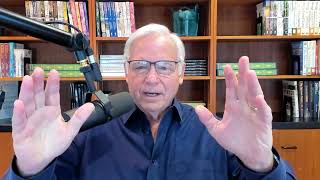
Jack Canfield answers 15 community questions on goal-setting, mindset, and manifestation. He walks through concrete practices: the hour of power (meditation, visualization, exercise, reading), vision boards, victory logs for confidence, and techniques like the sway test to release limiting beliefs.
Chapters
Foreign. And welcome back to another episode of the Jack Canfield Podcast. I'm your host, Jack Canfield, and today's episode is extra special. As you may know, 2025 is what I am calling my legacy year, meaning my final year of conducting live in person events, teaching and mentoring. And one of the things I'll be focusing on is reflecting on the incredible journey we've shared together as a Campfield community and people following the success principles and also connecting even more deeply with all of you in the time between. Now we have until the end of July, so in this episode I'm going to be answering some of the top questions that have been submitted by members of our amazing community. We receive literally hundreds of questions every month. I've selected 15 of the most common ones that are relatable to most people to discuss with you today. And we're looking into goal setting and look at mindset, mastery, overcoming challenges, and manifestation, all of which are designed to help you make 2025 your best year yet. So let's get started. I'm going to do my best to get through all 15 questions. Sometimes I get a little wordy with my answers, but I like to be complete, so we'll get as far as we get. So the first segment I want to look at is this area of goal setting and achievement. We've got a few questions that have come in related to that. So the first question it's many of you have asked about how to create daily routine that helps you achieve your goals. And one of the submissions came from Sarah who asks, how do I create a daily routine that moves me forward toward my goals? Well, once you're clear about your goals and you've committed to your goals for the year and you've prioritized well, what I want you to do is to prioritize three to five key actions daily that align with your long term vision. So the first thing is to get clear, what do you want to achieve? Set that as a measurable specific goal. We'll talk a little bit more about that later. And so measurable in time and space, how much by when? So we'll say like by the end of 2025. And to look at does it align with your long term vision? In other words, you all have a vision of what you'd like your life to look like at some point in the future. Like let's say a year from now, five years from now. And there you want to have action steps you take every day that help you achieve that vision. Most people don't do that. Most people spend time, you know, watching TV and get distracted and do the daily, you know, things you have to do to get by the laundry and going to the cleaners and making sure the car is gas in and all that. But if you want to be highly successful, which is what we're committed to, having everyone achieve their goals, you want to pick three to five actions a day that will help you achieve your long term vision. So if your long term vision was to write a book, you might want to set aside time every day to write for an hour. And then maybe one of the other actions is do research on your book. Another action might be to interview somebody for your book so that your actions are aligned with your vision. If your goal was to lose weight this year, then it might be things like drinking water every day, going for a walk after dinner every day, reading something uplifting about weight loss and, you know, controlling your diet and exercise and getting enough sleep and dehydrate, you know, make sure you're not dehydrated by drinking enough water and so forth. So you'd have five specific action texts you do. If you're just starting out to work on goals, maybe five's too many, it might overwhelm you. So then do the rule of three. But we like the rule of five because, you know, if you go to the tree five times with that sharp ax and take a thing every day, you take five waxes that tree. I don't care how big the tree is, by the end of the year it's going to come down and you'll have done, I forget the exact math, but you do five times 365, you get up into like, you know, 15, 1600 actions of the year. And the reality is that's enough to achieve any goal. So the other thing about actions is for this daily disciplines, if you will, is to make sure that you are tackling the hardest thing first in the morning. So most people work from a to do list, they're not prioritized. But what I want you to do is to say, okay, if I can only achieve one of these goals today, which one would be the most important? What would be the most important action to take and do that first? Often it's the hardest one. You know, there's a wonderful book by Brian Tracy called Eat that Frog. And in that book he talks about if you knew you had to eat a, let's say a live frog, maybe you have to put it in the blender and eat it, right? How gross is that? But if you knew you had to do that, someone's going to give you a thousand dollars if you did it. Most people would put it off, put it off, put it off because it's so gross. You'd wait until like 11:59 and then you do it. But you spend the whole day thinking about and avoiding and feeling crappy about having to eat that frog. But if you do it first thing in the morning, you know, you wake up at 7 and by 7:10, you've eaten the frog. And the rest of the day is kind of downhill in a good way. You know, you're coasting. You're not like climbing uphill and having all that anxiety about having to eat the frog. So always do the, the most important thing, the scariest thing, the thing that's going to have the most impact first thing in the morning. And then you can move on and do the other, the other action steps. And if you don't know what to do, then find someone who's already done it and ask how they did it. Now that could be in person, over lunch, over breakfast, on a call, coaching, call, whatever. Or you can read about it in a book. You can watch People's TED talks, TEDx talks. There's YouTube videos where people teach you how to invest in real estate, how to invest in cryptocurrency, how to write a book, how to market, whatever you want to make sure that you are talking to people who've already done it. Whether it's like virtually, like listening to me talk today, or whether it's like talking to them in person or reading about it, listening about it on a podcast, etc. A quick story. I was in Texas and I was getting makeup put on to do a show. Good Morning Dallas, I think it was called, or Wake Up Dallas, something like that. And the woman was doing makeup on me. And I asked her, what's your goal? And she said, to have my own salon. And I said, great. What are you doing to make that happen? She said, nothing. I said, that's certainly a terrible strategy. It's not going to get you there. And she laughed and she said, well, I don't know what to do. I said, well, find someone who owns a salon. Go ask them how they did it. Well, long story short, within a month or two, I got an email from her saying she had done that. She was now working on all the action steps you need to take to have her salon. So don't let not knowing get in the way. There's other people who already done it and Figured it out. There's very little you want to do that someone else hasn't done. And like Tony Robbins like to say, success leaves clues. So one of the things we know about daily disciplines is morning and evening routines are really powerful bookends for the beginning of your day and the end of your keep you focused and motivated. And you probably heard me talk about the hour of power, which means every morning take one hour if you can only do 30 minutes and divide 30 minutes into three sections. But basically hour of power is 20 minutes of meditation or some kind of reflection. It can include journal writing, gratitude exercise. You can do the quick coherence process from the Heartmath Institute, which you can look up online on YouTube. It'll show you how to do it. I teach it in my seminars, but we don't have time to go through the details of that today. But make sure you build a gratitude exercise into your daily routine. In the morning, first 20 minutes of reflection meditation. Then you want to do perhaps visualizing your goals as successful, saying your affirmations during that 20 minutes as well. And then vigorous exercise, which can include swimming, walking, running, cycling, elliptical, treadmill, that kind of thing. Just last night I read an article about something called interval walking and they're finding it out. If you do you walk really fast for five minutes, really like, you know, go for it and then walk really slow for five minutes. The same thing, high intensity interval training and running can run the 100 yards around a football field, run the 100 yard dash on one side, walk the turn, run the next hundred yards back, walk the turn. And that going back and forth between the two actually gives you more results for exercise and energize, energizing yourself than if, if you were to do the whole thing, you know, full tilt. And if you're just starting out, you know, start out just walking slowly and build up to that. You can do softer exercise too, like tai chi, qigong, yoga, Pilates. There's also something called laughter yoga, which I encourage you to look up on YouTube where it literally gets you just laughing out loud and they give you prompts for laughter and they're finding that this is very healthy for you and also wakes you up. And then 20 minutes of reading, listening or studying matter is reading a book, listening to an ebook, reading an ebook writer, or listening to a book on tape, you know, Kindle book, et cetera. When you go to Google, you can download audiobooks and then Also podcasts, webinars, TED talks, TEDx talks. What I do when I walk, I Have my phone with me, and I have earphones, and I listen to mostly podcasts when I'm walking. I'm learning as I walk. So you can combine two things with one, there's the end of the day, which we call the evening review. And the evening review is where when you're working on, let's say, a quality you want to develop, like being more focused, more loving, more patient, more kind, more assertive, maybe more self confident, more courageous, et cetera, or if there's a set of behaviors you want, like in terms of disciplines, like taking actions at the end of the day, what you do, and I recommend doing this well before going to bed. You know, maybe an hour before going to bed, or maybe at the end of your workday before you go home, you can do it as well. And ask yourself the question, where could I have been more blank today? So you stop, you close your eyes, get relaxed. Where could have I been more courageous today? Or where could I be more kind today? And then you let your subconscious mind answer you. You'll get a picture of an event like when you got impatient in the line at the supermarket, or you got, you know, you were mean to one of your staff people, etc. So basically, make sure you do that. And then when you see the image where you could have been kinder, more patient, more loving, whatever, then what you want to do is visualize how you would have liked to have done it had you been more intentional and on purpose. And that puts a blueprint in your brain. So the next time that you find yourself in that situation, you actually do the thing the way you'd like to do it, rather than the way you habitually do it or the way you do it when you're triggered. So evening review is a very powerful tool as well. You can also do your gratitude exercise at the end of the day before going to bed. And the final thing I would say about this is you want to make sure you stay consistent and disciplined. It's doing things regularly over time, little by little by little. And I would encourage you to keep score. There's a wonderful chapter in my book, the success principle is called Keep. Keep the score for Success. And the idea is that you want to have what we call a habit tracker, someplace where you can check off the list, did you meditate, did you exercise? Did you thank somebody? Did you write for an hour? Did you, you know, control your eating, skip dessert, go to bed on time, et cetera. So whatever actions you want to be committed to, whatever goals you're Working on, create a checklist for each day. And I have mine where seven days and then there's squares going across. I had my sister make that for me. And every day I check off the things I need to do. It keeps you. It keeps you focused. Because a lot of times we find that what we measure, we improve and what we keep score of, we prove. Like when we're. We naturally want to improve our scores. You know, when you were a kid, maybe you played jacks or you played with marbles or you played touch football or whatever, but we're always keeping score and we want to improve our score. It's natural to want to bring your golf score down, to bring the number of hits in a baseball game up, etc. And so by keeping score, you're motivating yourself to do more and to stay on track. And lastly, if you have an accountability partner, someone that you would call at the end of every day or at the beginning of the next day and talk about what did you commit to? Did you do it? What are you committing to tomorrow? They tell you yours, you tell your that them you know, you tell. They tell you yours, you tell them yours. I'm trying to go too fast here. They will tell you what they've committed to and how they achieved it, and you tell them what you committed to and whether or not you achieved it, and then you recommit the next day. The value of this is many of you are what we call solo entrepreneurs. You are people who don't have a boss to report to. You're a coach, you're a consultant, you're a massage therapist, you're an author, a trainer, et cetera, or you're the head of your own little entrepreneurial business of you and maybe two or three other people. What happens is there's no one to be held accountable by. And so we tend to slide and do the easy things first and not do the things that are important. So I really encourage you to pick somebody to be your accountability partner. Make a call every day because you know if you don't do something on Monday and Tuesday that you've committed to and you're thinking about calling them tomorrow, and you still haven't done it, you're likely to stay up that extra 30 minutes and get it done, because it starts to get embarrassing saying you haven't done it, that's the value of an accountability partner. All right, question number two. Cindy wondered, is a vision board still useful in the digital age? And the answer is, of course it is. It's absolutely important. And what's cool about the digital age now is you can make digital vision boards using Photoshop. And there are things like you can go to a website called Mind Movies, and they can. You can put in actual moving pictures, like a video, as well as still pictures, as well as words and images and so forth, but also just doing it on a, you know, big construction sheet of paper. Doing it on your. My vision board is on the back of my office door. I see it every time I go in out of my office. You can put on your refrigerator, et cetera, go to the craft store, get one of those presentation boards they use for science fairs. And whether it's physical or digital, it's going to help focus your energy, keep you keep your goals front and center to you, which is really important. So you want to put it somewhere you're going to see it, like in the kitchen, in your bedroom, in the bathroom, in the hallway mirror, but somewhere where it's not going to get lost. And, you know, it's the power of creating it is just as important as the visualizing it of every day, of going by and seeing it and doing your affirmation and thinking about, you know, achieving that. One of the things I like to share with people was the story. I was in Chicago. I was coming out of a hotel to get into a limo to get out to the airport at o' Hare in Chicago. And it was starting to snow, and I was running in out there, and I jumped in the back of the limo. We wanted to make it to the airport before the airport closed down, which it did. But I got there in time and got out of time. And the guy was the limo driver. And I started talking to him, and I noticed he had an accent. And I asked, where are you from? He said, Lithuania. I said, how long you been in America? He said, oh, a couple of years. I said, what got you to come here? He said, well, I saw this movie called the Secret. There was this guy named Jack Canfield in there, and he said, you should make a vision board of where you want to be. So I made a vision board of America. I wanted to come to America and take advantage of the opportunities. I said, do you know who I am? He said, no, I was just supposed to pick up some guy. I said, no, it's me. I'm Jack Canfield. He almost rolled off the road. But the point being that he made that vision board, put it above his dresser, would look at it every day, and then visualize being in America and say his Affirmation. I'm so happy and grateful to now be living a successful life in the United States of America. So vision boards absolutely work. I was working with a group of people that are members of a multi level marketing company called Young Living. It's essential oils and a group of them. We made vision boards together. And literally within a year, every one of those women had exceeded everything they put on their list. And many of them going to, you know, the highest ranks in the company and so forth. So again, they work if you work them. And one of the things mentioned, this is the last year I'm going to be doing live trainings. Do we produce? And we're doing a breakthrough to success training in June, I believe it's like June 25th to 29th, something like that. It's an evening in three days and we'll be doing a vision board party, I think the first night of that for about two or three hours and we'll all be making vision boards together. It's one of the really powerful tools that we do and it's really fun to do. So if you want to do it in a group and learn how to do it correctly, come join us. All right, number three question number three, I want to look at says, how do I balance big dreams with daily responsibilities? You know, here you've got these big dreams you want to achieve and you also got children you're raising, maybe a job you're going to, a house you got to take care of, maybe you got parents you're helping take care of, you've got volunteer work, work at the church, you know, all the kind of things that you do. And the key is to first of all know that you can do both. A lot of times people think it's either or. I either can be a great CEO or I could be a great parent. But I can't do both. One will take too much time over the other. It is possible to do both. I know many, many people who are CEOs of Fortune 500 companies who spend lots of time with their families, are home on the weekends quite often doing the things they need to do to make sure that their wives and kids are happy and their husbands are happy and so forth. So we always say think both and not either or. So start with the belief that it is possible. That's the first thing. Second is break your big dreams into smaller, manageable milestones. So the goal might be to write a best selling book. The goal might be to generate a seven figure income. The goal might be to end Poverty in your county, you know, whatever. But the point being, that's a big goal. Break it down into smaller, smaller steps that you can measure. Like, you know, the first step might be to outline my book. The second step might be to write three chapters. The third step, so you have these milestones along the way. And what happens is as you achieve those milestones, they motivate you, they give you momentum, they build your self esteem and your self confidence that you can't achieve those goals. So again, break the big ones down to the small ones and then focus on the small ones that are taking you to the big ones. They're like stepping stones to the final goal up the mountain. The other thing is to do is to remember this phrase. Progress over perfection is what creates success. Sometimes we want to be there already. And quite often what happens in life is that it's going to take us some steps to get there. And you know, there are very few overnight successes in life. Chicken Soup for the Soul, for example, took 144 rejections from publishers over a year and a half. And once the book did come out, it was another 14 months before we hit a bestseller list. So, you know, our goal was to be a New York Times bestselling author, but that was about three years from the time we set that goal. And so it doesn't happen often overnight. There's a phrase in the writing world that says sometimes it takes your third book before you really hit the big time. It doesn't have to be true, but it's quite often true. The other thing is a lot of you are doing things at home, the, you know, handling the stuff of life, if you will, that you don't need to be. You could be hiring someone to help you. You could be paying a local kid what I call babysitter wages to do some of the work that needs to be done, to cut the grass, to watch your children, to take care of your pet, to do some house cleaning, etc. And a lot of times I talk to people, especially women, they feel guilty doing that. You know, they'll be like they're supposed to do it because their sister's doing it, their mother did it, etc, and think about this. If you could make 200 an hour as a coach and it only costs you 25 an hour to have a housekeeper, or 20 an hour to have someone cut your lawn, or 20 an hour to have someone take all your pictures and put them in albums, or to organize your closet or whatever. That's a great trade off for you. In terms of income versus expense. So for a lot of people, it's just outside their, their, their, their thinking box that I could go do that. But I want to encourage you to know that you can do that. And the biggest, I would say, leap for most people is to hire a personal assistant, someone that's going to work with you either every day or maybe three days a week, two days a week, whatever, to handle a lot of the stuff that you don't need to do. Answering some of the less important emails, filing, responding to people, you know, going, I know when Patty Aubrey, my partner for many years in business here, would. She hired a personal assistant and she actually took her kids to school in the morning, picked them up in the afternoon and allowed Patti more time to do the coaching and the training that she was doing. So again, just like confront that fear or that fear of judgment, that maybe your siblings will be judgmental of you for spending that kind of money or your husband might not like it or whatever and just bite the bullet and try it for a while. You'll be surprised how it will free you up. Question number four. Lisa asks, what's the best way to turn my passion into a sustainable career? Well, first of all, start by identifying your passions. Not everyone has done that yet. Ask yourself, what lights me up? What turns me on? There's a great quote by the person who is the spiritual advisor for Martin Luther King who basically said, don't ask what the world needs. Ask what makes you come alive. Because what the world needs are people who've come alive. And so basically, it's really important that you find passion in your work, that you inject passion into your work or you find ways to take your passion, which could be photography, could be music, could be art, could be travel, and figure out, is there a way I can find a way to monetize that. Sometimes we have to work at our job job in order to find the money to go pursue the passion things. But life gets really, really good when you're, when your work is what you love to do, when your vocation feels like a vacation is the way I say it. For me, I love to teach. I love what I'm doing right now. I love when I'm on stage teaching, as I did just a few days ago, to about a thousand people at a financial planners conference. And so the result is that if you're good at it and you're passionate about it, people will pick that up. And there's a wonderful term called ikigai that the Japanese came up With I K I G A I, you can look that up on YouTube. There's a number of presentations you can look at that are really good and icky Guy means you're finding a way to monetize your passion. And they ask you four questions. Do you love what do you love to do? Do you love it? Are you good at it? You may love to play the piano, but if you're really crappy at it, no one's going to pay you to play the piano. But if you love it and you're good at it and you're developing your skills, you're practicing, you're getting better, taking lessons, and then the question next is, do other people want it? Well, obviously if you are really good at the piano, people would love to hear you play. And then are they willing to pay you for it? So you know you can be great. People love to hear you do it, but they're not willing to pay you. Then you're not going to be able to make a living that way. It was interesting. I was this conference I just talked at in Palm Springs where there were a thousand people I mentioned backstage before I went on for about 20 minutes. I was talking to one of the tech guys wiring me up with a microphone all. And I asked him what his vision was, was and his passion. And he's a musician. And we talked about how you make it as a musician. I have three children that are all in the music world. One's a DJ and a hip hop artist and has a recording studio and one is a singer and the third is a drummer in a band. And they've all figured out a way to monetize that they're not getting rich, but they're all happy. They have enough money to live on and they're happy because they're doing what they love. And that's the main thing. And I always tell artists in the music world, entertainment world, do what you're doing because you love to do it, not because you want to be, you know, the next Justin Bieber and be wealthy, that's great, you can have that goal. But if that is your main goal and you don't hit it, you're going to feel miserable. But if you're playing music your whole life and you love to do it, you're going to have a happy life. So do it. Do what you love. And you know, the other thing is people say, well, I like to make bread. How can I make a living doing that? I met a woman up in the San Francisco area during the Pandemic. What happened was nobody could go out in the world. We were all sequestered in our homes. And she started making bread for the people in her condo and everyone loved her for it. And after a while they started paying her for it. And then they said, could you make a cake for a birthday cake for my son? Could you bake a pie? Could you do this? Well, she started baking all these things for people. And after the pandemic wound down, she actually opened up a baking service and was selling these goods all over her community. So there is a way to make a living with your passion. I have a friend named Diane who loves to travel. Well, how do you make money traveling? Well, she joined one of these ships that travels around the world to take students on cruises as part of a semester at sea. And they pay her to be a docent teacher on that ship. And she gets to travel all around. She's been to Africa and Asia and South America and all through the Mediterranean and so forth. And the reality is she's doing what she loves. She's got full time place to live because she's on the ship and she gets to see the world and they pay her. So, you know, another friend of mine leads cruises down the Nile. Another person I know is a person who coordinates and leads bike trips. So yes, you can find a way to do it. It's just a matter of being a little creative and then look to see if other people have done it. You'd be surprised. Segment two, we're looking at personal growth and mindset. So this is the fifth question that came in. Mark asks, what are the most effective habits to build self confidence? And the most effective habit to build self confidence is to set goals and achieve them. And the key to this is to make promises and keep them. To make small goals, small promises, you know, I will do this for you if you pay me this. I will, you know, write 10 pages in my book, or I'll write one page, whatever. And when you've written that one page that day, you're going to feel good about yourself because you achieved your goal. Most people set goals that are so big that they don't usually achieve them, especially in the timeframe they set for themselves. Because it's just your ego saying, I want this by this date. It's valuable because it provides momentum, gives you a direction, tells you what to focus on. But basically, if we break those bigger goals down into smaller goals and then we achieve them, celebrate the achievement. Keep a victory log is one of the things I Recommend you do. Every time you have a small achievement, write it down. Another exercise you can do is called the Mirror Exercise. I was just talking to a woman in our legacy group that we have. It's our $25,000 a year program. And one of the things she just mentioned is she's been doing the Mirror exercise every night and how it's absolutely changed how she feels about herself and her work. She's a dancer and she calls herself an artivist, but it's the sense of an activist. How do you use art to transform the world? And so the Mirror Exercise, if you're not familiar with it, it's in my book, you can look it up, but I'll just give you the basics. Every night you stand in front of a mirror and you look in the mirror and you say to yourself, hi, Jack, or your name, I love you. And I want to just tell you some of the things I appreciate about you today. And so I want to acknowledge you. And then you acknowledge yourself for three different kinds of successes. Anything you set where you achieve the goal. I want to acknowledge you for finishing that report you promised to give to your, your board of people that are helping you work on this transition. I want to acknowledge you for writing five pages in your learning this, you're loving with it, living the Success Principles book, which is one of the books I'm working on. And so you acknowledge yourself for specific achievements. They can be little tiny things, just getting to work on time, getting out of bed in the morning. And then the next thing is, any disciplines you kept. You wrote for five minutes, you didn't eat, you know, you exercised, you meditated, any disciplines you kept. And then the last thing is any temptations you overcame. You didn't eat that cake after dinner, you were tempted to eat that sugar cookie at lunch. You didn't do that. You were tempted to stay up and play, you know, crossword puzzle games on your, on your, your K, your phone at night. And you didn't do that. And then finally you say, and I really love you if you do that every night. And I've got friends and students who've done this now for, I think, 12 years, never missed a night, and they're totally transformed themselves. So my focus, see, self confidence comes from surviving a risk and having a success. So if you set a goal and you go take an action where you could fail, you know you could fail, you could not write the five pages, you could not have your book done by the date, et cetera. So. But when you survive those Risks either. Whether you achieved it or not, what happens is it builds your self esteem, it builds your self confidence, especially when you do achieve it. So by appreciating yourself on a regular basis in the mirror with what's called a victory log success journal, that's important. That will help you a lot. Also, the thing you can do too is write down a list of 101 successes you've had in your life. So write down a list of 101 successes you've had in your life. And you know, learning to drive a car. So often we get to the age we are, we forget all the things we did when we were younger. And so we think we have to do something huge in order for it to be a success. When just earning a living and paying the bills is a success, Getting the kids to go to bed on time is a success. Having kids grow up and not be addicted to drugs or get arrested by the time they're 18 is a success. So start acknowledging yourself for all the things you've done. And remember, you've survived everything that's ever happened to you, no matter how much you went out there. And maybe you failed. Someone said, today I failed at divorce. No, you didn't. You survived divorce. It just took you a little longer to get through it than you thought it would. But you survived it. So anytime you need to do something scary, as I mentioned before, do it as soon as possible. Don't put it off. Prepare, build, support team around you, and then take the actions. And when you get the results of success, celebrate. You know, one of my friends, every time he finishes a book, he will take himself and a good friend out to dinner. Another friend of mine who has a lot more money will actually buy himself a new car every time he finishes a book. So he's rewarding himself, going and getting a pedicure or manicure or going to get a massage or spending a day at the spa or going to buy that favorite sweater you've been looking at. Whatever is another way you could reward yourself for a success. And often we don't celebrate our wins. So it's important to slow down enough to celebrate them, to acknowledge them. And as you do that, that's gonna help your confidence grow as well. Those are some techniques you can use. Question 6 says, how do I stay motivated when progress feels slow? I kind of talked to this a little bit earlier when I said that, you know, chicken stew for The Soul took 14 months, 144 rejections. 14 months to make the best seller list. One of the things I read recently, I wish I'd been able to find it last night. I was preparing for it. It's like, didn't. But it was a guy who's now one of the top Internet marketers in the world. He has, like, about a million followers. And he talked about, I think it was like, seven years. He said, the first year, I had, like, 353 followers. The second year, I had about 700 followers. The third year, I had about 2,000 followers. The fourth year was like 8,000. And by year seven, it was like a million followers. And so it built up slowly over time. And now there's a lot more information. You can use AI to ask, how could I create more followers for my Facebook page, for my Instagram account, et cetera? And you'd be surprised how much information you'll get back. Just tell them what you're focusing on, what your goals are, what your offers are for your business, et cetera, and that will help you really realize you can get there faster than perhaps a lot of people do. At the same time, give yourself permission to take the time it takes to get there. You know, it takes the time it takes. Someone asks, you know, how long does it take to need an elephant? And the answer is, it takes as long as it takes, because the elephant's big right now. One thing I want to share with you, too, about this is something we call the gap. What happens is, I want you to visualize with me. Down here is your goal. You set this goal or where you are. So look at the beginning of the year. You're making, for the sake of easy numbers here, $100,000 a year, and your goal is to make $200,000 a year. That's up here. So at the end of the year, you've only made $160,000. So that's here. This is what we call Actual One, where you started, Actual Two, where you ended, and then your goal. If you focus on the gap between actual two and your goal, you're going to feel bad because you missed it by $40,000. If instead you focus on the distance between actual 1 and actual 2, you're going to feel great because you improved your income by $60,000. So always focus on what is the actual progress rather than the gap. Most of us have been trained, mainly through education, to notice where we screwed up. We handed a paper, a math paper, and a teacher puts an X down to the ones that we missed and then gives us a grade like 70. They take 30 points off 10 for each one we missed. So we start looking at where we screwed up rather than where we did well. We focus on the mistake rather than on the achievement. So in life you want to focus on what you did well. That's why the mirror exercise and the victory log are so important. Not writing down what you didn't do, but writing down what you did do is really important for you. I remember when I was a high school teacher way back when, I would have a class maybe of 38 kids and I would come home and I'd be thinking about the four kids I taught that didn't get it. That day I had 34 kids really understood what I was teaching them. They got it. The four kids who didn't, who am I thinking about all the way on the drive home? The four kids who didn't, that's not good. That will bring your self esteem down, bring your self confidence down, make you feel good. But if I focus on the fact that none of them knew it and now 28 of them do, as opposed to the four who still don't, that's better for my self esteem, my motivation going to keep me feeling better and more likely to keep going to achieve that goal. So very important to stay in that space of focusing on what you did do, not what you didn't do. And the same thing is true with anything in your life. Martin Luther King, I often say, didn't have a speech called I have a Complaint focusing on everything that was wrong. He said I have a dream focusing on everything. He wanted to always be focusing on the idea of what you want and the progress you're making rather than the gap between what you did. All right. And lastly, I would say to keep yourself going when you're, when the momentum is slow is to revisit your why. Why are you doing this? Are you, did you join this network marketing company because you wanted to make money so you could afford to send your grandson to college? Then remember that, you know, so that why is just keep you motivated. There's always a why behind everything, you know. Why do you want that house in the suburbs? Well, it's going to be more calming. My family's going to feel safer, et cetera. That's the bigger why not salesperson of the month, you know, so if you can stay in touch with your, your deeper why, you're going to be a lot better off. All right. Linda writes, why can't I determine my purpose at age 69? Well, not knowing you, Linda, I don't know why. However, what I do know is this. It's never too late to get in touch with your purpose. It's never too late to set goals, never too late to achieve your vision. I know this because I've worked with people in their 60s, their 70s, even 80s who thought they had lost their sense of purpose. And the reality is that you can always get in touch with that purpose. And the thing you have to understand too is purpose evolves. A lot of times people retire and they go like, well, I don't know what my purpose is anymore. I was just working with a retired, or I should say retiring, about to retire accountant from Canada. The other day we're doing a call, like a coaching call. And he was saying, I don't know what my purpose is anymore. And you always had to be achieving something. And I said, well, what if your purpose was just to enjoy yourself for a while and see what bubbles up that you might want to do that you're drawn to because it excites you. You go, wow, that would be fun. And he started saying, well, I've been traveling more and I really enjoy that. I said, well, then follow that. You never know where it leads. You might be traveling and sitting next to someone on a plane, having a conversation that leads you to your next thing you think you have to do, which is more achievement oriented or more making a difference in a community. You know, we go through different phases in our life as well. You know, when you're younger, you're building a family and starting a business or becoming, you know, successful in your career. And then later, you know, maybe you're raising those kids or the kids are out of the house now and now you're retired. So we, our life can evolve over time. So there's a wonderful technique too, I'll share with you. It's called the Passion Test. It's developed by Janet and Chris Atwood, ATT W O O D the Passion Test. It's really not a test. It's an exercise you take yourself through and at the end of that exercise, you identify what your top passions are and then figure out how to stay focused on those passions at work in, at home, with your friends, et cetera. I love that book. They actually interviewed me and took me through that Passion Test as part of writing that book. So you'll discover me and the first chapter of the book there. But it was very helpful for me to discover that my passion, more than anything was to gather with conscious people and to talk about things that matter, to make a difference in the world, to evolve the world into a more loving, successful, peaceful, cooperative place. And at the time, I was doing a lot of workshops, but I wasn't learning as much as I wanted to by gathering with other people who were at my level. And so I started the Transformational Leadership Council, which is all people who are transformational trainers as well, like John Gray from Men and from Mars, Lisa Nichols, Marcy Schimoff, people like that who we gather together every year, twice a year, and exotic places like Panama, Mexico, Bermuda, Hawaii, Croatia, Ireland, et cetera. So we get to go to cool places and hang out and share our expertise with each other about what we're doing in our companies and how we're evolving our work that we can empower and inspire people more and so forth. So that came out of that passion test. I would encourage you to check that out as well. And again here, the key is what brings you the greatest joy. We talked about that with Ikigai. What do you love to do? So one of the things you can do is do a joy review, go back over your life and say, when was I happiest? When was I most joyful? For me, I was always teaching something, learning something and teaching it, learning something and teaching it, learning something and teaching it. And that's what I love to do the most. And even when I retire, I'm still going to be learning stuff. And I'm sure just in interactions like with my family and neighbors and friends, I'll be sharing what I learned because that's the nature of how I operate in the world. So give yourself permission to do that as well. And then say, okay. I write in my book, the first edition of Success Principal, about Julie Carrier, who was a student at Ohio State, and she always thought she wanted to be a veterinarian because she loved animals. But when she started taking all the medical classes, you know, anatomy and biology and all of that, she didn't like it at all. And she was miserable. And she realized, I love animals. I don't think I like the science of medicine and taking care of them that much. And so she did a joy review, and she realized she was happiest when she was leading. And so she went to the Ohio State University people and said, can I get a degree in leadership? There wasn't one. She said, well, can we put together a set of courses like psychology and speech and so forth that would help me develop my leadership abilities and get a degree in leadership? And they said, yes. And she graduates Ohio State. She's in her 20s, and then she was already consulting with The Pentagon, teaching people in the military leadership skills. So now she runs a leadership foundation for young women around the world. So she's incredibly doing what she loves to do. But she discovered it by going back and doing this joy review in her life. So that's another thing you can do as well. One last thing with this, I was talking with Ken Honda, who wrote a book called It's About Money. I'm having a brain freeze at the moment, but Ken Honda, you can look it up. H O N D A. And he's written a book about money, which I really recommend all of you do. And he also has written a new book on wealth that's really important. It's called Happy Money. So check that out. But Ken and I were talking about. And Ken was saying that he was starting to ask people to go back to before they were an adult and when they were children. What did you most love to do when you were a kid, when you had free time? And he said, I love to talk. He said my report cards would come back and the teachers would say, ken talks more in class than I do. You need to try to control him. What does he do for a living now? He gives speeches, he talks, he teaches. And so the same thing with me. I love to learn things and teach. I was doing that. I was teaching kids how to play marbles better. How to we used to throw baseball cards up against walls and whoever got the closest would win all the other baseball cards. I got really good at it. I started teaching people a technique. I became the head of my fraternity in college and taught high school. So teaching was always there and I loved to do that even as a kid. So what did you love to do when you were a kid? And that's another way to find out, well, what's the thing that really lights you up? And finally, you can go to my book, the Success Principles. Chapter two, I believe, is be clear why you're here. It has a life purpose exercise that takes you through a writing exercise to get it clear with it. And also, if you come to our June breakthrough to success this year, I'm going to be doing a life purpose visualization exercise that's much more spiritually deep, that's really, really powerful. That will help you get that as well. Okay, moving right along here. I don't think we're going to get through all 15, but I'll get through probably there are four here. So this is about overcoming challenges. One of the questions that a lot of you asked was about overcoming difficult environments. And one Person, Alex asked, how do I escape from an unhealthy or unsupportive environment? So there's two basic ways. One is get out or tune out. In other words, if you can leave, get out. I was just watching. There's a new Bob Dylan movie, you may have seen it called A Complete Unknown. Now I'm watching the five hour version that someone did of his whole life and he grew up in Hibbings, Minnesota and he literally just felt like he was a fish out of water there. This couldn't relate to the, the whole conservative nature of everything, to the lack of, what should I say, passionate pursuit of their dreams and so forth. The coal mining town basically. And so he had to leave. And as soon as he was able, he left and he went to New York and met Woody Guthrie, joined the folk singing group in Greenwich Village and the rest is history. But he got out of that. If you're in a toxic marriage, you know, sometimes you just need to leave, you know, get a divorce, go live with your sister, go to a shelter. But the point is, don't hang around to where you're being abused. It could be not just physical abuse, but emotional abuse, verbal abuse, or it's just you're being ignored. Often the youngest children in a family of five gets the least amount of attention, gets beat up by everybody else or the middle child. That can happen as well. So don't stay where it's toxic. And the other thing is, if you are staying in relationships with people, set boundaries with them. I don't talk about that or you can't say that to me. If you start gossiping, I'm going to leave the conversation. If you start badmouthing my sister, I'm not going to participate in this. Whatever. So you can have boundaries and make your boundaries clear. When people cross the boundaries, say, well, that's the boundary I have. And so that's not going to work. I'm going to leave or we'll shut this down or whatever. Don't engage with people who are negative. We have a principle called drop out of the Analpha club. And most people spend time with people that are negative and it's going to bring you down. You want to spend time with people who are positive, nurturing, uplifting and encourage you to succeed. Are goal setters themselves. There's a wonderful book written by two of my friends who are in the Transformational Leadership Council, Stuart Emory and Ivan Meisner. It's called who's in youn Room? And their thesis is, you have a room Full of people in your life. And once someone gets into your room, it's very difficult to get them out of your room. So going forward, have a doorkeeper. So don't let people into your life who you know are going to be negative, who you know are going to be judgmental, who you know are going to be people who are. I call them psychic vampires. They kind of suck the energy out of a room, life out of a room. You want to let people in your room and keep putting yourself in environments of people who are supportive, who are uplifting. People like our support groups we run, the seminars we run, et cetera. So make sure whether the church you belong to, the mastermind groups you belong to, where you spend your time is with people who are uplifting. Number nine, question was, what advice do you have for someone stuck at a crossroads? And by that, I'm assuming you mean you've got. You could either go right or left. You know, I could go this way, I could go that way. I could take this job, or I could take that job. I could marry this person, or I could not and maybe hope for someone better or marry that other person over there. A couple of things. Number one is just a paper and pencil thing. Most of you have done this before. You write down the two options. What are all the pros for this one? What are all the cons? You know, with that one, I'm going to get a lot of money. I'm going to live in a nice neighborhood, and I have a lot of friends. We'll travel a lot. The cons is this person's very judgmental, they're sarcastic, they travel too much. We'll never have enough time together. And then over here, do the same thing for the other person. And look who's got the most pros versus the most cons. So that's one way to go about it. And that's okay. That's a good way to do it. Sometimes when people are trying to figure out, like, I've got five projects I could work on, which one should I do? We do a project analysis by putting down all the projects on one side. I've got this book I could do. I could work with that person, I could take that job, I could freelance, whatever. And then look at how many hours would it take to do that? How much my own time and money would I have to invest in that? If you've got staff, how much of my staff would have to go toward that? What are the. Any other costs that might be associated with that? What are the payoffs, you know, how much money am I going to make? How much impact am I going to have in the world as a result of you start to get. Look at, you know, where can I have the most payoff for the least amount of cost? And that's one of the ways we decide between this book and that book or this project and that project. Also. You can go into. There's something called your internal guidance system, which I highly recommend you get to know. It's like you have an inner gps. In fact, one of my friends, Zen Debruck, that's Z e N debrook D E B R U C K e, she wrote a book called your inner guidance system, and she wrote another book called your inner gps, another book called the smart soul. All of which teach you how to think about an option, whether it's a person, a job, a direction. And then notice how you feel in your body. Do you feel expanded or do you feel contracted? Does it make you feel excited or make you shut down? And whenever I'm coaching clients, when they have decisions to make, I look for when they're talking about one of the options, are they feeling more energized or feeling more weighted? And you want to go toward the more energized one. Another technique you can use for that is called the sway test. And if you go on YouTube and type in sway test, there's probably about 20 videos there that can show you how to do it. You simply calibrate your body, you stand and you ask your body, show me a yes answer. And for most people, their body will sway forward. And then what's a no answer? Their body will sway back. You might do different. Doesn't matter. But you're calibrating, which way does your body go? And you ask them some questions you know the answer to, am I a man? And if you're a man, you get a yes, and you start to trust which, you know, direction it's going. You can trust the answers. And then you can ask questions like they always have to be yes or no questions. You know, should I go on vacation with that family? Should I buy that house? This next step I want to take of writing a book, is that my best next step, you know, and what happens? Wait and see. Does it go forward? Does it go backwards? You'd be surprised. I've had numerous people use that technique that have helped them decide what foods to eat, what jobs to take, what people to spend time with, people to work with in terms of being business partners, et cetera. And it's a very simple technique. Everybody can learn it. Your body has. It's tapped into your intuition, which has more actually wisdom, if you will, than your intellect in most cases. So do both. Do the intellectual side. Do the physical intuition type. And I always say, follow your joy, follow your bliss. Question number 10, John asks, how do I remove limiting beliefs to achieve my goals? I'll keep brief on this because there are a couple of things you can actually do with me in the future. But if you go into my book again, there's a whole chapter on letting go of limiting beliefs, where you write down the limiting belief. You know, I'm not worthy of success, or I'm not smart enough to achieve my goals, then what's the opposite? I am smart enough to achieve my goals. Notice what comes up when you say that. Are there other feelings and beliefs that emerge? Write those down. And then we want to create an affirmation for that new belief that I am smart enough to achieve all my goals. I have everything I need to do everything I want. It's okay for me to make money. I'm not a bad person if I become wealthy. In this fact, I. The wealthier I become, the more I help people. I remember my friend Mark Victor Hansen once asked the Dalai Lama because he had a. A lot of people have a belief that, you know, if you're rich, that somehow you don't care about other people, they're going to judge you and so forth. And what happens is that he said to the Dalai Lama, he said, what can I do to help the poor the most? And the Dalai Lama's answer was, don't be one of them. Which I would have never thought would come out of the Dalai Lama's mouth. Thought it was going to be something about be spiritually more giving and philanthropic and so forth. But the idea is, when you achieve your goals, you are actually providing a model for other people about it's okay to achieve your goals and you can be a good person and do well and do good at the same time. So you want to challenge the validity of the goal. You know, money doesn't grow on trees. Well, money actually grows on bushes. Our money's made out of cotton and other fibers like that. But our parents taught us a lot of beliefs that just aren't true. But I say the most important thing for answering this question is at least two or three times a year, I do a free seminar for about an hour and a half where I help you identify a limiting belief. You don't even know you have and then we basically replace that limiting belief with a positive belief. We install it into your subconscious brain and it's a really incredibly powerful tool that goes way beyond your conscious mind, your subconscious, where a lot of these limiting beliefs live that stop you from doing what you want to do. So if you find there's certain things you want to achieve and you can't get yourself to do the thing you need to do to do it, there's a limiting belief in play or a fear. And most fears are based on limiting beliefs as well. You know, I won't be safe if I do X, Y and Z. So you could just go to jackhamfield.com, get on our mailing list if you're not already. And when you get emails from us, open them up. And I will be doing a few of those before I retire this year. And you can participate. We usually get about 2,000 people sign up to do them. So we'd love to have you join us. Also in our Breakthrough to Success group. In June we'll be doing that exercise and also in our Reignite youe Life group, which is a four month ongoing program which we just started a version of. And we'll do another one starting in April that will end in the first week of July, I think. And that'll be the last we're doing of those. So again, if you participate in those, you'll get that exercise. So let's go on to the segment that has to do with manifestation and legacy. And question number 11. Samantha writes, how can visualization help when procrastination holds me back? Think about this. Procrastination usually is the result of a fear. We go into the future and we think about something bad is going to happen. If I do this thing I want to do, you know, they're going to, they're going to reject me. Someone this morning in our legacy group talked about, she got this phone number in her head and she just knew intuitively she was supposed to call it and she didn't know who it was. And she said, I got ready to dial it and I just, I was scared to death that they're going to hang up on me. Well, think about that. Why would you be scared to death that some stranger you don't know is going to hang up on you? So what? They don't know you. So we had to go into the future and create that fear of imagining someone doing something that you would find rejecting. And then we respond to that image, that fear, as if it's real. And then we procrastinate because we don't want to have that experience. So procrastination is usually some way of like protecting yourself from something that you think is dangerous or you're afraid to make a mistake and you'll be judged, whatever. And you got to start living out beyond your comfort zone a little bit, not letting that desire for never feeling uncomfortable stop you. And if you will, visualize the opposite, what you want. In other words, you don't want to be rejected, you want to be accepted, you don't want to fail, you want to succeed. Visualize that. Visualize the standing ovation, the check in the mail, the client saying, thank you, your kid saying, I love you, mom, whatever it might be. So that that's what's running your system, not the fear image that you created by imagining something in the future that hasn't happened yet. And that's one way to get out of that. And then once you've done that, small little action steps, you know, tiny habits, you know, don't try to do everything all at once. If you write a page a day for your book, that's 365 pages in a year, which is plenty. If you exercise for 10 minutes a day, that's 3,650 minutes of exercise. Divide that by 60 minutes, you get a lot of hours of exercise. So sometimes doing a little over time, a little, a lot rather than a lot, all at once, is going to get you where you want to go. And so I would suggest those two things. Let's go to question number 12 here. This is a common question. We got, what should I do if I can't manifest my desires despite trying everything? Well, first of all, nobody's ever tried everything. I always tease. People say, well, did you eat only dog food for a month and meditate four hours a day in the shower? And they go, no, that we haven't tried everything. So it's my way of teasingly saying, look, there's all kinds of actions you can take, many of which you don't know about because you haven't studied it. So go out there first of all, and see who's already done it. We talked about that earlier. And find out what they did. Might be in a book, it's a manual, the course they teach, an online course, whatever, and then start doing the actions that they are suggesting. The other thing is, often we have a misalignment between what we say we want and what we really want. Like if something keeps showing up as a should every year on your New Year's Resolutions, you know, I should lose weight. You know, that's a goal for 10 years. I want to lose 15 pounds. We never do it. It may be that it's just a should that you don't need to do, that you don't really want to do. I remember one of my friends said, I'd rather drink wine than be 15 pounds overweight, than not drink wine and be thin. And so that's just a decision you can make. You know, you don't have to live up to someone else's external standards. The other thing is occasionally that kind of not achieving something is actually protecting you. Sometimes we set goals that are not the best. I would give you an example that came up the other day. This woman was wanting to heal. She got sick, and she was a nurse and she was burned out, and she wanted to heal herself so she could go back to the nursing job. And it wasn't working. And when she worked with the counselor, what she got in touch with was that her body did not want her to go back to work as a nurse. It knew that nursing was killing her. And so basically when she changed it to go back to a nurse, when she said, I just want to heal, if I can take my next step to what's going to be the most nurturing and keep me healthy, she got better. So sometimes we set a goal that's not for our highest good. So give yourself permission to acknowledge that's a possibility as well, and don't let that give yourself permission to not always have to do everything you think you should do. I think there's a lot of if there's a deep desire and you really, really, really want it and you're not getting there, probably it's a limiting belief that's stopping you. And that's why I do the limiting belief work I talked about. Make sure you sign up for that. And secondly, it could be a fear you have that's underneath that basically is like, it stopping you from doing it because you're afraid of something's going to happen and your subconscious trying to protect you from something. Maybe it was a traumatic experience in the past, maybe you got laughed at, punished, bullied, et cetera, when you did something. And so he's trying to keep you from doing that again. But you have to heal that trauma, heal that memory. And we do the belief work that I do. That is part of that. So again, I would encourage you to sign up for that. I think we have time for one more question, and then I'm going to let it go here. Question 13 says, do you have an end of life plan for leaving a meaningful legacy? And I'm going to answer that for myself personally and also talk to that in regard to you as well. Everything you do leaves a legacy. Every action you take has some kind of effect in the world. Your children are watching you. If you're smoking and telling them not to smoke, you're leaving a legacy of them probably smoking because what you do is more powerful than what you say in terms of how they model. So it's important as well, and whether or not you are planning to leave a legacy. Like I'm going to leave $100,000 to the cancer Society or I'm going to leave these online courses that people can click to buy forever. One of my friends just retired, took all of his books, all of his programs and made them public domain. Anybody can access his books and programs for free. As he said, that's my gift to the world, that I'll be out there forever as long as there's a website that can hold them. And so some of us want to leave that kind of legacy and so decide, you know, what that is for you. For me, I want people to keep teaching these principles for a while. So I've trained a thousand trainers. We have some click to buy programs online, the do it yourself programs at home that'll be available for as long as I'm alive. And I think some other people we have that we've trained to be trainers will keep that stuff out there and available to people. So think about primarily living in the present and doing the things that bring you the greatest joy. But also, if there's something you want to do that makes a difference philanthropically, whether it's through education, through ending homelessness, poverty, bringing more peace on the planet, dealing with global warming and creating sustainable environments and so forth, give yourself permission to do that as well. I find for myself, I want about a seventh of my life. We have seven areas, career, finance, relationships, health and fitness, et cetera. One of them is contribution. I want about a seventh of my life to be committed to making a difference for others. Because I find when I'm serving others, I'm happy. So I don't want to do that to the exclusion of myself. As Lisa Nichols says, you want to serve people from the overflow in the saucer, not from your cup. If your cup's only half full, like the nurses was, you're going out there and you're serving from that half empty cup, you're just creating a more empty cup. But if you work on filling yourself up, doing the things you love and enjoy, the things that nurture and fulfill and refurbish you, then what happens is you're going to fill up and you'll overflow. And it's from that overflow that you want to flow out money, time, service, expertise, etc. To make a difference in the world as well. So we have our goal of having 1 million trainers training people by the year 2030. We call it our, our vision of, you know, one in a million. We want everyone to be one of a million. And we've got many, many people now that are doing that all over the world in 117 countries. So that's mine. Ask yourself what's yours and don't feel like you have to do that, but if you want to, just remember that everything you do, how you speak to people, how you treat people is part of your legacy. And then if you want to make it more formal, you can go after that. All right, well, I appreciate you for joining us. I'll probably do another one of these before the end of the year where we do a more of an Ask Jack kind of a model than me having a guest on. And I'll get to some of the questions we didn't get to today. There were three we didn't answer. And I just want to end by thanking all of you for joining me today and submitting such a thoughtful questions. I hope the insights we covered inspire you to take the action you need to make 2025 your best year yet. And as we enter my final year of these live events, teaching and mentoring, I invite you to spend some time with me in our incredible community at one of my final events. Or join us online and you can find all the details along with other Valuable resources@jackhamfield.com Let's make this year a transformational one for all of us. Thanks again and I'll see you next time on the Jack Canfield Podcast.
More from Jack







[EP 46] Creating Your Own Luck: The Power of Self-Confidence with Veronica de Andrés

[EP 45] Rewiring the Brain for Bliss: Activating Your Spiritual Intelligence with Dr. Dawson Church


[EP 43] Transform Your Life Through Visualization and Emotional Intelligence with Natalie Ledwell

[42] Enhancing Your Health & Longevity Through Peptides and Functional Medicine with Regan Archibald