Jack Raines: AI WON'T Kill Writing and the BEST Business to Start in 2025
In a lengthy interview, Jack Raines—founder of the Young Money newsletter, former UPS FP&A analyst, and recent venture‑fund partner—covers his unconventional career path, early SPAC trading success, and how he built a sizable online following through Reddit, Seeking Alpha, and Twitter. He argues that writing remains a critical competitive edge for businesses and warns against over‑reliance on AI for knowledge synthesis, emphasizing that AI should be a drafting aid, not a substitute for deep thinking. Raines explains the evolving creator economy, noting that distribution (especially owned newsletters) is the most valuable asset, and that creators can leverage their audiences to launch high‑leverage businesses rather than relying on ad revenue or brand deals. He describes the new $63 million Slow fund that invests directly in creator‑led companies, outlines how the fund sources deals (mostly inbound), and shares his views on platform choice, the importance of non‑anonymous identities, and the diminishing returns of political content. The conversation also touches on his perspective on government deficit‑cutting ("Doge") and the need for careful, non‑business‑like approaches to public‑sector reforms. The interview ends with Raines directing listeners to his newsletter (youngmoney.co) and social profiles.
Chapters
We just raised a $63 million fund to invest directly in creator-led businesses.
This is Jack Raines, a successful writer and content creator with over 170,000 followers across platforms. He's the creator of Young Money, a newsletter that gets over a million views each year where he shares insights on money, work, and life's big questions. In this episode, we'll cover why writing is important to businesses.
I think it's incredibly important. It's one of those things where you're going to see a bigger gap between people who do and don't right? Such people who can and can't write.
The secret sauce on how anyone can become successful in any industry.
The sweet spot is when the thing that you're doing for money, you also just have some level of interest and enjoyment from where you go down the rabbit holes of the thing that pays you. It's not a bad way to live.
What will the creator economy look like in the next 5 years?
I think that we're going to see a lot more.
How will AI impact writing and content creation?
I think that we're going to see a lot of people that just become increasingly reliant on outsourcing too much of the writing/thinking process to robots. I think that people are overestimating how much AI discounts the value of really human things.
And what's the best platform to start creating online according to Jake?
I think that the most valuable one is probably—
if somebody asks you what you do for a living, what do you typically tell them?
Yeah, that's, that's a good question. So it depends on who asks and what the context is. The answers range from being real pretentious in saying that I'm a venture capitalist, which is really fun. Like, I've been able to do that for about 4 weeks now, to saying I'm a blogger. I used to say I shitpost on LinkedIn, but typically, typically I either say that I'm a writer or I work for a venture fund and then kind of go from there because those are both true. But I don't know, it depends on which kind of image you're trying to convey on the first impression.
But when you were in school though, you were— you got a finance degree, or was it journalism? Were you writing then? Like Um, what was your background?
Yeah, undergrad was finance and Spanish. So I kind of was just typical going to finance after graduation. The, the basic setup was graduated undergrad in 2019 from Mercer University with degrees in finance and Spanish. I'd gotten into business school at Columbia. They had like a 2+2 like deferred enrollment program where you, if you got accepted, you would then work like 2 to 5 years before starting your MBA. So I knew I was gonna go to CBS in like 2022-ish. So I figured just like work in finance for a few years, go to Columbia, and then work in like big boy finance, like investment banking, basically any place that like wouldn't recruit outta Mercer University, which is probably banking or consulting, then do that after business school. That obviously is not what ended up happening at all, though I did end up coming back to the finance route. But yeah, never studied journalism, just started blogging as a non-professional journalist.
When did you start, let's say, your professional career? That was like prior to 2020, prior to COVID?
January or Feb— no, February 2020. So I graduated December 2019 and then I was working in corporate finance, like FP&A for UPS, the shipping company. And I was in the office for like 4 days and then the pandemic hit and they're like, all right, we're going remote for 2 weeks. 2 weeks obviously turned into 2 years. As everyone knows. So yeah, I mean, great timing to start your career.
Were you already shitposting, we'll say, on Twitter and LinkedIn when you were in school and coming out and like starting to look for jobs? Or was this something you started taking up? Like, and when I say that, I mean like legitimately just like writing and everything, right? Like, did you start doing that after you graduated? Were you, had you already started and built a little bit of a following when you were in school?
So the shitposting specifically probably started Q1 2021. I don't know why. Like, I actually went back and checked because I was curious too. I couldn't remember when I actually started doing that because I remember when I started doing it like intentionally with like a purpose, trying to funnel more people to my newsletter. But I was just doing it for the love of the game, like while I still was working at UPS. Like I, yeah, I did at least like 4 or 5 shitposts while I was like fully employed and didn't really have any bigger like riding growth ambitions. I just thought it was funny.
What does your employer say then? Were you ever concerned, right? At like, at that point? Cause like, I feel like you, you go back, I don't know, maybe 10, 15 years and like being on social media is like so taboo with like employers, right? And you're like, were you ever worried about that?
No, but the caveat to that is I had already like planned to quit my job sometime summer of 2021. I like, basically we can get into this a little bit, but I had, I had a very fortuitous run on the stock market during the pandemic and knowing that I was gonna go to business school in fall 2022, then having a lot more money than a 23 slash 24-year-old should have in like Q1, Q2 of 2021. I kind of knew that sometime around August I was probably gonna quit my job. Like I wanted to travel and just go do more interesting stuff and work on like UPS's 2026 profit plan. So like I already kind of knew I was going to leave. So then I wasn't really that, that concerned with anything like that. Like there probably should have been more concern about, you know, your parents always tell you the internet is forever, be careful what you put out there. But I just thought it was very funny making fun of hustle culture on LinkedIn. So no, I did, I did have my, my boss did tell me one time that she thought one of the posts was hysterical. Like it rarely got mentioned and it never got brought up as an issue. And there was just one specifically where she was like, This is pretty funny, which then like gave me a, like, I don't know, a lot more, a lot more courage to keep doing it or definitely like, yeah, definitely like incentivize confidence to be like, okay, I'm good.
Yeah.
Confidence. Yes. So yeah.
All right. So let's talk about this fortuitous run on the stock market. What would like, so what were you trading? You were just day trading or like what, what led to, I guess, you having success in the stock market?
Yeah. So I was going back to like February 2020, like right, right when the pandemic really hits market starts going down, would shoot back up, going down. I, like every other 22-year-old dude, have been spending a little bit too much time on Reddit and WallStreetBets. And initially it was literally just buying SPY puts. Market tanked, thought I was a genius. Then the market recovered, realized I wasn't a genius because I bought more puts and basically lost the money that I made. So sitting there like with my kind of tail tucked between my legs thinking, all right, like I'm not, I'm not doing that again. Like I made and lost like $15,000 up and down over the period of a month. That hurt. And then I saw that DraftKings is going public through this thing called a SPAC. Funny enough, your cousin Jake actually was the one who was like, dude, you can buy DraftKings stock before it actually goes public. Check this out. I didn't really know what he was talking about. I thought he'd like had something totally misconstrued because he's not really a finance guy. He was actually 100% correct in this case. So. I look into it and I'm like, oh, this is interesting. It's like a weird IPO vehicle. And long story short, like, the DraftKings stock did very well. And all these companies that went public through SPACs also had warrants that were effectively call options. Like, if you basically— if you buy them, they're going to go up and the stock doubles, the warrants are going to go up like 5 to 7x. So without like I can, I can talk like 30 minutes just on this alone without going too deep in the details. I got very good at figuring out which SPACs were going to blow up before they blew up effectively. And like at one point it parlayed $6,000 in my retirement account into $400,000 like 9 months. And then I ended up— that bubble popped and then I just like kept trying to trade stocks and then I ended up losing like half of that, which wasn't great, but still net $6K into like close to $200K in about a year and a half. Wasn't bad. I was pretty happy with the performance.
And then pretty good track record.
Yeah, it's not bad. There was one point where my dad and uncle were like considering giving me some like family money to invest because I'd made so much. And that just would have— I mean, that, that, that should have been a screaming top signal. I just throw this thing in the S&P, which is what I should have done at $400. But, you know, you live and you learn.
It's funny, you did well on all these SPACs. Yet you're very also critical of the, uh, I don't know if you call him the SPAC king, but Chamath.
Oh, total grifter. I mean, yeah, like horrible, horrible person. Uh, I don't know him, so I can't call him a horrible person, but like what he did to make money off of that stuff was like, it was a grift. Uh, maybe he's a great person and this was just like—
Explain that. Explain what Chamath was doing to make money off these SPACs.
The way that it works is like if you're the, if you're the SPAC sponsor, you put up some nominal amount of money up front, like it's not a ton, but you then raise money from investors to fund a SPAC, which is effectively a bank account that just like it's a publicly traded bank account effectively. They have like $100 million in them and that SPAC exists to go find a private company that wants to go public. And you say, hey, instead of like taking a year to do like this whole IPO roadshow, paying these banks all this money to underwrite the deal, like just work with us, work with the bank. It'll be faster. It'll be quicker. We'll give you $100 million for, say, 10% of your company and values the company at a billion. And then you'll go public. The SPAC shares just change. Like the SPAC shares then become that other company. So like DraftKings, a SPAC told DraftKings they wanted to take them public. The existing DraftKings shareholders then own like 80 or 90% of the stock. The SPAC shareholders own the rest and those shares unlock like, say, after 6 months or a year, then they're all publicly traded. If you're the sponsor, you get a ton of free shares for like a nominal— call it like $25,000 or whatever.
Basically their fee.
Yeah. And like sometimes the sponsors would like put in more money, like a pay-to-play deal. But long story short, he, he took like 7 or 8 companies public through SPACs. He had gotten a big Twitter following. And he would tweet like— he called them his one-pagers, but it was a screenshot of a Word doc with like his write-up on these companies, like why they're worth this much, this and that. And like 14 out of 15 of the SPACs he was involved with are down at least like 80% from the SPAC price now. A couple of them have bounced back, but the majority of them are down horrendous. And like Virgin Galactic, he used to pump it on Twitter all the time, and then he like quietly dumped like everything and then put out this tweet about how he had to manage his liquidity after saying that like he was in it for the long haul. And like, again, there's, there's nothing wrong with anybody like selling as long as you're not like straight up pumping a thing saying I'm in it forever, which I think he was, and selling it like people can sell stuff whenever insiders sell all the time, whatever. Like he took them public, he was in it for a couple of years. But when you're actively pumping your SPACs on Twitter and then you're getting like free shares from it and you're getting a lot of like retail interest to buy it, the price doubles, you get your free shares, you exit all your positions. And then it turns out all these companies are just trash. Like most of them had no business being public, weren't profitable. Like growth was very COVID inflated and it wasn't sustainable. Yeah, I mean, you're basically just transferring money from your Twitter following to you and it worked like he probably made $1 billion off of like the SPAC boom in a 2-year period. But I think none of that, or very little of that value, had like any like staying power because it just wasn't— those companies weren't real for the most part.
I think one of the biggest things you're getting at though too is just like the value of, and maybe even the responsibility too, of having a big following, especially if you're in the industry. So like, I guess talking about your, you know, following and kind of what you've built Let's go back to that for a minute. So like if you were to look back on kind of, you know, the last 5, 6, 7 years, however long it's taken you to kind of, we'll call it build relevancy on the internet, right? How did that start and when did you start like gaining that relevancy and like realizing that like, hey, I'm on to something here?
Yeah. So I remember it was, I mean, it was probably right around the time the whole SPAC trading thing started. I had a burner Reddit account called Barmelo Xanthony. And if you're familiar with the meme of like the massive naked black guy, you know what I'm talking about? Sitting on the edge of the bed. Yeah. So that was like my picture on there. Like the whole thing was a bit, but I was one of the moderators and like co-founders of the SPAC subreddit. And that thing blew up because so many people were interested in SPACs where like I was publishing behind this burner account, like deep dives on all these SPACs that like I was looking at or trading.. And I mean, so it wasn't like, it wasn't like the same thing as when you read like a sell-side equity research report on a publicly traded stock. It was like, hey, Apollo's SPAC website has changed their background header from oil rigs to windmills. Like that probably means they're going to take an electric vehicle or like green energy company public. I was right. Like I was a month early when they announced a deal with Fisker Automotive, like stuff like that, like very niche stuff. And I got a pretty big following on Reddit from that. And then I was like, okay, this is like very interesting how you can disseminate information so quickly through the internet, like how people really like buy in and lock into stuff. And that subreddit now has like 200,000 followers or whatever.
Are you still pretty active in there?
No, I mean, the, the like SPACs are dead. I actually think they're going to make a comeback. Like I, like I've seen, there's been a couple of SPAC issuances over the last year or two, but like it, it kind of fell off in like 2022, but I had that and then. Around summer 2021, I realized that this website Seeking Alpha would pay you like decent money, like $100, $200 a pop to do like different stock write-ups. And I was essentially just like repurposing the stuff I was putting on Reddit and putting it on there, but just like making it a little cleaner and more official. And I got like a decent following on there from just like finance bros. But the thing that really made it like where I really started getting a following was after I quit my job in August 2021, I ended up reaching out to this finance meme page called Liquidity, seeing if he needed help with his newsletter. He had like a finance newsletter with like probably 100,000 subscribers at that time. And he, uh, he basically hired me to like edit the newsletter every day and like do some random like biz op stuff. So from that and like seeing, once I saw the like business side of what he was doing, like how much money he was making from ad revenue and stuff, I was like, okay, the, my initial plan of go to business school, go into banking, whatever, that's absolutely stupid. Like there's so many more interesting ways to like leverage internet to make money, especially if you have some level of distribution that I should like be doubling and tripling down on like building a newsletter. And luckily I just enjoyed writing and had a lot of thoughts that I wanted to put out on the internet where like, like it was, it's not that I was already writing on like a regular weekly cadence for fun, but it was, there was like no, it was not difficult at all for me to start doing that. Like it was something I enjoyed doing. So yeah, I started blogging a lot, like started a Substack. I was writing, like putting out 1 or 2 blog posts a week. And then I got very, very loud and active on Twitter through that, where like anybody who I thought was interesting, I was always in their replies talking about stuff. Like Twitter just felt like such a cool— it was kind of like the lunchroom where like in like high school where like there's so many different conversations going on. And if you just walk by and overhear something interesting, you can jump in. And it was crazy how much of like an equalizer it was where again, Twitter isn't as useful now. Like the, it's, it's still very valuable in that, like, I have a lot of relationships from it. Twitter, from like a direct messaging perspective, is still where like there's a lot of cool stuff happening. But at that time, it was just very— like, people who you had no business knowing or talking to, who were just like in either totally different domains or like 7 steps ahead of you in your domain, if you were tweeting thoughtful stuff, like, you were engaging with these people who are worth like hundreds of millions of dollars, sold companies, and it was just cool. So I was like, all right, well, this seems like the best way to one, like get to know interesting people online, funnel some of this traffic back to a newsletter. Like it was, I was just having fun yapping on the internet and then people liked what I had to say, signed up for my newsletter. And it was kind of a cool flywheel for a couple of years.
From a lot of the stuff that you're writing about business topics and engaging with a lot of these guys and it like, and having these thoughtful conversations, you never worked in banking. You went to business school. Like when you think about just kind of like your background, I mean, you're learning a lot of stuff on the fly, right? How much time are you putting into like actual dedicated research on a lot of this stuff to like form these opinions? Like, I mean, things like, you know, working in spreadsheets and like really digging into kind of, I guess, uh, some of the fundamentals of maybe some of the businesses you're looking at in industries and things like that versus How much of it is I'm gathering information from stuff that I'm just reading and, and in, you know, ingesting and consuming or whatever and putting back my thoughts onto it?
Yeah, I mean, I, I don't really have a clear divide between what was like work time to like, or, and what was just like, I, I'm interested in this, I'm going to do it on my own free time. Because it was one, my like kind of employment status was somewhat fluid from basically August 2021 through January 2024. Like, I was, I was writing my blog. I was like doing side projects with a couple of venture funds, part-time in business school. I was working for Liquidity running his newsletter where like he was paying me probably like $50K or $60K a year, which was like making decent money. Like while in school, I could cover my bills, but it wasn't like a full-time thing. But it was, I was just interested in stuff. Like it was like, I don't know, like whenever there's weird stuff happening in the crypto market, it's like, all right, how does this work? Why is this happening?. And so I don't know, like even now I, yes, some of the stuff I'm looking into is more like work related. Like I'm looking at different startups or like evaluating industries, but there's also a level of like, I'll go down little rabbit holes off of like, I don't know, like I'm looking at a, I'm looking at a pitch for like, like, is it possible for people to start building essentially like one person business? Like AI tools are so good now. Could one person? Effectively outsource like every basic level part of a company from like general, like marketing, coding, HR, all this stuff and just like have it in a box and like you start diving really in the weeds on how like AI agents work. And it's kind of this halfway point between, all right, like you're trying to evaluate the merit of this business or business idea. And then you're also just interested in like how this tech is evolving on its own. And I think that's always how it's been. Like I have not, basically since I quit my job at UPS, like 3 and a half, 4 years ago, let's see, yeah, like 3 and a half years ago at this point. It's hard to separate the, like, my personal interest versus like, all right, I'm researching this for a specific reason. It's, I don't know, they kind of mold together.
Yeah. That's awesome though. I mean, that's, that's how you find a lot of success.
No, it's, I mean, it's the best way to do it where like there's, I don't know, like I, the idea of like, it's funny, I'm, I'm very big on like kind of doing what you want with your life and like not like there's more to life than just working or this or that. But the sweet spot is when you, when the thing that you're doing for money, you also just have some level of like interest and enjoyment from where you're not like necessarily looking forward to clocking off at like 6 or whatever. It's, you know, obviously you don't want to be like so obsessive. It takes away from your real life. But if you, if you like going down the rabbit holes of the thing that pays you, it's not a, it's not a bad way to live.
Yeah, yeah, absolutely not. Yeah, working, I know working for myself was one of the things that I was like, I, at a certain point, I mean, I gained a lot of great experience from the place that, places that I worked and the people that, you know, I had exposure to and everything that ultimately was able to get me to a position where, hey, I can, you know, go do my own thing, go do whatever I want basically. And yeah, I couldn't recommend that enough to anybody. But it's hard to do. But somebody that is in your position now, somebody that built a following and everything, A lot of the things that you did, it sounds like, you know, especially early on, you're going out looking for those opportunities. You came across them. You probably asked the right question to the right person. How can I get involved in this? Hey, can I help you with this? Right? Maybe not even expecting to like get compensated or have anything in return. Like, hey, I just, I'm curious about this. I, this seems enjoyable. I'd want to work on this in my free time. Now that you're, you know, you built the following that you had, you have these thoughtful things out there. You, your writing is great. How many opportunities did you see just start coming your way? And right, because at a certain point you— I'm sure, look, people want stuff from you. I mean, that's, that's the, that's the way it goes. That's kind of like the nature of the beast. Once you get to a certain point, it's people wanting your time, people wanting your resources or your skill set. And so at what point did you have new opportunities start knocking on your door and you're like, oh, okay, what do I want to do?
No, it's— I don't, I don't know when it started, but like, yeah, like right like now I get emails and DMs. I wouldn't say daily with requests, but definitely weekly with everything from, and I mean, it's like absolutely blown up since joining Slow too. Like venture capital is such a, I really like, I like what I do. I'm a month in, so it's not like I'm a genius on this stuff, but it's, the work is fun, but it's also a, like, it's a very much a high status job that people put on a pedestal where like, I don't know, like everybody wants to pick your brain on stuff the second that you work for a venture fund that they've heard of. So, and like, like I'm grabbing coffee with a guy that, um, goes to Columbia that's like a second year there now who like also has like a whole writing content thing going in a bank and you just wanted to chat. Like I, I like people who have a somewhat similar arc to what I did, but no, there's, there's a lot of, there's a lot of inbound and it's, it's, it's, it's weird. It's a weird range of stuff. It's everything from the, the ones that honestly take up the most time are a lot of people now send me their Substacks or stuff they've written and ask if I'll check their stuff out. It's just like, it takes time to read stuff. And so I go back and forth with it where like, there were definitely people that I sent stuff to early on that they did read and share it. And like, that had a huge outsized impact on like getting early eyeballs on me. But like, I was never just pinging people like, hey, I like your stuff, will you read my stuff? It was always like engaging with a conversation they were in on Twitter. And then if I had written something that was like very relevant to slash added value to, what they're already talking about, then I would put it in. Like, there was never, uh, like, I was never just like trying to get eyeballs on my stuff without actually having like a very good reason for them to look at it. So that's the, like, I, I probably read 10 to 15% of those. And it's only if like, it's a pretty compelling why you should check this out or like we were already chatting about something, but there's like a lot of people don't really get the like. Etiquette or the kind of soft skills side of like, I hate saying like reaching out to someone with a bigger following. That sounds a little bit pretentious, but it is a thing. Like I have way too much inbound stuff now. So yeah, but then there's been that, there's been like random startups will reach out occasionally with like help on like marketing and comms and stuff like that. They're like, you're really good at Twitter slash LinkedIn. We're trying to grow our following on Twitter slash LinkedIn. Like, let's chat. And like, I do take some of those, especially if the founder seems interesting because it's like, Even if there's no money involved for me upfront, like this is a good relationship to start building, but it's, if you have or appear to have something that's like a mutually like valuable kind of value prop, then yeah, like we should do that. I just don't have time. Like I wish I could say yes to every single thing, but there's just not, like there's not enough time to do that and then also do what I have to do every day.
Yeah, for sure. So given that you do obviously a lot of writing, like I'd say like you dedicate a lot of your time to writing, right? But like a lot of what you do too is research and developing, let's say, thoughtful opinions and everything. Articulating yourself and articulating yourself well is, I think it's, it is so important. And I would argue probably underrated. Maybe that changes with AI a little bit now where you probably have more people that can't articulate themselves, you know., just in, you know, writing in the same way that you do, let's say, who maybe has, you know, put a lot of hours and a lot of effort into it. But for business in general, how important do you view writing?
I think it's, I think it's like incredibly important. And it's a, it's one of those things where I think you're going to see a bigger gap between like people who do and don't write slash people who can and can't write because of AI. Because what, what AI does, and this is not, this is not just a writing thing. This is a broader. Thought that I have in general is that it allows you to get the output without actually having like the knowledge synthesis yourself. So for example, if like, let's say I have to write up a, like a buy memo on a startup that we're looking at, I could probably, like, there's, there's a, like, I, I use this app, there's an app called Granola that automatically like records, transcribes, and like summarizes, synthesizes meetings. And it's very useful because if you're trying to actively take notes the whole time somebody's talking, Like it's very tough to be fully locked in on what they're saying to ask like deep questions and then also jot down all the answers. So it's very useful for that. But if you don't actually like go back through and do your own write-up after and you just trust the summarization, like you're missing an entire like review period where you're like poking back through the stuff, opportunities to like ask follow-up questions to like, like there's just, you're just absorbing less of that knowledge if you just do the basic questions, then use the AI summary and go from there. And that applies to so much stuff. Like you can use AI to get like an output that you need that's good enough and send it, but you yourself don't develop that skill or knowledge or whatever. It's the same thing with like, like you don't really, for most stuff, you don't, you can get around not knowing a second language. Like instead of learning Spanish, there's so many good like translation tools and this and that that can do stuff in real time. But then you yourself, just like the, the, the miss on that is you just don't ever learn Spanish. There's like a, there's a value prop in being able to speak to people in their native language. If same thing with coding, like I can now build very average tools with Python without having to know how to code, but there's limits to that because I still don't know how to code. If it, if the code gets big enough that you can't just feed it through Claude or ChatGPT, I don't know how to troubleshoot it because I don't really know what I'm reading. It's just like, I'm very good at getting the prompts right. But yeah, the same thing with writing where I think that you're going to see a lot of people get overrelying on it because it's easier and it saves time. And I think that like the AI upside, especially when it comes to writing, is being able to like, one, have like a kind of a brainstorming partner to like riff back and forth with. And you can expedite a lot of the tedious parts of research. And like the, the sources aren't always right, but you can get 80 or 90% of the way there. With like ChatGPT's research or Perplexity. I mean, there's so many tools out there, but you still actually need to go through and do the work of like, even if you make a first draft with AI, that's fine. You still need to heavily edit it where you are actually having like the knowledge synthesis of like finding the logic holes and what you're looking at because the AI summary, like AI summary should be like the very early first draft of anything you do, but then you need to go in and do the work after. And I think that we're gonna see a lot of people that just become increasingly reliant on outsourcing too much of the writing/thinking process to a robot. And then they themselves don't like, they're missing out on a lot of knowledge upside.
Yeah. And I think one of the things to kind of say to, to add to that is business finance in general, VC world and investing, it's a very heavy relationship business. It'll be very easy for people to get caught with their pants down after writing maybe something that would be technical that they don't have the, they don't actually know, you know, a lot of the things that are, that are maybe in there, know a lot of the details. And all of a sudden you're in a conversation, you're in a meeting where you have to be really brushed up on some of those topics. And you're, you'll be put in situations where you're going to look really bad.
100%. It's like, even if, and even if you're in a situation where you don't like you don't know, like nobody's an expert on everything. By trying to like write out the memo, you will at least already know the things that you don't know. So when you go into that meeting, you're not gonna get blindsided. Like you'll already be prepared for like, I need to look more into this, this, this. I know this, this, this versus getting hit with a question that you just weren't at all prepared for. Like it, it doesn't, it's not a, like, it's not a Herculean effort to at least figure out where the holes are. It does take more time to go deeper, but you can at least have that minimum level preparation. And if you're, yeah, if you're overly reliant on AI, you lose that. I think like a lot of people are worried about AI replacing writers beyond the like job task-oriented writing, just like in general. And I also am just, I don't, I don't believe that idea at all. Like we've, the current AI is new, but this isn't the first time that we've had like a technology that can like hypothetically do something as good or better than a human. And when it comes to like, like when it comes to anything that's like art slash effort related, people appreciate the like human connection side of the thing more. My, my example is robots are better than us at chess now, but like nobody actually cares to watch two robots play chess. They like watching one guy beat another guy. Like we, we have robots that can powerlift more than the strongest human. We've been able to do that forever. But you like seeing some just massive dude pick up 600 pounds, right? And people don't really like listening, like people know that art is made from AI or music or whatever, it cheapens it. There's a Van Gogh painting is worth millions of dollars. An identical AI copy of that is worth nothing. It's the, the artist himself is where the value comes from because people connect to, there's something about the human spirit that just connects to other people doing stuff. So I, like, I think on the writing front, as long as we have the ability to distinguish what is AI and what isn't, and like, I think we're always gonna be able to tell if people actually wrote stuff. Yeah. I mean, I, I just, I think that people are overestimating how much AI discounts the value of like really human things.
I guess just kind of like thinking on the fly, just creator economy in general, like thinking about, let's say, you know, a newsletter or a podcast or, you know, whatever. Newsletter would probably be a good example, right? You may have something that's getting out there with some distribution, but the fact that you, Jack Raines, or whoever, you know, an author is of a particular newsletter is out there on X or on LinkedIn and people know kind of in your case, like where young money is coming from, right? And who's behind it. I think that that's spot on that there's that human element there and there's a connection. That's one of the benefits, I guess, to having something like the platforms like X and LinkedIn and I guess even Instagram. What do you think happens with the creator economy in general, these social media platforms over the course of the next few years? I think that something that you've pointed out before, there's a huge wave of I think people that, you know, found ways to make money on the internet through, we'll call it, you know, being influencers and this creator economy during, we'll call it, the COVID era. And that's gone, right? That's, I would say it's probably, you know, somewhat dead, or at least it's not as active as it used to be. How do you separate yourself from a lot of the noise that's out there? And what does the creator economy look like for, you know, I don't know, the next few years, what does the future of this look like?
Yeah. I mean, there was like, I, I myself also overestimated the good times from 2021. Like there was looking at like newsletter subscriber growth rates and then like ad revenue rates. I had this idea that if I got to like, say 50,000+ newsletter subscribers, I could probably make a quarter million dollars a year from a weekly newsletter, which sounds insane now because I have like 70,000 subscribers. I would say I'm a way better writer than I was 3 years ago, but that like the, ad markets tank and there's also a, like a lot of people launch newsletters where that's part of what brought ad revenue prices down. There's just a big supply of like newsletter real estate. But so yeah, there was like, there was an entire version of, oh yeah, this is going to last forever. No, that wasn't true. It's actually like very hard to make that stuff work. I was fortunate that I did build a pretty big following when it was easy to do so. Like it really feels like, like starting a newsletter today would be so much harder. Like it feels like the drawbridge has really come up on at least the easy growth. Like I've got enough, enough the following now where like I don't really have to actively try to grow it where I still get a decent number of followers, subscribers every week. Yeah, the biggest shift is like it got harder, but, and this is like, we can, we can go a little more into this, uh, but like kind of related to the new job I have, like the, the fund I work for, Slow, we just raised a like $63 million fund to invest directly in creator-led businesses. And I think that we're going to see a lot more of this, like people who've built big distribution, building businesses off of it for two reasons. One, if you have like 500,000 followers, subscribers, whatever metric you want to go by, and they're very, very engaged on your thing and your content is about a very specific niche, there's a good chance they'll buy from you. And like one of the biggest problems that businesses have, especially like venture capital backed, like tech world is you have these phenomenal product geniuses who build very cool things. And then it's like, who do I sell this to? Like it's a, you have to hire a sales team. Like, sales and marketing is by far your biggest expense early on to just try to establish product market fit and grow it. If you already have the big following, you kind of just need a product to sell, but you have people that if the product doesn't suck, they'll probably buy it. It just has to be good. So you've like distribution now is probably, especially as people talk about like the death of software engineers with all the AI tools, like, no, that's AI tools are very, like very good tools for good engineers to use. Like I can't replace what a good engineer can do by using Cursor or whatever, but it has gotten largely commoditized. Like it's easier than ever to ship a lot of the technical stuff. And that's only going to keep happening where we're going to be able to build like incredible stuff. But then the question is, all right, there's now so much noise on the internet and that's only going to get louder and louder because there's so much AI slop. It just gets pumped. Like half of LinkedIn posts are now AI generated. You can tell. They're like formatted in a specific way. There's emojis everywhere. They're trash. How do you like, how do you figure out where the real stuff is? Typically by following people that you trust. Like I'm, I'm on that side of the equation where like people know I'm me. They tend to like read and look at my stuff. So these creators who have big distribution, they're also realizing that making content is actually the like lowest leverage business involved with making content and that like just paywall subscriptions or ad revenue or brand deals. Like those are all very fickle and they just aren't very high leverage. Like content's not that easily monetizable. Some people do it. Like there's some people making a lot of money on Substack as writers, but they could probably make more money by like doing something else and leveraging it to that audience.
So, and so said another way, if anybody's out there that is basically trying to create a following with the intention of I'm going to make money just because I have a following, it's a terrible idea. Yeah.
I mean, that's like, that's a big part of the reason why I switched jobs is like, I was working, like I was working for Robinhood for the last year before this. And I was helping them build like a media subsidiary and I was a writer and editor there. And I was just like, I've got a big platform distribution. And this is just like, like working in media is not the best way to take advantage of this. There's like VC is a very good way to do it because you build a network distribution, you get better deal flow., but VC isn't the only way. Like you can start your own business. So our thesis, and like, I feel very strongly about this, is that you're going to see more and more businesses that are like built and started by, call it creators who have like an entrepreneurial side. Like we've invested in a company who effectively this guy, like he was, I think he used to work for Uber. I could, I could have that wrong, but basically he built this big following just talking about cars. Like sick high-end vehicles and he got a massive following on YouTube and has like built a website that tracks the prices of like nice high-end sports cars. And that's like a very, that's a very like high cost, high purchase, like high purchase price audience. Anybody who's following this stuff has expendable income and he had bigger like business ambitions off of that. So like we invested in him basically and like 5 years from now, there's so many offshoot things that he can build that he can sell to that audience that are just related to high-end vehicles, right? So I think the real creator economy is not like people doing, um, random CPG, like, brand deals on Instagram. It's, it's stuff like this. Like, the way you actually create, like, lasting enterprise value is essentially viewing it like the content never stops. The content is just the the growth engine for the business where it's like where you attract, like you attract customers effectively, you develop like a, an affinity, a trust with those customers and then it's just easier for you to sell. So yeah, like that's the creator economy is where this line between creator and entrepreneur is blurred. Like it's not like what would've traditionally been viewed as like a, a growth or marketing role is actually kind of fueling the entire entrepreneurial machine.
It's like their, it's their revenue generation.
Yeah, 100%.
It's their biz dev. No more salespeople. Yeah. I guess when you guys are looking at, you know, a potential creator or entrepreneur, let's say that, that you back, I mean, how are you guys building that pipeline? How are you finding them? Is this, and are they, are any of these people, let's say, finding you guys, right? Like it's a very specific, I feel like kind of category and niche that you guys are in, you know, that supports this thesis that you're going after, right?
So I'm like, I'm working through a backlog of a couple of hundred inbound things right now. This is basically one of my main projects for the week. There aren't that many people. Actually, I think we're probably the only fund that has built a dedicated, like, early-stage venture fund for investing in these types of creators. And we had a pretty good press push. Last week slash this week, like once we announced the fundraise and like the amount of inbound we've gotten, like I'm meeting with 3 people today about this where like either they themselves are creator who wants to chat, who like look through their stuff and I'm like, all right, this is interesting. Or somebody who works somewhere like media space where they're very like finger on the pulse of kind of who are the movers and shakers in the space to talk about how we can like collaborate on this. But it's, it's almost entirely all inbound from either creators themselves or people who saw our post where they're like, hey, you should check out this guy, this guy, this guy. I probably got 30, 40 directly from like replies to my newsletter on Monday or like DMs on LinkedIn, Twitter, stuff like that. Megan, who's like our partner that runs the Creator Fund, hundreds. I don't know the exact number, but like hundreds of inbound. So it's almost all entirely inbound and that is on us to go through and actually separate the like, all right, this guy has like 30,000 Instagram influencer or 30,000 Instagram followers to the person who has built like a, like pretty strong brand and kind of has a business plan already mapped out where they were like, I kind of just needed funding. And those are the ones that we look for, right? Where they have like, one, if you have like multiple years of doing this at this point, it's a very good signal that like you're in it for the long haul. And two, your audience is just way more locked in on what you're doing at that point. But yeah, it's pretty much all inbound.
On the platforms that you're looking at, I mean, if between YouTube, let's say X, LinkedIn, or just having a website and also anonymous versus not anonymous, what are the most high value places from a platform standpoint? And what is more high value between being anonymous versus being, you know, out, you know, out in the open, you know, people know who you are.
I think as a general rule, being non-anonymous is more valuable. Like I've seen it firsthand with working for Liquidity. Like it's easier for him to do business deals now that his identity's out there. Like it's, I don't know, like if he's, if he's like investing in a company, it's easier when it's him. Right. And that applies there. I can't think of a situation off the top of my head, but there's also, there's definitely like examples where being anonymous, that in itself is like creates a lot of value or mystique or interest. There's like, there will be situations, there probably are some now where like the state of being anonymous is just valuable in and of itself. I would say that's a minority of cases. Um, as far as platforms, the platform itself doesn't matter as much. I mean, from direct like ad revenue, a big YouTube following that's engaged is probably best, but we're not investing to get like a share of ad revenue. Like if we do get a portion of that, that's, that's fine. But the longer term values and like enterprise value created from the business. So I think that the most valuable one is probably having like a big engaged newsletter just because it's the only audience that you actually own. I mean, I've thought this starting mine, but like there's so much platform risk. Like people who are big on TikTok are having like an existential crisis right now, given what's happening with TikTok ban, not ban, whatever, where they're trying to diversify to YouTube and Instagram., but it's tough. So having a big platform on, or big following on any platform is good, but newsletters, then probably podcasts after that, because if you have like the podcast that you follow on Spotify, Apple Podcasts, like they're always popping up at the top of your feed when they put new stuff out. Those are really the only two where if people are following it, they're going to see it in a domain where like they probably check regularly, which is good. Newsletter being number one, because everybody always checks their email. Podcast after that, but the platform itself is less important than like the overall interest and engagement, basically, like how obsessed is this audience with this creator slash his niche. And it's like the more obsessed they are, the smaller you can make that audience where it's still, where it's still valuable, like a million, a million followers across Instagram and TikTok for like a very low intent, say like, like college age, just general. Prank video audience, probably not that valuable. The example of the guy like doing the high-end cars content, very valuable, even if his following is half the size. So it's, it's more like audience obsession combined with like audience obsession, specific niche thing that's valuable. And then size after that.
Who are some of your best follows that you would say like, hey, here are my favorite newsletters, maybe my favorite creators. Go follow them, go check them out on these platforms.
Yeah. So I can go through newsletters. Let's see which newsletters I'm subscribed to that are coming in this morning. Matt Levine for like finance stuff. Everybody follows Matt Levine. He's goated. This girl Emily Sundberg, we've become— I don't know if— are you familiar with her? She writes a newsletter called Feed Me. I don't even really know how to describe it, but it's like it's a daily newsletter where there's like a short column on something in like business culture, what's going on. Like I'd say it's like New York skewed, but just like general, like everything from like she'll do stuff about like JPMorgan's return to return to office stuff, but actually have quotes from people working for JPMorgan who are either pissed about it, pumped about it, whatever. Like it's, it's business culture and like gossipy skewed and it's just good. Like I, I think she's probably one of the best curators of what's going on every day. So hers is great. Matt Levine's is great. This guy Rob Henderson, he wrote a book called Troubled and it's awesome about like growing up in an orphanage, foster homes, whatever. And like he writes a lot about some mixture of like politics, relationships, and the human condition. He's just like a very good thinker that surfaces interesting stuff. Those are 3 that I read pretty much every time new stuff comes out.
If you were to look at the, I would say creators that have big platforms that would be coined with maybe the most being the most obnoxious and folks that probably had hit your feet at one time and you're like, I, I can't see this anymore. And like. Like, I feel like everybody has kind of like that list of like who are the, the big creators that their time has passed.
Yeah. I mean, basically anybody who got one-shotted by politics on Twitter over the last like 3 years is just incredibly obnoxious. Like if more than 20% of your posts are politically skewed now, I hate you. And I don't really care like which side it is. There's the, the entire like like kind of like super right-leaning tech bro thing, especially most of the guys that are Democrats a few years ago. I just find obnoxious how one, like it was, it's very obvious when people like opinion switch to like kind of kiss the ring and stay like on the right side of the winning team. But also it's just like, it's obnoxious to see people just doing like victory laps and dunks on like political stuff, especially when half the time their analysis is just entirely wrong or skewed or based on like either irrelevant or like, I hate the term misinformation because that got abused, but legitimate, like they're treating like opinions as facts. Right. And anybody who was interesting and then went down the kind of political rabbit hole sucks. That's, that's the worst possible arc. And it gets a lot of engagement, but it's like a general rule of thumb is like the more political content people put out there, the more I probably just hate you.
I think Jason Calacanis said this, and it's funny, I was talking to a couple other guys on podcast the other day. I don't know if you're familiar with SMB Attorney Eric. Yes. Yeah. And Kevin, his partner Henderson. And I think they both probably have, you know, different views on, you know, slightly different views on politics. But I heard Jason say this one time on All In, or maybe he tweeted it recently. And I think it's really good takeaway. And I got to be careful sometimes too, especially when I'm like, consuming something, having a knee-jerk reaction to it. Like, everybody does that. I think there's a human element to that, but it's waiting 72 hours before you make a judgment on something, like, right when you read it and come back to it and see if it's still right. And it goes into something that Kevin had mentioned to me, which was with all this stuff coming out from Doge and where this money was going and blah, blah, blah. He's like, I have, I have this gut feeling that, you know, 6 months from now things are going to come out and they'd be like, oh yeah, this was like all false, or like this was all wrong, or like they didn't have all the facts on this.
And I'm like, or yeah, or stuff that gets gutted that probably shouldn't have. It's like you think this is complete abuse and then you see like the edge cases of like, oh, somebody got laid off who definitely shouldn't have. Like, there's the problem on that is there's obviously like need to cut government. Like, there's just a complete like overspending by the government, but the, like, as soon as you start treating it like a team sport where you're a cheerleader instead of having a very, like, like solemn, like ice in your veins analysis of everything, which now there's like, there is almost a cheerleader, like people are literally like cheering for all this stuff. And like, it's, that's where it's obnoxious because then it becomes like an emotional thing. So yeah, I totally agree with that. The irony of that is Jason, when Silicon Valley Bank went down, was like one of the first ones, like, freaking out about how it was gonna be like Armageddon. So I totally agree with his take on that. He himself has also absolutely been in the middle of the, like, moving too fast to comment on the stuff.
I guess with that being said, I mean, you're plugged into finance, you know, economics, you have your opinions on these things. What do you think about Doge and kind of what's going on with kind of government right now? And just overall, and, you know, in general, like, things that, that you don't like, maybe some things that you're like, okay, this is this doesn't look so bad.
Yeah, I mean, I think that— I think directionally Doge is correct and much needed. I think that kind of doubling down on my last point, this very like emotional, like my team's winning, your team's losing mindset about it is dangerous because it's encouraging people to just go— or people like Doge to go kind of scorch earth on everything without necessarily doing the diligence needed to make sure they're cutting the right stuff. And the problem on X is that you're seeing the stuff that's getting cut, that's getting cut looks crazy, and then you're seeing that like like, oh, wow, a US veteran got laid off when they shouldn't have and didn't see it coming, or like people's travel visas that like aren't US citizens were working in specific parts of the government got stuck in another country, right? So you're looking at those, but then I don't necessarily know how real all that information is even. It's like antidote. So I'm cautious about like overly commenting on the stuff. I do think that it's good. I see both sides of it. Like I absolutely, we have a multi, multi-trillion dollar deficit which is, that's pretty unsustainable. But I think that like, I think that we need to be very careful how we go about gutting stuff. And I also think that we need to be careful about treating the government like a private company where a company, like you should be cost cutting at all costs. A government doesn't have to be as efficient as a company, like a company, only exists to make a profit. At the end of the day, that's what it boils down to. A government exists for a lot of things other than making a profit, like maintaining stability, democracy. Like, there's a lot of things that go into that where the, the bottom line dollar usage might not make sense, but the general role within society in America, it could, it could be more damaging to just scorch earth, burn some stuff than it is to like take more time and just think about doing the process better. So I don't know. I like, I think we like, it would be very nice if we save, you know, trillions of dollars. I don't like treating it like a business that had a bad earnings report, stocks down 30%. All right, let's lay off 20% of the workforce, get cost right. Wall Street's going to love it. You're not, Wall Street doesn't, Wall Street is not investing in the government like they are stocks. And it's okay if the government is less efficient for the sake of stability.
At the same time, it makes me wonder too, especially with a lot of the cuts that are happening. I mean, I don't know how big the scale would, would need to be to, I guess, really have that big of an impact. But I mean, I gotta imagine it's got to be pretty big. But I mean, when you have that many people that are coming out with, you know, no paycheck and you run into a credit crunch, you know, how big does that number have to be of people that are getting cut that now don't have that salary to rely on that maybe have, you know, they got their bills to pay, they got their mortgage, you know, whatever it is. At what point does it start, you know, having ripple effects to the rest of the economy?
No, it's a good question. Like if, to answer your question, I don't know, but there's the, if you're just obsessed with the numbers of the dollar saved and you cut half the government workforce, you're going to save a lot of money. But then if that creates a lot of civil unrest, that's like a net negative on the like aftereffects of like how that. Like spreads in society. So like, I don't know what the number would have to be. And I don't know if we're going to hit a level where like, that's a relevant thing where you actually have like protests and stuff. Cause at the end of the day, people can get other jobs. And at least from what it looks like, the severance deals they're offering are like pretty nice. There's like 9 months pay or whatever. I don't know, like if that applies like blanket to everybody or what, but it, yeah, it's the, the non-financial impacts of stuff can be big if the only thing you're worried about is numbers in a spreadsheet.
All right, man. Well, we'll wrap there. I know I sincerely appreciate you taking the time to, to come on. I guess before we go, where can people find you? Where should they subscribe? Where should they follow you?
Yeah, social media. Find me on X or LinkedIn. Just Jack Raines. I've got a cowboy hat in my picture. So I think, I think at this point I'm probably the first Jack Raines to pop up. As far as subscribing, My newsletter is at youngmoney.co, C-O. So blogging on there pretty much every week. That's where my, that's where my most thought out opinions are. Everything on social media is usually a knee-jerk reaction to something, but the stuff I actually like process a little more goes on the newsletter. So youngmoney.co.
Your ex stuff will give some good laughs. Your stuff's great. Appreciate it. Yeah, man. All right, man. Well, thanks for, thanks for joining and we'll chat soon. Good luck on the new gig.
Yeah, appreciate it. See you, Pablo.
Thanks for tuning in to this episode of the Roads and Riches podcast. If you're enjoying the show, please consider liking, subscribing, commenting. Let us know how we're doing. And if you're an individual or a business that's in need of accounting services, maybe you're in the market for a new CPA, whether it be tax accounting, fractional CFO services for your business, or transaction advisory services. If you're contemplating a transaction, you should consider using AlpineMar, the CPA firm that's redefining the accounting industry. You can head on over to alpinemar.com or roadsandriches.com to learn more about us and find a contact form to get in touch. Find out if we can be a good fit for you. We'll see you next time on the Roads and Riches pod.
More from Jack
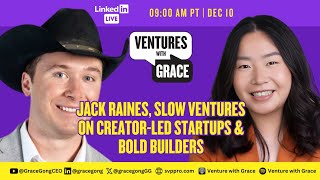
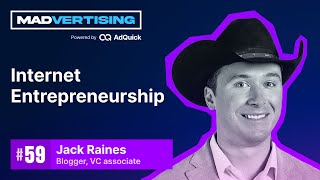
How to Grow a Successful Newsletter and Transition to Venture Capital: Insights from Jack Raines
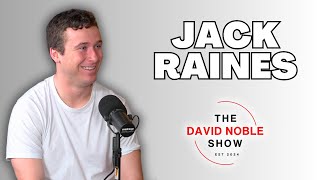
Jack Raines on LinkedIn Trolling, Creating the 5-figure Young Money Newsletter & More