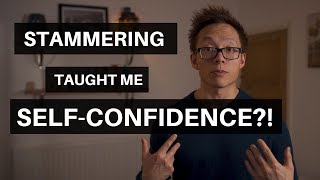
James Lim stammered severely from age six and spent seven years in speech therapy and workshops. He learned three principles: focus on the process, accept yourself, and keep practicing. Competence built his confidence.
Chapters
Something a lot of people don't know about me is that I had a severe stammer from the age of six. I couldn't say my own name and would often cry myself to sleep. Now over the years things have changed and I am now a pretty confident speaker. Not the best, but pretty confident. This short video described some of my experience and gives some key points from my journey which I think might be of interest to others, but particularly people who may have a stammer or some kind of speech impediment or any other type of performance anxiety. In this video you will learn a little bit about my background, how my stammer gave me confidence, and three key points I live by as a result of my stammer. A little bit of background about me Now I've been conscious of my social ability and self confidence since as long as I can remember. I think I became particularly sensitive to it because I had a severe stammer stutter for the US guys and that was from the age of six where I couldn't even say my own name during the school register every day. In fact, at this age I remember this was the only thing I was concerned about on the way to school. Knowing I had a stammer made me cry more times than I can remember. The frustration of not being able to say what I wanted to say, having fear and anxiety cripple me to the point of not opening my mouth at all and always wondering if this is what the rest of my life would be like with any public speaking. It was not just the content I was concerned with, it was how I would say it and which words would cause me to get full block as they call it with the school register. I remember that feeling in my stomach when the names would go through alphabetical order. I was waiting for my surname lim to come up and I remember my heart racing just with the thought of having to try and respond with that I am present and what food I wanted for lunch. This was a really horrible experience for me and this happened every day, every class. Anyway, more on this experience in a more detailed video coming up in the future. So I had speech therapy from the age of seven which lasted for over seven years, and I attended speech and language workshops in my early teens, say between 9 to 14 years old, and I met people of all ages up into their 40s and 50s. I remember having to have adult conversations with them and I was only a child at the time and I also remember being absolutely terrified attending these things. The interesting thing is that when I look Back over those years and from the age of seven, I was taught concepts about things like other people's feelings towards me, how my speech impediment would affect my life, how to read people's emotions, how to respond to people and having empathy toward others, and how they would have the same toward me. Through these workshops between the age of 9 and 14, I remember wondering and thinking, wow, this is crazy. Adults from all walks of life, they're willing to talk to me and more incredibly will share the same emotions as me. The fear, the anxiety, and we're all in the same place. And that was mind boggling to me, all of this. At the time I didn't really think that much of it though. But looking back, it is mad and pretty crazy. It's made me realize how much maybe this has probably contributed to me as a person today, but who knows? And the other aspect I wanted to touch on was through my therapy, I was also put through processes that manage my fear and anxiety. And I was given exercises and speech drills that will years later lead me to developing my speech and confidence to what it is today. Now it has got far better, but I now have to manage it on a daily basis, even right now as I'm talking. But most of it is automatic now. And speaking in front of the camera like this is really good practice. But since then I have been brave enough to speak in public and I don't worry about my stammer much, if at all. Many people didn't even know I had it now. Knowing I could change something as fundamental as my speech shifted my worldview and proved to me that I can take control of my situation. And that was really empowering. The memories I have of this whole journey and the constant management of my stammer, it reminds me that I do have power and I am strong enough. And I am strong, even if it's only in a personal way. Knowing this gives me confidence. Now, as mentioned in my other video, the self confidence video, competence breeds confidence. When I started gaining control of my speech, I felt confident. When I started seeing results and people would recognize it, that gave me confidence. When I spent hours in my room just reading pages over and over again, hearing my own voice and eventually better and better fluency, that gave me confidence. I just want to go over some of the key points and I've summarised it into three. Number one, work on the process. Ever since I started having therapy at 7 years old, the one thing that was drummed into me was that I just need to focus on the process. I'd read my books out loud, do the exercises I was given, and didn't think about the outcome because at this point fluency was just a dream. There was no way I would ever attain it because I was so far from it. And I have distinct memories of my therapist just helping me through the exercises and just telling me what I needed to concentrate on doing now. I followed this throughout my life and it really does work. 2. Be okay with who you are. As hard as that. Maybe when people knew about my stammer and how it made me feel, it actually gave them the opportunity to be accommodating. Now it was their choice. It didn't work with everyone. At this point you are vulnerable, but people are far more understanding than you think. If they aren't, well, they don't deserve to be in your life anyway. Well, that's the way I saw it eventually. Number three Always keep following the process. This in itself is a skill to become better at things. Also, become automatic after long enough and you will just keep improving and with momentum you'll just get better and better. My speech is far from perfect. I don't believe I am the greatest speaker at all. But I am well practised and that is actually what I'm proud of. That's it for this video. Drop a comment below if you're interested in learning other practical methods to help improve your life and find your way through life. Click on the subscribe button and hit the bell as I'll be releasing a lot of new content over the next few weeks. See you next time.