James Lim explains how people know you by what you repeatedly do, not what you intend. He walks through three patterns that damage reputation: inconsistency, people-pleasing, and breaking promises. A simple practice helps you identify your actual behavior and shift it to match who you want to be.
Chapters
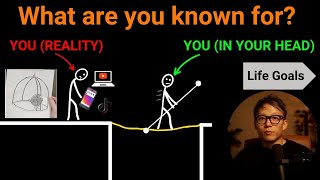
Imagine you're known for something that's not who you are. Does that happen? Your behaviors, not intentions, shape your reputation. What story are your behaviors telling others? And does it reflect who you truly are? So what does this all matter? Your behaviors are writing your story. They communicate what you care about, your values and your character. Your behavioral story is the pattern others see in you. Now, I just want to give a warning here. This is. This video contains some pretty painful truths. So if you're not ready to face some of these, I probably wouldn't watch this video. Now, for all those who are still here, it's a story you tell not by what you say, but what you do. I'll give a quick, personal and pretty painful example. And well over 10 years ago, I was the kind of person who had lots of ideas, businesses to start, and I'd have these exciting discussions with friends and at work, with colleagues. There was a particular day, I remember, in my 9 to 5, and we were all having this discussion about our future. And bear in mind, we were kind of just postgraduate period, and everyone was sharing their goals, everyone was talking about where they would like to climb up to and starting their own businesses. My boss at the time, he's a bit of a joker, and he said, not you, James. You'll be here for the next 10 years. You're a lifer. And I remember anxiously laughing off that kind of nervous laugh. But inside it totally haunted me. Why? I really thought of myself as someone who created things, an ambitious person, a doer, and I'd make things happen. But in this moment, I felt totally exposed. And it really bothered me because deep down I knew it was true. I felt stuck. And I really lacked any courage to act on it. The crazy thing was that from that moment, five years flashed by and I was still there and people had moved on, they'd move, company started their own thing, and, you know, I really felt kind of left behind at that point. This image really summed it up. And this popped up a few, a few weeks ago, and it went all over Twitter, which I thought was pretty funny. And I got a flashback to this moment, this feeling of constantly talking about ideas and not executing, you know, really feeling stuck when there was the ability to mobilize. But I would be looking through those two close bars here. It wasn't even if I'd succeed or not, it was that I wouldn't even try. It really got to me. And I kept thinking about that person's words and how much it. It really reflected the truth. And this is not what I wanted to be known for, you know. And the point here is that they could see it in my actions. And I actually asked around and to my dismay, other people would echo the same kind of thoughts. I noticed this in other areas of my life. So this was a bit of a pivot point for me. Skipping workouts, being inconsistent, canceling meetups, that I was flaky, saying yes when it's a no. And being a people pleaser. This was a really difficult thing to get through that my needs don't really matter. Making and breaking promises. Yeah, the same here. This is all talk and no action. And I think for me that the last two were the really. Were the really painful ones for me. Your actions are a mirror. They show others who you are. Your reputation is shaped by actions, not intentions. So what can we do? The objective here? To expose the gap between who you think you are and who you are perceived to be. To gain awareness of your behavioral stories, to understand the impact of your behaviors on your identity. How do behaviors shape this perception? Well, we start to take some actions in life and these become our behaviors. And then we start to repeat these behaviors and they form patterns. And these patterns will shape the story of you and how others can see you. And one thing here is people need shortcuts to try and think about who someone is and to start predicting what what they're likely to do and to observe patterns of behavior. What we can do is to start to reflect on how your everyday actions define you and how they form your reputation. Some examples. So if you're frequently late to meetings, unreliable, lots of ideas about execution or took no action, blaming others for your situation, lack of personal responsibility. It's a quick exercise. Pick out some daily habits. What do they say about you? Are you constantly cancelling on people? Do you say you'll do things and then don't? Are you always blaming others for your circumstance? What would you think of someone with these habits and what message are you sending? Here's an I make grand plans and tell people, but I don't follow through. Are these actions aligned with the person you want to be? What behaviours must change to change what you are known for? So look for patterns of your behaviours. If you saw these in someone, what story does it tell and do you like the story it tells? Now we'll quickly touch on reputation here. What reputation do you want for yourself? What would you like people to say about you? And what would you say about yourself based on your actions? This is a really key point. This is not really about what others think of you. What we're trying to do here is to try and help you become really aware of the behaviors that you're constantly doing and what story they are telling. And if you want to be telling that story. So here's some actionable steps. We'll keep it simple. Identify, reflect and adjust. So we want to identify the key behaviors that are shaping you and then take a moment to reflect and consider what the impact of these behaviors are. What would the mental shortcut be if someone was seeing these behaviors and adjust? Now we get a chance to look at these and we can decide what whether we like what story these behaviors are saying. And if we don't like it, we can start aligning new behaviors to create the desired identity. Now, this might only apply in the most, in the most meaningful areas for you, the things that you care about most. Now I've got a little worksheet on this and this is all to help you close the gap between who you are and who you are perceived to be. This will take you from the lack of awareness, build awareness and give you the exact steps to start taking some actions. It's a tool to build a new reputation based on your true self, the one that you want to identify as. Now if you want to get your hands on this, you can get a copy if you follow the instructions in the description below. You need to repeat this frequently. I really recommend going through this quite a few times. Hope you enjoyed that and I'll see you in the next video. Good luck.