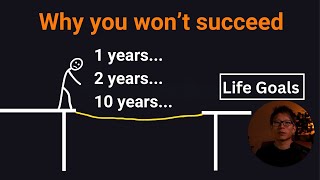
James Lim explains why you don't do the thing: emotional barriers like fear and self-doubt, not lack of knowledge. Research and planning without addressing emotion creates overwhelm, self-criticism, and procrastination. The fix is purpose, the right mindset, manageable action steps, and systems to stick with it.
Chapters
Why is taking action so hard? We often say, I know what to do, why can't I do it? The theme most people are looking in the wrong place. Your focus on what you need to fix here is in the wrong place. What happens is you end up building the wrong approach. So you, you double down on the things that are actually not going to work for you. And I see this time and time again. So most people focus on what needs to be done. So you keep, say, for example, you keep reading the same types of books about the strategy of what needs to be done, make more sales calls or you put yourself out there. So it's a bit of a joke here. Step one, believe in yourself to just do it. And three, success. And you just get there somehow. The reality is you've got to face this bridge, you've got to find a way across it. And you have to deal with this mental state that we have at exactly the point where we need to kind of jump off the edge. There's fear, uncertainty, self doubt, lack of confidence, imposter syndrome, overwhelm, anxiety. These are all the things that we think about, the stress. So your plans have little consideration for your emotion at that point and the path you specifically need to take because it depends on to what extent those emotions are affecting you. You try to start, but you feel unsure. The planned steps, for some reason they're just ineffective. You just end up standing at the edge of the bridge. And that's what it feels like. It all feels too much to deal with. That's the overwhelm. These are symptoms of an unaddressed problem. And it's often an emotional one, one you are not solving for because you're reading more books about the steps that you need to take, like to get the results, but not how to deal with the fear of stepping onto the rope. So we need to take a shift from the logic system to the emotional system. But what are your consequences of continuing as you are? You increase the feeling of inadequacy here. More self doubt, frustration. And you often end up feeling stupid. And this causes chronic avoidance, procrastination and instant gratification. And so you end up doing this even though a lot of this was unnecessary. You end up training this into your, into your system. Long term effects. You constantly doubt yourself. Anxiousness, just thinking about taking action. Sensitivity to overwhelming increases. The more time goes on and you're not doing anything, the more overwhelmed or the easier it is for you to get overwhelmed. Severe procrastination habits and the feeling of being incapable. You feel like you've let yourself down again. This can often lead to an addiction to acquiring more and more knowledge. Constantly looking, seeking out distractions. You essentially start to adopt this excuse, identity. Do you want to be known for that? The person who's constantly making excuses. Deterioration of ability to take any action. Unfortunately, this is a reality for a lot of people. When I have to start with people, it's sometimes so difficult to take even the smallest actions. It ends up in this downward spiral. So here's a little diagram of it. So you have these, you know your ideas, you start researching, you try to start, you've got this insufficient action plan, by the way. You get overwhelmed. Stress, anxiety, you start to criticize yourself. You have, then you avoid it. And then you go back to research and then you go around and all of this leads to no action. We need to get you over this side. A lot of people actually never make it across here. Some people kind of hope it's going to happen. But for the projects and things in their life that matter often don't make it there. You get increases in sensitivity to overwhelm self doubt, anxiety, stress, procrastination and then a noticeable drop in confidence. Mental fitness, ability to figure things out. That's a really important skill. Ability to start. So what's the solution? We need to give you some purpose and motivation, fuel. This will help kind of rev you up so that you're ready to tackle the rope. That that's quite important. Adopting an effective mindset. So start to change the way you're thinking at this point. And this would be about beliefs. A practical and accessible action plan. So something that you feel that you can do, not just running across the bridge first time, all the way across. Something that's manageable, make the process as easy as possible. The safer and more accessible we can make it, the less resistance your brain puts up and a system to help you stick to the plan so you don't stray off of it. This will arm you with tools for the rest of your life. And that's one of the kind of byproducts I've seen. Obviously it's been something I continue to use kind of 10 years later. And with all of my clients continuing to talk about how useful this is in any situation they come across, this will allow you to go wherever you want. So if you can learn to tackle this bit, it means that you can jump from island to island forever like this. And then often saying, I never thought I'd be here. That's one of the greatest things I like to hear people saying and say. When we spent all this time working on crossing this one, it has enabled me to cross to wherever I want to go.