A single-speaker YouTube talk explaining why external accountability (e.g., bosses, clients, deadlines) drives productivity at work while personal goals lack those forces, causing procrastination. The speaker presents four accountability methods—self-guided, group, accountability partners, and coaches/mentors—outlining pros, cons, keys to success, and recommends trying different methods if one fails.
Chapters
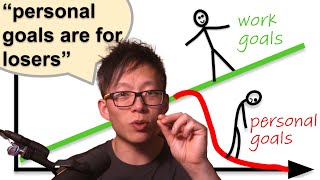
Why can you stay accountable when you're at work, but when it comes to your personal goals, you're hopeless? In this video, I'm going to go over why your methods don't work, the four most effective ways to stay accountable, and how to know which method to use. External forms of accountability, such as reporting to your boss, can be powerful motivators for getting things done. Because we fear the consequences of not completing the task or meeting the deadline. The consequences usually revolve around our security or survival. We're afraid of losing our job or losing our clients or ruining our reputation, all of which results in loss of financial security and can feel like a threat to your survival. Incredibly powerful pain points which provide a lot of push energy to make things happen. In addition, these external forces provide structure. We know what's expected and when it's expected by. But when it comes to our own projects, which are often done out of interest on the side, have no structure and no hard deadlines. The factors that usually get you to act are no longer present. There's no boss to report to, no clients disappointment and no deadline to meet. There's no immediate negative consequence. And despite our personal goals having good long term effects, the immediate actions required are often not totally clear. They're tedious and or difficult, which feels like mental friction. This combined with the vast discrepancy in push energy between the two can often lead to inaction and procrastination. So how can we have the same productivity levels we have at work, but for our personal goals we can replace the powerful accountability effects we are used to by generally four key methods. 1. Self guided accountability 2. Group accountability 3. Accountability partners and four coaches, mentors or instructors. I'll go over each method identifying the pros and cons and give you the key to making each one work effectively. Self guided accountability. So this one's all about taking personal responsibility for your own goals and progress, all without external support or feedback. The pros. You get more flexibility. It's adaptable to your own schedule and needs and you can kind of change things on the fly. You have more independence and control of your own progress and it can lead to a stronger sense of your own self motivation, especially as you get going and personal responsibility. The cons. It's easy to fall into the trap of making excuses or not following through on your commitments. It lacks the external feedback and support that comes from working with others. It can be challenging to maintain motivation and focus over the long term, especially in those kind of low days. The key here is to be clear about your goals and expectations. This helps create the structure you need to remain focused on what you need to do. 2. Group accountability this one's all about being part of a group that shares similar goals and provides support, feedback and structure and motivation to each other. Pros it provides a sense of community and support from others with similar goals as you. It offers an opportunity to learn from others and share ideas and experiences. It increases accountability by publicly committing to your goals and progress. The cons it can be challenging to coordinate schedules with other people in the group and ensure everyone is participating equally. It can be difficult to navigate group dynamics, different personalities, differing opinions and it might not provide the same level of personalized attention or feedback as one on one Accountability. The key to group accountability is to choose a group with shared goals and values, find people that you resonate with, participate in group discussions, and provide and receive feedback and support. 3. Accountability partners this is about having a trusted friend or person who shares similar goals and provides support, feedback and you can help keep each other motivated. The pros it can be a supportive and motivating relationship that builds on an existing friendship. It provides accountability and feedback from someone who knows you well and has your best interests in mind. They can have a more flexible and adaptable approach compared to working with a coach or mentor or in a group. Now the cons it might not provide the same level of expertise or specialist knowledge as a coach or mentor. It can sometimes be challenging to maintain objectivity or provide truly honest feedback when it's required, especially if the friendship is too close. It might not have the same level of commitment and professionalism as a coach or mentor. The key to this one is to pick a person who is a good accountability candidate. I'll cover this in another video. You need to establish clear boundaries and expectations, communicate openly and honestly, and hold each other accountable with mutual respect and support. 4. A coach, mentor or Instructor this is about working with a professional who has expertise and experience in your specific area and provides personalized support, feedback and guidance. The pros to this one they usually offer specialist expertise, knowledge and experience in a particular area of interest. They provide personalized attention and tailored feedback specifically for you to help achieve whatever goals you're working on. They offer a level of accountability and structure that is really difficult to replicate on your own or with friends or in a group. Now the cons they're often quite a bit more expensive compared to other forms of accountability. They might not be a good fit, especially if the coach has a style that doesn't really resonate with you or an approach that doesn't align with your needs or goals they might not provide the same level of community or support you might benefit from in a group. The key to choosing a good coach or mentor or instructor for you is is to find one that you like and trust, one with relevant experience and expertise and one who establishes clear goals and expectations. You will need to embrace the process with openness and willingness to learn. Okay and a bit of a conclusion for all of the methods. Just remember each of these methods they work differently for different people and even for the same person. Depending on the activity a different method can often work better. I find this personally with the activities I do. And last thing to know if you've been trying one of these methods repeatedly without any success and you've executed them well try moving on to a different method as you may find another one works a lot better. Okay if you like this video subscribe.