Learn the Secrets for a Life of Fulfillment and Abundance With Jane Slack-Smith! | #005
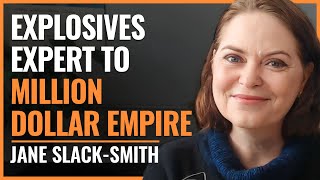
Jane Slack-Smith, an Australian property investor and coach, shares her Trident framework for building wealth through buying below market, renovating, and holding long-term. In 2019, she was diagnosed with Cushing's disease and used twice-daily meditation visualizing her brain surgery going perfectly, which the surgeon later confirmed happened exactly as she imagined.
Chapters
We don't always make the right decision, but we can navigate the way that we do it so that we can learn from it and bring that experience with us and move on.
Welcome back to The Wild Goose Chase. On today's show, I am talking with Jane Slack-Smith. Now, Jane is a very prominent feature in the Australian real estate investing industry. She's been an award-winning mortgage broker. She's got loads of courses. She's written books. She's done all kinds of stuff and had a massive impact on the Australian residential real estate investing landscape. And today's conversation though is about so much more than just property. What I love about this conversation is we have a shared perspective and a shared interest in real estate from the specific view of how it can create a transformational moment in people's lives to allow them to become the best version of themselves. This is not a podcast or an episode that is droll and just kind of all about real estate investing. In fact, we jump into the deep end of the woo pool pretty quickly in this episode, which is actually why this is one of the best podcasts that I have recorded with anyone in the last 3 years of recording podcasts. It's so much fun. We talked about how to manifest a life of fulfillment and abundance. We talked about quantum entanglement and how that relates to creating and crafting the future that you want in your life. We talked about how to create the right vision for your future, all kinds of stuff, how to, how to redefine the definition of success so that your goals align with what you really want in your life. It is super insightful and super fun. I really enjoyed this, and I'm confident that you will too, particularly if you want to be able to realign your mindset to craft a life of freedom, choice, and abundance much faster. So without any further ado, before you— before we get stuck in the, in the episode, make sure you hit the subscribe button, tap that, sign up here. I would love for you to be able to participate in this journey long term. My whole mission is to create high value content that is going to help people, business owners, real estate investors to live a better life and to live a life by design. And this episode is definitely aligned with that. So make sure you subscribe wherever you're listening or watching this. And of course, make sure you leave a review as well. And if you're watching this on YouTube, drop some comments below. Let me know what you think of this episode. I love it and I hope you do too. So without any further ado, let's get stuck right into it. I'll see you on the inside. Hello and welcome back to The Wild Goose Chase. Joining me on today's show is Jane Slack-Smith. Now, Jane Slack-Smith has a bio that is in fact far too long to read. Can I just say that she is a 2-time Mortgage Broker of the Year, 2-time author, maybe even more, 3-time podcast host, and I'm going to have to fact-check something. I think potentially a national cycling champion. Is that right, Jane? Is that—
That's the other Jane Slack-Smith.
Oh, crikey. I was like, I did a little bit of homework and I was like, I was like, I was like, really? She's done all this stuff.
I'll claim it. I'm going to claim it, Bruce.
Just claim it. Just roll it. Just roll it in there. It's safe to say that Jane has been a major figure in the Australian property investing space and wealth creation space for a long time. And I'm super excited to have this conversation with you, Jane. Welcome to the Wild Goose Chase. How are you?
I am really good. Thanks, Goose. And it's so good to catch up with you.
It is indeed. It is indeed. I really like the fact that our first meaningful interaction was talking about things that were probably, you know, I like to say in the deep end of the woo pool, we were talking about stuff about like relating to quantum entanglement, quantum physics, you know, even Tao 32 from the Tao Te Ching. So I'm really excited to have this conversation as well. But why don't we set it up a little bit because some people may not know who you are and, uh, and what you've done and all of that kind of stuff. Why don't you give us the kind of— I don't want to spend half an hour going into your back, you know, telling your life story. Why don't you give us the cliff notes? You've, you've, you know, I'll give you the highlights.
Um, so, uh, country girl from Dubbo, farm girl. I went to university, studied mining engineering, and because I knew I had— I didn't have a passion for mining, but I knew that I had to learn how to learn. I had to get in university, and they accepted me. First female to work in underground coals in New South Wales. They all went out on strike, which was nice and challenging. Became an explosives expert, really doubled down on understanding risk assessment. So, you know, likelihood and consequence as it pertained to safety. So I spent a lot of time in the mines rescue teams, but really honed my skills in that as an explosives expert and then applied my risk assessment techniques to buying property. So I'm like, if I only got $45,000, how am I gonna keep this? I need plan A, B, and C, which became my Trident strategy. And my husband, um, Todd and I, 20+ years ago, went, we gotta be able to hack this. So did a, an analysis on the last 20 years of 16,500 suburbs in Australia, worked out which ones outperformed the others, why they did, and, uh, came up with the, a way to invest. Started in 2001. So, you know, over 20 years ago, bought properties, created equity, renovated, grabbed the equity, did it again, did it again. Went, and that was pretty good. Showed friends and family how to do it. They became, you know, built their own multimillion dollar portfolios and then thought, I need more friends. So the only way I could get professional indemnity insurance was become a mortgage broker. So I became a mortgage broker. 2005, started talking about the properties, which was more interesting to me. 2012, wrote Your Property Success with Renovation. Really moved into that online education space 'cause I was like, you know, I want to democratize wealth so I can give people access to really good quality information. That's where I'm going. So built Your Property Success whilst running the mortgage business and Yeah, just an absolute curious student of all things of human psychology. And it really struck me, even though, you know, for instance, 5% of people buy— who buy courses complete, learn. I'm like, mine are all done and completed. What do I have to do to hack the psychology to, you know, make people succeed despite themselves? And then so multiple courses, Ultimate Guide to Renovation, the Location Masterclass, really, you know, that strategic understanding of the data behind their purchases and making quality purchases. And then in 2018, '17, it's like there's some people who get this and some people who don't. What is that one thing? And so I went on a bit of a search into the woo, like you suggested. And being a scientist, I really went that way through like Dr. Joe Dispenza's work, trying to understand the science behind the psychology and then the neuroscience behind it. And, you know, I did courses on neuromarketing, seeing what people ticked. And then I went, took my 10-year-old son, left hubby at home, to Estonia, to Mindvalley University, surrounded by 1,000 people who were really there learning flow. And, um, you know, it was really an interesting dynamic and, and being exposed to a lot of different modalities. And then I came back and started— I was like, if I could take 10 people a year and curate their success in property, what would that look like? And I was always more interested in the end vision of what they wanted to do. So if you have financial security, what's the end goal? And you know, for the, the Qantas pilot who wants to create, you know, schools in Indonesia, or the single mom who wants to give her son the life that she had on the Northern Beaches. And I was really interested in the end goal, and I knew that they had these conditions in place. That they had to get over first and mainly, mainly financial. So it's like if I can help people get over those financial conditions, how does that work? And so as I was navigating these, you know, mentoring students through that, COVID hit 2020 and a couple of them were really having these career crises. And I, and I could see these patterns that were playing out, the things that were stopping them pulling the trigger on their property investing, even though we had the research, we're down to the street, we're down to these are the houses you're targeting. It wasn't happening. And, uh, it was the same patterns that they were using in their relationships and that they were kind of, you know, filling me in on all their careers. I was like, there's something, you know, how you do anything is how you do everything. And so found the work of William Whitecloud, you know, subsequently became a coach, an international accredited coach in his modality. Around understanding beliefs and conditions. And it really just comes down to, yeah, that. So that's the progression. Cliff Notes, done.
That is fascinating on so many levels to the degree that I'm actually not sure which thread to pull on first. Let me start at the start, right? Trident Strategy. What is the Trident Strategy?
So this is my, like if you ask me, most of the thousands of people I speak to about property investing, their strategy is hope. The hope strategy. I hope I get it right. Whereas my strategy was more like the scaredy cat strategy, which is what do I have to do to not get it wrong? And so, you know, I went to— I can imagine, you know, back in 2000, I went to all of those 2-hour free sessions. You know, we didn't have webinars back then. And then I bought like 120 books on property. And so I was like, how can I hack this? So I've got Plan A, B, and C. So what became very obvious to me was knowing where to buy. So, and then understanding that market so well that I was buying below the market. So through negotiation or through observation or through opportunity, but not taking advantage of people, you know, win-win kind of thing. But looking at that as I need the money immediately. So if I can make, if I can negotiate $50,000 off by having a good negotiation strategy, not a, You know, this is the number by tomorrow and say yes or no, giving them an either or and having, you know, some really clever ways of negotiating. That $50,000 is equivalent to like maybe 2, 3, 4, 5 years growth. So that's great. Make money immediately. So number one, then find the opportunity to add value. And for me, that strategy has always been around renovation. So if I spend $2, if I spend a dollar, I want to make $2. So how can I do that? Where's the opportunity, understand comparable sales, understand the suburbs, where is there is that disparity between renovated and unrenovated properties. Because as you know, every property probably deserves a renovation, but whether they're actually going to be profitable is different. So make money in the midterm and run that cash flow to actually cover and help cover the expenses. And then it's all about growth. So understanding growth, understanding the fundamentals of growth, understanding why people move to areas, the demographics. You know, I read census like a storybook. I look into a suburb and I understand what's going on there. And so for me, you know, the Trident Strategy, 3 ways to make money, buy below the market, renovate to add value, and long-term growth.
That's so awesome. So I didn't actually realize, 'cause I haven't actually read your books, right? I'll be honest. I'm sorry. And I haven't actually done the courses either. But what is really fascinating to me is the similarities between your story and my story and also your approach. And so I'll give you the kind of cliff notes of that. So we, back in 2018, Gabby and I went and bought a property. We had no idea what we were doing. We got spooked, so to speak, and we bought the wrong property, wrong place, wrong time, lost a bunch of money and went, huh, that's not how that's supposed to work. How does this And then from the same perspective, I was like, well, why did, why does some locations go up? Why does some go down? Why do some people make money in property? Why do some people not? How, what would need to happen so that we could not stuff up again? Right? Because we couldn't afford to stuff up again. Like we were not in a position that that would be viable. And we were like, huh, okay, so how do we remove risk and increase our chance of success by mitigating, like mitigating the downside risk, right? Not going, how do we get rich quick? More like How do we make sure we don't go broke, right? How do we make sure we succeed? So we kind of did the same thing. We went, we just overdosed on going to all the different seminars and reading all the things and doing all the stuff. And you should have seen our rental property we were living at the time. It was covered in maps. We just like buy maps, big wall-sized maps, and we're like plotting things out and trying to triangulate it. It was a little bit like Rain Man-y type stuff going on all through the house. Our housemates at the time just thought we'd gone completely bonkers. Again, started to derive, okay, well, what would the characteristics need to be? We were like, okay, well, you'd need to be able to, you'd need to know the area well enough to know that you're going to get some growth or potentially be able to buy under market value, right? So you want to have a capital creation element of it. You need to have a cash flow element of it. So that's either capturing yield at the time of purchase or some other method. And in theory, there should at least be a way that you can add value to it over time, right? And if you have all three of those, and different properties will have all those characteristics in different measures. Sometimes you don't need the ability to manufacture if you can buy a good deal in the right place. And there's kind of like a triangulation of those kind of things. We call that the holy trinity. So it's interesting you've got the Trident and we've got the holy trinity and they're kind of the same general approach. Yeah, the same general approach of like, how do we get obsessively focused on the data to make sure that we can identify these? I always say right property, right place, right time. 'Cause if you get the location right, it's gonna do 80% of the lifting. But right location isn't just the right suburb, it's the right street. It's all of that kind of stuff. Up, as you just pointed out too. So I think that that's fascinating. It's really, really cool.
It's interesting. There's a saying that says something like the universe sends out an arrow and there's multiple targets going, trying to catch it. And you know, it's for me, you know, those fundamental beliefs, it's funny because I'll be having conversations with people about strategies or their vision of what they're trying to create. And they'll go, I don't know if you heard about it, but there's this Trident strategy. I'm like, tell me all about it. And so by them telling me, right, I'm like, great, you know, I understand that you understand what the picture looks like. And, you know, it's, you know, just talking about the, the multiple targets, it's interesting to know that nylon was actually invented in New York and London, N-Y-L-O-N, on the same day and claimed it. And it's just like, you know, these, these, all these teams for all this time were trying to create something, and it's, it's often what happens is when there is an obvious solution or reality, multiple people pick up it. So the fact that there's a trident and there's a trilogy, I think is just fabulous. And, and the way that it minimizes risk by saying, well, you've got to plan A, B, and C, so really stuff it up. The other two are kind of, kind of coming to rescue. And, you know, for me, you know, that the kind of scaredy cat strategy was, well, you know, and when I'm sure it's the case with you as well, when you speak to people and they say, "Look, it's my first renovation, so I'm probably gonna make mistakes and not make money." I'm like, why are you choosing that as the end result? Like, your fucking creates your reality. So why don't you choose success and how about we navigate that with some proven rules that work?
Yeah, it's so funny, isn't it? Because our words and our thoughts do create our reality. And it's so funny how many people set themselves up for failure by telling themselves that they're going to be setting themselves up for failure. I'm going to make a mistake on this one and that's okay. It's like, well, why? Why would you just, why would you choose that? Like, why would you choose that outcome? It's like, so let's go on.
It is interesting in the sense that like you can't not convince people that they do this because they can show you examples. So every real estate agent's bad. I always lose money. And you're like, well, tell me about this. And so they're like, well, the belief is I always lose money. Everyone's trying to get me. They create that by going, okay, I'm going to go and put myself in a situation. I'm going to have doubts. I'm only going to give them half the information because I don't think they're going to do it. And it's invariably these people let them down. They go, there you go, I proved my point. And this is down spiral, right? Where those people who— and that's why I love the creating the vision and stepping into the vision of what people create. It's like, so tell me what life looks like when you have everything that you want. And by creating that connection, so for me it wasn't about having 7 investment properties, it was about the lifestyle I was gonna have and what I can create and contribute, the legacy and impact I wanna make. And so when you have that, it's this upward spiral because you create it and that reinforces success, which creates it again. So you get to choose downward or upward. It's a simple selection.
It is. I wanna continue on this theme, but I wanna just pull it back just a little step because From what I can see, the significant majority of property investors, the significant majority, never achieve the level of financial success they intend. I have not met a property investor so far that didn't have a goal to achieve financial freedom. From what I can see, the majority of investors don't achieve that goal. Do you share that view? Do you think that is true? And it's okay if you don't, by the way, because I'd love your perspective on it. Well, firstly, do you believe that's true? And then I can ask the next question.
Yeah, I made a commitment in 2005 when I started this path of education for people. And from that, at that stage, it was really around— I wanted people to succeed despite themselves. I wanted to democratize wealth so that people could have the financial security and everyday Australians could go for their true nature and purpose of what they want to do. Everyone has this side hustle. Look, you know, when I have time, when I've stopped working 40 hours a week for 40 years, then I'll have time to contribute to the local community thing or create that impact investment I want to do, or the business or whatever. I'm like, well, why don't we just do that? So, you know, I've noticed over the years, and what I'm truly thankful for is that a lot of the most wonderful stories and people that have been through my community. And for instance, I'm looking— I'm thinking about Sarah and her family. Their child was diagnosed with, um, very rare epilepsy, and, you know, once a month intensive care. They sold their two investment properties to allow the husband and wife to pay off their home, have money to get her the care that she needed. Or, you know, like, you know, people who were later in life who were like come to the investment and they make the money and for whatever reason, you know, divorce does end up on their doorstep and they're like, you know, we could have actually walked away with nothing destitute, but we both ended up with a property that allowed us to start life again. So, you know, and I was talking about this with my husband just the other day around the Your Property Success courses and saying, you know, I think I want to kind of do something with these. I'm just not sure what it is. And he was saying, What if you've already done it? What if the impact— and, you know, the, the fact that I look at more than 50% of marriages end in divorce, I'm like, and the number one reason is finances. If I can keep the parents at the table talking to the kids, sending an example and showing a way, like, how good would that be? What if that impact's already been made? What if that impact was just on my son, you know? And so Looking at the financial security piece, I have many people that I work with who have financial security and property has been the leverage, but their mindset and understanding of why they're doing and what they're doing is part of it. And even some of the property mentoring students that I've had who have said, I need the financial security to create that thought leadership course that I want to do, or to create the schools in Indonesia. Some of them actually never bought property, but we moved on to helping them create a business. And so create and magnify the message. So I'm always about the end result, and the end result a lot of people think is the financial part of it. And, and I'm happy to work with people to get rid of that material condition in their head. But if you just do this tiny little exercise, right, just imagine that you go to sleep tonight and you wake up tomorrow and you're the only person left in the world, and you know, you go through the grief of the family and friends are gone, you've got enough food and water and power to sustain you. What would you do? Do you need the million-dollar mansion? Do you need the Gucci shoes? Is the Range Rover really necessary? Or how would you live that life of fulfillment until the end of your days? Is it, is it around, yes, having the beautiful views, but exercising and creating gardens and joy and studying and Enjoying music, like, what is it that is your thing? And I think that little exercise allows people to really look at why they're doing it. And, you know, my ex— the— my, um, often what I find in, in those vision calls is most people think they need $100,000, $150,000, $200,000 to have the lifestyle up there that they want. And when we pull back what that vision was and say, let's just see how much it is, it's usually about $60,000 to $80,000.
I've literally had the exact same thing. So obviously, you know, we both talk to property investors and one almost universal truth is everyone says they want 10 properties in 10 years and $100,000 passive income. It's like, it's the everyone dream. And it's so funny 'cause I've done the same thing. So we call it minimum viable life. So the way that I think about that is like, okay, imagine, click your fingers and imagine that you wake up tomorrow, you're in the same house, You've got all the, like, you're doing all the same stuff, you, nothing's changed, you're eating the same food, you don't suddenly have a private jet or anything, just everything's exactly the same, exactly as it is today, but you don't have to go to work again ever, ever. Uh, what would that mean to you? How would you live your life then? What would you do with your time? And, and also how much realistically would that life cost? And for most people, yeah, somewhere in the kind of like $60,000 to $80,000 range is, is that kind of like ultimate kind of freedom number. And particularly for a lot of people who want to travel, because travel can be expensive, it can also, it can also be relatively inexpensive as well. And so you can kind of achieve all the things you want. And what I love about the response there is because you've reframed success, because if you use a specific financial metric or target and say that that is the version of success, then you're going to be predicating, you're going to be positioning your personal value and your personal happiness and your personal sense of achievement based on an external material thing versus focusing on what is the fulfillment piece of that, which I 100% agree with. And one of the most interesting things that I've seen with investors as well is it's not, it's not getting up to some platform of like 10 properties or anything like that that gives them a transformational experience. It could be the first property that goes well. It could be the second property. It could be also when you get to like maybe 3 or 4 properties, you kind of, I like to say, you hit safe, right? You suddenly go, oh, well, hang on a second. All right. I'm not retiring anytime soon, right? But I now have the confidence to go and live the life that I want now because I know that I've in effect created something that is going to give me the security and the safety such that I can feel empowered to go and do the thing. Now, I've had that same experience. I mean, I recently, um, I recently signed up to a mastermind program, quite a high-level mastermind program. And what was super interesting about that— there's a specific thematic for the, uh, for the mastermind program, it's quite high level, all of that kind of stuff. What was really interesting about that is the moment that I signed up to do it, paid the money, did the thing, made the commitment— before I'd even been onboarded into the program, before I'd even learned any of the stuff or met any of the people, my mindset changed and I started acting as if, and I started doing the things that are being taught within that mastermind without ever having received any of the content. And the reason for that is because I felt like there was a shift in me that gave me the confidence to know that I could go do the thing because it already kind of, that was the in effect creating. I'm like, okay, cool. I'm part of this now that I have an identity piece that that is part of who I am and I've got the confidence to do the thing. And so that creating those shifts is the thing that's probably going to move you further forward faster. And it doesn't actually have to be attached to buying a property at all. If you can create those shifts internally, then you don't even need the material stuff to give you that confidence to do the stuff that you want. What are your thoughts on that?
You know what I love about that, Goose, is that you're so right. And here's the thing, and that, that you said, that transformational moment is that no one rings the bell to say you're a millionaire. Right? You can't look back and go, oh, sheesh, what happened last year? Oh, they went up by 20%. Wait a second, you know, I've got $1 million in equity. There was no bill. And it's funny, sometimes I speak to people and they're like, you know, we definitely want to do this, whatever it is I'm, you know, doing with them. And I, and I go through the numbers and we work out what their income is and what they need. I'm like, you're there, you don't need me, you're good, get on with life and enjoy yourself. And they've gone through that gotta buy, gotta buy, gotta buy, gotta buy, and they forgot to look back to see why they were doing it. So that transformational moment is something often people miss. So there's an awareness of that. So I love what you say there, and what I, I adore when you're talking about that, that mindset shift where you, you kind of level up to the level. And you know, there is this low level when we— most people operate on this low level, and there's circumstances and conditions and obstacles and problems and day-to-day And we are aware of this cuz we're engaged in this. And then there's this higher level and there's, you know, the high level. And this level is, is where we can, um, it's almost like we can anchor ourselves to when we see that vision. We're like, I want to be one of those people in that group. I want to be, have the credentials to stand there and go, you know, I belong. You know, I want to have that, uh, the financial security so I can go and follow my true nature and passion of what I want to do. And there is this tension, and tension is a good thing because unless we have tension, tension as a means of physics, you know, there's this resolution part. So yes, it's fine to, to know that your day-to-day external levels here, but that internal level and holding that and understanding that, and I, I do, you know, 10 choices every single morning about this level I want to be at and I recognize I'm here and I go, come along for the ride, boys, we're gonna go up to here. And that's created a huge change for me. And, you know, to the point of masterminds, I got my first, um, mortgage coach when I started the mortgage business 2005. And I've paid for coaches ever since, and at different times, different things. I pay $40 grand a year now for my coach. I used to pay $60 grand a year for a business coach. I've been in masterminds in the US. They're like, well, these guys have hacked it. I just want to know what they've done because time is a commodity that I'm not prepared to waste. Tell me the solution and the success and let me work out how that applies to my life.
You know what's funny? When you put yourself in the room with those people, you actually realize they're no different to you. That is the best thing. So it's not, it's actually not about what I've, what I've found. Is it's not about the tactics. Or like, if you meet someone who's, let's just say, 10 times wealthier than you, right? It's not about— it's not necessarily about the tactics. It's about actually understanding that they're no different to you. Yeah, they're like— it's like, wait, you're the same as me and we're having a conversation. And, and so it's an identity shift, right? Yes, there's skills and things you need.
I'm not worthy. Enough. And all that is validation and love. I mean, give it to yourself. You don't need other people to do it. So there is no hierarchy.
Yeah, 100%. And it's, yeah, if, if you can kind of like all of those limiting beliefs that you build into yourself that says I can't do this or I'm not the kind of person who does that. One of my favorite marketing books ever was a book by Seth Godin. Now, transparently, I don't like any of Seth Godin's other books. Uh, it's called This Is Marketing. I, I, you know, generally all of his other books, I'm like, come on, like, what's, what's— this is not that great. This Is Marketing, though, is a beautiful book. I read it a few years ago, and there's a line in there that just still sticks in my head as being so profound: people like us do things like this. And that is so fascinating because from a marketing psychology perspective, that's really, really interesting. But then from a self-determination perspective, That is a really massive thing as well, because if you can create the belief or the vision for who the best version of yourself is, and then also market to yourself and say, well, people like us, me and this version of myself, which aren't the same and different at the same time, do things like this, and then you start to act in accordance with the vision that you have of your future and you become the person, you become the best version of yourself. And you can manufacture that in a very short period of time.
You know, the 2.0 of that is your customer is your wife.
Hmm. What do you mean?
Well, I mean, I'm, you know, I'm going solo these days in the sense that, you know, I used to have a team, like a production team for webinars. We'd spend 6 weeks doing needs analysis of what is this person waking up at 2 o'clock in the morning worrying about? You know, we curate these beautiful, you know, we want to get this information. So with marketing, if I take it high, you're either the, we've got a common enemy, we hate the banks, let's go for it, you're gonna die poor, or you've got a common cause. You know, everyone can be wealthy. 80% of sales go to this, 20% here. I refuse to ever do this. And so it takes a lot of more effort to bring people on journey to see the vision of what it is and why to invest now. You know, why zero?
It's a lot more fulfilling though.
Yeah, exactly. And, you know, I know that, you know, over the years a lot of people would do a lot of courses and then come to my course and go, oh, finally I'll get the information. And, you know, I know that there'd be people who do my course and go to someone else and go, finally I get the information. It's just how it's delivered that suits you, right? And so because there's not that many different ways of doing property, I've read all the books, right? And so I look at that and, and, and I think, you know, there is these opportunity points that we have to, to make these decisions. And we don't always make the right decision, but we can navigate the way that we do it so that we can learn from it and bring that experience with us and move on.
Yeah, that's right. I love that. I want to— you, you mentioned a second ago that you make 10 choices every day. Talk to me about that. What are these 10 choices?
As I said, I found, um, you know, this modality, the Natural Success modality, and working with William Whitecloud as, as a coach. And part of that is creating this higher vision. What is it you are committed to? So there's fundamental choices. You know, I choose the end result of living my true nature and purpose. You know, every single day when I step into that vision I see myself, you know, inspiring people to follow their dreams and create reality of what their dreams are in their mind. And, you know, I have a chosen end result of, you know, multiple things. And over every 6 months or so, I'll change, you know, what I'm doing. One of the conditions, one of the things at the moment is helping people overcome material conditions and live their best life. But it's funny, I had this, and during lockdown, it became obvious to me a lot of people were just caught in the negative. It was like, how can I do something that can inspire people to see the extraordinary in the ordinary? Because a lot of people in lockdown, we're seeing the same thing every day, you know. Melbourne, 276 days, we only got out 1 to 2 hours a day. And so, you know, we can't go too many different places. And so I just started snapping pictures on my iPhone. I was like, every day I make a choice that included this, you know, I want to assist people to see the extraordinary in the ordinary and see a different way of thinking and living. And so, and you know, you know, upload photos on Facebook. And last year, 3 people within one week— one was a mortgage client, one was a mining guy I used to work with on the mines, and another guy was someone I was doing some marketing consulting to help his business— and they all said 'We never comment on Facebook, but your pictures got us through every day.' I thought, 'Isn't that interesting?' Of all the thousands of pictures I uploaded, I actually only put like 100 of them on Unsplash so people could use them if they want. I thought, 'I'm going to go and check to see what— how many people have looked at them.' And I was looking, it's like 30,000 people had looked at them and there'd been 500 downloads. And I'm like, 'Oh my God, this is it, tick!' You know, I have made a contribution. And then I realized that was over the last 30 days, 1.4 million people have looked at them and over 10,000 downloads. And now they do stats and every now and then they'll go, oh, Google's using this as a front page, or, you know, someone's, you know, using this picture for something else. And I was, I was just like, wow. And I was in this presentation software the other day, Prezi, and I thought, oh, I just need a picture of Melbourne. So I put, you know, find me a picture of Melbourne and up came one of my pictures. From this software. And I was just like, isn't that interesting? You know, so by creating on that, creating that intention, and then leaving it out there and, you know, stating it every day and stepping into, well, what am I doing now? I want to know what the current reality is. Current reality is I'm just walking around the streets taking a few snaps. But, you know, how can this do anything? But, you know, my goal is it's going to affect and make change.
That's wonderful. I love that. So, um, I have it also have a morning, uh, morning practice, uh, which aligns me very clearly with my vision. And, and similar but different, you know, my vision is, you know, I, I literally write out where I'm going. Like, I'm like, okay, you know, in the, in the present tense, you know, I am and I have and I, you know, all of this kind of stuff. You mentioned earlier about the— that you really help people to define their vision. And one of the things that I've noticed is that a lot of people tend not to actually have thought about what it is they actually want. Even if they have, let's say they've made a decision to invest in real estate, usually it's a, not a, I would say like a, not a deeply considered, it's a, it's a, oh, I want to do better or I want to create wealth or I want to set myself up, but there's not actually a real clear vision of what that actually means or the specific outcome that they're trying to get to. So I would love if you could, to kind of talk to me about how you help people to clarify their vision and, you know, the specific tactics that people might use in order to stay aligned with their vision. You know, like there's things like, is it journaling? Is it vision boards? Is it, um, you know, some other kind of meditative kind of thing? Like, how do you help clarify that and then help people stay aligned with it?
What you vocalize there, and, and kind of as one adjective, a little bit more, is that, you know, the people aren't really defining what they want. It's not specific. They're not stepping into that life and going, this is what it looks like, right? You know, I'm traveling 3 months of the year. This is how it feels like doing first class. But anyhow, you know, this is what it looks like, you know, and, and really experience the emotion that connects them to it. What they do is they do create these choices, goals, New Year's resolutions, that are from a point of view of, I want to get away from— I don't want to be poor anymore, I need to be wealthy, I want to create a deep and meaningful relationship with someone who doesn't cheat on me, you know, I want to do— and so it's actually coming from lack. And all your subconscious is hearing— I'm gonna go woo-woo, double-click unsubscribe now, people— but if you, if, um, All their subconscious is hearing is, oh, this is where I am. I always attract the bad boy. I always attract the agent that rips me off. It's easier for a rich man to get through the eye of a needle than getting to heaven. You know, people who make money are bad. You know, my parents told me this. I saw my parents break up because of money. Duh duh duh duh. All these things. So I have to be rich. I need to create wealth. And all they're doing is just bringing themselves back to this level, right? Whereas when you're at this level and you're saying, this is what I choose, this is what I have, this is what it is like, this is what it— my intention is when I step into this, I can embody pretty much the entire experience. So when I step into one of my choices around, you know, assisting people to see their greatness and bringing that to the world, I look at, you know, my mindset mentoring students and I look at my property mentoring students and I see their visions because I've stepped into their visions and done, you know, we do like a simple meditation, close your eyes, you know, do some box breathing. Tell me what it's like in your world. Like, what is it like when exactly the exercise you do, you know, when we take away the conditions of work commitments, worries, you know, what I have to do to be a good girl or to fit in, or, you know, people with that, you know, I have to be the manager in the company. And then you get to that realization, you're like, I'm looking at my manager's job and I don't really think I want it, but this has been my goal for the last 30 years, so what else is there? So it's that, that negative vision is actually holding a lot of people back, and they can't see that.
That's really interesting because the process of quantum entanglement, right, which can allow people to manufacture their reality— so if our thoughts and our beliefs and our emotions can create our reality, we have the ability to literally shape that through a process of quantum entanglement, which is kind of what you're talking about. And Joe Dispenza talks about this. I like the way he frames it. He talks about having future memories, right? Because when we sit and we— if we remember something that happened in the past, whether it be really great, it could be your wedding day, it could be something like that, You can visualize it. You can psychologically go back there. You can be— so you can actually go back there to such a degree that the physical world that is around you disappears and you lose yourself into the vision of your mind. And in that vision also, you have the emotions that you felt at that time, in that, at that moment. You actually, for all intents and purposes, literally transport yourself back to that moment because the brain can't actually tell the difference between reality and perception. There is no, there's no differentiating factor. And the reason for that is because there is, there is actually no differentiating factor between perception and reality because it's all just, you know, mostly negative space and frequency and stuff anyway. So, but you're able to do that historically because you've had these lived moments. And I say that with deliberately with, um, kind of like inverted commas, lived moments, uh, because it is all perception anyway. But you have these moments that you have these experiences that are related to emotions that you can then visualize. But if you can do the same thing for the future, and craft those future memories and make them real, then you are able to specifically manufacture that outcome through the process of quantum entanglement and through the process of frequency manipulation. I've personally seen this map out in my life so much, like, even before I— even— but yeah, totally. Even before I knew it was a thing. Like, I'll tell you a story. Back when I was— I, um, I broke my back when I was 14, and, uh, in a motorbike accident. And so I was in bed and, you know, I couldn't really move and stuff like that. And I had nothing except for music. I was just like listening to CDs all the time. I love music. I'd never been to a music festival. Grew up in a small country town, in a mining town actually, in Latrobe Valley. So interesting correlation there as well. So, but I suddenly got it in my head that I wanted to go, I wanted to run— I was— there was an album that was a live album from a music festival in Europe. And I got it in my head that I decided I wanted to organize music festivals. I wanted to, I wanted to like run the biggest festivals in the world. And I wrote down on a bit of paper at that time, the top 5 festivals in the world, or just for— actually, this is like before the internet, some— for somehow I knew these names. I think it was like Glastonbury and like in a couple of other, and a couple of others. And I wrote down those words on a bit of paper, 1, 2, 3, 4, 5. And then of course I forgot about it. I was 14 years old and I moved on and whatever. And by the time I was 24, something like that, I'd worked at like significant management roles in every single one of the festivals on that list. And I was like, I looked back and I went, Whoa, huh, that's really interesting. And then you start to see the patterns and you start to see how that plays out in life on a regular basis. So talk to me about that. Talk to me about how, how deeply you believe, um, in quantum entanglement and the ability to manifest your reality.
Well, just like you, I, I just see daily examples of it. You know, I set intentions and I, um, set the vision of what I want to create and I let go of the need to know. I, I assume it's already happened. There's infinite possibilities, and I choose the possibility of what I want. And it's, you know, I think there's a term called the infinite game. So most people, you know, work within the boundaries of life, and the boundaries of life and conformity and, you know, those prison bars are your limiting beliefs and, you know, what you have taken with you from your childhood on, you know, how you need to turn up and how you get love and attention and validation. And rather than choosing to work within the boundaries, I choose to work with the boundaries. So I look at them and go, okay, I don't know how this is going to work, and I'm just going to leave that to whatever means it's going to happen, but this is what I'm going to create. And it's funny, you know, even to the extent I have this, uh, choice that keeps coming to me that is around creating a platform for people to share their, you know, transformation inspirational stories of when they had that pivot point that I exited the matrix, the sliding doors I became aware of and I took action towards, and this is the life I've chosen. And I, it just keeps coming to my, and I, you know, I got this marketing team together and I spent like 10 grand on them. They're coming up with all these ideas with AI avatars and things and how people could tell their stories. I was like, no, this is not right. And it just felt wrong. I was like, you know, and they're saying, it's gonna cost $100,000 to do this. I'm like, I don't have $100,000 to throw at like, let's be nice to have a storytelling platform. I was like, but I do wanna create this and The next day I'm like, I'm saying, make the choice that the people who want an intention to this are going to turn up. And I got this connection through a weird connection 3 years ago, the next day. And this introduction was these people who work not in the dark web, but they work below where society is in the fact that they make things happen. Like, you know, they're working with, uh, you know, insurance providers in Mexico and assisting people and having higher lifespans. It's all around human consciousness and, and affecting changes to humanity environmentally, health-wise, you know, all these different ways. And they said, we will build this for you for free. We believe in it. What do you need? I'm like, okay, so let's start that conversation. And so it just, it happens to me daily. I just, I set an intention of what I want to create and it, you know, and it's, it just turns up.
Wow, I'm so interested by that whole kind of like these people that are, that are like operating below, below. You actually said a very interesting phrase in there. You said, you mentioned the matrix. You said exiting the matrix. It's a very interesting phrase. Why did you use that phrase and what does it mean?
Um, it's interesting. I'm currently writing a book that's around exiting the matrix. So when you said you, you've got two books, I was like, yes I do, I just haven't written it yet, the second one. But it's in— I, I've already created it, so I'm going with yes. So in the introduction, you said you've written two books. I'm like, yes, I have, because I've already— in my mind, it's done.
I knew you had to do it.
Yeah. And it really is around the fact that we, we don't have the awareness of what is limiting us because we have that belief creates reality creates belief going on. And, you know, the awareness is at that time where you step out and you go, wait a second, what if I did something different? Would I have a different result? And you know, when we go back to property investing, for instance, what really frustrated me is like there's a blueprint step by step, just follow it, it's going to work. And I'd get, you know, people from what can you afford, buy the best possible place that you can afford, you know, when you can afford it, don't time the market, it's time in the market. You know, land goes up in value, houses, not units. You know, understand where you can buy suburbs down to streets using census, down to the typical property. I'm like, let's go. And they go, I bought a unit. I'm like, where did you fall off the path here? What happened? I'm like, oh, we got down to the suburb and we're like, yeah, prices have gone up, don't do the research again, bought a unit. It's like, wow, you know, you can give people blueprints but they actually go back to their old behaviors and they're the same people in their careers that go, you know, I did what was right, I went to the right school, went to the right, did the right university, got the career, started going up, and then I was like, uh, you know, well, I'm just going to take a little bit of an easy way here, or I'm just going to do something that's not really, you know, would align me to get to the next stage I want. And then make a choice and make maybe an investment that goes wrong or put money into something that they haven't fully researched, and they do it. And, and, you know, I see these patterns that people perform because all we are is we're just, you know, we're almost— I'm not going to say victims, but we're creatures of habit. And conformity and comfort is addictive. It's an addiction. And so we live within the boundaries of the matrix that are comfortable, and it gets uncomfortable, but tension creates change. And tension creates, you know, these opportunities. And, you know, even as an explosives engineer, I was designing blasts that create energy that has the maximum input onto a piece of rock that would make it disintegrate. But I knew that it always would take the path of least resistance. So I had to know about the fractures. I had to know about, you know, the, the escape routes. And, you know, a lot of people live in a life that has the Well, what's the easy way? What's the escape route? Because it does take will, it does take action to actually recognize you're in a matrix and then make the choice. And without getting, you know, full woo-woo, you know, it's just about making the choice. You have, you have the choice and there is a choice you're facing every day. Do you choose what you really want or are you coming from lack and running away from something? And you know, Property, you and I both know, I mean, you're living the life of Riley in Bali, right? Like you've made a choice that allows you to work on what you want with the people that you enjoy and also have that balance of lifestyle. And we have those choices, but sometimes we think they've been taken from us. And, you know, I, I think the matrix is just a construct that is an easy way to talk about things that says, You know, there is the old operating system and we were working on MS-DOS for years, but most people moved on to, you know, Windows 13. You know, you get to have the choice, but just sometimes we just don't know that and we, we miss out on the fact that there is opportunities and choice that we can choose. Yeah.
So just to use that computer analogy, because, you know, like quantum computers are being created right now, they've got the ability to process multiple things at a time, like significantly, you know, almost instantaneously and all of that kind of stuff. And to use your analogy, it's kind of like, it's kind of like running like Windows 95 on a quantum computer. It's like, well, the operating, the operating system is a quantum computer and you're still running on Windows 95. So like, yeah, such an interesting way to think about it. It's, it's a great way to think about, um, the matrix as well, because I know a lot of people can hear that kind of a term and be a bit like You know what, it can sometimes have some interesting connotations about how people kind of think about what the intent is. But I actually fully agree with you. My life has been like, one of the most interesting characteristics in my life is that I early on broke down, like completely disconnected that construct of reality. I was like, okay, so I can't even remember when it was, but it was at an early age where I realized that literally I could have, do, be. I'd never read any personal development books or whatever. So I'm actually trying to think right now what actually was that trigger. But very early on I realized I could have, do, be, or achieve literally anything I wanted. If I wanted to be a doctor, I could just go be a doctor. If I wanted to go to space, I can go to space. And so I suddenly realized that, that there was a field of infinite potentiality and infinite possibility, and I literally can do whatever I, I want. And that really interesting thing about that is I have a couple of beliefs and a couple of kind of mantras that I use. One of them is that the universe will give you everything you want as fast as you want and in the volume that you desire, as long as you believe and are open to receiving. Now there's a couple of interesting things in that, because—
I love that.
Want. Yeah, it's— and I just— that came to me one day, and I've been working with it ever since. And what is really interesting about that is a couple of words: want and belief. Because most people don't, uh, know what they want, and most people don't know what they believe. And then, and so, um, you could say I want a private jet, for example, but then you could believe that you are only worthy of a Honda, you know, 1986 Honda Civic or something. I don't even know if that's right.
Absolutely.
But, and so stitching those two things together, and as soon as you can bridge, as soon as you can get those things to correlate, what you want and what you believe to be the same thing, And then at the same time, you need to be open to receiving. Because I— and this is a really interesting— I actually put the 'and be open to receiving' piece onto it fairly recently because I'm pretty aligned with my, like, wants and beliefs and, like, where I'm going, my vision, all that kind of stuff. And then something came a little left field. I can't remember what it was recently. It was significant, but it was— it came left field. And I was like, uh, it was left field enough that it had the potential for me to just say no and move on. And then I looked at it and I was like, oh, hang on a second, maybe that is actually the thing that is actually— maybe that is the sign that I've been looking for. And so I made a choice to say, well, I'm going to be open to receiving. And then that was a shift. And so the universe gives you everything you want as fast as you want, the volume that you desire, as long as you believe and you're open to receiving.
And it never gives you anything that you can't handle. Like, if you believe that, every, every challenge becomes an opportunity. And I have a very similar, um, uh, mantra, if we call it that, and manifesto, which is the universe is conspiring for my success and I'm the only one getting in the way.
Well, I love that. I love that so much. It is so true. It is so true. Like, people— and it's, and it's interesting, we could probably talk for hours on this topic, right? But like, it's the— there are so many limiting beliefs that get in people's way. It's like the universe is literally trying to make you win. The sooner that you can get out of the way— stop putting— stop, like, dropping anchor. Like, that's what people do. They, like, they start— the universe starts to move them in a direction and they go, whoa, whoa, whoa, drop an anchor. No, no, no, no, I'm staying right here. I'm scared. It's uncomfortable. I feel— I'm not sure about this. I don't know what's over there. I don't know if I'm worthy for that. Who am I? What is my identity? What am I about to be? And they just drop anchor and then they stay stuck. And it's like, just lift up the anchor, take a big deep breath, go for the ride.
What you're saying is so true. And it's not like, you know, I'm sure you feel this way too, it's not like, you know, we're sitting in these ideal worlds with nothing touching us. You know, for me it's like the little yappy dog, you know, there's someone at the gate and the dog's at the door going Bark bark bark! Quick quick quick! Someone's here someone's here someone's here! And you go over to the dog and you go okay good boy Rover and he goes back to bed now he doesn't care if it's a postman or a robber he's done his job and so when I'm there and uh I'm in a situation I'm like oh this is not going to work out ooh you know this is not right oh God I've just had an argument my 15-year-old son again and jeez you know I'm not feeling happy about this at He shouldn't have done that, and he shouldn't be calling me Jane, he should be showing respect. And when I've got this little dog barking, you know, I've got that with the should-haves and my emotions and my feelings coming up. And what I'm thinking, I'm like, oh, there you are, ego. Like, thank you for letting me see you. And now I choose not to be involved in that. And so, you know, it's just, it's an awareness piece that goes, oh, isn't that interesting? There's my belief that I should be the great one in the relationship because I'm the parent. What happens if I see my son as great and all he is doing is acting out the fact that he wants to test where his boundaries are? Who am I to stop that?
Yeah, that's so true, because once you can identify the ego as that voice— like, the ego, the ego is a freaked out little piece of you that it's just constantly trying to get in your way. And as soon as you can identify that— and it's an interesting thing about frequency as well, because You know, if you think about, um, like energetic frequency peaks and troughs, um, you know, you're getting highly stressed, highly excited, highly depressed, all of that kind of stuff. The sooner— and that's as you were talking in that moment, that's what I was thinking of— is like when you get all— start getting worked up, your frequency is elevating and you're like, oh, you're like, you know, you start to bring stress and your energy and it creates all this tension. And the sooner that you can kind of release that, just like, just like put a little pinprick in it and let it all dissipate, you then start, you start to revert to equilibrium, right? And the interesting thing about frequency, and this totally relates to quantum, quantum physics, quantum entanglement, manifestation, everything about the universe that we are currently in comes down to frequency. The Buddhist quest for enlightenment is actually a quest to get their frequency as close to equilibrium as possible, because if you can get to equilibrium, that is effectively when you transcend and become enlightened. And so a big part of being able to unlock this kind of stuff— and yet, to your point, I am no master at this. I still get stressed out at times. Things are still like— I still have challenges.
God, well, you're still creating, right?
Oh God, yeah. I'm not like floating around on some cloud. It's like— but the more that you can consciously work to reduce the variability of those frequencies, like to think about like an echocardiogram, squeeze it, just keep working on it. Keep working on it, and over time you get closer to the— and then the closer you are to equilibrium, the more that your, uh, thoughts have the ability to manifest in reality.
Yeah. And, and, you know, I think quantum's just amazing in the sense that it can— it's science today that is actually putting or validating Eastern European beliefs of thousands of years ago, right? And so it's, it's bringing those together. And just the mere fact that energy exists but you can't see it until you see it, it's It's not real until you see it. And all of these different things. And, you know, there's, there's a couple of things I want to pick up on there that are amazing. I, I had a lovely childhood, you know, growing up with, you know, my sister and my parents. And my mum used to say to my sister and I every night, you know, well, not to my sister but to me, you're Jane Slack-Smith, you can do anything but fly, and with God's help you can fly. And I believed it, you know, I just believed. I went into every situation believing that there would be a positive outcome and I could achieve it. And, you know, if I couldn't, I would get the resources of people who'd done it before and learned from them. I'm just like, I don't have to create it all myself. I don't have to be the warrior here. I just need to be the person who gets, you know, what I want. And, you know, being someone who is— comes from service, I, you know, I want to be able to learn so I can teach. And, you know, It was funny, I was listening to— I listen to morning TV maybe 2 times a year, and I turned it on this morning and they were interviewing kids about what they want to be when they grow up. And this little girl wanted to be a vet and another one, a little boy, wanted to be a teacher. And this other little girl said, I want to be a bin man, and if I can't be that, I'm going to be a plane. I was like, yes, like what kind of parents have told this girl that she can be anything? And she's like, and this is what I'm choosing today. And it's like, that is just— and it's— it was so beautiful because that childlike innocence of we can achieve anything that we want, we lose that. We can— we, we have these experiences that go, wait a second, I have to not, uh, voice what I want because if I do, my poor overworked parents have got all these extra kids, they're going to have extra demand, so I'll just be in the corner and be the quiet one. And we then do take that through life And so there's all of these lovely things, but I'm going to say go off topic because, I mean, you brought up Joe Dispenza and quantum, and, um, I'm sure you're familiar with that story that he talks about, um, uh, around the hospital. The people, I think, had meningitis in a hospital, and they, they had something like within a year there was something like 1,000 people that had meningitis. And he split his group up, he split them up within 3 and had names of like 333 on each list. And, you know, there was one list that nothing happened to. There was one list they said to the people who, you know, were in his work, I want you to concentrate on them, um, being better. And then there was this third list which was— and he said to those people, I want you to not just concentrate on them being better, send them positive intentions and the real energy of seeing them in full health. And so he had them do this, I don't know, meditation for half an hour or an hour or whatever. The people who were— had that full embodied emotional connection, they actually looked at the results of the, the people, and the people who had that intention on them were the ones that recovered faster and at a lot greater. And you know, I was reading that just going, that's insane. Like, my scientific brain goes, that's insane. But what's even more insane about that, and The reason there was 1,000 of these, like, uh, you know, people in one hospital, which makes you wonder about how bad the hospital was, was that it was post-war Europe and it was over a 3-year period. And the intentions of these people in 2000 and something actually manifested in those people back at that time frame, and the people in that time frame recovered better. So what these people were doing today, talking about quantum entanglement and the, the time, uh, energy, uh, difference. You know, if you look at that, of all time and space, these people today actually influence the outcome there. And I remember reading that.
Oh, what? Hang on a second, hang on a second, hang on a second. So post-war Europe, there was a— I'm not familiar with the story, this is good. So post-war Europe, there's a hospital and there's a whole bunch of sick people with meningitis, and then in the 2000s, a whole bunch of people you know, through the power of, um, you know, simplify it through the power of thought, fixed a bunch of people in the past. Yep.
So that power and brain, right? And this is kind of strange. What if I can, with my limited abilities, change things myself? And so what most— a lot of people don't know is that, um, 2019 I was diagnosed with Cushing's disease, which is a tumor on the pituitary gland. And so, you know, it was for me, you know, it wasn't, you know, it's like you, you broke your back, you're like, you move on. It was an event that happened, it didn't define your life. It wasn't like, poor me, for the rest of your life. And so, you know, I went to a couple of surgeons, I got the best ones I could find, I did the research, etc. And about a week before the surgery, I thought, what if I could participate in my own healing and my own surgery? Like, how woo woo is that? But if these people can actually influence the past, why can't I influence my future? And so I was talking to this person, I said, is there anything about like visualizing good surgery? And to this GP, and she said, oh yeah, yeah, there's this book. So I bought the book and I'm like, do I really wanna read the book? Oh, you could buy $20 meditation or just do the $20 meditation. So I'm doing this meditation twice a day and this meditation is essentially go to your happy place, go to a place where it's healing. You know, I've got a log cabin in the woods I go to hang out. The log cabin is pretty nice. And, you know, I'm sitting down, it's like, look, imagine the surgeon, you know, makes the initial cut, blood moves away from what they have to cut out, they cut it out, good clean blood comes back, and it regenerates beautifully and everything goes well. I'm like, that's pretty good. And so I go into surgery at 6 PM, and it's supposed to be like a 4-hour surgery. And I wake up in recovery at 8 and I'm like, she's— those 2 hours, something went wrong. What's going on? And I'm still, you know, just had brain surgery. Let's face it, I'm kind of a little out there. I've got— I'm on, you know, what's that terrible drug they give you? Morphine. I'm on morphine. And the surgeon comes in and he says, oh, Jane Slack-Smith, I was like, what went wrong? Like, what happened? He said, it was amazing. I made the cut and the blood moved away. I could pull it out. Was the easiest operation. The blood came back and it was it. It was done. I was like, I did that. He said, no, I did that. I'm like, no, I did that. We still disagree today. And I told him what I'd done. He's like, I need to get this to more people. And so, wow, I was just sitting there going, oh, what if you can create your own reality? Let's test it out.
That's, that is so cool. Like, as a, as a, as a direct and personal example of actually doing that, you know, we only have limited time, but the more that people can really deeply understand that everything, it's just a big— I like to think about the entire world as just a big ball pit, right? It's just a big ball pit, right? We're all just these atoms and particles. It's just a big ball pit, right? And we can then just, we can just decide what any one of those individual balls are. We've decided to give them the current form that I have. I decide I decided this, right? And I can decide this. And you can, you can kind of decide anything you want and create that. That to me is something I think a lot of people need to, need to get a lot, get a lot more, get their head around quite a lot more.
Well, I'll tell you something funnier about that recovery room experience, about, you know, half an hour out of surgery and the nurses come up and they go, what's your name? What day of the week is it? They're testing on you. And after about an hour, this, the nurse came back to check on me and she said, oh, what is that you do? And I said, I help everyday Australians, you know, release themselves from financial insecurity so they can get on with life and start living their true nature and purpose. And she went, how do you do that? I said, oh, through residential property, strategic, you know, purchases. And she said, oh, I'm buying an off-the-plan house and land package at the moment out, you know, western Melbourne. I was like, no, no, no, let me tell you about supply and demand. Let me tell you about, you know, growth and the drivers. And she said, wait a second, there's another Nurse here is doing this and she came over. So I ran a masterclass an hour after brain surgery in recovery and they rang down from upstairs and says like, Jane's husband and son are up here waiting for it. Could you, is she okay? I'm like, oh yeah, we'll send her up. And on the next 10 days I ran masterclasses every day and I halfway through that, um, time I was like, I'm gonna have to save all these first home buyers and have them think of like investors. And so I was like, I'm gonna create a first home buyer show. I was like, oh, I don't wanna have to learn how to do this by myself. And so I engaged, um, a mentor and engaged her and I was like, okay, I wanna create this. And she's like, where are you? I'm like, I'm in hospital. Don't worry about that. Just have brain surgery. And so, you know, I'm creating this thing and, um, my PA at the time rang my husband and says, Jane Slack-Smith just, you know, signed up and she's buying lots of courses. I'm not sure if she's okay. And he's like, She knows what she's doing. I just, I leave Jane to Jane. Jane does Jane. And, um, I mean, yeah, and so I created that from that experience. And, you know, so I'm always kind of looking at opportunities to get people out of their own way and create their success. And then when I realized that I'm not the sage on the stage, I'm not the hero of the story, I want people to be the hero of their own story. It's like, well, in actual fact, you know, if, if you do have the awareness and the tools to allow you to do that. And I learned that through William Whitecloud's work. If you do have this thing, you know, for me, I wasn't as, you know, into it and as aware as you are. I needed the structure to bring me along it. But I'm just like, well, let's just leap to the universe and tell them what I want, and let's just see if that works out. And it does.
Awesome. I love that. So Jane, this has been honestly one of the best podcast interviews I've done in the last whatever, 3 or so years that I've been doing podcasts. So thank you.
Um, thank you for asking the good questions. It's funny because you and I are in this like property world, right? And it's numbers and it's strategy and it's all of this. And I had this great fear. I had this belief that people would double-click and unsubscribe if they knew that I was, you know, also teaching and working in this other space. And then I realized the people I want to work with won't unsubscribe. And, you know, lions don't lose sleep over the opinions of sheep. I'm like, so if you turn up authentically every day and just go, you know, you choose, and it's a choice. And, you know, we, we do have a choose-your-own-adventure opportunity every single day, and you choose. Are you in the matrix? Are you playing inside the boundaries or with the boundary?
I love that. That is a great message to leave it on. Jane Slack-Smith, thank you so much. We'll have to do it again sometime. Appreciate you, appreciate you coming on.
All the best.






