Exciting Announcement & discussion

In this episode of the Beyond the Glitch podcast, host Jason Tremko celebrates reaching 2,000 YouTube subscribers and uses the milestone to announce several upcoming projects. He reveals that his documentary The Green Glitch: What’s Behind the Devil’s Lettuce has been accepted for screening at the Whistleblower Summit & Film Festival in Washington, DC, where he will also receive a behind‑the‑scenes Capitol tour and a Q&A with legislators. He promotes a book signing at Uncle Bill’s Flea Market in Western North Carolina, a new Christian horror short Through the Veil accepted to the Frenzy Short Film Festival, and a forthcoming full‑length documentary titled A Good Man that will interview veterans and community figures. Tremko shares a comedy spoof comparing ChapStick users to marijuana users, then pivots to a data‑driven critique of high‑potency cannabis, citing county‑level coroner reports and national traffic‑safety studies that link recent THC use to a surge in fatal crashes. He argues that current regulations fail to prevent impaired driving, calls for stricter testing, and urges parents, educators, and policymakers to protect children from addiction. The episode also teases an upcoming interview with the Swain County Sheriff and invites listeners to nominate subjects for A Good Man and to engage in the conversation about marijuana regulation.
Chapters
Welcome to Beyond the Glitch, the podcast where we expose the darkness behind the issues affecting our lives and bring truth, hope, and healing into the light. From addiction and mental health to culture, faith, and the stories people are afraid to tell, nothing is off limits. I'm Jason Tremko, and together we're going beyond the glitch. I just realized y'all couldn't hear nothing I said because my microphone was off. Let's try that again. So again, welcome to another show of Beyond the Glitch. Tonight, guys, I'm very excited to announce that we are finally at 2,000 subscribers. 2,000 subscribers, guys, that is awesome. So That shows me a lot of optimism. That shows me that there's hope. That shows me that there are still people out there who care about this country and the well-being of our kids and our children. All right, and I don't say that to hate on people who, who, um, you know, don't like what I talk about. That's fine. At the end of the day, I'm here to share the message that I believe in and what I think is important. And, uh, let's go ahead and jump on in. So, you know, first announcement, 2000 subscribers. That's awesome, that's a huge milestone. And guys, we're going to continue moving forward from there, so keep representing, keep tagging, keep sharing, and let's continue to grow this channel together, y'all. Um, so as you probably saw in the thumbnail, we are going to Washington, DC, guys, and that right there has me amped up. Okay, so Here, about probably 7 months ago, okay, whenever I went ahead and got on Film Freeway and submitted my film The Green Glitch: What's Behind the Devil's Lettuce to the Whistleblower Summit and Film Festival in Washington, DC, I was optimistic that I would be good to go and get accepted, and I did. My film has officially been accepted, and I've been excited to announce that, uh, for a while, but I haven't been able to because they told me not to until they did their official press release. So it looks like there's about 20 other films, uh, from all across the nation that made it into this thing. So basically, you know, I don't know if you know, but Whistleblower is a holiday. Okay, we have the Whistleblower holiday, and you know, basically it's where, you know, senators and politicians and, uh, filmmakers and all kinds of people like that all come together for the Whistleblower Summit Okay, but this year they're combining it together with the film festival, so I'm gonna be actually able to show my film What's Behind the Devil's Lettuce inside of Washington, DC at Capitol Hill. So, uh, politicians— I believe the, the, uh, one of the senators from Ohio is going to be there, uh, some people from California, things like that. I can't recall their names right off the top of my head. You know, but it's, it's a big deal that my film is going to be played at Capitol Hill, and there's going to be a Q&A time that the filmmakers, documentary makers like myself, will actually be able to answer questions, uh, from the crowd, you know, and, and hopefully the politicians and all that stuff. So this thing will have potential lasting impact on America, and that's, that's what I'm hoping for. That's what I've been praying for. That's what I've been believing for, and doors are opening. So, um, I actually reached out to Senator Ted Budd and, uh, he hooked me up. I'm actually going to get a cool little, uh, behind-the-scenes tour at the U.S. Capitol Building. And, uh, the film festival is actually kind of like, I believe, right next door. Um, basically like one of the office buildings or whatever that the, the Senate and the House and all those guys kind of hang out and work at, meet and stuff. So it's gonna be a pretty cool experience. And, uh, I'll be out there for a week at the end of July. So, um, y'all support me. And, you know, if there's anything that you would like me to discuss out there, I mean, what a great opportunity. Um, you know, and guys, I'm not going there to bash marijuana. That's not what I'm doing, okay? But I'm going there to bring to light a lot of things that people don't want to acknowledge. Um, you know, this, this week, you know, I've just been getting blasted by people that don't even take the time to research what I'm talking about. It makes me laugh because it's like they think they know everything about it because they've just been using themselves for so long, so I guess they're just experts. I've watched doctors— I read comments, I pay attention— so I've watched doctors that give like real detailed information, and some of them are people that I actually looked up to doing my research for my book. And these guys, you know, they're very clear, very polite, the doctors are. And then people just get on there and basically tell the doctor they're idiots, like, oh, you're an idiot, Doc, what do you know, right? Um, they're sitting there with their GED and thinking that because they smoke weed, they're just little, you know, little genius or whatever, and they're smarter than the doctor. I don't know, it makes no sense to me. But anyway, that's what I'm seeing. So, you know, it's, it's not surprising to me that, you know, I get hate comments and things like that, you know. But I'm gonna say it all just like I always say it, you know what I'm saying? Get smart, read the references, okay? Read the preferences, read my book, okay? Because you'll actually probably find out that, hey, there's a lot of stuff that you can learn, okay? We're going to talk a little bit about it tonight, some of the things that, that, you know, people need to learn and hear and stuff like that. Um, but yeah, so some more announcements, guys. Um, that's the big one. DC, here we come. Hopefully we can walk away with, uh, a Pilsner Award or something like that. You know, they actually give that out. That's an award they give out to the senators, but I recently found out they actually give out some of those to documentary filmmakers at the Whistleblower Festival. So, um, pretty excited, guys. What an opportunity. I'm very thankful Uh, the Lord's just opened doors for me, so good things happening. Um, but yeah, this, this weekend, more locally, if you follow me locally here in Western North Carolina, I will be doing a book signing out at Uncle Bill's Flea Market. Okay, here in— I believe that's considered Whittier, North Carolina. So I'll be selling my book right there, right? If you want to come out and talk to— and talk and have a discussion, you know, we could do that. Even a friendly debate, I will take it. All right? But the second you start trying to get rude, disrespectful, and throwing little temper tantrums and cussing me out, okay, I'm done. You know, we're gonna cut that off, right? Um, if I have to, uh, you know, hear all sides of the perspectives and, and I can have a respectful conversation, then I would challenge you to do the same thing, right? But hey, come on out. You know, you either love it or you hate it. It is what it is. Um, I have my DVD. Okay, so this is available. Um, I will be selling these out there as well, which is really cool. So the Green Glitch: What's Behind the Devil's Lettuce— this is the full 56-minute film that will actually be streaming in Washington, DC on the big screen. So this is the same DVD that, uh, the senators will get in their hands. I'm going to meet Senator Ted Budd and I'm going to give him one of these personally. So good things are coming. Um, jump in, don't miss out. Um, get them while they're gone— or while they're gone, get them before they're gone, that's what I'm trying to say. Um, so yeah, come on out, Uncle Bill's Flea Market. Buy the DVD, buy the book, you know, I'll sign it, we'll have a conversation, you can ask me questions, we'll just hang out, have a good time. So I'll be out there Friday and Saturday this week. Uh, so come on out. Um, okay, also in regards to, like I was saying about friendly conversation, friendly debate and stuff like that, um, I don't know if you've ever heard of Chris Voss, uh, The Chris Voss Show. He's, I believe, the oldest podcasting show on the internet right now, and, uh, he actually had me on. So he's got a large following, a lot of followers and stuff like that. Look it up, the Chris Voss Show, and he titled it The Green Glitch: What's Behind the Devil's Lettuce. So what I like about him is he's actually a user, all right, but he was willing to listen and learn, and we had a great conversation, guys. I think we went a full hour. Um, check out my YouTube channel and you guys can see it on there. I posted it. Um, great guy, great show, great guy, just all around great conversation. So, um, Go give it a listen. All right, I think you might actually learn something. He was a pretty cool fella, um, worth your time. All right, so, uh, one more announcement. I have found out today, okay, that my new Christian horror film, short film, all right, Through the Veil, has been accepted to another film festival, the Frenzy Short Film Film— for that, I can't say that fast— the Frenzy Short Film Festival. So that's exciting. And, uh, hey, we'll see. It's already won Best Short Film one time, and we'll see if we could do it again. And also, I'm excited because I'm already thinking about— I'm always excited if you haven't figured that out yet. Um, I've already figured out what my next film is going to be about. It's going to be another documentary, uh, but this one I'm going for a full-length premiere that's going to be probably about an hour and 20 minutes long. All right, we're gonna see if this thing can get picked up by Netflix or something like that. So this is where I'm going to count on you guys, all right? The title— let me give you a little sneak here— the title is going to be called A Good Man, okay? And basically what my mission is going to be is to kind of give a little bit of a history lesson about, you know, men of the past, kind of to where they are today, um, and we're going to include interviews with people that you consider a good man, okay? And I'm going to start with some of the men that I look up to and respect in my life. I'm going to interview them. Um, these could be World War II veterans, they could be Vietnam veterans, they could be just your grandfather, you know, who's left a lasting impact on you in a powerful way, you know. Basically, if you want to nominate them to be in my film, I want you to reach out to me, okay? Kind of tell me their story, Um, I'm gonna screen through them, you know. Obviously I can't take everybody, uh, but I am gonna work this film pretty hard and we're gonna try to get it out there, get it distributed on Apple TV, and do the same thing that we do with The Green Glitch. So good things coming. Um, I would love for you to, uh, be a part of that. So if you have somebody you want to nominate, you know, I'm looking, you know, for older folks, I'm looking for younger folks. And by the way, it also doesn't have to just be a man. Okay, so what I'm getting at is, let's say your grandfather passed away like 10 years ago, you know, but he left a legacy on your life, or your father, and, and you want to talk about what a good man means from the perspective of a woman, a daughter, or something like that. Look, reach out. Okay, I will take that into consideration. Um, so I would love for you to nominate somebody that you would like to see on that film, somebody that left a lasting impact on your life and that can tell what a good man is. Okay, we're talking about, you know, whatever they want to talk about. I don't give people scripts, uh, when I do films. I like people to speak from the heart, you know. To me, that gives the best footage, you know. What, what, um, what, what do you think is a good man, right? I want you, I want you to nominate somebody and then kind of, you know, tell them, hey, you know, I nominated you to, to work with, uh, JT Books and Films, uh, for an upcoming film. And I want you to start thinking about what it means to be a good man. What is a good man, right? What do you want to see in the future for a good man in the United States of America? Okay, so I want you guys to kind of think about that. Support me on that. Um, I'm gonna say I'm probably gonna need at least maybe like 10 people nominated. So again, you know, if you're just now joining, reach in, reach out to me, give me a, uh, a little bit of a heads up, you know, who you're nominating and why, and I'll check them out and we'll set up a time to, to get together and, or work it out virtually, however we need to do it, uh, to get that film footage done. Okay, so I'm good with working remote and all that stuff. So there's a lot of things you could do these days. So that's that. That's exciting news. Okay, so Uh, now that I've kind of got the announcements out of the way for the last 15 minutes— sorry if you just joined, you'll have to go back out and check it out on my YouTube channel, uh, if you missed it— but we're gonna jump in here, okay? I'm gonna show you guys a— two videos, actually, okay? They're short, they're short, like 2, 3 minutes each, uh, but this one here I'm calling What Supporters Had to Say. Okay, so this week, you know, it's been interesting. I've, I've been running some promotion ads and stuff like that on YouTube, and over— overall, I've had great support, um, and things like that. But, you know, I get a lot of haters and stuff, you know, so that's fine. I knew that was— that's part of the game. I wrote a book and I make material that is not necessarily popular opinion, all right? I'm talking about the subject of high-potency marijuana in the hands of kids, okay? And of course, nobody wants to take ownership of that, and and find fault in that. So it is what it is, uh, but a lot of the people that I've noticed that reach out to me, it's almost like they're like super prideful and like super cocky, and they're basically like, no one else's opinion matters, right? Marijuana is good for me, so no one else's opinion matters, and how dare you question it. Okay, so, you know, I'm— I put together— now I knew that day was going to come, okay, like 6 months ago, 7 months ago, I already knew, like I was gonna have that kind of stuff. That's fine. Um, so what I did is every time somebody reached out to me or, or replied to a posting, you know, about their story or somebody they knew, I screenshotted it and I put it together in a video. Okay, so I basically put the picture and then I read it. So that's what we're going to look at because I want people to see that, you know what, maybe your side of the story isn't the only side of the story. Okay, I tell people all the time, you know, I understand medicinal, okay, but that's the only thing anybody ever goes to. Yeah, you know, marijuana, it helps me with this and it helps me with that, okay. But we got to acknowledge both sides of the problem here, right? We have to— or well, maybe that side's not a problem for you, but we have to acknowledge the problem side as well. And that's what I represent, that's what I stand for, and that's what my work stands for. So I'm going to show you this and we're going to talk about it a little bit. Okay, so here we go. Let me put it on. I wish I knew this as a kid, as marijuana has affected me in horrifying ways. I suffered psychosis for over a year and am still struggling with debilitating anxiety that at one point I thought would kill me. We need people to know the truth about marijuana. It's an important truth that the marijuana industry doesn't want us to know. A rare must-fund short to stop theft of young Americans' futures. This short must be completed and marketed heavily. This battle faces fierce defense and unrelenting offense. Experts will strengthen evidence of irrefutable truth to expose deliberate work to hide. Monster, not just a wolf, in little lambs, not a grown sheep's clothing. God help us to protect our children. Thank you, Angel Teams, for offering a path to production and distribution. Seek help from RFK Jr. and President and Miss Trump. Hurry. Thank you. I owned a cannabis greenhouse in Canada and manufactured all kinds of products. You are so spot on with the information I saw, and this is a much-needed movie. Great work. My 19-year-old son had severe depression and was on medication, plus smoked a lot of cannabis. We lost him to suicide. Thank you for getting this much-needed information out to the public and to the people who need to understand. People now seem to ignore the lies rather than becoming angry about being lied to. Education of kids, families, teachers Used to be everywhere. So where did truth go? To improve this, I say show the public now. I'm so proud of this man for telling the truth about high-potency marijuana and its negative effects. I was addicted to marijuana for over 20 years, and it ruined my life, my finances, and my mental health. I quit over 5 years ago, and my quality of life has never been better. God bless this man for telling the truth. So again, it's not just about you, all right? So I want to shout out to all the folks who see the glitch, who see the problem. Jason Tremko, okay, for having the courage to stand up and say something, okay? Because, um, all, all the, the rude and disrespectful folks out there, I'm gonna call it what it is, um, they're very one, one tunnel visioned, you know what I'm saying? Like, all they see is what they want to see. They don't want to, they don't want to acknowledge all the other problems. Now, it's interesting because a lot of those comments from you guys are people that use like 20 years ago, you know what I'm saying? Like, it sometimes it takes people years to realize the damage that has been done. Okay, I had a, I had a, a mom actually like get really rude and disrespectful with me a couple days ago on social media, um, and basically told me I was stupid because she gives her kids marijuana. She gives them marijuana because it helps them. Okay, and I'm just thinking to myself, I'm like, wow, you know, like, you're— think about what you're doing, okay? Just because it helps your kid now doesn't mean it's going to help them 2 years from now, right? Because again, everybody knows marijuana eventually turns into chasing a high. So all you're doing is literally giving your kids something that helps now, but when they need more, they're going to keep getting more. They're going to go to higher potencies. And, and again, 44.6 percent of people advance to harder drugs. So I'm like, what are you doing there, lady, right? Um, I just told her, I was like, look, to each their own, you know. I said, only time will tell. Um, just like some of those comments, you know, there's people on there that spent 20 years before they, they realized what was going on, right? So that's, that's just sad to me, right? Why, why wait 20 years when you can be smart now and open your mind now and, and understand what prevention is all about. Okay, um, so anyway, yeah, I just wanted to show you guys the reality of the fact that there is a lot of support for what I'm doing. There is a lot of support for keeping drugs out of kids' hands. All right, and I want to thank you guys for that. Okay, so next thing, I figured I'd make a little comedy. Okay, so I kind of watch how all the haters, I guess you could say it, the way they respond to me and stuff like that, the stuff that they say. So I was like, you know what, we're gonna have a little fun with this. So I actually made a comedy, a little comedy spoof. It's like 2 minutes and 26 seconds, or wait, yeah, 2 minutes and 50 seconds, something like that. So we're gonna do that, um, we're gonna play that. But I call it If ChapStick Users Acted Like marijuana users. Okay, now I already know this one's gonna make somebody mad. Oh well, you know what, half y'all watch like South Park and Family Guy and they make fun of all kinds of people, so you'll be all right, you know what I'm saying? I don't even watch that mess, but I know y'all do, so don't act like it makes you that upset, right? Let's be honest, as rude and disrespectful as people get with me for trying to keep drugs out of kids' hands, look, I'm gonna give it right on back. All right, but I ain't gonna do it in a rude way, okay? I just do it in a funny way. But at the end, it actually has a, a good point that I want you to think about. So video's still loading up here. It's got about, I don't know, maybe 20 seconds or so. So after that, we're gonna jump into some stuff that I've been thinking about. And, and, uh, you know, me and Chris Voss talked about it a lot, and I did a cool podcast with this lady from, uh uh, overseas too. She was in, um, not the United Kingdom, uh, Dubai, in the country of Dubai. So that was pretty cool, it was pretty interesting, and she had a lot of cool stuff to say, um, you know. But we're gonna kind of get into that a little bit, um, I think it'll leave, leave some stuff for you to think about. Um, and I also talked with our sheriff, uh, don't forget on the 15th of July, there's another announcement I forgot On the 15th of July, we have a special guest. I have the Sheriff of Swain County, um, North Carolina. He will be on my podcast and we're gonna have a great conversation. I got some good questions planned out for him and I believe he will give some great perspectives from the law enforcement side in regards to the problems with drugs and things like that. So, um, good things happening, guys. Great things. Um, so let's see here. This thing's almost done. It's processing. I thought I had it uploaded, but apparently I uploaded another one. It was the wrong one, so my bad. I'm getting better at this podcasting thing, but you know, every once in a while I still have a few glitches. This is only my third episode, by the way, so thanks for following me and helping this channel grow. Great things happening. I know I keep saying that. But it's great things! This is almost there— doo-doo-doop-duh-hoom duh-doo-doo... So while this is finishing uploading again if you come out to Uncle Bill's this week on Friday and Saturday in Whittier you can actually purchase the book, purchased the DVD that I got here, Okay, and for every one of these things that you purchase, I will give you a raffle ticket, and I'm giving away a brand new Xbox Series X. This is the good one, this is the expensive one. It's like a $600 machine. I'm giving it away, okay, um, this month. Okay, I wanted to maximize opportunity for people, that's why I haven't given it away yet. So I'm doing a book signing, I'll be out there. There's a lot of people coming through there Thursday and Friday, so or excuse me, Friday and Saturday. So basically, if you buy the DVD, I will give you one. If you buy the book, I will give you one. If you buy 5 books for your friends, I will give you 5 tickets for all 5 of those books. So that basically you get 5 more chances to win the Xbox. So, um, you're gonna get a good DVD, you're gonna get a good book, and you're gonna get an opportunity to win an Xbox. I mean, how cool is that? So without further ado, my film commercial here is loaded up. So this is called If ChapStick Users Acted Like Marijuana Users. This is funny. Here we go. The views discussed in this program today do not reflect popular opinion of users. Thanks for tuning in today for our new Podcast Beyond the Glitch. Today I got a special guest and he's here to talk about the positives of ChapStick. Thanks for having me on the show. I don't really care what anybody says. ChapStick has changed my life. I sleep better. I focus better. I'm nicer. I enjoy food more. My golf game's even better. My marriage is better. I don't know why everyone doesn't use it. What do you mean I'm dependent? Huh, I can stop anytime I want. Honestly, I just don't see a reason to. I mean, my doctor didn't recommend it, but my buddy Steve, he recommended it, and he watched 3 YouTube videos, bro. I mean, it's, it's made of wax, it's natural. You need to educate yourself up, bro. I mean, big lip balm companies, they don't want you to know. They don't want you to know that this stuff is good. Like I said, it changed my life. They're hiding the truth, bro. You know, you know what, you know, would make this wedding better? I got a wedding to go to. You know, chapstick, bro. Chapstick. You know what would make this job interview better? Chapstick. You know what would make jury duty better? Chapstick. Oh, so because I carry 4 tubes of Chapstick in my pocket, I'm an addict? Oh, oh, I have one in my truck. Under my bed, in every room of my house. Come on, bro, I can quit anytime I want to. I'm addicted. So basically what I'm hearing is that maybe the product isn't the point. Maybe it's how we defend the things that we love. I don't know. So that's a little comedy, okay? But the funny thing is, like, all those responses, you know, that I kind of cracked on with ChapStick is basically things that people have told me about marijuana, okay? But the things they don't talk about is how it's affecting people with driving, how it's affecting, you know, mental health. And again, you know, at the start here I was telling you guys about how I just watched a video of a doctor and people were basically telling the doctor he's an idiot. Like, okay, this is a doctor, okay? So you should probably open up your mind and listen a little bit, okay? Um, Otherwise you might sound like the guy that I just portrayed in that video, okay? Because eventually it— all marijuana users all start to kind of sound the same, let's be honest here, all right? There's a problem whether we want to admit it or not, um, and that's what I talk about. So have an open mind, okay? Um, one of the things that I see as a problem, okay, let's jump into the discussion portion here, is this is crazy, okay? Montgomery County, Ohio. Montgomery County, Ohio, basically analyzed a coroner report. Okay, um, and again, I think it's the, the governor or the senator of Ohio that's going to be out there at the Whistleblower Summit Film Festival, so I'm looking forward to meeting him and talking about this. Um, but basically they analyzed a coroner report and found out that 42% of people that were killed in car crashes had high-potency THC in their system at the time of death. Okay, um, now here's the difference. I know some of you guys are gonna say, well, marijuana stays in your system for up to 120 days. Yes, you are right. Okay, but they were able to determine that this was marijuana that was in their system effective within like the last hour of driving, okay? And that is consistent with the research that I found in my book, okay? 53% of users will consume cannabis 1 hour before driving, okay? And that is according to the AAA Foundation for Traffic Safety, kind of a reliable source, I would say. Now, I know what you're saying. You're saying, "Well, that's just one county, you know, Montgomery County, Ohio is just one county," okay? Well, they discovered that 42% of people that died in car crashes had recently used cannabis. Almost half of drivers killed in a, in a car crash. Okay, so that's just one county. So let's expand that out. Okay, so Boston University— okay, Boston University analyzed the federal data from the Department of Transportation. Okay, so they took it on a federal level. And from 2000 to 2018, they discovered that cannabis-related deaths more than doubled. So now I like how long that research lasted, okay? 2000 to 2018, so that's 18 years, all right? So in 18 years, car crash deaths more than doubled, okay? So if you look at 42% Montgomery County, national levels car crash deaths more than doubled with cannabis in the system. Okay, cannabis-related car crash deaths. Very interesting to me. So is there a problem? Okay, I, I would say yes. Okay, based off that data, that's pretty accurate data, right? I would say that's a problem. Now, the only reason that these people don't get in trouble for consuming cannabis right now is because— while they're driving is because it's— well, technically, let me go back a little bit. They can get in trouble for consuming cannabis while they're driving because it's still legal in all 50 states, okay? But, you know, they don't talk about the fact that they're dying with cannabis in their system because there's no way for cops to test currently for how, how recently cannabis was used, okay? They can basically tell it after they die through a coroner report or an autopsy, so on and so forth. Okay, but a cop can't just pull somebody over and test them and say, oh yeah, I could tell you used marijuana within the last hour. Okay, unless they smell it in the car or something like that. Um, but I got news for the marijuana community, that is all going to change. Okay, and that's actually one of the things that I'm going to be discussing in Washington, DC when I go up there for Q&A. So I'm super excited about that, okay, because it's something that needs to be talked about. I had it— I'm gonna ask the question to the sheriff too, um, when he's on my show, all right? Because I want to know, you know, if it's illegal to drive in all 50 states and consume cannabis, why can I go to a dispensary and order a snack like a cookie or a brownie or a drink or something, and they'll hand it to me out the window and say, have a nice day? And then I consume it while I'm driving down the road. Okay, it's illegal in all 50 states, but we don't do anything to stop it. Okay, but yet we know that nationally and in Montgomery County, almost half of drivers had cannabis in their system when they were killed in a car crash. Direct correlation? I'll leave that to you to decide. I say yes, absolutely, and I say we need to do something about it. Okay, it's part of the, the glitch that I talk about, a glitch in the system. Okay, things that I see and other people should be concerned about. I had somebody, uh, yesterday reach out to me and say, you're just a fearmonger. And I'm like, well, honestly, dude, everybody should fear, all right? Because if almost half of drivers on the road are getting killed with cannabis in their system, that's concerning. Okay, I, I have a, a daughter, okay, who's about to start driving, my second daughter. I'm about to get her through Look, I don't want people on the road with her consuming cannabis while she's driving around. And if you want that, well then, you know, I hate to say it, but shame on you, okay? Because that's, that's foolish. And the sad thing is, how many of you actually probably know somebody or have done it yourself where you are consuming cannabis behind the wheel and seeing your kids in the back seat watching you, okay? Lead by example, guys. Don't lead by do as I say, not as I do. Even, even Chris, Chris Voss, who is a marijuana user— Chris Voss from the Chris Voss Show, he's a marijuana user— even he said people shouldn't be consuming cannabis behind the wheel. They're impaired. All right, he told me he uses like 15 milligrams or something like that to help him sleep, and he was like, man, I can't imagine, you know, kids with 500-milligram gummies Okay, there was one of those found recently here in, in, uh, Swain County just a couple, couple days before school went out, um, in middle school. We're not talking about high school. So imagine a 7th grader running around with a 500mg gummy, right? Or, or a driver popping a 500mg gummy and then getting on the road. Okay, um, again, Montgomery County, 42%. Of deaths on the road, when they did their coroner reports, out of 246 drivers that died, they determined had high-potency cannabis in their system that was used recently before their time of death. Okay, nationally, 53% of users consume 1 hour before driving. So there you go, it's a direct correlation. Okay, and I believe, I believe it's, it's pretty obvious. If we're paying attention. Okay, um, in 2023— okay, I've had people trying to tell me lately on social media, you know, it's just marijuana, you know, that's, that's nothing to be concerned about, we should be more focused on alcohol. People love to pull that one out too. So if it's not medicinal, they'll say, well, you need to worry more about alcohol. Okay, uh, yeah, alcohol— I will be the first to admit, alcohol is more of a problem than marijuana. But guess what? We're not talking about alcohol, okay? We're talking about marijuana and the problem with marijuana. So how about we focus on those problems before we start talking about alcohol, okay? And here's the way I look at it: we've already had our time to talk about alcohol. Did we do it? Did we succeed? No. So why do we want to repeat history and put ourselves in that same situation again? Okay, the only reason nobody questions alcohol is because it's been around since the beginning of time, since the very first civilization in Mesopotamia thousands of years ago. Alcohol has been a thing. Wars have been fought over alcohol, right? It's known to cause 7 types of cancer, okay? It kills, it kills people. We know that, okay? So if we know that and we go to that, why would we want to support the next problem, which is high-potency marijuana. We're already seeing these issues, but we refuse to acknowledge it. Okay, and I guess that's why I've been hearing my whole life history repeats itself. But guess what? You can either choose to be part of the solution, or you can choose to be part of the problem with that narrative. Okay, I will sleep good at night knowing that I refuse to support that. Okay, I don't like 42% of drivers being on the road impaired and, and ending up in car crashes that kill them or somebody else. Okay, in Texas, again, I've talked about this before, there was a 17-year-old boy who killed 5 people in a car. It was 4 generations in the vehicle. Okay, they, they found out that he was using marijuana recently, within an hour of driving. He is now in prison for the rest of his life. Okay, and they are also discovering new methods to test people for recently, or how, how recently they used marijuana. So it's almost going to be like DUI checkpoints here pretty soon, except they're going to be checking for cannabis. And I am looking forward to seeing that day. I know a lot of y'all are gonna hate it. Oh well. All right, if you can honestly hear the stats that I'm talking about and, and research it yourself, okay? You don't believe me, research it yourself. I got trust issues too. Okay, research it yourself, then tell me I'm wrong. Okay, read my book, then tell me I'm wrong. Okay, but these, these are things, and if you care about your kids, you care about your future in this country, you should care enough to want to do better for it. Okay, even if it helps you. Okay, just like Chris Boss, I can respect him. You know, if I take a 15mg gummy to help me sleep, okay, in my opinion, you know, it is what it is, but Um, that's, you know, I would much rather you do that. He told me he doesn't get on the road and drive. He said even the next morning he still feels tired. Okay, why, why is he gonna get on the road and put somebody's lives in danger? He said it too. You are impaired, and you are. If you consume cannabis before you get behind the wheel of a car, it is illegal and you are impaired. Okay, whether you accept that or not, it is true. Okay, and I believe you're going to be seeing some changes very soon with the legal system. All right, now I know a lot— it depends on where you're at, okay? Different parts of the country, uh, law enforcement goes after the harder drugs, um, you know, it's bigger fish to fry, I guess, is the way they look at it. Okay, I look at it from the other way around. I look at it from the perspective of we wouldn't have such a big drug problem if we got rid of the marijuana. Because the marijuana is a gateway drug. It's proven 44.6% of people advance to harder drugs. And I think that number is going to go up because that was based off of the old marijuana, whereas the new marijuana is more addictive, it's higher, higher potency, 60, 70, 80, 90% strength, you know. Um, so more kids are going to go to it. Um, the fact is 5% of smokers in high school think that they're going to continue after high school, only 5%. The reality shows that 75% continue after high school. Major problem, right? So, you know, if we believe that what we're doing is working and that we should continue to do it, we're just asking for more trouble, guys. Like it, love it, hate it, it's the facts. Research it, tell me I'm wrong. I'm okay with that. Um, so, um, recovery, okay? Like I was saying earlier, okay, 12.8 million people received substance use treatment to include marijuana just last year, okay? 12.8 million. Now that's the ones who have came forward and said, I need help, okay? But I want you to think about how many people did not come forward that need help, okay? I had a girl, young lady, yesterday reply to my YouTube channel and say she's worried about one of her friends, okay? And I'm guessing she's young. I don't know how old she is, kind of based off the, the way she, you know, talked and communicated. It kind of sounded like she was young. Um, she was like, you know, I'm worried about my friend because she's addicted to high-potency marijuana. And I'm thinking, man, I can only imagine what that kid's going through because I've seen it with my own kid, all right? So 12.8 million people Okay, so people that act like marijuana is not a big deal, I want you to think about why did 12.8 million people come out about marijuana addiction and pay $20,000 sometimes to get into a rehab program? Okay, marijuana is one of the fastest growing rehab programs in the world. So you tell me, sounds like addiction to me. Right? If I'm not going to go pay $20,000 for something if I don't think I really need help, right? That would be crazy. Okay, but the sad truth is 49% of people that complete treatment will relapse the very first time that they are offered marijuana. Okay, now some, some programs, you know, they, they, they're excited about the fact that, you know, maybe somebody, you know, goes from using every single day to just using twice a week or something. Okay, now I'm not saying that's a bad thing, okay? I, I think that that's a win, um, you know, it's a step, you know, kind of like a step selling step program, I guess you could call it, which is good, right? I don't care as long as they're, they're making positive momentum to become better. Um, but what I want to focus on is the narrative. We got to stop saying that marijuana is not addictive when in fact it very much is, okay? And the kids are the ones that are facing that more than anybody. Okay, because first of all, I'm 43. Okay, when I grew up, I was told marijuana is bad. Okay, and a lot of people were. There was whole campaigns against it, you know, in school, D.A.R.E. program, all those kinds of things. So most of us stayed away from it. Okay, the ones that got into it, they were probably only smoking 1 to 3% strength, so it was less addictive. Okay, these kids now are being told by adults, told by the media, told by users that there's nothing wrong with marijuana, everybody should be using marijuana. Okay, so as a result, they're using it more and more. Okay, so you're basically giving them motivation to use. Okay, then they're starting with 60, 70, 80, 90% strength THC, so of course they're going to go back to it and be more addicted, and it's going to keep on feeding the machine until they keep chasing that high. And let's be honest, they're not smoking for medical, guys. They're smoking because they want get high. I love when people say it helps me with anxiety. Well, of course it's going to help you with anxiety. You're stoned, you're high, right? You're smoking 60, 70, 80% stuff. Of course you're gonna feel good, okay? You're gonna feel good until you no longer do, okay? When you start— when, when you start taking antidepressants with that high-potency marijuana and now it makes the symptoms worse. Kind of like the comments in the video we watched earlier with the guy who owned the dispensary, led his kid to suicide. If he was here, he would, he would 100% support what I'm saying. He told you right there in the comments. It's a problem whether we want to admit it or not, my friends. So, you know, I, I kind of look at it like death by a thousand cuts, okay? People say marijuana won't kill you, no one's died for marijuana, okay? I think the correct way to say that is no one dies from marijuana quickly. Even though some do, okay? Because now they're lacing it. They're even finding meth and stuff inside of vaping products, okay? That's starting to become a bigger trend. Uh, people will buy anything, literally. People— I was talking to my daughter about it. She was telling me how, you know, she, she knows people that are literally— they'll get online in a state that's illegal to have cannabis, and they'll order a whole bunch of vape cart pens and stuff like that, and they'll sell them. Okay, how are kids able to order stuff and have it mailed to their house through the Farm Bill? That's insane. Okay, but yet we want to glorify medical marijuana, right? All we're doing is teaching our kids to be users. Okay, and mark my words, time will show you, time will tell. Um, anyway, yeah, that's, that stuff just you know, it's very interesting to me, you know. Um, I feel like we need to do better, guys. We need to do better for our country, better for our kids. All right, so, you know, Chris Voss, okay, he, he— like I was saying, I talked about, you know, him because it was my most recent podcast, and I respect him because he's been around forever. He's the oldest podcast in existence that still does shows every single day. Um, go watch it. You know, and, and he was just talking about how, um, you know, people with addictive personalities, you know, like we, we need to do a better job at helping people recognize they have an addictive personality from a younger age, right? Be involved as a parent, you know. If 60% of parents don't know their kids are smoking marijuana, of course you're not going to notice that they're struggling with an addiction and that they're probably using all day long, waking up in the middle of the night, you know, using 90% strength wax, you know, shatter and dabs and things like that. Half the parents don't even know what that stuff is. I didn't know what it was. I didn't know what shatter and dabs was, okay? I didn't know what weed wax was. I had no clue. And then once I found out what it was, I was like, oh, that's interesting, okay? I didn't realize it was 90% strength. Okay, and I didn't realize that that's something kids love, okay, because they love to get high, okay. And then we wonder why, you know, so many kids are failing, and our education system is one of the worst in the world, okay. I think as of yesterday we're like 32, number 32, okay, in education. And I think if we were actually more honest about our education problem, it would probably be much worse than that, okay, because I could tell you as a school teacher that there are students who graduate who cannot read, write, or spell. Okay, we're real good at making things look good in America on, on, on education, and now we're doing the same thing with drugs. So we're doing the same thing with, with marijuana, guys, you know. So here's what I'm going to leave you with, okay? If you are a medical marijuana user I want to ask you, do you believe— and you can leave it in the comments— do you believe that we are doing a good job at regulating it? Okay, because again, with the Farm Bill, somebody can literally get online and order and have it shipped to their house, even in a state where it's illegal, at any age. Okay, and at any potency. So 60, 70, 80, 90% strength. Okay, I can get online, I can pay $20 or whatever it is if I'm like out in California or something. I can get a medical marijuana card. All I got to do is make up a lie, say I get migraine headaches or something, okay, and I can get a medical marijuana card, okay. But I know good and well I'm not using it for medical marijuana. As a matter of fact, a lot of these companies, I've been told will literally coach somebody on what they need to say so that way they can get the medical marijuana card. Okay, why would they— why wouldn't they? That's money, all right? Hey man, all you got to do is say this and you can come and buy my products, right? I'm gonna get you hooked and then I'm gonna get your kids hooked, all right? Because that makes me all kinds of money. Okay, and I was talking to my daughter about it yesterday. You know, these people that, you know, order vape carts and stuff from the mail and sell them, technically that would be called a drug dealer, right? Okay, I don't know what you would, you would call it. Okay, I would call it a drug dealer because that's what it is. I'm taking a drug that's illegal in my state and I'm selling it to friends. Oh, who are, by the way, minors. That is a drug dealer. Okay, and when they get used to doing that, it ain't no different um, when they start selling other stuff, because it's the same. You've already groomed that pattern. You've already groomed that pattern, and we've already enabled our kids to think like a criminal. Let's call it what it is, all right? And I have a philosophy too, okay? Um, there's a lot of self-mutilation going around. It's a little bit off topic, but it's the same concept. I don't believe someone wakes up one day and says, I'm going to slit my wrist. Okay, I know we're getting, we're getting deep now. Or that they're going to commit suicide or shoot themselves. I think before they do that, they get used to holding a knife and they get used to putting it on their arm and cutting themselves like girls like to do. Even guys like to do it. I've seen it all as a military recruiter. First thing I would check is, let me see your arms, man. Let me see your arms and see if you cut yourself, because so many people do it. Okay, then we wonder why teenagers have such a high suicide rate. Okay, all it is, they're warming themselves up to it. You get comfortable having that knife, and then your confidence goes up a little bit more. It's the same concept with marijuana, in my opinion. Okay, I, I take a hit here, then next thing you know, it turns into a stronger dosage, then it turns into I need to do it more frequently, then it turns into, oh, I'm not getting anything from this, so now I need to advance to something stronger. Okay, and I had a student one time who remembered that conversation. Okay, he was at a party and he was offered cocaine. Okay, and he said he came that close to using cocaine, but what stopped him was the fact that he remembered the conversation that I just had, and he realized he was in that system. He was in— he was, he was literally about to become a statistic that I talk about. Okay, so these conversations probably saved that young man from going into harder drugs, using cocaine. But yet so many people glorify the drug, glorify marijuana like it's, it's, it's just a magical thing, right? That doctor I was listening to, he was talking about how, you know, everybody likes to say, well, everything made by nature is good. He was like, no, it's not. He said, you go out to the woods and you go find something that looks like a mushroom and you eat it. Okay, there's poison berries, right? There's poisonous mushrooms. There's all kinds of poisonous plants, guys. Not everything created by nature is a good thing. We have to change that narrative. So I hope, I hope I gave you some things to think about tonight. Okay, because we have to start being honest. We have to start, you know, if it— last thing I'm gonna say, I know I keep saying that, try to get to a full hour here, but I want you, I want you to think about, you know, what you got in your medicine cabinet. Okay, if a medicine helps you, does that mean I should just like give it to my kids too? Like, oh, you know what, guys, you know, I take this strong painkiller for my back pain, so I'm just going to give it to you kiddos too because it'll help you too. We don't do that with Percocet, right? But when it comes to marijuana, we're like, you know what, kids, you know, it helps me too, so I believe it'll help you, so I'm gonna let you have it too, right? Not thinking about the fact that they're 13, 14 years old and they're just gonna like the way it makes them feel and they're going to advance on to harder drugs. It's proven. We have to start using more common sense. We we have to start being smarter. So that's really what I'm gonna leave you with. So if you're a medical marijuana user, I want you to let me know, do you honestly believe that we are doing a good job in America at regulating it in a way that protects kids from becoming addicted to harder, harder drugs or to stronger formats of THC? It's one thing to take a 15mg gummy to help me sleep because it was prescribed or whatever. It's another thing to take a 500mg and then smoke shatter and dabs all day long at 70, 80, 90% strength even while I'm at school. Okay, I've seen parents at the elementary school smoking it up, smoking a straight up blunt inside of their car while they're dropping off their 5th grader? And they'll say, oh, this helps me out, this helps me medically. Okay, dude, do you think we're doing a good job? That's what I'm curious. So leave that in the comments. And again, guys, thank y'all for tuning in to Beyond the Veil. Uh, why Beyond the Veil? Why'd I say that? Beyond the Glitch. Okay, my film's called Through the Veil, that's why I did that. My bad. Beyond the Glitch. Okay, thank you for tuning in to Beyond the Glitch. And, uh, don't forget, guys, the 15th next week I will have the Swain County Sheriff on here, and it's going to be a great conversation. I'm super stoked about it. And, um, if you're interested in being on my show, okay, uh, reach out to me. And again, if you want to nominate somebody to be in my next film about what is a good man, send their information to me, and I would love to talk to you and see if they'd be a good fit for what I'm looking for. So I believe it will be another award-winning film. I believe it's going to go far. And, uh, I've learned a lot about, you know, the, the film industry, and I've learned a lot about the, uh, film festivals and things like that. So I'm just going to keep adding to my toolkit and hopefully this thing will advance even more. So if you know somebody that's interested or would be a good fit, send them my way, guys. Until then, keep standing up for truth, keep doing the right thing when no one's watching, and teach your kids to have good values, have good morals. Take your kids to church and be blessed. All right, my friends, have a good evening. We'll see you next time.
More from Jason


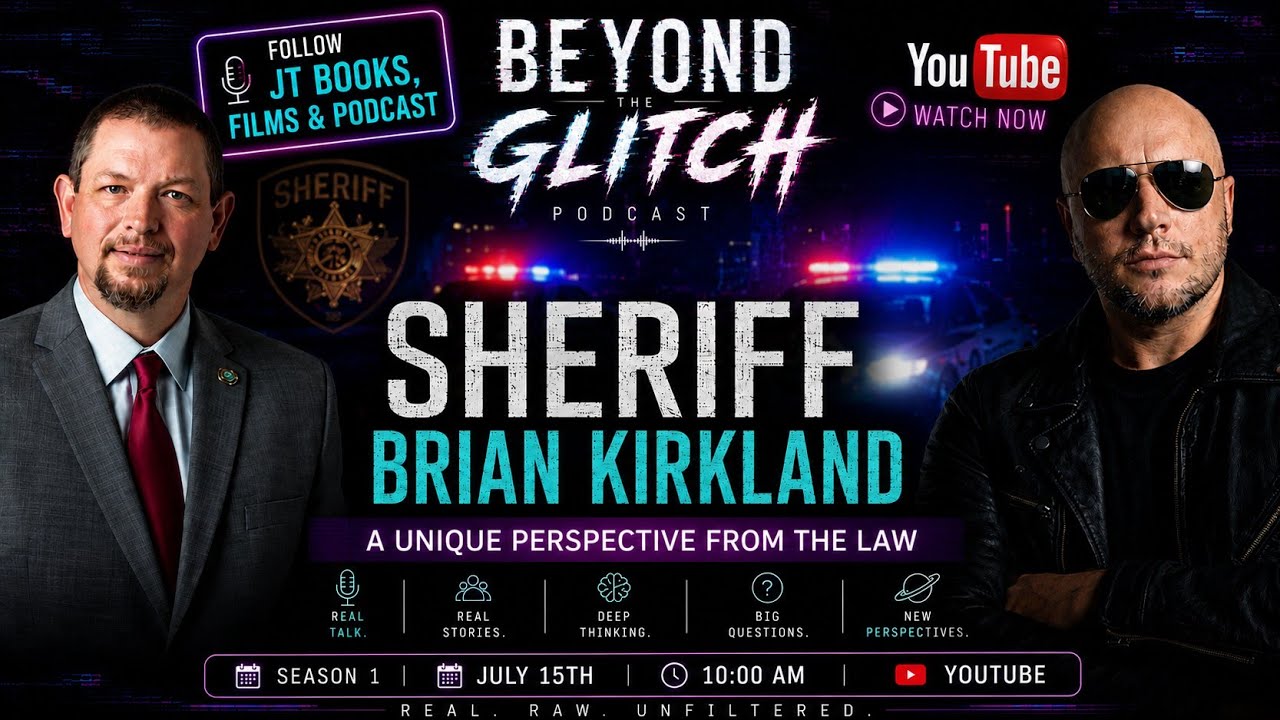
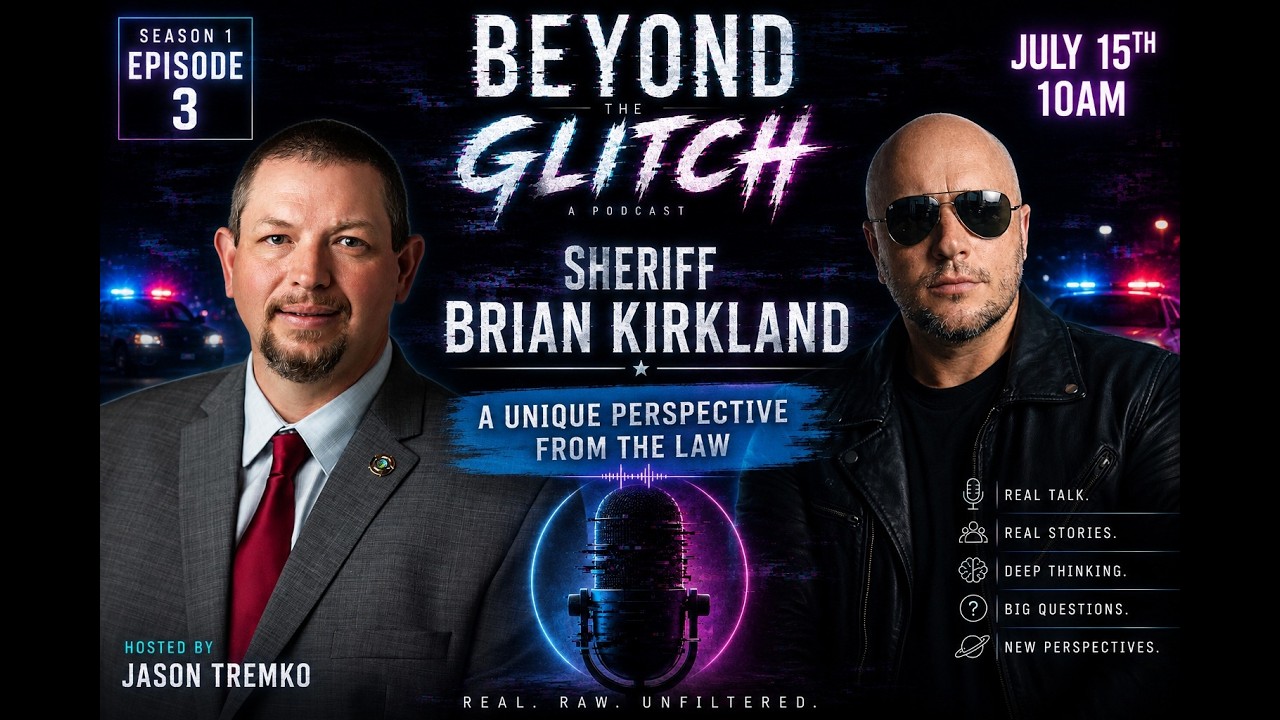


Two sides on THC! Read these comments from my supporters! #parenting #america #drugprevention
