
"A Hard Road Is a Good Teacher" with Dr. Darry Stickel You Winning Life Podcast Ep. 158
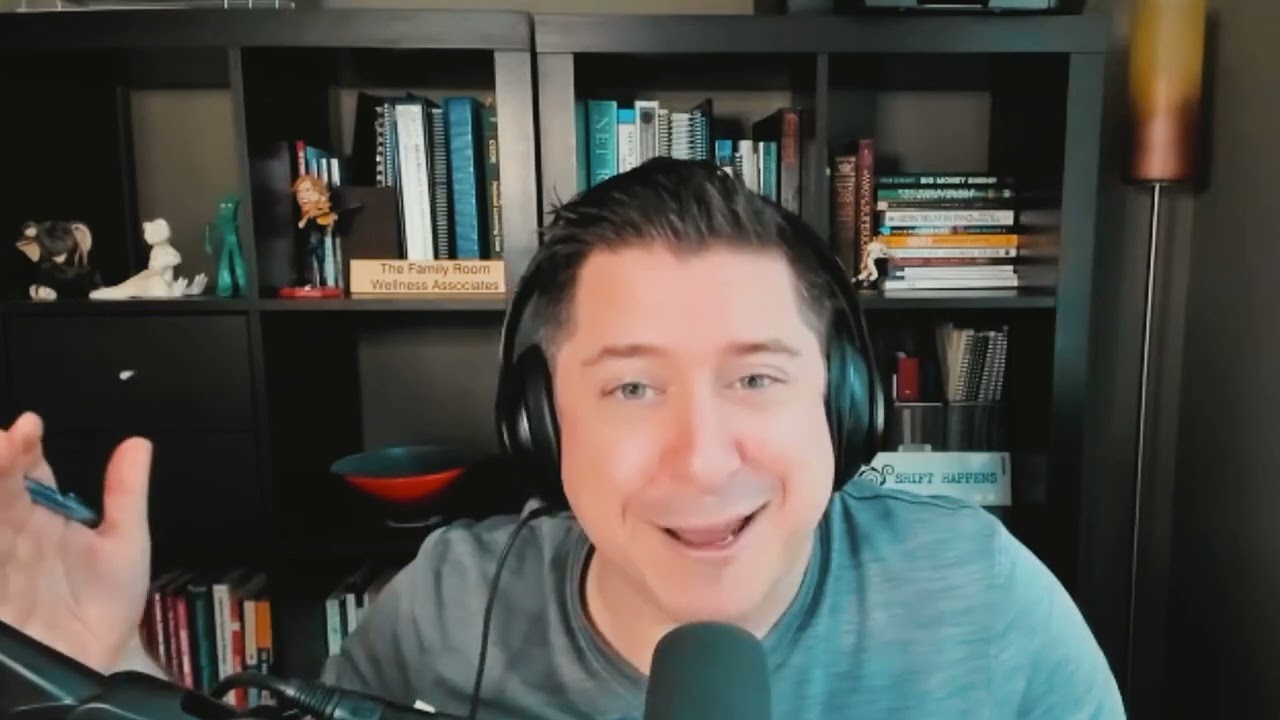
Dr. Darryl Stickel, founder of Trust Unlimited, explains trust as a function of perceived uncertainty and vulnerability. He outlines twelve levers people and organizations can pull to build trust, from ability and benevolence to integrity and alignment, with applications in parenting, leadership, and teams.
Chapters
Today's guest is the founder of Trust Unlimited, Dr. Darryl Stickell. He is the one of the world's leading experts on trust, and he teaches leaders how to find and use their most powerful tool. He's an executive coach with other over 20 years of experience focused on the topic of trust. His PhD from Duke University was on building trust in hostile environments. And he's been a consultant with McKinsey and Company, and he's taught these methods at universities and in boardrooms around the world. And he's been called a trust savant in his ability to see clearly into trust problems, diagnose them, and create a path forward for individuals, teams, and organizations. From many different backgrounds. So looking forward to getting into the conversation about theoretical knowledge versus practical applied experience and all the research that he's done, as well as how we as individuals and teams can learn how to leverage the idea of trust. Dr. Daryl, thank you so much for coming and hanging out with us today.
Oh, it's my pleasure, Jason Wasser.
So trust, before we get into this, I mean, this is such a key word, right? It's, it's the summer of 2022. And we're— I'm in Florida. And, you know, the joke is we've had a pandemic that wasn't a pandemic that no one thought was a pandemic. And people are on two sides of two different dimensions of who the heck do we trust anymore. Although we're not going to necessarily get into the politics of everything going on, but I think this is such an apropos, timely theme to bring on someone like you who is an expert in trust. But before we get to that, how the heck did this become your thing? How the heck did you decide? Because I talked to my people a lot about that. Your purpose, your mission isn't going to come and smack you in the face. It's something you have to decide. It's something you have to take ownership over. So I'm really curious, how did trust become your baby?
You know, it's a, uh, that's a great question. And, uh, I just recently wrote a book and I'm not trying to peddle, but—
Oh, peddle, peddle away.
Um, that's what we're here for.
Yeah.
The, the first chapter actually goes through the, the journey that I went on. And, uh, there was a lot of trauma and, uh, and challenges that I faced, which gave me a level of empathy. Um, that, that was higher than normal, I guess. And at one point in my life, I found myself, you know, I'd be sitting on a bus or, or in a cab or just, you know, in a restaurant, and, and somebody would come and sit next to me, a complete stranger, and say, I'm really having a hard time. Um, and I thought, you know, if this keeps happening, I should probably figure out how to get paid for this. Um, and so I, I started down the path towards clinical psychology. Right? I was working with families in crisis and troubled teens and working on crisis lines and all those kinds of things to hone those skills and, and make myself a good candidate for clinical psychology. And I spent a few years doing that. And then I realized that a lot of people I was working with were just— they were doing the best they could. Yeah. And, and you could see a path forward for them. And you could see— and, and you get this, you know, you, you work with families that are struggling, and, and sometimes you can see a transition and a change in that system, and, and sometimes they just can't get there, right? And I thought, this will drive me insane. Um, and so I shifted into public administration. I started working in government and Native land claims in British Columbia here in Canada, and Uh, you know, they would ask you these deep philosophical questions like, what is self-government? Or, or what will the province look like 50 years after claims are settled? And the last question they asked me was, how do we convince a group of people we've shafted for over 100 years they should trust us? And I thought, wow, that's a really good question. Yeah. You know, and, um, it, it got to the heart of, you know, long-term disputes and why they're so resilient.. And, uh, so I went to Duke and, and wrote my doctoral thesis on building trust in hostile environments. Wow. Yeah.
Yeah. And that's not an easy topic, right? Hostile environments. And, and it's again, tying it back to the first, you know, our first part of this conversation is that it seems like the world, or at least our, our space between, you know, America and Canada, North America, has become just so hostile on an everyday basis. And, and obviously in the macro sense is how do we restore trust in each other when we're being splintered and being forced to be splintered, so to speak, without us even realizing.
Yeah, on that level.
So what would be like— I mean, if we go— let's— we can go very macro or, or, you know, start off macro and go micro or micro and go macro. But what— how I see it as always being curious, always being an investigative journalist versus a judge, jury, and executioner right, and to try to surround yourself by people who think and believe differently. But that's become even tougher. It's hard because maybe they don't want to be around us because we think differently or do differently or act differently. So, so what would be some of these, you know, steps? And as you were answering that question to, to that, to that group of people who asked you that, what were some of the things that— because I think it's, it's connected— what were some of the things that, that came up?
So That's a big question. Um, part of the challenge is that we interpret the world through stories. And, you know, you talk about being around people with different viewpoints and, and, uh, alternate perspectives, and they interpret our deeds and words and actions in ways we don't intend, um, because they've got a narrative that's running in their head because of the, the news cycles or their own support mechanisms or experiences that they've had in the past. And, you know, the, the experience I had, so when I, when I was working on my doctoral thesis, um, I started looking at all the trust literature and I'm going through all of it and, and I have this, this epiphany, this realization partway through. That almost all of the literature that I'm looking at is really talking about uncertainty. And, you know, I had the good fortune of having two of the world's leading experts on trust in academic circles on my committee. And, you know, I approached them, I said, hey, this is, this is what's going on here. Like, all of this research is talking about uncertainty. And they kind of went, oh my god, you know, you're right. That's, that's what it's talking about. And I said there's no conversation around vulnerability, which, which allows us to talk about depth of relationship, and there's no conversation around our emotional states. So all of the work was treating people like rational actors. And I don't know, have you met people, Jason? We're not always rational.
Correct.
Right.
And so we've seen evidence of that. Yeah.
And, and so when we get emotionally engaged, the more powerful those emotions become, the less rational we are.
Correct.
And what we're seeing is that we're being hijacked in a lot of ways, you know. And so there's some thought experiments that I like to go through with people, um, one of which is let's pretend there are no bad guys. Uh, and, and we've seen evidence that there are. Um, but let's pretend for a moment that there aren't, but rather there are just people who are being profoundly influenced by their context, by the settings that they're embedded in, by the stories they hear, uh, by the reactions that they see, by the news that they consume. Um, and, you know, I have the good— I'm legally blind. I have the good fortune of wandering around with my my guide dog Drake. And, uh, you know, I list him as the Director of Goodness for my company, the D.O.G.
on the website.
Yeah, yeah. And, and he's got such a positive view of the world, um, and, and he creates such joy wherever we go that I have a very different experience than most people do of the world. And, and You know, I was giving a talk yesterday and somebody asked me, they said, do you think being blind actually changes the way you think about trust? And I said, absolutely it does, because I'm, I'm more vulnerable than most, you know, when I go into different settings. And, and we have this, for most of us, right, regardless of political spectrum or ideology, a lot of us feel a sense of warmth when we're able to help someone. Uh, that feeling of being able to look out for somebody else or do something positive for somebody, it feels good. Um, and so people are often able to see that I need a hand with something or that I, that I'm, uh, vulnerable in some way, and they step in. And it creates a positive virtuous cycle for us. Um, and so I think in large part we need to be more aware. And, and my mission is, is raising awareness about what trust is, how it works, and some self-awareness around the stories that we have and the narrative that we're pursuing. Uh, because a lot of this is, is about perspective taking. It's about understanding someone else's story and including them in the conversation. Uh, and that's a lot of the work that I do.
It's so powerful because I'm thinking in my mind while you're saying all this about people being more compassionate, more empathetic, and then I can hear the rebuttal in my head.
Okay.
Which is, but they're not showing that to me, and they're trying to— right, right now everybody right? If you look at both sides of the coin, is, well, they're trying to hurt me and my way of being, right? Both sides, it's really the same, right? That's what it is. And why would I want to help them if they're not wanting to help me? If they're trying to hurt me, why should I help someone who's trying to hurt me? In other words, like, that's how far down, you know, these, these links of, of connection that we've gotten at this point is, yeah, people are more likely— and this is that rational, you know, versus irrational brain, the, you know, the reptilian survival brain which you're talking about, where heart rate, you know, and, and being under fight or flight. And when our heart rate goes to a certain beats per minute, we're automatically not in rational thinking brain, we're in survival mode, right? But the point that I think we're unfortunately at in most scenarios is we're already in survival mode. Yeah, even when we're trying to meet somebody new or being in a new situation or experience that we're already on heightened survival as a state of society. Yeah, today.
Yeah. And I'm, I'm seeing— so it may be different where you are in Florida, um, but I know in Canada the experience that I'm having is a lot of people are struggling with anxiety, um, because the rules have changed. Because we've had less exposure to one another, and so we've got less experience of what that's like and how people are going to react and respond. Um, and, and for me, trust is a combination of uncertainty and vulnerability. And so when we're deciding to trust someone, we ask ourselves two fundamental questions. And the first is, how likely am I to be harmed? Which is perceived uncertainty. And the second question is, if I'm harmed, how bad is it going to hurt? Which is perceived vulnerability. Yeah. And, you know, we know that trust has incredible value. Uh, all the research tells us that, you know, organizations work more effectively, that relationships are more resilient, that all of these things work better. And in fact, uh, there's research recently that shows that economic growth and, uh, gross domestic product for nations is actually profoundly impacted by trust levels within that society. Um, yet we've got the lowest trust levels we've ever seen. And I was at a conference at Duke, a virtual conference, and they were talking about rebuilding trust in institutions. And so they were talking about media and government and technology were the three that they chose. And I was there for several hours, you know, 4 or 5 hours listening to this. And, and they just kept saying, okay, it's really bad, things are really bad, and we're seeing symptoms. And if you think about what are some of the symptoms we'd see as trust declines in, in a society, well, we'd see mass protests and riots and vigilante justice and mass looting and, um, people sort of refusing to abide by the rules because they don't feel that they fit for them anymore, questions about authenticity of, of, uh, the court system or the voting apparatus, democracy itself. Does any of this sound familiar?
Oh yeah.
Yeah. And, and so they're, they're talking about, you know, things are bad, and somebody finally says, well, okay, so this conference is supposed to be about rebuilding trust in those institutions. What do we do? And they said, well, we don't know. And, and I'm sitting in the audience saying, oh, oh, pick me, pick me. I know.
Um, I'm the guy.
Yeah, ask me. Um, and part of the reason that we're seeing such declines is, is if we think about trust as a combination of uncertainty and vulnerability. So uncertainty times vulnerability gives us a level of perceived risk. And as our Perception of risk grows. There's a threshold that we're comfortable with, and if it goes beyond that threshold, we don't trust. If it's beneath it, then we do. Well, think about what's been happening over the last decade. We've seen technological advances, we've seen changes in social values and norms, we've seen, uh, pandemics, we've seen global unrest, we've seen climate change, you know, and various disagreements about that. We've seen huge spikes in uncertainty, right? And we're not used to it, and we're not used to being intentional about it. And whether it comes to a family that's forced to be together more often because of a pandemic, or whether it comes to an organization where the, the structures and rules seem to be changing on a regular basis, or whether it comes to a society where we're not quite sure who to believe anymore. And, you know, politicians are vilifying one another, which causes us to splinter and choose sides. And they, they seem to feel like the road to success is to, is to denigrate each other. I mean, they should stop shoveling. The hole is deep enough, right? I mean, there are some transmittable diseases that have higher trust ratings than our politicians. Um, and, and so many of those politicians probably have those transmittable diseases, right?
Or spreading it.
Yeah, yeah. And so, and, and this is— this holds true regardless of which side of the political spectrum we're on, correct? Um, and that's, you know, when I wrote the book, I really tried to write it in a way that people— that everyone could read it and go, yeah, okay. Um, you know, and so We need to be more aware and more intentional about how we build relationships with one another. And you're right, you know, the, the rebuttal is, well, what about that person? They're being a jerk. And I, I hear that a lot, you know. Okay, my boss is a jerk. Well, I can't change your boss's behavior. What I can do is help you be more aware and change your own. Um, and One of the challenges we face is that 95% of people believe they're more trustworthy than average. So when they run into a trust problem, it's somebody else's fault, right? And so, you know, this is a skill that we can all build. Um, and I really try— so the reason I wrote the book was to, to add more scale to the to the voice that I have. You know, I'm trying to reach the world. I'm trying to, because I feel like I'm dropping small grains of sand in the ocean. And I see these huge impacts in individuals' lives. And I'm frustrated that I'm not reaching enough people. And that's, that's why I wrote the book. And I shared everything. In the book. I share the model. I share how to build trust. Uh, so I, you know, there's the rationalization at the start, sort of how I got here and why it matters. Chapter 5 is just, here's the trust model. And Chapter 6 is, here's how to pull the different levers. Because I think of it as a set of levers that we can pull. And we all have the ability to build trust, but it's a skill we can work on because some are better than others. And so if we're not very good, we have a lever that we pull, you know, maybe it's the ability lever. Like I have these kinds of credentials and this much experience and, you know, this rank within the organization. Those who are better have multiple levers, right? They, they can, uh, show benevolence, which is, you know, care and concern for somebody else, having their best interest at heart, or they can have integrity, following through on their, on their commitments. And an alignment between the actions they express, or the values they express and the actions they take. Or maybe they, they explain their context well, right? So they, they explain the rules of the game that constrain them, or they have a good mechanism for understanding someone else's vulnerability and, and having an influence on it. So there's, there's these 12 different levers that we can pull. So those who are better at building trust understand those levers and they're able to pull them effectively. Yeah, those who are really gifted know multiple levers and they know when to pull which one.
So become strategic in that regards.
It does. And I've had people, you know, I've worked with folks who are really, really good at technology, uh, you know, but, but struggle with people. And they've said to me, oh my God, you've given me a formula. And it's, it's been life-changing for them, right? Because they're like, now I can actually deal with people. Um, and it's changed everything.
Wow. So yeah, yeah, it's so interesting because when we do go down to the simplicity of these things, when we have to take a step back from doing the same— right, then the definition of insanity is, right, doing it the same thing over and over again and expecting that different result. Everybody knows that, right? But I really— the two words that I wrote down as notes while you were talking was ownership and accountability, right? Where does that play in? Because I know on my side of things that when I'm working with whom— whatever dynamic of client that I'm working with, whether it's my therapy clients, my coaching clients, and so forth, is, well, how did you decide to allow that into your life in the first place, right?
Right.
So They're complaining about their partner, they're complaining about their boss. Well, but you chose to work there. What decision-making processes beyond, oh my God, I need a job, or oh my God, I'm really lonely, right, allowed you to make a yes or no decision? And then I always go take them back to, well, remember when we talked about core values in session 1? I sent you home with the homework about being very crystal clear and defining your core values and coming back with that, right? Did that decision align with those core values, or did you violate your core? So, right, so, and that's where I think from my perspective as a, as an efficient therapist and coach is, is to say, where is your ownership and accountability about that versus, well, it's because of them, they're making me feel this way. Yeah, this decision that I have no power over, so therefore I'm just gonna bitch and complain and moan about it, versus, well, What can you do?
I— so I love this, um, and for me it resonates with, with a concept that I talk about fairly often, which is internal versus external locus of control, right? Is, you know, internal locus of control is I master my own destiny and I make things happen in the world. External locus of control, things happen to me, I'm buffeted by the winds of fate, right? And when I used to teach undergrads, um, I would say to them, okay, so this is what these things mean. Who here has an internal locus of control? And they're, you know, young and successful and all those things. So all the hands go up. I said, well, this is great. So, so if you don't do well in this class, it's not because the test was too hard or I didn't teach it properly. It's all you, baby.
Yeah.
And they kind of would go, oh no, wait, that's right. We have an internal locus of control when we succeed and an external locus of control when we fail. And those are powerful defense mechanisms, but they can also really get in the way of us learning. You know, my sons have never lost a sporting event where the ref didn't suck, right? And so, you know, taking a moment to say, what is the role that I'm playing when things go wrong, is how we learn and grow and develop and improve our probability of success. And understanding the role that the context played when we, when we're successful allows us to, to look for that context again, right? To look for environments where, hey, in this setting I was successful in the past, there's a chance I will be again. And so, um, a lot of times you're right, it's, it's helping people adopt someone else's perspective. Helping them think about what's the story that that other person is telling. You know, if you're telling this story about my boss is a jerk, what's the story your boss is telling? Why? Because we don't wake up in the morning going, I'm gonna be an evil jerk today, right? You know, all of us have reasons for what we do, and we're the hero of our own story. So how does the other person in your life justify being the hero of their own story when, when you see them as the villain, right?
Um, and it's a powerful paradigm shift if— and I don't expect anybody who hasn't been doing that to be able to do that overnight. And I see everything as emotional muscle memory.
Yeah.
And, and you can't stop a, uh, you know, a Mack truck on a dime. It's gonna slow down a little bit, and then you gotta, you know, 3-point turn it and turn around the other direction and start moving in momentum the other way. So I know this is something that like might be grinding the gears of people's brains, right? What do you mean? But they're— but they're— but they don't care about me, right? Again, like we always easily go back to the justifications and excuses more for why not than how we can, right? I think that's part of a huge compassionate understanding. Like I, I, I joke to my friends, I'm like, well, I'm the guy who votes one way, but I'll read books and listen to YouTube videos of someone who is politically different than me or claims to be more politically neutral than me, um, right? So I mean, you have one of those, one of those guys from BC who's, who's, you know, made waves, uh, another professor, right? And, um, you know, he comes out, he tries to come at it from a very logical thing, and then sometimes he shoots himself in the foot for, you know, certain things. So, but, but to, but to say to people, but I read this person's books and I watch this person's YouTube videos and, and, and And the— but, but he, but he said these things. Okay.
And right. And I don't have to agree with it, but I can at least be informed.
I can be right. Informed consumer rule number one, being an informed consumer. And, and P, and I really do see when we get into— it's funny, the multiverse, right, has become the new— I would say that would be the 2022 buzzword in pop culture of right, of, uh, with all the Marvel Comics and all the multiverses. So, right, but when we get into a multiverse of emotional reality, I see that as how much do you know, how much of an informed consumer, how much of due diligence and being a curious investigative reporter are you about the other person's thoughts, feelings, actions, and beliefs, right? Not taking away the words right or wrong.
Right.
I—
yeah, absolutely. And I think that's a powerful— again, it's a powerful thought experiment around how do we hear other people's viewpoints, how do we consume them in a way that's, uh, more objective, less emotional, how do we reset our emotional states so that we can actually have a conversation with those folks, because that's You know, one of the challenges we face, and this is, this is why, you know, some people ask me, well, you know, people you don't agree with are going to read your book and they're going to be more effective. And I said, yeah, they are. I said, but the, the problems that we face right now, things like the political divide, things like, you know, um, climate change, pandemics, you know, global unrest race relations, the relationships between the police and the communities they serve— all of those things are complex problems, and they require a level of collective collaborative action for us to resolve. And, you know, we've tried the mechanism of, hey, I've got a problem, you need to fix it, and that's led to things just progressively getting worse and more divided. So how about there's a problem, we need to fix it. Well, for us to fix things, that means we need to work together.
Yeah.
And that means we need some level of trust. And, you know, I've worked with companies where they face interesting, complex trust-based challenges, and they said, we've got a shared vocabulary, it makes things so much easier. And, you know, because everyone's sort of using the same model, they're using the same definition, they're using the same approach. And so they're actually able to communicate with one another in a way that they weren't previously. Right. And, and that's the approach that I, I really try to take, a practical, rational approach to the whole topic. So there's no singing, there's no hand-holding, there's no falling off tall objects. Um, we don't walk across hot coals or, or any of those things. We, we talk about how are people making these decisions. Yeah. And, you know, we, we come to a shared vocabulary and, and we create environments where we can actually talk about things.
It's amazing.
Yeah.
The, the thought from that is, right, this is a very external way. We're talking a lot about the external. And my question for you which I, which I struggle with, which I know, yeah, humans struggle with, is, right, this is how we can hopefully move to talking to other people, right? But now let's take it internal. Let's take it to how we talk to ourselves. So I see, you know, one of the, one of the many tools, one of the many lenses that I use to help people understand themselves better is the Enneagram personality and uh, right, 9 different types of personalities and, and different ways we get stressed out and look at things and motivation factors. And I realized with one of my clients when I was doing, uh, some couples work with them, where it's, you know, the, the one of the partners was like, you know, whatever you say to your spouse, they've already said it a thousand times worse to themselves, right, than what you've said to them.
Right.
But the biggest harmful thing about what you're saying is that if you're the person that they're supposed to trust and love the most, how can you mimic and mirror all the awful things that you're saying to— that they're saying to themselves and you're saying to them? Yeah, that's what makes it worse, right? They're already saying these things to themselves, and here you come and say the exact same things that are the worst things that they can say to themselves.
Yeah. Yeah. And that— okay, so, um, oh, so I, I think about my sons when we have this conversation, who are the center of my universe, who I, I love more than anything. And, uh, when I talk to, to folks about parenting— and, and I'll, I'll get to the sort of internal peace— um, I talk about having a relentlessly positive story about our kids. Um, I talk about creating a safe harbor from which they can take risk because there's more than enough people in the world who are going to be willing to, to beat them up and knock them around, right? Um, we need to create resilience for that. These are my beliefs, and other people may have different ones, but I believe we need to create an environment where they have a positive narrative about themselves so that they can be resilient, so they can take risks. Um, and I was, you know, I was in a fantastic parenting course I was helping facilitate with a woman named Allison Reese who works here. She's a PhD that works here in Victoria. Um, and she was talking about traits, you know, these, these individual traits that we have. And one of the traits was, uh, distractibility. And it happens to be a trait that that my younger son Alexander has. Um, and there are positives and negatives that come with each of these traits. You know, the, the positives are he's funny and observant and empathetic and thoughtful and really smart. And the negative is that he's late, right? He gets distracted. There's so many things that are interesting for him he can— he has a hard time getting out the door, he has a hard time getting to where he's going. And when he was— when he was young, he was in middle school, um, so he's 12, 13 years old, and I'm waiting to pick him up after school. And we only get a limited amount of time together because my, you know, my wife and I had split up, um, and so I'm waiting for And all the other kids have come out, and the teachers have come out, and the janitor's trying to lock up. And, you know, he's even later than usual, right? And, and he comes out and he's approaching me. I'm kind of leaning against this tree, and the thought that's going through my head is, this is, this is him. This is part of who he is. And my choice is to be frustrated and angry with him right now to yell at him because he's late, or to accept him for who he is. And everyone's been yelling at him about this. It's not changing, right? And so he approaches me, and his feet are dragging, and he looks dejected and heads down. And he says, Dad, I'm really sorry I'm late. And I just looked at him, and in that moment, I just had a realization that I loved him and accepted him for all that he was. Wow. And I said, buddy, you're worth the wait. And the look of relief from that acceptance, um, it was a real turning point in our relationship. And it was such a powerful moment. And that became my mantra whenever he was late. It was like, you're worth it. Yeah, you're worth the wait. And no one who's waiting for us is more important to me than you. And so they can wait. If we've got another appointment or we've got something scheduled, if we're going to be late, that's fine, because you matter more. And, you know, we had another conversation a while after that, uh, where, you know, my older son and I talk about sports, and he's, he's less interested in sports. And he said, you guys have such easy conversations. I'm sorry I'm not more like him. And I said, wow, I spend zero time wishing you were somebody else. I love and appreciate you for all that you are, and I wouldn't change it. And so those positive stories— because he struggled with anxiety and he struggled with social, you know, anxiety and some levels of depression. And what he needed from me was that relentlessly positive frame. Yeah, with that acceptance, that love. And he's thriving. My sons are both thriving, and they've gone into challenging environments and been successful. And what they need is someone who's alongside them saying, yeah, sure, that didn't go as well as you wanted it to go, but here's the positive elements. And, you know, and so the guy you were referencing is Jordan Peterson, right? And, um, and he was on a podcast that I was just recently on, and he said, uh, you know, we do our kids a disservice by not giving them strong feedback. If we see something that we find annoying, other people probably find it annoying, and it's our job to raise that to them, even if it creates conflict. Yeah, and, and I agree, we do need to give feedback, and we do need to help them understand and navigate the world and prepare them for that. But we need to give that feedback in a way that actually lands for them. Yeah, that they don't say 10 years from now or 15 years from now when they're sitting on your couch saying, you know, my father hated me, um, and then come to realize actually my father was trying to prepare me for the world. Wow, he knew what he was talking about. 'Gee, I wish I'd realized that 15 years ago.' Instead, what we need is for them to say, 'My dad really loves me and he's got my back. And so if he's giving me— if he's asking me questions or approaching me with, with topics, it's because it matters for me.' Yeah. And so that's the approach I take with my kids, and that's the approach I recommend for folks. You know, we have If we're talking about trust for ourselves, there's that vulnerability that we experience, and there's that uncertainty that we experience. And how do we take steps to reduce our uncertainty? And how do we take steps to reduce our perceptions of vulnerability? What's the worst that can happen? And often we get involved in these conversations where, you know, I do public speaking often, and Uh, I know that I've had enough experience at it now that the uncertainty is fairly low, right? Right. And, and the positives far outweigh the potential negatives. Um, and so partly it's how do we get more exposure, how do we find safe places to practice. And that's what I do with, with the training that I do, because So often when we work with people, we can explain things to them and they can go away going, wow, he really understands that. But, but it feels like fire and forget, right? We've, we've launched it and then, hey, good luck with that. And what I've adopted or, or adapted to is now I get people to actually practice. Um, and so I'll say to them, pick 2 relationships. And we're going to go step by step by step, and you're going to take some really simple— you're going to have a trust-based conversation first. You're just going to talk about what trust is. You know, it's the willingness to make yourself vulnerable when you can't completely predict how someone else is going to behave. And you're going to talk to someone about, hey, this was the definition that was shared with me, and it's got me thinking about what, you know, there's elements of uncertainty and vulnerability. How are we vulnerable in the world? And so just practicing.
Wow. Um, it's pretty brave, right? But to get to that point and to put some— for someone to put themselves out there. And the thought I had while you were talking about, you know, as you practice this with your children, is imagine if parents embed this into from the time that they're young, that their children are young and they can comprehend this, and they can say, hey, there might be a time in the future where I may say something to you right, that you're going to either reject or think I'm blaming you, right? The default would be X, Y, and Z. Yep. And I want to instill it in you starting today that, like you said, I always have your back. Yeah, always the most important thing to me. If there's something that at first maybe I, maybe I didn't express it the right way, and I'm going to try to do my best to express it even better, but I want you to know, and I'm going to constantly try to remind you Now, this has to be obviously things that are uplifting. And, you know, like you said, they have to be coming from a place of love versus coming from a place of do this to make me feel better, which is clearly the opposite of what we're talking about. So it has to be the rising tide raises all ships paradigm. But if that gets embedded in a child's psyche, that even though they're going to recoil from, ah, like, I can't believe they're giving me crap for this, it will be more likely for them to pivot into the receptivity, right, later on versus having to fight about it or reject it. And imagine if that was a societal paradigm, right? If that was taught in schools, if that was taught in sports, if that was taught— I mean, I think a lot of it is taught in sports, interestingly enough, right, as you were talking about athletics before. But right, I think a lot of—
because there's really amazing coaches, but there's also really crap, really bad ones, you know, right?
Really bad ones. There's Right? Really great educators and really crappy educators. There's really great therapists and there's really bad therapists. Right?
Right.
So, right. I think, I think we're great, great politicians and crappy politicians, whatever it may be. There's, there's, there's the balance of the, of everything. But I'm only imagining the excitement that I have for what you're saying of like, imagine embedding like, hey, in 6 years you're gonna be 15 years old and you know, there's gonna be a time where you're gonna want to go out and sneak out in the, around the house. To go hang out with your friends, and you might get away with it, right? And I might not find out. And there might be a time where I eventually do find out, and I'm probably going to be pretty pissed off at you, right? I want you to still know that when I get pissed off at you 7 years from now, I still love you, right?
So, so I have, uh, I, I have such a powerful, positive relationship with my sons because I've applied this model since they were children, since they were 2 and 3 years old, where— and they know I'm doing it right because they've seen the model. We've had conversations about it. When my oldest son Thomas was 12, he turned to me one day and he said, Dad, he said, even when you're upset with me, I know it's about what's best for me.
Wow.
And I thought, I'm winning, right? Um, and so It's a way to future-proof our kids because, so, so Thomas, you know, said to me, hey, I want to get a baseball scholarship. He's 21 now. He turns 21 in a few days. And he said, I want to get a baseball scholarship. And I said, okay, so that means that we've got to talk about nutrition. We got to talk about exercise. We've got to talk about practice. We got to talk about getting along with your coach and your, and your teammates. You've got to be a good teammate because people are going to be asked. 'And you gotta do well in school.' And so all of those things that parents normally harass their kids about, right?
Right.
And his interpretation of it is not, 'Jesus, Dad's on my ass all the time.' It's, 'Dad's got my back.' Yeah. 'Dad's in my corner.' And, and it wasn't me hounding him relentlessly. It was just occasionally saying, 'Look, this is the thing that you said you wanted. This is the thing you were passionate about. Is that still the case?' Yeah. Okay. So here's how we proceed. And he came to me one year and he said, my team's not going to be very good. We're going to lose a lot of games this year. And I said, okay, so then we need to redefine what success looks like because your goals are not to have a good season, but your goals are bigger than that, right? It's to get a baseball scholarship. So what does success look like for you? What are the things that you have control over? And he said, well, I could get better as a, as a player, and so I could work hard at that, and I could develop a really positive relationship with the coach, and I could be thinking about how I, how I become a better teammate to help some of the guys who are struggling. And that's what he did. And we got halfway through the season, he said, God, we suck. And I said, yeah, you do. Yeah, you're terrible. You guys have lost just about every game. And I said, but how are you doing? With the things that you control? He said, well, I just got named to the All-Star team, and my stats are really good, and the coach loves me, and I've actually found it really fulfilling to help some of the younger guys learn and grow and develop and create a positive experience for them.
Yeah.
So let's fast forward. You know, Thomas gets a baseball scholarship to a small school in Missouri just north of St. Louis, and it's a Baptist school, and we're not Baptist. And the U.S. is politically a little bit right of Canada, and Missouri's a little bit right of the rest of the U.S., right? And so there's all kinds of opportunities for him to, to have a negative experience, and he is thriving. And his coaches love him, his teammates love him. He's been on the Dean's List the last 2 years, um, and he's, he's growing and developing and just thriving in an environment that is set up for him not to. And he says a lot of it is just the conversations we have, the approach you take. So when someone's talking to me about Jesus and trying to save my soul, he said, the story that I have is this person really cares about me.
Yeah.
Not, oh, good, good for you, shut up, right? Like, get out of my face. And so So this is how we create an environment where our kids can thrive. And when we look at the future, the future is going to be changing at an increasingly rapid pace. The thing that's going to help us be successful is our ability to build relationships with other people.
Yeah, it's, it's, it's so powerful because I'm reflecting on a session I had with a kid and they were working through some— they're such a cool kid. And they're working through some stuff, and they happen to have a certain bracelet on indicating, you know, the WWJD initials on it.
Okay.
And, and I'm— I happen to be Jewish, and okay, so they're, they're like trying to struggle to figure out like a path of success about solving the problem, and I'm like— and I point to their bracelet and I go, okay, so you're carrying this around with you, right? Let's bring him into the— let's bring him into the therapy session. What would he say if he was here hanging out with us, right, and, and chilling? And, um, and the kid goes, keep doing what I'm doing, right? And then I'm like, well, you don't sound certain about that, but that sounds like probably the best answer anybody can give. So, you know, why are you second-guessing your uncertainty. And the doubt, like you were saying, right? The doubt of that this is the best answer. And I think that's the number— I think that's the absolute incredible answer. Because, you know, I was going to try to explain to them compounding interest, but I'm like, well, you know, remember the first time you played your sport? And I'm like, well, what happened? They're like, oh, I was really awful at it. I'm like, yeah, but how many years later are you still playing the sport? And you're really good now, right?
Yeah, right.
Because you kept at it. Keep doing what you're doing. And I'm like, so doesn't that tell you you already have the wisdom inside of you? And therefore, we think sometimes that we need to— right, it's not that other people have it and we don't, it's that we need to look at other people as reminders, right, that we already have this innateness inside, that we already probably know how to figure out these challenges, right?
Well, and this is a place where we all need to be— start getting more comfortable at learning new things, because the world's evolving at a rapid pace. And a lot of times when I talk with leaders, I'm, I'm reminding them, you need to let go of the things you were good at that got you here, because they don't serve you now. You need to let other people learn those things. You need to step into new skills.
Yeah.
And You know, that's a challenge. There's a vulnerability that comes with trying new things because 9 times out of 10 we suck at them, right? And we're gonna fall down and make mistakes, and that needs to be okay.
Well, that's why they bring people like us into their lives, because once I write it, well, look how far it got you. But if it really was, you know, if everything about that was as efficient and as simple as possible, then you wouldn't need someone outside to step onto your dream team. And I always love using that, you know, that metaphor of who's on your dream team, who's on your unofficial board of directors, or whatever it may be. So like, exactly what you said, like, well, what got you here won't get you there, right? But it got you here. So that's pretty good, right? And what do you need to drop now to— wait, what, what beliefs, assumptions? Because if you didn't know you were gonna even get here, then if we got rid of those assumptions and beliefs about that, what will get you to that next place?
Exactly right. You're saying Yeah. And how do we create an environment where it's okay for me to fail? And it's okay for those people around me to fail, right?
And because we've never been here before, so we're gonna— yeah, fail forward.
Yeah. Yeah.
Right.
Yeah. And so how do I create an environment for my kids, or for my friends, or for my colleagues, where if they try something and they fall on their face, that they don't feel diminished by it? I celebrate that with them. That's the challenge that's in front of us.
So is that resiliency at its ultimate peak?
It is, yeah. And that's, you know, and, and I guess part of me is, you know, sometimes a hard road is a good teacher. Not always. Sometimes it's just a hard road, right? But it can be a good teacher if we're able to learn the lessons and, and make changes. And You know, my life has been one of significant challenges, um, which means that when I step into new settings, it's, you know, it's like, well, hey, I've experienced worse. Um, and so that resilience is a muscle that we need to be working on and trying to flex. And we need to give people the, the experience of Hey, I failed and it was okay.
Mm-hmm. The thought I'm thinking of is, is going back to just the environment of what we're around and people are, you know, the word Nazis being thrown around a lot.
Right.
And, and weirdly by both sides.
Right.
And, you know, and my grandfather's, um, pretty much his whole family was killed by the Nazis in Poland. Right. And he survived. He escaped from a train on the way to a death camp. Um, and so I'm thinking about it, and then one of my previous episodes we were talking about like, you know, the benefit, uh, where I brought this up about the benefit of knowing what other people think, right? Is that now I know, right? Before everybody was hiding in the shadows with their thoughts on the deep web or whatever it may be, and they're still there, they're still hanging out in those shadows. But now we know, now we know who you are, right? On both sides of the coin, we like— people are right. But what was the things we would never discuss back in the day. That was the old adage, is you never talk politics and never talk religion, right? Now the only thing people talk is politics and religion, right? So, so, like, now I, now I know where the Nazis are, right? Now I know where the people are that want to hurt my people, right? I'd rather that. I don't want— I think it's better. And people are like, what do you mean? That's like— but there's so much more of them. And now we're hearing it all the time. I'm like, yeah, but I know where they live, right? I know where to— how to avoid them. And, and, and here's the thing, like, you know, they may have— they killed 6 million of us 50 years ago, right? But we know where they are now, right? If we survive that, then we can, we can, we can survive this. Anybody can survive this.
Yeah, no matter what. So, and, and there may not be more of them, they may just be louder, right? And, you know, it's, it's easier to be louder these days, um, particularly with a negative message, it seems, for some reason. I, I gotta tell you, there's a There's a frustration that I have in that, you know, I have a perspective or an understanding of trust that is rare. Um, you know, I, I wrote a doctoral thesis on it and then I spent 20 years trying to help people solve actual problems. So that combination of theoretical and practical applied experiences is unusual and it's hard to be heard. It's hard to get the signal through the noise. And yet if, if I were to start saying, you know, terrible things, I would go viral, right? Um, in the right circumstances. And, and so that's what it is.
It's, it's— and people are taught that now. You're taught to put out your opinion that will on purpose get a knee-jerk reaction. Right, out of people, right? That's such a— and I've heard that from so many different things. And I just stumbled upon someone in social media who his whole brand is around pushing narratives. And we're not talking about the people that we know about and from the political spectrum. This is just like, you know, in the social media, young, the young 20-year-old male, right, agenda of how to, you know, how to be a powerful man and how to be a powerful business person or an entrepreneur. And, you know, and, and just this, like, basically teaching people to be divisive, right? Because that's the— right, the— that's the— you want that 20%. You don't want— you want to rule out your 80% of people who will never follow you and have your 20% of like-minded people. But I— but in my perspective, it's— but it's building based on negativity versus building the 20% based on positivity. Yeah, and right, what was that? There was that old story about, um, about Mother Teresa where someone said, um, there's some war rally was going on and they invited her, do you like it, do you wanna, do you wanna, do you wanna join us at this anti-war rally? And she goes, I'm really sorry, I have to decline. And they were shocked, but, but, you know, you're not for the war? Yeah, of course I'm not for wars. She's like, well, why don't you want to come? She goes, well, if you invited me to a pro-peace rally, I'll be there, right? Yeah. And that's it, right? I think, I think when we're talking about trust, it's which— I think, like you said, the languaging, the narrative, the outcome is not I'm anti-that, it's being right, these, these positive—
yeah, yeah. And it's, it's finding ways, because as I said, I'm I feel like I'm dropping small grains of sand in the ocean, creating these little tiny ripples. I'm trying to find people to come alongside and pick up great big rocks with me and, uh, trying to raise awareness about this is something we can have control over. Because a lot of folks feel like there's nothing I can do about it, but there is. You know, you can change the relationships in your life. You can have— you know, I, I had a an executive that I was working with as part of a team. And we deliver these sort of— I deliver these, these long programs, so 8 to 12 weeks. Uh, and we did this 12-week program with this group of senior executives. And I, I said, so what relationship do people want to focus on? That's where you're going to practice all these skills. And he chose his son, 15-year-old son. And he said, you know, we're, we're not connected and he's doing some things that I don't like. And, and so after 12 weeks, I'm getting feedback from everyone. So how have things gone? You know, and as we, as we went along, we're sort of getting updates. At the end of the program, he said, so what I didn't tell everyone was that my wife and I were filing— my wife was filing for divorce. He said, here we are 12 weeks later, we're closer than we've ever been. Wow. And my son just threw his arms around me and gave me the biggest hug I've ever had in my life. Told me he loved me and that he needed me in his life. That's how things are going. And, you know, I see impact like that on a regular basis. And so it's possible for us to be intentional. It's possible for us to learn a set of skills and approach the world a little differently and have a much better life.
It's so profound. And, and And I want people to hear this because we've been talking a lot about the chaos in the world. And if we make that decision to talk about the invite me to a pro peace version of whatever that thing is in your life versus the anti-something version— yeah, that alone, like what you were just saying, and putting the focus on building the relationships, putting the focus on curiosity it changes. It changes so much. And you and I get to see this because this is what we're, we're doing, you know, in our worlds. But you don't need to be a consultant and a coach and a therapist and a, you know, business dev person or collaboration or mediator to do this. This can be— anybody who's listening to our conversation can implement this today, right, by hearing this episode.
Yeah.
So, so in addition to the book, as we, as we wrap up, where, what, and you have the website where you have your, your company's website, Trust Unlimited. Yeah, there's courses, right? So is there other courses that not just for businesses, other courses for—
so I'm in the process of developing, so I'm developing a master class that people can take purely online. Uh, there are courses that we have. We used to have a 12-week course. It it ended up being, it's just too much. And so we have now two 8-week courses. Um, and people are welcome to reach out. There's open enrollment courses as well. Uh, right now we've, we've been focusing on organizations. That's evolving and changing. If they go to the website, there's, there's a blog section that's got, uh, articles I've written and, and other podcasts. Um, Repeated exposure seems to help. There's all kinds of material you can get for free. I appreciate it if you bought the book and wrote something on, uh, a review on it. Um, just try to spread the word.
Yeah, love it. Yeah, guys, go to— if you're always sending and you want the book, it's— treat yourself, treat yourself to a book. Um, it's, uh, and it just came out, right?
It did. Yeah, yeah.
Building Trust: Exceptional Leadership in an Certain World. And then your website is trustunlimited.com. Dr. Darrell, I really want to thank you. And if people want to reach out to you and connect with you, what's the best way for them to do that?
Just send me an email, darrell@trustunlimited.com.
Beautiful. Yeah, congratulations on so far all this awesome stuff.
Thanks for having me, Jason Wasser.
It's been, been a really, really powerful conversation. And anybody who's listening, Again, if you have any questions, you can reach out to Dr. Darrell directly or, uh, reach out to me and we'll make sure we get you guys in touch and get you the resources. And, uh, if you're looking for, for a really powerful read and a really powerful way to just practically and simply make some, some powerful changes in your life, then definitely treat yourself to the book. And thanks again for, for hanging out with us today.
More from Jason


Howard Behar Starbucks Former International President Heartwarming Story #kindness #shorts





