
Ep. 177-Navigating Business Growth and Work-Life Harmony with Eric Esteves
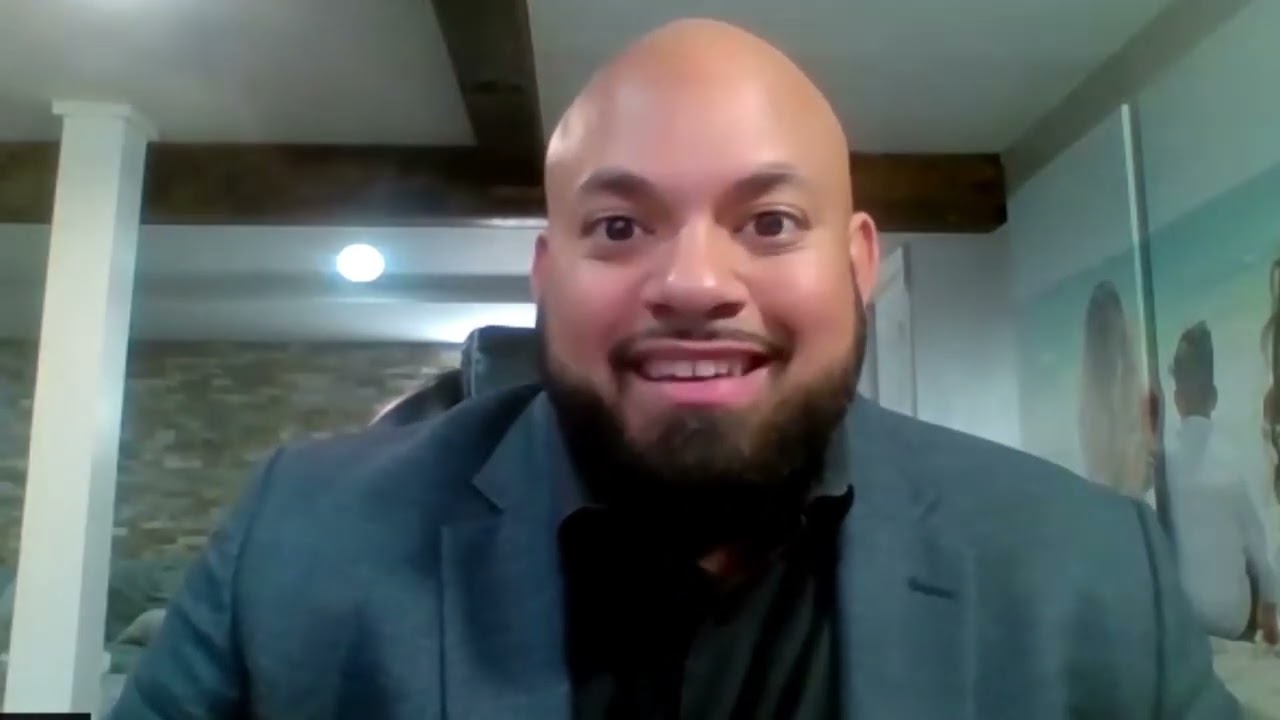
Mortgage entrepreneur Eric Esteves went from Fortune-50 corporate jobs to building a mortgage business, virtual-assistant agency, and record label. He uses time-blocking, a Big Ass Calendar Club, and weekly Pain Point Friday calls to manage growth without burning out. He hires people who cover his weaknesses and outsources ruthlessly.
Chapters
All right, everybody, welcome back to another spectacular, insightful, and empowering episode of the You Winning Life podcast. And as you know, Eric is joining us today, and we're going to be talking about a bunch of really tactical and practical topics. So Eric, thanks so much for hanging out with us today.
Jason Wasser, it was always a pleasure. Thank you for having me. Of course.
So, you know, short of the bio that people get when they see the podcast pop up and the introduction that you get at the beginning of the episode, let's unpack a little bit more of your personal journey. Because, you know, one of the things that I love talking about is how do people get from point A to point whatever it may be. And it may not even be point B, maybe point, you know, Q at this point, or R. And people see individuals such as yourself only for where they're at now. They may hear about the story, but they don't get and understand what it took to get there that we can leverage and utilize for ourselves. So let's start off with that. And then we'll take it to all the places that I know we're going to go to.
So, right.
Yeah. So, so who are you? What are you? What's going on? Let me throw that at you.
Thank you, Jason Wasser. I mean, listen, first and foremost, I'm a father of two children, husband, you know, and I, in the last six years or so, I've built a mortgage business. After leading teams in Fortune 50 companies, hundreds of people at a time. And I always had an entrepreneurial bug, right? I always wanted to work for myself. So after leveraging RSUs and stock options and whatnot, right, to really leave that world behind, I started a mortgage business. And just like any business, the first few years was just grind it out and learning as much as you can. And then you start to scale and build teams and processes and whatnot. And that's where I'm at now, you know. So the mortgage industry is still my bread and butter. I've since, you know, built some auxiliary businesses just because of the conversations that I've been having in the mortgage world. You know, for example, you know, I've used virtual assistants, ISAs, for quite some time. And in the coaching world, and I teach classes and whatnot, this comes up a lot, right? Um, so I, I made a business out of that, right? So you know what, instead of me talking about it and, and, and, and, you know, telling people where to go, why can't I provide that service? So I partnered with somebody who helped me with the backend operations, and we do have a virtual assistant company to help leverage, um, you know, uh, small business owners. Um, but mortgages is my bread and butter. In addition to, to that, uh, you know, one of my passions projects is, you know, my daughter is a music recording artist, you know, so we started a small record label and we're just right now we're in the rumbles and tumble of things, right? We're in the weeds, we're learning. And, you know, it takes years, right? To make it. So she's just recording and, you know, we produced and released our own music video, right? And every other month we're releasing a single. So I'm learning the music business as well. So that's more of a passion project, but it does take money, Jason, right? Of course. So it's fun because I'm doing that alongside my daughter, and that's her passion.
That's amazing. That's amazing. So I want to go back to something that you said of like, you started off in one place, and you had to learn what you had to learn. And then you start off, then you jumped out and went entrepreneurial. And then you had to kind of learn what you had to learn until you got to another level of success. And I'm hearing and knowing that that's consistently part of this process, that we think that if we just do this long enough, we're going to be able to jump ship, start something new, and it's just going to be easy, or we have everything we need ready to go. So I'm curious, just, you know, as the first maybe deep dive of our, of our conversation is what, what, what didn't you know, in these different developmental stages that has been that once you learned it, you realized how foundationally powerful and impactful it was to what you needed to be doing, both personally and professionally?
That's a, that's a great question. You know, listen, I think, I think in the beginning, right, I didn't know what I didn't know, right? So, so I was able to use some of my leadership skills to build teams, which I knew is something that needed to happen quickly to be successful in this world, right? And I was able to create good cultures and whatnot. But, you know, when I left my prior industry as a leader, you know, I had a lot of people that report to me, and I was more like the maestro, right? Like the, you know, I kind of had great people around me, and I was a big, big picture kind of guy. And when I came into the mortgage industry, I thought that that was going to translate, but I learned real quickly that I had to learn, right, the, the, the, the, the weeds of the business so I could be dangerous enough, right? You know, I still surround myself with great people, and I know who's gonna, you know, um, pass my knowledge, right, when I hire people, which is, you know, one of the great skill sets of really building a great team is hiring people that are better than you in certain skill sets. But, you know, I think I tried to move too fast and not learn, right, the fundamentals and spent as much time as fundamentals. So, for example, I was always focused on connecting with people and sales, and people gave me opportunities to, to help, uh, families. Um, but, you know, I made mistakes because I wasn't in tune, right, with the details of my business. And, and it took months and months and months to develop relationships and, and, and have opportunities to help, you know, families finance their homes. But because of my lack of knowledge, in some cases, um, you know, I lost those relationships quickly, right? So now how I lead is you have to be good enough to be— to do this on your own. You have to be dangerous enough, um, to really, um, be able to help a family and answer all questions, uh, before you really build a team. Because you're going to be the teacher, right? And you're going to end up— those people are going to wind up, um, uh, excelling in a specific task along, you know, a step along the process. But you have to be good, right? And, um, and I think that And this industry that I'm in, I'm kind of going back to that and saying, okay, what are some of the things that I've lost? I have to get better at this so I can teach my team. And I can lead by example and set that example. And that's what I'm doing right now, Jason.
Yeah, the fundamentals. And I see this in every aspect, like, as you know, when working with families or couples or, or individuals that we can only attract to the level of the awareness the wisdom or the personal internal work, the therapeutic work that we've done, right? We can't get anything greater than that. We can't attract a partner healthier than that. And, you know, the whole idea is like, you know, we attract what we, you know, what we've done, right? And what we're aware of and what we're not aware of. So when I hear people like, ah, this business partner screwed me over, I'm like, yeah, but like, you met with them more than once and didn't see these things. So what's going on with you that you're not taking ownership and accountability for versus saying like, how did I know? How did I not know? Right? And I see this on every level of relationships and every level of even businesses where there's that blind eye or they don't even realize that the circuit breaker not only does it not exist, or that it exists, but it's also off, right? And they don't even know to look for that. So I find that such a powerful component of personal growth and development, whether it's personally or professionally, is how to know what to work on, how to know how not to walk in with ego, how to not walk in with arrogance and cockiness. And I think one of the things that scares people from the entrepreneur journey is seeing people who do carry that brash ego grind, rise and grind mentality that doesn't necessarily fit authentically, authentically for them, versus seeing this as a path to like personal fulfillment and personal growth. And like you said, helping others.
Yeah, yeah, I think, you know, you have to always be a student. I think, I think that the most successful people, right, in any in any field, right, are always inquisitive, are always trying to learn no matter their level of success. And I think when you're open to learning and, you know what, you know, it doesn't matter the age, it's experience, right? There's a lot of young folk that doing things and that I want to do, right? And I ask questions and I'm inquisitive and I'm open. And that's how you really start to gain relationships and you start to, you know, really build a circle of influential people in your life, right? Um, when you, when you come to them and say, hey, I want to learn from you in all aspects, whether it's from a business perspective, right? If there's a family man that, you know, that just is holding it down, right? And, you know, and, and especially since I'm branching off into the, you know, uh, virtual assistant, you know, uh, world, right? I see, I see people that are doing it 10 times better than me, and I, and I want to, I want to learn. Um, and especially now, you know, in the music industry is totally foreign to me, Not only am I reading books to try to, you know, you know, get the theory correct, but it's meeting with as many people as possible, right? And I've been— my daughter has been given opportunities because we come with this, hey, I want to learn mentality, right? And people, you know what, successful people want to teach, right? And guess what? When you teach, you learn and you get better yourself too. So I think you talk about, you know, you mentioned that I think that's very important is not have an ego and just say, hey, I'm here to learn, right? Even myself as the teacher, sometimes in classes and seminars, I can learn from my colleagues that have been doing this for less than me because, you know, they might hear something, right, or know something or got taught something that I say, wow, I like that. And I think that that's how you have to lead your life, right? And I think that that's how you kind of flatten that learning curve a little bit.
Yeah. So one of the things I guess I want to ask is, is, you know, you've taken on these new roles, these new responsibilities, these new passion projects. And one of the things I feel that people have a difficult time with is, is discerning between what they should go down the rabbit hole and take on themselves, and what they should leverage out. Even if, you know, it's that idea of like, I can have 100% of something, or I can have, you know, 100% of nothing or 20% of something, right? And then the other people are like, well, if I do it all myself, then I'll have 100% of that. And I think that you're a good example of, you know, especially with this virtual assistant mindset of like everything is about leverage and everything is about bringing people in that, right? And like you said, you can only train them to the point of, of what you know, and you can't get them past that. How have you discerned, or how have you learned to discern between what you should be absolutely all in on and what you should leverage out?
That's another amazing question. And I think it all comes down to accountability. Right. And I think not only do you have to always be learning, like I just mentioned, you have to be accountable and really get to and really know who you are, what you're good at and what you suck at. Right. And I think we have to, you know, sometimes we're not honest with ourselves. And if you know, like, I know for a fact that, for example, I hate conflict, right? For so many years, and I was a leader, right? I led through my personality and I gained buy-in. But, you know, sometimes that's just not, you know, that's not the way the world works, right? And I hate conflict and I avoid it, right? So I think I have to have people in my team that run right towards that conflict, right? Because I can get better at it, but that's not innate in me. I also don't like details too much, right? I'm not in— so, and I have to get better at those things. But like, I know, for example, example that I have to refer to somebody on my team that's always going to fact-check me, right? Um, you know, because, because I'm good at building relationships, right? I'm, I'm good at big picture thinking. I'm good at rallying people. So I think, you know, that accountability, knowing what you're good at and what you're not good at, is going to allow you now to, right, outsource, hire people that are going to be doing the— that are going to do the things that you're not that great at, right? Um, You know, if, if, if building a business takes, um, different types of personalities— like, let's say I had a partner at one point and we were opposites, right? You know, he was really strong in the things that I was really weak on, and it really worked. Um, you know, it really worked. Um, you know, so the thing is that sometimes you got to just— okay, what am I good at? Now I know that I'm good at having conversations, talking to people, building relationships. Teaching people. So when I look at my day, now going back to accountability, right, and I'm very structured, and that's also I think very important for any business, uh, for any entrepreneurs, really, really be organized. Um, and that comes with time. But I'm able to look at my day and I'm able to say, okay, well, how did I spend my day today? How did I spend my day last— my week last week? How did I spend my month? And if I was— if I wasn't doing the things that I was good at right, then I knew that I wasn't maximizing my potential, right? And I teach that to my team, you know, I say, okay, well, if you're not doing sales-related activities, right, if you're, if you're fighting fires all the time, right, what caused the fire? Instead of fighting fires, you got to fix how that fire came to be in the first place to eliminate those things in your day so you can focus on the things that you're good at. You can focus on those sales activities. And I think, you know, it all goes back to accountability and, and, and looking at your, your day and your week and analyzing it, right? And, um, and, you know, I think any goal is reachable, right? As long as you're realistic and as long as you reverse engineer, right? And, and say, okay, well, this is what I have to do on a monthly basis, on a weekly basis, on a daily basis. And, and as long as you hold yourself accountable to those daily tasks, you're going to reach those goals, right? Or if you're not reaching those goals, on week 2, or a month, or one month in, okay, well, we have to change our activity and look at ourselves in the mirror and be honest with ourselves. So we can change some of it. So then we can reach our goal. Many of us, what tends to happen, Jason, is, is, is we wait too long to change. Yeah. And then we say, ah, well, the year is almost over, right?
Or this is who I am.
Yeah, right.
Right. Yeah, it's a big challenge. And I see this, right, even, even with myself, right? I'm, you know, I have What I've realized is one of the limitations that I'm navigating and figuring out is I wasn't a great student when I was younger. I did really well in graduate school because it was something that I was excited about and motivated about, and I think a lot of people have that, especially academically, where they may not even ever have that opportunity to be turned on to a particular study or subject. And I think that's what's so great about the world of entrepreneurship and going out there and creating something because it may have nothing to do with what you learned in school. But for me, it was like not realizing that like, I love doing this like strategic mindset therapeutic work and seeing things and asking questions that no one else asks. That wasn't taught to me in school, right? Because it's like, here's the curriculum, you do the curriculum, you know the curriculum, you pass. If you don't, you fail. And there was no creativity to that, you know, there was no, there was no music in that. There was no, right, there was no play in that. And I see a lot of people struggling, including myself, at different developmental stages, where you do hit the wall where you might be doing everything right, but it also just seems so exhausting to try to do anything more or differently, and how easy it is to just resign yourself to that. And it's not because it's not a positive mindset that they're carrying. It's not because they're not listening to the right podcasts and reading the right books and watching the right YouTube videos and talking to people like you. It's You know, I think in 2023, people are also burnt out in general. And, and we do have this overwhelming, even in the social media world, in the podcast world, right? I'm one of God knows how many millions of podcasts that exist out there. At what point do we need to just not get more information and just lean back into the one simple step? And who do we need to talk to? To get that one simple step that's just a bit different than where we were so we can move away from that fatigue. And, and I'm wondering if you have anything to speak to on that, because I see it, I see it with the people who I'm interviewing, you know, on my show. And, and they may, they may be radically and wildly successful in multiple aspects of their life, but there's something in their life that's still causing them that fatigue.
Yeah, listen, I, I think that's what we're always, you know, trying to figure out, right? That balance And especially the people that you have on this podcast, I'm pretty sure they're highly successful and highly motivated. And, and, and those individuals have a, have, have this motivation where, where, right, sometimes, you know, that motivation can cause strain and, and, and some other spokes of the wheel in life, right? So it's really about finding that balance, and, and we're always, always working towards it, right? I, I, I have my goals, right, where it's my health and my family and my finances and my profession, and, and I, I don't think I, I'm able to say that, you know, I was fully satisfied in every spoke of the wheel at any given point in my life yet, right? So, so I think it's about constant work and, and, and I think what's made it harder in that fatigue, Jason, and you mentioned social media and whatnot, I think, I think, you know, right, that saying comparison is a thief of all joy, right? Yeah. And we see it in front of other people, we're comparing ourselves, whether we might be happy for people, but subconsciously, and I think that that's where some of the fatigue comes in, because Right? We, we're comparing ourselves to highlight reels. We're comparing ourselves to where we think we should be. Where, man, like sometimes where we're at is exactly where we need to be. And if we were just more present, we would just be happier and not as tired. You know, and I struggle with that too, right? I think, I think, you know, you know, am I spending enough time with my family? Am I doing enough, you know, for work? Like, I might feel like I have it figured out one day, but the other day I might feel like, what am I doing?. And I think that that's a constant struggle. Um, but I think it's surrounding yourself with the right people in your life to remind you, right? Um, hey, you know, if you're going too hard, hey, like, what is this? Like, why are you going too hard in this for? Like, you know, like, like, what are you thinking about? Like, we're here today, right? Let's enjoy the moment today. I heard, I heard, uh, I think was it Howie Mandel was in a podcast and I saw maybe a TikTok clip or something, right? And, and, and, you know, Howie Mandel You know, he's known for being a germaphobe, right? And just having a little bit of anxiety always. And he talked about how he really, in his age, and, you know, with his age, he's really now being present instead of being anxious about tomorrow or depressed about the past. He was doing a podcast and he goes, I'm grateful. And you know what, Jason, I'm grateful for doing this podcast. And sometimes you don't think about that. Sometimes, you know what, I'm grateful that you found me. That we're able to have this conversation, um, and saying, wow, you know, um, you know, I'm able to, to hopefully provide value to at least one person and help somebody out. And I think that when we, when we try to live in the moment, I think that fatigue is going to wear away a little bit, right? Um, because I, I feel like we're always chasing something, and I think that it's not, it's not, you know, it's mental fatigue, I think, you know. And I'm, I struggle with that. I, I, I'm, I'm very highly motivated, you know. I woke up today at 4:30 in the morning, right? And But then there's some times where you can stay in bed till 10 in the morning and play with the dogs and be okay. So I think that's a constant battle. I think that that's what we always try to seek is that balance. So that way, we feel full in all aspects of our life, right? And who knows if we'll ever achieve it, right? But as long as we're working towards it, right?
Yeah, I'm just resonating with what you're saying on so many levels. Because it's, you know, you have all these books like The Miracle Morning and The Right— The 4 AM Club and the, you know, right, that whole thing. And You just hinted at a little bit of that in a way. And I also really appreciate like, but here's, but it's also okay to stay with the dog. And with, right, and stay in bed with the family and right, and just lounge. And, you know, I think that there's not enough about when not to, right? These are the things that you should do. These are the, right, these are the 10 steps, these are the 5 steps. And if you follow this method, and if you follow this book, and, you know, and God bless all those people who are putting that out there that are working for them. But I know that there's not a one-size-fits-all. But also, no one's talking about when not to do this. Which there has to be, like you just said, right? And I think that's kind of maybe the, the least known secret is these are all great, right? You want to follow the 10x rule, or you want to follow the Miracle Morning, or you want to follow whatever, any of these wonderful, you know, mindset books that are out there, the Way of the SEAL, or whatever, right? Or, you know, the David Goggins stuff and, and all those things. But when do you not do that?
Yeah, yeah, yeah. And, and I, I've— and I've, you know what, I, you know, you know, my family keeps me in check sometimes, right? You know, sometimes. And that's why you want to be surrounded with people, right? And I keep my employees in check, and sometimes I, you know, they keep— and I think that you have to, you know, surround yourself with people that are going to keep you in check. Because, you know, I see myself present, you know, with my family around, and, and, and it's a beautiful moment. But I'm thinking about something, an idea that I had, right? Or business or whatever. And then, you know, my wife would be like, hey, hey, like, you know, like we're here, right? And I snap out of it because, because it's true, right? Like, you know, my kids are older. My daughter's 20, my son is 16. And down the road, we're going to be empty nesters and we're going to miss those moments. And I see myself when she tells me that I fast forward 10 years from now. Where, where I'm like, you know what, like, I remember they were here and, and, and I was thinking about something else or work, and I missed that. I missed them, you know. Um, so, so you have to have people in your life that are going to keep you in check, you know.
How have you found through your journey about having to ask or kick those things out of your life throughout your, your entrepreneur and personal journey? Of realizing that something, whether it's any aspect, right? Whether it's something in your personal world, something in your professional world, and becoming the type of person that knows this needs to go and then asserting that happens. Because I find that that's very difficult for a lot of people. Because we all want to be liked, we all want to be benevolent, we all want to be like, "They like me. I've done good for them, and I don't want people to think bad about me." What has that been? Because I know that that's one of the key markers of success is that discernment and clarity of those things. What has that been like for you on your journey?
It's another great question. You know what, one of the things that I'm most proud of, you know, you know, the few years in the business, I became a, you know, top performer. And, you know, I was able to build a $100 million branch with my partner into my third year in the business. And, um, and, and I'm proud of that. But what I'm most proud of is I, I believe you're talking about work-life balance, and I still think I need to, to, to be present, right, when I need to be present and be appreciative of the now. Um, but I'm most proud of, of— I feel, I feel I have— I create my own schedule and I create my own time And have I lost business over that, Jason Wasser? Absolutely. You know, you know, because, you know, I remember being on stage a couple of years ago and a highly successful broker, you know, was wearing a shirt and, you know, and, you know, if you listen to this podcast, I'm not saying that is the wrong way to do business. Highly successful. But he had a shirt that says, pick up your phone. Right. And I remember saying at any time, at any given time, pick up your phone. 9:00, pick up your phone. Weekends, pick up your phone. I don't, I don't work that way, right? I don't operate that way. I have a calendar, right? I work through Calendly. Anybody that I work with knows I'm very responsive, but I'm not going to just pick up the phone every time you call because if I'm, if I'm talking in a podcast with Jason Wasser, I'm working, I'm talking to you. If I'm talking to a client, right, I'm talking to that client. You know, so if I'm, if I'm on my son's football game, I'm there. So what happens is I block out time, and that has helped me a lot, right? By using a calendar, it has helped me a lot. And by setting those expectations around my team and around the people that work with me has helped me a lot. Um, I, I've lost business because of it, right? Because it's at 9:30 and I get a call, I'm not going to pick up. Even if I could, I'm not, because I don't want to set that expectation. Yeah, right. Um, so that's, that has helped me being organized and being time blocking and, and, and being able to— so Jesse Eichler, right? Um, I have— he has something called the Big Ass Calendar Club.
Yep.
All right, I'm in the, I'm in the club.
Be what you're in, BYLR.
Yeah, I, I love that because you got to look at your year and you get to say, okay, well, okay, these are my milestones for work. These are— this is what I want to accomplish. So what happens is, and you color code it and whatnot, right?. And it kind of says, wow, like my calendar is full of all work-related stuff. I don't have anything with family here, right? Like I gotta like take a vacation, right? Right, right. So I think it's great because being organized allows you to be more balanced, right? Even though I'm seeking to continue to be more present and do more things, I feel like, um, I've developed that reputation in my field, right? Um, where, you know, even some people say, well, you know, you call Eric, he's not going to pick up the phone. I even say, I even tell I even tell my realtor partners, right, um, you know, there's probably a chance, there's 90% chance that I won't pick up the phone when you call, right? But that's because— but this is why, right? I'm very organized. I'm following up. I'm gonna follow up on your people, right? Um, but I will respond to you right away. Um, and then I have a team also that helps. So a lot of times people know who to call in my team instead of calling me. So what I do is I try to deflect, um, calls, right? Um, when they don't have to be directed towards management, right?
Um, so that's the leverage part of it.
Yeah, right.
And I think this goes back down to— and I really— it's funny, I'm constantly going back to, you know, the root cause. Like you said, like, what's the root cause? Like, instead of focusing, like, with your sales team and they're like, you know, like, okay, what's causing this in the first place? You know, I'm finding that a lot of struggles that people are having, root cause stuff, is just boundaries or non-boundaries or having a lack of boundaries. And how many things can we have, right, whether work-life balance and, and professionalism and, you know, how many— one too many drinks or one too many, you know, spending one too many dollars or whatever it is. That's all going back to boundaries. And I maybe will put it out there for those that are listening to see if like they can look at this, our conversation, through that lens of is everything we're talking about really just a boundary? Is the key to success really just identifying, having clean and holding accountable to those and having other people hold you to those because right work-life balance is boundaries.
Yeah, yeah, that's very interesting thought, right? I, you know, I think that that's a great way to look at things. You know, we talked about, you know, looking at root causes and, and I have, I recruited a large team to my office and some of them, you know, are— they have different levels of experience. But I said, you know, I said, hey, you know what, one of the, one of the best ways that we learn is from pain, right? It's, it's pain.
Hopefully, hopefully, right? Yeah.
So, so I have a call every Friday, right? 30 minutes. And I call it Pain Point Fridays. Hey, I want everybody to discuss their pain this week because If you might experience a pain that we can all learn from so we can avoid that pain in the future, right? If there's a specific, you know, family that you're helping that we miss deadlines and it's causing extra stress, let's dig into that. What was the root cause of why? What could we do better? So I try to really instill accountability in everybody that works with me because first of all, I want people that are accountable. I want people to look in the mirror and say, hey, what could I have done better instead of pointing fingers because we never grow if we point fingers, right? So, so we, we have that. That's on our calendar every Friday at 12 o'clock, 30 minutes, Pain Point Fridays. Let's, let's learn from each other's pain. And the whole point is, I say, hey guys, even 30, even 30 days, even 90 days, we still have to have 30-minute calls. Guess what? We're not learning from the pain, right? Right. We're doing this so we can eliminate these calls, right? That's the kind of team that I want.
Yeah. And I do believe like the beliefs, assumptions, and expectations we have about whatever that particular issue is, is what has to be fleshed out. Because it's not the thing, it's your belief about the thing, right? It's not that a person cut me off. It's my belief about what the— what— it's not even the— it's not even that linear, like that person cut me off and therefore they're not a good person. It's what is my belief about the type of person that would cut somebody else off, right? Oh, well, they're self-centered and they only care about themselves and they put themselves on pedestals. And okay, so then how do I make that universal? What is my belief about anybody who is self-centered? And anybody who puts themselves first. Right now you're getting to the nitty-gritty of where this might be showing up in multiple scenarios that you don't even realize. And I think that, that beautiful— that Pain Point Friday is such a cool thing where you can unpackage beliefs, assumptions, and expectations, going even deeper to that. And okay, well, where else is this showing up? Even outside of our calls and outside of our, you know, outside of this business for everybody. Because wherever we go, there we are, we show up with that. We just don't realize. We're oblivious to it in some arenas of our life, and it's completely blatant latent in some arenas of our life.
That's powerful. I love that. I love that.
So walk me through, as we, as we kind of round up, of, you know, where, you know, as anybody you're listening to this— and obviously there are people who are really, you know, I'm assuming and hoping y'all are connecting to, to this really awesome conversation— um, what are some of the resources and tools in which, you know, um, I mean, I know you're up in Jersey, but, you know, where people can— obviously, like you said, you do speaking engagements, and there's other stuff going on in the world. What are the different ways that people can benefit from your experience, from your wisdom, from your, from your teams and everything that you're putting out into the world, and, and then how we can leverage that?
Well, I think, um, you know, first, before a teacher, I'm a student, right? So I'm constantly learning and evolving, um, you know. So when I do have these speaking engagements and whatnot, I usually have maybe a, another partner, right, uh, even another industry, so we have different perspectives.. But, but I think, I, I think, you know, I, I've always had a coach. So it's not like, you know, you're listening to just Eric S. speak. You're listening to a coach that has had a lot more years of experience and success that I have had. Right. Um, and anything that I get taught, I teach to my, my team. Um, and then even things like this, Jason, these podcasts, and, you know, I listen to, um, a lot of, um, a lot of great people and a lot of great ideas, and, and, and I use that in, in my conversations with people, right? Um, I, I try to talk to top performers in the industry so I can know what their mindset is and what they're doing, you know, and I use my platform to do that. You know, I, I'm, uh, I'm the incoming president of NAREP North Jersey, which is the National Association of Hispanic Real Estate Professionals, We're the largest Latino organization in the country. And, and yeah, you know what, we— I use that to now talk to highly successful, you know, these, these, these realtors and lenders and make millions of dollars in a year on a yearly basis. And I invite them to speak. Right. So we do have— so where you can find me, for example, is we have 4 events a year, right? Educational events to really educate our real estate professionals. And a lot of times it's not even me speaking, is these highly successful individuals that are speaking. We have one on October 12th, right, in, in New Jersey. Um, you know, so, so we try to do it tonight. I have a— so I talk about— so, so I bring forth people that are already excelling in this tight inventory market to teach others. But then I'm also going tonight, you know, to a, a local church, right, at 8 o'clock in Newark, New Jersey. To teach first-time homebuyer seminars. Nice. Yeah. So, so, right, so I go from hundreds of people to a room maybe with 15 people, um, because this is what I really enjoy, is, you know, is helping people through education. Um, and that's how I built my business, and I know that that's how I'm going to continue to build my business, is, right, not only this business but others as well, because, you know, um, I love to teach, and, and by teaching I feel like I get better, right? I learn when I teach. Yeah. So, um, but yeah, you know what, I do these events through NAREP. I do, um, uh, uh, masterminds, right? I, I do, um, webinars and seminars, um, you know. So, so yeah, you know, I always just try to see what's out there and see what, what people are feeling. And, and my job is to have conversations with people every day, so I think I'm in tune with what people are feeling out there and what they Absolutely.
And where can people track you down?
You go to, uh, Instagram, Eric Estevez, uh, The Lender. Oh, sorry, Instagram is The Eric Estevez. Um, I just mentioned my TikTok, which is Eric Estevez Lender, because I'm also on TikTok and I try to be funny on there as well. Um, I try to, I try to put humor in, uh, uh, uh, with, uh, with lending, which is, is typically like an oxymoron wrong. Um, you know, but, um, yeah, we just had a— speaking of that, we just had a Nations Landing. We had our first comedy night ever. So we have 4 New York City comedians come in last week. I have a friend of mine who's a comedian, professional comedian. And what we did is we said, hey, you know what, let's recognize the people that we're doing business with. So we call it— we called it Closings in Comedy. And man, it was a wild success. And now we want to do this every month, right? Where the people that are helping families with us, we can go ahead and we can laugh together. Because I think that's one of the best things that we can do to connect.
But I think that's such a good opportunity that anybody listening in any industry, whether you're working for someone else or you're an employee or you're an employer or you're in the entrepreneurial space, is finding the overlapping, you know, between what your industry that you're in is doing and something else that you're passionate about or that you find joyful and playful and bringing people together to do that. And what a great opportunity for people to connect, for people who are like-minded to be amongst and around each other, right? Whether again, whether you're speaking on a stage in front of 1,000 people or whether you're going to a church and speaking to 15 people, right? Everybody I'm assuming showing up, it's a safe assumption, is that they're like-minded people that want to learn something new, that want to be around other people that are also putting themselves in this place to do something that's uncomfortable and new for them. And then sometimes, like you said, in this comedy evening, also could be fun. So I challenge people out there to think about that. Like, what could you do in your own specific world, whether it's personally or professionally, where you can add and invite more people to join you? Whether it's a hobby and you're somewhere and you're like, "Ah, I really want to do this, but I don't have anybody." Well, are you inviting them to do it? Are you getting 2 or 3 people together and saying, "Well, what can we do and who can we invite amongst the 2 or 3 of us instead of trying to do it all alone?" And if it's professionally, where can you overlap with another industry or just something that would— you wouldn't think would be connected, but it's still in alignment with, with that, and invite people to join you on that journey. And I think that's such a cool wrapping up point for our conversation. And Eric, I really do want to thank you. I know, I know we had a few— a month ago, we tried to connect and it didn't work out. And thankfully, it was able to happen today. And I'm really, really appreciative for the deep dive that we went into.
Jason, thank you very much for your time. I enjoyed my time with you. And yeah, reach out to me, guys. I'd love to help you if you have any questions with anything real estate related or business related. I would love to have a conversation. Awesome.
All right, so everybody, if any— if you got any benefit, which I'm assuming you did, because I can't be the only one really gleaning all these wonderful tidbits from our guests, please, please, please just do us a favor. Just write— Eric gave you his Instagram Jason Wasser before, and his TikTok. If you're on any of those platforms, just, just give him a follow. And if you want to reach out to him that way, that's awesome. And like you said, he's more than happy to hear from you. But also just go on any of the review sites, iTunes or Apple, or any of those things, and just let us know that you're listening. If this episode or any other episode was beneficial to you, or to someone you know would benefit from it, just share it out, right? We don't have crazy sponsors or anything like that. This is just something that I'm passionate about, is a project, an outpouring of my private practice as a therapist and entrepreneur coach. But just let us know that you're listening. Tell us where you are, you know, get in touch with me as well. And I always appreciate that. And again, Eric, we'll, we'll, we'll, we'll be in touch and we'll talk soon.
Thank you.
More from Jason


Howard Behar Starbucks Former International President Heartwarming Story #kindness #shorts





