
You Winning Podcast w/Jason Wasser, LMFT: Kris Holmes, Recruiter & Author of "Ignite. Your Passion
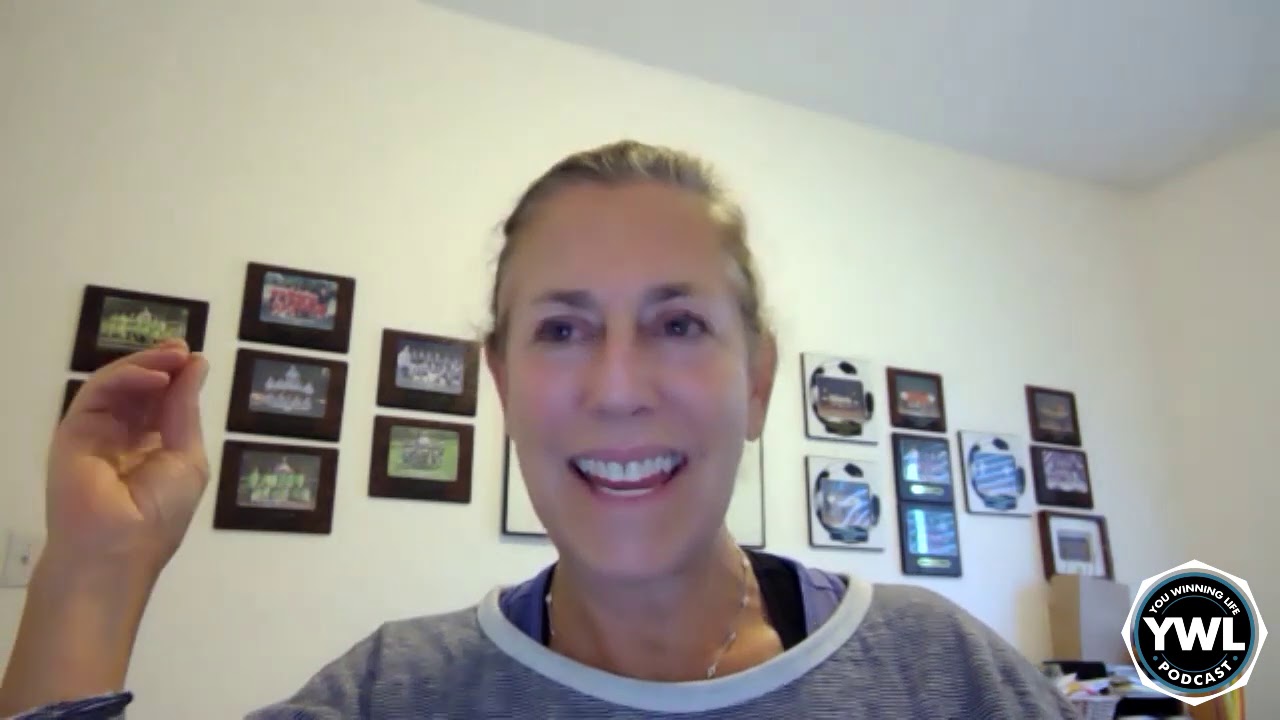
In this episode of the You Winning Life podcast, host Jason Wasser, LMFT, interviews Kris (Chris) Holmes, a senior executive recruiter at the O'Connell Group and author of Ignite Your Career. The conversation covers the often‑misunderstood role of recruiters, distinguishing good from bad recruiters, and how candidates can attract and work with recruiters effectively. Holmes shares practical advice on crafting resumes and LinkedIn profiles, networking strategies, and how to present oneself as a valuable candidate. The discussion moves into deeper career themes: aligning personal values and culture fit, using self‑awareness and strength‑assessment tools, and navigating toxic workplaces. Holmes outlines a three‑phase career model—learn, do, leverage—emphasizing the importance of building a strong skill foundation before pursuing passion projects. Both hosts discuss how companies can better partner with recruiters, and how candidates should evaluate offers, negotiate, and ask the right questions. Additional tips include leveraging free learning resources, starting a podcast to build a personal brand, and integrating therapeutic self‑reflection into career decisions. The episode concludes with promotion of Holmes’s book and coaching services.
Chapters
Today's guest is an executive recruiter and partner at the O'Connell Group, a leading executive search firm in consumer marketing and market research. She has more than 25 years of experience counseling tens of thousands of candidates in setting goals and leveraging their strengths in their professional career. She has worked in consumer marketing with brands such as Johnson Johnson, Kraft Foods, Ralston Purina, and is a graduate of Tufts University and also has an MBA from the Kellogg School of Management at Northwestern. In her book, Ignite Your Career, you can learn how to develop career goals that align with your strengths giving you a clear path forward. From proven strategies for optimizing your resume to practical advice on networking, finding the right company culture, prepping for interviews, and negotiating offers, this book is a step-by-step guide you will definitely return to again and again throughout your professional career. Chris Holmes, welcome to the You Winning Life podcast.
Thanks so much, Jason Wasser. I really appreciate it.
I've been very much looking forward to this because everything that you are sharing with the world is so important right now, and especially in the young professional international population, which happens to be one of the niches that I serve the most, is that they're scrounging, especially with the pandemic. But even before the pandemic, there was so much myth and mysticism around trying to find a job in today's culture with things changing and culture changing and technology changing. But before we get into that, which is kind of the little teaser of what we're going to get into further on in our conversation so that people can stick around to hear what practical tips and tricks one can take from today's episode. But most importantly, for many years, as you and I discussed in our, in our conversation before, is this idea of recruiter and recruiting seems to be kind of a mythical animal in the business world. And people either are, have no clue what the heck it is. And therefore there's all these false facts or myths about it or talking smack about it. And then there's people who swear up and down by using and having a recruiter in their in your back pocket. So from your years of experience, how would you explain it to the everyday person? And what myths and facts do we really need to sort through?
And Jason, it's a great question. And I'm going to come at it two different ways. One, from when I was in marketing and had recruiters calling me constantly because I was at really wonderful companies. And then the second side is from the recruiter's perspective and working with people. And what I can tell you is, you know, as you said, there's a myth or reality that there are a lot of bad recruiters out there. And what I would tell you is there are bad recruiters out there, but they're also really wonderful recruiters out there. And I learned that during my marketing days. I got a lot of phone calls, and yet there were probably 2 or 3 that I spoke to and I trusted, and truly they became my mentors. And recruiters, the way to differentiate and understand if somebody is a good recruiter or a bad recruiter, I think a recruiter who calls you and says, "Honey, I got a job for you," whatever their actual words are, without knowing you is just a salesperson, and they are just trying to capitalize on your background and your experience. And truly they don't care about you except for as a moneymaker for them, right? It's not a long-term relationship. It's not a symbiotic—
it's a commission for them.
It's a commission. The good recruiters are going to call you and say, this is who I am, this is my background, this is how we operate, tell me about you. Not, do I have a job for you? And, and sometimes people say, well, I'm looking, what do you have? And I'll say I have a lot of jobs, but I don't want to waste your time or mine. I want to get to know you. So great recruiters want to get to know you, background, and then goals. You know, what experience have you had and what's important to you going forward? And that's really important because then when they do call you, they're calling you with opportunities that meet your experience, but also align with what you want and what's important to you. The other thing is if you can find recruiters who are experts in your industry, they can be mentors and resources throughout your career. And, and shifting over to my job working with the O'Connell Group, I've been doing it for 25 years, and the way we operate is we get to know people early on and we stick with them like glue. So many of the people that I started talking to when they were junior in their career are now CEOs. Or chief marketing officers, and I still work very closely with them as they're thinking about, you know, building their team. They're coming to me to understand what's going on in the marketplace to help them build their team. As they went along their career paths, they'd call and say, okay, I'm not looking, but my company's offering me two different jobs, and I want your perspective of what this can do for your career. So A great recruiter in your industry can be a huge asset, not just to help you find your jobs, but to help you navigate your career throughout. The other one thing, Jason Wasser, that I want to bring up— people don't know, but recruiters are not paid by candidates. If a recruiter tries to get you to pay for their services, run, don't walk. Companies pay recruiters to go find people. So it, you know, I just want to say that up front. But finding great recruiters in your industry will be something that will really— it will differentiate you. It'll be a resource, it'll be a mentor, and if they do it well, it will be a friend for life.
So those of us who might be just starting off in their career new graduate, whether it's undergraduate or graduate school, or they've been working for just a handful of years in whatever field, how do recruiters find them? And how do you make yourself attractive to a recruiter? Because I know resumes are an art and a science. We know that the new resume is LinkedIn/social media, Instagram and stuff like that. So what are some of the things that A, recruiters are looking A, what should they look for in order to find a candidate to fit their niche? And B, what should we be putting out? What should the, you know, the potential employee be putting out as far as their personal brand, even if they're working for some other company or not even working for themselves, but you still have to consider yourself having a personal brand. So what are some tips and tricks on that?
Great question. So the first thing I tell you is, as you're doing your internship or your first job, talk to your boss, talk to mentors within the company. And say, obviously I'm not going anywhere, but I would like to build a relationship with one or two great recruiters for the long term. Are there people you trust and you like? And I have had many students who are, you know, senior year who call me and say— or MBA students, you know, my boss told me to call you. I'm holding three different offers. I'd love to hear your perspective. So that's the first way. You can be proactive to find the best recruiters. In terms of recruiters finding you on your LinkedIn profile, that's likely the most effective way of them finding you. Um, you want to have a LinkedIn profile that says your company's name, your title very explicitly, your responsibilities, and then your accomplishments. And as a recruiter, those are the things that I look for. You know, as I'm calling people I know, on the right-hand side will be people who are similar to this person. And I, you know, if I know the person I'm calling and I'm contacting is a good candidate, I will go look at those people. And if I think they're great, I'll try to connect with them via LinkedIn and send them a note and start building a relationship.
So those accomplishments, with poetic license, as many people have been known to do, and especially when it is a numbers game. So there's someone I've worked with in the past, and I know that they're in a sales position in their company, and not only are they in sales, but they're also about saving the company money by if they can find the right person within the company through their position, they're saving money from not sending it out to a recruiter to find. How do you articulate that the best way possible? Because really, sometimes we don't know, especially in a corporate setting, how much money you're actually either A, saving a company, B, what does that actually translate in the eyes of the people you're working through? I'm sorry, B, and right into the eyes of the people you're working through. But C, that's your job. So maybe that shouldn't be such a glaring thing of like, we hired you to do this. That's not necessarily a big, big accolade. This is what we hired you to do. Don't toot your high horn that you're actually doing your job. So how do you weave through those?
Yeah. So obviously you can't put anything confidential. Right, either on your resume or your LinkedIn profile. But you can do up 10% versus year ago, or what you— there are ways to have results on there. Um, and as you mentioned, while yes, companies, some companies have internal recruiters and they want to use them when possible, and when the job is, Jason, not a high priority, they may be able to find candidates that are what I call fine. They can do the job. Companies come to recruiters when they want to find superstars, when they're trying to find bench strength that can move up through the organization, when the role is a really high-impact role and they have already budgeted that money. The other thing, um, and this is kind of tying into a little bit what you said, is, um, you know, how to apply for jobs. You know, there are all these different ways of applying, and I'll tell you, seeing that job online and pushing that button and applying AI is really low odds. It feels good for about a second, but usually it just dissipates and goes into the black hole. So I would tell students, don't do it. Take a deep breath. Do it only as a last resort. And if you do it, make sure you have skills bulleted at the top of your resume that align with what the job is asking for, because that's how you break through AI. But you're much better off going through a recruiter who's working on the job or networking your way in through somebody you've worked with in the past or somebody who you've networked with or a friend who can actually get your resume to the right person versus disappearing in that black hole.
So what about even, right, using LinkedIn, using those resources that you see someone who works in that company that you want to work with and you have multiple, you know, either you have no contacts in relationship with them How do you create that relationship at that level to leverage that as a possible career without coming across as self-serving? Because that's the biggest issue, right? Is that at some point there's going to be not much value that someone's going to bring to the table in a relationship when you're starting off in your career. It's not that you are not a person of value, but the value you bring as a, as a newer person looking to move up in your career isn't much to the person. So how do you ethically, honestly, and with integrity create a relationship with someone at some corporation that you absolutely love to work at, right? And you know that job position is available. What do you do?
Um, great question. And I would tell you, in my book I have a whole chapter that it talks about networking and how critical it is. So I'm going to take a step back from your question because I believe that everybody should be networking on an ongoing basis, whether or not you're looking for a job.. And as a student, great place to start is first of all family and friends. Those people want you to succeed, and if you know people in your industry or the industry you want to go to, tap into them and ask if they would be willing to chat. And a key thing about networking is you can't say to somebody, "Hey, can we talk? I need a job." What you can say is, Hey, would you spend 15 minutes with me? Or when we get out of the pandemic, would you have coffee? Can I buy you coffee? I want to hear about your journey. I want to hear what you've learned. I would love to get advice from you as I navigate my career, and I want to know if I can keep you apprised. And if you start doing that early, start it with family and friends, then go to your high school and go to alumni at your high school. Go to college, your college, and go to the alumni office and find people in your industry. Those are the easiest ones because you have something that links you with them. Then beyond that, on LinkedIn, as you were just mentioning, Jason Wasser, I believe you want to be active on LinkedIn. You want to read articles and people in your industry who write articles that resonate with you. You know, like them, but then write a note or write something saying, I love this article because as a new graduate, X, Y, and Z. And then you can also, after you do that, message that person and say, hey, I just read your article, I love it. I would love to have the opportunity to network with you and really, you know, learn from somebody who's quite seasoned in the industry. I want to go in, might you be willing to spend a few minutes with me? And so if you do that on a constant, you know, in a constant way, as I call building that networking muscle, then when you need a job, when you need to activate those muscles, they are primed and you already have a relationship. But as you said, trying to network, you go to a company, you see somebody's name, you know there's a job, you don't really have relevant experience for it, reaching out to them is going to be tough at that point if you haven't already have you done the pre-work? Love it.
One of my stories where I experienced that was years ago, there was a community organization that had a philanthropy night. In other words, it was the leaders in the Miami sports communities, the presidents or CEOs of the different sports teams here in South Florida, on their approach to philanthropy. And the former owner of the Florida Marlins was there. And one of the niches that I worked in was sports psychology and performance consulting, which I'm now bringing a lot to the business and entrepreneur world as well in my therapy practice and my coaching practice. But my question was not asking for a job. It was advice on what are some of the best ways— you've been doing this for years. You have people like me who are working for some athletes. I do get some athletes randomly finding me, or back in the day that would just see my, you know, my marketing and come to me. What has been his experience with getting someone like me getting in front of other people? Can you give me some advice? So in other words, I didn't go to him asking for the job. I said, you've been doing this, you're the expert. This is a small part of what you oversee as the president of the club, right? How does someone like me build those relationships with someone like that on a more consistent basis? And he gave me some really, really great advice.
Yep.
And that's all I wanted, right? I didn't want to put it out there, but I hopefully came across as the, you know, the one down paradigm versus the, I'm going to bring you all this value, here's why you should hire me, but I'm always going to be hopefully in the back of their head. So I want that. I love that now hearing what you're saying, knowing that like, okay, I did do that right. And that was at least 10 or 12 years ago in that paradigm.
Absolutely. And Jason, I'll give you an example that's in the book for anybody who hasn't read the book. My daughter— and this was not because of me telling him— always been a huge music fan. And she went to a liberal arts college in Massachusetts, great school, but their placement office had no clue what to do with somebody with a music industry. And she was able to get two good internships, but then she decided coming out of college, I don't want to go to New York, I don't want to go to LA, I love country music, I'm moving to Nashville. And so she proactively went to her high school and got every single person from her high school, independent of the industry, who lived in Nashville. Same thing from her college, and sent out 200 or 300 emails saying, hey, this is my story, I'm moving to Nashville, I'm planning to come there over spring break, but proactively, would you be willing to have a conversation? I'd love to get to know you, your story, and get your advice. And she had probably 30 30 telephone calls with people everywhere from dentists to lawyers to, you know, somebody else, but they all held— had a connection with her because of the school. She went to Nashville over spring break, had a bunch of informational interviews, moved there in July, had some more interviews, and within 2 weeks had 2 offers. So that's— I mean, and It is, and she did it on her own, but it's just the work you have to do. Yeah.
So let's talk about those numbers for a second because I see this as, you know, the last couple years where I've spent hanging out and learning from some really massive entrepreneurs and that I do know that at the end of the day, it's a numbers game. And I know that like when a client, potential client calls me, right, there's the cold lead, the warm lead, and the hot lead. And there's even hot leads that I'm turning down. In other words, they were told by a good friend of mine that they should absolutely come see me. And there's no one else you should go to, and they're ready to plunk down the money. And the only thing that needs to happen is whether or not they're an appropriate client for me to be seeing or not, and that's up to me. And that's the way I've really positioned myself over the last couple years of learning that, like, I don't have to see everybody. I only want to see the people I love and enjoy and want to hang out with, even if they weren't my clients, in a very specific niche— the worried well, the motivated, the entrepreneurial, and stuff like that. But it's a numbers game. So I know that for every 10 people that are going to call, 4 might want to work with me in theory, right? We are willing to pay the money, right? 1 or 2 are only the ones that I'm willing to accept as a client, right? Right. So when sending out resumes, when making contact, when networking, it's not the— like you said, oh, I clicked on the 3 jobs on Indeed and my job is done, right?
It's—
it has to be— and I'm hearing 2 things that I maybe you want to get your confirmation on. One, your resume needs to change and your cover letter absolutely needs to change for every single one as specific as possible, identifying facts or things about the company that you align with, your values that I love. These are my values too. I always talk with my clients and in my courses and my workshops, I'm like, I, as a mind-body wellness practice, which we talked about before, if someone comes in as an associate to work with me, drinking a soda, there's no interview, right? Because it doesn't represent brand. I don't care if they say, but I love yoga and I have a— and I meditate. There's just still something that's a cognitive disconnect for that because that's not the brand of that I, that I put out as the brand of my practice. And, and even when I take that as a core value even to my personal life, even with dating, I won't date a psychiatrist, I won't date a pharmaceutical rep Rep, because it's— I'm trying to help people get off medication through nutrition, exercise, mindfulness, and good therapy. And that's contradictory. Not that they're doing bad things. There's many useful things for that. But it's just not within my consistency of core values. So how—
right.
So I think, right, I want people out there to hear that if you're going for jobs, you also have to look at your ethics and your morals and your core values. So I also joke like I have my buyout number. If a company wants to reach out to me, if a recruiter wants to reach out to me, say, "We have the perfect job that needs an in-house professional that has this mindset of wellness and mind-body," Coca-Cola is not going to get me. Norface, Patagonia, someone that is specifically focused on doing things for the world versus profit only or leading towards that way, that's a core value decision for me. So Coca-Cola can offer me $400,000 a year, but it's probably going to be a no. Well, yeah, so how do you take that? So how do you apply all that from your perspective?
Um, that kind of ties into my chapter on culture fit. And, um, I really do believe there are no good and bad companies, but there are really good and bad company fits. And by that I mean it's a combination of do the company's values align, kind of like you were just talking about, and beyond that It's, do you feel like you can be yourself day in and day out at the company, or do you have to pretend to be like everybody else? And, you know, is it really uncomfortable, and is it taxing, and does it wear you out? Um, I have had many people who were in roles that they were doing fine in the job, but they were not happy. And we really peeled back the onion to diagnose it wasn't the job itself, it wasn't the career— those were right— It was where they were doing it. And we assessed what they— what was wrong and what they were looking for and found another company where the culture aligned. And they would say things like, I feel like every day I'm going home, like I'm part of a family. And in the flip side, when the culture fit's not right, I have people tell me, you know, I have to stop by the side of the road every day to cry before I go in to make it through, or I pray for red lights on the way to work because I so dread going there.
And we don't have to be there, right? We don't have to. And that's really what I think you and I— in some, in many ways, you're doing therapy.
Oh, absolutely. I was a psychology major in undergrad. And thank God, because it is— it's not black and white. No. There's so many intangibles in terms of finding the right career, the right culture, the right fit. It's both personal and professional.
Well, that's why I love starting off any of my therapy or coaching or consulting is I can't help you unless I know what your core values are. And I always use that example of a bunch of years ago, there was a Match.com commercial that came out on TV. And I think she was either— she was probably from Australia. Her accent sounded like that. And it's in the Upper West Side of Manhattan or somewhere in Manhattan. And he's like, "Do you want to try online dating?" She's like, "All right, fine." And she goes— the person interviewing her goes, "What are you looking for?" She's like, "I don't know. I want someone funny and kind and nice." and I'm like, well, that should be a given, not like a high standard, right? So that— so as I share that with my clients and they're like, oh yeah, I know my core values. Okay, what are they? And usually they might throw out 1 or 2 or 3 buzzwords, right? And I'm like, okay, and then if that's true, those are your core values, are you making binary decisions on every single day things through that lens? 99% of the time they say no, or they're like, well, maybe I guess I really don't know. And I've been just using those because those just sound good. So I won't work with a client once I get understanding, once I agree to work with, once I'm already starting to work with them, but between the first and third session, I'm already having them work on a practical, crystal clear list of core values with definitions of what they mean to them. So that as we go through whatever challenges that they're facing, whether it's a business, whether it's a relationship, whether it's whatever is going on, we can just go back to the list and say, will this be solved by just running it through this list and making it yes or no?
Right, right, right.
So I would challenge people out there to come up with that. And if they go to the links on, on our social media, they can find this list, this values-based decision-making list that I give out to people for free, that you can decide How to find that company culture based on, well, how do I know what I'm looking for? Well, that sounds great, right? I would love to work in this type of company. Okay, but will that be healthy for you? So how does one know their emotionality? Because I know the mental health piece is something that I would love to talk about with you. When you're saying people come home, they're driving home, they're crying, they're wishing there's a red light, they're working for a toxic supervisor, they're working for a toxic boss, they're not getting support, they're not being heard. They're using these excuses of, I should be further along in my career if only my company allowed me, if they supported me more, if my supervisor respected me more, if I can't go to HR because HR really doesn't exist and they're really best friends with my supervisor anyway. How do people navigate that? Which ones are legit, real? Which ones are excuses? And how does one just decide to like, you know what, this is just so toxic. Maybe it's better for me to be unemployed, you know, than go back one more day versus let me work through this until I find another job.
Yeah, so it's a great question. And Jason, I think there are some people that are what I'll call Eeyore— everything happens to them.
Oh no, this sucks.
And, and I, I think before anybody, um, makes any rash decision, first of all, they've got to look at themselves, and, and they've got to look at their track record.? And do they have a track record of not, you know, not living up or losing roles or getting poor performance reviews? Um, and that's one thing. If the answer is yes, they need to do two things. One, they need to assess, am I in the right place? You know, am— you know, is the career path that I'm on aligned with my strengths? And I'm a huge believer that, you know, when you are aligned with your strengths and you're leveraging them in your job day in and day out, you're going to be successful and you're going to be happy, plain and simple. If you are not, it's going to be a grind every single day. And, and so that could be the case. You could be on a wrong career trajectory because of either family pressure or what is called fear of missing out. You saw other people get these finance jobs and big pay. You're like, Hey, I want that, but man, are you not analytical. So that's the first thing.
Right, so they think that they're better, that they might be better off. In other words, they have this idea of who they think they are and they're aiming for a job or career in which they think that they're capable of doing those things. And those are actually really not their skillset.
Absolutely. And there are assessments you can take. There's StrengthsFinders, there's one called YouScience. I love them both. YouScience is newer, and what they have you do is play 9 computer games, and through that they can map how your brain is wired. And people who have taken either of the tests come back and say, this is scary, it's like they read my, my diary. But it's really great because it helps you hone in on those strengths, and then they give you different options. Here are areas where those strengths set you up to succeed. So that's the first thing.
I'm cracking up on this side of what you just said about like, it's scary that you read my diary. Yesterday I was in session with a client and I said something to them as they were sharing some information with me and her face dropped and she's like, "I wrote that in my journal last night." I'm like, "Yeah, I know, I read it." But like, I mean, there's, you know, as we're looking at this, like you and I know the science behind it, you and I know personalities, you and I know Right? There's a certain amount of archetypes at a certain point, right? There's not an unlimited amount of possibility of personalities or challenges or issues. It's just, you know, environment A with personality type B in this type of situation C. And there's only so many variables that can come around. And we know this. And what I was thinking about, what came to my mind is that the people who might be most stuck in these issues or frustrated or feeling like they're not getting supported, where else are these things also showing up in their life outside of their professional career? And thematically, where are these things a problem for them? Because what shows up in one place will probably show up in another place. And do you walk them through that? Like you said, like you help them unpack it out and figure out what's really going on. Where does the therapeutic process or partnering with therapists come into this for the recruiting field or specifically with what you're doing at your level to help them unpackage and figure these things out, whether it's an environmental thing at a job they're already at or they're going from job to job not happy or they're not being able to land or find a job? Where does the therapeutic process go hand in hand with that?
Um, you know, every day. First of all, I'll tell you every conversation. And, and, you know, what we try to do, or what I try to do, is talk to people and, and really understand what are the things they love doing. You know, if you look at your role, what are the things you love doing? What are the things you hate doing? That's the first thing. Then how do you like to operate? Do you want somebody to give you a playbook and you're really good following, you know, learning the rules and following that? Or are you somebody who wants to work autonomously? You align on goals and objectives 'But then let me go and let me do my thing and I'll deliver success.' Two very different cultures, two different people. Um, and then, you know, there are bosses— that's the other variable. There are great bosses and there are not great bosses. And I have personally worked for somebody who was a horrific boss, um, and it's tough. And, and, you know, at that point I didn't realize that every single person who worked for him also hated him and he was awful to them because you just are in your own little bubble. So during those times, I would tell you, reach out to past bosses, past mentors. You know, don't assume that you are the one and only. Reach out and get advice from people. And if there are specific things that you can talk to, write them down. And it is okay to go to HR because if this person has a track record of being inappropriate or doing the wrong things or not being HR probably knows about it and they want more information and they'll help you navigate. My personal situation was, um, this person was awful and I felt like this black cloud over my head. And then one day I— and I actually was pregnant at that time and my doctor put me on bed rest because there was so much stress. And then I got a phone call saying, we've had an organizational shift, that person is no longer your boss, you're now in this group. And I swear, Jason Wasser, it was like spring came, the sun came came out. And so there are times where it can be you're under a bad boss cloud. You just have to figure out how to navigate it. I was actually talking to somebody yesterday who is in that situation and trying to give him strategies. And we talked about how he could go to his boss and say, look, my main job is to make you look good. Help me understand what your objectives are so I can help you achieve them. So that you can shine, because if you shine, we all win. And by doing it that way, even though they may not be a great boss, you're aligning with them versus adversarial position, and that might help and might get them to give you a little leeway and let up on it. Yeah.
So from the self-awareness perspective, which is the angle I love focusing on, is how do you know if it's you you being the problem and you're right versus it's actually the boss or the culture. How do you really get that raw and honest perspective? Because we all tell stories and we all tell stories and narratives that favor us. I just did an exercise in one of my— I have a Tuesday night group coaching call. One of the exercises I had them do was tell a story where they're absolutely completely convinced that they were the victim. I split them up into groups through Zoom because you can break them up into— it was in the paid Zoom, you can break up people into groups, which is right, little private groups. I said, you have 3 minutes to convince the person in your room that you're a victim. And you have to tell the story that you've always been telling that has already led you to believe that you're a victim in this situation. Now don't go into anything massively therapeutic or whatever, you know, massively confidential, but like a story that you went through, you're like, I'm absolutely convinced that that person is wrong. And because of them, I suffered. And they did that. And they all came back, yes, yes, yes.
Okay.
Okay, now I want you to go back into that same group and now retell the story where at any given point along the way or at multiple given points along the way, you could have taken accountability for doing something different.
Yeah.
And now go spend 5 minutes telling that story. What could you have done now looking back in hindsight at point A, point B, point C, and point D? And one of the people came back into the room and they're like, "I'm really not happy with you right now," to me.
That's great.
And they're a very high-level, self-aware person. But what I'm hearing is that we're so stuck in a narrative that my boss is an a-hole, or I hate this company, they're not letting me succeed, don't they realize how talented I am, or don't they realize how much I want to do good for them. Them, but it might be you. It might be you. It might be them also, but you can only take accountability and ownership for your crap. So how do you break through? Because that's really, I think, I would— would you say like what percentage of actual company issues are actually that, that it's really you?
It's not the environment and it's not your boss, although that may be obviously humans are humans are humans, but Drilling it down, cutting through all the BS, like what number would actually say, "Hey dude or ma'am, you might need to play that out with a therapist." Um, I would say it's probably a quarter, and it could be higher, but you know, there are people who have track records, um, and those are the people who, you know, it's kind of like you say, "Hey, you know what, this has been going on," are you sure? You know, you want to be CEO and you're acting like a CEO, but you're an ABM, which means you've got to do the grunt work. And, and so there are people who have that track record. So in our field, many times, um, it's a couple different things. It could be the job doesn't align well with their strengths, so they just— it's not that they have to leave the company, it's that they probably need to look at a different job within the company. It could be that the company's strategy has changed. And Jason Wasser, that does happen where they were focused in marketing, they got a new CEO who came from sales, now they're sales-focused and building those brands is not important and they're not putting money behind it. So they're all different things that happen in the work world, but what you're saying is definitely a reality. And, and I think if it happens multiple roles, people need to step back and look at, you know, their ownership of what's going on. And, and did they really, um, you know, hunker down and, and do the job to the best of their ability, or is their ego driving them where I shouldn't be doing that, so they don't?
Interesting. So if, so if I'm a company and I'm hiring you to find someone And again, you've been doing this for so many years. What's one thing— so I'm going to ask it from the company side first, and then I'm going to ask it from the potential employee side. But what's one thing that you wish companies were picking your brain and taking your influence or a recruiter's influence more about that they're not, or that they're not focusing enough time on, or leveraging and utilizing recruiters as well as they could be?
Um, I'm gonna say two things. One is timeliness. You know, even in this market, the best candidates move fast and are recruited. And so companies who've got to see 5, 10 candidates and take forever to make decisions are going to lose the best one. That's one thing. I think the other thing that clients have to realize is it is a two-way street. And they've got to sell themselves as well. So they've got to give us the information and, and the knowledge and the tools to create a story about the company that's truthful but is also resonates with our candidates. Because our candidates, if they're superstars, they're doing well and their company doesn't want to lose them. So they've got to be excited to go someplace that offers something different. So I think that's the other thing, realizing, you know, we're not just looking for bodies, we're looking for the best bodies, and to get them, we need you as partners.
And if you're the recruitee, you're the potential employer, what do they need to be focusing on that they're not, right? What do they need to be really pulling and extracting from you? Because, right, right, it's low frequency stuff and high frequency stuff. What's the high frequency stuff that probably most people aren't getting around to, but you wish that they did more proactively by utilizing you.
Are you talking about candidates?
Candidates, yeah.
Okay, so, um, there's so much beyond the title and the money in a role, and so I think candidates really diving into the culture and the company and where it's where it's going, you know, and where the job can lead in terms of the career path and how other people have succeeded and made a difference and what the culture is. Those kind of intangibles, I think, are critical for happiness. In reality, a title and money, you're going to forget about them day in and day out. That's not going to be your drivers. It's going to be your fit with the company, your ability to deliver success, your feeling like you're you're appreciated. Those are the things that are going to make you happy and love your job.
So it sounds like you should be— the you meaning the person who's the potential employee, those of us who are looking for jobs, those out there who are looking for the job— should be focusing more on what problems they're well equipped to solve best versus the job title and/or position. And that's kind of what they should be leading with. And that's what they should be looking for. That's what they should be putting their most attention to and amplifying that. Is that what you're saying?
It really is. And, and making sure, as you said, the values align and they feel like they would fit within the culture. But all of this being said, Jason, as people are interviewing, it's— this sounds contradictory, but it's not— they need to focus on selling themselves. Everything they do in an interview, connecting with the people, doing what I call wooing and wowing, bringing your skills and your experiences to life, your fit with the company, the questions you ask are all selling yourself. It's not until you get the offer that you can flip the tables, and at that point you can ask what I call WIFMs questions— what's in it for me? Things like, talk to me more about your culture. What, you guys have summer hours? What's your 401 match? What does progression look like for me at this organization? If you ask those questions too early, you're going to stop the process. And you won't go forward. So there's a time and a place for everything.
So let's tie it all together with one of the things that I know we want to talk about, that we talked about in our pre-conversation.
Yeah.
Which was those that are starting off in the young professional age bracket, where there's so much more passion focused on a specific cause or a specific problem or a theme versus going out and just getting a job versus trying to find that job or create a job or create a company based on that solving that passion or that problem, right? The passion versus the practicality. So what are your thoughts and experiences on that, and what advice would you give? Um, stuck in that position.
Yeah, a great question. And what I would tell you is I, I am in awe of this generation's passion. I mean, I, I really think they will change the world. That being said, I don't think passion at the early stage of your career should drive your decisions. And in my book, I talk about the phases of your career. There's learn, do, leverage. And in the learning phase, it is so critical to build a really strong foundation. And by that, I mean you want to develop superior skills working for either the best company you can or working for somebody trained at the best. And that is critical because that foundation will allow you to build your career higher and deliver more success, but it also will give you the opportunity down the road should you decide to blend your experience with your passion. But if you don't build that foundation, you will never be able to do the one-two punch. Um, so I think it's really critical to separate them. While you're starting out and while you're in the learning and doing phases. At the leveraging phase, you may have the opportunity to merge them back together.
So are there companies out there— and I'm finding this, that people don't— again, there's questions that people don't know what to ask, right? So one of my clients is very passionate about a very specific problem that they'd like to solve in the world and the charities related to that. And they work for a big corporation, and they just found out by asking, by saying, listen, I'd love to do this more, I'd love to find some volunteer time, is there something that the company, uh, will support me in doing this? And come to find that actually that charity is actually one of the charities that they already support.
That's great.
And up until we had this conversation of saying, why not see if they'll help fund it at some level, right? And who can you talk to? Where's corporate sponsorship? That person was thinking that they would have to leave corporate life to go into a nonprofit in order to have influence. Sacrifice, right? Unfortunately, the misnomer is that working for a nonprofit means you might make less. And there are those that you can— that might happen to you. But until the realization— and we had this call yesterday— he's like, oh my God, I don't have to leave my corporate job. I'm going tomorrow morning from 7 to 10 o'clock and getting paid. Right, as a half day of my work to go volunteer for this nonprofit that I'm absolutely— and he had— he was crying.
Well, and that's awesome. And, and many companies have that, and many companies are open to that. Um, again, that would be a great question to ask when you're holding the offer. You know, I'm passionate about these areas, you know, would there be an opportunity down the road for me to engage the organization in, you know, how some ways supporting— and they might say, you know, once a month we give people a half day off to go volunteer somewhere. And so if you want to go volunteer there, great. If you want to get at your team to go volunteer there, we're 100% behind it. So they absolutely will do it. And truly, there are opportunities within corporate America for either rotation within nonprofit or areas, you know, whether it's sustainability or diversity or whatever else people's passions are, to do a rotation. And I have some of my candidates who even shifted over to those areas as a career within corporate America.
Wow.
So, but that's after they got their foundation and they proved themselves and they were valued to the company that they were able to do it. They couldn't just walk in because, hey, I love this, but I don't know anything about what I'm doing. Are they going to be a viable candidate?
And isn't it beneficial, I guess, for the, for the companies or the corporations to have these passionate employees being brand ambassadors?
Yes.
As a representative, instead of saying like, no, that's something unfortunately you'll have to do on your own time, we're thinking out of the box where they can say, wait, I have this employee who's super passionate about something and they're a good employee. Why can't I have them be a brand ambassador and have them be super passionate about the fact that they work here and super passionate about the nonprofit or the, the problem that they want to solve and bring those together. And that will create— that's free marketing for these companies.
And a great example is my son, who's going back to business school now, worked for Amazon. And Amazon had a program where they supported their employees as Big Brothers and Big Sisters. And so my son did that, and once a month his little brother would come to campus and they'd have lunch and spend a couple hours together. So Amazon not only supported it they really helped make it seamless. And my son loved it and he was adding value and the corporation got a lot out of it. And, and probably it even built his loyalty to the organization because they did that. Yeah.
And I know a lot of these corporations, um, because I do have clients in all these different fields that are—
what—
that I'm working with from a, from a therapy or coaching side, that a lot of these companies know that you're not going to stay with them forever and that you're the it's the jumping-off point for them in their career. And one of the questions I have my clients ask is, is there funding for outside additional training, coaching, certificate programs? You know, I know that like there's all these online courses, you can get a certificate in this type of management that the program, you know, that your job might pay for. Or is there an internal educational platform, like a virtual, right, that I can have access to? Because I know Amazon has a massive one for that and that I can have access to. Because one, that shows that you're— you want to learn more, you want to do more, and you're willing to do this on your own time. It's not like I'm expecting to get paid for it, but it might already be there that most people don't— again, like, a lot of times I'm finding people don't even know to ask, right? Because they never thought it would be a possibility even to ask.
And I think that's great. And many companies will do that. They will pay for outside education if they see it not necessarily applying to the exact role you're in today, but building your capabilities for the long term.
Well, that goes back, I think, to what you were saying about finding that mentor or that person above you in the company that can give you that insight to say, here's what you're going to need to know as you move up. Start leveraging that now. I had this conversation with another client, and they work for, again, another big conglomerate corporation here. And I said, where do you want to be in the next 5 years? Like, well, I want to make this amount of money, and I would love to be at this position. Okay, number one, do you have the education requirements that they require from the company culture?
Right.
If not, is there anything in-house that will allow you to get that education that you need to get those skills? And if not, is there any local community colleges or any online programs, even if it's not accredited, but if you go and you do this mentorship program, this coaching program, this Tony Robbins, whatever it is, anything out there to get these unique skills, and you say, I did this 30-hour program on in database management, whatever it may be, right, as proof positive. And here's, right, here's what I learned. And here's the bullet points of the program. A lot of these companies will be like, oh, okay, cool. Yeah, we usually do hire somebody who has a degree or has been working, but you're doing this on your own, right? We're going to see that as motivation to want to give you much more of a possibility. And a lot of people just don't even get that. And I think like, I really want, if you could walk away from, you know, people listening don't be afraid to ask those questions. Don't be afraid to show the initiative. Don't be afraid to think out of the box to solve these problems.
Well, and Jason, I agree with that. Then I'm going to even take a step back to kids who are in college, you know, who their internships blew up, or, you know, they're having to work remotely right now. And, and what I tell them as I'm talking to them, friends and family and everything, is stay productive. Learn and grow and see how you can add value. And I'll give an example of family friend's daughter. Her internship blew up, and so she asked to strategize on what she might do. And she's really into fashion, and I had just cleaned out my closets, and I kind of talked to her. I said, Maya, you know, I think there's an opportunity out there for you to reach out to people who are cleaning their closets like I am and see if you can gather a lot of business attire, because none of us are going into the work, you know, into the office, and see if you can gather it and donate it to organizations in need. And she took that idea and ran with it over the summer, had a clothing drive, and got so much great stuff that she was then able to donate to multiple sites. And, you know, the thing about that, Jason, is she didn't get paid for it, but on her resume, it is going to look glorious. She took initiative, she showed strong project management creative and leadership skills. So I tell people, talk to family, friends, say, look, I'm, I'm going to school, I'm not looking to be paid, but is there a project that I could work on at your company that you need done that could help me build skill set? So I think that's critical.
When I think especially the technology that's available to us, whether, you know, you're further on in your career and your age versus that young professional or college or high school age student today, if we're not leveraging all of the free stuff that is out there, right? You don't have to have $3,000 to spend a weekend with Tony Robbins. You can spend the next 5 years consuming every single thing he has put out for free, right?
Right.
Or you want— right, so there's all of these experts. I had this conversation last night with my sister. We have a third-generation family furniture business, and I'm the only of the siblings not in it. My brother, my younger siblings have taken it over, and I do some outside consulting for them. And there's someone who I'm a big— who I've become personally friends with, but also has been a mentor and is a business coach. And I'm like, I saw that this person did this on their website. And it was so simple to make this, like, instead of like a picture that rotates, he has a video teaser trailer. And I'm like, okay, so I have my social media person. And I just said, can you just come up with something that looks something like this for me? And I'll come up with my own voiceover over it. But just can you give me like the background of what it might look like if you were to do— 3 hours later, I got like a minute and a half little teaser clip of me and different speaking things or podcast interviews or picture, and it just made it into something that's just so out of my skill set.
Sure.
When brought back to me, looks— holy crap, this looks like a million-dollar product, right?
Right.
And then putting it out there from that perspective that I don't need to have some $1,000 an hour coach or $1,000 an hour video production professional to do these things for me. I just have to know where to go, where to look and see who inspires me and reverse engineer it. It's not like there's really no cop— I mean, you're not like verbatim copying word for word, but the idea is there's nothing new under the sun.
Right.
Who's doing the best job of where you want to be and only start doing what they're doing Like, I don't, I don't pay attention to what all the therapists in South Florida are doing.
Right, right. No, your mindset's different. I think the other thing is there are TED Talks out there. I listened to one, um, which was kind of how to deal with loss the other day, Jason Wasser, and I found it relevant for everything. And, and out of it, it was like 3 steps. One was realize that— excuse my French— shit happens to everybody. Nobody's life is perfect, no matter what it looks like on Facebook or Instagram. Yeah, exactly right.
So except you turn it into shift happens.
Yeah, yeah. The first thing, um, trying to remember the second one, but the third one was, you know, as you go through things, everything that you do, think Does this help or hurt me? And, and that reminds me, there's a book called Drop in Your Bucket, and the idea behind it is every interaction you have with people adds to your bucket or takes away. And I think, you know, just reading books and going to TED Talks and listening to these things, as well as, like you said, the Tony Robbins, all these things are gonna build your capabilities and your knowledge and help you succeed. So don't just sit and watch Netflix and, you know, they're watching the documentaries.
Yeah, sure, right, right.
Listen to podcasts. They're fascinating ones out there. And all you have to do is take one or two nuggets away from them and apply them, and you're going to continuously learn, which is how the people who are top of their games get there. They, they're not complacent.
Well, here's a little bit of a hack if we want to take that even a step forward, you know, forward, and you want to put yourself, especially if you're looking for jobs and careers and you're just getting started is that if you know where you want to be and you just— and you don't know how to get in front of people that may be out of your reach just as a potential employer, yeah, do what I'm doing. Start a podcast.
Yeah.
And now all of the sudden you have a more legitimate platform to get in front of people that might not necessarily want to spend time with you because there's a good for them, whether the conversation is being recorded, it's being put out into the world, and you're using it as a good for all.
Right.
But if you're a 17 or 16 to 24-year-old, then you can use this as, I want to share what I'm having a conversation with you about with other 16 to 24-year-olds on their behalf.
Right, right.
And the barrier to entry is so low to be able to do it, right?
And, and with that, you could reach out to people, like I said, from your college, from your high school, who have gone into different careers, saying, hey, I just want to give a peek under the tent of what a career at Amazon's like, what a career in music, what a career in theater. And boy, would that be powerful.
And I did that, right? Even though I, like, my network that I started off with, with the first many interviews of starting this podcast, was already in my leverage network of the people who I know are highly successful people from my business community. But then I went on Amazon, and this is a nice little trick, is go on Amazon and see what books are about to be released that haven't been released.
Yeah.
That are in your area that you're interested about, right? If you're a job person and looking for a career, and say like, can I interview you? And I did this with Howard Behar from Starbucks, who's a former international president right under Howard Schultz, who wrote the book, It's Not About the Coffee, about servant leadership at the corporate culture of Starbucks. Sent him an email and saying, I happen to know some of these people in that community, in the conscious capitalism community, and I absolutely love it and just would love to pick your brain, to have you on my podcast for half hour. 8 minutes later, I got a response from him.
Well, I can tell you as a new author, I love it. I love being able to talk to folks like you, to talk about the book, to share the information, because that's why I wrote it, to leave a legacy and to get it out to a broader constituent. So I think it's awesome.
So where can people go to get the book, and what other things can they access you for outside of hiring, or in addition to hiring?
You know, you are for So they can get the book at www.igniteyourcareerbook.com, and there they can get the book. But we also are offering services. We're offering complete coaching, resume writing, interview prep, negotiation, and I'm also available for speaking once we get out of this pandemic. Um, and within each service, there are different options and different levels depending on where you are in your search. And what you need. So it's very comprehensive and it goes across all industries. So it's not marketing per se, it's anybody. It can be for young professionals, it can be for career changers, can be for somebody who has a great resume but is bombing in their interviews, or somebody who did well in their interview, they have an offer, but they don't feel comfortable negotiating and they need somebody quickly in their corner to help them do it in a positive win-win manner. So, excited about the book, excited about the services, and would love to chat with anybody.
Yeah. So, going through it as we were prepping for the interview, like, these are like— I always have my list of books that like, wow, like if you're in this segment of life or if you're doing this, like this is a must-read. Like there's books that I believe that everybody should have on their bookshelf and the simplicity of these areas of what the average, if not most people are going through, is being answered in this book. So those of you out there who are, you know, have gotten value and benefit out of this conversation today with Chris, please, please, please go out and check out the book, check out the website. And I really think that as we invest more into ourself, right, your whole thing is, right, how do you unleash your potential? And that's everything that I'm trying to do with this podcast is minimize your stressors to maximize your potential. That you don't even know exists if you do the work with someone like us.
Yep.
To get there. So thank you so much for spending time with us. Thank you.
It was awesome. I really enjoyed speaking with you.
Thanks. And we'll look forward to checking out with everybody in the next episode. And if you again got value from this episode, please do us a favor. And if you're not yet subscribed, do so. And you can leave a written and starred review on iTunes. Not only does that help give me back some value of the effort and energy and time that we're putting out, but it also helps other people find this episode and podcast. And it was really cool a few weeks ago, Chris, I was looking at iTunes and to see just, you know, whatever, some things, and it said, here are other podcasts that are recommended in addition to yours. And it was two of the people that I love in the social media podcasting world. I'm like, oh my God, like, these are people that I've been since before I've been podcasting or like people I like devoured their stuff. I'm like, that's so cool. Like, I'm now like a suggestion along the lines with them. So, right, there is that value of just going on and clicking, subscribing, and leaving a starred written review for us podcasters out there. So if you— whoever's listening to a podcast, do that for your favorite podcasters. Subscribe, but also leave them a written review, not just mine. But again, Kris, thank you so much.
Thank you.
More from Jason


Howard Behar Starbucks Former International President Heartwarming Story #kindness #shorts





