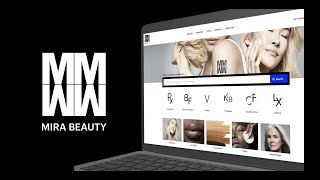
In this presentation, Jay, CEO of Mira Beauty, outlines the shortcomings of the traditional beauty sampling industry—its opacity, inefficient and naive distribution through channels like Ipsy, Birchbox, Nordstrom, and the complete lack of behavioral or CRM feedback for brands. He explains how these issues cause wasted spend and poor targeting, especially for niche indie brands. Mira Beauty’s answer is an intelligent, data‑driven sampling platform that leverages consumer behavioral insights and a large product catalog to personalize sample recommendations. The platform also provides partner brands with an anonymized dashboard showing aggregate consumer behaviors, conversion rates, and CRM data that enable retargeting and product development. Jay notes a pilot with about 20 brand partners and invites additional brands to join.
Chapters
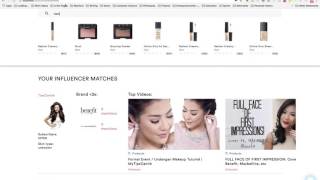
Hey folks, my name is Jay and I'm the CEO at Mira Beauty, the world's most intelligent beauty retailer. And today I'm really excited to tell you about how we're disrupting the beauty sampling industry. So to start off, one really interesting thing that we've noticed is that beauty sampling is incredibly opaque and very inefficient. And by that I mean opaque, well, it's very difficult to understand what happens to your product samples after you hand them to somebody like Ipsy or Birchbox or Sephora or Dermstore or what have you. They don't tell you who the people are who receive them, You don't understand what their buying behaviors are, etc. And furthermore, it's very inefficient. The products that you hand out don't actually get into the hands of the target segment that you really want to go after because they're very naively distributed. And this means that you're wasting time, money, and, you know, honestly, you have a better alternative for giving your product samples to the right people. So we all know that the existing gift with purchase programs are naive. Look no further than Nordstrom, where on any given day, everybody who purchases more than a certain amount gets the same sample. This leads to very inefficient targeting. So the samples themselves are expensive, but consumers are also very idiosyncratic. And especially if you're a small indie brand with a very unique value proposition, chances are that not every buyer from a given day at Nordstrom is actually going to end up liking your product and converting to a high LTV consumer. So that money spent producing and distributing that sample is better spent elsewhere. Basically, you know, at the end of the day, you have your sample recipients end up overlapping relatively little with the people who would actually end up being in your sort of target segment that you're going after. Then furthermore, once you do this, you actually receive nothing back from the sample distributor that you handed it over to, whether that's Ipsy, Birchbox, Nordstrom, Dermstore, Sephora, et cetera. And this is beyond just sort of CRM data, which would be amazing if you got it, and which we provide, which is the email address, that's information about what other products were in their cart, that's something that would allow you to retarget the person on social media and bring them to your direct-to-consumer site, that's also sort of behavioral data that describes what the consumer behaviors are surrounding your product. So of the people who receive your sample, do they end up coming back to the website and converting? That's a very obvious statistic that you would want to know and you actually can't today. Or alternatively, what other brands did they end up browsing? Or what types of products are they browsing this season? What trends are they participating in? What are their search keywords? All these things have never actually, you know, been visible to brands that end up distributing samples. And obviously without this, it's very difficult to evaluate and optimize a gift with purchase campaign. So our solution to that problem, and our solution to really bringing this industry into the 21st century, into the digital age, is to do intelligent product sampling, where we leverage behavioral insights, or personalized information about a consumer, their interests, their browsing behavior, et cetera, as well as our massive product catalog, in order to make intelligent recommendations of what samples a consumer should receive in order to not only optimize their likelihood of becoming a high LTV consumer of your brand, but also to better inform our partner brands who provide these samples as to the sort of behaviors of their consumers. And so they can, you know, do better R&D, they can have a more intimate and authentic relationship with them, et cetera. And we do this by providing a very sort of fleshed out data dashboard to our brand partners. And so we see when we put something together like this, and this is why we're so excited, we have this scenario where there's universal value add. We have the customer who, when they receive personalized samples at checkout, they're overjoyed. Everybody loves having free stuff, especially if it's personalized samples that speak to your unique needs, preferences, and values. But furthermore, for us, we receive a more attentive and more satisfied consumer, always great for us. And for our brand partners who provide those samples that we then ship to our customers, they not only receive their first ever look at their sort of sample recipients' aggregate behaviors in sort of an anonymized fashion, but also better targeting so you can actually, you know, determine the fact that your campaign is more effective, ability to see things like conversion rate, and even information that allows you to build your customer CRM so you can retarget these people on social media, understand if they come to your D2C site and actually make a purchase after the fact, et cetera. So this is super exciting. We are partnering with up to about 20 brands at this point, and for a pilot program, and we couldn't be excited to tell you more. So feel free to reach out. Thank you so much.