Intelligent Gift With Purchase on MIRABEAUTY.com Demo
Mira's AI watches what you click on a beauty site, then recommends free samples at checkout based on your interests. The brand gets your profile and data on which samples drive repeat purchases and reviews.
Chapters
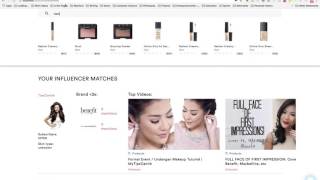
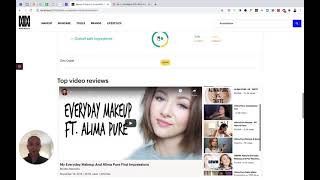
Hey folks, so let's actually get into the weeds and see what intelligent gift with purchase would actually look like on Mira. So to start off, let's say I am a sample manufacturer or a brand or something along those lines, and I say I want to offer these different products up to be sampled. So as you can see, I have a pretty diverse range of brands here from a couple K-beauty, I got Fenty, NARS, Tony Moly, ColourPop, and all these are pulled from our product catalog. You can just imagine these being a smaller version size or a mini or something like that. Of these products. So now, as a consumer, I come to the Mira Beauty website. And I'm going to go ahead and clear all of my site data here, so I appear as a new user. There's no cookies or whatsoever. And as you can see, one of the first things we do for users is we say, "Here are all these different sort of lifestyle categories and, you know, beauty subcategories that you can click into." Well, for the sake of this demo, I'm going to go ahead and click into Black-founded brands. Now, in doing that, in clicking specifically on Black-founded brands, what I've just done there as a customer or a consumer is express my interest in a specific subsegment of beauty. That is, brands that are founded by Black women, Black men, et cetera. And every time I click into a product furthermore, like this Fenty Lip Luminizer here, that also expresses my interest in that type of product. So that's not only a Black-owned product, but also something that's cruelty-free, a luxury product, something that's female-founded, something that is a lip luminizer, etc. And so you'll see over time, as I start sort of hopping between these different products and clicking into them, what Mira is doing constantly in the background is picking up a representation of who this user is and the types of things that they're actually interested in buying. So now if I go back and I look in vegan as well, we'll also come to understand the fact that this is a consumer who is specifically interested in vegan products potentially, or vegan, Black-founded, all these other things. So now, because we're, you know, we've just been using NARS for the example and a lot of stuff, let's say I go and I actually want to buy a NARS product, like a blush here. This is one of my favorite products, by the way. So I click Buy Now. What we're gonna do is we're gonna specifically recommend products for this consumer that we think they're going to like based upon that browsing behavior they've had thus far. And not only that, we're gonna explain to them why we think this is a good match for them based upon the things they've done previously. So here you can see the Uoma Beauty Savage Black Magic color palette. Well, we're recommending this because I've previously looked at eye palettes, I've looked at Black-founded brands, and luxury cruelty-free products. Similarly, here I have something that's a foundation, it's Black-founded, but it's also vegan, luxury, and cruelty-free. So obviously, I mean, this is a very sort of bare-bones user experience that I'm showing here, and we would want to make the UX much prettier. But you can imagine the power behind this if we're able to leverage information about the products and information about the users match them together and predict using artificial intelligence who's likely to be a good match for which samples. And this is also information that, you know, we'd love to provide to our brand and sample partners in order to say, "Here's why we think this person should be receiving this sample," and in doing so can, you know, drive higher sort of confidence around that, you know, being a good fit. So just to sort of demonstrate the power behind algorithms like this, I'd like to show how when you give something like this more data, it's able to make better recommendations. So let's say I now go and look for foundations. Well, another signal that we pick up from our consumers is what type of skin type they have. And if I say over here, I'm looking for foundations that are good for dry skin. Well, not only is this something we've been able to extract from products because we do such a deep and rigorous analysis of all their reviews using artificial intelligence in order to say, "Hey, this is good for staying power. It's very hydrating. It's very buildable." We also will analyze videos and ingredients in order to understand whether this is good for that skin type specifically. But also this signal that I've just sort of given the system, which is I've clicked on a dry skin tab, that is actually incredibly indicative of what this user is going to enjoy at the end of the day, right? Because clicking on the, you know, saying specifically I have a certain skin type means you are literally incompatible with other types of products if we were to detect that they're bad. And so, you know, now given the fact that I've actually expressed to the system that I have dry skin, Let's go back and shop that same NARS blush again. And you'll see that at the very least, the justification for why the samples that we're recommending for you are popping up is based upon your skin type. But also, the specific products themselves will change because now we have additional information about who this consumer is and what they're likely to enjoy. So here you can see a Fenty Beauty primer. It's good for dry skin. It's by Fenty Beauty, which I viewed before. It's Black-founded, luxury, cruelty-free, et cetera. This goes for Tatcha as well. It's good for dry skin, luxury products, cruelty-free. And so at the end of the day, you can really sort of be confident that this, at the very least, falls, this user falls in the segment of people who you want to target with, you know, these samples. And in doing so, we actually are able to deliver samples to people who are gonna like them at the end of the day. So I go ahead and I place an order here. Oops, I have to choose 3. I go ahead and fill in my information, all this, and we end up checking out. And this may or may not go through the actual checkout, but don't worry about that. This is just sort of a demo, so we can't place a checkout. But at the end of the day, what we're able to do is take this consumer information and surface it to a brand to say, "Hey, this dude, Jay Hack, from San Francisco, has requested these 3 SKUs over here because it's female-founded, it's luxury, it's good for dry skin," all this other information. So you actually have sort of a rhyme and a reason behind why this individual should be receiving a product. But the transparency doesn't stop there. Obviously, you would want to know stuff after this user received a sample that describes their sort of, how did this impact their behavior? And is sending out these samples actually doing something valuable for us? Well, this is data that we have and we're happy to share. So here I've put together a little NARS dashboard. Obviously, we can flesh this out, but this describes not only the behaviors of people who receive NARS samples, but also more generally, the people on our platform, what actions are they taking? And so here's the most viewed NARS products on the platform over the last, I think it's 3 weeks or so. You know, most people are looking at the Radiant Creamy, it looks like the moisturizer. You would probably know, you know, what brands are my consumers looking at as compared to the rest of the population? Like what do they demonstrate more interest in? And so, you know, Tarte, looks like MAC, looks like ABH, and a couple of these other things. What are their favorite subcategories? Like foundation, concealer, and further more specific traits about these consumers, like What are their eye colors? Blue. Okay, makes sense that not very many of them would be blue. Most people are probably brown. You know, are my consumers in a certain skin tone range? Do I tend to attract more women of color or of a certain ethnicity compared to my brand competitors? And all this information is stuff that we have available and we're willing to share because we think it's, you know, very valuable to a brand like, or, you know, a sample distributor to understand the efficacy of their marketing efforts. But in addition to this, when we actually go live, there's all these insights surrounding of the people who received the samples, did they come back? Did they purchase the product? Did they leave a review? You know, did their browsing behavior change overall? Did they demonstrate more interest in that subcategory specifically? And so you can actually determine at the end of the day how successful your campaign effort has been. Great. So that's it. That's the demo. Thank you so much for taking the time. Would love to hear anybody's feedback. If you have questions, feel free to reach out. You can find us at mirabeauty.com, and furthermore, you can reach me at j@mirabeauty.com. Thank you. Bye-bye.
More from Jay


AI UX needs more innovation, right now it’s embarrassing - Jeff Huber, Founder and CEO of Chroma


Coding startups can't beat Anthropic at their own game – Harrison Chase, Co-Founder/CEO of LangChain

Coding agents need orchestration, not specialization - Louis Knight-Webb, Co-Founder of bloop