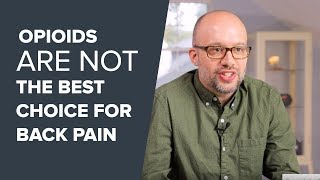
A short video by Dr. Jeff Langmaid (Research that Matters TV) explaining that major health organizations (American Pain Society, Harvard Health, American College of Physicians) now recommend conservative care—like chiropractic adjustments, rehabilitation, soft-tissue work, and movement-guided exercise—over opioid prescriptions for back pain. The video emphasizes that chiropractors have long promoted exercise-based care and that modern biopsychosocial models (biomechanical, psychological, social) offer drug-free pathways to recovery.
Chapters
Hi, I'm Dr. Jeff Langmaid with Research that Matters TV. In a welcome change, many top healthcare organizations have taken a stand against the prescription of opioids for back pain. Leading groups such as the American Pain Society, Harvard Health and the American College of Physicians have recommended that people suffering from back pain seek conservative care options such as chiropractic before taking any medications. Their stance is supported by decades of research with which has showcased that the techniques offered by chiropractors such as adjustments, rehabilitation and soft tissue work can provide a tremendous amount of relief without the dangers and risks of drugs. Over the past decade, the treatment of back pain has evolved considerably. The days of medical doctors recommending bed rest and medications are far in the past. Top research publications have shown that movement and position guided exercise are a few of the best ways to improve back pain quickly. Chiropractors have been promoting a care plan consisting of movement and exercise for over 100 years. So not only is it possible to find relief without drugs, but it's recommended. Many cutting edge practices have begun using a biopsychosocial model treatment that simply means a focus on addressing the biomechanical how you move your body, psychological reducing the fear of re injury and social getting back to the activities you love aspects of health and healing. This model doesn't require medications or drugs, but creates a positive environment dedicated to helping you live your best life. I'll see you next week for another episode of Research that Matters TV.