A compliance consultant explains how healthcare regulations like HIPAA have quietly overwhelmed small practices, then describes Clinic Armor's managed compliance system. It starts with a hot-target analysis covering CPT coding, documentation, financial policies, and security risks, then provides ongoing oversight so clinicians can focus on patients instead of regulatory dread.
Chapters
And back when, when I started practice and was in practice for quite a while, we didn't even have HIPAA, you know. So you think about the, the regulatory pressures that are on the healthcare industry and businesses within healthcare. Doesn't matter if you're a small business or a big business either, because patient care is patient care regardless of volume or place, you know, that type of thing. So yeah, it's just the complexity of of the business environment, uh, has just gotten to that point where it's, it's difficult, if even possible, for a busy provider seeing patients, taking care of patients all day long, to be able to keep their eye on the ball when it comes to what's required in, in the regulatory environment. So that's really how we originated. I mean, we Over the last— I've been involved in this type of industry in terms of consulting and compliance work for about the last 15 years. And so the experience that I've had in working with clients and again, seeing over decades how that complexity has just continued to build and build and build. You know, we've all heard about, you know, you throw a frog in the kettle and you turn the heat up slowly. What can happen? You know, they don't jump out because they don't sense the change. Well, that's kind of what's happened. I think to healthcare industry in general, and especially small businesses, smaller practices like the chiropractic practice and other types of independent practices, you know, they've just gotten or found themselves in a point where they're surrounded by complexity. They don't know what they don't know, which is a key element. And there's a lot of fear., you know, and taking steps forward and knowing exactly what to do. And so that's, I guess, my long answer to your short question, Val. It really is just the complexity that we find ourselves in today.
And that's a fabulous analogy, the frog analogy, because it is, it has snuck up on us, if you will. I mean, it has gotten honestly probably more complex than people even begin to realize. So for a busy provider, how would you explain Clinic Armor in a minute or less? What makes it different from a DIY compliance or hiring an attorney, for example?
Oh, well, if you think about what we just talked about, that complexity that's involved, we take that and we make it simple. And we make it simple because we have the system in place to be able to handle that complexity. And how we go about that is very individualized for the practice. And so we take that off, off our clients' shoulders. Responsibility. I mean, and for the leadership of that, you know, and that's really the key part of it. We have the resources in place. We have this for breakfast every morning. And so we stay on top of things. And just with the system that we've developed, it puts our docs at ease because it is running silently in the background. And so our process literally puts them at ease. They, the most common thing we hear our, our docs say, our clients say, is that they can sleep at night. Uh, and so that's really key. And so, yeah, yeah, hard to put a price on that. It, it is, it is. But it's, it's really about the leadership, having the system in place, having the leadership that we provide that, that gets them through. And, and, and that's what they need. We love what we do because we help docs do what they want to do, literally. And I don't think any doc, at least when I started practice, I didn't get into practice to learn everything I needed to know about compliance. I was more about what do I need to know to get my patient better? You know, that, and that really is a driving force of why we got into practice is to help people.
And I would imagine it would take a load of time off their shoulders as well so they can do that exactly what they want, which is practice.
Exactly. Exactly.
So walk us through— yeah, so walk us through the core components. What's the first 90 days look like? What happens during the initial risk assessment? And what are the most common red flags you uncover?
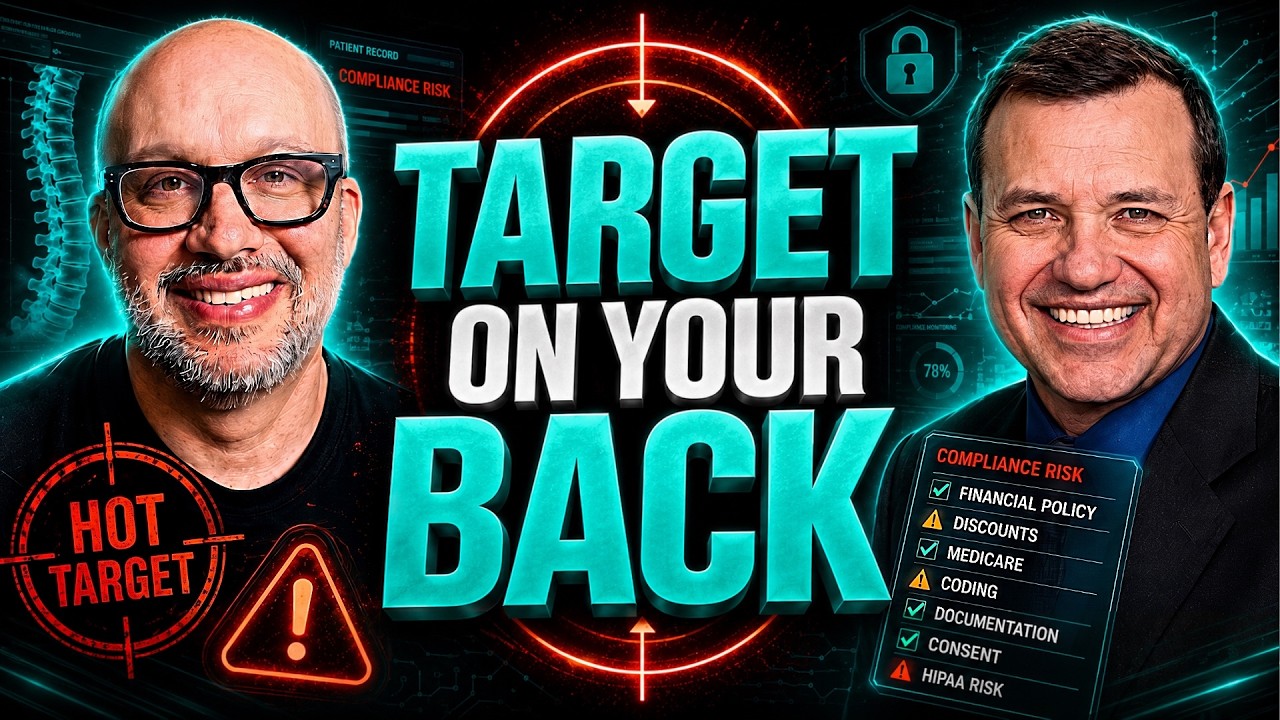
Oh, for sure. So when we begin with the client, the very first thing we do is, is we do what we call a hot target analysis. And essentially, there are a number of key areas that we see as a target on, on every practice's back. So how they operate their financial policy. Do they use discounts? Are, you know, are they in the commercial payer business? Are they, you know, billing Medicare? And then how are they coding and how are they documenting? Those are key things. And are they documenting to the guidelines that need to be met? Informed consent. We see many times that there's inadequate either the informed consent form itself and also the process as to how informed consent is conducted within the practice. We review their CPT code utilization to see if there's anything out of whack. We see what types of services that they perform and then how are they coding those services today and is that accurate? When is the most recent security risk analysis that they performed? Because those have to be done every 2 years under HIPAA rules. And those are the types of things, and the list is longer than that, Val, but those are the things that are on our hot target list that We want, if we find problems in, in these particular areas, we want to fix them as fast as possible. And so we correct those because they are the, again, hot targets. Thanks so much for checking out that interview. If you liked it, we have plenty more available. You can check out the next interview right here.