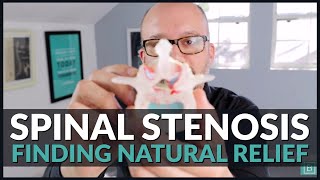
YouTube video by Dr. Jeff Langmaid (Evidence Based Chiropractor) explaining spinal stenosis: definition (narrowing/compression of the spinal canal/thecal sac), common symptoms (low-back pain, bent-forward posture, reduced walking tolerance), and conservative self-care option (chiropractic techniques that increase canal space often via flexed/forward positioning to relieve symptoms). The speaker encourages people whose quality of life is impacted by spinal canal compression to consider seeing a chiropractor.
Chapters
Hi, I'm Dr. Jeff Langmaid, founder of the Evidence Based Chiropractor. And if you have been told that you have spinal stenosis, I want to explain to you what that is and a couple things you can do to get well in the next couple minutes. Spinal stenosis is simply compressing on the spinal cord or thecal sac. Stenosis means narrowing, pinching or compression. Spinal means your spinal cord. So spinal stenosis simply is pinching or compressing the that occurs in the canal that your spinal cord travels through. For many people, that results in the decreased ability to get up and moving. Spinal stenosis, the hallmarks are pain in the low back and that bent forward posture. If you've suffered from spinal stenosis, you probably are always looking for that grocery cart to lean on as you go throughout the store. And if you don't have it, you're probably looking for a chair to sit down in. One of the best things you can do to relieve the symptoms associated with spinal stenosis is to open up that hole. And one of the easiest ways to do that is with chiropractic care. Many chiropractic techniques focus on increasing the size of that canal by going into a flexed position or a forward position, which is naturally comfortable and allows blood to flow the fluid to flow to that area, which can relieve the symptoms associated with spinal stenosis. So if you have been slowing down, if your quality of life has been impacted during to a compression on your spinal cord, do not hesitate to see a chiropractor and ask if chiropractic care may be right for you.