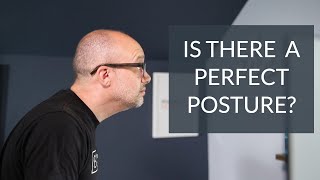
Dr. Jeff Langmaid explains that perfect posture doesn't exist. Over 75% of people develop forward head posture from computer and car use. The fix is balancing flexibility with posterior strength to reduce neck pain and headaches.
Questions this video answers
Over 75% of people.
Chapters
Foreign hi, I'm Dr. Jeff Langmaid with Research that Matters TV Sit up straight and stop slouching. This may be something you heard as a child, maybe you even hear it today. But the question really is, is there such thing as good or perfect posture? The research shows us that we might rather think of this in terms of dynamic and or balanced posture. When we have stiffness pain trigger points in our traps in our neck and in our mid back that is an indic that we are over stressing the spinal joints that are delicate and designed to move. And we know that over 75% of people have what we call forward head posture. A lot of times this is relevant to long hours at the computer, long hours in the car, commuting to work and or a variety of other ergonomic challenges that can result in pain and or dysfunction. So how do you overcome this? A balance of strength and flexibility is a great place to start. Want to make sure that your body is again dynamic with its posture. So you want to make sure that you have flexibility, that you go through good stretching exercises and that also you balance that flexibility with strength. The muscles on the backside are very important to hold and lift you up. But a lot of us over develop the muscles in the anterior front that close us down. And when you combine that with the posture at a computer, it can result in our neck going forward, the joints and facets of our spine being overstressed weight which can lead to pain. So if you've had neck pain, mid back pain or maybe even headaches, posture may be to blame. Please reach out to us. We'd be happy to do an evaluation and see if what we do in our practice can help get you on the road to relief. My name is Dr. Jeff Langmid and I'll see you next week for another episode of Research that Matters TV.