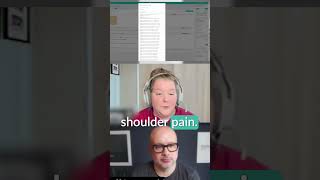
Transcript of a short instructional video segment where Jane explains how to use 'treatment plans' to keep specific incident-related patient records (e.g., a car accident) separate from general care. She describes creating a named treatment plan, adding up to three diagnosis codes, specifying number of visits, and associating chart notes and appointment tracking with the plan.
Chapters
One of the things that we also have the option for is utilizing something called treatment plans. So a treatment plan is basically a subset of folders. So let's say if you're working with someone just for general care and maintenance, and then that person gets into a car accident, and you need to be able to keep the. The car accident information separate from their general care, you're actually going to be able to do that by creating a treatment plan. So we can say we can call this one car accident. This can be as detailed or make as much sense to you as you need it to. And then of she can add a diagnosis. So let's say if they have. I believe there is a code for shoulder pain. Okay. I'm able to add up to three diagnosis codes that are associated with this particular accident. And I can put in how many visits that. That I think they need or that maybe they're qualified for or something of that nature. And then once I created that treatment plan, I can keep all of my chart notes that are associated with that underneath the plan. And it will also track how many appointments they've had, which is really nice. Yeah, that's nice. Yeah.