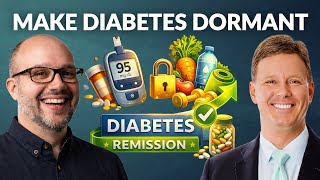
In this interview, a program representative explains the core components of a diabetes remission program that does not rely on medication. The program’s “secret sauce” consists of a patented list of approved foods and drinks combined with a proprietary supplement containing 87 nutrients. When patients follow the diet and take the supplement, blood glucose levels drop; once fasting glucose falls below 105 mg/dL, a support coach advises the patient to contact their primary care physician to begin tapering diabetes medications. The speaker emphasizes that the program is a coaching service, not a medical prescribing service. Sustainability is addressed by noting that patients typically join after years of disease progression, multiple medications, and declining health, reaching a personal “breaking point” that motivates lifestyle change. This self‑motivation, coupled with the tangible health improvements, helps maintain remission. The speaker also highlights the natural fit of the program within chiropractic practice, arguing that chiropractors’ focus on wellness, inflammation reduction, and performance aligns with the program’s philosophy, making it a plug‑and‑play service for chiropractic clinics.
Chapters
It's like putting a dormant or into remission because this is not a cure. You can't cure diabetes, but you can put it into that dormant remission state where the blood sugar is normal, taking no meds.
Let's talk about some of the pillars there because clearly you mentioned a few of them at the top. But there's some core pillars to a reversal program. And what are some of those key components that you see ultimately that just drive the best results for the patient?
You know, the two biggest things is, you know what we got patented, which is the specific list of foods and drinks that you can have as a diabetic, and the ingredients and dosages of the nutritional supplements. So that's where we got patented. And our supplements have 87 different nutrients in them. So it's not just a little bottle with four or five things like cinnamon and chromium. It's like very, very robust. And those are proprietary to us. And so those are, that's our secret sauce. When you eat the right food, you take the right supplements, blood sugar starts coming down. And when the blood sugar gets below about 105 in the morning, the, our support coach tells the patient to contact their primary doctor so they can start reducing the dose of the meds. So we're not the ones that are stepping in the primary care role. We're not diagnosing anybody prescribing meds or taking them off the meds. We're just coaching them through our lifestyle program.
That makes sense. And when you think about, I think about the sustainability, right? Being able to take something down is one thing. Being able to stay there is another. What have you seen in the last 16 years in terms of the sustainability of that reversal? What's the.
Well, it's very sustainable because here's the thing I learned, and probably most chiropractors know this, I learned this 35 years ago. Trying to sell prevention is a very, very hard thing to do. Even though everybody should get an adjustment once a week for the rest of their life for maintenance and prevention, very hard to sell that. People wait until there's a crisis on my neck, oh, my back, whatever. It's the same thing with diabetics. Like a diabetic who's like late 40s, early 50s, who just got diagnosed taking one pill with no symptoms, there's no urgency for them to change their lifestyle, right? So we can't try and motivate somebody for that. They have to be self motivated. So that's why most of the patients you join our program, they've been in diabetic for at least five years. They're taking four, five, six meds. They feel like crap. Energy levels low. Right. Sex drive's low. They're already getting neuropathy in their feed. Blurred vision, kidney problems, harder, you know, high blood pressure, cholesterol. So they get to that point where they're scared and they're like, holy crap, I need to do something. I'm going to die. So that's what kind of motivates them to want to make those lifestyle changes. And once they do that, that also helps them sustain it because they don't ever want to go back to the way they were because they know how devastating it can be. But they have to get to that breaking point before they want to do this. And that's what I learned a long time ago. It's hard to motivate people. They got to do it themselves.
Yeah, absolutely. In my mind, this seems like such a natural fit with what we do as chiropractors move. Performance, nutrition, ensuring people are reducing inflammation. All of these items that we talk about seem like such a natural complement to having a diabetes program and having that offering as a specific line of service in the practice. How do you think about the principles, I'll say, of diabetes care, diabetes reversal, chiropractic, and how aligned are they? And did I miss anything?
There's no. I mean, 100%. That's why, again, I've been a chiropractor for 35 years. Right. I mean, last 16, just doing diabetes reversal. But I can't imagine this kind of program being developed by a medical doctor or dentist or podiatrist. You know, you have to have our kind of training and philosophy of wellness and doing it from the inside out to even come up with something like this. So that's why I think it aligns perfectly, and that's why I think this is a great thing. An added thing for all chiropractors is plug and play inside their practice to offer that as another solution.
Thanks so much for checking out that interview. If you liked it, we have plenty more available. You can check out the next interview right here.