Changing Your Eating Habits
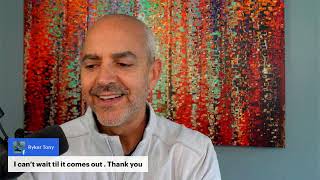
Jim Katsoulis explains why willpower fails at weight loss: your body weight is driven by automated eating habits, not discipline. Instead of fighting bad habits, you need to build new ones, shift your mindset, and strengthen your self-image to make the change stick.
Chapters
It.
Hey, everyone. Welcome to today's program yourself Thin Podcast. Today we're talking about changing your eating habits. If you're going to change your weight, you're going to need to change your eating habits, right? Because your weight is a reflection of your eating habits, it's important to understand that, yes, exercise matters a bit, but primarily your weight really is a reflection of the average calories you consume. And the average calories you consume are controlled by, by the eating habits you have that are running on autopilot. Right? So habits, let's kind of deep dive into them for a second. Habits are processes that are running basically subconsciously. They're running on autopilot. So you naturally and automatically do most of your eating outside of your awareness, which is to say you don't need to decide when you're going to eat, what you're going to eat, how much you're going to eat, how quickly you're going to eat. You just do most of that on autopilot. Just like when you drive your car, you don't really think about what you're doing, you just kind of drive it, go where you want to go. When you're using a computer mouse, you're not thinking about how you're using the mouse, you just think where you want the mouse to go and you just make it work right, automatically. So this is what's driving most of your weight, is your eating habits. Now, the big problem most dieters make is that they're trying to fight against these habits. So they have these subconscious automated habits that are running automatically. And now they're going to consciously try and fight against those. And this almost never works. And it doesn't work because your brain doesn't work that way. The part of your mind that runs your habits is your subconscious mind. It's 90 of your brain. The part of your mind that runs your willpower is your prefrontal cortex. It's about 10% of your brain and it's not wired for consistent focus and action. It's kind of like it's meant to sprint and then kind of take a step back, regain sprint and all the rest of it. You subconscious mind's kind of like that long distance runner that can just run forever. And so you're not going to win that fight. It's very difficult to fight against your habits because you have to stay engaged and focused on what you're doing. And it's estimated we make over 200 food decisions a day. And so if your plan is to consciously, intentionally make 200 positive, healthy food decisions a day. You're setting yourself up for failure because you're going to opt out. It's going to be overwhelming for you to have to make that many decisions. So, and this is what happens to most dieters. They try and make all their eating decisions consciously, mindfully, intentionally, and eventually they just kind of opt out of it, gets overwhelming and they just, they stop doing it. And what go back to what they always do, and this is the curse of the dieter, is that no matter what you do, you always end up in the same place, which is that you keep doing what you've always done. And so if we're going to change your weight, if you're going to change your weight, you got to change your reading habits. And you have to fundamentally change the way that you approach them and think about them. And the fundamental approach you need to understand is that you can't fight against your bad habits. You need to create new habits that give you new results. So I know this may sound a little strange, right? You say, well, not as bullshit, Jim, I need to stop eating ice cream in order to lose weight. That's how most people approach weight loss. I need to stop eating pizza, stop eating ice cream, stop eating carbs, stop eating for 16 hours. I gotta stop doing a habit that's installed in me and runs on autopilot in order for me to lose weight. And what I'm saying is I think that's the wrong way to approach it. Now, you can start there, you can say, okay, this is an issue, this is an issue. This is. Those are all issues, they matter. But it's how you think about it that's going to make all the difference. So instead of thinking I need to stop eating ice cream, we want to start talking about what you're going to start doing. And sometimes what you're going to start doing is, I'm going to eat ice cream, going to eat less of it. I'm only gonna eat ice cream on these nights, you know, whatever it is. But the point is that I'm going to start implementing and working on a new habit. I'm not going to focus on stopping an old habit as much as I'm going to start focusing on implementing a new habit. Now, how this could show up in your life is like this. Let's say every night you sit down on the sofa at 8 o' clock and eat ice cream, okay? So now my goal is not to stop eating ice cream again. That may be where I start from. Okay? So I started saying, I gotta I gotta get a handle on this ice cream. But as soon as I recognize that, now I'm focusing on the habit I want to have at 8 o'. Clock. What do I want to do at 8 o'? Clock? Now this brings you in a whole different territory because now the question I'm asking is not revolving around you eating ice cream on the sofa. It's now saying, at 8 o' clock at night. What do you want to do? Now, crazy enough, you, your goal and your, your idea could be, I want to sit on the sofa and watch TV and drink some water and go to bed. Now, you may say, well, that's the same thing, Jim. It is not. There's a huge difference between when we think about something that we want to stop doing and when we think about what we want to start doing. And this goes back to a fundamental rule of your subconscious mind that it doesn't understand negatives. So if I tell you, get all your willpower together because I want you to use it. Do not think about what I'm about to say and give you a warning here. Okay? Don't think about a banana. Don't think about a banana. Right? Well, you're thinking about a banana. So when you focus on your habits and you focus on wanting to stop the bad ones, what you're doing subconsciously is you are literally fixating on the exact thing you want to stop doing. I gotta stop eating ice cream at night on the sofa while I watch my favorite shows. I gotta stop eating ice cream on the sofa when I. And so what's happening is literally by thinking about stopping eating ice cream, you're probably starting to generate cravings for that behavior, because the more you think about eating ice cream on the sofa, the more you want to do it. So again, the alternative is to let go of that. Again, we may start from there. It's not a bit. It's fine to start. I got to get a handle of ice cream. What do I want to do though? And even articulating, I want to sit on the sofa, drink some water and watch my shows, go to bed. You may think that's the same thing. It is not. Because it's a description of what you want to do. And as soon as you start focusing on what you want to do and practicing that, everything changes. It's a game changer. Now, the other piece of habits, the first step is articulating what you want to do in those situations, what habit you want to have, okay? Is that you got to practice it, because again, there's consciously understanding what you should do in subconsciously being able to do it. So I could sit here and tell you eating ice cream at night on the sofa is causing you to be overweight, and you could hear that information say, oh, that makes sense. I'm going to stop eating ice cream. I should stop doing that. You could get all that. That takes you two seconds to understand it. But just because you understand that concept doesn't mean that tonight when you go home at 8 o', clock, you're just going to not eat the ice cream. That's another crucial thing. You've got to understand that knowledge is not behavior. Please understand this, because this is a big mistake dieters fall into is they think because they know something that they should just behave differently all of a sudden. That is not how it works. So you can learn some great piece of information that makes you want to change and create a new habit, but that doesn't mean you've got the habit. I could sit there and read a book about how to play the piano. It doesn't mean I can sit at the piano and play it. I've got to practice. And so this is the other piece of really getting control of your habits is understanding that you want to articulate what you want. And then it's about practicing, developing that habit. And logical knowledge works on a different timescale than behavioral knowledge. It's easy for you to get facts or information and understand something instantly. It takes a lot longer to actually be able to do it. I can read a book about how to swing a golf club. I could read all the books on how to swing a golf club. Doesn't mean I'm going to be able to hit the ball, right? Not until I consistently practice that swing over and over and over again and put it into my nervous system, into my muscle memory, into my mind that I'm going to be able to do it. And it's the same thing with your eating habits. Just because you know what you should and shouldn't do doesn't mean you can do it consistently, comfortably, easily. And so you need to recognize this is a process of practice. And a lot of people don't look at their weight loss as that. Okay? But once you start to approach your weight loss as a practice something that you're practicing, I think it opens the door for you to get much better results and to see the process much more accurately. Because the idea that we're just going to stop bad habits really just bears no.
Relationship to reality. You know, again, never in your life have you just learned some fact about food and then like never eaten that food and your habits were changed forever? Okay, it could be the spark, you know, that started the process. But at the end of the day, any habit you have is something that you repeated over and over again and you automated it. And it's no different here. Okay, so think about this stuff again. When you start to think about your weight and your behavior and your mind and what you're working with more accurately, you can strategically approach your weight loss in a completely different way where you're going to be able to get much better results. And if you want support in doing this, click the link in my bio or go to program yourself then.com in and go get the hypnosis session I made for you. It's a self hypnosis session. It's called the new Thin Me. It is designed to be a kickstart session. It's 10 minutes long, designed to fire you up, get a clear idea in your mind of what your goal is, how it's going to feel, what it's going to be like to live as the thin, healthy version of you. Go listen to it. It's completely free. And I made you a training. Go watch that sand. I send you emails. All right? So yeah. So if anyone has any questions, feel free to ask them. I am here every day to answer your questions, folks. I am here to help you as best I can. My mission in life is to help as many people as possible live at their goal weight. And this is part of how I do that. And so any questions are welcome. Sharon says great advice. Thank you, Sharon. Appreciate that. And now you'll see if you're on Facebook or YouTube, wherever, wherever you're at other than tick tock and I don't know, Instagram, it might not show up in Instagram. So I guess we're just talking Facebook and YouTube. But your comments show up now on the screen is pretty cool. So Mary Jane, Mary Jane says so true habits get you in a rut. And the rut may only get deeper and deeper until you can't see the way out to see new habits. Oh, agreed, Mary Jane. I think that's. Yeah, I think that's a great insight. The habits are like this, you know, again, habits in, in that hole. You described that, that rut getting deeper and deeper of habits. The way I think of that is that the, the rut really is in your mind. The behavior becomes more and more subconscious. It becomes more and more automated to the point that you don't Realize you're doing it, you're brushing your teeth is like this at this point, you know, you all brush your teeth. It's like a lot of times you don't remember if you brush your teeth this morning. Oh, did I brush my teeth last night? You did though, right? But it's like you don't remember doing it because it's so automated. When you, when you drive your car, did you remember even put your seatbelt on? No, it just. I did it automatically, you know. So again, a lot of things in our lives and this way it's supposed to work, is that once we have, you know, regular interface with something that. And we do it pretty much automatically, it leaves our conscious mind and goes on our subconscious mind. We do it automatically without a lot of awareness to it. And so that rut that you feel with habits a lot of times is just the ingrained nature of how habits work. And so it is what it is. But again, you can't change that. I didn't mention this in what I was just talking about, but this is the core neuroscience principle is that you can't eliminate, you can't get rid of old wiring. So your habits are literally neural wiring. That's what they are physically. And you can't get rid of that wiring. There's no pulling in and pulling out the ice cream at night habit so that you don't have that anymore. That doesn't exist. That habit is installed into your nervous system, your mind, your neural networks. Okay, it's there. And so it's going to run automatically. And it does run automatically. And so 8 o' clock comes out with some ice cream. And then you have to come and say, no, no, no, remember on a diet? And then five minutes later, no, we want some ice cream. No, remember, we're on a diet. We're trying to lose weight, remember? Two minutes later, oh, what's ice cream then? This is what most dieters experience. And so again, we're not looking to fight against the ice cream so much as we're looking to create a new behavior in that space instead. That's the secret. What's up, Joan? Joan says, I can never get too much of your teaching, Jim. Such a good reminders. Yeah, this is a good one. Today, again, understanding habits really is fundamental to being able to influence and change your weight. So I appreciate that you saying that. Joan says, question. How would you describe a dieter? Oh, yikes. How would I describe a dieter? I mean, I could just be talking for hours here. So I'll just, I'LL talk for a few moments and just see what comes into my mind. I think dieting, I would say the primary way I describe a dieter is I think of it as a mindset, all right? And so I like to make this distinction. Now, I could talk for hours about what a dieter is, but this is the big one I'm going to give you, is that I think a dieter is a. It's a mindset, it's a way of thinking about weight loss. That's how I think of a dieter. And the dieter, it doesn't matter which diet they're following. And I think this is a really important point. It doesn't matter if you're following Weight Watchers, South Beach, Intermittent Fasting, keto, vegan, carnivore, literally any diet that you've ever heard of in your life, let's just put it all into a pile. And every diet is the same.
How? Right. You say, well, what do you mean? They're totally different. No, they're not. Because the dieter is going to approach all of those diets in the exact same way. It doesn't matter if it's carnivore or vegan. We'll take the two polar opposites. How are they the same? Because the way the dieter is going to approach them is going to be the same. What do I mean? Day number one, right? Dieters always start with the day number one and day number one of the carnivore diet, all they're going to do is eat meat and plan to just eat meat from that point on. Day number one of the vegan diet is they're only going to eat vegan food that day and for as long as they can imagine going forward. And so the dieting a dieter, to me, is a mindset of how they think they're going to lose weight. And it starts off with the idea that they're going to jump into this 100% now, go a little bit deeper. Why is that? Because the dieter now, again, dieters are a manufactured thing. So I'm not blaming you, please understand this. I'm not blaming you for thinking like a dieter. We all think like dieters because we've literally had our entire existence at this point, our entire lives, since we've been born. We've been inundated with diet marketing, bullshit, bullshit, obsessively and really on hyperdrive. It really started right around 1980 is right about when it started, the whole diet culture, right? Just all these different diets. I mean, because it really got blown up again, diets had been around. I'm not saying diets were just invented then. What I'm saying is they really started to make their way into women's magazines, and that's a big part of what blew up diet culture. Let's just say the diet mindset. And so another piece of the diet mindset, and they all work together, so they're all important. All right. Another piece of the diet mindset is the timeframe in which they exist in. So pretty much every single dieter is going to start their diet on day one, 100% in their plan. Now, why is that? Because the way a dieter thinks is, I would just want to get to my goal weight. So if you're a dieter, all you think in your mind, I just want to get to my goal. I just want to lose the weight. I just want to get to my goal. I just want to get to weight. I just want to lose weight. I just want to lose weight. It's like a mantra. And all you do is you think about getting to your goal weight, losing the weight. And so you think of this moment in the future, this destination you're going to get to where you've lost the weight. And what happens now is because you think of it as a moment in time that you're going to get to now. You say, I just want to get there as fast as I can. Now, this is where the trouble starts. Because as soon as you think of as a moment in time, you want to get to, and you just want to get there as fast as you can. Now, on the flip side, it causes your brain to look for strategies that are going to get you there as fast as possible. Well, the fastest weight loss is directly related to the most extreme behaviors you can take. Okay? And now we kind of come full circle. So it doesn't matter what your philosophy is. Right? Everyone's a little different. So you might resonate more with Keto or, you know, Weight Watchers. It doesn't matter what your diet is. It does not matter, because regardless, you're going to jump into it 100% perfect on day one and try and ride that as long as you can, ideally to your goal weight. And that is a dieter. In my mindset, that that's how I think of a dieter. And, and I think it makes no sense because you tell me some other area of your life that you jump into 100% on day one and expect just to ride that out. You know, I give you some. Some examples just to prove the point. Let's just say tomorrow you're going to learn to play the piano, right? But let's say you approach the piano like you do weight loss. So if you did, what would happen is, okay, if I'm going to be serious with the piano, okay, I got to do this, I got to learn to play the piano. I can do it quick. I got to play eight hours a day. I gotta have to play eight hours a day. I gotta get this quick, I need to do it. You'd sit down at the piano in the beginning, you'd play your eight hours a day. By the end of the day, you'd hate the piano, right? You'd wake up the next morning, your fingers and hands would be killing you. You'd extra hate the piano. It'd be really hard for you to keep going, but you'd force yourself to do it, maybe, and you just try to keep doing it right in that context, it makes no sense. Say you want to learn a language I don't know, eight hours a day, you know, and it's this, this crazy, 100% better in one day strategy of a dieter. That really is what sets in stone your failure. Because what can you jump into 100 perfectly in one day and stick with it? And so it's that mindset that causes you to get into the diet and then overwhelm yourself to the point that eventually you're, you're just going to quit and give up. You can't keep it up. There's no room for mistakes, you know, there's no room for ramping yourself up. There's just jumping straight in 100 and hoping you'll ride that out until you get to your goal weight. So that's a dieter to me. It's not the diet you're gonna follow. It's that mindset of I just wanna get the fastest results possible.
So that's my, my one, the great question though, John. Irene says all diets might work and lead to weight loss, but they're not sustainable in the long run. None of them address the underlying issues. Yes, absolutely, Irene, you're so right with that. And I, I said all the time, you know, people can, oh, I lost 40 pounds on a diet. I'm not saying you won't lose weight on a diet. Of course you will. I'm not gonna idiot. I know you'll lose weight on a diet, but is that your goal? Is your goal really to lose weight for a little while and then put it back on? It can't be, you know, so if your goal is to live at Your goal weight, then diets, there's not a diet. Now think about this part, right? Because we've had diets for over a hundred years. There's not one diet that rises to the top in terms of being effective long term to help you control your weight. Not one diet, not one. Weight Watchers might be the closest simply because Weight Watchers has a social component to it. You know, take that social component away. The idea of counting points is just a, you know, it's a cartoonish way to count calories. It just makes it seem a little more fun. But there's nothing there that's any different. And if there was no social component to Weight Watchers, you know, it would be just as bad as all the rest of them. But the social component is valuable. And I think right away, you know, why is that valuable? You know, because again, it gets to more underlying issues. Typically when you have conversations with people regularly about what you're going through, you tend to get to some of those deeper issues and potentially bring some light to them. But just following a diet, this nutritional plan to lose weight, this macro plan to lose weight, this meal structure to lose weight, none of them are going to work for you long term unless you change the underlying issues. You know, and again, I always say we program yourself, then we follow the goal weight pyramid, right? So how do you identify? Now let me just say this, okay, Because I said yesterday, a lot of times I think dieters, it's kind of like the, the emperor's got no clothes. Meaning that I think a lot of times dieters have these half baked ideas in their mind of what needs to happen or what they have to do to lose weight that they're never able to do. And I think other underlying issues is another one. So I'll hear dieters, a lot of times they'll say, oh, I need to change my lifestyle, I need to change my mindset, I need to deal with the underlying issues. And I say these because, okay, what does that mean? What underlying issues?
What underlying issues?
What's a lifestyle? What exactly is a lifestyle? What is a mindset? What, how would you change your mindset? Tell me, please lay out how you're going to change your mindset. What is a mindset? And I think once you ask these questions, what you're going to find is that you don't really have any granular explanations or details of these, these things, which is why program yourself. Then we follow the goal weight pyramid mindset on the bottom, lifestyle above it, eating up on top. And those are Broken down into specific categories. So in program yourself then, your mindset is your motivation, your self image, your habits, your emotions, your thinking, what you think in your head, your ability to maintain and stay on track during times of stress and struggle. We break it down into actual components that make sense to you, you know, and so I think without that, you know, again, we just have vague ideas, but once you have more detailed understanding of the underlying factors, you could fix these and that changes the results you're going to get up on the surface. And so that's a great point.
But yeah, it's a great question. I don't know. I always say, tick tock, I'm here. I didn't sometimes. What's up, Karen? Tick tock Things is a video because I get caught up in other questions.
But yes, this is live, so if you have any questions, feel free to ask me. It just takes me a little bit of time to get to them sometimes. Sometimes. Karen, did you get my email? No, I did not. I don't think I got your email, Karen. I don't know when you sent it. I do not remember that. So please send it. I got a little backed up with emails lately, I will be the first to admit it. So you may have sent it. I just didn't see it.
But please just send it again. I'm not even sure. Things are a little crazy. My customers and clients, I apologize so much. The Circle app, where we deliver, again, you get the program in the membership area, then the Circle app, we kind of deliver it two ways. The Circle apps, a better delivery because it's just more personal and all the rest just right through your phone. But there was.
There was an issue with Circle yesterday and it made things real weird and people weren't able to access things that they, you know, are in the program, all the rest of it. Which is fine. I fixed it once I fixed it, but it was, it was such a weird issue. I didn't understand what was going on. So I apologize for that. Everything's fixed now. And yeah, so I didn't get the email. It was about, about getting the book. Yeah, and these books are ready, by the way, so if you. And that was another thing that happened in Circle that was my fault though is that I, I put a post up in Circle saying these are available again. But I duplicated the previous ones, had the links and everything in it. So I was just going to use that and I thought I was going to get to change it though. And it just posted that. So it might have seemed a Little confusing. It might have just seemed like I reposted what I posted before. But anyways, these books are back. They're ready to order if you want to get one. If you're in the program, you can do it through the Circle app at the moment. I'm going to fix that link and you'll get another message about that anyways. But you can get these now. And I'm going to send an email out as well, but those are. Those are ready to go.
Sharon says you're the first person I've come across to address behavior. God bless you. Well, thank you. Yes, I know when it comes to weight loss, everyone's telling you what to do, and then you're left on your own to try and get yourself to do it. But no one's ever showing you how to actually, you know, shift your mind, shift your behaviors, deal with your emotions, deal with the real nuts and bolts. What actually is dictating your weight. You know, it's always just people just telling you what to do. And so. Yeah. So I appreciate you saying that, Sharon and I. I agree.
Yeah, see, that's not gonna show. Well, thank you. Barbara says. You're so right. Thank you.
Mary says. Are these live podcasts also on your site?
No, they're. No. Are they? I. I don't think they are they. I will tell you. I. I don't even know. They might be automatically put up there somehow. I'm not even sure. But regardless, these. These lives. I do these lives every day. I usually do them between like, noon, 12, 12, 12:30 Eastern. I got a little late start today for some reasons, but these lives are a podcast, so if you search program yourself, then in any podcast platform and it'll pop up. Okay. And so, yeah, it's. It may not be. And I. I'm a little embarrassed. I don't know that, but it doesn't matter. Go to the podcast platform and you can definitely get it there. And at some point in the very near future here, I gotta work out a little bit more of the bugs on Circle that kind of messed me up yesterday. But Circle is going to have a free area. I know I've been talking about this for a little while, but I've had some other things I've been working on. But the Circle app is going to have a free area, and I do. I have put podcasts up there. I might put them in there as well. We'll see. So keep an eye on that.
Lois says, only recently have I started looking past the weight loss phase. Love Your idea of looking at mindset and lifestyle. Yeah. Thanks, Lois. And great job. Yeah, you definitely want to look past the weight loss phase because remember, your goal is not to lose weight, that this is one of the most important things you can. And I know, Joan, you just asked, what's a dieter? And this might be another definition of a dieter. I would add to it that a dieter is just concerned with losing weight. All a dieter cares about is losing weight. And I think it's very important for you, you know, you become a little chick. You grow up into, I don't know, chicken.
A duck. I don't know. That's so stupid sometimes. I don't know. Never mind that. Let's skip that metaphor. You grow up from a little baby into an adult when you realize that I don't just want to lose weight. You've lost weight before, everyone's lost weight before, and then you put it back on. So it's not about losing weight. It's about living at your goal weight. That's your real goal. And so I always say, and this is always the first litmus test, right, to see if you're on the right track or not. But the question is, when's the last time you said to yourself, my real goal is not to lose weight. My real goal is to live at my goal weight for the rest of my life on near autopilot. That's my real goal. Now, I'm going to guess you've never once said that to yourself. If you've never heard me before.
You'Ve never said that. You've never thought in that way. The diet industry has conditioned you to just chase fast weight loss. And chasing fast weight loss is an illusion, and it's a temporary experience. So, yes, the more you focus on living at your goal weight, boy, it's an absolute shift. And how you approach this, you know, completely different North Star that you're aiming at, completely different destination.
So game changing. So, Vicki, Vicky says, shine a light on the dark underbelly of dieting and the dieting, dieting mentality that warps generations. Yes, absolutely. Thank you. Yes. That is what I'm attempting to do. Dieting is a bunch of, folks. It's just a bunch of. I wish it wasn't. I mean, if dieting worked, if there was one great diet, I'd be teaching that to you. Okay? All I care about is helping people live at their goal weight, and I will use anything I can to help you with that. So if there was some great diet to help you do that, I wouldn't reinvent the wheel. I would just use that. There is not, there is no diet out there that helps you lose weight long term. So you need more than just a meal plan. You need to have again, the mindset, lifestyle and then the eating. They all have to work kind of in concert with each other. So that's why dieting is never going to work. Because just changing your eating, if you could just change your reading, it would already change the reading. Folks, there's, there's deeper stuff going on that needs to be addressed.
Mary says, Mary Jane says underlying issues can be both within yourself but also with issues outside yourself. Oh, absolutely. Agreed, agreed. That's so true. So true. Mary Jane says. Do you have international members in your program? Thinking about time zones? Oh yeah. I've had people all around the world been in the program and geez, I guess as far away as you can get is Australia and we've had Australian people in the program. Even. So, yes, we. Now, again, the program is really primarily designed to be done on your own time. We do have a live call every Tuesday at 2pm Eastern. And there is group coaching options if you're interested. You can let me know those. But it's a small group and again, that's something where the time is.
Is more important. What's up, Julie? Julie said, went to Florida on business for a week, missed your talks, found myself making lots of healthy choices without really thinking. That's awesome. Now Julie's been in the program for a while. So again, when you work the program, this is what happens. You know, you can go travel, you can go on vacation, you can go into different situations and you enjoy yourself. You know what I mean? Again, it's really about getting good at being able to be kind of be calm, grounded and moderate, you know, so it's not about being perfect. I think that's a big problem with the diets. They really set you up for failure by expecting perfection. There's almost no better way to sabotage yourself than to expect perfection because you can't be perfect. And so it's a fool's errand to begin with and then when you make the mistake, it's catastrophic. So again, you know, understanding how to deal and navigate different situations in life.
Calmly and comfortably is really obviously important for managing your way. But great job, Julie. Glad you're back from, from Florida. Safe and sound and nice job proving yourself that you can go away and still enjoy yourself and still, you know, stay on track.
Oh, right, Karen. Okay. Oh, it's about the circle App. Okay, I will look for that. So let me look for that. If I don't get back to you today, shoot me another email and I'll get you in there. It'll take me two seconds to send that to you, but I want to get you in there. Okay. And then you'll be able to get the book. All right. Um, Johanna says, how can I get started and be more motivated and get less appetite and stuff? Okay. I mean, how do you get started? I think that's a great question. Everyone should be asking that question. I think most people skip the first step when it comes to weight loss. I think most dieters just assume they're motivated and just want the plan. Let me follow it, just tell me what to do and I'll do it. You know, it's a classic. That's a classic dieter saying, just tell me what to do and I'll do it. No, you won't. No, you won't. What the hell? Come on, dieters don't say that. Do you really think all you need to be doing is told what to do? Do you really think that you've been told what to do numbers numerous times and you can't get yourself. You can do it for a little while and then you get tired of it, bored of it, sick of it, stressed by it, whatever, and then quit, you know? So the first step you got to do, in my opinion, is gotta get yourself motivated, you know, which again brings me back to. Let me just show you this. So you have a kind of a road map, I think, having the goal weight pyramid to me, you know, just copy this down. This is. This is the road map you want to follow and the roadmap you've never had. If you're like a dieter, all you're trying to do is just change this eating and you're really only doing a little fraction of the eating that we're talking about here. That's all you're doing out of this whole pyramid. As a dieter, you're doing about that much. Yes. Let me get a little.
When you're a dieter, right? This is the. The full goal weight pyramid mindset, lifestyle and eating. We can look into the categories within that. But if you're a dieter, this is what you're doing to try and lose weight. Just tell me what to eat, I'll just do it. That's about it. That. That's. I love this. I haven't done this before. There it is. If you're a dieter, this is how much of the process you're you're following.
And what would happen if you started doing all this?
Well, you don't know. But one thing we know for sure is just focusing on this.
How's that working out? Which is fine right now. Listen, I'm not here to, I'm not here to beat people up. I mean I, I want you to get great results. That's why I'm here every day. Okay? But what I'm saying is if you only do this much of a process, at least it's easier to understand why you're not getting any good results. Because that is literally the reason I'm here every day is because I know the, the beating themselves up people do in terms of weight. Because with dieting, here's another piece of being a dieter, is that dieters always blame themselves rather than the diet. It's never the diet fault, it's always them. They didn't follow it enough. They're too weak willed, they're no self control, whatever other mean thing you want to say to yourself, you know, but I put this in front of your face just to give you a different perspective that no, it has nothing to do with your willpower, your self control. It has everything to do with the fact that that's as much of the pyramid as you're doing. So yeah, you're not going to get good results once you start doing this stuff, you get way better results.
That's what you're doing, that's what you could be doing, right? And so they're two different things. And when you do it this way here, all of a sudden you say, okay, I don't get started. We get started with motivation. That's the first thing. First thing we do is motivation, right? And so we go through a bunch of questions.
So again, do you know how to motivate yourself?
Do you, do you know how to motivate yourself? Right. In this book here we go through, there's questions to ask, a bunch of them. That's a little bit of work. I'm not going to argue that, trying to hide that. But once you have it filled out, you've got, you understand all the things that really motivate you. Can you motivate yourself, folks? That's the question to ask. Can you sit here right now and get really motivated to want to lose weight? I bet you can't. You're kind of at the mercy, right? Sometimes you feel motivated, you don't know why you're happy, you feel motivated and then most of the time you don't really feel Motivated enough to do anything. So, yeah, the first step really, Johanna, is to. Is to take a step back and really think about why do you want to do this? What's your motivation? What's your goal? How motivated are you? And get yourself motivated. Motivation is kind of like the engine that drives this car. And if you've got a weak engine, you not going to get very far very fast. So the first thing you got to do is you can't just assume, because you think about weight loss all the time, that you're really motivated. It's not what it. It's not what it means. Real motivation, you know, you can't say, oh, no, I'm really motivated. No, really. No, no, no, no. Motivation is very obvious. You're either doing the things you know they're going to get the results you want. Now listen, sometimes you'll do things that don't get you the results you want. Sometimes you make missteps. But are you taking actions know, I mean, are you actively doing things to move you in the direction of weight loss or not? That's. That's it. That's it. Don't bullshit me. Dieters are bullshitters. Don't take this the wrong way. Dieters themselves. Oh, I want to lose weight more than anything in the world, Jim. Just tell me what to do. That's not true. That's not true. You're telling me lies. You don't even realize it. No, you don't. You don't. You're not motivated. You weigh what you want away. How about that? Let me just make it real, crystal clear. You weigh what you want to weigh. Your weight is a direct reflection of your motivation. They're. They're equivalent. Don't tell me you're more motivated. No, you're not. No, you're not. And that's okay, by the way. It's okay not to be motivated. But if you want to lose weight, then that's going to have to be the first thing you do, you know? So that'd be my first question to you, Johanna, is what do you. Why do you want to lose weight? What's your motivation? That's where I would start.
Yeah. There you go, Karen. I want to move better and have more energy. That's a great start, right? It's more meaningful than just what you look like. And that's a little, little secret. Okay.
All right. Casey's back from Rome. Nice. I'm ready. Good. Did you have a nice vacation? I hope you had a fun time.
And I'm glad to hear It Vicky says you give people hope and affirmation with concrete strategies to transcend weight. I agree. Vicki. Yes. Thank you. That is true. That is true. It's a true story. And Vicki's a pro. She's in the program and killing it. And yeah, it is true.
Riker says I garner so much from what you have to say. It makes sense. How can I purchase the book? I appreciate that. Thank you very much. This book. And again, I. I say this, I'm not here to tease you all. This book is only for my clients. I do have a book getting ready to come out. I'm literally, I'm in the third draft of it right now and moving into getting it formatted. And yeah, I'm hoping, I mean, we're talking a couple weeks here at most, that I'm going to have this book ready for you. I can't wait. I cannot wait. I think it's a great book. I love it. And basically what it does is it. I think this is brilliant. And I can't even take. I was literally. This idea just popped in my head like three weeks ago. And here I have a book. You know, I mean, like this was just an ivi. Now it's a simple, easy book. I mean, it is. Well, I don't know how many pages yet. Cause it's going to be formatted weird, but I mean, 10,000 words. It's not a long book. But it basically, it describes a lot of the core processes of program yourself then in order. So program yourself. Then we break down into mindset, lifestyle, eating. And then there's a transformation programming piece. Okay. So there's basically four sections to the program and they're all going to be laid out in the book in very easy to read, enjoyable, comfortable way. So they're kind of hypnotic stories. They're parables. And you know.
I'm thinking of the other word little stories that kind of describe the ideas here. So I can't wait for you to have it. That'll be out pretty soon. So that book you will be able to get, this book here is only for people in the program. Again, if you weren't in the program, this book wouldn't really serve you too well. Anyways, so again, this is for people in the program. You can order this and it's available now if you want it. And now, by the way, you don't have to. You don't have to buy that either. If you're in the program, remember that you get the PDFs right there for you to get Right away to download that, start filling it in. Okay. But you know, again, if you want the book, they cost money. You know, things are expensive these days. So if you want that. Is there. Yeah, Rick says, I can't wait till it comes out. Yeah, you're welcome. I can't wait till it comes out either. You're going to love it. I think. It's just so good. I've really, I've been reading it so much last few weeks and I'm really excited to get that out there. I think a lot of people are going to like it. So I can't wait. And I will let you all know when that, that happens. All right. Johanna says I want to look good for the summer and stop being insecure about everything. I want people to think.
Yeah, okay. So, you know, again, Johanna, unfortunately, that's not, that's not enough of a motivator, you know, but, but that's good to know that. Okay. Um, so again, that's a fine place to start. I will let you know, folks, most of the time, I've done over 6,000 private weight loss sessions. I've been doing this professionally for over 20 years. So take what I say as deeply as you want. When your main motivation is looking better and you've been overweight for a while, I don't think that's going to do the job. Very rarely does wanting to look better enough motivation. It's an extrinsic motor. It's the weakest form of motivation and it rarely does the job. So we need to dig deeper. And so instead of saying, I want to stop being insecure, I would start focusing. I want to be feeling more secure, I want to be more confident. And then I would say, why? If you, Johanna, felt better about yourself, felt more confident, didn't give a shit what people thought you felt, you know, just you felt this sense of self esteem and confidence and you could do what you wanted to do. How would that help you in your life? How would your life, how would important things in your life, your relationships, your goals and aspirations, your work, whatever matters to you in your life, Johanna, how would those things improve if you lost the weight and you felt more confident, more self assured, didn't give a shit what people thought, how would that help you in your life? That's how you. That, that's the path to getting more motivated. You know, wanting to look good for summer is not going to be enough motivation. So there it is.
Casey says, I'm so broke, but it was a buzz. Yeah, that's awesome. Yeah, sometimes it's good. Sometimes you just got to go all in and, you know.
Maybe damned I'm gonna go have an adventure. So that's fun. Johanna said, how did she do that? I would love that.
I don't remember what I'm saying, but if it's someone I was just talking about again, they we go through the program, you learn to me, program yourself is really simple. You have to know what to do and you have to be able to get yourself to do it right. That at the end of the day is the core strategy to lose weight and live at your goal weight.
Giving you a diet plan is not knowing what to do. Program yourself then is built around the idea that knowing what to do means that it's customized to you, you know, so when we do the weight mastery blueprint, you are customizing your mindset around you. What motivates you is different than what motivates me. You got to figure out what motivates you. What's your self image? My self image that I want is different than the self image you want. We're different people. Your habits are different than my habits. Right. Your emotions you want to experience and have to deal with are different than mine and on and on. And that goes right up to eating. I can't just give you an eating plan. I wouldn't just give you my eating plan. You're not me. You don't have my preferences. You don't have my lifestyle. So again, this idea of dieting that someone could just give you this plan that's going to work for everyone, I think is silly. We all have to kind of figure out what works for us uniquely and it takes a little more. More work. But you, you know, it pays itself off in spades over time because you have a plan that's custom built for you and so obviously that makes it easier to follow.
Pepper says, didn't receive the email from Lincoln Bio.
That's weird. Check your spam folder. Give it another minute or two, but if you don't get it, just shoot me a message on Tick tock or wherever, whatever thing you're on, or email me at Jim program yourself then.com and I'll send you another link or I'll look into it. I can't put your name into the email list. That's that breaks spam laws. But if there's some issue with it, just let me know. Oh, you're not a Pepper. You're a flamingo. Sorry. So. So yeah, Flamingo. If for some reason you don't get that email. Just shoot me an email or message and I will look into that and get that. Make sure you get it for you. Okay? All right, everyone, we get out of here. Started late. I gotta get. I gotta eat some food before I get going with the second half of my day here. So everyone, if you're not in my world, please get my world by clicking the link in my bio or going to program yourself then.com and getting the the hypnosis session and watch the video training I made for you. It's all free. Go check it out if you like this. I'm here every Monday through Friday, usually around noon to 12:30 Eastern live. I'm happy to help you out. Whatever questions you may have about weight loss, feel free to ask. I'm happy to do what I can to help you out. And if you like this and you miss it, it's also a podcast, so you can I put this up right away. I. You can go at any podcast platform search program yourself then and this pops up so you can listen to it whenever you want to. So. All right, everyone, have a super day and we'll talk soon. Bye.
More from Jim



Weight Loss Visualization: Wake Up in Your Dream Size #programyourselfthin #weightlosshypnosis



What If You Pretended to Be Thin for One Hour? #programyourselfthin #weightlosshypnosis




