Easy Ways To Get Back On Track
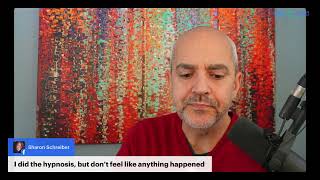
Transcript of a Program Yourself Thin podcast episode by Jim Katsoulis about practical, small-step strategies for regaining progress on weight, health, and habits. The speaker contrasts a rigid “all-or-nothing” dieting mindset with an “all-or-something” gradient approach and offers simple tactics (drink water, eat fruit, nap, walk, hypnosis, mindset work) plus promotion of his book and program.
Chapters
It. Hey, everyone, welcome to today's program yourself thin podcast. Today we're talking about easy ways to get back on track, right? Because at this point you're probably knee deep in the new year and maybe not feeling like you thought you would at the beginning of the new year, right? So if that's the case, we got you. If you're off to a flying start, then great job. Okay, Nice work. And this stuff still may help you because what I'm going to talk about really is not just applicable to right now with the new year, it's applicable to literally any day of the year where you're just not feeling it. Right? And so we need to have a range of options available to us, okay? And so before we get into what those options are, let me just take a second and talk a little bit about the mindset piece of it. And so typical dieters, people that want to lose weight are typically dieters and they tend to think about their weight loss in all or nothing terms, right? You're either going to do whatever you're going to do perfectly and you're going to do it exact or you're not going to do it at all, right? And this is where we get into things like you're going to do 16 hours of not eating and then eight hours of eating, you're not going to eat any carbs. You're going to track every point, you're going to count every calorie, you're going to restrict as much as you can and you dive into this, this tactic as much as possible for a little while, and then eventually you just go back to doing none of it, going back to what you normally do. And it's this pattern back and forth, back and forth, back and forth that probably, you know, summarizes your weight loss history, where again, it's these, these dramatic, you know, outpouring of energy. And then I return back to normal. And what you're probably noticing is that over the years, it's more and more a return to normal unless, you know, this intense, you know, action taken to make the results happen. Okay? So we need to just start thinking in all or something terms because in most people's lives, we're mostly going to be nothing or all, something or all. We tend not to always push ourselves to the extremes because it's difficult and most of us won't do that. So instead of trying to be perfect all the time, what we want to do is we can still be perfect, right? Against all or something. We can still be all imperfect and aim for that sometimes. But we also are going to go into it with the understanding that I can't always be perfect. And when I can't be perfect, I still want to be something. I don't want to be nothing no more. Okay? And so this is the mindset piece that really just distinguishes what we're talking about here from dieting. Because again, dieting is black and white. All or nothing offer on binary. Flip switch. What I'm talking about is all or something. Gradient, gray space, dimmer switch. Okay? So once we start thinking that way, we create some room for doing things that start to make us feel better, things that start to nudge us onto the right track, that kind of build us up so that we can do the bigger things, right? But we understand that I'm going to be in this Midland space where I may do this good thing here, and then I may go eat a cookie. I didn't want to do that, but I did it. But now I'm going to come back and do this other healthy thing. You know what I mean? And so it's living in this space. And I get it. It's more uncomfortable because our brain prefers black and white off around, you know, it prefers that binary existence. It's more. It uses less energy. So I get it. We are kind of fighting against our own biology a little bit by living in this gray space. However, when you really reflect on what I'm talking about here, I think you're going to notice that. That all or nothing has not really served you well over the last 10 years, 20 years, right? So if we zoom out and look at the big pattern of being all or nothing, it's probably not getting you the results you want, most likely. So all or something is what we're talking about. And once we recognize that, we're going to really put a lot of energy into being something not perfect, but never nothing. Now we can get into the conversation of easy ways to get back on track, right? Because usually what people are going to do when they go into a diet is, okay, I'm going to intermittent fasting, 16 hours straight, and you do it for a couple days. The next thing you know, you get 12 hours and you eat something. Oh, I blew it. Now, most people in this situation, a lot of them are going to quit. That's it. Okay? But what we want to do is we'll say, okay, whoops, that's not what I wanted to do. Let me nudge myself back on track. But most people create that jump from here all or Nothing is an enormous gap. And so when we feel like we make a mistake, a lot of times psychologically, we go back to nothing. And then it feels like, oh, I gotta make this giant leap back up to all. And it feels overwhelming. So we avoid it. So what I want you to understand is what we're talking about here is creating steps back up to all. That's how I want you to think about it. And so it's a pathway back there. But instead of thinking just two binary ways off on, we start thinking that dimmer switch and we start filling in the space in between, and we start to get comfortable with it. So once you get the mindset piece. I spend so much time talking about the mindset piece because the actual strategies and tactics we're going to talk about are pretty simple. They really are. It's not the tactics and the strategies of uncovering them and doing them that's not the hard part. The hard part is thinking in this gray area and appreciating the value of those little things when we're not being perfect. That's the hard part. Okay. But once you do have that mindset, once you do appreciate the little things we consistently do that bring us in the direction we want to go in easy ways to get back on track. And I will give you some of the easiest ways, but I want you to understand that this is not an exhaustive list. I want you to think to yourself, what are some of the easiest ways? When I get off track with my eating and my health and my lifestyle, I can get myself back on track. That's the question I want you to begin asking yourself. And the more you ask that question, the more answers you're going to uncover. Okay, but I'm going to give you some just to kind of kickstart you on the path. But please understand, these are just kind of mine. And the ones I've seen, and you may discover way better ones as well. So ask that core question and see what you come up with. But okay. Some easy ways to get back on track. In my opinion, the easiest number one way that I use to get back on track relied on it a lot the last couple of weeks. Water, I would say water, for me, is my number one. Get back on track. Easy. Okay? So again, what I use water for is I use it for a couple of reasons. So if I'm eating, you know, more cookies or bullshit or drinking more or whatever, consuming more, the water, to me, first of all, it sends a signal. It says, okay, I'm doing something healthy. Here. Okay. Oh, my God. I just ate five cookies, but now I'm drinking some water, so I'm kind of back in the game. Okay. This is going to help me digest those cookies, get past them. It's going to dilute the sugar cravings. It's going to sharpen my brain up. It's going to make my body feel better, and it's going to make me psychologically feel like, okay, that's not what I want to do. I kind of made a mistake there, but now I'm going to move back on this track. Okay? So for me, water is really one of the easiest ways. And I want to make a quick point that it's not just all water. When I say these ideas, like, what's the easiest ways to get back on track? This is a layered process, Right? So the first step is asking the right. Well, the first step, I guess, is getting your mindset right, then asking the question, what are some easy ways to get back on track? And then it's about implementing those ways. So just because I say, oh, yeah, water. When I make a mistake, I drink water and get back on track. Just because you think that now doesn't mean you're going to remember it when you make a mistake. You see what I mean? So understand that this is a layered process. We kind of build each level kind of goes on top of it. And even knowing what you can do and knowing it's a good strategy, knowing and then being able to kind of consistently do it and move forward are two different things. So the other side of it is kind of practicing it. Okay, so water is one of my top ones. Fruit is another one. And I think they're very similar in that sense that if I, you know, if I've overeaten or I've eaten a lot of, you know, bread or cookies or whatever, Getting a piece of fruit for me is very similar to the water. It kind of serves as a. It's a healthy thing I'm doing now. Right. And that's one of the easier ones because it's consuming something. Right? So again, if you like fruit, this is one of the easier ones. You know, if I eat some cookies, okay, next thing I'm gonna do is I'm gonna eat a banana. That's the next thing I can eat. And so even if I'm into the cookies, I'm still putting a banana in my body. And you may. Don't overlook that. That's what I'm trying to say. Back to the mindset piece. Don't Devalue and say, oh, who gives a shit if I eat a banana? I mean, I've eaten a bag of cookies today. No, the banana, it does so much. And the more you can think that, the better, because the more little things you can do, they all start to nudge you in this other direction. And you don't have to believe me. You just have to test it out. Because I guarantee you will see this. If you allow yourself to value the little things you can do to nudge yourself on track, you're going to start to appreciate them more because you're going to, A, they're easier, but B, they make you feel better than you think you're going. They're going to. Okay, so remember that. So we got water, we got fruit. Beyond that, I love taking naps, right? I noticed a lot of times, like, if I get into cookies or I get into the bullshit, a lot of times it's because I was tired, right? So if I have eaten a lot of stuff, okay, I will allow myself to kind of take a nap. And a lot of times I assume because I have kind of had that behavior, that I may be tired. So sleep is another one I use a lot of. In adding on to all of those, you can go for a walk or do something physical, do some stretching. You can relax, do some breath, work. You can go ride a bike, go to a movie. There's a lot of things you can do that make you feel better after you kind of make a mistake with your reading. And the more of those things you uncover and practice doing after you make a mistake, the more those you add into your life, the more you're going to keep nudging yourself back to doing the right stuff. I can almost guarantee you that the gap between. The gap between when you're not on track and when you are on track is probably huge for you, okay? And for me, the gap is a lot smaller because I've filled in all this space. So I urge you to do the same thing because it is transformative and it's very difficult not to get better results if you do that. Okay? So give that some time and think about it. If you're not in my world, click the link in my bio or go to program yourself. Then go get the free hypnosis session. I'm gonna flip my video around here for a second. And there we go. And this book is free, okay? So you can get this book for free today. Over on the big A, you can get the Kindle version, okay? So this is free today. The dao of living at your goal weight. So go get it. All right? This book's really good. Okay? I'm gonna prove it. It's goddamn free. Go get it. But this book's really good. Go grab it, read it, check it out. If you like it, read a review that helps me. But go get this book. It's free until Thursday, but do not wait. If you wait, the chances of you forgetting and missing it go way up. And this won't be free for a long time. I can't make it free again. There's rules and the way it goes. But go check this out again. This book is for free today, tomorrow, and Thursday. Go check it out. You're gonna love it. If you would like to weigh something different than what you weigh currently, you're gonna love. This book is a one of a kind, all right? And if you have any questions, feel free to ask them. I am here to help you as much I can. Yes, I have been doing this. I've been focused on weight for over 30 years, personally, over 20 years, professionally. I am here every Monday through Friday right around noon Eastern to help you all out. So if anyone has any questions on weight, feel free to ask it. I know a lot of people this time are working to get back on track. New year is kind of hitting you in the face, and so any questions are welcome about that. Let's see here. Feel myself getting back in the new year. It is, I don't know, every year. It's just kind of like running into a wall. I feel like I feel it this year. I had a wonderful holiday too. It was great. Yeah. Marie says that. Yeah, walking helps me in the same way. Exactly. Yeah. And again, it might be for. One person might be walking, another person might be going for a B ride. Another person who might be doing martial arts, another person might be dancing, another. You know what I mean? Like, it goes on and on and on. There's so many options is what I'm trying to tell you. You know, and you have to customize them, though. That's what I mean. Like, so, you know, the thing that works for me may not be the thing that works for you and I. I think that's such an important piece of the weight loss puzzle. I was thinking about that yesterday. You know, like the diet industry, it really is a one size fits all solution pattern, if you think about it. Right. And it's baked into the. The pie. First of all, to understand, I'm going to. Is a psychological operation. Dieting is a branch of the food processing industry, okay, Weight Watchers was owned by Heinz. Jenny Craig was owned by Nestle Atkins Food Products, owned by the same company, owns onions, pretzels and Cinnabon Slim Fast, owned by the same company that owns Ben and Jerry's ice cream. These companies, their goal is not for you to lose weight, okay? It's to fill your head up with rocks and so you can never lose weight. And they do it through the idea of dieting. And one concept core to dieting is that you have to understand it is a, it's a, it's a product. Let me put it that way. Dieting is a product. It's a, it's a revenue, it's a recurring revenue model, right? Because they don't want to give you an answer, so you keep coming back, okay? And it's a, it's a product. And so they want to sell as much as they can. So you're not going to get. When you think about weight loss, you think like a dieter automatically. You've been conditioned to think that way. And you think in one size fits all approaches because that's what you've been trained to think your whole life. Every diet is a one size fits all approach. You understand? Think about it. Oh, we're gonna do keto. Every person on the planet is going to cut their carbs down, eat more protein. Well, what if, what if that doesn't resonate with you for whatever reason? Right? I've got to stop. Everyone's gonna stop eating for 16 hours. Oh, what, what if you really start feeling like around hour 12, you know? And so what happens though? And I was thinking this, I realized this last night, what happens is because dieting is a product for the masses, they have to make it seem like it's this thing, this is what you do. But here's the sneaky part. Look at this. I just got restricted on TikTok again. But that's okay. So here's the thing with dieting, is that if you don't succeed with that plan, who do you blame? Let me ask you, right? So when you think about your weight and where it's at, you know what? I'm gonna. I gotta flip this goddamn screen back. So if we're, if we're restricted on Tick Tock anyways, I can't keep looking at myself that way. It's messing with my eyes. I look, I record straight to my phone for Tick Tock. And I've been flipping the, the camera so they could all can see the book. Here it is. So Tick tock. You're gonna see it now, but it doesn't matter. They're not bringing anyone new in anyways. But it's the dao of living at your goal weight. So go. Gonna write this right in the comments too, actually. But don't, don't forget what I was just saying. Okay, so if you have. Hold on, this is a long title. There we go. If you have not successfully managed your weight the way you want to, right? If you haven't lost the weight you want to, do you blame yourself or do you blame the diet? I know the answer. Let's come on, right? You blame yourself. You blame yourself, right? Because you didn't follow it. And I think this is core to the diet mentality that because they want to sell a bunch of them, they may have to make it seem the plan works for everyone. You just didn't do it, so it's your fault. But I think you need to take a step back from that and realize that ultimately you're going to need to create your own one size fits one plan for you, for you to manage your weight, because you're a unique being. You have different preferences, genetics, lifestyle, environment, you know, relationships. You're. You're a one of a kind. And so the way that you're going to live and eat to. To manage your weight has got to be unique to you, in my opinion. And I think dieting doesn't work because metaphorically, it's kind of like you're trying to fit a square peg into a round hole. A lot of times it's a. It's just. It's not built for you. It's built for the masses. And so it may or may not work with you. You know what I mean? So I think it's really important to recognize that and figure out, you know, what works for you. And if you approach it that way, the good news is you can find lots of ways to manage your weight that really resonate with you. And once you have those, then it becomes a lot easier to actually follow through on them. Right. So anyways, yeah, TikTok's funny like that, huh? They don't want anyone going off their platform. Good Lordy Lord. Joan, thank you. Joan says, I love the book. Thank you. I appreciate that. Yeah, I've been getting lots of nice reviews. Thank you so much. Joan, I just see another. Joan, I just saw you said you left a review. Thank you so much. Yes, it does take a little while. It takes a little bit for the reviews to show up sometimes. So thank you so much to everyone that wrote one. I really, really, really appreciate it. Again, if you haven't gotten the book yet, check it out. Well, it looks like the restriction taken off. I know it's not there. Just reading a description of this. Oops. There we go. There it is. You know, I gotta do. I gotta sell this book on TikTok. Then they won't ban me. They'll push me, everyone. But anyways, there it is. The dao of living at your goal weight. Dao, living at your goal weight. It is there. Go check it out. It is free. It is free. The Kindle version is free until Thursday. So go grab that while you can. So Kathleen, Kathleen says you've helped me go from living like a thin person to living as a thin person. Thank you. That's awesome. I love that. That is. I'm gonna screenshot that. That's a wonderful comment. Thank you, Kathleen. That means a lot to me and I know exactly what that means. You know, it's the difference between kind of pretending and acting as if and then eventually kind of become it. And that's one of the greatest feelings in the world I think, you know, is to be able to truly, genuinely feel like the person you want to be. And you know that that idea is right at the core concept of program yourself then. Because the idea is that really program yourself is an inside out approach to weight loss. And so it's this idea that you're changing first. How you think you change, how you think change, how you feel that leads to changing your behavior. And if you change all three of those things, eventually your weight's going to change. It's going to reflect those shifts and changes. Right. So police chase out out here. But that's awesome, Kathleen. Keep it up. That's wonderful. Wonderful. He says like using the other hand to eat it is like that. You know, it's weird too. It's like I'm not even using the other hand. I'm just like. Like I'm not. I'm living in the same space. So I'm not even like trying to use a different hand. And it's just visually that's what I was trying to say. If you all ever get to see this game, you should do it. It's such a mind bender. But it's called I don't remember. It's called I'll never remember. But it's a game where you put glasses on it and it's like it flips the world upside down. I don't know how it does it But I'll look it up. I. I'm gonna look it up. I don't. I keep talking about this game because it really blew my mind. Let me see here. Game glasses upside down. Upside down challenge game. That's a pretty easy one to remember. The upside down challenge game. So anyways, it just flips your world upside down. And it's so crazy you don't realize, like even using my hand now, right? Like I'm in. I'm in space, but I'm looking at a phone, talking and like, so I'm just in space. So you think, like just using my hand, it's all muscle, right? It's not visually, it's all being synced up. And so all of a sudden when I've been flipping my video and now it's funny because I got one screen that's flipped and one that's not, but because I wanted to show this book and I know, TikTok, you're getting this back, but who gives a. I'm restricted on tick tock, so who cares? But it's the dao of living at your goal weight. This book's free right now. Go grab it. But anyway, so. So when I'm sitting here moving my hands and I've been doing this for three years in this exact same spot like this, it messes my head and my hand. I can't move my hands the same way. It's funny, man. So anyways, the upside down game, I can't recommend that enough to really get a real direct, instant, visceral experience of how powerful your vision is for how you move your hands. It's. It's hard to explain it. Sharon says could not find the book on the big A. Oh, come on. And I could say Amazon now. I keep I when I do these lives. And I'm promoting this book because I am giving this book away for free. But now I know TikTok can't see it. I don't know if they're restricting me or not. I'm gonna re flip it around. Who gives a. I'll just get used to it. Build up some new neural connections. But oops, I should play around with my. I should play around with tick tock. I got AI wallpaper. I'm not doing it. Anyways, this is the book. It's free on Amazon. Could not find the book. That's interesting. I don't know if you are in. Well, it's been showing up everywhere. I do know that some people have some issues if they're in Canada, Ireland, Australia. I'm having some issues and I just can't figure it out. I, I, Some people like, oh, it gave me trouble. They're like, eventually I got it. Some people like, I can't, I don't know. I, I don't know why it's doing that. I don't know. You know, it's, I'll tell you what I'll do, Sharon. I will, I can do this though. Hold on a second because I can literally just put the link in the comments over there. Hold on one second. Let me find this real quick. Yeah, I suggest you all get this book. It's the number one book in, in Daoism, number one new book in Taoist category. All right, here we go. I'm just going to put this link right in there. I've never put like just an Amazon link in there you go. So click that and see, see what happens. I don't know what's going to happen. It's weird stuff. I'll tell you. It's very strange people's experience finding this book. It's kind of weird, but is what it is. Oh, Marie's from UK and she just downloaded. That's what I mean. Like, I don't even know what, I don't even know anymore. I, I feel bad. But what I will do, what I will do to make up for no matter what is if you are in some country or some place where you cannot get the Kindle version from Amazon, you can email me at jimprogram yourself then.com and I will send you the PDF version so you, you can have it. Okay. Because I don't know what's going on, but I want you have the book. All right. But I want you to download it more because then that helps me out get it to more people. But anyways, yeah, it's free. Just check it out. Oh, that worked. Oh, great. Yeah, it's just a little weird and I don't know if you're not in the Amazon world too much. It's a little confusing because there's buying the book, buying it for free, you know, but, but that, whatever. And then there's access in the book. So I guess if you got a Kindle like device, it just works fine. But if you have like a phone, you have to have the Kindle app to, to get the book. So there was a little bit of an issue with that. But anyways, yeah, if anyone's having any, any weight questions, feel free to ask. I don't just talk about my new book there. It Is though it is free. It is free this week. So go grab it. Even if you just pop over there and just grab it and don't read it, then you'll at least have it because it'll go back up in price on Friday. But yeah, if anyone's any weight questions, feel free to ask them. Oh, I'm getting back into it. Right. I think most people are probably feeling that and I think especially too, you know, it's, I don't know, I, I, I would love to know the psychology of like holidays on a Thursday, you know, I don't know, I, I swear that's something to do with it. But I hope you're all kind of feeling like you're back on track. My biggest advice to you is to get back on track in a gradient way, you know, so it's not so much black or white because I think that dooms more people than anything. I mean, I, I, I shudder to think of the number of people that planned on starting the year on January 1, New Year, New me. And then Thursday came and they didn't get back on track because it's Thursday. And then I say, you know what, Monday. And then Monday came along and now Monday came and went, you know, and they didn't get back on their perfect thing. So it's, it's funny like that. So that's so sad though, you know what I mean? So again, no matter where you're at, six days, technically, you know, into the new year, two days technically, if you're in my world, no matter where you're at, who gives a, you know what I mean? Like it's just the beginning. And I think again, it's that diet mindset that if you didn't get, you know, and I would say this, you'll really feel it here, right? I always equate, like dieting has conditioned you to think about your weight loss as if it were a sprint, like a race, a sprint race, you know. And the reality is that your weight is a never ending marathon if you want to live at your goal weight. So the idea that you're going to sprint to your goal weight, because that's how you think of it subconsciously the diet industry has conditioned you to think about your weight loss like it's a sprint, like you've got to lose it as quick as you possibly can. You got to do the most extreme, drastic plan to lose the weight as quick as possible. And that's how you, that's kind of the underpinnings of how you think about weight loss, and there's so much stress and pressure there, you know, because if you think about a sprint, technically, if you watch people running a sprint, to win that sprint, that race, you've got to be perfect. A sprint requires absolute perfection and there's no room for mistakes. You know, you trip out the gate, end of sprint, you've lost. Whereas if it's a marathon, you've got the time to make it up. And I think that's a fundamental difference, mindset wise, between dieters and what we're looking to do here. And program yourself then, is that as a dieter, how that shows up is if you didn't get the perfect start on Thursday, if you didn't get the perfect start on Monday, then it's blown, it's no good, wait till next week. But it starts to become a trap in and of itself for two reasons. One is it quickly knocks you off track because it's almost impossibly perfect. But then the other side is it makes you delay getting started all the time because being perfect is really hard and you know you're not going to succeed. So most of the time when people start a diet, it's really just a countdown to failure. They know they're going to quit, they know they're not going to stick with it, and most of the time they're right, you know, so again, that mindset, really, it's very difficult to succeed with that mindset. You know, Marie says, what do you advise for losing last 10 pounds when it's harder to lose? Well, I will tell you that even the framing of that question, I would want to change, because again, you're so fixated on losing 10 pounds that I would be fixated on living 10 pounds lighter. And if you think they're the same, they're not, right? Because most dieters are obsessed with how much weight they want to lose. But subconsciously, what that means is that you're subconsciously anchored to your overweight body. When you always think about how much weight you want to lose, every time you think about how much weight you want to lose, subconsciously you're creating an image of your overweight body. Hope that makes sense. The alternative is instead of being saying, oh, I just want to lose 20 pounds, I gotta lose 10 more pounds. I got 10 more pounds to lose, 10 pounds to lose. We start to say, what would it be like to live at? I don't know what your weight would be 10 pounds lighter, but I want to weigh X amount of pounds. I want to get to be X Amount of pounds. So if it's harder to lose, I don't care. Because the ten pounds, thinking about losing ten pounds, it's just all the same. I'm not explaining myself well here. So I was talking to some of my clients about this. So we were talking about, Let me put in a different frame. It's like if you, it's like if you in college or high school, you're like a freshman, sophomore, junior, senior, right? And so every time you start a new year, you have a new identity. Okay? But imagine instead they got rid of that, that model and you started school and you always referenced where you were in the process by how much less ignorant you were. Okay? So for example, you could be like, okay, oh my God, I just finished my freshman year, I'm 25% less ignorant. And your sophomore year, I'm 50% less ignorant than I was. I'm 75% less ignorant. It's weird, right? Because you're always referencing your starting point instead of where you're at now. And it's extra weird when you're a senior. Oh my God, it's 80 less ignorant. 80% less ignorant. It's like, what? It's just, it's weird because it's not about who you've become. And we don't do that because each year you become a new version of yourself. You, you did, you step into a new identity and you all experience the power of that, right? There was a big difference when you were a freshman and a sophomore, junior and a senior. It's some of the most powerful self image, positive, beneficial stuff that you've ever experienced in your life because you stepped into a new reality at that point. You weren't always, now, oh, I'm 25%, you know, less ignorant than I was last year. 25% less ignorant. Always referencing being ignorant. Do you see? What do you see? Does it make sense that way? I hope it does. It's a very, it's a very profound concept. It's very difficult to kind of explain it. It's, it's, it's subtle, you know what I mean? But it's like we've been so conditioned to always think about weight loss in terms I can lose 50 pounds, I lose 100 pounds. And what this leads to. I can't tell you the number of conversations I've had with people. They want to lose 100 pounds, they're 75 pounds down, and they're talking 75 pounds down the same way they were talking when they were £20 down. I still got £25 down. Let's lose. I can't lose this last £25. It's so hard to lose £25. You lost £75 fucking pounds. Enjoy it, enjoy it. Feel better. Do you feel better? Do you know what I mean? And if you see, you see this happening all the time where dieters, they, they feel as shitty 80 pounds down of their 100 pound goal as they did 10 pounds down of it, they're just so obsessed, I get 10 more pounds, I get 10 more pounds. Who gives a. First of all, 10 pounds isn't even that much in most bodies, right? Again, if you're, if you're a bit shorter, you know, it means a little bit more. But 10 pounds really isn't gonna even change that much more. And for most people, they get to that point and they're just so obsessed with how much more they got to lose. And I'm telling you, it's, it's, again, it's a mindset, foundational piece that, that sets you up for a very difficult time, in my opinion. So I would want to reframe it because even now, Marie, even the question, it's really about, I got £10 left to lose. And it's the time frame, right, because you're feeling discouraged, probably because these last ten pounds are coming off slower than earlier pounds did. And so in your mind, because you're thinking, right, that way, it's generating discouragement, you're probably feeling discouraged. I would love to know, I don't know if you wrote Marie. Okay. All right, everyone, here we go. The Crescent strikes again. Marie just said I've lost £90. You're so right. Thank you, Marie. I really appreciate you saying that. Okay, I didn't know this, I don't know Marie, but I noticed patterns. This is what I do. I've been dealing with this for over 30 years personally, 20 years, professionally, you start to notice patterns. So here's Marie. All right, now, Great. Hey, Marie, congratulations. Okay, a 90 pound weight loss, that is amazing. Substantial. What, what an accomplishment. Okay, congrats. Please internalize that. Take a little time today and internalize that. I'm going to talk more about you in a second here, but I want you all to appreciate this. That here's Marie £90 down. She's got a hundred. Did I, I, I swear to you all, I did not know this, but again, this is a common pattern. But Marie wants to lose £100, but she's still £10 away. Can't enjoy it yet because she's got 10 more pounds to lose. She has not internalized the, the joy and the pleasure of that 90 pound weight loss. Now why, you might ask, that's the interesting question. The reason Marie has not internalized that, that success so far is a very important point, because if it's not fixed, it could sabotage you from maintaining the weight loss you've achieved. And it starts this way that most people, most dieters trade the pleasure and excitement of the food for the pleasure and the excitement of the scale going down. Okay? So most people will trade the food, pleasure and excitement for the scale going down. And I have noticed a lot of people as they start to get within 10, 15 pounds of their goal weight, especially if it's a, you know, 50, 100 pound, you know, a substantial goal weight loss, as you start getting close to that 10, 15 pounds left, you start freaking out because you start to realize, I'm not going to be able to diet forever, and once I get to my goal weight, what am I going to do? That's a fear and an anxiety. Most of you have experienced that as you. It's ironic almost, right? It's a paradox, right? Because you say you want to lose weight more than anything in the world. That's all you think about. But have you ever noticed that as you get close to your goal weight, you almost start to get more nervous, you start getting anxious? And that, again, is another diet trick. You've never, ever, ever been taught or conditioned to think about living at your goal weight. The diet industry is about losing weight. Losing weight as fast as you can program yourself, then is about living at your goal weight. And that's your real goal. Just because you lose a bunch of weight doesn't mean you're going to live there. Because losing the weight and living there are two totally different things. Primarily because the motivation is completely different. The motivation when you're losing weight is watching that scale go down. You're tapping into the exact same dopamine that you tap into to overeat. But once you've lost the weight, you need different motivation because obviously the weight's not gonna keep going down. Most people never figure out the motivation that lasts beyond getting to your goal weight. This is why it's estimated. I've seen a bunch of studies and they, they basically, between 83 and 95% of dieters that lose weight put it back on. And I believe a core reason for that is that they don't have the motivation to last past getting to the goal weight. They don't have the motivation once the Weight loss and the excitement of that goes away. So now we come back to Marie. She's £90 down of a hundred pound weight loss goal. Does she feel 90% better? I bet she doesn't. I bet she's thinking about, yeah, Marie says, absolutely. I've gotten a goal two times, then regained some. That's what I mean. Okay. And you, Marie, are exactly the type of person I'm here for every day for more than anyone else. Because to me, my mission in life is help as many people as possible live at their goal weight. But I will say that the people I'm most kind of empathetic to are people that actually do the work and lose weight and then put it back on. Those are the people that really, I'm here for you more than anyone else because you're doing the work. You deserve to get better results. You deserve to live at your goal weight. You're not afraid to put the work in. Problem is you've never learned how to live at your goal weight. None of you have. None of you have. There's no diet I know of that's about living at your goal weight. I'm not saying there's none. I mean, there obviously are some, but I don't think they're complete enough. You know, I don't think, first of all, I don't think any, anything that's just a food plan to me is not even close to enough. I mean, to program yourself. Then we're talking about the goal weight pyramid, right? So I believe you need a comprehensive holistic plan to live at your goal weight. And so we follow the goal weight pyramid. Mindset lifestyle. Again, my finger. I know how to use my fingers, but this goddamn screen is backwards now and I can't even see. It's so funny. Anyways, so we got mindset lifestyle and eating that we go through, you know, and you learn how to run your mind. So you tell me, how are you going to change your weight long term if you don't know how to genuinely change your mindset? And what do I mean by mindset? Number one is. Number one is motivation. So we talk about mindset and program yourself. Then we're going through very specific concepts, motivations, where it all starts. Because if you don't have motivation, nothing else matters, right? So that's the first thing we do. How do you actually motivate yourself in a way that lasts, right? Because I'll, I'll show you what real motivation is. Your job, right? You wake up and you're tired. Last thing in the world you want to do is go to work. You still go, right? Yeah. Motivation that lasts. Being a parent, you wake up, you're not feeling that great, your kid wants to eat, you get up and you make them food. Motivation to be with your partner. And there's other things in your life that you're genuinely motivated about. Okay, that's real motivation. The motivation most people have for weight loss is very conditional and superficial. As long as I'm losing weight, I'll keep doing it. But the second I screw up or the second my weight loss stalls, I can't. I can't stick with it anymore, you know? And that to me is just a direct reflection that you're not really motivated. Most dieters, I gotta tell you, most dieters are not really motivated. I believe most people weigh what they want to weigh subconsciously. I'm gonna tell you, that's what I've seen. I'm the one who's done over 6,000 private weight loss sessions. So I'm not just making this up, you know, So I think motivation is the first thing. And then obviously as we go through mindset, we go through self image, habits, emotions, how to think like a thin healthy person and how to maintain. And that's just the mindset section, you know. But what I'm trying to say is that if you're willing to do the work, you deserve to kind of have a real strategy put in front of you. And dieting is not. Dieting is not a complete plan to live at your goal weight. It's a plan to lose weight rapidly for a little while. That's what a diet is. All right. Puzzle behind you is crazy on the eyes. Beautiful, but crazy. I know. Yeah, this. I tried a different one. I. People seem to like it too. I have like a. I guess it's Greece or Italy. I don't know, it's a beach scene. I really like it, but I'm always looking at it. So this one I don't really look at as much. I like that one a lot too. Reminds me of it. Reminds me of Vegas. I think it's the Bellagio where they have like the ceiling that's all glass, hand blown glass, flowers. So I always like that because. Reminded me of that. Sharon says I've always heard to start at 6 o' clock the night before. The way when you wake up in the morning, you've already begun. I'm not sure what that was in reference to. Yeah, but, yeah, but, but. So here's back to Marie. Right? So, so again Marie has lost 90 pounds. Right. But most likely Marie doesn't feel, hasn't internalized the joy and the benefit of that. Let me frame it a different way for you, Marie, and for everyone listening. But if, if I went to Marie and I don't know how long it's been, so I don't know, I don't know how long you've been on your, your mission and path here, but let's just say a year, just to pick an even number. But if I said a year ago, Marie, how do you think it'll feel when you're 90 pounds lighter? You, you, you wouldn't describe it the way you feel today, I bet. Right. You expected to feel like what? And this is an important question. I'm not saying this just for Maria. I'm saying for all of us. This kind of gets back to the motivation piece that a lot dieting is built around so much. But one of the ideas is that you're going to get to your goal weight and then just be so fired up that you're at your goal weight that you'll never overeat or have to deal with your goal weight again because you just be what, you'll be there and you'll be so happy you're thin that you'll just stay there. That, that's what a lot of dieters are walking around with. But it, but it's not true because most dieters put the weight back on once they get to their goal weight. But this is a really important piece. What do you think is going to happen? You know, when you get to your goal weight? You got to recognize this because this is the reason why you haven't gotten results, in my opinion. Yeah. So what I would say, Marie, is that you deserve to. Now I know, by the way. So another reason why. Oh, this. I, I love talking about this too. So we'll stick with motivation for another second here. And this just goes into the idea that I, I think if you're not programming yourself, then I think it's almost a 0% chance you genuinely know how to motivate yourself if you're overweight. Do you know what I mean? Like again, if you're at your goal weight, then you, you subconsciously, you're programmed to be at your goal weight. Okay. But if you're overweight, you're programmed to be overweight. And I'm telling you that you, your motivation is not as good as it could be. Fight me on that. I, I, Dieters will. I've gotten lots of fights with dieters that telling me, no, they're really motivated. I'm super motivated. No, you're not. No, you're not. Every conversation, I've never come away from a conversation with someone who's overweight who has convinced me that they're really motivated. I've always won those debates. If you want to take, take me up on that debate, let's do it. Ah, Marie. I can't believe Marie, Marie and I are locked in here today. I don't, I don't know how we're doing this here, but Marie is literally just wrote a comment. I think I'm not uncomfortable enough with how my body looks to be super consistent. Marie, I couldn't appreciate you saying that more because I was literally, I was just about to go there. This is fun. Okay, so what Marie is hinting at that I'm going to describe in a slightly more generalized way so that everyone can relate to it, is that, tell me if this sounds familiar to you dieters, that you dieters, your motivation to lose weight visits you occasionally. And the motivation that visits you is a pain based motivation. So I'm going to suggest that all of you, if you're overweight, your motivation when you finally do start to do something to lose weight, it comes in the form of pain. You step on a scale and you can't believe the number. You see a picture of yourself, you can't believe how big you got. You try the clothes on that you said would always fit, they don't fit you anymore. You got a doctor's appointment coming up and you're scared to, someone says something rude to you and you're so upset you say that is it, that is it. I'm gonna do this. I'm gonna do this because I can't live this way anymore. I cannot live in this body anymore. I refuse to live with this body anymore. I'm not going to look this way. And you start down your path. This is pain based motivation though, right? It's based on the pain you're feeling being overweight, the pain you feel, how you look, how you feel being overweight, okay? And what happens is a, your brain hates pain. Your brain, your brain is a pleasure seeking mechanism, okay? So right off the bat we're really paddling against the current, okay? But here's the other problem is that you start to succeed, you start to lose some weight and now what happens? Because your motivation is relative to the pain you've been feeling. So what happens when you start to get more success and the pain goes down, what happens to your motivation starts to go down a little bit. And this is where I believe most dieters can't maintain their success because they don't have the pain anymore to tap into. And then here comes Marie saying, I think I'm not uncomfortable enough. That's. That's code for pain. I don't think I'm feeling enough pain with how my body looks now to be consistent enough. Do you see what I mean? So what's happening is subconsciously what Marie's saying is, I need to feel more painful in order to get to my goal. My goal equals pain. I need to feel bad about myself in order to get myself to be consistent. So what do you do when you get to the. The body that you love and you feel amazing? How consistent will you be then? I don't think you can even process that, because I don't think any of you think that way. All of you are running away from the pain of being overweight. It's a trap, though. It's a trap. And you just said it, Marie. I think I'm not uncomfortable enough with how my body looks to be super consistent. So if that was true, then what we need to do is we need to make Marie feel even worse. We need to make Marie feel worse about her body and how it looks. Yeah, you've lost £90, but who gives a. Look at you. Look at you. Look at. You still. Look at those extra 10 pounds still on your body. You lost 90 pounds. Who cares? Doesn't even matter. Look, you still. You still got that going on. Oh, that's still there. Is this the answer? Is this the answer? Marie needs to live at her goal way for the rest of her life in the most happy, healthiest way possible. But I appreciate you saying it so much, Marie, because this gives words to what everyone's thinking. This is what you're all doing. You're trying to beat the out of yourself to do the right thing so you can look the way you want, so you can feel better, but then as soon as you feel better, you don't act right. The only time you act right is when you beat the out of yourself. Is that not true, Dieters? Well, we ain't doing that at. Program yourself then. And program yourself then. I'm eating right. I'm taking care of myself because I love eating right. I love feeling good, I love eating a salad. I love drinking water. I love getting some sleep. I love being the weight I want to be at. I love my behaviors are in line with my goals. I love that I feel congruent. I love that I keep learning and growing and evolving and feeling better emotionally, physically, mentally, spiritually. I'm powered by love with this. I'm not, I'm not lying to you. Is there a pain factor? Absolutely. My dad died of a heart attack at 54. I don't want to be overweight and my health be. I don't want to die at 54 if I can stop it. I got pain, but I'm not living in the pain. I'm living in the pleasure of how amazing it feels to be on track, to feel good, to be happy with my body, to feel good about myself. I hope that makes sense. Hope that makes sense. I really appreciate that. I've never seen anyone say the things that, that really line up with what I wanted to say so much. So thank you for saying that, Marie. Ken says I lived with pain based motivation for years. So appreciative for PYT and Jim Katsulas. Thank you, Ken. I appreciate that. And Ken's superstar, working the program and getting amazing results inside and out too. And again, that's the, that's the key point. That's what I'm trying to say. And then that's what I think Marie is really just such a perfect example of is that you can be 90 pounds down of 100 pound weight loss and still feel like you're a failure. That's the problem. And so in my opinion, program yourself. Then when I talk about mindset and I, I, you know, quickly kind of mention emote emotions, what I mean is that I think it's not enough just to lose weight. I don't think just losing weight fixes everything. I think losing weight is great. But I think you also get to get your minds right, you get your lifestyle right, you got to get your eating right. All of this stuff, you know, just losing weight doesn't fix everything. I mean, Marie's 90 pounds down. 90 pounds, folks. Think about it, you know, I mean, she's not lying, she still feels bad about it. I work with these people every single day. I can't tell you the number of people I've worked with that have lost 50 to 200 pounds and still feel like about how they look and what they've done, they still haven't succeeded. Why? Because the day they stop whipping themselves, the day they can't control their behaviors, because you've never learned how to control your behaviors in any other way than a dieter. Dieting is the one of the biggest psychological operations that's ever Been deployed on us folks. I. I really mean that. I know I sound like a nut job when I say, and I don't give a. I'm gonna write a whole book on it. I'm gonna explain it, approve it, okay? But for for now, you'll just have to take my word for it, and you'll see it every single day with what people say. Smart people. Marie's obviously a smart, committed, intelligent person. To lose 90 pounds, that takes a lot of effort and focus, but she's doing it like a dieter. I hate to say it, but I'd rather you hear it now, so at least you got a goddamn chance. Because if you don't, you're gonna keep your. You got to keep whipping yourself. And that's why. I think. I swear, that's why most. Listen, weight loss slows down for physiological reasons, too, okay? But I feel the bigger reason why most people's weight loss stops or slows down around 10 pounds is because they're terrified of what's going to happen once they get the next to their goal weight. And so let's take Marie. If she has two times before this gotten a goal weight and put the weight back on, you don't think subconsciously that she's terrified of getting back to her goal weight. She's had two experience before this where she's lost the weight, and she knows that the losing the weight's kind of fun part, the exciting part, the hope's still out there. And then two times in the past, she got there and put the weight back on. You don't think that somewhere in her brain and her nervous system affecting her and. And you all don't have that experience. You all don't have a. A bank, a memory bank of times when you've lost weight and then got close to your goal weight or we're successful and put the weight back on. You don't think you got to deal with that. You know what I mean? Like, again, the mindset piece. The fact that the mindset could just be so ignored with weight loss is just shocking to me. And I ask this every day, and I never get an answer. But who are you going to learn how to create the mindset of a thin, healthy person from? Name a program. Name a person that you're going to learn that from. I'm not even saying you had to have taken the program or whatever. Just name the person who's out there teaching you how to think like a thin, healthy person. Name one program, one person that you can learn how to Think like a thin, healthy person. Get carried away. I got from my book here. Listen, folks, if you want to get on the path and be a thin, healthy person, because I. I am that person, I will let you know. I'm that person. Jim Kitsoulis, program yourself thin. I'm the person that's going to show you how to think like a thin, healthy person. I'm not going to bullshit you. I'm not going to beat around the bush. I'm the person. Are there other people? Sure. I don't know who they are. Okay. But if you find them, please let me know. Did anyone write anything? Yeah. No. And I wasn't expecting anything. But again, I'm giving you the book for free. Because for me, this is a mission. This is a mission. All right. Inside Out Weight Loss. Renee Stevens. Thank you. And again, I know there are people. So I'm not. I'm not saying this. I'm not trying to be hyperbolic. I know there's people, but we're few and far between, let's put it that way. And my point of saying that is that you have been so conditioned to think about weight loss in a fucked up way. I can't put any more clearer. It is. It is so ridiculous, you know, which is fine. I don't even mind that dieting doesn't work, and it's a bullshit plan. That's fine with me, too. The thing I'm so mad about is that people internalize when the diets don't work, that it's their fault. You know, that's the part that gets my. Gets me my gears grinded up. So anyways, go get this book, though. It's free on Amazon right now. It's on the Kindle version. You can literally go get it for free. I'm giving this book away. It is a hundred pages, 40 chapters of just straight wisdom from my brain into your brain in a way that's very accessible. These are hypnotic stories that help you live at your goal weight. So this book is completely free until Thursday. All right. Oh, I like that. Joan Jones says that a meditation teacher used to say, linger in your skillful states. I love that. I think that's. I think that's wonderful. That's what we do in Program Yourself. Then we really look to develop skillful states and live in them. You know, that's what we do with the. The Program yourself then method's built around the reader rehearsal technique. And we use that technique to. To practice being the person we want to be, you know, So I Love that. I love that. Shelly says it totally makes sense. It's true. Thank you. Yep. Sharon says, I agree. We've been, we've been with. We have been with. Again, it's just, it's just pure economics. I mean, we've been with a million different ways, but we've been directly with the food. Directly with the food and directly with the diets. That's the thing. I don't even mind the food companies. You know what, Sell us your food. Make addictive products, sell it to us in the most aggressive way possible. Fine, I get it. I like business, you know, but what I don't appreciate is the diet industry because it's a bullshit industry. It's a bullshit industry and they have hijacked. See, the secret about dieting to understand it is that dieting came to be in the age of mass media. So dieting happened in the age of mass media, in the obesity epidemic, happened in the age of mass media. And that's very important because they both happened around the same time, basically where you really start to have diets and obesity rates go off the charts at. Right around the same time, right around. I'm not picking 1980 as just a generalized point, but. But clearly something starts happening there. And so both of these things happen at the same time. And so in our whole, our lives, our generation, and I'm going to say our generation last 100 years, let's say, okay, in our generation, we don't have a natural reference point for how to exist in this environment and manage the food and our weight. We've never been taught that. We have never been given a strategy and a plan for how to manage the reality we live in now in a way where we can manage our weight. And so what you've been given your whole life is these diets. That's what you've been taught. And diets are just get rich quick schemes. That's it. But the thing is, when you see a get rich quick scheme, you can appreciate it for the bullshit it is because you can reference it against the normal natural way most people generate income, which is that they gain some sort of skill or ability and they create value and then they're compensated for it. And so when we compare that to get ridge quick schemes, we say, oh, that's bullshit. That's not going to work. That's just, you know, a trick. But when we look at weight, the only thing we have is the get rich quick schemes. You have no reference point for how to manage your mindset, how to manage Your lifestyle, how to set up your reading so that you can live as a thin, healthy person for the rest of your life. You have no idea about to do it. You have no idea about a goal weight pyramid. You have no idea about the mindset section, the lifestyle section, the eating section, the subconscious mind mental programming section. You have. Not only do you not know how to do it, you've never even heard about it. So you're floundering not because you can't do it, but because you've never learned. You've never been taught how to run your mind, how to deal with your mindset, how to set up your lifestyle, how to structure your reading in a way that lets you live at your goal weight in the easiest, most comfortable way possible. You've never once done that as much as you focused on your weight. Your entire life, you've never once thought about those things. Why? It's not because you're not a smart, intelligent person. Because my program's full of smart, intelligent people that never thought that. Because we're only exposed to fucking diets. And now you get diets. How? What are the three ways you're going to lose weight? Folks, If I ask 10,000 people in America give me three ways to lose weight, what am I going to hear? 99.9% of the time, I'm going to hear diets, surgery, injections. I'm not going to hear anyone say mindset, huh? It doesn't even exist as a concept. So the fact you don't know it is no reflection on your intelligence or you as a person. It's a reflection on the environment we live in. And we've been conditioned since birth to think like dieters. It's a psychological operation. Dieting is a branch of the food processing industry. They sell more bullshit food because they run diets and they fill our heads up with diet bullshit. So we never learn, never, never learned how to manage food genuinely in this environment and what most people are doing. I mean, the obesity number is going off the charts. We've never had more diets. Diets. For a hundred years, there's not one diet, there's not a single diet that rises to the top of the list. So I say this to you in hopes that, first off, it'll kind of let you off the hook a little bit. Stop beating yourself up. Jesus Christ. My clients, no one beats themselves up more than my clients do, all right? And one of the main things they beat themselves up with is their weight, you know, okay, so. So stop beating yourself up. Relax and start learning. And the easiest way to learn is to start with this book. It's free right now. I wrote this book intentionally for someone who's never been exposed to any of the stuff I'm talking about to internalize all these ideas fast. It's free. Kindle version's free. Go grab it. Thanks. Joe Jones says you don't sound like a nut job. You sound like the only sane voice in the culture. Well, I appreciate that. Thank you. And Renee Stevens, her book is full filled, so that's another book to check out. I will be checking that out because we all got to stick together. You know, I think the more of us that, that talk this stuff, I think, the better, you know, So I will go check her out as well. Yeah. Shelley says you're the first ever heard. I, I, I mean, I am. And I know this for a fact because, listen, I have been obsessed with this stuff personally for over 20, for over 30 years, and I've been doing this professionally for over 20 years. And so, I mean, good lord, I, I promise you, I, I read, you know, I, I read like 50 books a year. I study this constantly. I, I've, you know, listen, I would have loved to have just gotten certified in this 30 years ago, just taught this, but I had to figure it out, you know, And I don't say to pat myself on the back, I say it as an indictment on the, the current reality we live in. You're not getting good information. The diet industry is constantly telling you what to do. You're, you're constantly being told what to eat, but no one's ever shown you how to get yourself to do it right. And I think that's the big missing piece. Yeah. Thanks, Chell. Shell says True Beef changed me. Thank you. Happy to do it. Marie says, I never thought of it like that, but you're right. Well, I'm glad, Marie. And again, my goal here. Oh, Marie's gonna get the book. Yes. Marie, I think you're gonna love this. Yeah. Marie, another thing I would suggest for you is make sure you go, if you click the picture me up in the top left on TikTok. If you go to program yourself then dot com. Anyone else, you can go get a, a free hypnosis session, too. Again, I, I have regularly said, and I think it's been true, that no one gives you more free stuff than I do. I give you more free stuff than anyone. I got more free stuff coming. So, yes, this book you can get for free on Amazon today. The Kindle version is free. Go grab it. But also, I give you a bunch of other stuff. I give you a free hypnosis session. I'd strongly suggest listening to that. But then once you opt in for that, I got a training for you. Three steps to master your weight. It's like 25 minutes. I would absolutely watch that. Explain how your mind works, how to set yourself up. So again, all of that stuff's free, you know, and I got other free things too that I'll give you, but I'm not going to them. So go check those out, too. Those are free for everyone. All right. All right. I'm gonna get out of here. I hope you all are having a super duper day. And if you enjoy this here, I'm here live every Monday through Friday, usually around noon Eastern. If you missed the live and you like listening to it, it's also a podcast. You can search program yourself then and it'll come up and it's on any podcast platform. This book is free today. Okay, go get it. It's a. The Kindle version, right? So go over to Amazon.com and go get this book. It's free. Even if you don't read it. Go grab it. It's only going to be free for another day or two. Okay, Go check this out. Sharon says, I did the hypnosis but don't feel like anything happened. Yeah, that can happen. I mean, again, understand that hypnosis, in my opinion, is a supplement to the process. I do not believe in any way, shape or form that a person can just be hypnotized and then live as a thin, healthy person forever. I do not believe that. I do believe I could hypnotize a person, change their eating and their behavior for a little while. But I do not believe you can change your eating behavior and your weight long term, only through hypnosis. I don't believe that happens. And I'm the creator of the number one hypnosis program on the planet. I am one of the highest paid hypnotists on the planet. Let me just mention that. And I have the number one hypnosis program on the planet for weight loss. Without question. There's not even a debate about it. And I'm here to tell you that that program I don't think is enough. That's why I don't sell it on its own. So I believe it's a supplement. That being said, the. The other big question, Sharon, is what you expected to happen, you know, So I will say that if you reframe that a Little bit. And you look back at the session. Most likely when you listen to the session, which is a 10 minute session, you probably felt more relaxed. You probably began to breathe a bit deeper. You probably gained a little bit more sensitivity and awareness of what was going on inside of you in terms of feelings, thoughts, emotions. You may have been a little bit more aware throughout the day. You had some positive ideas and thoughts go into your mind that you don't normally think. And so I imagine all of those things did happen, you know, but you may not have completely transformed and stepped out of the trance as a different person. But again, that usually has more to do with what we expect the session is going to do us than what it actually does. Okay, so what I would suggest, Sharon, is give that session a couple more listens over the next few days. Notice the things I was talking about. Does it help you relax more than you typically relax? So if you. Let's just assume you listened to that yesterday. And again, I don't know Sharon for. From anything. So I don't know what Sharon's lifestyle is, whatever. But were you more relaxed listening to that session than you typically are during the week? Right. Because if you're more relaxed, that's going to help you typically make better food choices. Did you breathe a little more deeply where you're a little bit more present and aware in the moment? Right. Because again, as you develop that ability, that's going to help you make better choices moving forward. So again, a lot of the hypnosis stuff is what we expect out of it. Hypnosis has been goofified in our environment, in our culture. So a lot of times, you know, we don't really understand what it is. Hypnosis is extremely powerful, but it also, a lot of times is oversold, you know, So I wish, listen, if I could just hypnotize people, make them just totally a different person, you know, I've never seen, I'm not that I'm not able to do that, you know, I've not seen that happen. So again, go back to and listen to it. Notice the little things that change. And then ask yourself the question, if I stack these little things on top of each other day after day, because that's how program yourself is built out and program yourself. Then the hypnosis piece is an eight week program. And every morning you start with a five minute hypnosis session. And at night you can listen to your weekly session, which is a 10 minute one. You don't have to listen to it every night. If you don't want to. But the ideal is you'll bookend your day with hypnosis sessions. And what happens is each and every day, you're practicing relaxing, turning your attention in words, becoming more mindful, more present, and you're getting lots of good ideas put into your mind that you're. You have no other access to. Because that's the other thing I want you to pay attention to, Sharon, is when you think about what's being said to you, just ask yourself the question, do I have any other exposure to these ideas that I get consistently? You know, listen to the words being said in that session. Then ask yourself at the end of it, do I ever hear these ideas in any consistent form? And I think you're gonna find no. And then when you re. Listen to it, I think you might. You might appreciate it and value it a little bit more. Test it out. But thanks for listening, too. I appreciate you taking action. That's. That's the big thing in my. My world. All right, Nancy said book ordered all right. Yes, Very good. Again, this book is free. This is free. Yeah. Adrian's in the program. I think that the hypnosis needs to be repeated often. That's how it's working for me. Yes, agreed. Agreed. It's a repetitive thing, hypnosis. I think, personally, I hedge this a little bit because there is. Sometimes hypnosis can just land like a bullseye and change things instantly, you know? So I say, like, I don't think I can hypnotize you one time and change how you eat. I think that's true. I. That being said, I can usually hypnotize someone with a phobia and clear their phobia out in 15 minutes. So that's true, too. So again, I think that, you know, they. Yeah. Oh, Nancy, you cancel your order. But this is free. You should have seen that. The Kindle version. The Kindle version is free. Let me be clear. The physical version still costs money. I can't make that free. I would if I could, believe me, and I would. I wish every person on the planet had this physical. It's beautiful. I. The book just feels nice. I will tell you, I read a lot of books. This book, just feeling nice. Everything about this book came out. I was saying this yesterday. I can't think of too many things in life where I've done them. I'm just, like, 100 happy with it. This book I'm 100 happy with. I really am. I just love it. And it really just. Everything came out the way I wanted. But anyways, the Kindle version's free. Kindle version is free right now, today, until Thursday. The physical version is not. But if you order the physical version, I think you're gonna be happy. It's awesome, everyone. That's about it. Everyone's got it, has loved, and plus, it's Amazon. If you don't like it, just return it. So go check that out. But. All right, I gotta get out of here, so. Yeah, again. Go. Go get this book, though, right? Again. It's free right now. Take the two seconds to go. Don't get it. If you're on your phone, make sure you get the Kindle app so you can read it, because you can't read it in the Amazon app. All right, all right, everyone. Have a super duper day and we'll talk soon. Bye, everyone.
More from Jim



Weight Loss Visualization: Wake Up in Your Dream Size #programyourselfthin #weightlosshypnosis



What If You Pretended to Be Thin for One Hour? #programyourselfthin #weightlosshypnosis




