How Quickly Will You Lose Weight
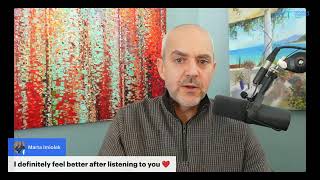
In this episode of the "Yourself Thin" podcast, the host (Jim Katsoulis) addresses common misconceptions about the speed of weight loss and emphasizes the importance of realistic expectations. He explains that weight loss is highly variable in the short term but becomes predictable over longer periods, urging listeners to adopt a long‑term perspective rather than focusing on weekly numbers. The discussion covers the psychological impact of scale anxiety, the pitfalls of strict calorie‑counting, and the benefits of a behavior‑focused, intuitive approach. He introduces the "Goal Weight Pyramid"—a framework that places mindset, sleep, emotions, and lifestyle at the foundation of sustainable weight loss. Throughout, he offers practical tips (daily weigh‑ins as emotional data, prioritizing sleep, addressing emotional eating) and promotes free resources such as a hypnosis session (“The New Thin Me”) and the broader Program Yourself Thin system. The host also critiques the diet industry, arguing that most diets are ineffective long‑term and that true change comes from mindset reprogramming rather than restrictive meal plans.
Chapters
Everyone, welcome to today's program, Yourself Thin podcast. Today we're talking about how quickly can you lose weight when you start eating healthy. This is such an important thing to think about, uh, before you even start, because If you're like most people, you probably have completely inaccurate expectations of how fast you're going to lose weight once you start eating better, exercising, doing things to lose weight. And I think that you really have to get a better sense of what to expect. You've got to manage your expectations because a literal lifetime of diet marketing has conditioned you to think in unrealistic terms that are setting you up for failure. So most people, I would suggest, think somewhere in the ballpark of 2 pounds a week. It seems that seems to be a ballpark, not even extreme, right? So I found a lot of people say I've been eating better and I haven't lost any weight this week. Like, geez, I'm not even looking to lose a lot of weight. 2 weeks, 2 pounds a week would be great. I'd be fine. I'd be happy with just 2 pounds a week, as if 2 pounds wasn't really much. As if 2 pounds was the minimum, practically. And what the maximum could be, again, could range from anything from 5 to 10 pounds, you know, depending on the person, depending on the strategy. But we need to dive deeper into this because, of course, if you go into the process thinking that you're going to lose, it doesn't matter what the number is. If you believe you're going to lose 5 pounds a week, 2 pounds a week, and then you don't, you're going to believe that your body's broken. That I did everything right and I didn't get the results I expected. So there must be something wrong with my body. And the truth is that there usually isn't anything wrong with your body. The problem is that your expectations are completely out of thin air. And I want you to really think about this for a second, because even if you were a professional— well, if you were a professional weight loss expert, And I mean, scientists, I'm not even talking about like what I do. I'm talking if you literally work in a metabolic lab and you study people all day long for years, how they lose weight, what you would say is you say, I don't know. I don't know how quickly someone's going to lose weight because when I put a group of people in a metabolic lab and give them the exact same amount of calories and they burn the exact same calories, they lose different amounts of weight. So you, as not a metabolic lab expert, where did you come up with your expectation of what you think you're going to lose per week? Where did that come from? A friend? Magazine article? When you were 20 years old? Where is it coming from? And I think we're going to realize very quickly is it kind of just came out of nowhere to some degree. It doesn't really have any foundation to it. And what this means when you take a step back and look at it is that you've been expecting that you're going to achieve a certain amount of weight loss if you do the right things. And if you don't achieve it, there's something wrong. And that is completely untrue because everyone's different. And on top of everyone being different, we're different in different stages and phases of our lives. And this leads me to a saying I always say to my clients, that weight loss is inconsistent and unpredictable in the short term and very consistent and predictable in the long term. And I think you really need to internalize this idea because it sets you up for success. Because the truth is that you can eat great this week and you have no idea what that's going to turn into weight loss-wise next week. You just— you do not know. You do not know. That's the truth. And once you acknowledge that, we can change the way we're approaching this and we can stop judging our success or failure by what the scale says next week. And we could start to have a longer view of things. Because yeah, if you eat well this week, you may or may not lose weight next week. But if you eat well this year, you're going to lose weight by the time next year rolls around. And that's the mindset you got to have. And I know you say, oh my God, a year? Well, why not a year? I mean, how do you want to just lose weight for a week and then put it back on? Well, of course not. You want to lose weight and keep it off. So, so who cares if it's a year? Of course we want to be thinking in a year, 5 years, 10 years. But as soon as we get ourselves off of this trap of looking at how we're doing based on the weight we lost this week, we're always going to struggle because it's just too short of a time frame and you're really setting yourself up for failure. And this would apply to most areas of your life. If you measured your success only in short-term time frames, most of the time you're going to end up being disappointed or frustrated or feel like it's not working. And isn't this the feeling that sabotages you most of the time? So the way to deal with this is not to just keep yourself— come on, I don't care if I'm disappointed, I'm going to keep going. Well, no, you're not. Eventually it's going to— it's going to win. So we have to think differently. We have to change the way we think about this. We got to think longer term. We have to recognize that, yes, weight loss is inconsistent, unpredictable. In the short term. No one can define it. That's why these calorie calculators are bullshit. They're not accurate. They might sometimes be accurate because, again, statistically, you know, we got a chance, but they don't know enough. No one knows enough. Metabolic lab people don't know enough to predict how much weight you're going to lose in one week. So start thinking longer term and realize that if you do the right stuff long term, you're going to get the results you want. But you can do the right stuff in the short term. The results might not show up in time. Time for you. So the only way around this is to start thinking longer term, which is fine because that's your goal anyways. Your goal is not just to lose a bunch of weight quickly so you can put it back on. So really, we're thinking long term anyways, because how long do you want to keep the weight off for? I hear you say forever. So if you want to keep it off forever, start thinking in forever right from the beginning and ease that pressure off of yourself. You don't know when the results are going to show up. Some weeks you'll lose a pound, some weeks you'll put a pound on, some weeks you'll lose 4 or 5 pounds. That's how it goes. And I think the more you understand that, the better success you're going to have because you're more able to kind of absorb and weather the ups and downs and the unpredictability of weight loss. But if you think you're going to consistently lose 1, 2, 3 pounds a week every single week, You're not. And as soon as you hit a week where you don't hit that expectation, you're going to find it's really hard to keep yourself going. So start thinking longer term and start to realize short term you can't know for sure. Long term you can. And if you want help with this sort of mindset to support you, click the link in my bio or go to programyourselfthin.com and go get the free hypnosis session I made for. It's called The New Thin Me., and it's literally designed to help you think this way long term so that you feel comfortable and motivated as you move through the process. And, uh, you can go get that. It's completely free. Uh, and if you have any questions, feel free to ask them. And, uh, that link, if you're over in Facebook, YouTube land, here's the link. Put this in here. We're back on Instagram. And it's funny, I was talking yesterday, we were glitchy, and I was like, I just left it alone and it fixed itself. Well, what do you know, Instagram fixed itself too. I didn't have to go through support or nothing. It just all of a sudden is working today. So sorry, we've been, we've been out of there, um, Instagram for, geez, it's been a week I think. But, uh, we're back now, so, so that's really good. Uh, what's up Marta? Marta said, I stopped tracking. Seeing macros is driving me insane. I would like to get my base weight but not too often. Um, yeah, you know, I will say this may sound counterintuitive or the opposite of what I was just saying. I'm a big believer when you're actively looking to lose weight, I'm a big believer in weighing yourself every day because I think that gives you a better sense of how your specific body operates right now. And I think that's valuable information. But I think short of weighing yourself every day, you're never going to have a clear idea of how your body responds to your behaviors in terms of weight. Okay. But yeah, tracking macros is annoying, and most people kind of burn out on it. It's very unnatural. We are not— our brains and bodies were not designed to micromanage our food consumption. So to try and micromanage and track every little single thing, for the vast majority of people, it's a huge cognitive load. It starts to become tedious, boring, frustrating. And so you're not alone, Marta. And I would say You absolutely do not need to track everything in order to lose weight. 100%. You do not. Does it— does it work? Can it work? Sure. But does it work long term? Rarely. Rarely. Because people almost always get burned out on it. Almost. It says there's days I can't eat under my calorie deficit. There's days I can't eat on my calorie deficit. Yeah, sure. I mean, we're humans, folks. You're not a robot. And I think dieting assumes you're a robot. You know, here's your new program. Here's your new plan. Just follow it. Oh, okay. I'll just follow it perfectly. I'll just completely act like a different person starting tomorrow. Huh? I mean, A, it's silly to say that, but B, y'all have got so much experience that that doesn't work, you know? So, yeah, there's always going to be days you can't get into your calorie deficit. So, yeah, it says weighing daily makes me depressed. Yeah, I get that. But, but again, To me, I don't just— I, I know the weight, the scale is very triggering for people, but what I'm trying to say is that a big reason why the scale is so triggering to you is because you have no idea how to deal with your mindset. So, you know, ultimately, in an ideal world, or, you know, where you get to if you practice this, is the scale ends up being like the speedometer of your car. It's just, it's a measure. It's one more measurement source. It's just one more tool to see where you're at. And again, the speedometer of your car— you don't freak out when you look at it. You know, you're going too fast, you slow down. You're going too slow, you speed up. But again, the scale to me is really not the main problem. It just reveals the main problem, which is that most people don't know how to control their weight because they don't know how to control their eating. And so the scale just reveals that. So it's not the scales— it's not really the scale that's the problem. It's the fact that it reveals that at the end of the day, you really don't even know you don't know how to reduce your average calorie consumption. Not, not genuinely. Most, most people anyways. And so, yeah, stepping on the scale is frustrating because it just reveals that and reminds you of that. So agreed. But yeah, there's always going to be days though that you're going to— some days you're going to eat more, some days you're going to eat less. So that's why I always say— and I hate the word calorie deficit. I talk about that all the time. I'll skip that for now. But to me, in Program Yourself, then we approach it as we're going to reduce our average calorie consumption.. And I think you've got to think in averages because you're a human being. You're not a robot. You need the exact same thing every day. You're going to eat a little more some days, a little less some days. That's the way it goes. But we're looking overall to reduce the average calorie consumption. That's how you reduce your weight down to where you want it to be. So, Nancy. All right. Nancy said, I just finished the program. I'm very pleased with my progress, and I'm thrilled to start day number 1 today again. All right, Nancy, nice job. Screenshot that. I always like the testimonials. I'm working on getting those testimonials too. I told you, I've literally got hundreds and hundreds of testimonials, and, um, I'm slowly working. I got them all in a folder now, so that's good. I got to put them up somewhere so everyone can see them. It's, uh, it's so cool. I got to tell you, reading testimonials is really one of the greatest things in life, and, uh, it's so exciting. So great job, great job, Nancy. Keep it up, and the second go-round just gets even more powerful. So that, that's wonderful, Nancy. Nice job. Um, Martha says, so daily weigh-ins you would recommend? Yeah, absolutely. But, but again, I don't just recommend daily weigh-ins on their own. I recommend daily weigh-ins within the context of using those daily weigh-ins as an opportunity to practice managing your emotions. Okay. So again, it's within the context of Program Yourself Thin and Program Yourself Thin really is built around this goal weight pyramid. Okay. And so you see at the bottom is mindset. And, you know, some of the subcategories, emotions and thinking. And those are two of the big subcategories that you're working on every time you step on the scale. Because you tell me, how, how could you be a person who's living at their goal weight easily, naturally, automatically, and be terrified of the scale? You know what I mean? Like, again, I think that to me, and I get this, I think scale anxiety is a normal, natural thing if you're a dieter. But if we take a step back and think about it, it's really just— it's a tool of your craft, right? Again, so— and that's within the context of— in Program Yourself, then we're talking about weight mastery. I want you to be able to master— be a master of your weight so that you can live at your goal weight forever. So how do you square being a master of your weight, a master of your craft, if you will, with being terrified of one of the tools? Right, it's like a carpenter being terrified of a saw. You know what I mean? Is that making sense? To me, it's like, you know, like I said, if weighing daily makes me depressed, I'd want to go to work on that. Because you're not— it's the scale's not making you depressed, your mindset's making you depressed. Does that make sense? And so I think that it's important that, uh, You know, if we use the scale as a way to work on our mindset, I find the scale to have extra value. You know, one, it's kind of reflecting back to you how your body responds to what you're doing and where you're at. It reinforces your motivation and commitment. And then I think most importantly, it helps you deal with the deeper emotions that typically sabotage you. You know, weighing daily makes me depressed. No, not weighing daily makes you depressed. Not being able to lose weight and manage your eating makes you depressed. It's not the scale. The scale just brings it to the surface. That's my belief anyways, but everyone's allowed to have their own beliefs in life. But I wouldn't— if I was really serious about weight loss, I would not want to be terrified of the scale. Now, that being said, the golden rule of program yourself then is that there's no right or wrong, there's only what works for you. So if you absolutely hate the scale, I've also worked with people that have succeeded without using a scale at all. Okay, so again, I'm not saying you have to do it. I'm saying me personally, that was my path when I was— I lost over 50 pounds and I used a scale every day. And even since then, times when I've wanted to lose weight, I start weighing myself every day. So, uh, what's up, Judith? Judith says it's good to do it short term to look at patterns and where you might put, um— yeah, so I'm assuming you're talking about tracking. Yeah, I agree, I agree. I think tracking is great as a calibration exercise. I think tracking your calories or macros or whatever I think is a really good idea for a little while. Okay. Because you have a sense of what you're eating, but to track it for a week or two I think is very clarifying. But I think long term, I think it's, you know, it just doesn't seem to stand the test of time for most people. You tell me. You've all— you've all tried tracking your calories at some point, most likely. What happened? I don't know you, but I bet you started out strong tracking everything and it faded away and you stopped doing it. Am I close? So yeah, I mean, that's what happens to most people. So again, most people think, well, if I'm going to lose weight, I got to track it, I got to get myself to track, I get myself— no, you don't. You don't need to get yourself to track. That's one way to lose weight, that's one way to try to go about it, but it's not the only way. And for most people, it's not a way that they want to continue. It's just, it's tiring. What's up, Julie? Julie from Mass trying to get off baked goods, candy, and chips. I would change that language because get off means that you're— it implies cold turkey. It implies that you're never going to eat baked goods, candy, and chips. I'm going to assume, Julie, that if your life— if you imagine a life where you never eat baked goods, candy, or chips, that your quality of life would go down even if you weighed what you want to. Please hear this, folks. Please hear what I'm saying. I think most of you, even if your weight went down, if you completely got rid of your favorite foods, your quality of life would go down too. Even though your weight— weight goes down and quality of life goes down. Oh my God, that, that's what happens. And that's how you internally, subconsciously perceive dieting at this point. That's why it's estimated 85 to 95% of dieters that lose weight, the successful ones, put the weight back on. And so if just losing the weight was the main factor in quality of life, then that wouldn't happen. But it's not. It's a component. It's a factor. Your weight's one piece of your quality of life, but so is what you eat. So I would rather say, Julie, if it was me, that I— and again, I'm nitpicking your words, Julie, but I'm a nitpicker of words because I'm a hypnotist and words have meaning. So instead of saying trying to get off baked goods, candy, and chips, which is a vague idea that implies failure And technically is not even what you want to do. I don't think you want to completely stop eating baked goods, candy, and chips. Well, you say, well, that's not what I meant. Okay, fine. Then say what you mean. And so I don't want to use the word try. That implies failure. I tell you, I tried to close the door. Is it open or closed? Okay. So I'm trying to get off baked goods and candy and chips. You've probably been saying that for decades. And at this point, it's just something you say that it almost means nothing to you. So I would much rather say I'm looking to get a better handle on my, on the baked goods, candy, and chip consumption. I'm looking to dial it back. Dial it down. That's how I would say it. And then I go to work on that, and I, I think it's a better way to say it. I think it doesn't freak me out. I think it sets me up much more accurate description of what I actually want. I don't want to get rid of baked goods, candy, and chips completely. I want to moderate them more so I can get my weight down to a level where I feel better, where my quality of life goes up. Hope that makes sense, because a lot of you are doing the same thing where, again, you're thinking this black and white, all or nothing mindset. And you think the solution, uh, you know, to your, your weight loss is completely getting rid of carbs, completely getting rid of baked goods, completely get rid of sugar. And it sounds good logically because maybe that'd give you the fastest results, but it sounds terrible subconsciously because you associate pleasure to those things. And so even though you imagine you'll lose weight, you imagine it's gonna be a miserable existence, and so you avoid it. Super Baby says compare and contrast calorie intake to exercise, assuming calorie intake plays a much bigger role. Yeah, agreed. Calorie intake is the number one thing affecting your weight. Your eating controls your weight, your exercise controls your shape. It's kind of a saying I like to use. Trainers will oftentimes say you can't out-train a bad diet. And what all this comes back to is the math, the math of calories. Okay. And the truth is that it's a lot. It takes 30 seconds to eat 500 calories and it takes an hour to burn 500 calories. So it's— it takes tons of energy to burn off the calories. It takes a lot less energy. It goes back to an ounce of prevention's worth a pound of cure. So again, if we avoid putting the calories in, we— it's a much more mathematically advantageous approach. So yes, now they're both— they're both helpful, although I regularly say this with most of my clients, I do not recommend exercise in the beginning at all. I think it's a huge mistake if you haven't exercised in a long time and you start your weight loss process by exercising a lot. I can almost guarantee you'll fail, almost guarantee it. It sets you up for failure in a lot of different ways. So again, I think exercising is great. I think there's a lot of benefits in terms of weight loss. Not, not too much. So you're going to get much better bang for your buck, much longer lasting benefit, I think, from focusing on your food consumption, your intake, than you are focusing on exercising. And I think it sets you up for, for being able to, um, uh, keep it off too, as well. Yeah, Subaru says, thank you, very well said. You're welcome. Um, what's up, Vicki? Vicki says, weighing daily helps me stay on track and let me know when I need to reduce my consumption to stay within my weight range. Yeah, it's just, it's just a tool, you know. And, and again, I know I think there's just a lot of benefits to it, but I think one of the biggest ones— so if Vicki— and Vicki's been in the program and she's also a Weight Watchers Hall of Famer, you know, lifetime member and all that. So she succeeded there. She's a success story, you know. And so I think she's a good type of person to listen to in terms of how— what her strategies are and how she approaches things. And I think she weighs herself every day. And there's obviously a strategic benefit to that in terms of like being aware of what's going on. But I think underneath that is there, there's a calm and a peacefulness with stepping on the scale. See, I always say this, I say weighing yourself once a week is one of the cruelest things you can do because you're leaving all this time and you're leaving these bigger potential jumps. And so you don't weigh yourself, you don't weigh yourself, you don't weigh yourself, you just get, oh my God, put 6 pounds on. See, when I talk about every day, what happens is you're shrinking the amount of weight you can put on or off. So you get rid of a lot of that anxiety and fear. Well, if you work on your mindset as well. Okay. But imagine someone like Vicki who can step on the scale every day. Think about that calm and peacefulness. I step on the scale every day. I wasn't worried about stepping on the scale every day. If I step on the scale and I run, you know, crazy outlier, I think the most I ever put on in 24 hours was about 5 pounds. I've seen some people put on even more than that, but the majority of time my weight's fluctuating a pound or two a day up or down. And so I get to start to understand my body that way. And the times when it's like, whoa, 5 pounds, you know, up— I've never gone but 5 pounds down in a day. I do go 5 pounds up, but then even, even when I did that, I remember that I went up 5 pounds, but then the next day I was down like 4 pounds. So I don't know, like when you step on the scale every day, I think you start to calm down about it and you start to understand your body. And your behaviors and the connection between them. And I think what happens is you start creating a more accurate map of how your body works. And I think that accuracy leads to a more calm, grounded foundation for you to build on. That's what I'm trying to say. Like, when you're terrified of the scale, I just think that all that emotion is not helping you. I think all that anxiety and fear and depression and, you know, worry, all that feeling that's inside of you, I don't think it's going to help you with your eating or your weight loss. So me personally, I'd want to work through that, and I think the scale is a great way to do it. And I've worked with hundreds of clients that have scale anxiety and come out the other side of it. And not only do they get a more accurate understanding of how their body works, but they simultaneously, they get to feel more grounded with their emotional reaction to it, and that supports their weight as well. So that's my thoughts on that. Um, this says, reducing my consumption is hard if I'm sleep deprived or sad. That's my issue. Yeah, exactly. But it says, I see, I would look at the other way around. See, you're looking at your primary focus is on your food consumption. See, I look at you, I look for most people, your food consumption is a symptom of a deeper issue. That's just how I approach everything. And I find that that reveals a lot of valuable information. So SS, for you, to me, my main goal would not be food consumption. My main goal would be sleep deprivation and feeling sad. That would be my primary goal. Let me back up a little bit, because in Program Yourself Thin, one of the first things you do is figure out your goal weight, right? What's the right goal weight for you? And so that starts with, well, how do you choose your goal weight? And then you realize, I don't know, you don't know how to choose your goal weight, folks. You've never learned how to choose your goal weight. You've been given your goal weight by doctors, by BMI charts, by magazines, by family, by friends, things like that. You don't even know how to choose your right goal weight, right? The closest you'll get is you'll look at a chart and figure out, what's my height? Okay, that's why I should be— well, what's that mean? So my definition of goal weight is the weight that gives you the best quality of life. I think that's a much better way to approach it. Because if you look at it that way, I think it starts to highlight what's really going on. Because you've all— I'm going to assume you've all lost weight at some point. So if losing weight equals you being thrilled and happy and excited and motivated, then why'd you put the weight back on, right? Because like SS says, reducing my consumption is hard if I'm sleep deprived or sad. Well, then, then by most dieters' idea, well, if I lose the weight, I won't be sad anymore, then I won't overeat and I'll just stay at the same weight. Well, that's not what we see. That's not what people experience. So weight loss and emotions are two different things. Obviously, losing weight and being at your goal weight can support feeling better, but it doesn't dictate it. It doesn't, you know, absolutely make that reality. So I think we have to look at this process with a wider view. And so me, as if I was— what you're saying, this is what I do anyways. I really specifically, just to show you that I'm not just making this outta, up outta nowhere. So I, I pull out the, the goal weight pyramid. Okay. And I'm gonna address what SS just said with what I've already had printed. And I've been teaching this for over 20 years. Um, but what SS is talking about in the program yourself then, um, paradigm is we'll start with, um, we'll start with sleep deprived, right? So we talk about lifestyle and I don't know if you can see what the number one thing is there. If you can't read that, it says sleep. Okay. So when we talk about the goal weight pyramid, we're talking about all these things under eating that really support your eating. Right. And so lifestyle, the number one thing is sleep. So in Program Yourself Thin, you know, we practice and focus on how to become a much better sleeper because that's going to affect everyone's eating and weight. Um, the other thing though, right, is, um, SS said, well, I get sad. What does that say in mindset? It says emotions. How do you deal with your emotions? Well, I'm going to guess most of you have no idea, and that's because in this culture we've been conditioned to use food as our main emotional management strategy. So a lot of people have no real genuine strategies to deal with their emotions, you know, other than eating. And, uh, you know, once you know how to deal with your emotions, It is a big step forward to being able to influence your eating. So yeah, I, I get it, SS, that's very common. Um, but again, I think you're, you're putting the consumption in front of the sleep and the sadness. And so it, and what that would lead you to, right? So even if it didn't affect your, your consumption, that path you're following is going to make you a sleep deprived, sad, thin person. You think that's it? Maybe it'd be a little better for sure. But it's not really what you want. So again, I would, I would actually flip around how I'm approaching what you're doing, and I would focus more on the sleep and the, um, feeling happier and dealing with the sadness more effectively, and then see how that actually affects your food consumption as well. Uh, Marta says, how do you eat right to promote weight loss if we don't track? Um, that's a great question, right? And again, this just really reveals that, that the diet mindset Um, it's conditioned us all to approach weight loss, geez, just one way, you know. And the main way I'm talking about is that you have to consciously take control of everything you're doing. And that's what the tracking is meant to be, right? Because you can't trust yourself. You can't trust yourself, Marta. If you trust yourself, you're going to be overweight. And so you've got to micromanage every little thing you do and fight against your natural impulses in order to get your weight down. And tracking is one way to do that. So what's the alternative? Well, in Program Yourself Then, I go back to the goal weight pyramid. Now we go to the eating section. Come on. There it is. And what you'll see is eating. You'll see if you can't read that, it says awareness, structure, optimization. And so what we do is we structure. So we're still tracking. Like, I still— I'm tracking what I'm eating, but I'm not tracking every calorie. I'm tracking behaviors. So when I first started this again, I was 50 pounds heavier. And I used to eat, no shit, every day. I would eat breakfast, snack, lunch, snack, dinner, snack every day. And so what I do is I started focusing on the patterns of my behavior. And the first thing I started focusing on was my nighttime snacking. That was where the most calories were coming in. Now, I didn't need to track anything to know this. I knew it. I knew every night after dinner, I'd wait about an hour and then I would basically eat for 4 or 5 hours, snacking, grazing, eating stuff.. And I knew just ballpark, I was eating, you know, 700 to 1,500 calories a day there. So just intuitively I'm like, okay, that, that's the, the, so in Program Yourself Thin, we always look at the, the biggest, the highest calorie habit we have. Habit, right? So I looked at my nighttime snacking and I went to work on that and I spent months and months and months and months and months working on getting my nighttime snacking down. And eventually I, I eliminated it. And, um, you're not going to believe what happened. I started losing weight. So did I need to track every calorie to start improving my nighttime snacking habit and reducing it and ultimately eliminating it? No, I did not. And what I do after that, I started working on reducing my dinner portions. What I do after that, I started optimizing my breakfast, making it healthier, lower calorie. What I do after that, I start optimizing my afternoon snacking. What I do after that, I start optimizing my lunch. What I do after that, I start optimizing my breakfast snack, I call that, right? So I was still tracking things in a sense, right? But I was doing it in a much more comfortable, natural, intuitive way. And I use the word intuitive lightly. I don't mean intuitive eating, although there are some value to intuitive eating, but intuitive eating really isn't a strategy to lose weight, you know. Program Yourself Thin is 100% about losing weight, getting your weight where you want it to be. So, you know, that's how you do it. You're still tracking technically, but you're tracking in a much more intuitive, comfortable way than trying to track every single calorie. And on top of that, just to add some, you know, insult to injury here, I suppose, with the tracking calories is that most calorie nutrition labels are up to 20% off on the calories. That they're, that they're saying is in there. And, and that's just regular food. Frozen foods are up to 30%. So even if you're tracking, it's really not— it's not perfect. It's not exactly accurate. And never mind the labels being inaccurate by 20 to 30%. You ain't accurate. You're not accurate, folks. I don't care because your moods, you know, our brain literally is built to delete, distort, and generalize. And our brain can just delete things. I, I know you don't believe me, and I wouldn't expect you to. This is something I've learned from coaching over 6,000 people. Um, so, you know, tracking every calorie, I've not seen be a good strategy for most people. I think it's really good for bodybuilders and fitness experts. You know, they're different than— they're different people. People have different abilities, skills, and personalities. And I think one of the biggest mistakes we can make is when we try and learn how to manage our weight by someone who is like a fitness trainer. They ain't you. They ain't me. I'm not like that. I don't give a shit. I did it. I did an interview series. I don't know. Oh my God, it's probably 10 years now, but it was called The Elite Body. And I interviewed probably 50 of the top fitness trainers, nutritionists on the planet. The people that work with Hollywood stars. I think it was the top of the tops. And what I came out on the other side with is like, I'm not like these people. I am not like these people. These people live to look amazing, and, uh, I'm just not like them, you know. And so I, I think for the vast majority of people, tracking every little thing is just not something that's the right fit for most people. And I think, again, the biggest mistake we can make is to try and follow someone's strategy that we're not like. And I think that's a lot of weight loss in a nutshell though. At the same time, um, Lois says that wording works so much better and helps take away the failure aspect. It's okay to be human. Yeah, of course, I forget the wording exactly, but that's a definite sentiment that I agree with anyways. Um, Jane says, although I got here at 9:15 AM my time and you apparently started on here at 9:21, you are not coming up here on Facebook for me. I have to go searching for you. I wish I could get an alert. Um, you know what, let me write this little note down. I gotta, I gotta find this. Yeah, it's annoying to me because I know that's happening. And, um, these— I will tell you one thing that I've learned. Oh my God, like a pulled muscle. I've been sitting on my sofa. I was— my kids don't have school today. We have so much snow. I, I— it's more Snow Friday. I'm just so done with it, you know. It's my, my son's home from school, so I was playing video games. I'm sitting on the sofa kind of crooked, but it's pulling muscle in the back. But, uh, yeah, these, these platforms, these social media platforms, they change how they work so often. Um, can I send notification when I go live? Um, I'm gonna— I'm gonna fix this. You, you've all asked a lot, and I'm gonna find this because I do, I do know of a solution ultimately that I could do. That's a little bit of a workaround. I'm gonna look into that today, so I go see if I can figure that out because I know that was kind of annoying. Uh, Lois says my goal weight is going to be a range that will still show me as overweight. Uh, I am 4'8" and a half and 72 years old. Um, yeah, oh, that's fine. You know, as far as that BMI chart goes, I think it's important to recognize that chart, first of all, A, is really built around white European men in their middle ages. Um, so it's not really a representative chart for everyone. Uh, the next thing is that they've done enough studies at this point. Now we had to be in my chart around enough to know that normal range, overweight range, um, they both have similar health. Uh, and sometimes overweight people have better health. So the way I look at it is that normal and overweight, your health is pretty equivalent. Um, you start getting obese, there starts to be health, you know, factors. But, uh, so if you're in the overweight range, you know, as you— if you start veering towards obese, you know, then you might want to take the health things a little more seriously. But if you're in the middle of that overweight range down towards normal, in most situations— now again, you have to know yourself, right? I mean, obviously you can be in any range and be unhealthy, okay? You understand that. But in terms of health-wise, uh, that, that BMI chart is not really about health necessarily until you start getting into the obese category or obviously the underweight extreme ones. So, uh, Lois, it's just up to you at this point. You know, once you're in the normal overweight range, your health is pretty much gonna be okay relatively, you know, in terms of your weight effect on it. But then it just becomes a personal preference of what you want to weigh. So I tell people this all the time, you can be in the overweight range and be totally healthy, happy, and done. That can be your goal weight, you know, if health matters to you, and then you're happy with how you look. So I think that's important to recognize. Michelle says, can you talk about gaining weight during a big life event? I gained 15 pounds since my separation. Yeah, definitely. And that kind of goes with what I was just talking about when, um, SS had said, I'm reducing my consumption is hard if I'm sleep deprived or sad. That's my issue. And so I, I— again, in Program Yourself Thin One of the big things we do here in the mindset section is maintenance, right? We start on day one with maintenance, but maintenance is right at the central core of the program. And what I mean by maintenance isn't just even maintaining your weight, but it's maintaining being on, on your plan, you know, and, and being on your plan also includes getting back on your plan when you get off it a little bit. Okay. But Michelle, what I would say is that you this is one of the big things we talk about in the program, dealing with times of stress. And when you have times of stress, you lose a loved one, you get separated, you lose a job, you know, any big life stresses happen. What I would hope you could do is almost make the weight secondary, because at that moment, the weight really is not the main thing. You know, it's just not. And I think accepting that is the first step towards actually, ironically, being able to deal with the weight more effectively. But I think, you know, when you go through some huge life event, that if you can put the weight to the side for a second and focus on your well-being— you go through a separation and you're just— it's terrifying, you know what I mean? Everything, it's disorienting. It just— you're knocked upside down in your head. And so in that situation, I'd much rather that person focus on self-care. And if self-care— during that self-care period, you put some weight on, Who gives a shit? If you focus on the self-care piece, though, as the central bullseye of what you're focusing on, I think what's going to happen is you're going to get through that phase quicker. Then you can go back to focusing on the weight and getting it to where you want to go. But I think, you know, I talk regularly. I've been— my story over 30 years ago, I lost 50 pounds and I've kept it off. But 14 years ago, I put 25 pounds on. What happened, Jim? Okay. Well, I moved into a brand new house that we completely redid, completely redid. I was running a business. I had my second kid who was a terrible sleeper, and so I was stressed to the max, and my eating reflected that. Again, we're human beings, and I think we need to have some grace with ourselves that you can't just always eat perfect. I think that's— I hate that mindset so much, and such a diet mindset, because all of a sudden we enter this period of life and it's just so challenging. And on top of the challenge that we're dealing with, then we start beating ourselves up because our, our reading is not perfect. And so that makes it harder to get through the core challenge, you know, because it overwhelms us and tires us out even more. So to me, I think so much of programming yourself then is realizing that you're a human being and you don't need to be perfect, and you're never going to be perfect. You're going to make mistakes, you're going to get off track, you're going to be dealt really difficult hands to deal with sometimes. And I think sometimes you're going to put some weight on, sometimes eating is going to be great, sometimes it's not. And, um, that's why I like to start with— and in those times I like to focus on self-care. And if I put a couple pounds on, so be it, you know. So again, Michelle, I, I hope Um, I don't know when your separation was, but I hope that you've been able to— so I don't know, I mean, if it happened last week, probably 15 pounds. Probably not, I don't know, 15 pounds. Let's see, 3 months, 3 months. But whatever, if it's been 3 months, you know, glory, can you give yourself a fucking pass? Jesus, you know what I mean? Like, I swear, I, I've done so much coaching, and again, I always work— if you don't know this, if you've been listening to me for a little while, let me tell you something about yourself. You're an overthinker. You're an overthinker and you're a perfectionist. And I have worked with so many overthinkers and perfectionists in my career. I'm one of them. And oh my goodness. I mean, I've worked with people. I'm going to, I'm going to say she'll know who she is if she hears this, but she had lost her mom. Her mom had passed away. And a week later, she was like, I can't believe I'm still upset about it. I shouldn't be upset about this. You know, and so sometimes we just, we just don't give ourselves the space that we need in life. Sometimes it gives a fuck. Sometimes you put a couple pounds on, you'll get it all, you'll take it off, Michelle. I promise you, you're gonna, you're gonna come back better and stronger if you take care of yourself right now. Okay. It's not the end of the world. We put some weight on, it's completely normal in my view. And, and again, to me, I hope this message stands in stark contrast to just fucking do it. I love just do it sometimes, but sometimes just do it's not the right answer. Sometimes We're broken and battered and fucked up, and we just can't do the things we want to do, too. And I hate the idea that no matter what situation you deal with in life, you just be perfect. I hate that message with a passion. Now, again, I'm walking a middle ground, not saying you get in a tough situation, just let everything go. I don't think that's a great idea either. But I think that sometimes if you're a human being living a human life and you have the benefit of living a long time, How can you not have ups and downs in that life? And I think the idea that no matter what happens in life, we should just be perfect, I think is the most miserable mindset. And I think it makes us miserable thinking that way. So those are my thoughts on that, you know, but, but you'll be back, Michelle. You'll regather yourself, you reorient yourself in your new reality. And, um, if you focus on that now, get sleep, get relaxation, drink water, uh, go for walks, you know, eat an apple here and there, you know what I mean? And then You know, once you start feeling better, which you will, I promise you will, um, then you can go back and, and go towards the weight. So I, I hope that that helps you. Such a common thing. I, I find my clients, you know, like they're so hard on themselves that sometimes they're their worst enemy, you know, because the harder you— Michelle says yes, about 3 months. I told you, I've been doing this, I, I know what I'm talking about. Um, but yeah, again, Michelle, it's okay. 3 months is, uh, to me, 3 months isn't that long, you know what I mean? Like, to, to when some big-ass thing happens in your life, I think 3 months isn't that long to get your bearings. I know it feels like an eternity when you're in it too, I get that. But when you zoom out, you know, and not only is it 3 months, but it's 3 months— I don't know where you live, but 3 months of January, February, you know, oh shit, no, December, January, February. So you went through the holidays. That's a very, very huge challenge. So I know you're always beating yourself up and mad at yourself, but please give yourself a little bit of grace because that's about the maximum challenge in terms of timing to separate in the beginning of December and then be separated and going through all that in January and February is maximum difficulty timing-wise, I would say too. So you'll, you'll make it back. I bet you're already starting to feel better. Um, Mustafa says, I'm supposed to be fasting for Ramadan, but for the first time now at 29, I haven't been fasting. I'm not even hungry, I just want to feel in control. Um, yeah, I get that. I mean, you know, again, there's another one, right? It's like, it's just sometimes in life it's hard. I mean, even let's say you do Ramadan and you do Ramadan every year of your life, well, some years are gonna be easier and some years are gonna be hard. Harder. There's just, you know, I don't know. And I'm not trying to— I'm not condoning something to say, I don't— don't worry about it. I'm not the excuse man. Don't worry about it. Oh no, you'll be fine. Like, I'm not trying to do that either, but I'm trying to find a balance because I think people are so unbalanced that when they make mistakes, they screw up, or whatever's going on, they get so harsh on themselves, it makes it worse, you know. So what I would say, Mustafa, is focus on what do you want to do. Do you want to fast or do you not want to fast? That'd be the first question I would ask. Get some clarity. Because maybe I don't want to fast this year for whatever reasons, you know, or maybe you do. But, but get— ask that question first. I think a lot of times people start piling on themselves when they're really not clear about what their motivations are. So that would be kind of the suggestion, you know, kind of go back and say, do I really want to fast? Do I not? Because I believe at the end of the day, we always do what we want to do. I've never seen that not be true. So I think clarity of our motivations is very, very valuable. And very enlightening too. Uh, Vicky says, for me, the anxiety toward the scale develops when I've been in denial and not stepped on the scale. Yeah, yeah, me too, Vicky. I agree. And I think a lot of people feel that. And I think, you know, I always call it Schrödinger's scale. I don't know if you all know about like Schrödinger's cat. It's kind of a philosophical experiment. But to summarize, the real simple explanation of it is you got a box with a cat in it. Um, is the cat alive or dead? Well, before you open the box, it's both, right? It's gonna pretend it could be live or dead. You don't know. And so in your mind it's both. And I call it Schrödinger's scale because a lot of times people are like, oh, my eating hasn't been good. I'm scared to step on the scale. I think I put 20 pounds on. And that's what I see more than anything is people thinking they put way more weight on than they did. And then that belief and that anxiety and that feelings that come from that cause them to eat more. And so I cannot tell you the number of times someone's like, oh my God, put like 10 pounds on. I'm like, please, can you just step on the scale before our next call? Let me know what's going on. And they get on and say, well, what happened? They saw it was 5 pounds. So, okay, see, it's not as bad as you thought. Um, so I said I find that happening more often than it being what they thought, or more, you know, that can happen too sometimes. But so to me, I'd rather deal with the known than living in the fear of the unknown. So I agree with that. Um, Marta says, I see I've been too fixed on calories, not behavior. Yes, exactly, Marta, exactly. And when you get fixed on calories, again, I think a huge component of changing your weight and your behaviors in general is having a sense of the cognitive load of whatever you're doing. And I think tracking calories, the cognitive load is maximum. It is so much energy to track calories, and tracking calories just depletes us. And ironically, tracking calories is one of the best ways to start overeating calories because you get tired. And by the way, thinking uses up literal glucose in your body. People don't think of this because they think of thinking as a non-physical activity intuitively, but it's— thinking is equivalent to physical activity. You know, I was saying this, this stat, I said a couple of weeks ago, but they, they came out with a study. They tracked a grand chess master during a tournament and he burned as many calories as an athlete, you know. So we don't think about that side of it. But when you start tracking calories and micromanaging everything you do, what you're doing is you're burning through glucose, you're burning your energy down. And when you burn your energy down, guess what your body does? It sends you a signal to eat. And so it's a— it's— but again, let me just take one more step back. I know I say this every day. I have to say one more time. Dieting is not your friend. Dieting is a psychological operation on you. Dieting is a branch of the food processing industry. Weight Watchers was owned by Heinz. Jenny Craig was owned by Nestlé. Atkins Food Products, owned by the same company, owns Annie Anne's Pretzels and Cinnabon. SlimFast, owned by the same company that owns Ben Jerry's ice cream. Do you think these companies really want to give you the keys to eating healthy and happy for the rest of your life so you eat less of their foods? Does that make any sense? So dieting is not a real strategy to live at your goal weight. It's a bunch of bullshit to take your money for a little bit and then mostly to program you to be stuck forever so you keep eating their foods. And, uh, tracking calories is right at the top of that list. It's just ineffective. All diets are ineffective. It's a fascinating thing to think about and consider that, um, there's been, you know, let's just say 100 years of diets and there's not a single diet. There's not one diet out of that 100 years. There's not one diet that's been proven to be effective long-term. Not a single one. The closest you'll get is Weight Watchers because of the social piece of it, but not one single diet. So, you know, if you're sitting here waiting for the next diet to come around the pike that's going to help you, you're going to be waiting a long time, probably. What's up, Sally? Sally says, I hit my goal weight, but I added a few extra pounds because I'm 64 years old and thought I couldn't realistically hit it. I lost about 12 pounds without depriving myself or feeling hungry. I'm dropping my goal weight because I know I can. Thank you for the mindset. It's working for me. Sally, super proud of you. And I love that you said that because you know what I did? I was just talking about 14 years ago, I put 25 pounds on. But one part I didn't mention is that I raised my goal weight by 10 pounds because I was kind of all out. I was just— it was a stressful time of life. So for me to live at that lower weight that I'd been at was a lot of extra work. And so again, my goal is not to be a certain weight, it's to have the highest quality of life I can have. So during that period of my life where I was really overextended, I raised my goal weight because it improved my quality of life at that period. Now, since then, things have calmed down. I brought my goal weight back down to where, um, actually went even a little bit lower, which I didn't intend. But, um, yeah, so, so I, I think that's another piece. And I know a lot of people can't even imagine why you would ever raise your goal weight, but, you know, that's just a symptom of a kind of a broken mindset. SS says, thanks for your help. You are welcome, SS. That's what I'm here for, everyone, by the way. So if you've never been here, by the way, please click the link in my bio. It's in the comments on Facebook. It is up in the top left. You go to my bio on TikTok and go get the free hypnosis session I give you. It's called The New Thin Me, and it's designed to help you kind of kickstart your weight loss. But I'm here every Monday through Friday, noon Eastern. And this is a mission for me, okay? I've been doing this for over 3 years, and I do this every day to help you all get control of your weight. This again is a mission for me in my life, so I'm so happy to help you. That's what I'm here for. Okay, uh, Marta says thank you for this. You're welcome. Um, Marta says I have been dieting and obsessing about weight all my life. That's a miserable way to live. Yes, I definitely feel better after listening to you. Yeah, there you go, Marta. I'm gonna screenshot that. Makes me really happy. That's really a nice thing to say, and I'm really happy to help you that way. That's why I do it. I mean, this— I, I love this work. I mean, why is it my mission? You know, people ask me that all the time. Because for me, my journey, I would say it started before this with some things, but it really started when I was 9 years old. My father died of a heart attack and his weight and lifestyle were absolutely a part of that, a contributor, a big contributor. And so I remember even at 9 years old thinking, I'm never going to let that happen to me. 10 years later, I was 50 pounds overweight. And just by the grace of good luck, all a lot of stuff fell in my lap during a 2-month period of my life. And I just learned a different way to approach this. I'll drop the weight. And I was so— I just couldn't believe it. It was so transformative for me that I literally, I stepped away. I got a degree in finance and investments, but this stuff was just so important to me because to me, weight is life and death, you know what I mean? Like, I don't— I— it's so much deeper. Like, I know, like, dieting, it's so much about how you look. And I want you to look good too, please understand. But I really— more important than how you look is I want you to live as long as you can, and I want you to have the best quality of life while you're here. And a lot of times, I'll be honest, sometimes like how long you're going to be here, it matters to me. But sometimes I think it's how you're living that's even more important, because it's not unusual even at this point to live an entire life feeling like shit about yourself. Because you can't get your weight to where you want it to be. And so it's like, you know, it's not unusual at this point for weight and dieting to literally reduce the quality of, of a life. And, and then that's, that's what drives me more than literally anything. That's why I'm here every day, you know. And I'm happy to help you all. I, I am just saying, I'm crazy. Oh, let me help you. I don't know what I'm doing. I'm one of the highest paid hypnotists on the planet. It's $25,000 to work with me privately. So like, like, I know what I'm talking about, you know. I, I've written books. I've written books about this stuff, right? These are two of them. I got more coming. This is the blueprint in the, in the program. This is a 144-page, you know, roadmap to, to success. But I'm here to help you for free because this is my mission. I want to help as many people as possible with their goal weight, you know. That's why I make the videos. That's why I get every day. That's why I do the podcast, you know. Because I really genuinely want to help you all. I think you all deserve it because I know anyone that listens to me is a hard worker. I do know that. And I think unfortunately, a lot of you people are blaming yourself for not losing weight when I know the reality is that you have never learned the most important piece of weight loss, which is how to change your mindset. You have no idea how to think like a thin, healthy person. And once you do, the whole process changes. That's why, again, I always reference this goal weight pyramid. So you can realize you've never done any of this stuff. No, you haven't. Not a— not in a strategic, systematic way. Your entire weight loss approach, I always say, has basically been about that much of the pyramid. That's a meal plan right there. And, and basically your whole weight loss history is basically meal plans, you know. What do I define a meal plan? Is someone telling you what to eat or what not to eat. That's it. Someone telling you what to do. But no one's showing you how to change your mindset in a strategic way. No one's showing you how to genuinely shift your lifestyle in a way that really works. And no one's showing you how to approach your reading so you can create a way of eating that really resonates with you, is built around you so that you can keep it up. But once you have that information, um, it's a different process. It's completely different. It reminds me, it's the story I remember one time. Growing up, I was a huge— I don't know what you would call it. I was a big fan of the Rubik's Cube, and I would mess with this Rubik's Cube constantly. I would, and I thought I was good at puzzles, you know, so I was like, I'm gonna get it. I'd watch That's Incredible guy do it in 2 seconds. Oh my God, uh, nope. Uh, most I got was 2 sides. That was it. I even got to the point where what I did learn, the one hack I did learn, is you could take a butter knife and put it in there. You could pop the square out And then you could put them in manually. And I said, you know, put it together. And my family come out, look, I did it. The thing's all jankly though. That's the only downside. It's not, it's not something that feels different. I did it. And I didn't do it. And so whatever. So I finally said, forget this thing. And so I remember literally decades went by and I'm watching like YouTube or something. And I see Justin Bieber. Yes. The, the, the singer, Justin Bieber. And he's like, bippity boopity bop. And he did it. And I said, what the shit? I said to my wife, oh my God, how does this guy, he did, Justin Bieber just did the Rubik's Cube. And she goes, yeah, he's probably just following the algorithm. I said, the what? The what? She goes, yeah, it's just an algorithm. I said, I fucking never knew that. So you're like a dumbass. I'm trying to figure out myself, never even got close to more than two sides. Well, there's an algorithm. You follow the algorithm, you just figure— oh, you know. And that's what I feel like weight loss is, you know. I feel like the dieting is you just trying to do it yourself, you know, just trying to wing it. And I feel like this is the algorithm, you know, this is the algorithm to living as a thin, healthy person that you've never been taught. And this is why you're just, you know, flailing, you know, because you don't have the algorithm to really live at your goal weight. You've never been shown it. And so you just try to rely on your willpower and forcing yourself to do what you think you're supposed to. And it doesn't work. It hasn't worked. It's never going to work because you don't have the right knowledge within you. But once you learn it, you do, you know. Um, thank you, Vanessa. Vanessa says, Jim, you are incredible. I've been listening to you for some time and your advice is on point. That's awesome, Vanessa. Screenshot that. I appreciate that. Keep listening. Got a lot of cool stuff coming too. I got, you know, I always say I give a lot of free stuff away, so that's another reason to join, um, get that free hypnosis session, because once you're on my email list I send free things out all the time. I've sent out the goal weight quiz. Oh my God, I sent out a whole program called PYT Spark. I gave you access to Gym AI. I give you a training, 3 Steps to Master Your Weight. Again, I, I give you a lot of stuff, so get on my email list because that's the best way to access it. Um, all right, I think that's it. We're good. I gotta get out of here anyway. Play some basketball with my kid. So, all right everyone, have a super duper day. Um, yeah, you like that, Sherry? Yeah, the Rubik's Cube, what a great metaphor for weight loss. Yeah, I, uh, I'd agree, agree with that. Um, so thank you so much everyone for listening. Again, if you're not in my world, go get that free hypnosis session I give you. Take you 5 seconds to sign up for it and then you'll get it. You can go test it out. Uh, and if you like this, I'm here every Monday through Friday, usually around noon Eastern, um, to answer any questions you may have. I'm happy to help you, coach you, move you forward. And if you can't make the live, it's also a podcast. So you can search any program or any podcast platform, search Program Yourself, then it'll pop up and you can listen whenever you like. And yeah, and this book's available. So if you, if you like this and you want to kind of dip your toes into the water, this book is available on Amazon. It is quite a book written by me. I've got 82 5-star— no, not 81 5-star reviews. Um, it's a basically— it's unique book because it's 40 chapters. Each chapter is a page or two. Each chapter is a hypnotic story designed to reprogram you from the inside out, uh, to help you think like a thin, healthy person. And it also takes you through the entire Program Yourself Thin system, um, as well. Again, you have to have no knowledge of that. It just does it automatically. But for those of you that are in the program, um, it's kind of extra benefit. So go check that out. Have a super day, everyone, and we'll talk soon. Bye.
More from Jim



Weight Loss Visualization: Wake Up in Your Dream Size #programyourselfthin #weightlosshypnosis



What If You Pretended to Be Thin for One Hour? #programyourselfthin #weightlosshypnosis




