How To Stick To Your Weight Loss Plan
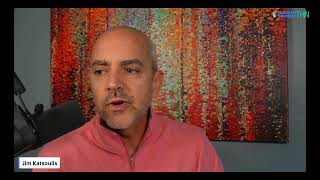
A YouTube podcast episode by Jim Katsoulis explaining how to stick to a weight-loss plan by changing the plan (making it flexible and comfortable) and by reprogramming mindset and habits for long-term maintenance. Major themes: flexible (not all-or-nothing) plans, reducing ‘food noise’ in the environment, mindset/hypnosis-based approaches, focusing on sustainable fundamentals and maintenance rather than short-term dieting, and personal anecdotes and program promotion.
Chapters
Everyone, welcome to today's program yourself Thin Podcast. Today we're talking about how to stick to your weight loss program, one of the most common challenges people face. So let's kind of dive into it. And before we do, the first thing we understand is that sticking to your weight loss plan has two sides to it. And I don't think people really consider this because they just usually look at one side, meaning that usually when people say, how do I stick to my weight loss plan? What they're really saying is, how can I get myself to continue to do something that is extremely difficult and overwhelming? To me, that's what they really mean. And once we frame it that way, you start to reveal what the answer is going to be. And that the answer is not always that you just need to have more willpower or focus or motivation. That tends to be what we focus on when we ask that question, how do I stick to my plan? Tell me some magical thing I can do, Jim, that I'm just going to stick to this really difficult, overwhelming, hard to do plan. Right? And so that's what they're really asking. And so if that's what you're really asking yourself, right, if you're saying, how do I stick to my weight loss plan? But really in your mind, you're thinking, how do I do keep doing this miserable thing I hate doing, there's already going to be a problem, right? There's no amount of willpower or force or focus that's going to allow you to stick to something that is extremely overwhelming, miserable, depriving, and that you don't enjoy even if you're losing weight. Right. Please understand that. So even if you're losing weight, it's still not going to stick if the plan is too much for you. And so this is the piece of the equation I see people always overlooking. And to me, once you start paying attention to it, everything begins to change because this is where you have the most leverage. That instead of just thinking, how can I stick to my plan? As in, how can I personally do it better, start to think about how you can have a better plan. What's a better plan? A better plan is not just one that makes you lose way quicker. A better plan is one that's relatively comfortable. And so when you start to look at that, your weight loss plan, in a bigger picture here, to realize that, yes, of course, you can get more motivated and more focused to stick with your weight loss plan. Obviously, the part where you're gonna have the most success if you start tweaking and changing it is the plan you're looking to follow. Because most people just go right by that part and choose the most extreme, difficult plan to do. And then the whole goal is, how long can I stick with it? But we take a step back and say, wait a second, how can I tweak the plan so it works better for me, so it's more comfortable, so it's easier, so it's not so overwhelming. This is the secret to sticking to your plan. May sound strange. Dieting has trained you to think you only have one option. 100 miles an hour, right towards the goal. You do not. You can go five miles an hour towards the goal. You can go 40 miles an hour towards the goal. You have options. And the more options you give yourself.
Certainly more than the one option of just going 100 miles an hour, the more options you give yourself, the more flexibility you have, and the more you're able to kind of meet yourself with where you're at. And so if you start to look at the plan itself and say, okay, then again, now this is backed up with a different mindset. So I'm programming yourself, then we have an all or not all or something mindset, as opposed to an all or nothing mindset. So with program yourself, then, yeah, we can go 100 miles an hour, too. But the big difference is that when we can't go 100 miles an hour with our plan, when we're overwhelmed, tired, exhausted, sick, bored, whatever, we have an ability to be able to go with the plan slower. And that makes all the difference in the world, because that's the difference between doing the plan for a week and doing it forever, is that you need to have some flexibility with it because you as a human being have good days and bad days, right? There's going to be days when you're locked in and everything's flowing. You're going great with it. There's going to be days when you're struggling. That's completely normal. And so we need to have our weight loss plan be able to adjust and adapt to that changing landscape. Because if you don't, you're creating this idea in your mind that no matter where I'm at, I'm sick, I'm tired, I'm bored, I'm overwhelmed. Life's going crazy. No matter what's happening, I'm going to follow this plan 100 perfect. And I just think if you look at your experience, you're going to realize you've never been able to do that. And I'm going to Suggest you never will be able to do that. Which doesn't mean you can't get great results. It just means that you have to have a different idea in your mind of how you're approaching this. One that goes from thinking you need to be perfect every single day with everything that you do, to one where you have flexibility and the option to engage fully or to be able to kind of lean back a little bit and just coast a little. Because we need to have both of those types of options available. Because as a human being, you can't just show up 100% every single day. And I believe this is one of the biggest reasons why people struggle to stick to their plan, because it only allows for one gear, fifth gear, right? Going. Going as fast as possible. And if you can't do that, then you don't do anything, you know? And so the sticking to the plan is really, we're giving ourselves one option to stick to it absolutely perfectly, doing it, you know, 100 miles an hour in that direction. And when you look at your life, you're going to realize you can't do that because things are always changing. So as you start to adjust your plan, give yourself some options, give it some flexibility, understand what it's like to follow the plan perfectly and understand what it's like to follow the plan when you're just holding on and when you start to fill in the gaps there, when you start to give yourself more of the spectrum of how this system and plan can show up for you. Instead of just being perfect, all the other situations you find yourself in life and how you can follow the plan in those situations, now you start to train yourself, you start to point the way to a much more real and I think, effective system for managing your weight. So hope this helps you out. And if you want to go deeper in this whole mindset, in this way of looking at it, click the link in my bio or go to program yourself. Then go get the free hypnosis session I give you. It is a Kickstart session designed to help you kickstart your weight loss, get fired up, get motivated and take those first steps. So go check that out. It's completely free. I will put it here for all you people over in Facebook land. Let me.
And YouTube, let's put that there. So if you want to, you can just click the link and if you're in TikTok, you can click the picture of my face and then you'll see that link. No, there it is. So, yeah. But if anyone's got Any questions, feel free to ask them. Any weight loss questions are welcome. Hope you all had a nice weekend.
Working on the Halloween candy. My Halloween candy, it's tapering down, tapering down. And this will be the last week of Halloween candy for me. And I'm okay with that. I am all done with Halloween candy. Enjoyed it for a little while, but good Lord, this Halloween candy pops right in there quick, you know, embeds itself into your lifestyle real fast. So I will not be missing that and I will feel better. But hope you're all getting off the candy as well. That can be a challenge, right? Because especially if it's lingering. That's the secret, I will say, with the Halloween candy, is that it lingers. You're gonna eat it, so you got to get rid of it. You know what I mean? Donate it to someplace, give it to some neighborhood kids or something, but get that candy out of your house. Because when you got them little more, you get them little candy bars around them little candy candies. Forget it. That. That is the worst thing. Now, I tell you something, I was thinking about this over the weekend. I'm not going to name any names, but in my life, I've.
I live with people that have candy around all the time. And like, candy bowl. Candy bowl is a crazy idea, you know, you do not want to have a candy bowl in your house. Not. Not a good one. Makes it too simple. A candy bowl is the opposite strategically of what you would want to do to lose weight. I know that's obvious, right? But I hear people all the time. People so often so flummoxed by the food noise, you know, but it's like you could live in such a way in this society that no wonder you got food noise all the time, you know? So, for example, like, if I did have a candy bowl all the time, like in my house, that would be a way to increase food noise. You know, the Halloween format. I've got candy all around, right? That's a way to instantly crank up the food noise. And then I start eating the candy that cranks up the food noise. Then I start to eat it at specific times that cranks up the noise.
So funny. I did watch. I don't know, like, I don't know if it makes people respond the same way I do, but I was watching last night, it was like, I don't know if you all remember, like, there used to be a show and I don't know if it's still around. It was called how. How it's Made and They would go and just like, talk about how certain things are made. But anyways, this was like a candy one. We watched a couple candy ones and they did my old favorite, peanut butter cups. And I don't know, they did not seem as appealing. You know, when you watch these candies being made, I don't know, it just. It takes a bit of the whimsy out of it. You start to realize, like, what you're actually eating. I don't know, it's just. It's interesting, though. But the other thing, too, I. I say this all the time. People ask me about sugar all the time and candy, and I always say the first thing I would do with sugar or candy and is to go research it a bit. I think that's one of the most effective things you can do because most of the time when you think of candy, you're thinking about, like, the marketing and you're thinking about your experiences, right? The marketing, the memories of it. And it's. It starts to become the primary way to think about it, you know. And so I think it's helpful with the candy and the sugar to, like, reflect on it, you know, like, I mean, literally look it up. I had some of my clients, I had them watch some videos on how sugar was made, and they always come back and say, oh, right. Because a lot of times sugar, you just. You think of it as this pure, white, powdered substance that you've seen your whole life, but it's not how it starts. And so I think your brain doesn't take into account all the processing that's happened. And when it does start to consider the processing of it, it changes the way you think of it a bit. And then if you research what it does in your body, I think it helps to. It changes the meaning you associate with it. So it's not so benign. It's not just this thing that's always been part of your life. You start to recognize it as a substance, you know, that's extremely addictive and can have some, you know, pretty unhealthy effects. Right. What's up, Emma? Emma's from New Zealand. How's it going to New Zealand? I do get a lot of people from New Zealand. It's funny, I get a lot of Australian people and New Zealand. New Zealand people and in England and Canada. Those are some big ones. Lately you don't bring a lot of people from, well, Thailand. I forget the other one. There was another one. Oh, yeah. Ireland, too, which is fun. So crazy. That never gets old. It's so, so surreal. People all around the world watching this, so cool. But yeah, if you got any questions, feel free to ask them any. Weight loss questions are welcome. Anything you've been struggling with. You know, my goal is to give you a different perspective on it. As a hypnotist and as someone who has.
I've been doing this professionally for over 20 years. I like to think that I'm able to come at this whole thing with a slightly different angle and hopefully help you all move forward. What's up, Ken? Ken says, has anyone else noticed that Reese's, KitKats, etc do not taste like they used to? Kent, you are the thousandth person to say that to me this year. I've heard that so much. I agree too. Um, I agree and I, I don't think it's any, it's not a mystery. You know, these food companies are constantly, you remember, I mean the, the whole purpose of these companies is to make them as much money as possible, right? The highest profits you can. And so I, I truly believe that, you know, they get better and better at processing foods so that they don't need to use as much real ingredients. They can really substitute for a lot of bullshit. And I think it comes out in the taste. I know it does because I eat, I eat high quality chocolate all year round and only during really Halloween do I eat, you know, just the regular old candy. And it's, it's just every single time it's not good. However, I say every single time, like I start eating, like, this isn't even good, but I keep eating it. So as, as much as it's not good and it doesn't taste as good as it used to and all that. It's so addictive that you'll just keep going with it, you know, certainly if you, if it's around. And then, you know, there's other factors too, but I find it interesting. Every year it's the same experience for me that I eat the candy in the first couple. I'm like, this is disgusting. I don't even know I'm not gonna eat them this year. Next thing you know, you know what I mean? They work their way right into my routine, you know, and I'm, I'm doing it right now, I am weaning it down, but it's just fascinating. This stuff's so addictive. It's just hard to imagine. I think, you know, I think that's the future of, I think that's another piece of dealing with your weight genuinely in the future, which by the way, is a option, okay? I, I, I gotta tell you, man, I, I don't got a problem with GLP1. Like, if people want to use GLP1s, knock yourself out. Are they effective, you know, for what they do? Yeah, for a lot of people, they absolutely are. So I am not here to be negative about GLP1s at all, okay? It is a path, it is a path to managing your weight. No doubt about it, okay? However, it is not the only way either that drives me crazy because, you know, from all the, the GLP1 marketing, you really start to get this idea that the only way to lose weight ever is to take this injection. And I sit here as someone who teaches a program based on studying and learned from people who have lost weight and kept it off, that you can absolutely change your weight long term without GLP1s as well. 100% of the time. I guess I can't say that, you know what I mean? But it's absolutely a real idea. And the fact that no one's done it yet is simply because the weight loss industry, it's very interesting. The weight loss industry really is a 60 year old industry, you know what I mean? Because there was no weight loss industry. I mean, listen, there's been diet books and people want to manage their weight. That's been going on for thousands of years, okay? To some degree. But as far as it being like such a central focus, it never was because there wasn't a weight issue. Like there's been the last 50, 60 years, you understand? Like I am a student of this, okay? You have to understand that the way we think about weight has been absolutely hijacked over the last 60 years by the diet industry, which is the food processing industry. The diet industry is just a branch of the food processing industry. Weight Watchers was owned by Heinz. Jenny Craig was owned by Nestle. Slim Fast Zone, by the same company, owns Onions. No, no. Is it, what do I say? Weight Watch Zone by Jenny Craig. Holy. Slim Fast is almost the same coming as Ben and Jerry's ice cream and Oni Ann's Pretzels and Cinnabon own the company that makes Atkins food products. So none of these companies want you to truly change how you think about food and live at your goal weight, because that's the same, they're the same company.
So for 60, 70 years, everything we've thought about weight loss has really been influenced by the food companies and mass media, and it's forced us to think about weight loss in a very limited way. That doesn't work. And so that's how most people think about weight loss, in terms of dieting. They think like dieters and dieting doesn't work. And so you say, oh, nothing works because I've tried every diet. Well, yeah, but just because you've tried every diet doesn't mean you've tried a lot of things. You have to understand that because every diet's the same. And it doesn't matter what diet you're doing, because every diet, mindset wise, is exactly the same.
You tell me the diet you've ever done in your life that you didn't start a hundred percent on day one. You tell me that diet, that time, you try to slowly and strategically approach changing your weight. Tell me about that time. And I think you're not going to be able to because it never existed. You've never approached your weight in a strategic, comprehensive way. Most likely you've probably never learned how to run your mind, how to think like a thin, healthy person, how to change the way you speak to yourself. Have you ever done that? You know, do you think it matters? I don't know. You tell me. The little thoughts in your head have any impact on your behaviors at all? What's up, Vicky? I see. Vicki says, when was food noise discovered? I would love to know. I mean, the food noise. I've been studying food noise for over 30 years.
So, you know, I know it's the, the phrase of the year, right, because the GLP1s. But you know, when you start to deep dive into food noise, you start to understand what it is and you realize that there's a lot of ways to influence food noise beyond just injecting yourself. There is.
So I don't know when food noise was discovered technically, but I've been studying it for 30 years. Again, do you not think how you speak to yourself? And do you, you know, you talk to yourself, right? It's called your internal dialogue.
Do you think what you say to yourself and how you say it and how it makes you feel has anything to do with the weight loss results you've been able or not able to achieve?
What's up, Joe? Joe says hi from England. Why do we sabotage our weight loss when we are so near to our goal? I, I have this argument all the time with my clients. I don't agree with the framing of sabotage. I do not believe you're sabotaging yourself. You know, just like if you've never played the piano and I sit you down at a piano, I say, play me A song. And you say, well, I can't. I wouldn't say, why are you sabotaging yourself? Just play it right. That'd be a weird way to say it. You'd say. You wouldn't say, I sabotage myself. You say, I don't know how to play. I don't know. And that's a more accurate description, that you all know how to lose weight because you've all learned how to diet your whole lives. So you know about losing weight. That's all you focused on. You have absolutely zero idea of how to live at your goal weight.
So I think a lot of people sabotage themselves right as they get close to the goal weight, because there's a subconscious anxiety that you know how to lose weight, but you know you can't lose weight forever. And so you start getting close to your goal weight and you start short circuiting because you don't know how to live at your goal weight. You have to understand, losing weight and living at your goal weight are two totally different things. Losing weight is all about getting to your goal weight. I say this all the time. This. Please understand this. I think this, to me, is the root psychological cause why people can't stick with a diet. Coming up at you, here it goes. I think most dieters trade the pleasure and excitement of the food for the pleasure and excitement of the scale going down. And as long as the scale's going down, it's okay. Everything's going to be all right. You know, perhaps because there's still excitement and you get so fired up about that scale going down, that becomes your focus now instead of the food. But what do you do when you get to your goal weight and the scale stops moving? Where you get your pleasure and excitement from now?
Do you not think this matters? 95% of dieters that lose weight put it back on. Do you not think that this matters, what we do once you get to your goal weight, do you not think that's an important conversation? You think it's not important? We'll just wait till we get there and then we'll deal with it. Because that's what everyone says. And it doesn't seem to be working well for people to do that. How's it been for you when you've put the maintenance off until you get to your goal? Because I know you've done it. I know 100%. Every single person here has said, once I get to my goal weight, then I'll figure it out. Did you figure it out?
So, again, Joe, I don't think it's sabotage. I would not describe it as sabotage. I would say you put the weight back on, you lose weight, because you know how to lose weight. You know how to get fired up and excited, follow your plan for a little while until you get to your goal weight, get excited about the scale, get, count all the points, watch the scale go down, you know how to do that. But then you get to your goal weight. Now, what are you excited about? What are you focused on? What are you looking forward to? Because human brains need things to look forward to. And people say, well, I'll just be. I'll just be so happy I'm at my goal weight. I'll just. I'll be just living on cloud nine and nothing will ever bother me again. And that's another piece of the psychological problem for dieters, is that dieting has put this fairy tale in your mind that once you get to your goal weight, everything's going to be absolutely amazing. Your job's going to get better, your boss is going to improve, your relationships are going to get better, you're going to find, you know, your perfect partner. You know, I mean, like, we have this idea that everything's gonna be amazing, but the truth is that you get to your goal weight and you normalize to it. It's cool, it's exciting, it's fun for a little while, but, oh, my God, you look amazing, you wear clothes you want, all the rest of it. Then you start to normalize to your normal life, and then you have the normal stresses, tired, all the rest of it. And now the big difference is that most dieters still haven't learned how to shift their mindset so that they're focused and excited and getting pleasure from something else other than food. And you can't keep losing weight, so most people get stuck. That's why in program yourself, then we take the weight loss and we wrap it in personal development right from the beginning, because that sets us up for this. And program yourself thin. Everything's about maintenance. Everything's about living at your goal weight. That's the goal. That's the big distinction between program yourself thin and diets. Diets are about getting to your goal weight. Program yourself thin is about living at your goal weight. And if you're going to live at your goal weight, you're going to need a consistent source of motivation, which dieting dieters don't have a consistent sort of motivation. You got motivation until you get to your goal weight. And I know you think once you get to your goal weight, you're just going to be so fired up. You're just going to stay on track. You'll be living, you'll be feeling like a million bucks. If that was the case, why does anyone ever put weight on that? That makes no sense. You've got to wake the up from that. It's a trance you're in. You think, you think you're going to get your goal weight. Everything's going to be magically taken care of. It is not. You've got to manage your emotion and your motivation. And if your motivation to lose weight is watching that scale go down, what are you going to do to stay motivated once the scale stops going down? I know you're thinking, I'm just going to be fired up about it. You're not. You're not going to stay fired up because you're going to normalize to it. You need to have something to look forward to, something that pulls you forward, powers you down the path. And that's why you need to take care of your motivation, you know, and that's why we take our weight loss rapid and personal development. So program yourself then. It's not about just getting your goal weight. It's about becoming the best version of you possible. Who's the best version of you? How do you want to live your life? So we go to the deeper stuff. Now. One aspect of that is the weight you're going to be at to be your best self, but it's framed totally different. And now you can get to your goal weight and there's still things to look forward to. This is why I'm here. I lost over £50 over 30 years ago. I'm as fired up and motivated now. Today. I've been at the same weight for 30 years. Basically, I'm as motivated and fired up now as I was 30 years ago when I was losing weight. That is one of the most important secrets you've got to figure out if you have any chance at all. Living your goal weight and dieting does not teach you that at all. So again, I don't think it's sabotage. I just don't accept that word. I think it's that you do not know how to live at your goal weight. And so because you don't know how to do it, you don't do it. Do you know what I'm saying? Like, if I sit you at a piano and you have no idea how to play the piano, you ain't playing anything. And I think when you get to your goal weight, you don't Know how to live your goal weight. You don't know how to motivate yourself. You don't know how to live that way. That's what I think. Maybe I'm wrong, but that is my take on it.
What's up, Judy? How's it going?
But yeah, if anyone's got any other questions, feel free to ask them.
Tick tock. I'm sorry if I miss your questions. It's. They get asked and then I. It starts stacking up and I can't get them sometimes.
But yeah, today's candy is not that good. I will say it's still addictive if it's as addictive as many. But.
Ken says I inject my brain with PYT many times a day. I love that PYT one. Oh, that's so good. I love that, Ken. That's such a good one. I might do some marketing around that. That's awesome. Yeah, that's what I would suggest. You know what I mean? I think that. I think that's the way to go. I mean, obviously, I think a natural way. I say this every day. I'll take the success stories of program yourself then and they destroy. Which would you rather have? Would you rather lose weight by injecting yourself for the rest of your life and, you know, you're always full all the time and half nauseous. Is that the life you'd rather leave, or would you rather be able to run your own mind, have a plan that works for you, and be able to live at your goal weight in a way that really resonates and is comfortable for you for the rest of your life? I mean, obviously the answer is obvious. I know that, but that's a good one. Qu. I love that. I've. I've not heard anyone say that. That's so Good. Inject with PYT1.
That's the injection I would take. That's kind of what we do. And program yourself then. There's a lot of hypnosis.
Sessions. I mean, it's primarily built around you running your own mind, you know, but.
It'S also. There is also hypnosis sessions as well. Remo says I walk every one hour. Lost £20. Holy, though. Good for you. I mean, that's a good accomplishment. But that, that's a. Again, walking every single hour for a lot of people. That's gonna be a lot. That's gonna be a lot. So. But, but great job, you know, So I hope you're able to keep that up. Mary Jane says psychologically getting to a goal weight Is only the first step. Programming your habits to maintain muscles are also an issue. Yeah, to, yeah, to maintain muscles are also. Yeah, agreed, Agreed. Mary, you got to do both. I, I, it's just again, getting to your goal weight really is just the first step. That's not to bum you all out. You know, I would say managing your weight is a, is a never ending marathon if you want to live your goal weight for the rest of your life, which I know you do, so you just got to look at it a little differently. But I agree. Mary Jane. Patty says I've been on a plateau for about four weeks. Okay, well, great job. I mean, you've been losing weight, so you're in the game. You know, plateaus are completely normal, natural part of the process. And if we can relax and calm down and stay grounded and centered when we hit a plateau, we can move through it. Okay, so the first step, I always say with plateaus is a mindset wise. Think of it as you're practicing your maintenance, you know, so I know you're frustrated because you want to lose weight, I'm assuming over the last four weeks. But the flip side of it is that you've been able to maintain your weight loss for four weeks. Has it been relatively comfortable? You know, and if it has, great job. You're set up really well here. Okay. So I always say with plateaus, ride them out a bit because, and I would say four weeks is a good amount of time. So what I do if I hit a plateau, because the first thing was when you hit a plateau, you don't know if it's just your body adjusting or if you need to cut the calories down lower. You don't, you don't know your body weight loss is inconsistent and unpredictable in the short term. And so sometimes, you know, you start cutting calories down, changing things up, and you might hit a plateau for a couple weeks, and then all of a sudden your body starts losing weight again, even though you didn't change any calories. That happens. And so the other side is that, you know, you, you stay at that weight and now you need to cut the calories lower. But we don't know until we get through four or five weeks. Okay, but while we're doing that, if you have the mindset on practice and maintenance now, what's practicing maintenance means? And program yourself, then it means we're not just cutting more and more calories down all the time. Practice and maintenance means you're doing what you did to lose the weight initially. And now you're looking to optimize it to make it easier and more enjoyable. So whatever you did, Patty, to lose weight initially, focus on that and make it easier and more enjoyable for you, then maintain all that in an easier, more enjoyable way. And then if four weeks later you haven't lost any weight, now look at what you've done and now cut out the easiest calories possible.
So hope that makes sense. And if it doesn't, ask me a question, because that, what you're. I mean, plateaus are just such a key part of weight loss. You know what I mean? Oh, I see. Remo. Yeah, yeah. Remo says, I meant to say I walk one hour a day. I got. I got you. That's great then. Yeah. And from May to now, lost 20 pounds. That's super, super, super.
Yeah, that's great. Yeah. And I walk just after meals. That's a double greatness then, because the walking is great. And then doing it after meals is so nice because I think it helps you to become more sensitive to the consequences of the food. So I think when you walk after meals, I think it just helps you to be more aware of how, you know that food and how much of it you ate makes you feel. And I think that supports moving forward. So that's great. Great. Remo Jones says structure and anchor meals of breakfast, lunch, and dinner are so new and boring to chaotic, disregulated eaters. Being calm around boring takes practice. Oh, true story. Joan. I. I agree. I agree with that so much. I love that you said takes practice, you know, and I, I agree so much because I think to me personally, and it's just, it's funny, like, I think about weight loss very much. Like, I think of sports, and I'm a huge fan of John Wooden. He was a coach, basketball coach. He coached ucla, and he was the winningest men's basketball coach in history. And I'm a fan, you know, and his philosophy really is all about fundamentals. And even, you know, he would have, you know, the top basketball players in the country come in for his program, and the first day of practices, they'd spend it learning how to tie their shoes properly. You know what I mean? Like, he was a master of fundamentals. And I think in programming yourself, then that's very much what we do here, is we really focus on practicing the fundamentals. Because again, a lot of times people want some big plan, some big idea, some big dramatic thing they're going to do, but that's not what's going to get you the results. You want, what gets you the results you want is consistency over time and doing the right things in the right way consistently, you know. And so I think that structuring anchor meals, being more grounded, being more calm with your reading, that's a big undertaking. And I don't think people give it the respect it deserves. I think dieters, well, I'm just going to start my diet tomorrow. And there's a sense of what they can force themselves to do, but there's not really a focus on how they can stick with it long term in the easiest, most comfortable way. No one really focuses on that part. And if you did, the whole process changes. You know, you become much more strategic. And everything I'm saying is really the foundation of it is with this phrase that most people overestimate how much weight they can lose in a month and underestimate how much weight they can lose in a year. And so what ends up happening is that they go way too hard in the beginning, burn themselves out, and then they can't keep it up and they fall off track, you know. So again, I think when you focus, when you break things down into the fundamentals and you practice them consistently, it's a pretty guaranteed path to success. And it's a path that almost no one takes when it comes to weight loss. So.
Remo says, what vitamins to use for body when lost weight? I. I'm not a vitamin supplement guy, so I'm the wrong person for that one. I'm a big believer in whole natural foods. And that's really.
I focus on getting a variety of nutrient dense foods in my body and a variety of nutrients in my body. And that's kind of my main focus. And that's what I use to kind of guide my eating. So more than like, you know, supplements and things like that.
If I was getting other questions, feel free to ask them. What's up, Yvette? Yvette says, not sure if you knew this fun fact. Fred Rogers, Mr. Rogers weighed 143 pounds. For 30 years, I didn't know that. And I'm not even surprised because, yeah, he always looked the same to me. And Fred Rogers was the. That guy. He is a hero, an absolute hero. We should. I'm not a big fan of statues, but if we're gonna, you know, celebrate anyone in American history, I feel like Fred Rogers is number one. Just what a wonderful person he is. And I feel blessed, blessed that I was able to grow up with his show and his teaching. I think it was fundamental to my life. I genuinely Do. I genuinely do. I was a big fan, used to watch all the time. And I think he's one of the only people that ever really dealt with emotions, you know, in this country. It's weird to say that. I. I just think he was such a wonderful person, so that's not surprising to me. Anyways, yeah, he was able to maintain his weight.
But I did not know that. Yeah, I love factoids like that. Another one that I think it's important for especially all you women to know because you get counter suggestions a lot of times, but Japanese women, you know, statistically maintain the same BMI their whole lives as well. So I think that's an important.
You know, stat to have in your mind because I think sometimes you're always given this, these suggestions and ideas that you're going to gain weight as you get older. I think that's very much weaved into, you know, the cultural wisdom that we live in. You know, it's almost assumed that that's going to happen and, and it absolutely does not. It depends on what you eat and how you live and other factors. So you are in control of your weight, you know, and again, that's what my problem with the medicine is. I don't really have an issue with GLP1s, but what I don't like is it's the subtle implication that's the only way to lose weight. And people say, well, nothing else works. Well, nothing else works because the only other option we've had our whole lives is dieting, right? I mean, you ask a thousand people in America how to lose weight, you're going to hear dieting. So surgery, injection, you're not going to hear anyone say mindset, you're not going to hear anyone say reprogram my subconscious mind. No one's going to say that. And it drives me crazy because they make it seem like. Because, because there are a million diets. I get it. Right? But you can't conflate the idea that because there's a million diets that they're all different, they're all the same psychologically to you. That's why I'm saying, like, whether you choose to do a South beach diet, a vegan diet, a carnivore diet, a keto diet, it, it literally doesn't matter. You can literally pick any diet you can think of. And what's always the same is your mindset that you're going to jump into it 100% doing it perfectly from day one, and you're going to do it perfect until you get to your goal weight. And so your mindset is not set up for success when it comes to weight loss. It's set up for failure. Because there's no way you can be perfect forever. You can be perfect today, most likely, and you don't need to be. That's the thing. But dieting, you know, they've conditioned us to think that we have to be perfect to lose weight. And on top of that, they give us the most intense, extreme, boring plans to follow to do it as well. And it's just, again, I just. That's my big message here, is that if you can start to appreciate the role your mindset plays in this whole process, I think you very quickly realize that's the weakest part of your weight loss game is your mindset. You don't really understand your mindset. You have no idea how to really change it. And so you've just suffered the negative effects of that, you know, which is that you start a diet and you do it for a little while and you can't keep yourself on it. You want to eat better, and you don't know how to control your behaviors. You want to make healthy choices, and you just comes to moment and then next thing you know, you're eating the wrong thing. And that's where a lot of you are at day to day. You think about it 24 hours a day. You're thinking about losing weight 24 hours a day, but you just, you can't make it happen. And it all comes down to mindset. And I can tell you it's not. This isn't complicated stuff, really. You know, it's. It's really not. It's just with a very basic level of hypnosis, understanding and how hypnosis works, conscious, subconscious mind stuff, you very quickly start to understand how the food companies and diets have conditioned us to be stuck. And it's just, it's. I mean, I talk about this every day. It's just, it's. It's blatantly obvious once you kind of see how to look at it. And once you see that, though, then you can fill in the gaps. And the big gap you all have is your mindset, is it not?
Right. Because let's. What would it be like if your mindset was rock solid? Right. It'd be like you'd be like a robot. Right? Just imagine. Now, this is extreme. I know it's extreme. But this is to make the point that your core problem is that they don't know what to do. Because if all of a sudden you woke up and you were like a robot and you could just type in what you're going to eat all day and then you would just eat it. You wouldn't have any problem losing weight. The problem isn't knowing what to eat and what not to eat so much as it is you can't get yourself to follow that plan long enough to get the results. And that's always the same problem. You have a good idea what to do. You can't get yourself to do it, you know, and until that's fixed, I don't know how would you get different results.
Vicky says, just got the results of my micro calcium artery scan, which was zero. No calcium on my arteries. Oh, great job, Vicki. Yeah, proud of you. That, that's quite an accomplishment. Yeah. Vicky's in the program and she's successful even before in the program. So she's just, again, she's a lifelong learner, though, you know, I'm a lifelong learner. Most of the people in the program are lifelong learners. You've got to be managing your weight in a lot of ways. To me, it's kind of like, like I play guitar and they're very similar in the sense that, like the guitar, there's no end point to it. Right. Like when I think about the guitar, there is no end point. There's just things I want to learn along the way. And my weight's no different. There is no end point. I'm at my goal weight, but I'm always improving and optimizing and make things better. And it's exciting that way. It keeps it interesting.
That's what I want for all you.
Carol says. As a child, I met Mr. Rogers in person at the Children's Hospital in Pittsburgh. He visited the children often, going from room to room to see them in the hospital. He had a presence of great kindness and gentleness. I will never forget that encounter. That's awesome, Carol. I appreciate you sharing that story with me. He, I mean, I just, he may be.
Hesitate to say this, he may be the one person in history that was really genuinely good in and out. You know what I mean? God, we just live, you know, that's another thing. We live in this time and place where you just can't believe in anyone anymore, you know, but Mr. Rogers might be the one that's so awesome to hear. I, I mean, I've watched documentaries on him. Everything I've ever read about him, it's just, just congruently, just, just a sweet, good, good person. And I'm a fan, and I consider myself very lucky to have watched his show. I, I just, I just think he, he really had something going on there. I don't know. So that's a cool story.
Remo says it's a mindset. When I start walking, I want to quit. But for the first months, I felt really good in my body, so now I just keep going because I love it. Walking is my number one thing. That's great, Remo. And I think that just highlights that. You, we all need to have a number one thing. You can't see what most people want to do when they want to make a change is they want to just like, have 10 number one things now. Right. So your breakfast is perfect, lunch is perfect, dinner is perfect. You're exercising four days a week, you're walking, you're. You're drinking all your water. You're trying to do everything. And what you do is just overwhelm yourself and do nothing, you know? So Remo's on, on the right path, I think, where we pick one key thing we're going to focus on because that's exactly it. So, Remo, since May, so we're talking about. Yeah, about six, seven months. Six, seven months. You focus in on walking. Yeah, because at first it's like, oh, I don't want to do it. I don't want to. Yeah, right. But you just keep at it. You keep at the walking. And what we consider that, we call it like a keystone habit. If you focus in on keystone habits or behaviors, that's where you dedicate more of your energy. Instead of giving thinking, you're going to change everything all at once. We strategically focus on one or two things at a time. Again, it's just like, like if I was going to sit, you teach you a musical instrument, I'm not going to teach you. Okay, we're going to learn chords and rhythm, and there you'll learn melody and practice your scales. And now we're do ear training and you're gonna, you know what I mean? Like, if you're going to overwhelm someone and make them want to quit, you've got to start people off with some wins there in a comfortable way where they're set up to stick with it long term. And when it comes to weight loss, no one does this because they're trying to change everything all at once. So, Remo, I think it's really. Again, what happens is if you dedicate six months to a year on walking, on getting yourself to walk, on weaving it into your lifestyle, on making it just something you do pretty much on autopilot. What happens is it becomes a foundational piece of your new reality. Right. Because going for that walk, obviously it affects you physiologically, but affects you psychologically, emotionally. It affects your self image, your identity, how you think of yourself. You start to think yourself as a more active, healthier person. That starts to influence your eating, your food choices, you know, and so all of this stuff can snowball if you do it strategically. And so, again, great job, Remo. And, and everything I share with you is always learned from people that were successful. I'm just sharing their strategies with you. And so again, Remo, I don't know Remo, but Remo tells me that strategy. That's a normal strategy I see for people that are successful.
So great job. Keep it up.
He says working on reducing saturated fat. What? Reducing saturated fat? No, you want to increase saturated fat as much as possible. I'm kidding. I'm joking. I'm joking. But I don't know, we might get some. I don't think saturated fat's good either. I, I, I'm of the mindset that I reduce saturated fat. I'm of that mindset. But I do know there's a, there's a whole section of the, the country that, that or the world, I suppose, that that loves saturated fat. So I find that interesting. It's the information age, right? We always thought it was going to be good information. We didn't know we're gonna have access to all the information regardless of good or bad.
Interesting. Yep. Cholesterol went up a little bit. Yeah, I got high cholesterol, but I take a statin.
If you don't, if you like saturated fats, you probably don't like statins, if I had to guess. But.
I feel for me, it was a good choice. User 163 says life expectancy of Japanese female and male. Will Google it.
Yeah, life expectancy. I don't know what the life expectancy is now, but I do know a great book I think is a little book called the Blue Zones. I think that's a really good book.
Yeah. I thought of you and having to take a stat, which might be necessary at some point. Yeah. Well, that's great that you got that. I, I, I never got the calcium scan.
I don't know why this didn't want it, but because I knew I was just gonna go statin, you know, which I'm glad I did.
What's up, Sweet quest?
Thank you. All right, let me get out of Here, I got a lot of stuff I gotta, I've been busy times. But it's exciting. And for those of you that voted for the book cover, I really appreciate it. I got the book. Boy, it's gonna be out probably another week or two here, so that's so exciting. I can't wait for you to get this. The cover's looking kick ass. I'm down to the final two designs. I gotta figure out which one I'm gonna decide on. I can't wait. But, but thank you so much for everyone for voted on that. It really, really helped me make my decision and I was so happy. I will let you know. Okay. You have to understand, I had gotten.
250 book designs, right. So I had to narrow them all down. It's been. Oh, that has been. You know, there's a thing called cognitive load and decision fatigue. And so it's funny, the last last week, without question, a lot of my mental energy was, I gotta choose this book, use this book. And I was like, I don't choose the wrong one, right? There's so many. I liked so many of them anyways, got them narrowed down to eight. I said, okay, I'm gonna send it out to my list. I see 8. 8. Actually, I didn't send my whole list. I just send them my customers. And so I said, hey, out of the eight books, which ones do you like? And I knew which ones I liked. I. My top three. And I was so happy to see the, the top three that I like came in the top four. And the top two were my two favorites. That made me feel so happy because it made me feel like I, I understand my, my clients, my customers, you know what I mean? I know, I know what they like. And especially people have left comments and everything. I really, really, really appreciated it. And so it's still hard though, because the two top books are my two favorites. So I gotta decide between them. I think I know which one I'm gonna go with. I can't wait for y' all to see it. I can't wait for y' all to get this book either. So I'm super excited about that. But that, that is going on. I just wanted to thank you all for that. Did vote on it. So I am in the process of deciding it. I've got like 24 hours left. So I kind of sit with it, I think about it, I keep looking at them, I keep thinking about it. And so I'm just close, this close to making the final decision. Then I got a Final couple things to wrap up and polish on it, and then it will be available to go. The book is called the. The dao. The dao of living at your goal weight, which is Tao, which is. I don't know. I'm pretty sure it's Chinese word. I'm not sure if it's Chinese or. Yeah, I'm pretty sure it's Chinese.
It means the way. Right. So it's. It's a concept. Taoism is a philosophy. And it was a very fundamental philosophy for me at a really important time in my life. And it's continued to be. It's. It's a fundamental philosophy. I. I see life through, I would say. And.
It'S. It's. It's a way of being. And so it's. It's the way that. That's kind of what it means. Translated, man. So embedded in that concept of the way is that. That's why I call the dao of living at your goal weight because it's about how do you do it day to day? It's a more philosophical approach on it. So it's not so much. And that's what the book is. The book is 40 chapters. They're short, though. It's poetic. It's written again, the Dao de Jing. Some people know. Some people don't know about that. But that was a big book for me. And again, it's kind of written in sort of poetic style. So. So I think it's fun to read. I would read it and I'd read it every night, you know, like. Like different parts of it, you know. And I found that was my inspiration for this book is.
I. Only because I'm working on another book and I got that one almost done, but this one here was like. I was struck like a lightning with. I was like, I gotta write this one first. So I did it. And it's been. Well, it's been two months now, but it's pretty much ready to go. And so I love this book so much because it's really. It's hypnotic stories and it's built to be kind of a whimsical take on program yourself then, which is pretty meaty. I mean, there's a lot of con. Concepts and ideas in this program. And so I love this book so much, though, because it's a really easy, accessible way to kind of get a overview of what the whole thing's about. That. That's really. Again, you don't have to know anything about the program. And I can't wait. I Can't wait for y' all to see it. You know, you're prolific on fire. I. I'm not gonna lie. I. This year, because I wrote this book this year, and so this is the first book I've ever created. It's kind of a workbook, but I consider kind of a book, but it's kind of a workbook. So this is for the people in the program. And this will be my first real book, like, out on Amazon. Anyone can get it. And then I got another book coming after it. So, yes, this is. It's been crazy. I say this all the time, though. Like, it's.
I think that I. I run my business the same way I run my. My weight and my health and everything. And it's the idea that I'm really playing the long game, you know? And so it's not surprising to me that as I continue with my business, that it just exponentially keeps growing and improving in. In. In all ways, to be honest. And so, you know, even this. This year, all of a sudden have, like, two books come out. And I don't think I'm not gonna have the third one out this year. That'll probably be next spring. But it's just crazy. It's exciting. It's been quite a year, too. So a lot of things have changed. And it's really foundationally set things up for the next phase, which I cannot wait. And part of that phase is getting. Is starting a free community for everyone. So I cannot wait. I cannot wait. But I'll keep you all up to date on that. Yeah, Helen says, can't wait to read it. I can't wait for y' all to read it. I can't wait. And like I said, this book, it'll be under 10 bucks. So I'll see. I gotta figure the final pricing out, but It'll be under 10 bucks. You'll be able to get it right through Amazon. It's really good. I think so. We'll see. Sweet Quest says AI has been keeping track of my macros, and it said I have way too low calories. It said bring them up by a hundred a week. A hundred a week? That's like such a tiny amount to say, bring them up. You're gonna bring your calories up 100 a week or. Or what, 13 a day. 13 calories a day?
That I don't. Am I understanding that right?
That. That seems like a strange. That seems like such a minute.
Measurement. You know what I mean? Like, when you get into 17. 13 calories a day. You ain't in there with 13. You're, you're, you're over underestimating by hundreds of calories a day. So 17 calories a day is gonna be any difference in my sense of it, if I understand that correctly.
No. Yeah. Okay. Thank God. I knew I didn't understand that. Right. I don't think. Yeah. Remo says, I love to have that book. You're all gonna love to have this book. It's so good. It's, I think it's great. Again, I let, if you're in the Circle app, I put that chapter in there and I think it's.
Okay. Yeah. Vicky says need to increase fiber along with fruits and vegetables. Yeah, for sure. I mean, yeah, it's the, the fiber and fruits and vegetables and all that stuff is just so important.
Yeah. No matter what your cholesterol is. You know.
Elaine says thoughts on eating beans before meals on bean talk these days. Oh, don't tell me it's a bean talk. I love beans, by the way, so that's just funny to me. Tik Tok is so funny. Bean talk, huh? I could have been. I, I, I gez, I, I, I gotta figure out the number of years now, but I mean, it's been six, seven years.
Where I really have boosted up my bean consumption. And that has been such, it's so transformative. Beans are really, they really are the magical fruit. And not because they make you fart. They, they're magical because they make you not hungry, they satisfy you, they nourish you, they help you lose weight because they're lower calories than other protein sources. It's just on and on. So, yeah, my thoughts about eating beans. Thoughts on eating beans before meals, though, like, I don't understand that so much. I eat beans with meals now. I am a pescatarian vegetarian. Really. And so beans are really one of my main sources of protein. But that's hilarious. To eat beans before a meal. I mean, that's a strat and a half. Yeah. I mean, why not? I would say it's gonna have a similar effect to GLP1s. You ain't gonna eat as much at dinner, I bet, if you eat some beans a half hour, hour before dinner. So I'm all for it. And I'm gonna have to check out beantalk. So thanks for letting me know about that.
They say to start the day with beans. Well, okay, but, but here we go. Here's the thing, and I gotta say this because I am, I, I love whole foods. Like, that's I'm always talking about Whole Foods, and I love Whole Foods so much. That being said, good Lord, this day and age, this day and age, everything's got to go to some ridiculous extreme. It just, that's how we get carnivore. And I'm sure there'll be bean taco, beans, beans. Start the day with beans, end of the day with beans. And it's like, oh my God, take it easy. Right? It's just like I, I eat beans. I don't eat beans for breakfast. You know, I got legumes, I have like peanut butter, but I don't know, beans for, for lunch, sometimes all beans for dinner, you know, somewhat regularly. But again, it's just every time it comes to weight loss in this culture, it's always got to go 150 miles an hour in one direction. And so that's the only thing I would say is that, you know, when I did add the beans and I added them in kind of, you know, I stepped them up because the first month I started eating so much more beans, my stomach, I felt like my intestines had concrete in them. So it took me a little bit of time to adjust to them too. And I think with this guy, this culture, we got to do everything like 100,000 miles an hour in one direction. So I love beans, but geez, just, just ramp them up a little bit slower, you know, there's no rush.
But yeah, I know, because that's what happens. Because bean talk, carnivore talk, it's. Everything is just like, gets so extreme. That's all you can do. And, and people, I don't know, it's the all or nothing thing. We talk about that all the time here. But like, weight loss in general is just so all or nothing. And everything fits within that paradigm. And with Program yourself, then we're all or something. You don't have to be all or nothing. You know, you want to do all. Go ahead. But most of the time you're going to live in the gray space of something, hopefully. And so, but I'll check that out.
Sweet Quest says going from 500 to 600, then 700. Oh, so you're talking about a day then. So you're at 500 calories. Yeah, I mean, that's just way too low. It's just if you're doing 500 calories, you know, that's like the HGC diet, right? Where they inject you with the hormone that the pregnant women have. But again, if you're at 500 calories, how long you do that for? How long have you have 500 calories? I don't. You know, it's just. I know people are impatient. I get it. But that impatience keeps you stuck in the exact same path. So, yeah, 500 calories is so low. I don't know what the point of losing weight on 500 calories is. Oh, I just want to lose the weight, get a kick started. Oh, and then what? Then crank your calories up so you stop losing weight and stay motivated. Like, it's not going to happen. 500 calories. I don't like it one bit. So I agree with the AI in that one. That, you know, and even if you lose weight on 500 calories, not that you won't lose weight on it, it's that you won't maintain it because you're not going to stay 500 calories. Most people. Yeah, because his deprivation is not sustainable for long haul. I, I agree.
So I do agree with that. So I would, I would, I would definitely bring the calories up because I think you're just setting yourself up for ultimate failure, personally, when you cut too many calories out. What do you want? All right, we get out of here. If you're not in my world, make sure you click the link in my bio or go to program yourself. Then dot com, go get the free hypnosis session I give you. I was doing 500 calories three times a week. Oh, I got. Yeah, three days a week. So you're doing like kind of a fasting sort of thing. Yeah, I mean, if that, if that works for you. You know, again, I just. How those days for you. Yeah, how those three days. You look forward to those three days. You enjoy them when they show up. You know, I just don't know. I. I don't know. I would much rather stabilize my eating so it was relatively comfortable and I could be consistent with it. And then I would start to strategically start to dial it down so my weights start going down. So I. I would literally start the opposite direction from you. You're kind of going down to some really low level and trying to maintain it. And I'd start where I was at and I would slowly start to work it down in a way that was going to be built for the long term and comfortable. I don't know if that makes sense.
Yeah. And so, yeah, so if you're not my world, click the link and go get that free hypnosis session I give you. It's free. Give you a training as well. You get my world, all that stuff is good for you. And then, if you like this, I'm here every day, Monday through Friday, usually around noon Eastern. Pop in here, ask questions. I'm here to help you out. That's what I do every day. Any questions you have, I'd be happy to take a swing at and see if I can help you and move you forward. All right? And if you like listening to this and you can't make the lives, this is also a podcast. You can go to any podcast platform, search program yourself, then it'll show up, and you can listen to this anytime you like. So, all right, everyone, have a super duper day, and we'll talk soon. Bye.
More from Jim



Weight Loss Visualization: Wake Up in Your Dream Size #programyourselfthin #weightlosshypnosis



What If You Pretended to Be Thin for One Hour? #programyourselfthin #weightlosshypnosis




