https://www.youtube.com/watch?v=zLShYH7fZ-c
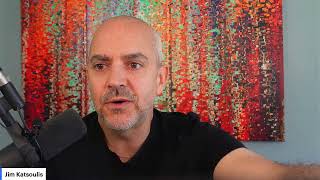
Jim Katsoulis breaks down the difference between whole foods and processed foods and how that distinction matters for weight loss. He covers emotional eating, mindset shifts, and sustainable habits, plus answers audience questions about managing your eating.
Hey everyone, welcome to the Program Yourself Thin podcast. Today we're talking about thinking about processed food differently. At this day and age, one of the main issues you're gonna have changing your weight is obviously getting a handle on processed foods. And that includes mildly processed foods all the way to junk and fast foods, right? We really, you wanna start looking at these food stuffs technically differently than you do real foods. That's the first distinction you wanna make is that there's real genuine food and there is food stuff. And pretty much the difference being the processing level. Okay, now technically, you know, cutting up, you know, some vegetables is processing it. But for the sake of the argument here, we're gonna talk about adding ingredients to it or refining the ingredients that you're actually using. So, so not just taking something chopping it up, but really turning into something else that it doesn't look like in its natural form. And so when you start to make the distinction between food and food stuff, it's a very powerful message to your brain because you start to see these things more accurately. The big mistake a lot of people make is they think of everything as food and they think they need to cut back on the junk food and the fast food and just eat the good food. But again, when you make this distinction between genuine food that we've been living on for millions of years, on planet Earth as humans versus these brand new food stuffs that we literally have only had for 50 years. That's what we want to really sink deep into the subconscious mind is this difference between them because it's fundamental. It's a fundamental difference. And yes, I know even natural foods have been processed in a sense because they've just been so she's genetically influenced and then just breeding influence. They're always, you know, making sweeter and sweeter and bigger and bigger fruits and vegetables and all the rest of it. But we're gonna leave that to the side too. We're talking about again, taking some natural food, stripping of its fiber, manipulating it, turning it into a different thing all in itself. Now, once you make this distinction, what we wanna start doing at the very beginning, and I don't know, everyone has to kind of see where they're at in the beginning, but for me, when I started looking at how much natural food am I eating a day, the number was pretty low percentage wise. Like really low, single digits, low tens. I mean, we're talking very low percentage of the food I was eating day in and day out was whole natural foods. Most of it was processed food. And for most Americans anyways, this is the norm that a lot of our diet, the standard American diet is literally a lot of times a majority processed foods. And I think this is a big reason why people struggle not only with their weight but also with their health. So as as we start to make this big distinction between food and food stuff, now what we do is we start to intentionally start to boost up the food, right? The real genuine nourishing food that goes into our body and work to reduce the food stuff. Now, why? Well, I'm not gonna get into all the details because we'd be here all day. But what I want you to think about in terms of food in your body is again, going back to how and what we've lived on for millions of years on Earth. and when you start to consider the foods that we've eaten and how we've evolved and what we've really kind of born to thrive on, you're gonna realize that if you're not getting a lot of whole natural foods into your body, you're really putting yourself at disadvantage. And so when we look at processed foods, some of the things I'll look at are really stripping the fiber out of the food. That's one of the big ways it's processed. Okay? So a lot of times they're pulling the fiber out of the food so that when you eat the food, A, you can eat it a lot faster. MB, there's a ton more calories in it. And so this to me is one of the big things that I look at, you know, in terms of natural versus, you know, food versus food stuff, whole versus processed foods. I'm really looking at fiber content. I'm looking at added sugar, right? Because that's, again, when we're processing food, they're processing it in a way to get you to eat as much as possible. So they want to get you into that state. And so food is really designed to overwhelm your brain and body so that you have trouble stopping eating it. So that you'll eat as much of it as you possibly can. That's the goal of it. Whereas real natural whole food is designed with a completely different goal. It's to give you the nourishment and the health that you deserve. It's to fill you up, to satisfy you, to nourish you. And so there's huge difference in the utility of these foods for you. And that's why again, looking at 'em with this big distinction, can be really a big helpful state moving forward. Because what people do when they think of just food as food, they're saying, okay, well, I'm gonna have to eat less of that and so that I can lose weight. But the reality is there's so much more to this. If you can get beyond just the calories of it and you can start to look into the fiber, the micronutrients, the extra, you know, things that are in processed food, it starts to let you see it differently, you know, because again, these foods are literally engineered in labs to get you to eat as much as possible. So removing fiber lets you chew it faster and eat which your brain likes. Adding sugar into it overwhelms your brain so that you have trouble stopping. You know, removing the fiber makes the food less filling so you're hungry quicker. Removing a lot of the nutrients from the processed food keeps you in a constant state of hunger. So it goes on and on, but I just wanna give you the broad strokes just here today because I don't wanna overwhelm you with a lot of information. I want you to just start looking at your food day to day, moment to moment. and starting to use this lens of what's kind of whole natural food and what is processed food and relax because you're probably going to find that a majority of your food that you're consuming is processed. And if that's true, you're making your weight loss so much more difficult than it needs to be, primarily because you're not getting the fiber and the micronutrients your body needs. And so you're in this constant state of hunger. and the processed food is triggering a lot of your overeating. And so as you start to balance that out and get the whole natural foods up higher in the process, who's down lower, a lot of times what you're gonna notice is you're less hungry, your cravings go down, your balanced moods, your mood start to balance out, your energy levels increase, everything improves. You know, it really is that simple. It's one of the biggest shifts you can make. And it's the one the diet industry often ignores to focus in on calories. But again, the better distinction, I mean, we'll pay attention to calories too, but I think the better distinction for you when it comes to food is thinking in terms of again, whole natural foods and processed food stuff. And just one final point on that all is that this alone, just this shift alone, balancing out and bringing the processed food down and the whole foods up, that alone is probably gonna help you lose weight as well because whole natural foods by and large have a way lower calorie density. So you can eat them and feel full and satisfied and yet you've reduced your calories and set yourself up for weight loss. Whereas again, with the processed food, they're packed full of calories and a lot of times they're engineered to be very unsatisfying so we wanna eat more and more and more of them. So again, that's my message to you here ultimately. The simple thing is start paying attention to your eating in terms of whole natural foods. processed food stuff and start balancing that out. Get more and more and more whole natural foods into your body. This will make everything else go easier. And if you want support with this process, click the link in my bio or go to program yourself then and go get my hypnosis session that I made for you. It's free. Go watch the video training I made for you. It's free. Go watch the read the emails I send you. They're all free. I get the Goldway quiz for you. That's free. So I got a bunch of stuff for you. It's all free. Go check it out. It's a different take on this whole thing and hopefully it'll help you. So if anyone has any questions, feel free to ask them and we'll get to it. It can be about anything they're talking about, anything weight loss related. Hopefully I can give you some insight and some guidance. Cha-Cha happy says, I just ate popcorn which has fiber. I'm working and getting anxious and eat for distraction. Yeah, I mean, again, There's a couple things in that statement, right? So, popcorn does have fiber in it. So again, I would, I, let me put it this way, right now everything's relative. You have to understand that when it comes to the food, I think this is very important. I think of everything on a scale. So, you know, says a little popcorn, popcorn has fiber in it. Yeah. Okay, true. Popcorn to me is a lot better than like Cheetos. Cheetos, there's no fiber. Cheetos are special because they literally melt on your tongue. the practice is pre-digested basically. So there's always levels to fiber. So there's the fiber of popcorn, which is better than Cheetos. There's the fiber of fruits and vegetables, which is better than popcorn because there's more of it. So again, there's always levels. We're always improving, always growing. The other piece though, eating for distraction because you're at work, you know, you're working and get anxious and just in, and, and bored or anxious and you want a distraction from that. you know, that get back to the emotional eating. And really these are the, in my opinion, these are the two biggest things you need to get a handle on with your weight. You need to get a handle on your emotional eating and you need to get a handle on the percentage of whole natural food you're eating versus processed food. You've got to balance it out first and then the more you increase the whole natural food, the easier time you're going to have. But those are the two big ones, in my opinion, is balancing out the eating and Dealing with the emotional eating because with emotional eating and again, you can pick whatever emotion you want to put in there, you know, if you're feeling anxious and you're using food as a way to deal with that anxiety, that's another way to say you're not really dealing with the anxiety. When we use food to deal with our emotions, we're basically saying, okay, I don't really want to deal with the emotions. I'm happy with just being distracted from them. And I get that, right? Sometimes that's the right thing to do. But if this is a recurring thing, if each and every day you're going into work and you're feeling anxiety, I would not want to rely on food in order to deal with that. I would much rather want to deal with that anxiety genuinely. And now this is a work in progress. Again, I don't have something I can just tell you and just fixes it, obviously. But I think if you start asking the question, when I go into work, I feel anxious. First, I want to have a general sense of why. Is it because of the boss, that interaction? Is it the work itself gives you anxiety? I'd want to kind of pinpoint where, what was producing the most anxiety. And then I would go in deep with, let's just say it's a boss. You got a boss and they're just, they're awful to work with. They give you lots of anxiety when you go in there. Well, now my question becomes, okay, how do I want to respond to my boss? Instead of feeling anxious, how do I want to feel? I'd like to feel more calm and relaxed and just deal with it, right? For example. And so now that becomes the focus. But now you're aiming yourself at a real solution, not just a distraction. And it's the same thing for whatever it is. It might be the work itself. Maybe it stresses you out here or we're dealing with lots of customers. The customers give you anxiety. I say, okay, I deal with a lot of customers. How can I deal with this better? How do I want to feel in this interaction with the customers? I'd like to feel, you know, more at ease, more peaceful, whatever the words are. That's the starting point. And then again, from that point there, we followed up with lots of good questions. How can I feel more relaxed when I speak with customers? How can I handle customers in a way where I just feel more centered and grounded? When I get triggered, what can I do to bring myself down to being calm and centered again? So again, as you start asking these questions, you start going to a real genuine solution level. And once you have real solutions to these questions and these challenges you have in your life, it's again, it's very transformative. because if, for example, you didn't get anxious at work, if you went to work and you were able to stay in a state of relative, grounded, calm state of being, now all of a sudden the eating and the food isn't necessary to deal with it, you see. And so sometimes, again, the emotional eating is a way to get to the core issue. But once you've resolved that core issue, a lot of times the emotional eating kind of Fades away because you're dealing with the real problem, you know, at where it's at. Boiled Peanut says, what healthy foods can make me feel fullest? Some of the foods they've found that have the most satiety, I mean, really, first of all, the thing that makes you feel the most satiated typically is whole natural foods with lots of fiber. Protein can be satiating as well, but fiber, in my opinion, is number one. because I think fiber is the most neglected nutrient in people's diets. Okay. I think that it's really important that you, again, and what's gonna happen if you start eating more whole natural foods, you're gonna get more fiber in your diet. So I think once you put more fiber in your body, the better. So. So what foods are this? I mean, literally apples, potatoes. You know what? I gotta list here. I'll give you the. the list I have. So just. There it is. Let's see here real quick. The foods that are most satiated is ranked by science. Potatoes. Yes, potatoes are fine, folks. You can lose weight on potatoes. You just can't put butter and cheese all over them and fry them. Potatoes, eggs, oatmeal, beans and lentils, fish and lean meats, great yogurt, nuts, popcorn. air popped. So, yeah, that's just a starting point of some of those foods. So hopefully those will help you. Mason says, can you grab your panner for Lamar Jackson? Boiled peanut. Also, any tips for emotional depressed eating? Yeah, I mean, again, I think that it's the same, the tips are the same for any emotional eating. It's basically this, that the emotional eating is a symptom of a deeper problem. Typically, right? So again, if we got depressed eating, right? So you get depressed and you're using, so when you get depressed, you're using food to distract yourself from the depression. I mean, the food, the eating is not actually resolving the depression, right? Because you know this, because as soon as you're done eating, you go back to feeling depressed, if not more depressed because now you just ate on top of it. So again, I think that the, the, the main tip for you is to look at the core issues. So if it's depression, I get depressed eating. The first thing I want to do is I say, okay, when am I typically depressed eating? There's probably a pattern to it. So you're probably not depressed eating all day long, every day of the week, most likely. And so we want to notice when's the depression kind of peak where then I'm eating now. And then again, we want to kind of take a step back and say, okay, in those situations, what else could I do? How do I want to feel? How do I want to manage this thing? And how can I move forward with it? You know, and again, that's the starting point. I want to make it crystal clear. This is a process. One big thing about program yourself then is that this is not a diet. Diets really are built around this idea that I just tell you what to do and you're gonna do it. I think that's bullshit. I think the big secret to changing your weight is to know what to do, yes, but also more importantly is to know how to get yourself to do it. And that's why again, program yourself then is so unique. Yes, we have a goal weight blueprint you go through and you customize it to you so you have a roadmap you follow. But the other piece of the program is the program self thin technique where you learn how to program your own mind. They're both equally important, but the thing you never learn in diet world is how to actually program your mind, how to actually get yourself to do the things you know you should. That's the biggest missing piece for you all. So Sabrina, Sabrina said, I started to get a hold of my weight exactly one year ago this June. I'm down 50 pounds. I still have more to go, but I'm starting to feel those very familiar this very familiar feeling of wanting to eat more than I should. This is the feeling I get right before I start gaining it all back. I don't wanna stop this. I wanna stop this feeling. Don't, don't know how. Well, congrats Sabrina on taking all that action. Yeah, I mean, what you're describing is literally why I'm here every day, because at best, people know how to lose weight. You've all here have lost weight before, right? The weight loss is the thing that you're always, the diet industry is all about losing weight. But the truth is you don't wanna lose weight. You don't. You wanna live at your goal weight. That distinction is everything. All right? So diets are always fixating on losing weight. Program yourself then is all about living at your goal weight. And this is really important because again, even if you're able to stick to something, get some results, if you don't love how you're doing it, if it, if what you're doing to get to your goal weight doesn't have like legs, if it doesn't, if it's not, if it's not gonna last long term, then what's the point of doing it? So program yourself then everything's about maintenance really. It's about living at your goal weight. So my first question, you know, as I started to get a hold of my weight exactly one year ago, I would want to know how, you know what I mean? I would want to know how you got a hold of it. And I think that, I think it's important that you look at what you're doing because again, in programming yourself, now I'll just say this too, I don't think like diets, you're just told how to eat. So they just give you a meal plan or a meal philosophy, just do this. But, and program yourself then again, we follow the goal weight pyramid, which is mindset, lifestyle, and eating. so as you're transforming yourself from the inside out, first with your thoughts, how you're approaching this whole thing mindset wise, then your lifestyle, I think the lifestyle is really important because that supports your reading. And then there's the eating strategies you're using and making sure that they're customized to you, that they make you happy, that there's some enjoyment in there, that you can, you know, have the things you like once in a while and weigh what you want. And so it's a much more comprehensive, holistic approach. And I find most dieters They're just trying to follow a plan. So again, I would say dieting is basically just say no. Remember, just say no to drugs. Dieting is basically just say no to food. And then what food you're saying no to just depends on which diet philosophy you're following. But there's a good chance right now, Sabrina, that the initial excitement and then let me give you one final piece. This is the mindset piece. What most dieters do is they trade the pleasure and enjoyment of the food for the pleasure and excitement, enjoyment of losing weight. and as you start getting into the process, you know, when you really first start, you're really upset. You're upset with your weight. You're probably, you know, you went to the doctors and you got scared. You saw a picture of yourself. You got upset. Your clothes don't fit anymore. You know, you got upset. Someone says something rude to you. You caught your reflection. You got upset and you said, I'm going to do this. I'm finally gonna get a hold of it. You will power yourself through and you get through it because you keep thinking about that scale going down. Well, you get 50 pounds into it. Now the motivation's not as strong. you're not as excited to lose the weight because now you're 50 pounds down. You're like, I still don't feel great. Most likely. Most likely. You know, that's, that's the big sneaky secret of weight loss and diets is that it's always sold on this idea that you're going to lose the weight and then everything's going to magically be better when in reality, most people, it's estimated 95 to 98% of dieters that get to their goal weight put it back on. So clearly just getting to your goal weight is not so amazing that it keeps people there. and that, that number is not because of the weight set point pulling you back up, because there's also a lot of people that lose weight and keep it off long term. And those are the people I'm obsessed with. And those people do things completely different. And so I believe you need to have a mindset, lifestyle, eating plan, like a blueprint customized to you that really fits for you. Because when you do, for example, I do, and I lost 50 pounds 30 years ago, but I've been at the same weight for 30 years. I had one blip 13 years ago, but I got that weight off relatively quick too. So, the reason I'm able to do that is not because I have a lot of willpower. It's because I have a rock-solid mindset. My lifestyle completely supports my eating and my goal weight, and then my eating plan is completely customized around my wants and desires. I have clean and pleasure days. Every weekend, I eat this stuff I want, and then every week, I really kind of clean up my eating and hold it down. So I have variety, I have flexibility. I like what I eat. It's all built around me. So I think about this way of eating, this lifestyle, this way of being for the rest of my life. And I'm super excited about it. Now, dieters, it's like a white knuckle affair of how long can I keep it up? So again, Sabrina, what I'd strongly, strongly recommend, if you haven't already, is go click the link in my bio or go to programyourselfthen.com and go get the hypnosis session I give you, but watch the video I made. It's really important because it could, it could help fix this for you, prevent this before the weight does start coming back on. Because again, ultimately, if I make it real simple, let me sum everything I set up into something simple. You have been taught and fixated and focused on losing weight, everyone living at your goal weight is a whole different story. And I can't tell you the number of people, dieters are always saying, I just want to lose the weight. I just want to lose the weight. I just want to lose the weight. I just want to lose the weight. and then as soon as they lose the weight, the mantra becomes, I don't want to lose. I don't want to gain the weight back. I don't want to gain the weight back. I don't want to gain the weight back. And it brings them right back. So again, you need a bigger plan. You've never learned how to live your life as a thin, healthy person. You don't know how to identify as a thin, healthy person. You've never learned how to do that. You've never learned how to think like a thin, healthy person. Live like a thin, healthy person. Eat like a thin, healthy person. It's not rocket science. And once you see it laid out in front of your eyes, like, oh, that makes a lot of sense. oh yeah, I don't mindset. I don't know how to motivate myself because this is what we go through six sections in the mindset blueprint, motivation, self-image habits, emotions, thinking and maintenance. So you can test right now, do you know how to motivate yourself? I mean, really motivate yourself? Do you know how to deal with your self-image your identity? Do you know how to go from being an overweight identity and self-image to having a thin, healthy self-image and identity? Probably not. Do you know how to strategically approach your habits so that you're not just fighting against them, but you're transforming them so they support you. Do you know how to deal with your emotions, the ones you don't want to feel and the ones you'd like to feel more of without needing food? Do you know how to think like a thin, healthy person? Do you know how to maintain? Do you have strategies to stay on course through challenges and through difficulties? And then if you're a dieter, most likely the answer is no to all those things. So, I mean, how, how could you, you know what I mean? Like, of course there's gonna be a challenge. It's not your willpower. It's a lack of a plan. It's a lack of knowledge. You've never been taught this. Yeah, Sabrina says, so true. Thank you. I noticed it's very much a mindset more than what I eat. Yes. Like you said, I know how to get it off, but keeping it off is my downfall. Yeah. Again, Sabrina, it's your downfall not because you're self-sabotaging, not because you don't have willpower, not because you don't have self-control. It's because in your life you have literally never learned how to maintain. You've never learned how to maintain your weight. You've never, at program yourself, then we start day one off is maintenance. Day one, we start with maintenance because the entire goal is to live at your goal weight. My official goal. And again, I'll say this to all of you because I know I get smart, action-oriented people here, and I know you've all done a lot of stuff to lose weight and as much stuff as you have studied and listened and read and watched and all the rest of it. I bet you have never, ever once heard someone say, your goal is not to lose weight. Your goal is better served being I want to get to my goal weight and live at my goal weight for the rest of my life on Near Autopilot. That's the promise of Program Yourself Then. And I say that proudly because you're not going to hear anyone else articulate it like that. No one. Let me know if you hear anyone else talking like that and you're going to find you don't. And that's a huge problem. So it's not, what I'm saying though is this comes down not to a personal shortcoming by you all. It's not a personal shortcoming that you can't keep the weight off. It's a complete lack of understanding. It's a complete lack of concept. You don't even have an idea in your mind of how to live at your goal weight. I will prove it with one last point, then I will move on this question. But it's like if I ask you to think of the Chinese word for fence, notice how there's just literally nothing there unless you speak Chinese, right? There's just literally nothing there. Now, when I say, how do you live at the rest of your life at your goal weight on your autopilot? Feels similar, doesn't it? Because there's nothing there. You have all been, you know, literally programmed by the diet industry to think about weight loss, losing weight, and then there's nothing there in order to limit your goal weight. So that's why I say, Sabrina, you've done so much work. You obviously understand the mindset's important. Go watch that video I made. So go, go log in there. It's programyourselfthin.com you can go click the link there, or you can go to programyourselfthin.com/hypno. go get the hypnosis session and watch the video training. It could save you a whole lot of. A whole lot of pain. Two Steph says my son is 19 and weighs 211 kilograms. He wants to get slim. And now he got obsessed with not eating, just drinking water. I advised him he had to change his inner beliefs and his body will follow and release this fat, which is stuck energy in the body due to emotional traumas. Yeah, well, you know. yeah. I, I mean that, that, what you're saying is very common where people literally just take this, you know, this, the, the water fasting is kind of the most ridiculous out of all of them because it's obviously not going to be a long-term solution, obviously. Right. And if, if this person is suffering from emotional traumas again, there's deeper work to be done here. And for most of us, there's deeper work to do than just following a diet. if there wasn't, people would get way better results. But, you know, a lot of smart, intelligent people getting really bad weight loss results. Why? It's not because they're not smart enough. It's not gonna will and take action. It's not because, you know, it's not for any of the common reasons people think it is. It's. It's because you literally have no sense. How do you deal with the emotions? How do you deal with when you get depressed and you want to eat everything in sight? you know, and what dieting, the answer is always the same. Just willpower. Just willpower. Willpower. Willpower. Right. You're just going to fight against all of it with willpower. And you're. No, you're not. And that's why no one gets results, literally, statistically, 75 of the population is overweight or obese. I mean, it just doesn't work. It can work for a short time, too, by the way, I want you to understand that. Well, then what? Why did I lose 30 pounds when I did that, you know? well, you know, it works once in a while for a little while. Yeah. Jesus says, I know I started doing this healing myself, and it's tough work. It is tough work. I mean, programming yourself then is tough work. I never make. I never trying to trick you all. It's. To be honest, program itself does not for most people. I mean, most people that want to lose weight, just give me time to plan. I'll just do it. I just want to lose weight quick. Forget that. This ain't the program for you. this is about losing weight for good. This is about living as your, as your thin and healthy self. So it's a completely different approach on it. But, but it takes longer, you know, again, of course, I mean, diets are just built for mass consumption, and they're really, diets are just get rich, quick schemes. They're not built for the long term. They're just built to sell you some for a little while, and then you're gonna quit. And it's not your fault. It's just a bad plan. But doing, doing real stuff. Yeah, I mean. God, I mean, what area of your life is tough work, not what you got to do to really succeed. You know what I mean? Like what worth while is really easy. I don't know. I just don't live my life like that. I embrace the difficult things. I embrace them calmly, right? I'm not trying to fix it all at once. Relax and but do the real work. That's how you move forward, I think. And dieting is just a silly, silly proposition. It doesn't even make sense. Now again, I'm not blaming anyone. I mean, you've been inundated your entire life with diet marketing. So of course you think like a dieter, of course. But what I am saying is that, you know, that's why I get on here. I mean, once you realize this, once you realize you actually have zero plan to maintain it, once you realize you think about weight loss 24 hours a day, but you can't get yourself to start, that's when you have to take a step back and reflect on what exactly am I looking to do here? and what you're going to realize is what you're looking to do is you're looking to lose weight as fast as you possibly can. And to do that, you have to do extreme things and you don't want to. So what I'm telling you is there's an alternative where you don't do extreme things, you do comfortable things, and you give yourself some more time. That's the secret. So. Oops. But I love, I love hard work. the vet. The vet says, I wish I would never feel hunger or actually the craving for food. I envy people with no Cravings. Yeah, well, you know, I. I would not. I don't. Hey, that's probably impossible, you know? And so I'm not trying to, like, you're gonna feel hungry. Like, I wish I would never feel hungry. What's that mean? If. your body'd be broken. Like if you've never felt hunger, you'd die probably. This is true. If you, you know what I mean? If you never felt hungry, you'd never know it's time to eat and you'd probably just die. So that you don't mean that. I know what you mean. I know what you mean. I'm just picking on semantics because I think semantics really matter. Or actually the craving for food. You want to be hungry and you want to feel a craving for food. what's happening is you want to adjust it, though. You want to feel less Cravings for unhealthy food and more Cravings for healthier stuff that nourishes your body, your health and your. Your weight that you want to be at. You want to have your hunger more in control. You don't want to get so hungry that you can't fight against it any longer. Okay? So it's not that you want to get rid of your hunger. It's that you want to manage it more effectively and program yourself. Then that's a core part. You have to manage your hunger. And this is a relatively new thing because, again, none of that mattered. Being hungry, having Cravings never mattered in history because there wasn't an abundance food, you know, so it's like a, it's not just what we're bringing to the table, it's also the, the environment we're stepping into. And so it's not just that we're hungry or we have cravings, it's also that we're surrounded by hyper palatable, hyper addictive foods as well. And so we can't change that pretty much, you know, you can change in your house and optimize your environment a bit, but at the end of the day, you're basically surrounded by a lot of this. And so the, the way I think you handle it is I think you get good at managing your hunger. Right, right in kind of that middle zone. Don't get too hungry, don't get too stuffed. Cravings start weaning out the processed food stuff, the junk food, the fast food, the processed food. Start weaning that out and replace it with whole natural foods and your cravings will change. Your cravings for unhealthy stuff will start to get lower. Your cravings for healthier will start to go up. So it's not about wishing we didn't have hunger or cravings. You're always gonna have that and you want that. the secret is to learning how to manage it so it supports your goal weight rather than making you overweight, if that makes sense. Tusa says you're right. I've been following all diets and failed till I started changing my beliefs about my worth. I started releasing weight naturally. Yeah. Now, again, I will tell you, because there will be like, if you just go Law of Attraction world, just imagine yourself thin and you'll lose weight. I don't believe that either. So I find program yourself thin to be a middle ground between. Yes, there's manifestation of seeing yourself the way you want to be kind of stepping into that. That's a component, but having the blueprints and exactly having, like, a systematic plan for how you're going to do it, I think, is just as important as kind of doing the inner work and the manifestation work and all that as well. I think you need both of them. I don't think you can just, like, even just start doing work. It might be working for you, so. Great. Okay. But for most people, I think you need both, you know, as well. let's yes. All right. Anybody's got any questions? Go ahead and ask them. If not, let you get out of here. I gotta. Got a call coming up, so I gotta get out of here anyways. All right, I'll take this chance to. To get out of it now. All right, everyone, thank you so much. I appreciate the calls. Appreciate the comments. If you are not in my world, go click the link in my bio. Go get that hypnosis session. Watch the video. Read the emails. They said I'm here to help you. it's all free stuff, okay? Go check it out if you care about your weight. I like to change it. And then if you like this, I'm here every Monday through Friday, usually around noon Eastern. You can write questions in. I'm happy to answer them. And if you like listening to this and you miss it, it's also a podcast called program yourself. Then you go to a podcast platform, go search program yourself then, and you will find it. All right, sorry. So goodbye to Sophie. Thank you very much, everyone. Have a super duper day, and we will talk soon. Bye.
More from Jim



Weight Loss Visualization: Wake Up in Your Dream Size #programyourselfthin #weightlosshypnosis



What If You Pretended to Be Thin for One Hour? #programyourselfthin #weightlosshypnosis




