Planning for the Hard Times
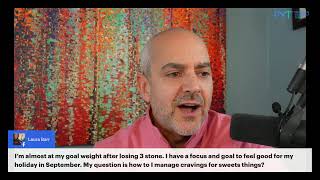
Jim Katsoulis on why dieters fail to plan for disruptions like illness, holidays, and stress. He argues weight loss is mechanically simple but mindset change is hard, and walks through strategies for cravings, plateaus, and emotional eating.
Chapters
It. There we go, everyone. Welcome to today's program yourself thin podcast. Today we are talking about planning for the hard times. They're going to happen. And I love the concept of planning for the hard times because I think most dieters do not do this. Most dieters fall into the cognitive bias of the planning fallacy, and we're going to start there because this is fundamental to getting better results. Is that most likely? Well, let me take a step back. The planning fallacy is a cognitive bias we all have, and it stems from the way our brains are organized. All of our brains are organized to conserve energy. It's very essential for survival throughout evolutionary times to conserve energy so you have more energy to think, right. You're going to do better. So the planning fallacy is a cognitive bias that when we start something, let's say weight loss, for example, when our brain thinks about it, when we think about losing weight, we think, okay, I'm starting, my weight's up here, I'm going to start this plan, whatever it may be, I'm going to do it perfectly and I should lose a pound or two a week until I get to my goal weight. And so this is the planning fallacy that when we think about the journey we're about to embark on, we typically think about the best case scenario. And the reason we do that is because to think about every single thing that could potentially come up would use a lot more energy, and our brain doesn't want to do that. So we tend to kind of automatically just presuppose the best case scenario. Start my weight loss plan. I'm going to follow it perfectly. I'm going to get to my goal weight. That's how we think about it. And so all of a sudden, all of a sudden, when we actually experience some difficult times, we're not really ready for them because in the back of our mind we're like, well, this time is going to be different. This time is going to be perfect. So, oh, no, here's a mistake. And so a lot of times when the mistake comes or the hard times come, you know, a, they're hard to begin with, right? So, so right off the bat, they're challenging because they're hard, but we make them a lot worse because we were not ready for them at all. And we have no real sense in our mind when we approach this process for them being there. Right. We didn't really think about the weight loss process through our hard times. We just expected that this is going to be the time where I do it. Perfectly. And everything goes according to plan. And things never go according to plan. So. Or at least that's what you should. You should expect and assume. Because things go less according to plan more often than they go according to plan. Okay, so when we start the weight loss plan, what I would suggest you do instead is, is that you start to expect that it's going to be difficult. There's going to be hard times. And the easiest way to plan for the hard times and kind of know what they are is to reflect back. You'll figure it out real quick. And so what are the hard times? The hard times might be when you have to work extra hours and you get tired and your schedule gets thrown off. Your kids all of a sudden got a bunch of, you know, soccer games they got to go to and charge your schedule off, and dinner's off. You know, you get sick. All of a sudden, you're. You're getting a fight with your boss, and now you're stressed out. It could be a million things, but things tend to run in patterns, too. So if you start to recognize, oh, I'm gonna. It's January 1st, I'm gonna start my weight loss plan. But I've done this before, actually. I've started to notice the first week of January, I'm a little bit. I'm a little out of it. I'm still kind of recovering from the hollies, all the rest of it. We already started my weight loss plan, but, oh, this weekend, you know, there's three soccer games got to bring my kid to, and when that happens, it throws our whole schedule off. Now, once you start doing this, two things happen that are really important. Number one is that you know it's there and you're somewhat expecting it so you're not hit out of left field when something goes wrong. That's number one. And it's very important. Number two, which is really important, is that you can start to prepare for those difficult times. You could start to think about strategies and solutions to the challenges that you're going to deal with. And that is the real magic of expecting and recognizing that hard times are coming. Okay? And again, you want to recognize your specific difficult hard times that visit you. Everyone's got different ones, you know, everyone's a unique person. So as you start to understand yourself more, you start to understand the challenges and hard times that show up. Typically when you want to lose weight, you start to again, open yourself up to realize, okay, these are the challenges. They're there. This is what I'm working on, and then you begin to look for solutions to those. And again, I can't stress to you how important this is because most people don't plan for hard times at all. They just expect that this time is going to be different. I'm not going to have hard times. I'm just going to do it. I'm going to do it all right perfectly. But, no, you're going to have hard times. And the other piece that's really important to really drive this home is, is that the timeframe you're thinking in? Most people think about weight loss as the period of time when they're actually losing weight to get to their goal weight. Fair enough. So most people think about weight loss as a temporary thing. I'm going to do this until I get to my goal weight. And that way of thinking that it's temporary is also wreaking havoc with you, because your real goal is not just to lose weight. Your real goal is to live at your goal weight. And if you're going to live at your goal weight, you are going to need to be able to deal with challenging, difficult, hard times, because there's no one in the world who's going to live a lot of years that's not going to have hard times. And so if your goal is to actually live at your goal weight for the rest of your life, a big part of being able to do that is to be able to manage and get through the challenging, difficult times. And you're not going to be able to do that if you're not prepared for them, prepared mentally, and prepared strategically for them. So, again, you can go through hard times, you can do worse with your plan and still succeed. The big problem for most people is they hit the hard times and they quit. They start again, hit the hard times, and they quit. And on and on and on. The secret is to hit the hard times. Maybe do a little worse for a little bit, but keep going. That's the difference, that makes the difference. So I hope this helps you out. And to bring this point home, take a little bit of time, take a step back. What are the challenges you usually deal with? Where do they show up? What triggers them? What happens? How do you respond? What options do you have? Reflect on them, because that little bit of reflection can prepare you so much more effectively. And the more prepared you are, it's amazing what you're able to accomplish. So I hope this helps you out. And if you want to go deeper into this whole way of thinking, click the link in my bio or go to program yourself. Then go get the free hypnosis session that I made for you. It is called the new thin me, and it is there to help you live at your goal weight for the rest of your life. So go check that out. It's completely free. And if you have any questions at all, feel free to ask them. I see Regina over here saying my book is going to be here tomorrow. That's exciting. The book that Regina is referring to is this one. Whoops. Let me unmirror this over on Tick Tock land. So now. There we go. Yeah, that way. So, yes, this book, the dao of living at your goal weight, which is now officially the right price too, by the way. User error. I got it fixed. So if you were waiting to get this, go grab it. It is now the regular price. So there it is. And you can get it where people get books. I'm not gonna say the name of it because I don't want to get restricted on Tick Tock right now. So that's that. But that's awesome, Regina. I think you're gonna love it. So. Yes, thank you. And if you do love it, please write me a review. Thank you. I really appreciate everyone's written review. We're up to 50 now. I think we got right about. Thank you so much. One person wrote a glowing review, but they gave me one star. And I'm assuming that's a mistake. But I was thinking that's actually probably good. Because let's be honest, folks, when we go and buy stuff, a lot of times we go and look at reviews. If there's one star review, you're gonna look at it probably. But it's a glowing review. So they're gonna go there expecting to see a bunch of complaining about the book, and they're gonna be whapped with another glorious review. So thank you so much for everyone who wrote a review. They're wonderful to read. And it really does make me feel good knowing that this book is landing exactly the way that I'd hoped it would. So, yes. Yeah. Jessica says getting sick in holidays. Yeah, absolutely. Yeah, in holidays. So that's a perfect example of two types of challenges that we all deal with. The sick one is spontaneous. You don't know, but there's a good chance. Again, again, this is the time frame thing. But if you're gonna, you know, again, everyone's got a different thing. But if you're gonna. It's gonna take you six months to lose weight, you still wanna live at your goal weight, you know, so that's the first thing. But there's a good chance that during your weight loss process you're gonna get sick. It's a good day, just expect that. Again, you don't make a self filling prophecy. You don't wanna, you know, meditate on it, but you know, understand that there's a good chance you may get sick or feel under the weather during your weight loss journey. It's not a bad idea to take a step back and say, okay, if I get sick or whatever, how do, what am I gonna do? How do I wanna deal with this? What are some other options? Not a bad idea. And then holidays, you know, the holidays are coming and so, so again it's the two opp. You know, you have spontaneous things that happen out of nowhere and then you have, you know, the, the things that you can plan for, right? Holidays being one of those. And so the holidays, we just talked about that all last month. But again, when the holidays come, instead of saying, oh no, here come the holidays, I'm gonna eat everything in sight, oh no, the holidays instead, you know, we, we prepare for, we say, okay, here come the holidays. Typically, you know, I kind of lose control over the holidays during the this party or you know, go to my sister's house and you know, they have the cheesecake there. So it's like you start to recognize where your challenges are and that allows you to prepare for them more effectively, you know, and if you start doing that, it's, it's hard to not improve, you know. Yeah, just says lifestyle shift. Yes, absolutely. Again, that goes along with the time frame thing that if you really want to live at your goal weight, you know, it really is much more than dieting. Dieting is a temporary thing. And program yourself. Then we follow the goal weight pyramid, which is really three things. So lifestyle is part of it, but only part of it. The most important piece on the bottom is the mindset, then lifestyle and then your reading. And so when you dial those three things in in a way that's specifically customized for you, again, your chances of success go way up. Right? And yeah, most people don't do that though. Most people. Again, when it comes to weight loss, most people just keep doing what they did and trying to diet the, the weight off with the exact same diets that haven't worked a hundred times. You know, you gotta ask yourself the question, how many times have you tried Weight Watchers? If it's over 10 times, it might be time to try something different. I'm all for persistence too, by the way. Please Understand that I, I think persistence is great, but I also think recognizing when something doesn't work is great too. And for most people, diets are not working. So if that's you, I'm glad you're here because my goal is to give you a different way to think about weight loss and hopefully a different way to approach it. But yeah, if you have any questions, feel free to ask them. I, I can help you with whatever you're. You're working on. Most likely, if it's weight related, I've probably dealt with it and I can probably move you forward in some way. Patrick says change your reading, turn it into a lifestyle, and go to the gym. It's simple. No, it's not simple. That shit drives me nuts, Patrick. I mean, literally anything in the world is simple when you make it sound that way, right? And it's just, it's not that simple, folks. So if you're overweight and you've been struggling to just change your eating and go to the gym, it's not simple. So Patrick is completely wrong on this. Calorie deficit in the gym. It's simple, not fad diets. Agreed, it's not fad diets, but it's also not just calorie deficit in the gym. So how's it not simple? I got fat, went to the gym. Now 205 pounds with abs, crying, laughing face. Well, why'd you get fat, Patrick? Why didn't you just not get fat before? The gym was there before, wasn't it? You knew, you knew calorie deficit before when you got fat, didn't you? So why didn't you just not get fat? It's simple. It's simple, Patrick. You know, but it's not simple. It's not simple. Anything simple when you describe it the way Patrick's describing it or the way diets describe it, right? Playing the piano is really easy. All you do is you just hit the right keys at the right time in the right order. You got sweet music. What? What? What are you making this hard? You think it's hard, Patrick? You think it's hard to play the piano? Oh, I ate a lot and drank beer and no gym. It's called discipline now, bud. Oh, you see, you had no discipline before. So again, you know, Patrick, I appreciate you being here because we need this perspective on this podcast more, because this is the common, this is the common mentality that most people have that's just simple. And yes, agreed, on one hand, it's very simple. Everything in life is extremely simple. When you break it down to the most simple components. Everything. You want to make a lot of money, just work hard and find something valuable to offer society, and you're rich. What. What's the problem? That. That's hard, you know, So I would love for Patrick to share. You build discipline. It's not easy, but it's simple. Eat less, move more. It's not simple, you know, and that's what I say to all of you folks. It's not simple because what Patrick's completely missing in what he's saying is that the physical pieces of it are simple to explain. The mindset piece is not. So Patrick, on one hand was undisciplined, drinking beer, partying, got gained weight, and then something shifted in his mind and he shifted to a different mode. And now he did the simple things. But the part that's not so simple is the mindset piece. And I'm happy for Patrick that he's on the path now where, you know, he's weighing what he wants and all the rest of it. That's great. But you tell me the difference between when you had discipline and when you didn't have discipline and was that simple to just flip it? And maybe it was for you. For some people it is. But how would you help someone who feels undisciplined and doesn't feel the motivation to be able to do it? To be able to do it. That's the difference. And when you say things are simple like that, it's very flippant because I know for Patrick, I'm sure you've got some challenge in your life, Patrick. Financials challenge, relationship challenge, maybe a health challenge, Maybe. Maybe you're in school. School challenge. Is there any challenges in your life? Because whatever you're having a challenge with, I could do the same shit to you easily. And it's. I don't care if it's right or. I mean, you're technically right in a sense, right? Everything's simple. But there's obviously something more to it. 75% of the population in America is overweight or obese. So to say that that's the situation, but it's just simple. Don't be a fucking idiot. Just. Just eat less and go to the gym. It's not fucking hard. Not rocket science. That attitude is bullshit, in my opinion, because it leaves the person who's struggling in the exact same spot, if not worse, because now you just feel bad about yourself. Oh, it's so simple. And I can't do something simple. I must be an idiot. Well, I work with people that are not idiots. I work with very smart, successful people that are not able to get themselves on track on their own. So there's that piece to it as well. You know, it's not easy, but when it's broken down, it's simple. Once you get tired of being fat, a switch flips. Well, now we're getting somewhere interesting, Patrick, and I hope you hear this, because you could be a person who could actually help people because you've gone through the flip. I went through the flip 30 years ago. I dropped 50 pounds. I went through the flip, too, but I'm obsessed with the flip because it's the flip that's the interesting part, not the. Not the mechanics of what to do. That's the easy part. It's always the easy part, Jonah. Mean, you can do that with. Literally, that's why I say the piano thing. And trust me, the piano is not easy to play. But if I break it down. So you just hit the keys in the right order at the right time, it's. What are you making it so complex for? I play guitar. Just hit the right notes at the right time. Why are you making this so complicated? Art, dancing, martial arts, learning, money, anything. You can make it sound so simple. And that's what they've done with weight loss, and it leaves a lot of people stuck, because that ain't the problem. And that's how the diet industry works, by the way. The diet industry has been telling you what to do your entire life. Every diet coming down the pike is telling you what to eat, but they never tell you the core part that makes all the difference, which is, how do you get yourself to do that simple thing? That's the hard part. And I think that's why, again, we follow this pyramid. The mindset piece, the lifestyle piece is important, too. The eating piece, obviously, that's important, too. The mindset piece is on the bottoms. It's the most important part. And we break it down into components. We got motivation, self image, habits, emotions, maintenance, thinking, how to think like a thin, healthy person. So we get in the nuts and bolts of how to actually get yourself to do what Patrick calls the simple things. That's the interesting part, though, in my opinion, because here we have Patrick, who at one point was not disciplined, who did not value or couldn't get themselves to do the right thing, was overweight, and then all of a sudden, something switched. You probably couldn't explain to me how that flip switched. It just switched automatically. Did you flip it with A process you used. That's the part I want to know. And that, to me, is the part that's going to be a lot more valuable to everyone else here, you know, and that's the part you never get to learn about. If you want to lose weight, you never get to learn that. And so you get a nonstop line of people telling you what? Just do it. Come on, just do it. It's simple. It's easy. Just do it. Is it? Is it? Is it that easy, folks? Is it? And again, I guarantee Patrick's got things in his life that he knows he should do. He knows they're simple, but he can't get himself to do them. And in that way, you can join this conversation, Patrick, because that's what we're talking about is how do you get yourself to do the things that you know you should? How do you get yourself to stop doing the things you know you shouldn't do? Isn't that something all of us humans are dealing with on some level? You can't be the only one who's not dealing with that. And now you can join the conversation. How do we get ourselves to do the things we know we should and would make our lives better? And how do we stop ourselves from doing the things that make our lives worse and we know we should stop doing? That's the conversation we're having here. You know, Milla says, just want to say I followed you a while and I really appreciate your takes and empathy you have. Thank you, Mel. I appreciate you saying that. Yes, yes, responds to Patrick, because some people struggle mentally. It's more than just a behavior. Yes, exactly. And again, I, I, I completely understand. Listen, in this pyramid, you'll notice that there still is lifestyle and eating. Eating parts. Right. Those things clearly matter. But I think the part that's always ignored when it comes to weight is the mindset piece. You're left on your own. You're left with your willpower, and how much can you force yourself to do for how long? That's the big test for most people. And most people don't have an ability to really change their mindset. Because you've never learned about your mindset. I can't even think. Let me know if you have one. Tell me if you can think of one weight loss program that's really built about your mindset, let me know. I ask this every day, not sarcastically. I would love to know. Because I'm always looking for mindset and weight loss. I'm reading that nonstop. So if there's some Weight loss program out there that's really about mindset. But please don't tell me weight watchers just because they have a little mindfulness section. I'm not talking about that. I'm talking about a program that shows you how to think like a thin, healthy person, how to transform your mindset. If you can even give me a name of a person or a program, I would appreciate it. I'm not expecting one. I ask this all the time, and the reason I say that to you is that it just reveals that you've never learned this most important part of the process. You have never, ever been shown how to deal with your mindset. And so you're left into being a situation just like Patrick. One day, Patrick didn't give a shit. He was undisciplined and couldn't get himself to the right stuff. Then some flip switch somehow doesn't know how, can't replicate it, probably in other areas of his life. That's what we need to be able to do. How do we flip that switch intentionally? How do we get control over that switch? That's what I think understanding your mindset allows you to do, you know? But yeah, if anyone's got questions, feel free to ask them. Patrick followed up by saying, you can want to lose weight, but until you get tired of it, the switch flips and you change. It's weird. Well, I agree. I see now. I, I now I'm starting to appreciate what Patrick's saying. And again, I, I genuinely think Patrick has a lot of good advice. Because to me, anyone. Program yourself then is built on the knowledge I gained from people who have lost weight and kept it off for at least two years. That's what program yourself in a nutshell, is, is how to think, live, and eat like a person who was overweight and out of control and is now able to live at their goal weight for an extended period of time, which in my mind is two years. That's what I say. And so that's where I think that that's where you start to learn new things, not just nutrition plans or exercise plans. And I think if I was having a conversation with Patrick that's exact, I would dive into that moment when he felt his switch flip. That, to me, is the interesting part, you know, and I would, I would reflect on that too. Patrick, just for your own good. I know there's other areas of your life that you want to start doing something or stop doing something you're not able to get yourself to do. And the secret is to understand that flip switch thing, because you're right, you're on the right path with that. Now, again, that's the strategy you used is you got tired of it. Yes, agreed. I think that's the starting point for a lot of people that you get to a point where you're in so much pain and so tired of being overweight and unhealthy and unhappy that you kind of burst out of that into a new place. But for most people, they don't experience that powerfully enough to really make a difference. Which, by the way, is why in program yourself, then the very first thing we do, you see mindsets on the bottom. So the very first thing we do in the program is go through motivation. That's the first official section of this, by the way, is the goal weight blueprint. This is part of the program. Right. So we got this blueprint, 144 pages, right? This is your roadmap to get to your goal weight and live there for the rest of your life. But the first official section of the book is literally your motivation powering your goal weight journey. Right. So we go through the questions that tap you into a much deeper level of motivation. So Patrick is absolutely on the right path here with what he did. And I think that's what all of you have to recognize, is that right now your motivation's not high enough. That part's true too. You know, Patrick says, oh, yeah, Big Food and Big Pharma want you overweight. Well, they do, but I don't know if that's supposed to be sarcasm, but of course they do. Big Food wants you overweight, folks, because the more of a weight you are, the more profit they're making. That's a simple one. Right? And Big Pharma, I don't think Big Pharma wants you overweight, but I think that they don't mind you being overweight with no way to get rid of it unless you use their. Their pharmaceuticals. But we'll leave that alone. Let's see here. What's up, Lois? Lois says takes motivation, lifestyle changes in a different mindset. Yes, agreed, Lois. Absolutely. And followed it up before that. But yeah, for sure. It's not simple. That's obviously not simple. We all know that. Terese says it's like a teacher saying, oh, this is easy, and the kid who doesn't get it feels like an idiot. Yes, agreed, agreed. But again, Patrick's not here to be a teacher, and I don't mind Patrick being here, but don't be a troll here. You're in the wrong place to be a troll. I will let you know that. And I'm not going to let you sit here and say dumb. That makes people feel bad, because again, I'll be happy. Tell me a little bit about your life and I can make you feel bad if that's what. If that's the game you want to play, I'll play it, you know, but you're not gonna sit here on this podcast to make people that are. That are struggling with their weight feel bad about it. No way. And telling them that it's simple. You're just a idiot, you know, because you're not doing it is a real easy way to make people feel bad, and most of you feel bad because of that. So I'm glad when a Patrick comes on here and says that dumb so that I can push back against it because most of you have internalized that message and believe it. So if you get nothing else out of this, please understand changing your behavior is not simple, huh? And again, I promise you, I guarantee you, I bet you, I bet you my house that Patrick has things in his life that he wants to do or wants to stop doing and hasn't been able to get himself to do it because he does not know how to intentionally flip that switch. So I guarantee you there's simple things he could do, simple things he could stop doing that he's continuing to do because he does not know how to change them. And I would never say to him, you're a idiot, dude. Just, it's simple. What are you doing? You know, I wouldn't say that I would help him generate the motivation, would help him move in the direction he wanted to go in. But I say that to all of you, that if you've internalized this idea that the weight loss is simple and I'm stupid or broken because I haven't been able to do it. Please stop that. You have never been shown how to change your mindset. You've never learned any of this stuff. I always say, as. As a point of reference, that here, here is in program yourself. Then this is the. The goal weight pyramid. We follow, right? The whole thing, I would say in your lives, folks, as a dieter, you basically have covered about this much of the pyramid. See that little tiny tip at the top there? That is basically count your calories, that is donate carbs, that is donate for 16 hours. That is count your points and come to a meeting, okay? There's all this other stuff to learn. And once you learn this, you know, obviously the game changes. A bit. You know, there's more stuff to do. Teresa. Been away for a few days. Job appointments. Good to be back. Nice. I'm glad you're back, Terese. Yes, it's. And that's how it is, right. That's why I love doing this podcast, because I like to be kind of the safety net for you all, you know, so that if you get off your plan, you get whatever. I'm still here for you every weekday, you know, I'm here for you. And that's a very intentional part of why I do this is I want to be a support system for you all, because I think so often with weight loss, you always feel like you're walking that tightrope with no net under you. And if you fall, you know you're done until the next time you start again. And I want to remind you that even me being here, you can fall off and then hopefully you can hear me and feel a little better and kind of move yourself back on track, you know, I hope that for you all. So I'm glad you're back, Therese. Melissa says, Jim, do you work with people that have bulimia or too difficult? I do not work with eating disorders. I mean, well, technically, you know, it depends how you want to define an eating disorder. Okay. But the traditional eating disorders, I don't work with that. I work with people. I don't know how you would even describe it, but people that are not diagnosed with eating disorders are typically the people I'm working with. I have worked with people with eating disorders that have been in the program, but that is not my specialty. Now, I do believe a lot of things I'm saying can help, though, and I know that for a fact because I've been doing this for a long time. My pro in my program, like, people I actually work with, it's never that. But since I've been on, I've been, like, online. I guess since I've done a lot of social media over the last three years, I have worked more with that, just even through this. And so I do know that a lot of the issues with those things are directly related to what we're talking about, too. So even though I may not be specifically using those words and those concepts, the things I'm talking about directly applicable to what you're doing in most cases, because what we're doing, we're getting. What we can all agree on, is that we're aiming towards your goal weight. Okay? So everyone wants to live at their goal weight. Now the question is, what's your goal weight. Right. So. So, you know, we can get into that conversation, but it's basically, what do you want to weigh? That's what I help people do. And so that being said in programming yourself, then, we take the weight and we wrap it in personal development. So the truth is that Program Yourself Then is really technically a personal development program about weighing what you want, but it's really about being who you want to be. And this is a missing piece for a lot of people. And so the more you focus on being the person you want to be, the more a lot of those other issues start to fall in line. But again, that's outside of my specific focus, so I'll just leave it at that because I don't like to set myself up for failure, and that's not what I really do. But, yeah, if any questions, feel free to ask them. Green Eye Blonde says, I lost 68 pounds and have 20 to go. But the 20 just won't come off no matter what. I hear that all the time. I think there's a couple things going on, you know. First off, yeah, I'll give you the spiel. I give everyone that's lost a significant amount of weight. Congratulations. Okay, Nice job. This is such a good example, though. This happens almost exclusively. It's almost without fail, happens to people that have lost a bunch of weight. So Green Eye Blonde here had a weight loss goal of 88 pounds. Okay. And they are 75% of the way to their goal. Okay. However, I bet they don't feel 75% better. I bet you don't feel like you thought you'd felt £68 ago. Which is to say you're still so obsessed that you got 20 to go that you forgot that you've already dropped three and a half times that and live in that enjoyment and excitement. But you're so obsessed that that last 20 pounds is going to make what? What's going to happen? You know, what's going to be so different £20 from now? And then when you answer that, then reflect. How come you don't? Did you think that when you were 68 pounds ago? If I said to you, imagine waking up tomorrow 68 pounds lighter, how you're going to feel? You're like, oh, my God, I'm gonna feel amazing. I'm gonna feel. Now, here you are, and you're like, this isn't great. I got £20 to go. I gotta do £20. Because what do you think's gonna happen when you get that £20? So that's the first thing. Second thing, the big thing that I see a lot of times with people's weight loss stalls towards the last 20%. And I always think about things in percentages, by the way. I think that's important. You're so obsessed on having £20 left to go that you forgot you've lost £68. So what I like to do is I like to think about the weight loss in a statistical way. Because when you say, I lost 68 pounds, I lost 68 pounds, I Lost 68 pounds, I got 20 pounds to go. I got 20 pounds to go, you lose the context. What's the goal? So if you start saying, I'm, I'm 80% of the way to my goal, all of a sudden that weight loss is within the context of what the ultimate goal is. And so here's what I say, though, too. A lot of people whose weight loss stalls out, most dieters trade the excitement and the pleasure of the food for the excitement and the pleasure of the scale going down. Okay? And so a lot of times what happens to dieters as they start closing in on that last 10, 15, 20 pounds, is they start freaking out subconsciously because they're like, oh, my God, I'm excited. I want to get there. But once I get there, what am I going to do? Because you can't keep dieting, right? And so where's your pleasure and excitement going to come from once you get to your goal weight? Not from the food and not from the weight loss anymore. You lost the weight. I know most people say, well, I'm just going to be so over the moon that I'm at my goal weight that nothing's going to matter. Well, if that's the case, you already had that weight before and you put the weight on, so why would it be different this time? And it's called. It's called hedonic adaptation. We adapt to whatever our reality is. So, yes, while we're losing weight, it's really exciting because we can project into that future goal weight and just imagine everything's gonna be amazing. But then as we keep getting closer and closer there, we realize life's still life. I'm glad I lost weight. This is cool. But still arguing my boss still, my kids are a pain in the ass and my partner's, you know, busting my chops about something, you know, struggles, you know. So that's just one other piece, too. But again, great job, Green Eyed Blonde. The first thing I would suggest is that you really, really internalize the success and the achievement you've made, internalize and enjoy it for a day or two and then get clear on what's going to keep you motivated once you actually get to your goal weight. Because that's almost always a subconscious factor, as far as I can tell. But great job, nice accomplishment. That's a lot of work to do that. So good job. Jessica says, oh my God, Sam, we got this. Nice. But again, you don't got this. Hear what I'm saying, Hear what I'm saying. Because I hear this a lot. People, people with weight loss always are saying supportive things. Come on, you can do it. You got it. And I appreciate the spirit in which that comes out, but it's also, I think, completely wrong. Like I don't think green eyed blondes got this. What I mean is that I think what you know has taken you pretty far, right? It's taking you 68 pounds, maybe it'll take you the next 20 pounds, but to probably get to those 20 pounds. But I know for certain to stay at that 88 pound weight loss, you're going to have to think differently. You're going to have to actually figure something out. So you don't got this, you know what I mean? Like you, you don't have in here what you truly need. You need more. Does that make sense? We don't just all have everything in here that we need. Does that make sense? Again, if we look at this here, I hope this explains it right, that in my opinion, living at your goal weight requires kind of like these three phases. And running your mind. I think of like, mindset's a little different than actually running your mind. I think that it's his own separate thing. So those are the four categories. I think you need to think, live and eat like a thin, healthy person. And I think you need to learn how to run your mind. And for most of you, you don't really know how to do that right now. It just doesn't exist. It's kind of like if I say to you think of the Chinese word for shoe, you're just like, I don't know, no idea, right? There's just nothing, nothing there. Okay. And that's not knowing something. And that's okay. You don't have to know everything in life. But if you have lived your life, most of it, or for a long time as an overweight person and now you want to live as a thin and healthy person, you're probably going to need to learn a few things to go from one to the other. You can't just all of a sudden activate a switch and now you go from one to the other. Do you know what I mean? Like, again, we don't. This is not your fault if you don't think of it this way. Because dieting has conditioned us to think that we know. We already know everything. We just need to do it. But I think that's completely wrong. I think weight loss is much more like learning a piano. I could sit your ass at the piano if you never played before, say, okay, come on, the music's in you. Play it. Everything you need is in you. Learn how to play the piano. No, it's not. You gotta learn stuff. Is it in you? I don't know. Maybe. Maybe someone considered a piano and teach themselves piano magically. But for the vast majority of us, we need someone to put new stuff, dump new stuff into our brain so that we can become a piano player in addition to practice, obviously, but so again, I would say to both Jessica and Green Eye Blonde, if you're hit a, hit a wall, don't just say like, I got to push harder. Take a step back and reflect on it. Hope that makes sense. I, I, I hope that makes sense. And if you don't even know what the hell I'm saying, you got two options. Number one is click the link in my bio and go get the free hypnosis session I give you. It is free. It's called the New Thin Me. It's a kickstart session designed to help you connect to your goal weight self. It's free. It takes you 10 seconds to sign up and you get it in a minute. On top of that, I give you a training three steps to mastering your weight. I'd strongly recommend watching that. On top of that, I send you a quiz, the goal weight quiz. And I give you more free stuff than that. The other thing is you can go get this book here. This book is now officially on sale at places where people get books. And the new lower price goes into effect today. So that's another one to kind of help you think differently and change what you're thinking. See here. What's up, Sherry? Sherry says hi, Jim. That's why you're such a great coach and teacher. I appreciate you so much. Thank you, Sherry. Yeah, Sherry's a superstar. Sherry is in the coaching group and killing it. Better and better every week, every day, always improving. Sherry is Pixel. The pup says that painting behind you is awesome and great background. Well, thank you. Yes. I love this picture. I forget what it's called. It's called, like, John something. It's. It's a Bible verse. I don't know, I. I just found in something randomly, but like I always say, it reminds me of the Bellagio. They got those. Those glass flowers in the ceiling, which I always thought was cool, so that's why I picked that one. Yeah. Jen says, yes, being a goal is way more exciting than losing weight, but in a different way. Agreed, agreed. But you got to generate that. That excitement, I think, in a weird way. Right. Because it depends. I think your goal weight is a relative experience where it's like if. If you get to your goal weight in a way that's built to last, it's really exciting. If you get to your goal weight in a way that's completely unsustainable, getting your goal weight is terrifying and stressful, you know? So, again, I agree with that. Jen's in the programs and Jen. Jen's at her goal weight in a way that's sustainable and built to last and makes her better each and every day. But I think a lot of dieters, I mean, it's estimated 83 to 95% of dieters that lose weight put it back on. So, you know, there's obviously something going on there. It's not just the weight loss isn't enough. We need more than just losing weight. There's got to be, you know, some focus on how we're doing it, you know, as well, if you want to keep it up. But, yeah, if you got any questions, feel free to ask them. I think we may have got through them. So I might sneak out of here. We got everyone. Yes. Sherry said. I love the Chinese word analogy. My favorite. I love that, too. It is funny because it's such a great way. Yeah. And I see Shylock going back to the Patrick conversation. It's the same as quitting smoking, drinking, drugs. Simple, not easy. Agreed, agreed, agreed. And I think that's so important. That's why that triggers me more than anything when people get on here. This is simple. Good calorie doves in gym. Ever heard of it? And it's like they get on here so smugly, you know, and it's just the dumbest you ever heard in your life, though, you know? So again, simple things aren't necessarily easy, you know? So anyways, all right, I'm gonna get out of here. If you're not in my world, please click the link in my bio, go get the free hypnosis session, get in my world, get on my email list. I give you lots of Free stuff. It's really. No one gives you more free stuff than I do. I really, truly believe that. So you should go get that. But I see a question from Laura, so let's talk about that real quick. Oh, there we go. Restricted on Tick tock. But who gives a. I'm leaving anyways. Tick tock. So it's too late. You're too late. So by the way, though, you can get this book on Amazon.com, amazon.com, this book is for sale right now and the physical book is 9.99. I made it super cheap so you can get this book into your home. You get the Kindle version for 299. I think the $7 extra is well worth it. I think getting this book physically in your hands, it's just a whole different energy and it's formatted better. So again, I don't care which one you get, but I would strongly recommend getting the physical book if you're going to get one. This book is a game changer. We got over 50 reviews. 50 reviews can't be wrong, can they? So I appreciate. Thank you everyone who wrote a review. Thank you so much. And if you're reading this book and you like it, please read me another review. Can't have enough reviews. It really helps me out. Laura says I'm almost at my goal weight after losing three stone. I have a focus and goal to feel good for my holiday in September. My question is to. I manage cravings for sweet things. Oh, how do I manage cravings for sweet things? Well, I mean, the first thing I would say to you is that it seems like you must already have some answer for that. I mean, if you've lost three stone. I haven't worked my UK people in a while. But we're talking what, we're Talking like almost £40. Yeah, 14 pounds. So we're talking. Yeah, they're talking 42 pounds. So you've dropped 42 pounds. Okay, so when I hear, when I talk to someone who's dropped 42 pounds, I think you probably know a little bit about how to manage sweets. Right, so what, what's worked for you? What have you done? I would start there. Laura, you probably know more than the average person now. You just have to say, oh, yeah, if you don't know, you know. But, but, yeah, but if you've dropped 50 pounds almost, you know, 42 pounds. Yeah, I go to the gym four times a week and track everything. Okay, but, but okay then. And that, that's, that's a An intense way to do things. Okay, but how during this time, I mean, if you drop 42 pounds, you've probably been at this for at least six months. Over six months, and especially through the holidays, how have you dealt with your cravings for sweet things? And it's not that I don't have answers and ideas too, by the way, I obviously do. But what I want to know is I want to identify what's worked for you. That's the gold standard. That's whatever's worked for you for the last six months is going to be more effective than anything that I could possibly say right now. And I got some good stuff to say, but I think whatever you have done, Laura, to accomplish these results, clearly to drop 42 pounds, you have had to have some strategy to deal with sweet things. That's worked for you. So I would want to start there. Oh, three years. Okay. Yeah. Very nice, though. And I'm proud of you, Laura. I'm thrilled to see three years, personally, because three years means you've got a strong foundation under you. So I'm super happy to see three years. I said six months because when I see tracking everything, going to the gym four times a week, that's a pretty intense routine. And usually, you know, the weight loss might be faster. You know that that's how people achieve faster weight loss, that what they tend to do. It doesn't necessarily last. But so great. I'm happy to see three years. It is emotional eating for me. Okay, so obviously you have gotten some handle or influence over your emotional eating over the last three years, though. So again, start with what you know, Laura. Start with what's working for you. Start with your success and your wins and then build on top of those. Yeah, I've only started tracking the last eight months. Yeah. So you probably noticed that the results have started going up a lot higher since you started tracking, obviously going to the gym all the time. Okay, I will let you know. I mean, again, you're in the right spot because losing the weight and living at your goal weight are two different things. And tracking every single thing for most people is not sustainable long term. I'm just letting you know that because it's a truth for most people. You may love tracking everything. And so for you, it might be a lifelong thing you love doing for most people. They don't want to do that forever. Right. And if that's the case, you don't have to do it forever. Right. But so, yeah. So I mean, what. What's helped you with your emotional Eating over these last eight months especially, let's just keep it. We'll narrow it down a little bit, but over eight months, how have you done it? I'll tell you one key thing you do. So I'll give you my favorite strategy, and you'll find that you've already used this. But I want to make it explicit. With eating, there's three eating phases. There's anticipation, consumption, consequence. Okay? And so I guarantee, Laura, a big part of what you've done is you are so fixated on the weight loss. Your mind is so obsessed and focused on losing weight that the idea of eating sweets, when you think about it, you think about getting less weight loss, and that makes you feel bad. And you said no to the sweets. But to break that down, what's going on is that you have subconsciously started to focus more on the consequences of your behaviors, not just the enjoyment and the consumption of it. So that's one of my favorite ways to deal with sweets, is to relax when I crave something sweet and say, I can have something sweet if I want it. The question is, do I want it? How will I feel half an hour after I finish eating those sweets? That's the big question I would ask. Yeah. I says definitely. So. Yes. So, yeah. So start when you have a craving for a sweet. Don't deny it. Right? A lot of dieters feel like they gotta run a million miles away in the opposite direction from a craving for sweets. You don't. Okay, just relax first. Because usually when a craving starts kicking off, we start getting anxious, intense, and we start feeling this way. That's the opposite of what we want. We want to ground ourselves. Relax. You have managed your cravings so many times, Laura. That's what I want you to start focusing on. Think about over the last eight months alone, how many times you have managed your cravings for sweets successfully. I want you to start steeping yourself in that. Right? You're English, you all like tea. You know about steeping. You've been steeping yourself in the times when you've given into the sweet cravings. But now your magic ability in situation is that you can steep yourself in all the times that you have managed your cravings for sweets successfully. And two things happen when you start to do this. Number one, the more you start to kind of steep yourself in the successes, the more you start to believe you're a person who does that. Wow. I did it there. I did it there. I did it there. I did it there. I did it there. It starts to change Your identity, your self image. I'm a person, knows how to deal with my sweets cravings. I'm a person, knows how to deal with my emotional eating and handle my emotions genuinely. Okay? And the other thing that happens, the more you start to reflect on and think out and remember the times when you effectively manage your sweet cravings, you is you reinforce those strategies. Whatever you did, you start to make them more obvious, more clear. You start to practice them by imagining and remembering them. So that'd be my suggestion. All right, so hopefully that helps you. Losing weight's easy. I've done it 100 times. Right, exactly, Exactly. It's keeping it off. The key thing, Laura says, definitely, I feel I have the willpower now to not overindulge in the body I now have. I know I want to maintain. Laura, please. Laura, please promise me. I'm gonna literally put this link in. This is for all of you, but especially Laura, please click this link again. My world, Laura, it's not going to cost you anything. Here's a link you can go. That's to go get a free hypnosis session, and that'll just bring you into my world. And you kind of see what's going on in there, see if it resonates. But you're the perfect person to get in here because you're at that sweet spot. Okay? It ain't willpower. I'm just letting you know it's partly willpower, but it's more that you're using your mind differently and you just don't realize how you're doing it differently. And so if you watch that training I made especially, you'll start to understand how your mind works a bit more, and you'll be able to get more value out of the last eight months than you're getting now. Okay? It's not just willpower, I promise you. And so the more you realize what it is, the more effective you're going to be at not only getting to that final goal, what you want to get to. Okay, I now have the body I know I want to maintain. Great. So now you'll feel much more comfortable and able to actually maintain what you. What you're at now. Okay? Because that level of willpower is not going to last. It's just not going to last. I. That's not a bad thing. Okay? You know this already. Maybe it will last for you. Okay? No one wants to believe me. Fine. Okay? But I'm telling you, you know, there's just more going on. Laura says I'm also a Counselor by profession. So do know how the mind works? Oh, yes. So Laura, you gotta get in there because my favorite, I don't say my favorite, but some of my favorite clients in the world are therapists and counselors. Because you're gonna see this view of the mind. I can almost guarantee you. You don't know, kind of the hypnotic take on the mind, the, the NLP version of it. Most. Well, you're in uk. NLP is real big in uk, so maybe you do a little bit more than the average person. But I can almost guarantee you if you watch that training, I mean it's 20 minutes, you'll probably get a model of the mind that's a little different than the one you operate out of. And I think it's going to empower you at an even higher level. That's what I think. And if not, who gives a shit? You're out. You know what I mean? You're out. No money and 20 minutes of your time. Okay. But I think you're going to find some ways the mind works that you didn't know. That's what I think. Okay. And that comes from the experience of working with so many counselors and therapists over the years. And they're some of my favorites. I remember I, when I opened my hypnosis office up holy. Over 20 years ago, I was right down the street from a school where they specialized in PsyD's. You know, a PsyD is kind of like a Ph.D. just, it's a hair under, but it's for psychology. So it's basically a psychology PhD in essence. But I had a steady stream of them because they have test anxiety, phobias, anxiety stresses, all this different stuff coming in. And I was shocked at how they knew more about the brain than I did, but they didn't know how to actually change how they thought or felt. So what I have found a lot of times is that therapists and counselors know a ton about the brain, but they could know more about how to actually run their own brains. I'll keep it simple. And that's what I think my specialty is. You know what I mean? So go check that out. I think you'll get more out of it than the average person for two reasons. A, your, your three stone down and B, you're a counselor, so I would. You've got to get in there, Laura. All right, you, you got this. Okay? And I'm here for you because you're the type of person I'm here for more than anyone. My favorite people in the world are people that have actually taken action and done it. You know what I mean? And then, then I want to help you maintain it. Because making it happen and keeping it a reality for you maintaining are two totally separate things. And most people never learn how to maintain their success. So I hope you go check that out and I hope all of you do. I hope you all go get that free hypnosis session. Get in my world. I got a bunch of free stuff for you again, you can click the link in my bio, go, go get the free hypnosis session, watch the training. I got a bunch of other free stuff coming. And go, go check that out. I am here every Monday through Friday, usually around noon Eastern. So please, if you have any questions about weight, ask me. Let me help you out as best I can. And if you like the lives, but you can't make the live you, this is a podcast too. So go to any podcast platform, search program yourself then and this will pop up and you can listen anytime you want. All right? And then finally, if you want to get the book, this book is out now. My new book, so proud of it, so happy you all are loving it. But it is now available and it's at its new lower price. So the price is lower. It's only 9.99 right now. The Kindle version is 299. Again, someone else, I saw this, they said yes, the physical book is if you can, if you swing the extra seven bucks, it's definitely worth it. Okay. Because I think holding this book in your hands is just a whole nother quality of experience and I think you're gonna love it. And if you do read it and love it, please leave me a review. I really appreciate it. So thank you so much, everyone. I really appreciate it. Have a super day and we'll talk soon. Bye.
More from Jim



Weight Loss Visualization: Wake Up in Your Dream Size #programyourselfthin #weightlosshypnosis



What If You Pretended to Be Thin for One Hour? #programyourselfthin #weightlosshypnosis




